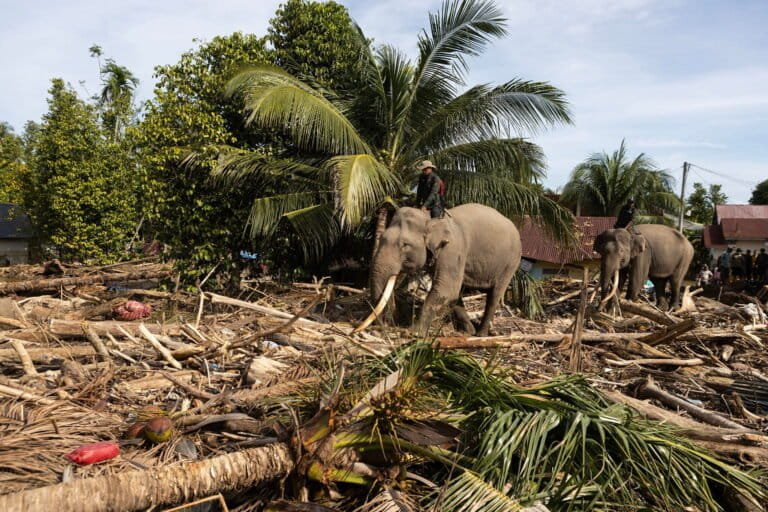
On December 26, 2004, a massive earthquake off the coast of Sumatra unleashed a devastating tsunami that reshaped lives across Indonesia and beyond, yet in its wake emerged unexpected pathways to reconciliation and resilience.
The Unforeseen Fury of Nature

The Unforeseen Fury of Nature (Image Credits: Imgs.mongabay.com)
The earthquake, measuring 9.1 on the Richter scale, struck just before dawn, sending shockwaves through the Indian Ocean. Within minutes, towering waves surged toward shorelines, catching communities off guard during holiday festivities. In Aceh province, the epicenter’s proximity amplified the destruction, as entire villages vanished under the relentless flood.
Residents in coastal areas reported the sea receding dramatically before the walls of water arrived, a phenomenon that left little time for escape. The disaster claimed over 167,000 lives in Indonesia alone, making it one of the deadliest natural events in modern history. Infrastructure crumbled, from homes to schools, leaving survivors to confront a landscape of rubble and loss.
News of the calamity spread rapidly, drawing global attention and aid. International teams arrived swiftly, but the scale of the tragedy tested response capabilities worldwide.
Navigating the Immediate Aftermath
In the days following the waves, search and rescue operations dominated the scene. Volunteers and military personnel sifted through debris, pulling survivors from unlikely places. Temporary shelters sprang up in inland areas, housing thousands displaced from their coastal homes.
The human toll extended beyond the physical. Families grappled with profound grief, while health crises loomed amid contaminated water supplies. Organizations like World Vision mobilized for long-term support, focusing on rebuilding communities over the ensuing decade.
Government officials coordinated relief efforts, but logistical challenges in remote regions slowed progress. Still, the outpouring of solidarity from around the world provided a foundation for recovery.
From Conflict to Unity: A Surprising Legacy
Amid the ruins, an unlikely silver lining emerged in Aceh, long plagued by a decades-long separatist insurgency. The Free Aceh Movement and Indonesian forces, both reeling from the disaster, paused hostilities to address the shared crisis. This temporary truce evolved into formal peace talks, culminating in a 2005 agreement that ended the conflict.
The tsunami’s impartial destruction forced a reevaluation of priorities. Leaders recognized that unity could accelerate healing, leading to greater autonomy for Aceh and investments in local governance. This shift marked a pivotal moment, transforming a zone of division into one of tentative harmony.
Environmental awareness also gained traction. The event highlighted vulnerabilities tied to coastal development and deforestation, prompting stricter regulations on mangrove preservation and disaster preparedness.
Building Resilience for the Future
Two decades later, Indonesia has fortified its defenses against such threats. Early warning systems now alert coastal populations minutes before tsunamis strike, a direct response to 2004’s lessons. Community drills and education programs empower residents to respond effectively.
Reconstruction efforts rebuilt not just structures but also social fabrics. Schools and hospitals rose stronger, incorporating earthquake-resistant designs. Economic recovery followed, with tourism rebounding in safer, more sustainable ways.
- Installation of buoys and sensors across the Indian Ocean for real-time monitoring.
- Reforestation initiatives to restore natural barriers against erosion.
- International partnerships enhancing regional disaster protocols.
- Local leadership training to foster self-reliant communities.
- Memorial sites honoring the lost while educating on prevention.
These measures reflect a broader commitment to turning tragedy into teachable progress.
Key Takeaways
- The 2004 tsunami catalyzed peace in Aceh, ending a 30-year conflict.
- Global aid and local ingenuity accelerated physical and emotional recovery.
- Ongoing innovations in warning systems save lives and build long-term security.
As Indonesia continues to honor the memory of 2004, the event stands as a testament to human endurance and the potential for adversity to spark positive change. What lessons from this history resonate most with you today? Share your thoughts in the comments.