
Oregon – Scientists have uncovered a promising development in the fight against chronic wasting disease, a fatal prion illness affecting cervids across North America.
A Hidden Defense in Elk Populations

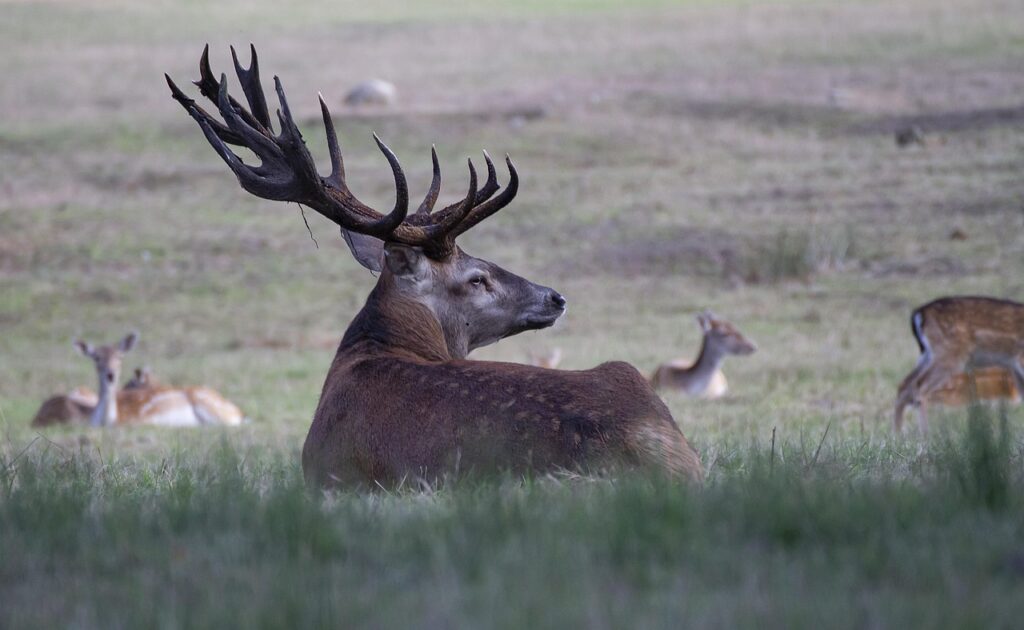
A Hidden Defense in Elk Populations (Image Credits: Pixabay)
Researchers recently identified that nearly half of Oregon’s elk carry a genetic variant that reduces their susceptibility to chronic wasting disease, or CWD. This prion-based disorder causes progressive deterioration in deer, elk, and moose, leading to death in all cases. The discovery emerged from genetic analysis of Roosevelt and Rocky Mountain elk across the state, revealing frequencies of the protective PRNP gene variant. Such resistance could slow the disease’s spread in wild populations.
The variant alters the prion protein structure, making it harder for the misfolded prions responsible for CWD to take hold. Studies showed this trait present in about 45% of the sampled elk, with higher rates in certain herds. Wildlife experts noted that this natural buffer might explain why CWD has not yet established a foothold in Oregon despite its proximity to infected areas. The findings, published in recent wildlife journals, highlight how evolutionary adaptations can influence disease dynamics in ecosystems.
The Growing Shadow of CWD
Chronic wasting disease first appeared in the 1960s in captive deer facilities and has since expanded to 30 states and two Canadian provinces. It spreads through contaminated saliva, urine, and feces, persisting in soil for years. Infected animals exhibit symptoms like weight loss, listlessness, and abnormal behavior before succumbing. Oregon wildlife officials have monitored herds closely, testing thousands of samples annually to detect early signs.
The disease reached Idaho last year, just across the border, raising alarms for neighboring states. Transmission occurs directly between animals or indirectly via environmental contamination. While no cure exists, management strategies include targeted hunting and surveillance. The illness poses no known risk to humans, but it threatens biodiversity by decimating cervid populations.
Protecting the Columbian White-Tailed Deer
The rare Columbian white-tailed deer, listed as endangered, faces heightened vulnerability as CWD advances. This subspecies, confined to limited habitats in Oregon and Washington, numbers fewer than 7,000 individuals. Unlike elk, these deer lack widespread genetic resistance, making them prime candidates for rapid infection if the disease crosses borders. Elk herds, serving as ecological neighbors, could act as a frontline defense by limiting prion circulation.
Experts suggest that resistant elk might dilute the disease’s prevalence in shared ranges, reducing exposure for the deer. Conservationists emphasized the need for habitat separation where possible to prevent spillover. Ongoing research explores breeding programs to introduce resistant traits into deer populations. This interplay between species underscores the interconnectedness of wildlife health.
Strategies for Wildlife Management
State agencies have ramped up efforts to leverage the elk’s genetic advantage. Testing protocols now prioritize identifying resistant individuals to inform translocation plans. Hunters play a key role by submitting samples, aiding in early detection. Collaboration with federal partners ensures comprehensive surveillance across borders.
Future steps include modeling disease spread scenarios that factor in the elk variant’s impact. Education campaigns target landowners on biosecurity measures, such as carcass disposal to curb environmental persistence. These proactive measures aim to preserve both common and rare cervids amid evolving threats.
- CWD affects deer, elk, moose, and other cervids through prion misfolding.
- Prions remain infectious in the environment for extended periods.
- No treatment or vaccine exists, emphasizing prevention.
- Genetic variants like Oregon’s elk PRNP offer partial protection.
- Surveillance and hunting regulate population densities to slow transmission.
Key Takeaways
- Nearly half of Oregon’s elk possess a CWD-resistant gene, potentially buffering regional spread.
- Rare subspecies like the Columbian white-tailed deer remain at high risk without similar traits.
- Integrated management, including genetic monitoring, is crucial for long-term protection.
As chronic wasting disease continues its westward creep, the resilience of Oregon’s elk provides a glimmer of hope for safeguarding vulnerable species. This natural genetic shield reminds us of wildlife’s capacity to adapt, yet human intervention remains essential. What steps should conservationists prioritize next to protect these ecosystems? Share your thoughts in the comments.