When you think dinosaurs, you probably picture the usual suspects. The massive T. rex with its bone-crushing jaws, or maybe the armored Triceratops locking horns in dramatic showdowns. Those are the stars, the headliners, the dinosaurs that got all the movie deals.
Here’s what they don’t tell you. The Mesozoic world was filled with creatures so bizarre, so absolutely strange, that they make the famous ones look almost boring by comparison. Some had claws longer than swords. Others sported vacuum-cleaner mouths packed with hundreds of teeth. A few looked like someone ran out of ideas halfway through designing them.
These are the forgotten oddities, the evolutionary experiments that somehow worked. So let’s dive in.
Therizinosaurus: The Plant-Eater With Nightmare Claws
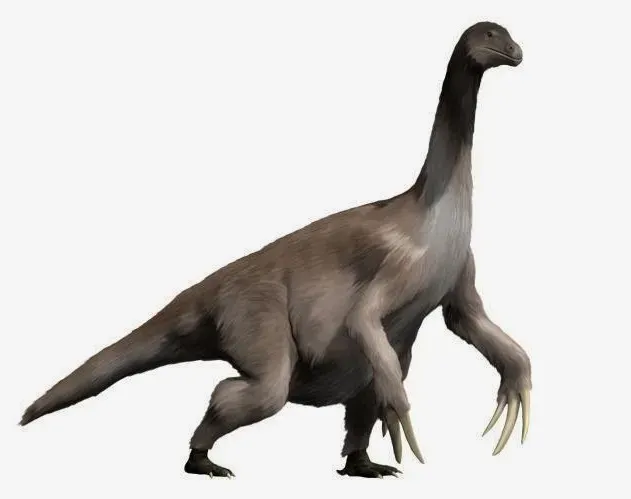
Picture a dinosaur with claws longer than a baseball bat, standing up to roughly 30 feet long. Therizinosaurus looked like something from a horror movie, except it ate plants. The theropod had enormous, curved claws that may have been used for stripping vegetation or defense.
Its pot-bellied stance and long neck made it one of the weirdest-looking dinosaurs ever. The claws, honestly, were longer than any sword humans ever forged. Imagine running into that thing while it’s casually munching leaves. Despite appearances, it probably just wanted to be left alone with its salad.
Incisivosaurus: The Dinosaur That Looked Like a Giant Rodent
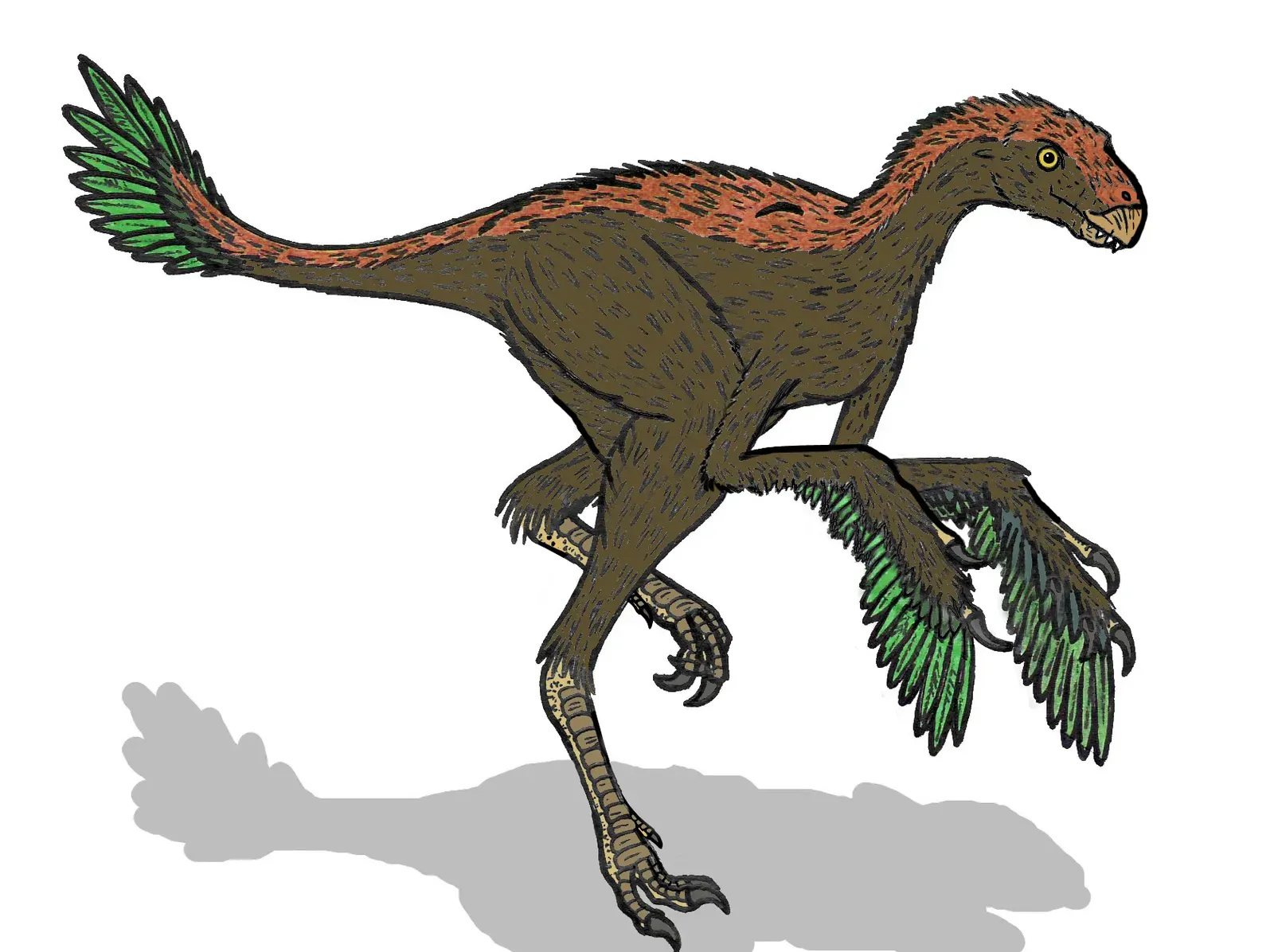
This dinosaur’s most notable feature was its rodent-like incisors in the front of its mouth, coupled with sharp cheek teeth that allowed it to process a diverse diet. The small, feathered theropod likely used its prominent front teeth to strip vegetation, making it an unusual plant-eating member of its group.
The combination sounds absurd, like evolution was playing mix and match. Think about it: a feathered dinosaur with beaver teeth. This combination of features indicates that Incisivosaurus might have been omnivorous. It’s roughly the size of a large dog but looked like nothing else on Earth.
Deinocheirus: The “Terrible Hand” Mystery
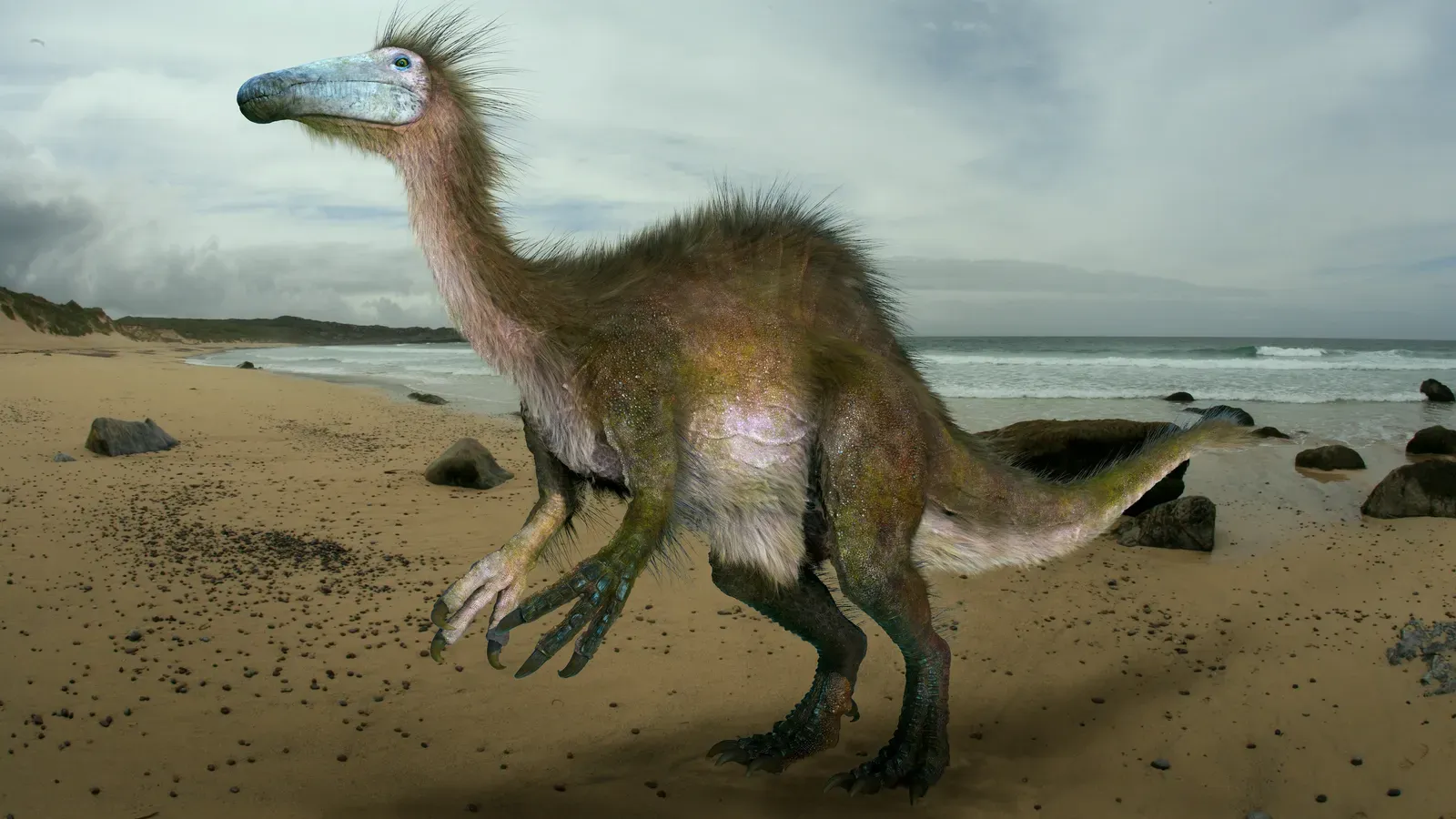
Deinocheirus is among the most distinctive dinosaurs discovered, notable for its massive size and unusual appearance, known as the “terrible hand” due to its large, clawed forelimbs. For decades, paleontologists only had those gigantic arms to work with. This dinosaur grew approximately 11 meters in length and exhibited a mix of features including a humped back similar to a camel’s and a duck-like beak.
Initially thought to be a carnivore, further findings suggested it was omnivorous, feeding on plants and possibly fish. The whole package is deeply weird. A camel-backed, duck-faced giant with terrifying claws that probably just wanted to fish in peace.
Nigersaurus: The Mesozoic Vacuum Cleaner
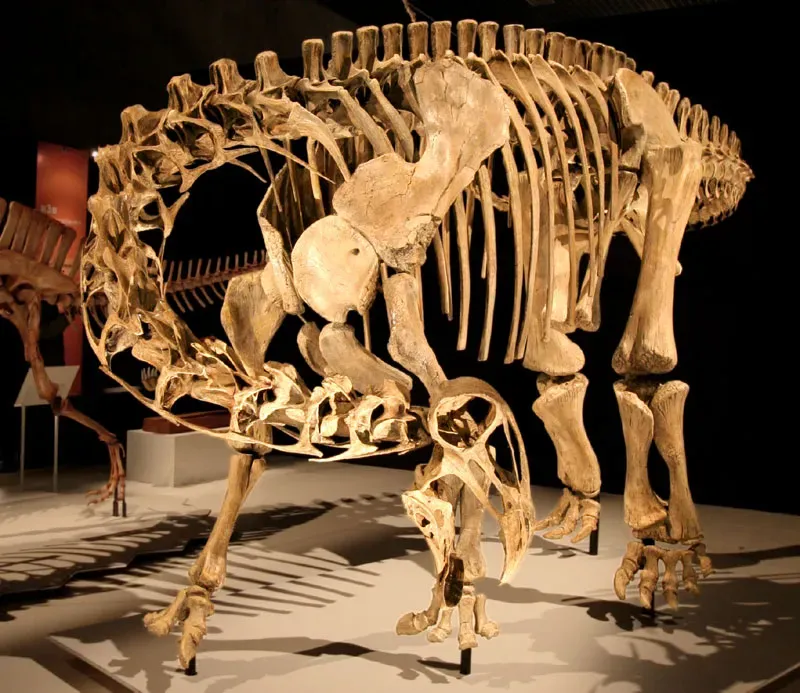
Known as the “Mesozoic cow”, this peculiar sauropod featured a broad snout and over 500 active and replacement teeth, famous for its grazing specialization. All those teeth were packed at the front of its jaw, creating a mouth that legitimately looked like a vacuum attachment.
All its 500 teeth are at the end of its jaw at the front of the mouth, and each mature tooth had nine replacement teeth stacked up behind it. That’s an insane dental plan. The setup allowed it to graze low vegetation constantly, replacing worn teeth like nature’s own conveyor belt system.
Amargasaurus: The Dinosaur With a Mohawk
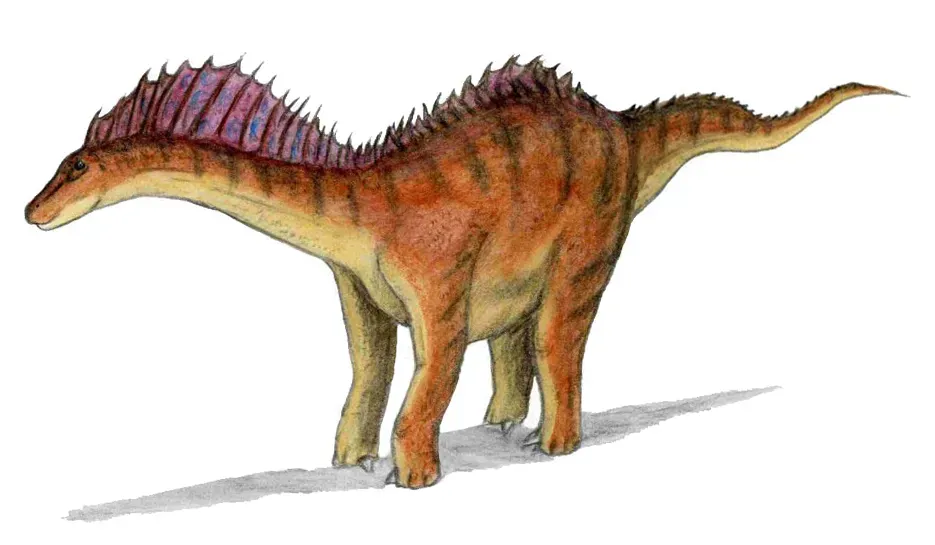
Discovered in Argentina, Amargasaurus was a sauropod that maxed out at around 35 feet long, smaller than more well-known sauropods. It possessed a bizarre double row of parallel spines along its neck and back, taller than any other sauropod.
Was it for display? Protection? Scientists still debate. What makes Amargasaurus so awesome is that it was punk rock dinosaur, complete with Mohawk. The spines may have supported skin sails or stuck out directly, either way creating one of the most distinctive silhouettes in the dinosaur world.
Yi Qi: The Bat-Winged Dinosaur
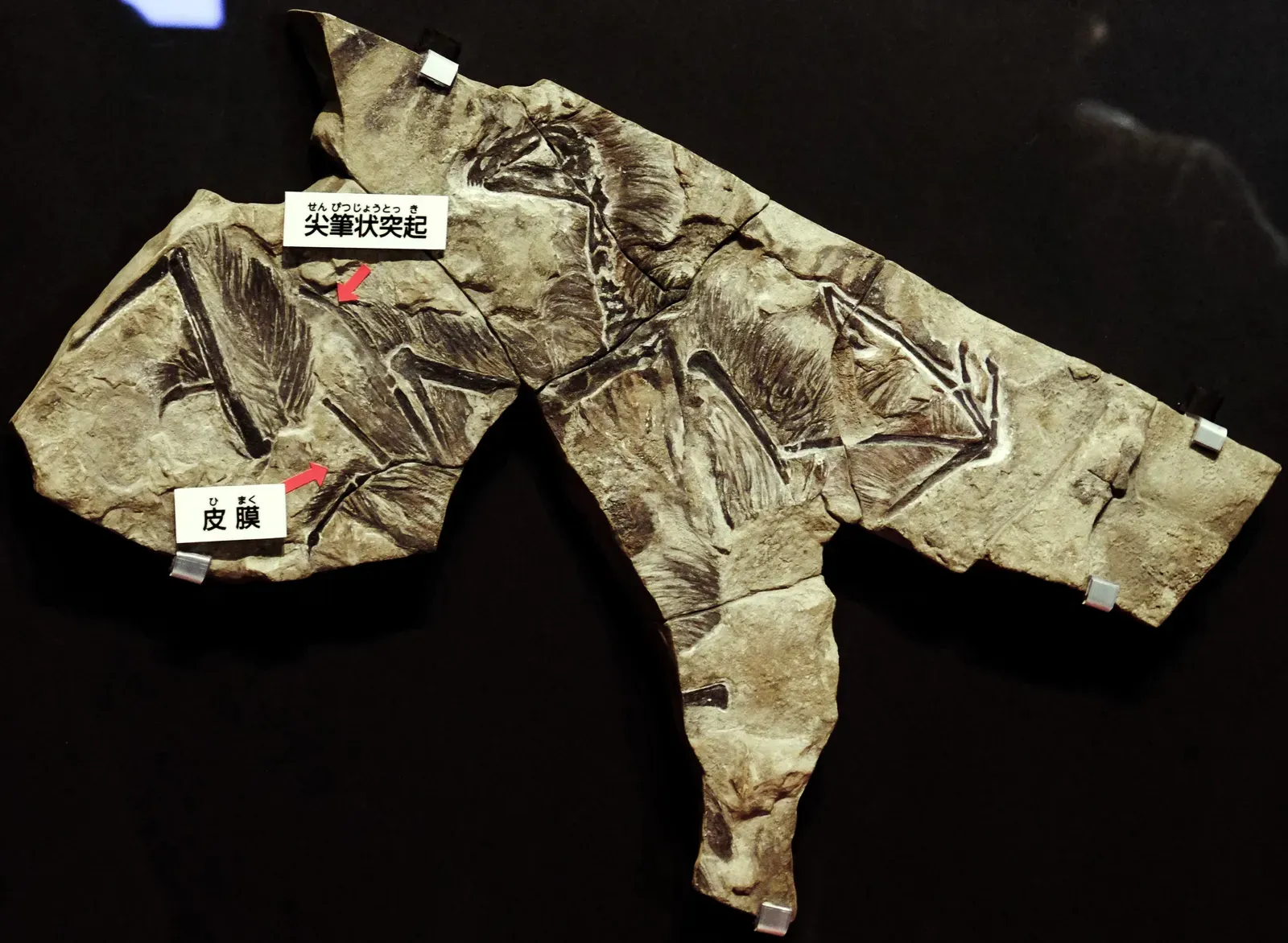
Yi qi was a small, feathered dinosaur from China with membranous wings supported by a long rod-like bone extending from its wrist, featuring bat-like structures that may have allowed it to glide. The Yi qi, unearthed in China, had a bizarre membrane-wing structure, representing a rare glimpse into the evolution of flight in dinosaurs.
Evolution tried something completely different here. Instead of feathered wings like birds, it went with the bat approach. This rare adaptation shows how experimental evolution could be among early flying dinosaurs. It didn’t catch on long-term, but for a moment in prehistory, dinosaurs had their own version of bats.
Pegomastax: The Porcupine Parrot From Prehistoric Times
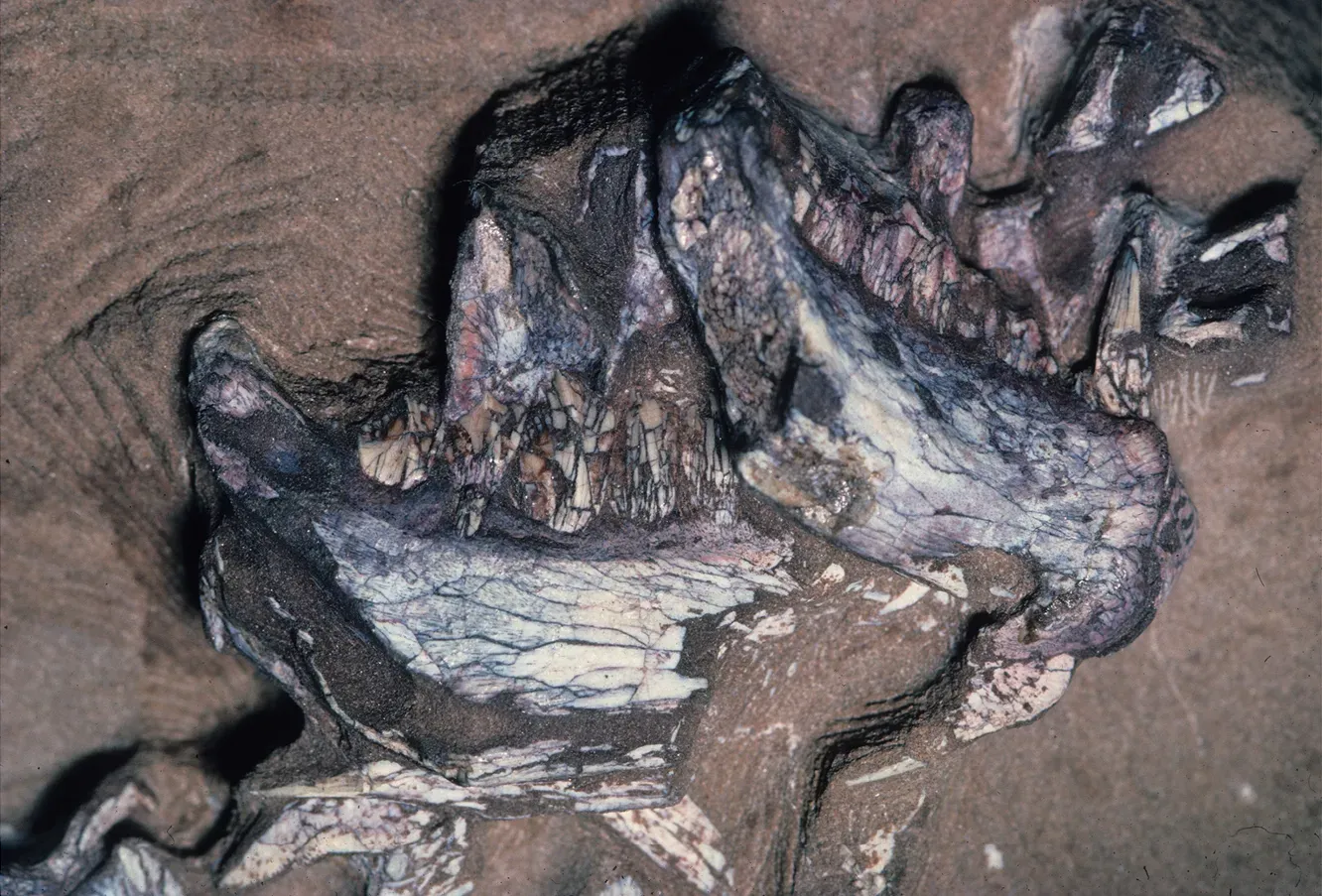
Pegomastax inhabited what is now South Africa around 200 to 190 million years ago and was rather small, measuring 60 centimeters in length and weighing less than a housecat. Covered in quills and described as a cross between a parrot and a porcupine, it had a beak and teeth which sharpened themselves against each other.
Despite eating plants, it sported unusual fangs. Its parrot-like beak with unusual fangs, a rare combination in herbivores, may have been used for defense or social interactions. Imagine a tiny, spiky dinosaur with a bad attitude and self-sharpening teeth. Not something you’d want as a pet.
Carnotaurus: The Bull-Horned Speedster
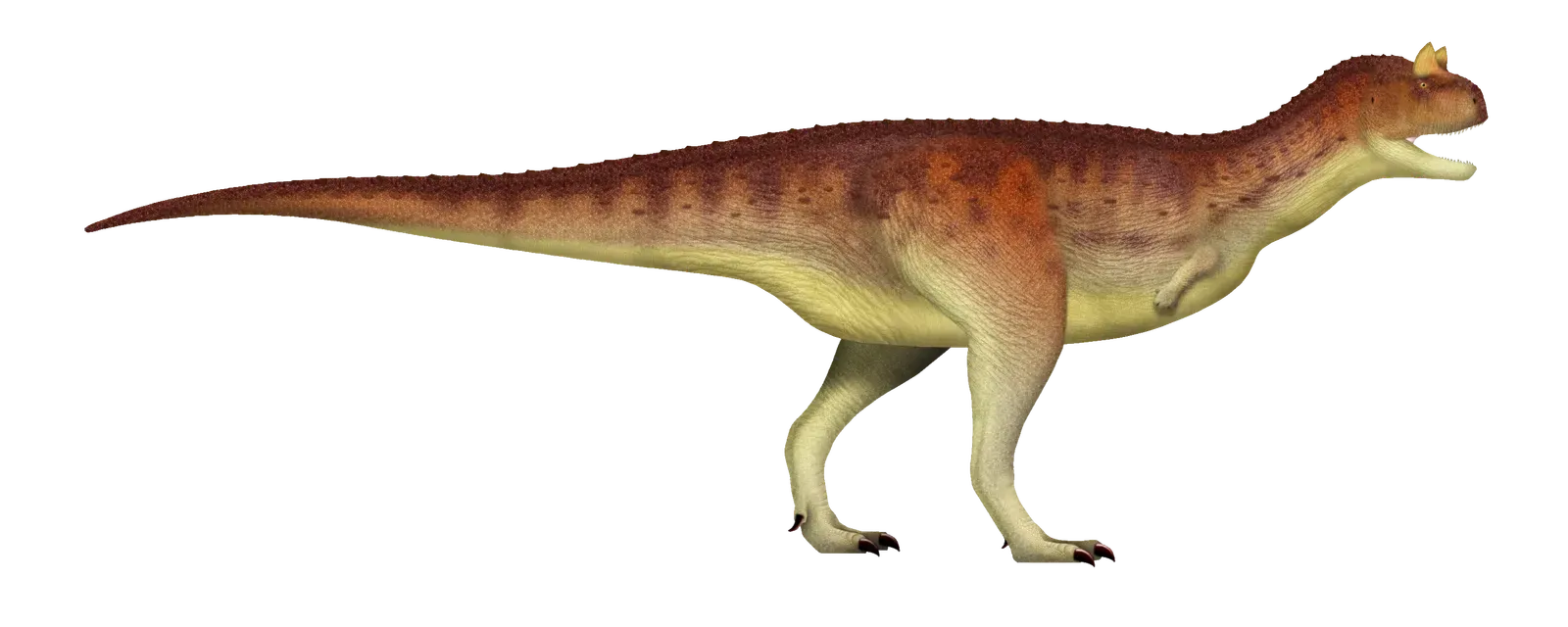
The carnotaurus, discovered in Argentina, was an extremely bizarre looking dinosaur that boasted two horns on top of its head with tiny arms and backward hands. The combination of horns and speed makes Carnotaurus one of the strangest meat-eaters known.
Its tiny arms were so small that they may have been completely useless, even for feeding itself. Think T. rex arms were ridiculous? Carnotaurus took it even further. The horns suggest head-butting behavior, possibly in territorial disputes or mating displays. Fast, horned, and practically armless – evolution has a sense of humor.
Concavenator: The Humped Hunter With Feathered Arms
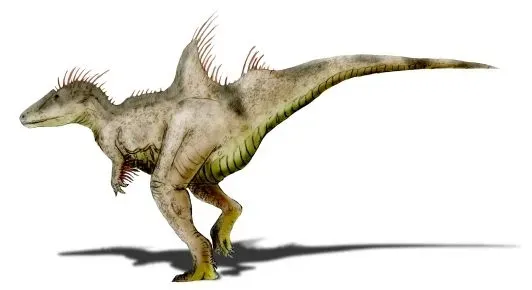
Concavenator was a small carcharodontosaurid from Early Cretaceous Spain, notable for its unusual back which featured a prominent, sail-like hump supported by elongated vertebrae. These weird dinosaurs had teeth as sharp as sharks’, sharp humps on their backs like camels’, and feathers on their arms like birds.
The hump’s purpose remains unclear. Display? Temperature regulation? Just looking cool? Concaventors preyed on crocs, mammals, and small dinosaurs. It was a formidable predator despite the bizarre appearance, showing that weird doesn’t mean ineffective.
Psittacosaurus: The Parrot-Porcupine Hybrid
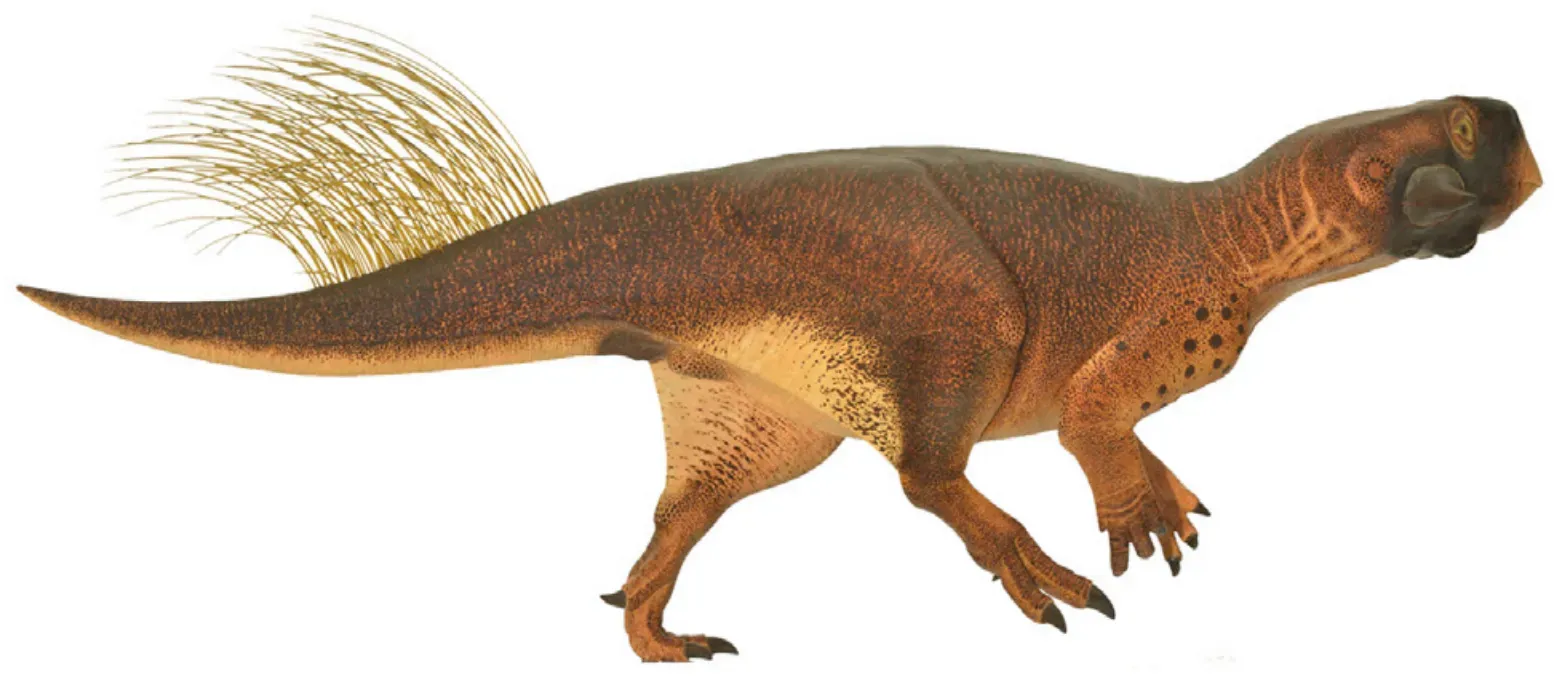
Psittacosaurus looks like what you might imagine would happen if you mixed a parrot, a dinosaur, and a porcupine together. Over 400 individual specimens have been discovered, allowing paleontologists to study how they walked on 4 legs but around age 6 went through a major growth spurt and walked on two legs thereafter.
They also swallowed pebbles, and the youngin’s would crowd together for protection. The abundance of fossils reveals surprisingly complex behavior for such an odd-looking creature. Starting life on four legs, then switching to two as teenagers? That’s a growth spurt with commitment.
Conclusion
These ten dinosaurs prove something important. Evolution doesn’t follow a script or aim for elegance. It experiments wildly, creating creatures that seem impossible until you see their fossilized bones staring back at you from museum displays.
From vacuum-mouthed grazers to bat-winged gliders, from mohawked herbivores to rodent-toothed omnivores, the dinosaur world was far stranger and more diverse than Hollywood ever imagined. These weren’t failed experiments either. Each thrived in its environment, proving that weird works when it needs to.
What do you think about these bizarre prehistoric creatures? Did any of them catch you completely off guard? Tell us in the comments.