Have you ever stood beneath a mounted dinosaur skeleton and felt absolutely dwarfed? There’s something deeply fascinating about creatures that once walked our planet weighing as much as ten elephants or more. These prehistoric giants captivate our imagination precisely because they defied what seems possible for land animals.
The question of how dinosaurs achieved such colossal proportions has puzzled scientists for generations. Was it something in the air they breathed? Their unique body structure? Or perhaps an entirely different metabolism than anything we see today? The answers turn out to be far more intriguing than you might expect, involving a complex web of evolutionary innovations, environmental conditions, and biological tricks that no modern land animal can replicate. Let’s dive into the remarkable science behind these ancient titans.
Bird-Like Lungs Gave Them an Edge
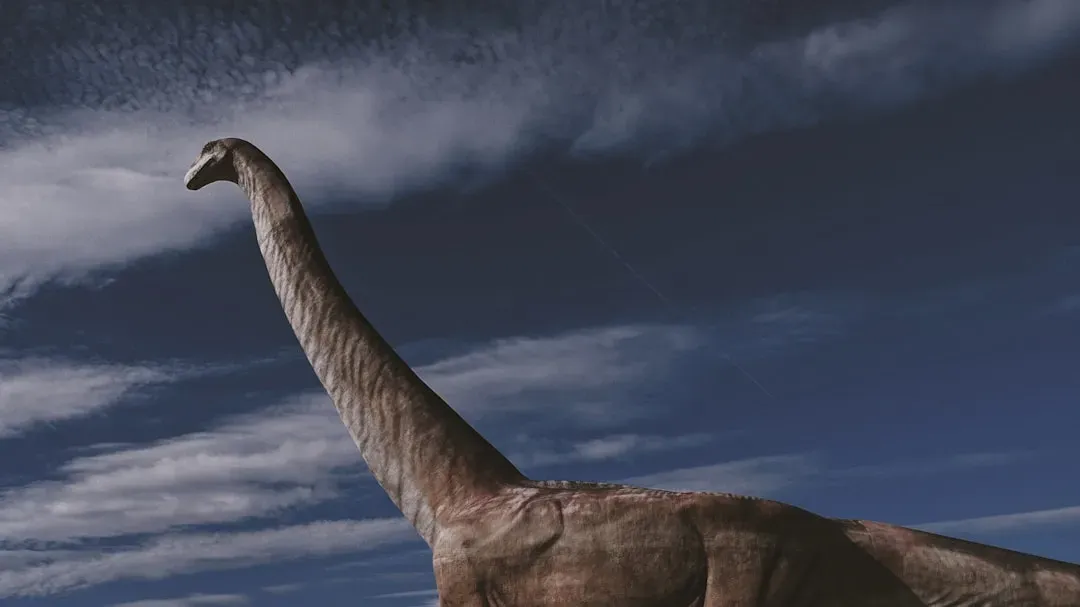
You might be surprised to learn that dinosaurs possessed an avian-style respiratory system, presumably inherited at the base of Saurischia. This wasn’t just any breathing system. Like modern birds, sauropods had a super-efficient breathing system that would have been more effective at dispersing excess heat.
Think of it this way: while mammals like us have lungs that work like bellows, breathing in and out through the same passages, birds have a flow-through system with air sacs that keeps fresh oxygen moving in one direction. This avian-style respiratory system would have lowered the cost of breathing, reduced specific gravity, and may have been important in removing excess body heat. For a creature weighing dozens of tons, staying cool was actually a bigger challenge than staying warm.
Hollow Bones Lightened the Load
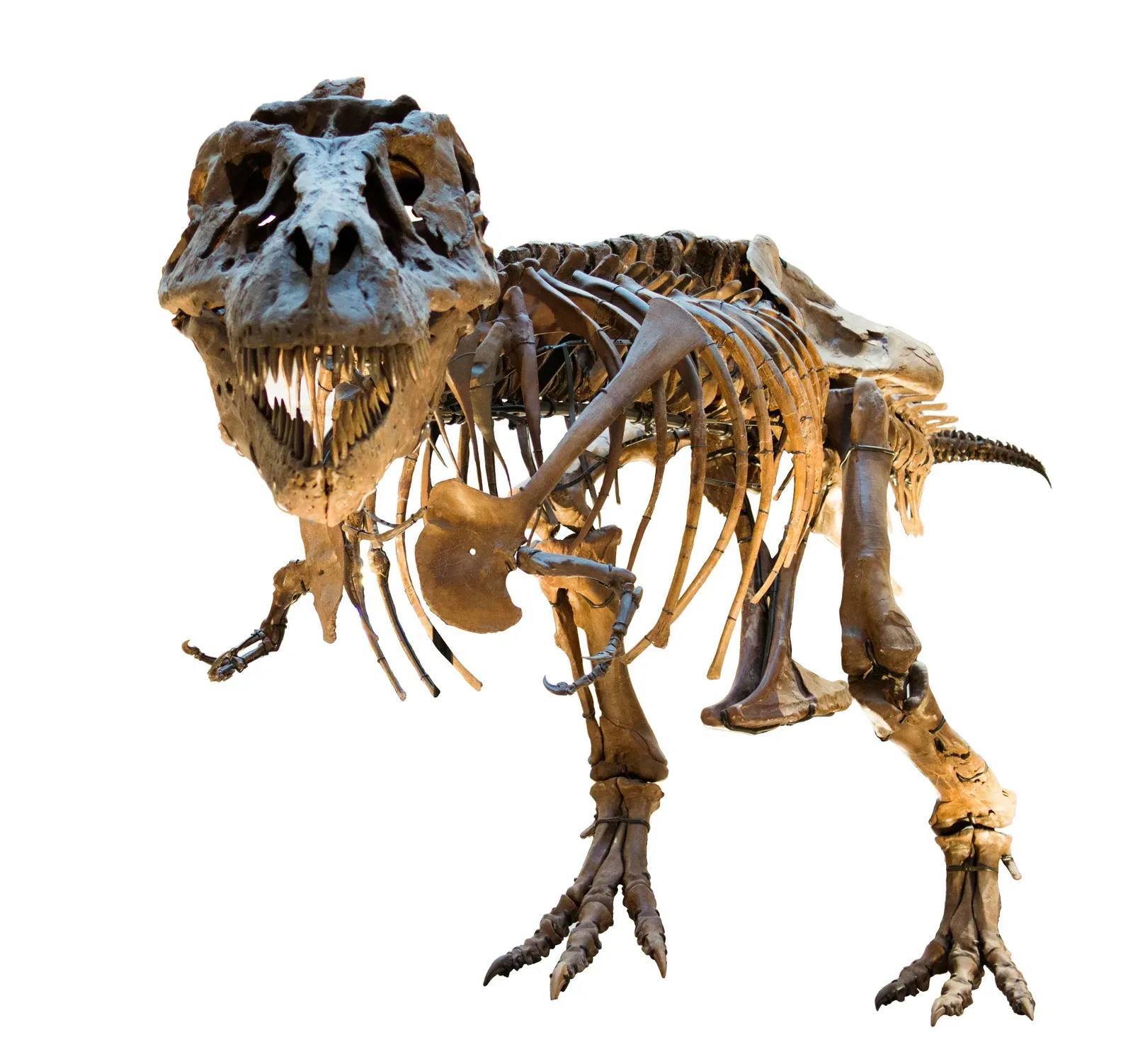
One of the most clever adaptations involved their skeletons. Their pneumatized bones would have helped to lighten the skeleton, making massive body sizes mechanically feasible. Imagine trying to support a neck stretching over forty feet long if it were made of solid bone.
Air sacs stemming from the core of the respiratory system invaded the bone and left distinctive indentations behind. This wasn’t just about weight reduction, though that was crucial. These air-filled spaces throughout their vertebrae and ribs meant that dinosaurs could build larger frames without the skeletal structure collapsing under its own weight. Modern birds use this same trick to achieve flight, while sauropods used it to reach unprecedented sizes on land.
They Didn’t Waste Time Chewing
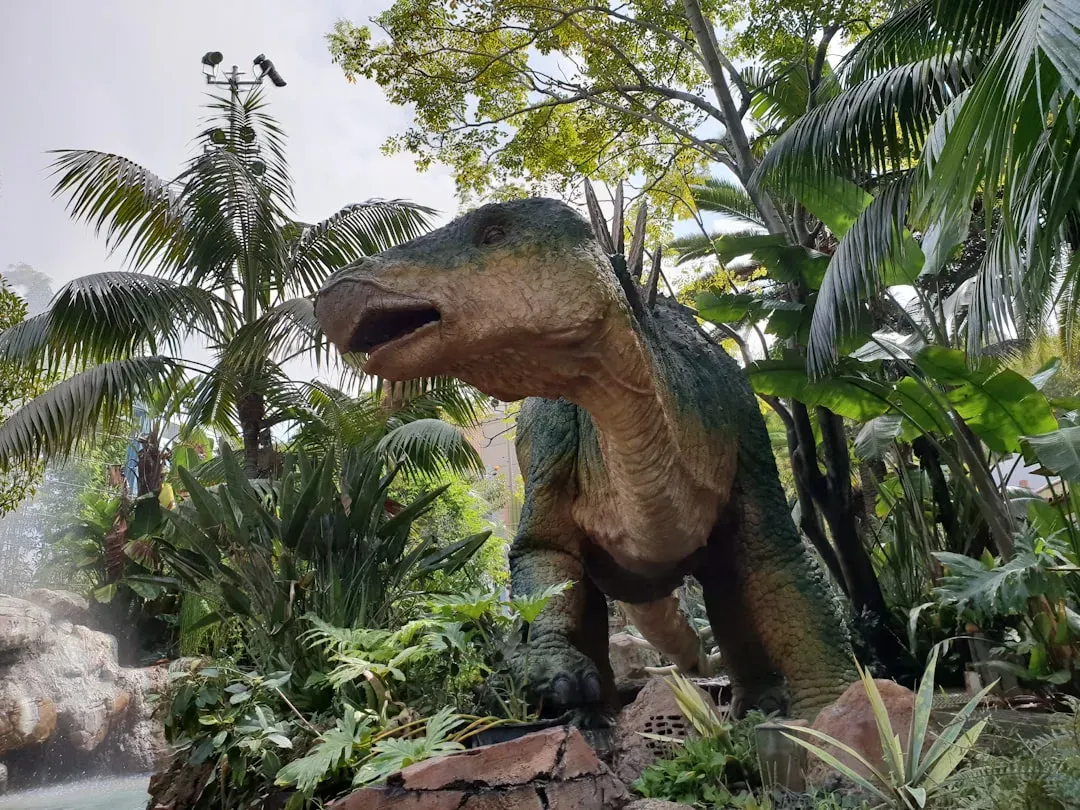
Here’s something that might sound odd: not chewing your food could be the key to growing enormous. Food was ingested without mastication, and both mastication and a gastric mill would have limited food uptake rate. Sauropods essentially vacuumed up vegetation without bothering to grind it down first.
Their stomachs evolved the ability to store food for a long period of time, so they could consume a huge amount of food very fast by swallowing it whole, then their stomachs would do the slow work of grinding it down over the course of weeks. This meant more time gathering food and less time processing it. Their small heads relative to body size suddenly makes sense when you realize they weren’t designed for heavy chewing work.
Explosive Growth Rates Set Them Apart
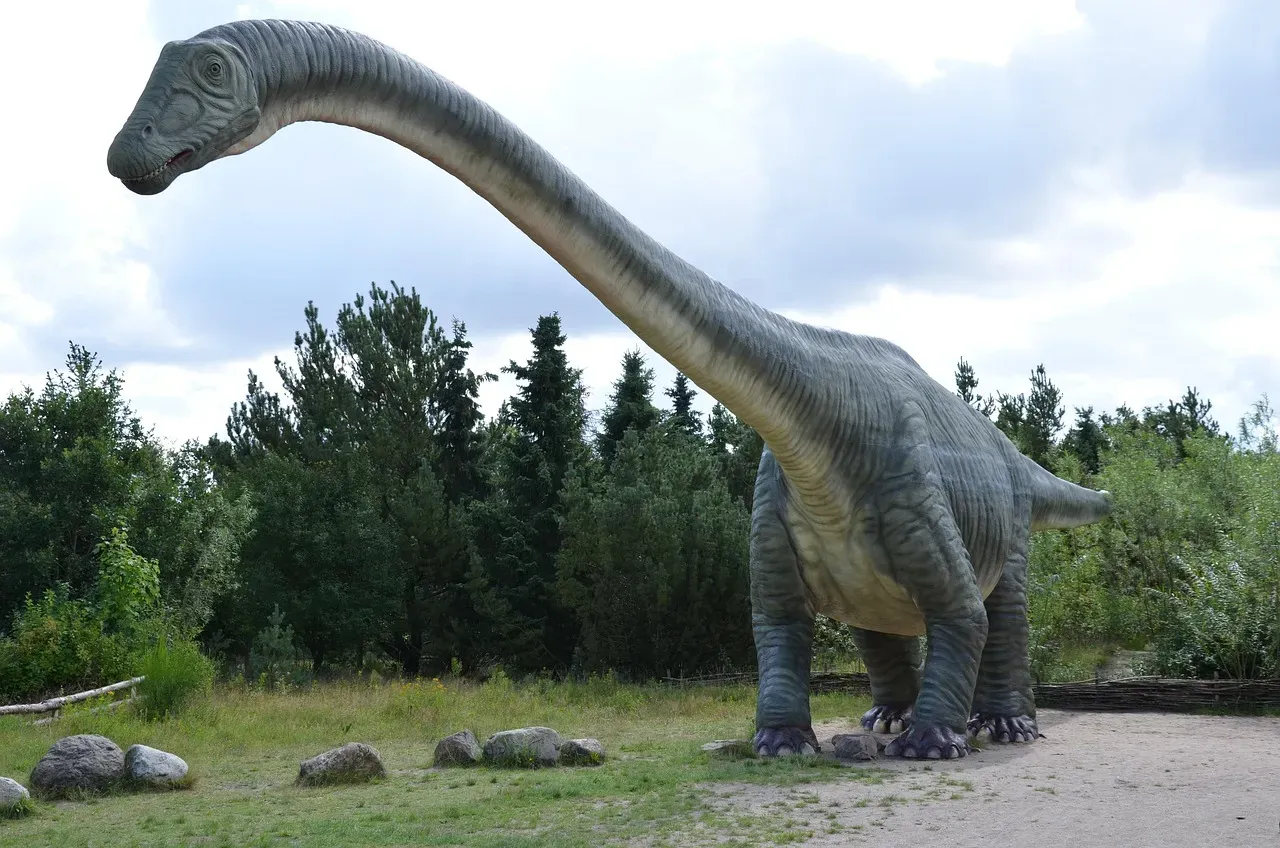
Dinosaurs didn’t take centuries to reach their enormous sizes. T. rex took 15 to 18 years to attain full size, reaching weights of multiple tons in less than two decades. T. rex grew to its adult size even faster than an elephant does, despite being significantly larger.
The oldest sauropods showed laminar fibro-lamellar bone lacking growth marks, which is unequivocal evidence for very fast growth. Their bones reveal growth patterns more similar to mammals than reptiles. All dinosaurs grew faster than all living reptiles, that many dinosaurs grew at rates comparable to those of living marsupials, and that the largest dinosaurs grew at rates comparable to those of rapid-growing mammals. Honestly, it’s hard to say for sure how they managed such rapid development, but their bone structure tells a clear story.
A High-Energy Metabolism Fueled Giants
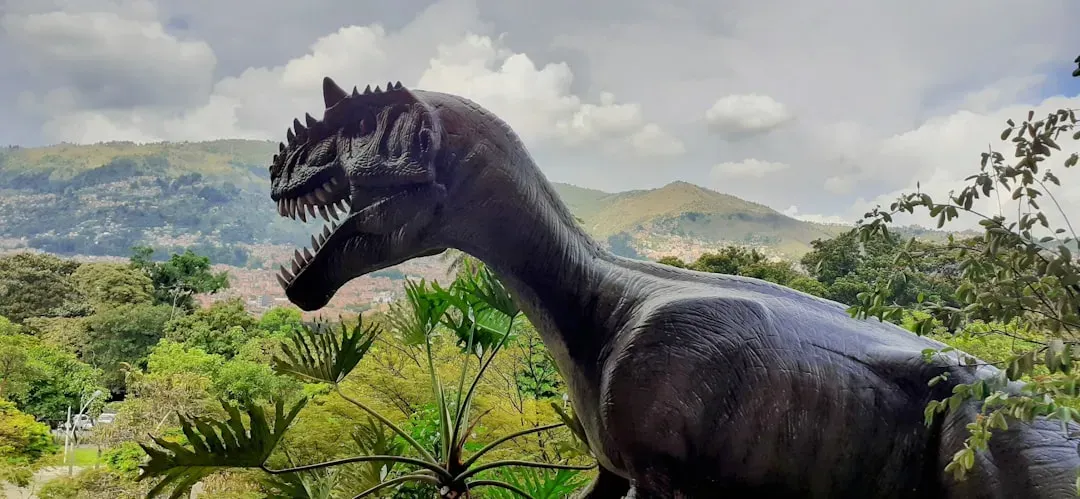
Another crucial innovation inherited from basal dinosaurs was a high BMR – that’s basal metabolic rate for those unfamiliar with the term. This wasn’t your typical cold-blooded reptilian metabolism. A high growth rate necessary for a multi-tonne animal to survive to reproductive maturity required burning through calories at remarkable rates.
Let’s be real: you can’t grow from hatchling to multi-ton adult in under twenty years on a lizard’s metabolism. The lizard-hipped dinosaurs were warm- or even hot-blooded, and some weren’t just warm-blooded – they had metabolic rates comparable to modern birds, much higher than mammals. The sheer energy requirements would have been staggering, particularly during growth spurts.
Long Necks Reached Untapped Food Sources
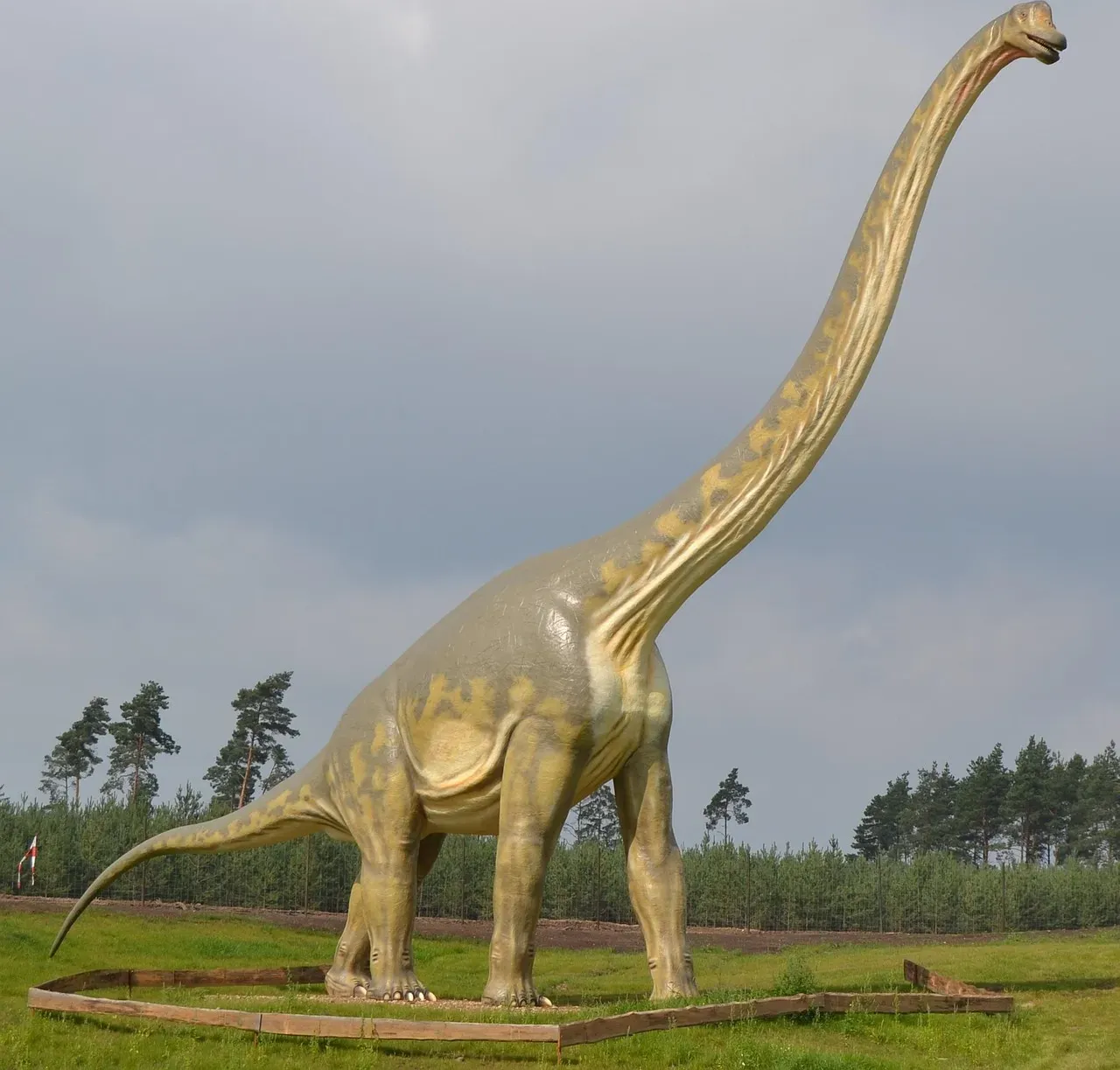
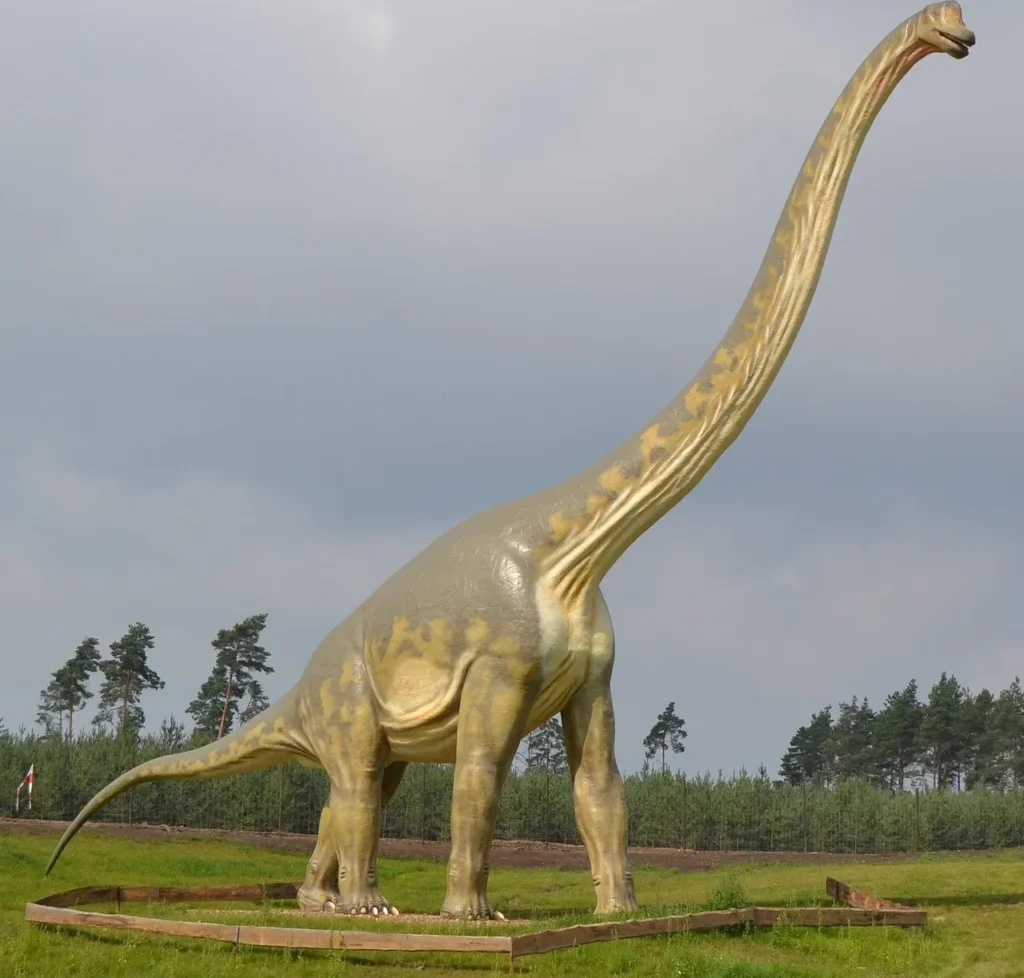
Because sauropods had such long necks, they must have been more efficient eaters than other large herbivores, meaning they could cover much larger feeding grounds and reach food that was inaccessible to other dinosaurs. Picture a giraffe, then multiply that advantage several times over.
The long neck could only evolve because of the small head and the extensive pneumatization of the sauropod axial skeleton, lightening the neck. Without those hollow bones, a forty-foot neck would have been impossibly heavy. This feeding strategy meant less competition for resources and the ability to strip entire groves of high vegetation that other herbivores couldn’t touch. More food with less competition equals more energy for growth.
Protection From Predators Drove Size Increases
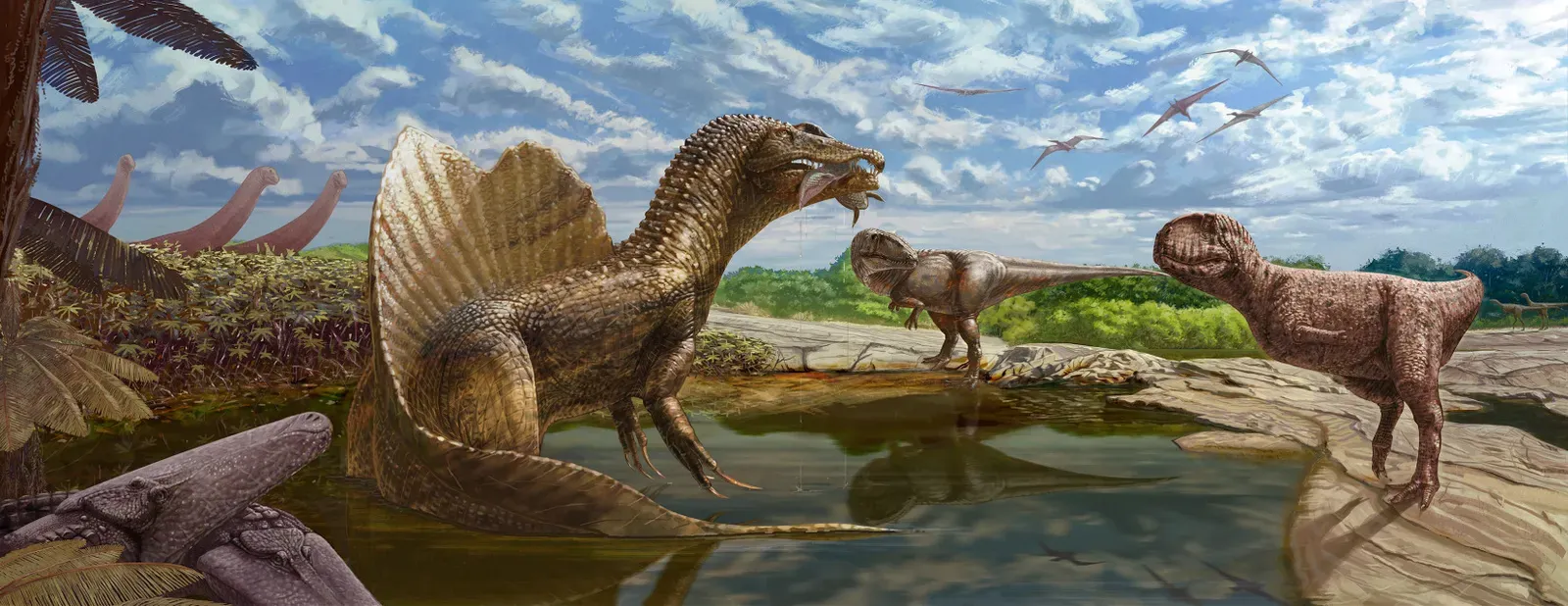
There’s an evolutionary arms race at play here. Predation could prompt sauropods to grow even larger – there’s almost like an arms race going on, and this suggests that evolutionary pressure may have contributed to sauropods’ gigantism. If predators are getting bigger, prey animals benefit enormously from outgrowing the danger zone.
A large body size protected them from most predators, helped to regulate internal body temperature, or let them reach new sources of food. Once you’re large enough, very few creatures can threaten you. This may have an effect on the size of predators, and carnivores gain mass to make it easier to prey on the large herbivores – over time, both are pushed to upper extremes in size. It’s nature’s version of an escalating competition.
Laying Eggs Rather Than Live Birth
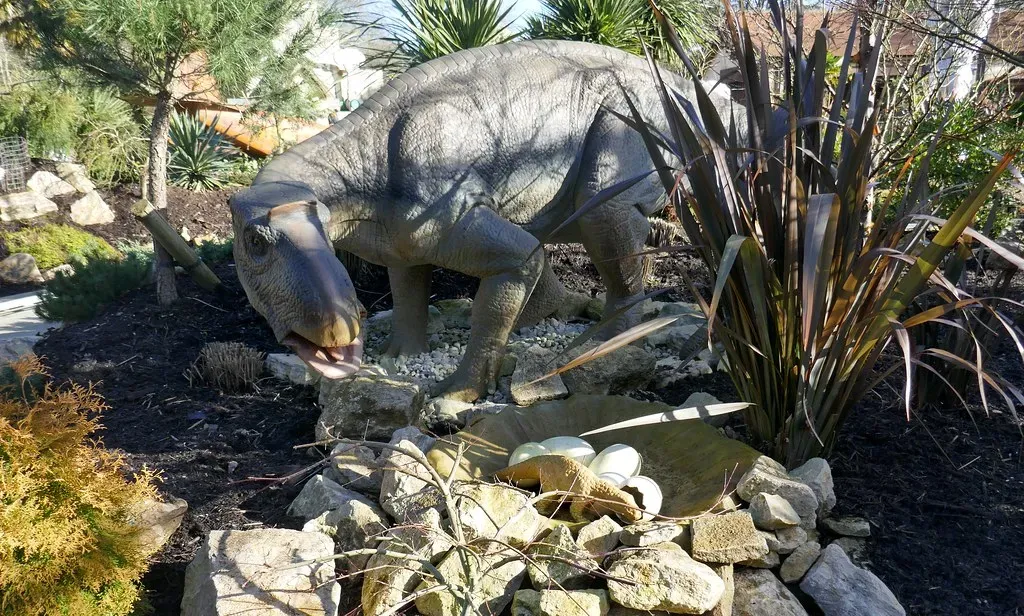
The retention of the plesiomorphic oviparous mode of reproduction appears to have been critical, allowing much faster population recovery than in megaherbivore mammals – sauropods produced numerous but small offspring each season while land mammals show a negative correlation of reproductive output to body size. This might seem like a minor detail, but it’s actually huge.
Mammals that give live birth face serious constraints. The larger the animal, typically the fewer offspring, and pregnancy itself becomes a massive energy drain. Dinosaurs bypassed this entirely. They could lay dozens of eggs, leave them to hatch, and invest energy into growing larger rather than carrying developing young inside their bodies. It’s a surprisingly elegant solution to the size problem.
Environmental Conditions Were Just Right
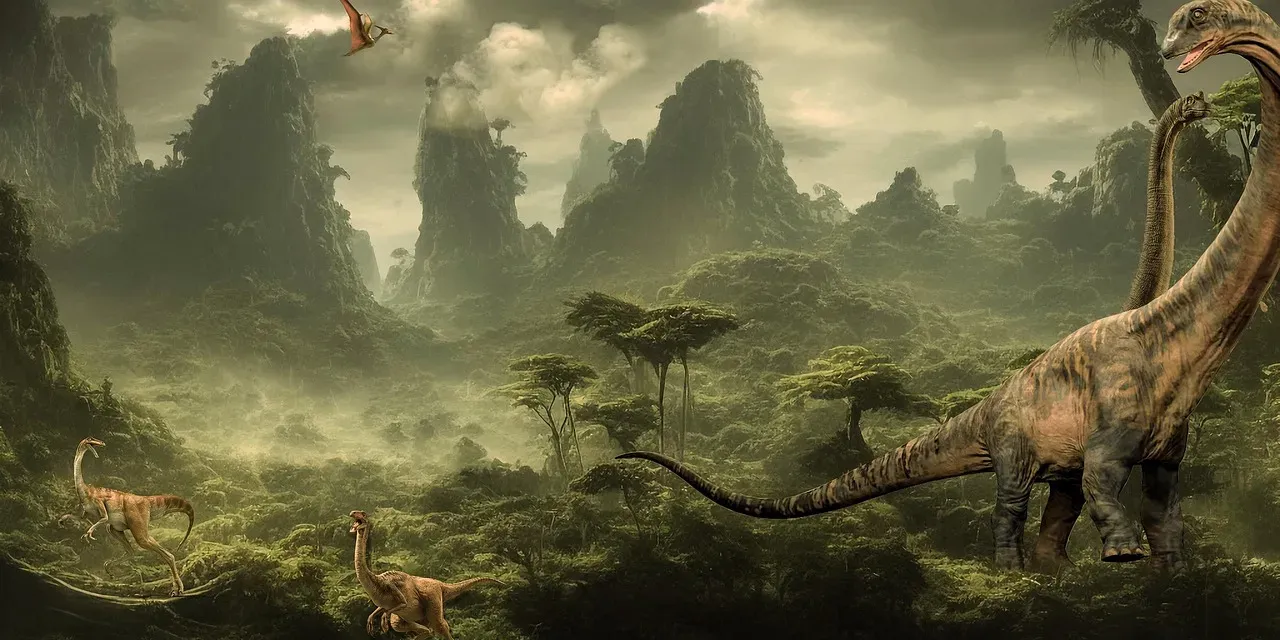
Paleontologists think that the dinosaurs’ world was much different from the world today and that climate and food supplies must have been favorable for reaching great size. The Mesozoic era offered abundant plant life and relatively stable, warm climates across much of the globe.
In the Late Jurassic period, around 150 million years ago, the air contained around four times as much carbon dioxide as it did before industrialization, and the fact that plants were carrying out more photosynthesis was probably associated with carbon dioxide levels and higher average annual temperatures. More carbon dioxide meant more vigorous plant growth, which translated into abundant food for herbivores. The world was essentially a giant buffet for massive plant-eaters, and once they evolved the right tools to exploit it, nothing could stop their march toward gigantism.
Conclusion
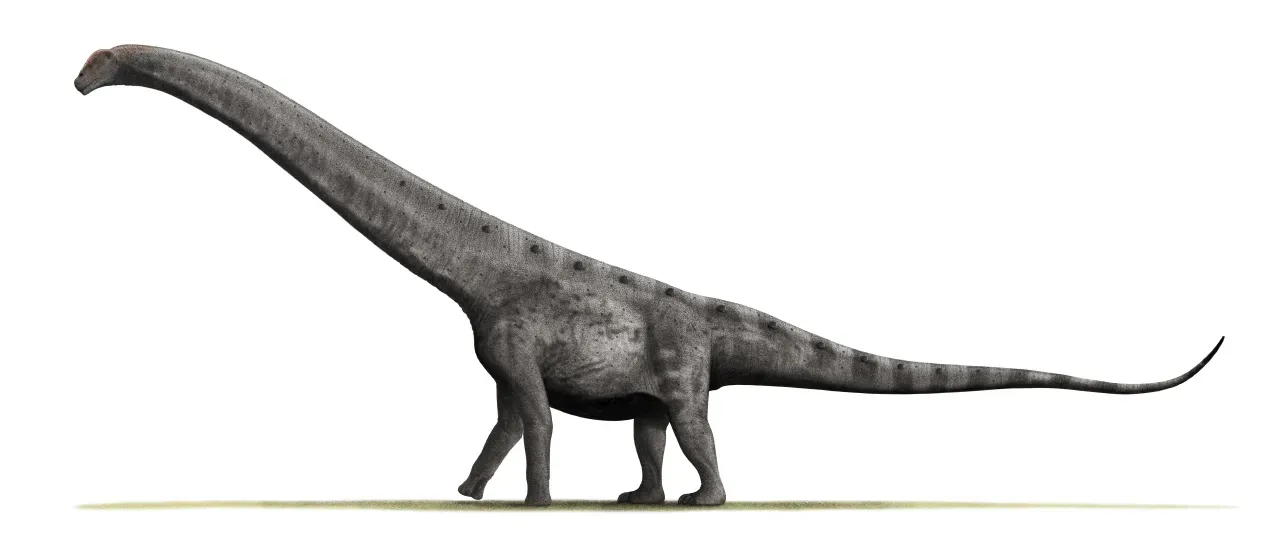
The secret to dinosaur gigantism wasn’t any single magic bullet, but rather a perfect storm of biological innovations working together. From their efficient bird-like lungs and hollow bones to their rapid growth rates and unique feeding strategies, these creatures were exquisitely adapted for reaching sizes that boggle the modern mind. Their ability to lay numerous eggs, combined with favorable environmental conditions and evolutionary pressures, created the ideal circumstances for the largest land animals ever to walk the Earth.
The fact that no land animal has matched their size since their extinction roughly 66 million years ago speaks volumes about how special that combination of factors truly was. What do you think would happen if we could somehow recreate those conditions today?