Ever wondered what life looked like before dinosaurs dominated our planet? While those mighty reptiles often steal the spotlight, the deep oceans hold secrets far older and more mysterious. There are creatures swimming in the depths today that witnessed the dawn of complex life itself, survivors of mass extinctions and planetary catastrophes that wiped out countless other species.
These ancient mariners have been quietly thriving in the underwater world for hundreds of millions of years, long before the first T. rex ever took a step. Their stories are tales of resilience, adaptation, and the sheer power of survival against impossible odds. Let’s dive in and discover these living fossils that connect us to an almost unimaginable past.
Horseshoe Crabs: The Armored Survivors of 450 Million Years
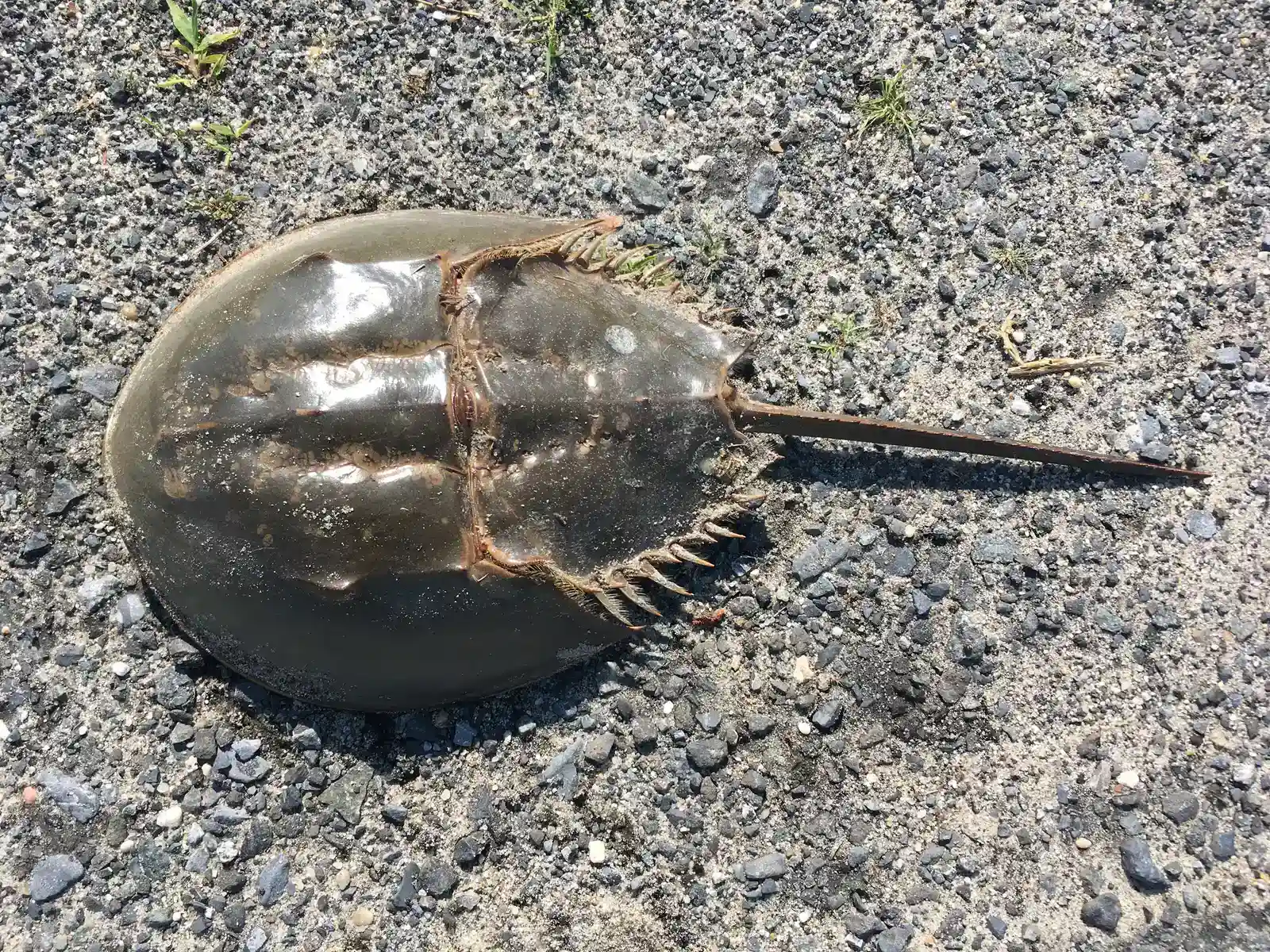
Horseshoe crabs have been roaming ocean floors for roughly 450 million years, making them far older than dinosaurs ever were. These helmet-shaped creatures look like something from a science fiction movie, with their hard exoskeleton and long, pointed tail. Here’s the thing, though: they’re not actually crabs at all. They’re classified as chelicerates, sharing closer kinship with spiders and scorpions than with the crustaceans we think of when we picture seafood.
What makes horseshoe crabs truly remarkable is their simple yet effective survival strategy. Their ability to tolerate extreme environmental conditions, including waters that are salty or fresh and low in oxygen, has been credited with their survival. They’ve weathered five mass extinctions, watched continents drift and collide, and outlasted countless other species that came and went. With ten eyes scattered across their bodies, horseshoe crabs also play a crucial role in the biomedical industry, where their blue blood is used to ensure the safety of vaccines and medical products. If you’ve ever had an injection, you owe a debt of gratitude to these ancient mariners.
Nautilus: The Living Submarine With a 500-Million-Year Pedigree
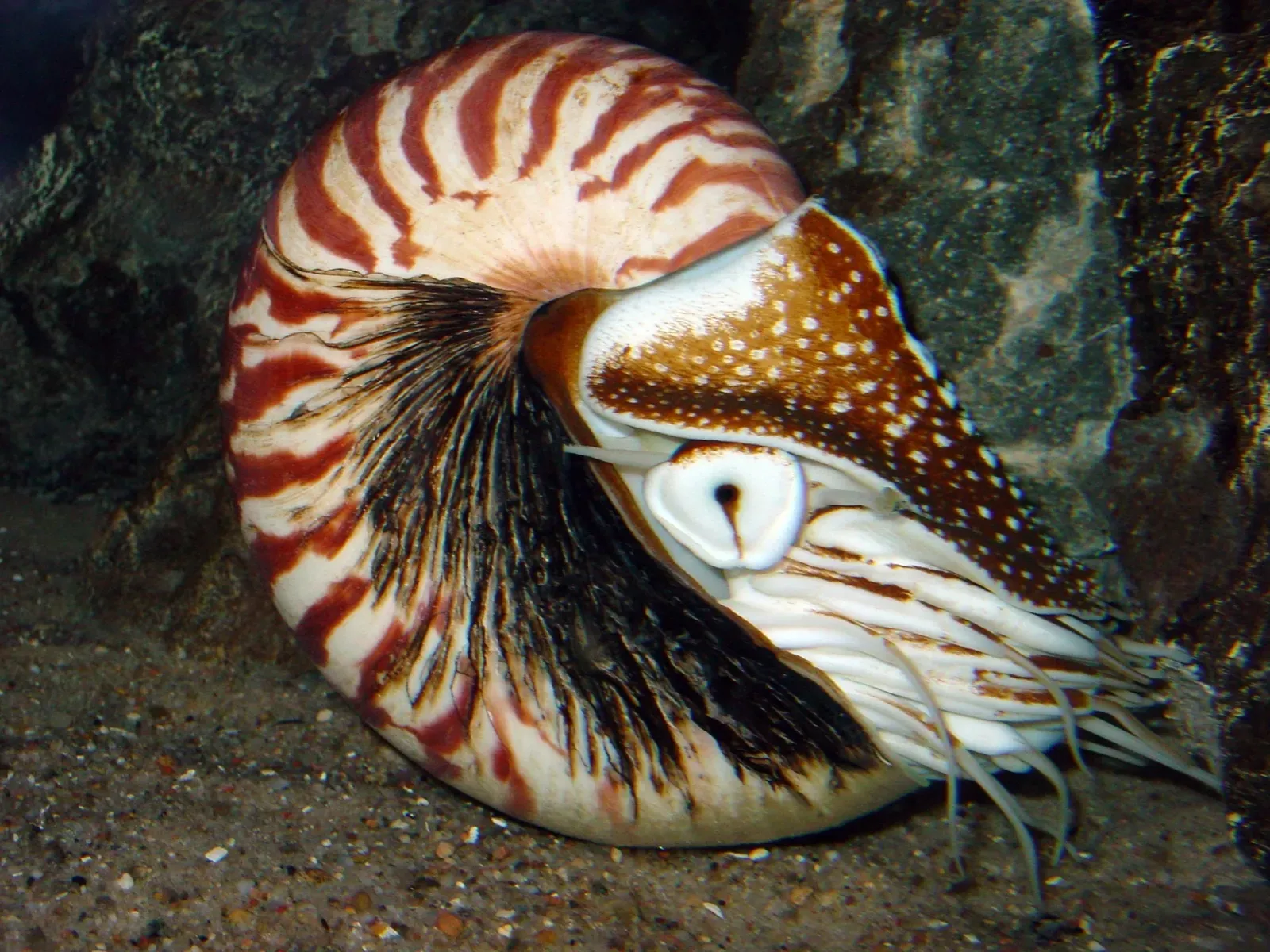
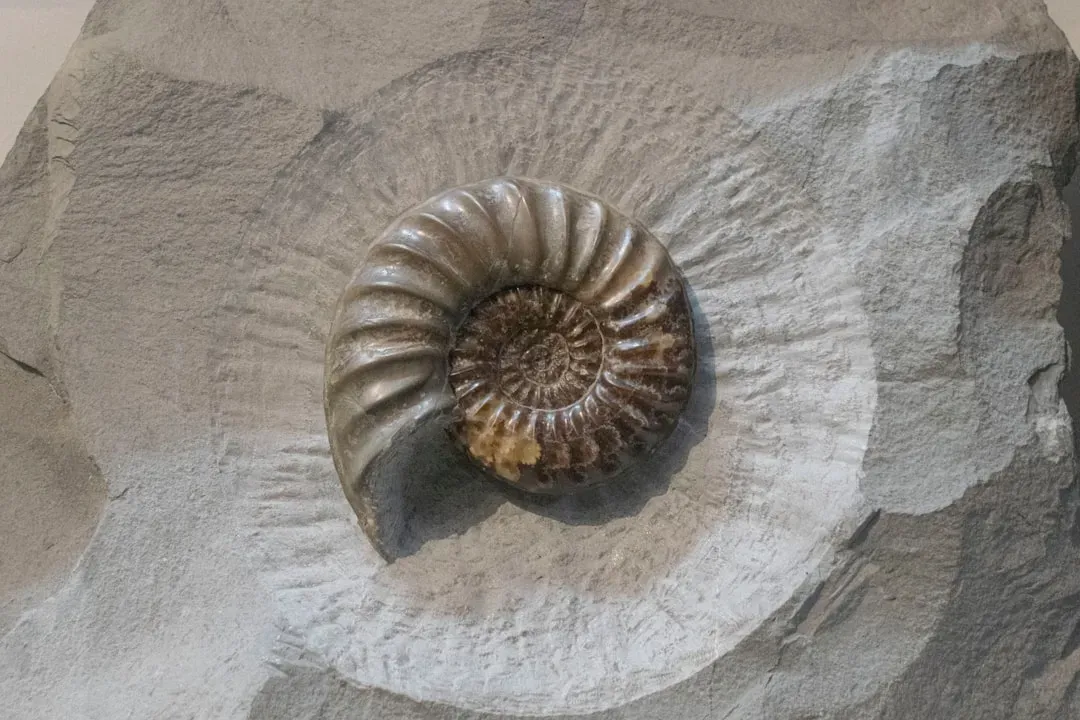
Picture a creature with a perfectly spiraled shell, drifting through the twilight zone of the deep ocean like a work of art. The nautilus dominated ancient seas 500 million years ago when continents were still forming, and it’s still here today. This remarkable mollusk belongs to the same family as octopuses and squids, yet it retains a far more ancient design.
The nautilus has up to ninety tentacles that it uses to hunt for prey like fish, crabs, and lobsters. It relies on chemosensors on its retractable, sucker-less tentacles to pick up food scents. With gas-filled chambers in its shell for buoyancy control and a slow metabolism that allows it to live up to 20 years or more, the nautilus has evolved to be highly efficient in its deep-sea habitat. Sadly, where once there were 10,000 different species, today only a few survive in the western Pacific and Indian Ocean. Shell collectors prize their beautiful spirals, putting these ancient survivors at serious risk.
Coelacanth: The Fish Science Thought Was Lost Forever
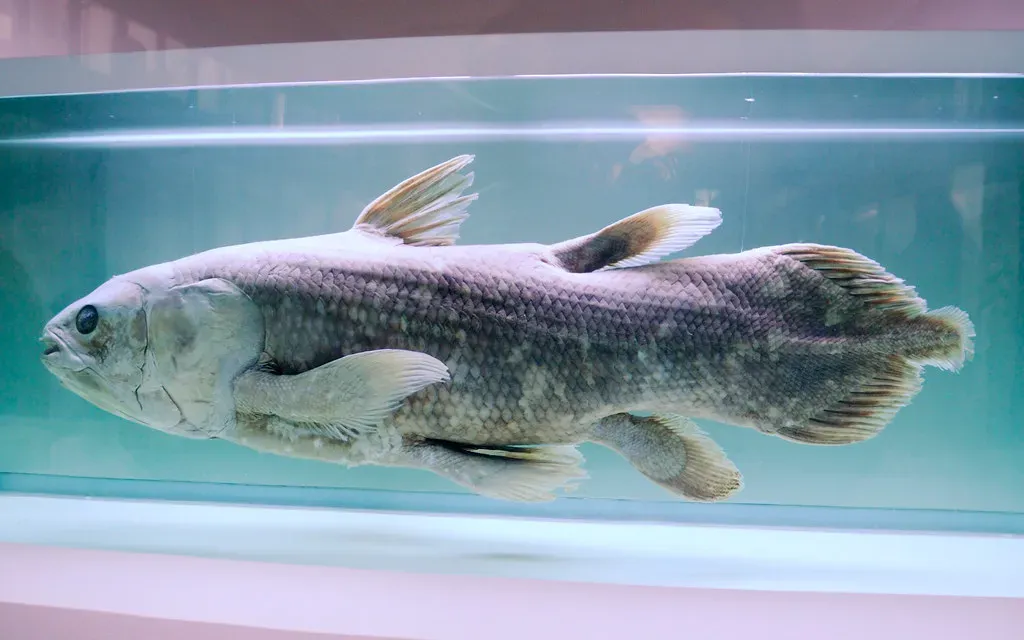
The coelacanth was thought to have gone extinct 65 million years ago along with the dinosaurs, until its rediscovery in 1938 shocked the scientific world. This deep-sea fish, with its distinctive lobed fins and prehistoric features, represents a lineage stretching back roughly 400 million years. When a museum curator stumbled upon one in a South African fishing net, it was like finding a living dinosaur.
What sets coelacanths apart are their unique characteristics that hint at the evolutionary transition from sea to land. Their four fleshy fins extend from their body and propel them in a way that resembles the alternate movement of fore and hind legs, offering scientists a glimpse into how ancient fish may have eventually crawled onto land. Growing up to six feet or longer and living for more than 60 years, the coelacanth is a bony fish that feeds on cephalopods and other fish. Despite their ancient appearance, recent research reveals that the coelacanth has been evolving, with the African species acquiring 62 new genes approximately 10 million years ago through interactions with other species. Living fossils, it turns out, aren’t quite as frozen in time as we once believed.
Jellyfish: The Brainless Drifters of 500 Million Years
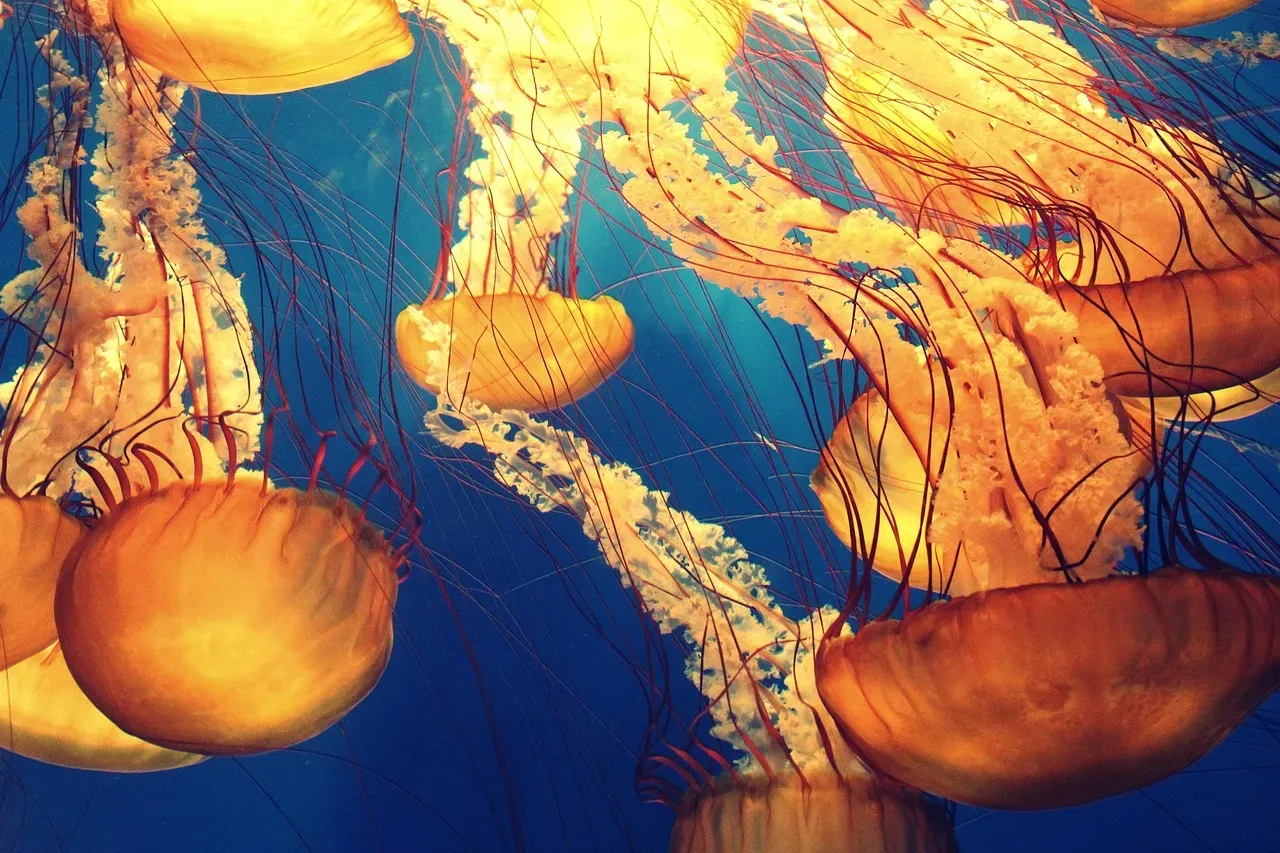
Let’s be real, jellyfish are bizarre. They lack blood, a heart, and a brain, containing only a basic network of neurons that allow them to sense their environment. Yet these simple, gelatinous creatures have been pulsing through our oceans for at least 500 million years, possibly even longer. Fossil evidence dates sea jellies as far back as 500 million years ago, though their soft bodies make fossils extremely difficult to find.
Their survival secret lies in their very simplicity. Unlike complex animals, sea jellies have high adaptability and a predicted successful future because temperature, salinity, and acidity changes that are causing the demise of many ocean animals are not a problem for them. While countless species have evolved elaborate body systems only to face extinction when conditions changed, jellyfish just keep drifting along, unbothered by environmental shifts that would doom more complex organisms. Some species, like the immortal jellyfish, can even reverse their aging process, potentially living forever. It’s hard to say for sure, but these ethereal creatures might just outlast us all.
Lampreys: The Ancient Bloodsuckers That Survived It All
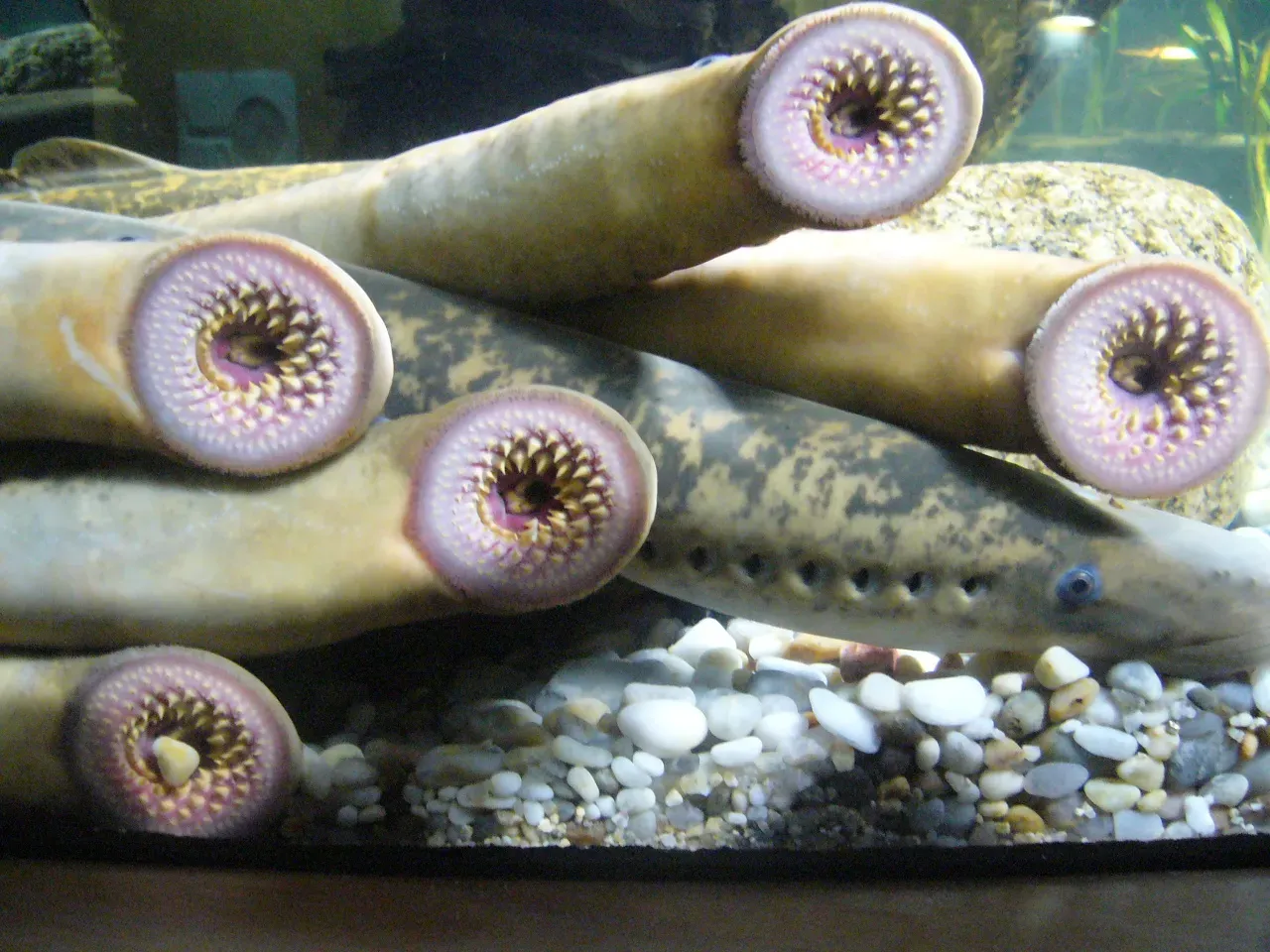
Lampreys are parasitic fish that have survived four major evolutionary extinctions in their 360 million years of swimming the ocean, though they now mostly inhabit the Atlantic Ocean and the Great Lakes. These eel-like creatures look like something from a nightmare, lacking bones and possessing a cartilaginous skeleton instead. Similar in structure to leeches or eels, they feed off other fish by sucking nutrients from their bloodstream using a large suction-like mouth filled with tiny horn-shaped teeth and a razor-sharp tongue.
Though their appearance might make you uncomfortable, lampreys have earned their place in the evolutionary story. While the teeth can look intimidating, it’s the tongue you need to watch out for, as the teeth simply help the lamprey attach to its victim while the tongue scrapes away scales to reach the soft flesh. Despite being one of the most primitive vertebrates, lampreys have persisted through planetary upheavals that destroyed far more sophisticated creatures. Their parasitic lifestyle might seem gruesome, but honestly, it’s worked for them for longer than most species can dream of.
Conclusion
These five remarkable creatures offer us a window into an almost incomprehensible past, a time when our planet looked utterly different from the world we know today. They’ve survived ice ages, volcanic eruptions, asteroid impacts, and mass extinctions that obliterated the majority of life on Earth. Their continued existence is a testament to nature’s incredible resilience and adaptability.
Yet here’s the sobering truth: many of these ancient survivors now face their greatest threat from the newest species on the block. Humans. Climate change, pollution, overfishing, and habitat destruction are pushing creatures that survived for hundreds of millions of years toward extinction. What do you think about it? Should we be doing more to protect these living links to our planet’s distant past?