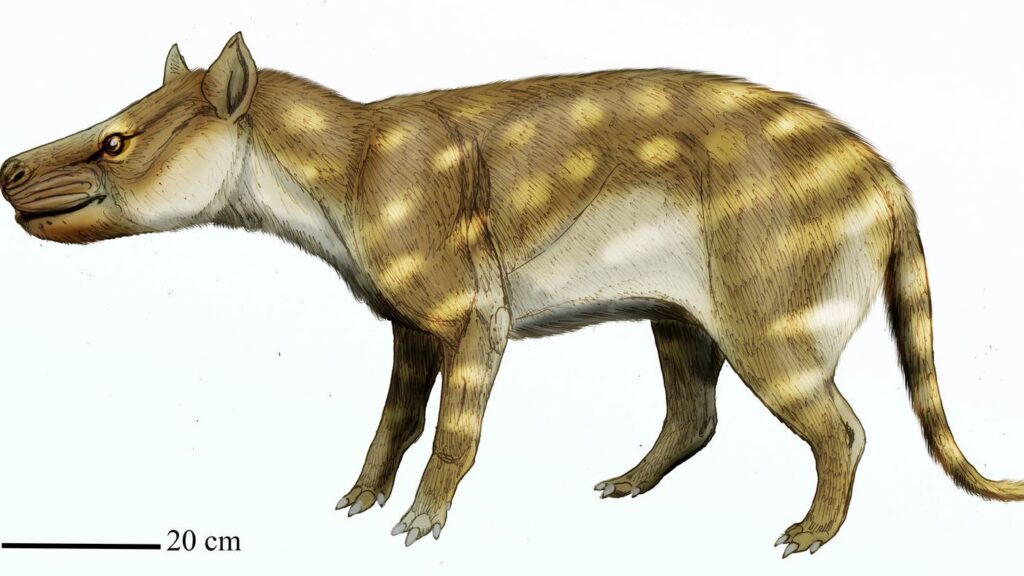
You’ve probably seen those dramatic museum displays of towering dinosaurs and giant reptiles frozen in time. It’s easy to picture them basking under endless tropical sun. Here’s the thing: new evidence is flipping that image on its head. Early dinosaur species regularly endured freezing conditions at polar regions, and far from the heat lovers we once imagined, these creatures thrived in some of the most punishing climates Earth has ever seen.
Picture this: volcanic ash choking out the sun for decades, temperatures plummeting across the equator, oceans turning acidic and losing their oxygen. Life nearly ended. Yet somehow, a handful of prehistoric creatures powered through conditions that killed nearly everything else. The secret wasn’t just luck. It was a combination of clever adaptations, unexpected body features, and being in the right place when catastrophe struck. Let’s dive in.
Feathers Weren’t Just for Flying
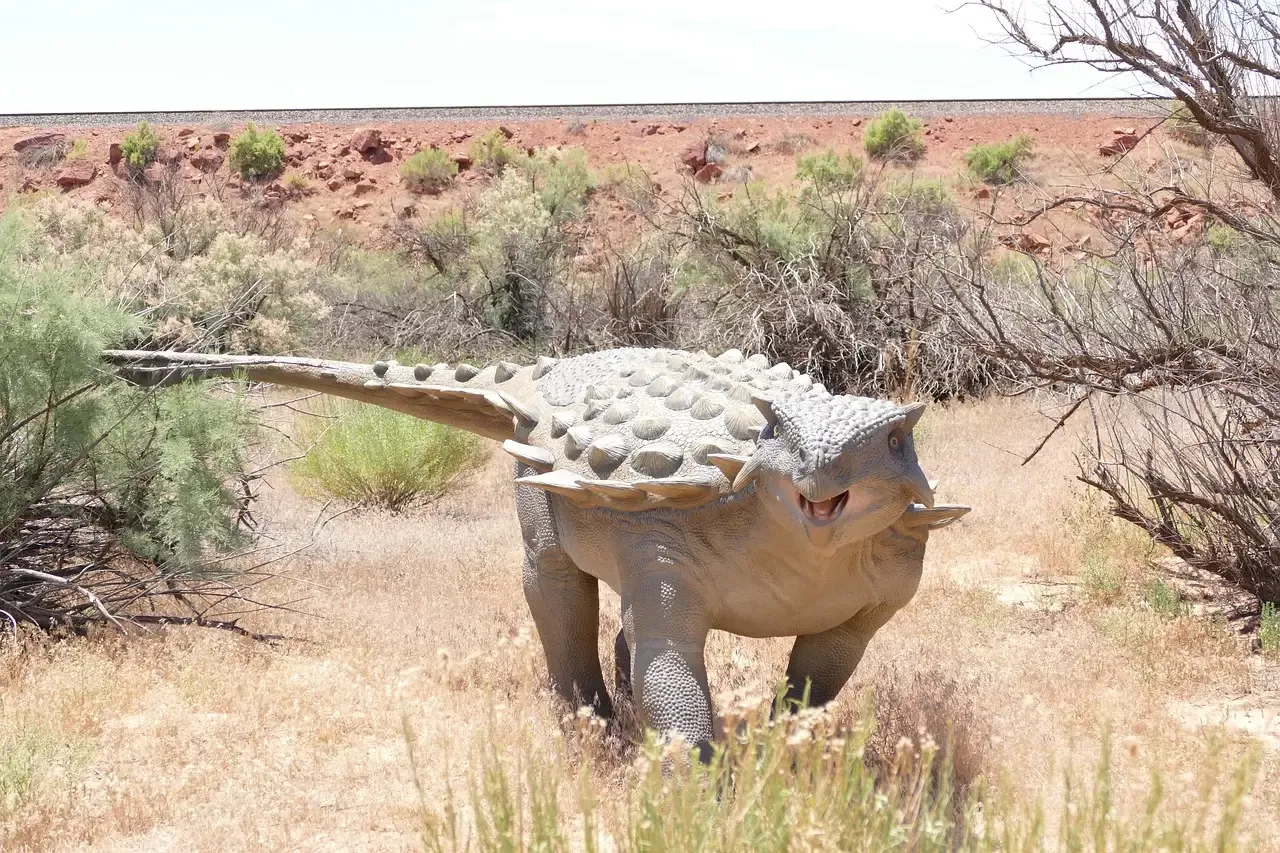
Honestly, when you think about dinosaur feathers, you probably imagine them used for flight or maybe some flashy mating ritual. Many non-avian dinosaurs including tyrannosaurs had primitive feathers, and their main purpose was insulation rather than anything to do with taking to the skies. This made all the difference when volcanic eruptions plunged the planet into what scientists call volcanic winters.
Cold-adapted, insulated dinosaurs were able to hang on during extreme winters when uninsulated reptiles died, giving them a massive evolutionary edge. Think of it like wearing a down jacket in a blizzard while everyone else is stuck in a t-shirt. Early dinosaurs had developed insulating coats of feathers to access the rich vegetation found closer to the poles, and this adaptation may have led them to survive the extinction and populate the Earth during the Jurassic.
The Cold Snap That Changed Everything
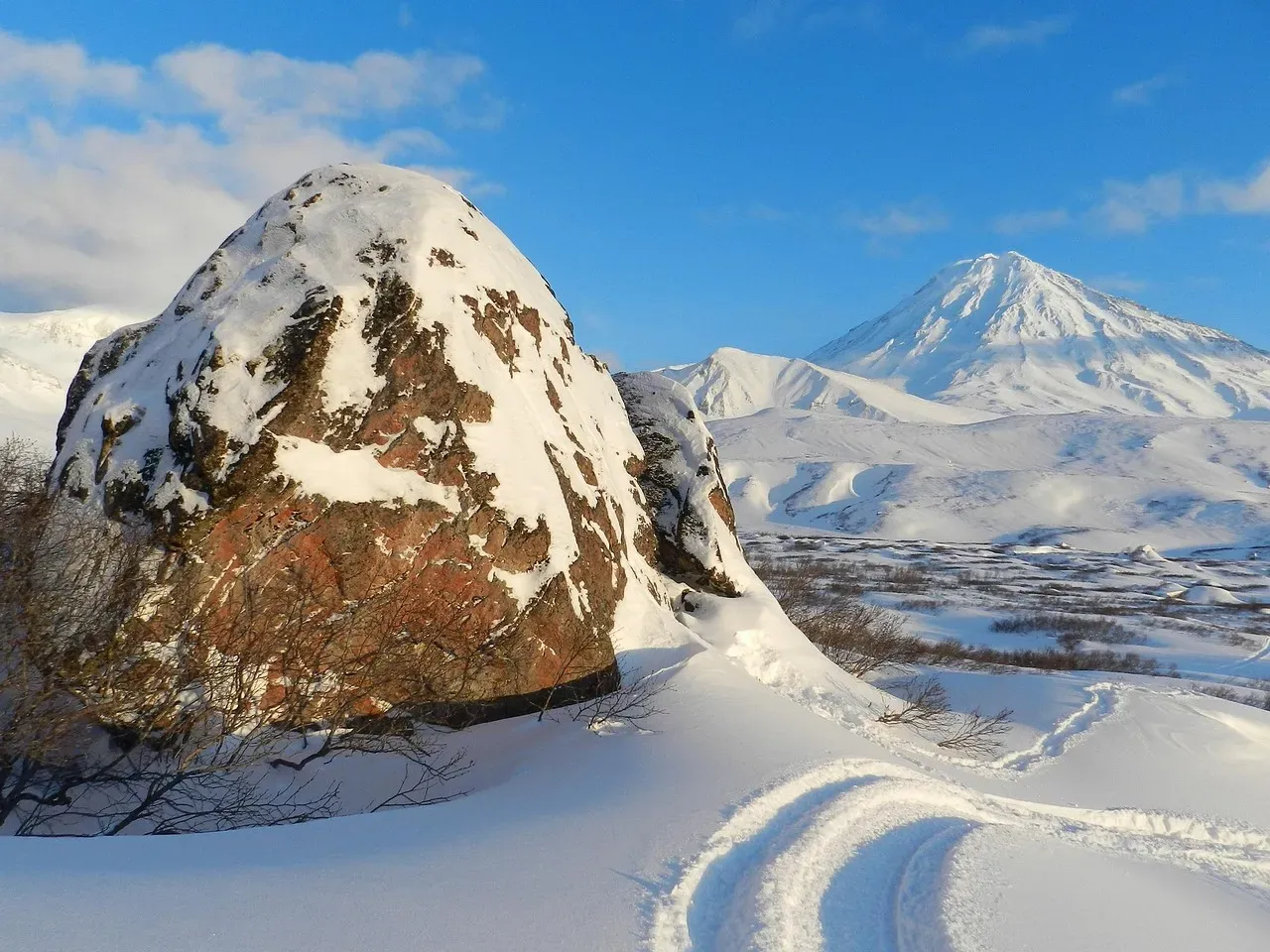
The end-Permian mass extinction took place 251 million years ago, resulted in the extinction of over 80% of species on Earth, and was caused by an unstable climate after widespread volcanic eruptions. Let’s be real, that’s almost unfathomable devastation. Yet the creatures that made it through weren’t necessarily the strongest or fastest.
Volcanic eruptions belched sulfur aerosols that deflected so much sunlight, they caused repeated global volcanic winters that overpowered high greenhouse-gas levels, and these winters might have lasted a decade or more. Even the tropics saw sustained freezing. Dinosaurs were fundamentally cold-adapted animals, positioned in polar regions before this catastrophe hit. When the cold spread globally, they were already dressed for the occasion.
Migration Was a Survival Strategy
Moving might seem obvious, but it’s harder than it sounds when you’re talking about entire ecosystems collapsing. High extinction rates near the equator due to extreme warming and ocean anoxia left no peak in species biodiversity at any latitude immediately following the mass extinction event. The creatures that survived often fled to different latitudes where conditions were slightly more tolerable.
Here’s where it gets interesting. As global temperatures continue to rise, species will disperse towards the poles from equatorial regions, however, if the pace of change is too rapid, mass extinction is possible. Prehistoric life faced similar choices: stay and die, or chase better conditions across continents. Life in the oceans was subjected to equatorial sea surface temperatures as high as 40°C, but also falling oxygen levels and ocean acidification.
Warm-Blooded Metabolism Made the Difference
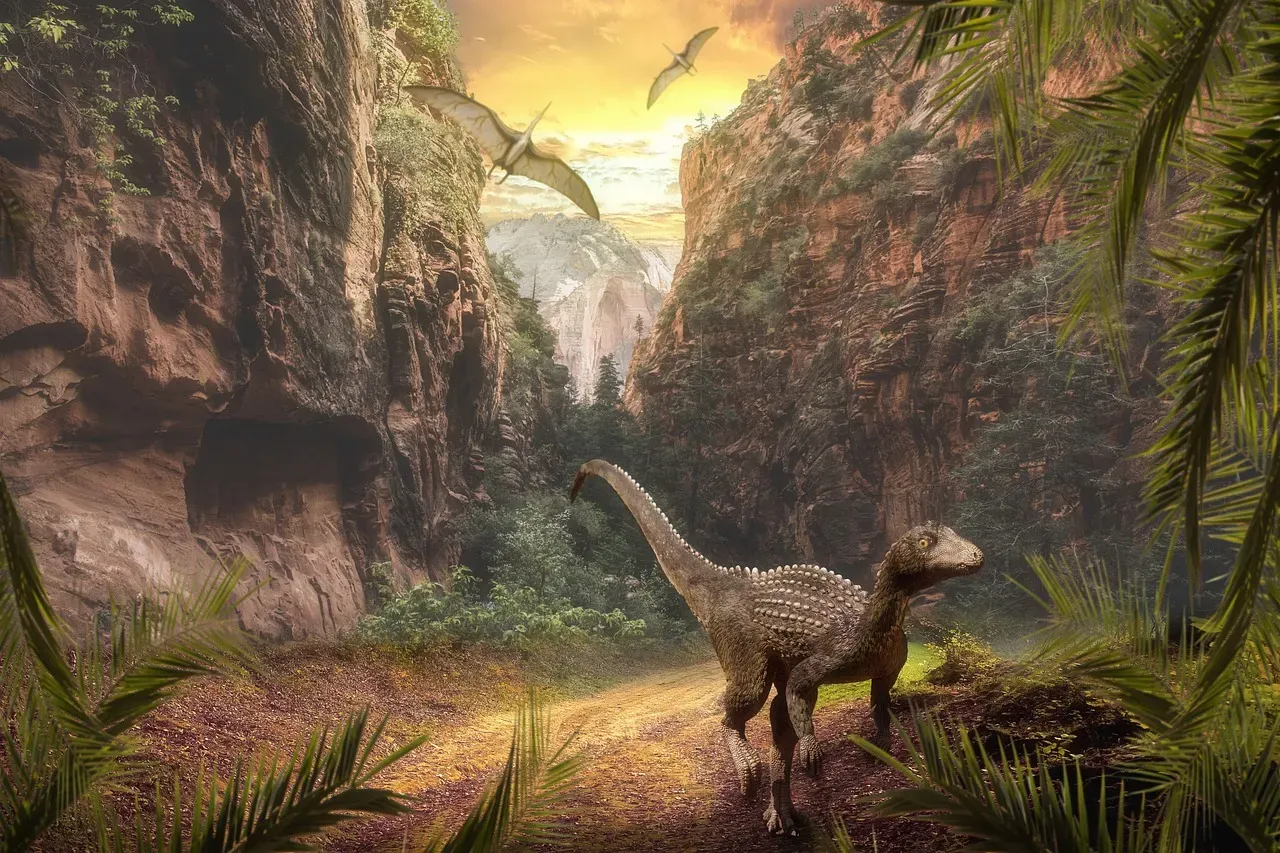
Cold-blooded reptiles struggle when temperatures drop because they rely on external heat to keep their bodies functioning. Many dinosaurs possessed warm-blooded, high-metabolism systems unlike cold-blooded reptiles, which is a game changer in brutal climates. They could generate their own heat from within.
This wasn’t just about keeping warm on chilly nights. Studies have suggested that dinosaurs were likely warm-blooded, or capable of regulating their body temperature metabolically, which would have provided additional protection against the cold. Being able to maintain body temperature regardless of external conditions meant they could stay active, hunt, forage, and reproduce when competitors were sluggish or dying. I think this internal thermostat proved more valuable than any armor or tooth.
Generalists Outlasted Specialists
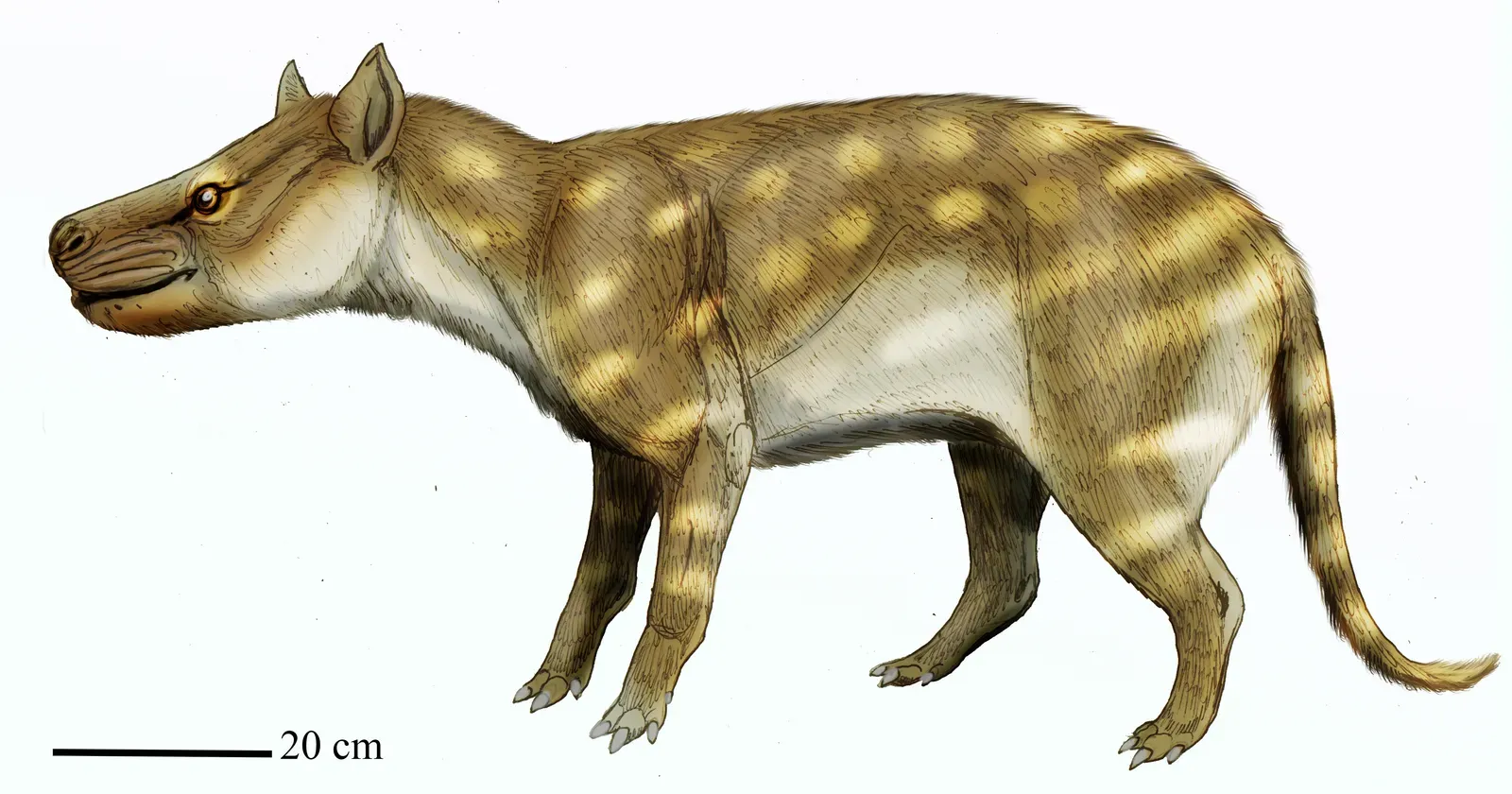
Generalists, meaning animals that are good at a lot of things, are more likely to survive when the environment changes compared to creatures with narrow, specialized diets or habitats. About 56 million years ago, when Earth experienced a dramatic rise in global temperatures, one meat-eating mammal responded in a surprising way: it started eating more bones. Flexibility was everything.
The cave bear may have lacked flexibility in its food resources, which made it vulnerable to ecosystem changes caused by climate modifications, and was unable to adapt to eating meat in cold spells when plants were scarce. You see, creatures locked into one food source or one type of habitat had nowhere to turn when conditions flipped. The survivors were those willing to change their menu or move to new territory.
Ocean Creatures Tracked Shifting Oxygen Zones
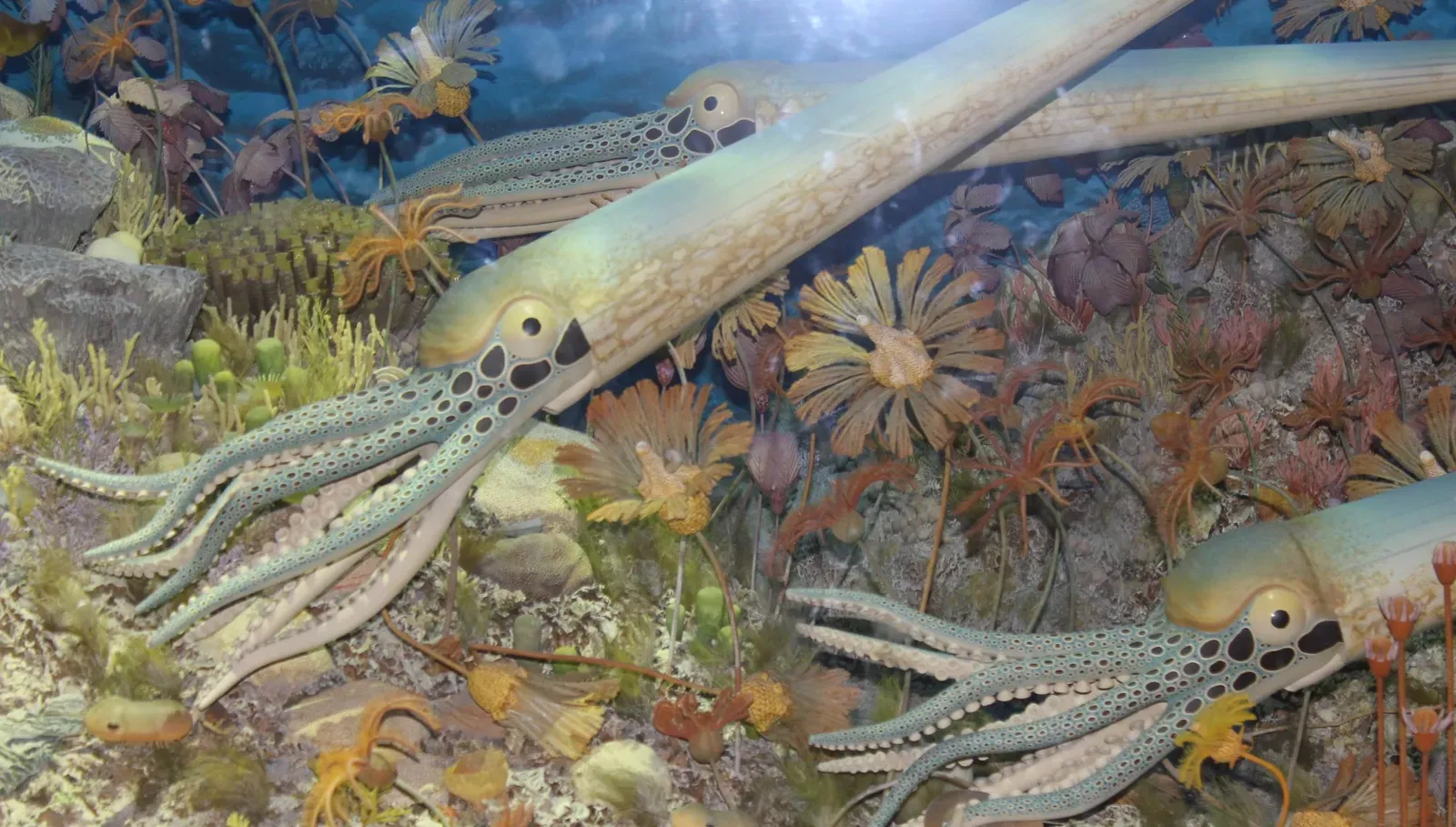
Marine life faced its own nightmares during prehistoric climate chaos. The planet was reeling from cataclysmic volcanic activity in modern-day Siberia, which ushered in intense global warming, oxygen depletion, and ocean acidification that killed most marine organisms 252 million years ago. The ocean wasn’t a safe haven at all.
Creatures like clams, oysters, snails, and slugs flourished in suddenly warmer, less-oxygenated waters in ways that others couldn’t manage. Organisms that were mobile could move to a depth or location that was more hospitable and ended up surviving. The animals stuck in one place, unable to track breathable water as oxygen zones shifted, suffocated. Mobility, even for slow-moving shellfish, became a lifeline in dying seas.
Recovery Took Millions of Years
Survival was just the first hurdle. Land vertebrates took an unusually long time to recover from the Permian-Triassic extinction, and recovery was not complete until 30 million years after the extinction, not until the Late Triassic, when the first dinosaurs had risen. That’s an almost incomprehensible stretch of time for ecosystems to rebuild.
Taxonomic diversity at the alpha level did not recover to pre-extinction levels after each pulse and continued low into the Late Triassic. Life limped along for millions of years with low diversity, simplified food chains, and barren landscapes. Lystrosaurus, a pig-sized herbivorous dicynodont, constituted as much as 90% of some earliest Triassic land vertebrate fauna, and its success is believed attributable to grouping behaviour and tolerance for extreme and highly variable climatic conditions. These survivors repopulated a broken world one slow generation at a time.
The story of prehistoric survival isn’t really about the biggest, most fearsome creatures dominating through sheer power. It’s about adaptability, metabolic quirks, and sometimes just being in a less terrible spot when disaster struck. Feathers for warmth, flexible diets, the ability to migrate or regulate body heat – these unglamorous traits saved entire lineages. Looking at how ancient life clawed its way back from near-total annihilation, you have to wonder: are we paying attention to the right lessons as our own climate shifts? What do you think the prehistoric world is trying to tell us?