You might think dinosaurs were nothing more than solitary, savage beasts stumbling through prehistoric forests. Yet recent discoveries paint a radically different picture. These ancient creatures developed intricate social behaviors that would make today’s elephants, wolves, and primates seem less impressive by comparison.
Scientists have unearthed evidence that challenges everything the general public once believed about dinosaur intelligence and community life. From cooperative nesting colonies to what might have been daycare arrangements, these magnificent reptiles weren’t just surviving. They were thriving through social bonds that echo behaviors we see in the most sophisticated mammals alive today.
Maiasaura: The Good Mother Lizard That Revolutionized Our Understanding
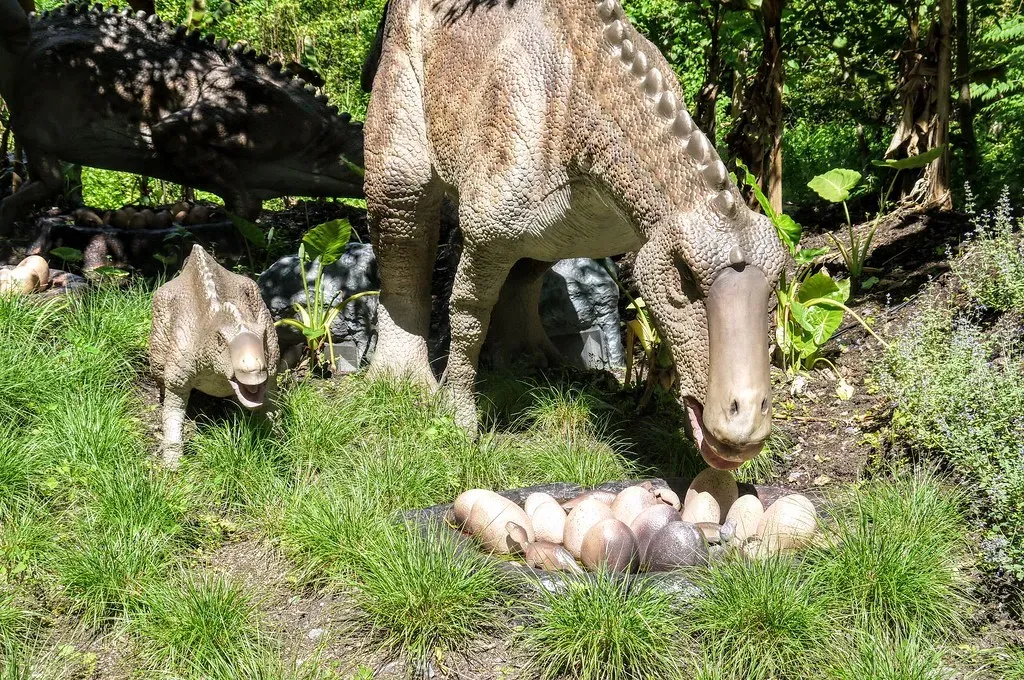
The discovery of fifteen juvenile dinosaurs in close proximity to an adult showed the first instance of parental and social behavior in dinosaurs, fundamentally changing how scientists view these ancient creatures. Maiasaura lived in herds and raised its young in nesting colonies, with nests packed closely together like those of modern seabirds, with gaps between nests around 7 metres. Picture that scene for a moment: dozens of dinosaur families clustered together, their nests carefully spaced yet deliberately communal.
Upon hatching, fossils of baby Maiasaura show that their legs were not fully developed and thus they were incapable of walking, and fossils also show that their teeth were partly worn, which means that the adults brought food to the nest. This level of dedication rivals what you’d find in modern birds or even some primates. Mass bone beds discovered in the Two Medicine Formation show that herds could be extremely large and comprise as many as 10,000 individuals, suggesting social structures on a scale that would make modern bison herds look modest.
Mussaurus Patagonicus: Evidence of Age-Based Social Groups Dating Back Millions of Years
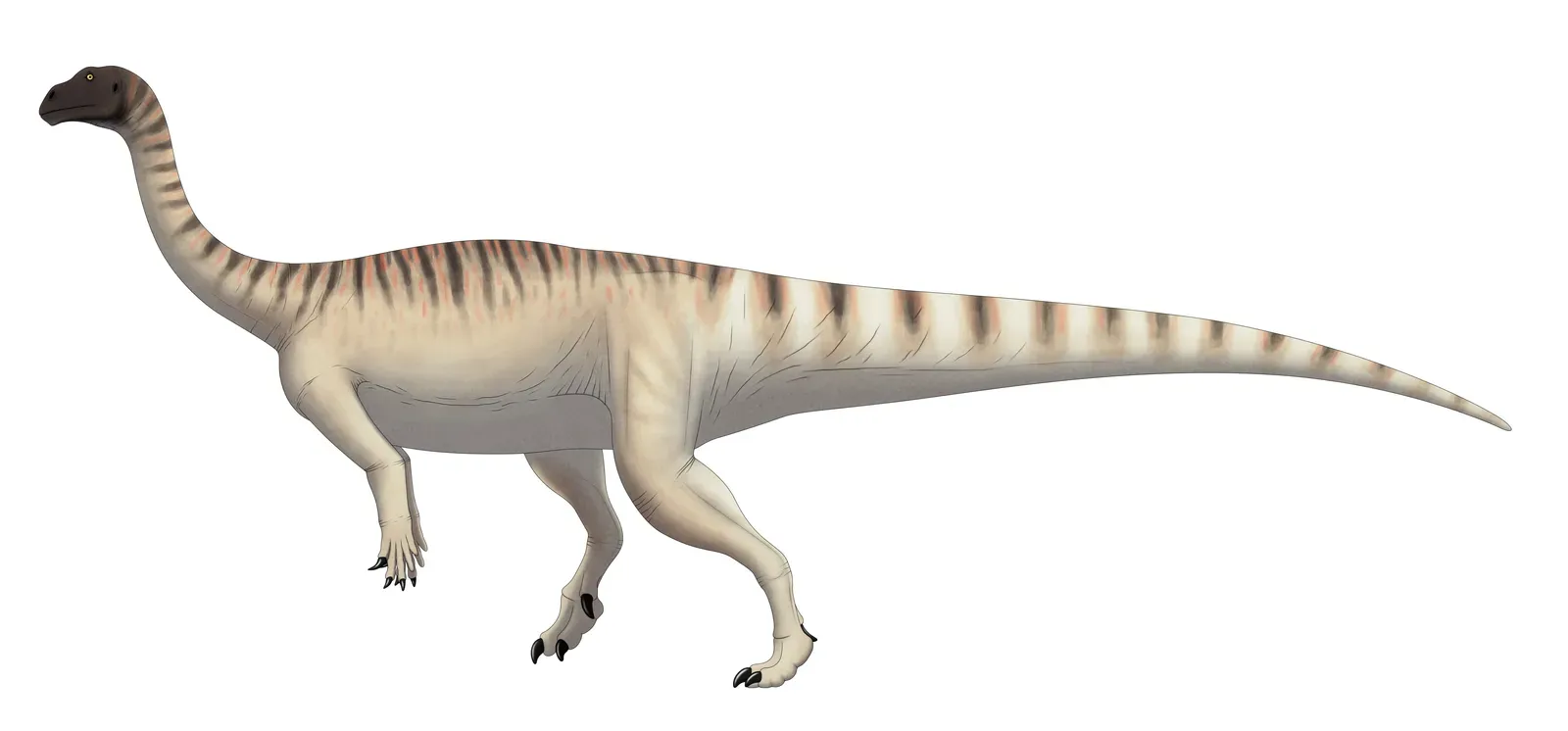
Taken together, the team’s results show that Mussaurus and possibly other dinosaurs evolved to live in complex social herds as early as 193 million years ago, around the dawn of the Jurassic period. That’s staggeringly ancient. These fossils revealed that the dinosaurs were organized in groups based on age, suggesting a sophisticated social structure, with hatchlings clustering together while juveniles and adults occupied separate areas within the same community.
What makes this discovery particularly compelling is the deliberate organization. Adult dinosaurs were responsible for foraging and raising the young together, suggesting a cohesive community structure within the herds. This wasn’t random aggregation. These creatures developed deliberate social patterns that facilitated survival and cooperative care, behaviors that many assumed required the complex brains of mammals to evolve.
Psittacosaurus: The Parrot Lizard With Possible Babysitting Arrangements
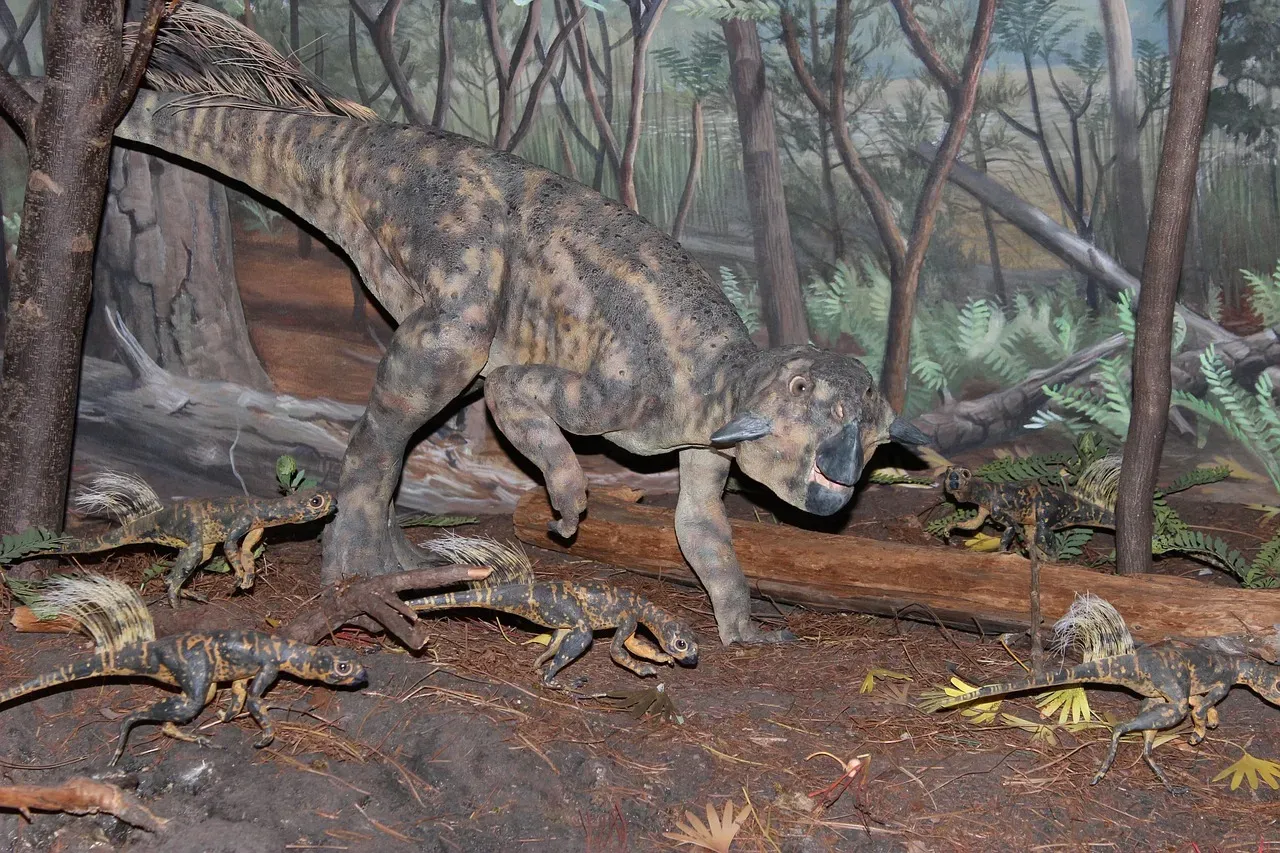
Here’s where things get truly fascinating. In 2004, a specimen found in the Yixian Formation was claimed as evidence for parental care in dinosaurs, consisting of 34 articulated juvenile Psittacosaurus skeletons, closely associated with the skull of an adult. Imagine thirty-four youngsters huddled together under adult supervision – a dinosaur daycare center, essentially.
The find of a herd of six Psittacosaurus individuals killed and buried by a volcanic mudflow indicates the presence of at least two age groups from two distinct clutches gathered together, taken as evidence for group fidelity and gregariousness extending beyond the nest. Though some researchers later questioned whether the adult skull truly belonged with the juveniles, the pattern of young animals grouping together from different broods remains solid evidence of social behavior. Earlier findings suggested P. lujiatunensis did not reproduce until 8 or 9 years old, so this creature was probably not the parent of the younger dinosaurs, and given the close association, colleagues believe this specimen may offer evidence of post-hatchling cooperation, with the older juvenile possibly being a big brother or sister helping care for its younger siblings.
Deinonychus: The Debate Over Pack Hunting Versus Mob Feeding
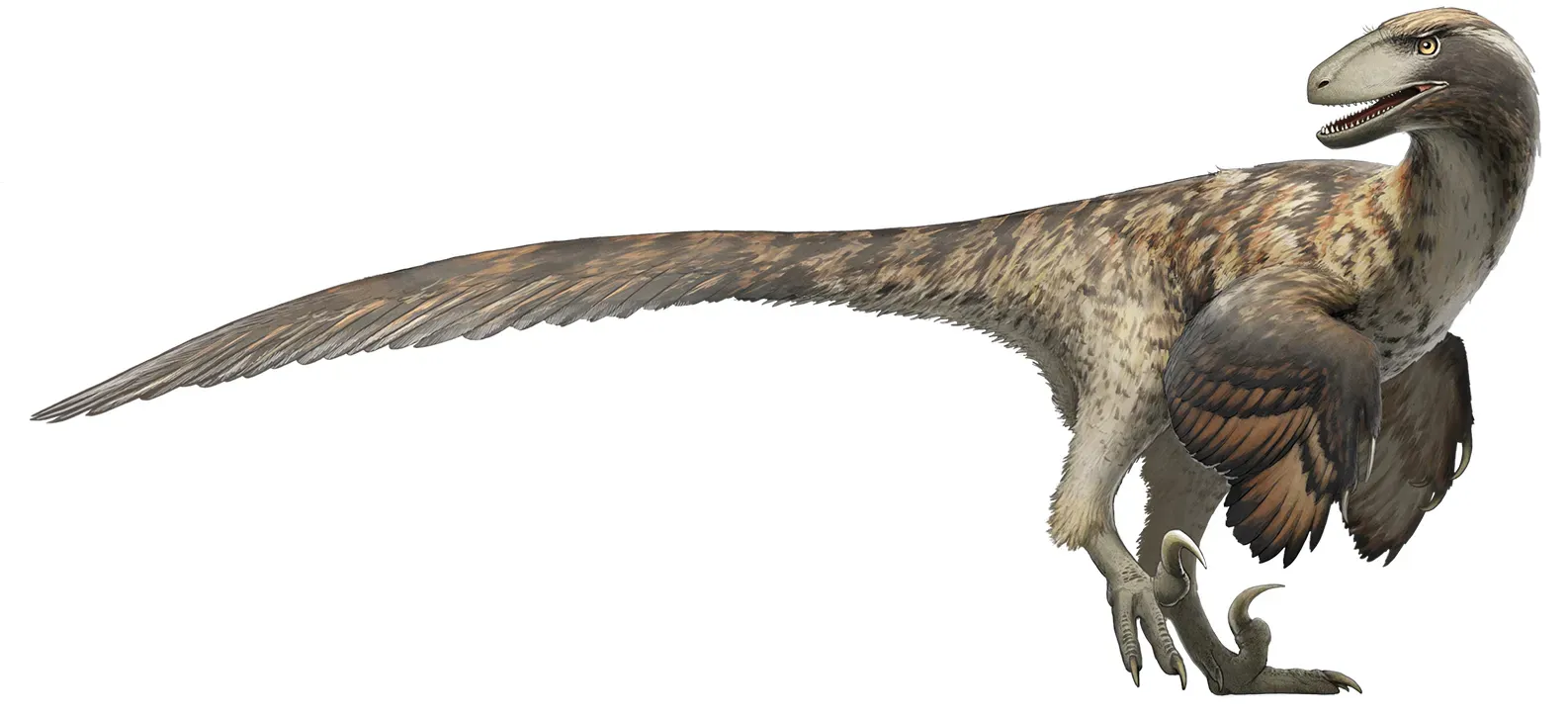
The famous raptor Deinonychus sparked decades of debate about cooperative hunting. The first Yale quarry in the Cloverly of Montana includes numerous teeth, four adult Deinonychus and one juvenile Deinonychus, and the association of this number of Deinonychus skeletons in a single quarry suggests that Deinonychus may have fed on that animal, and perhaps hunted it, with Ostrom and Maxwell using this information to speculate that Deinonychus might have lived and hunted in packs.
However, recent evidence complicates this thrilling image. These data add to the growing evidence that D. antirrhopus was not a complex social hunter by modern mammalian standards. Despite this, due to the lack of spatial separation of juvenile and adults, Deinonychus was likely gregarious, having social tolerance at least that of crocodilians, instead of a complete agonistic relationship as seen in Komodo dragons. So while they may not have hunted with wolf-like coordination, they still demonstrated a level of social tolerance that allowed them to congregate around food sources – still a form of social structure worth noting.
Triceratops: From Solitary Giants to Confirmed Herd Animals
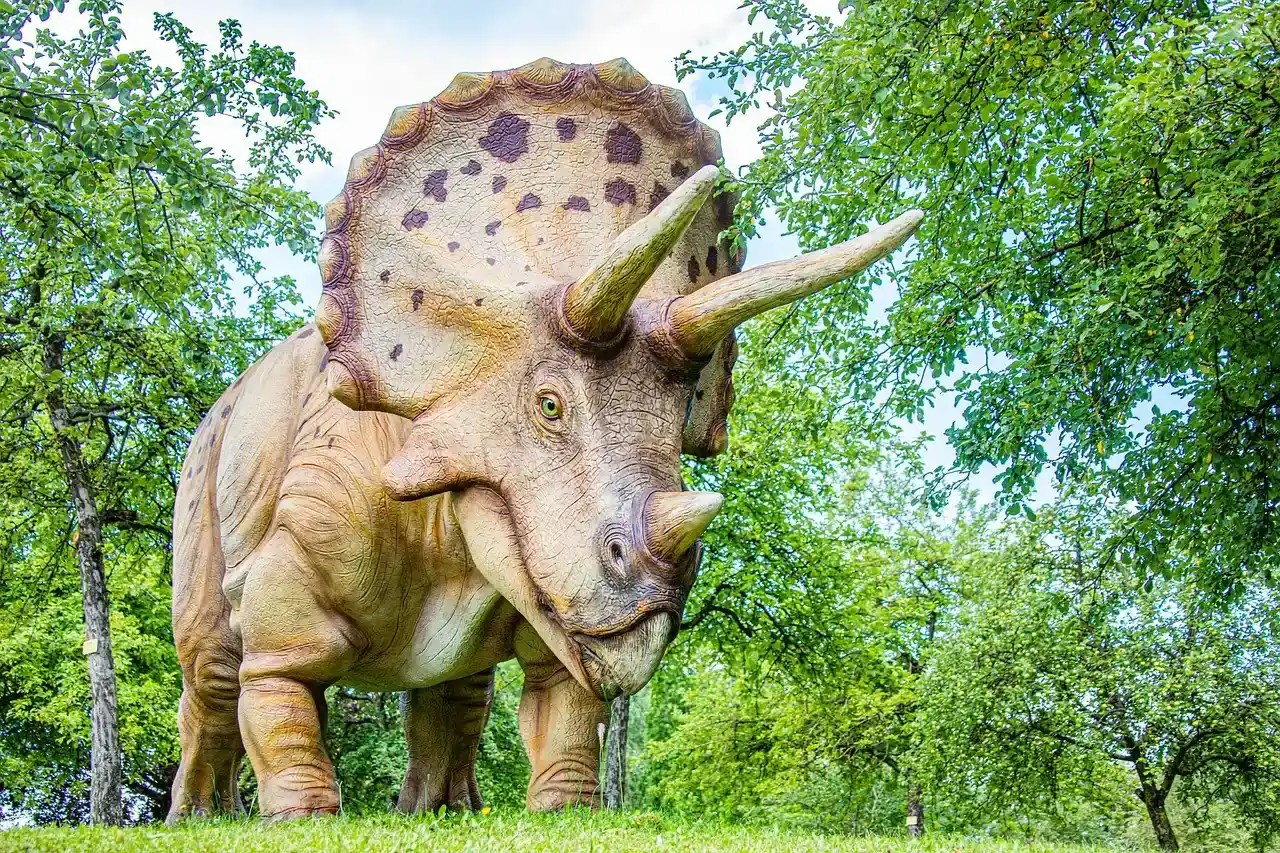
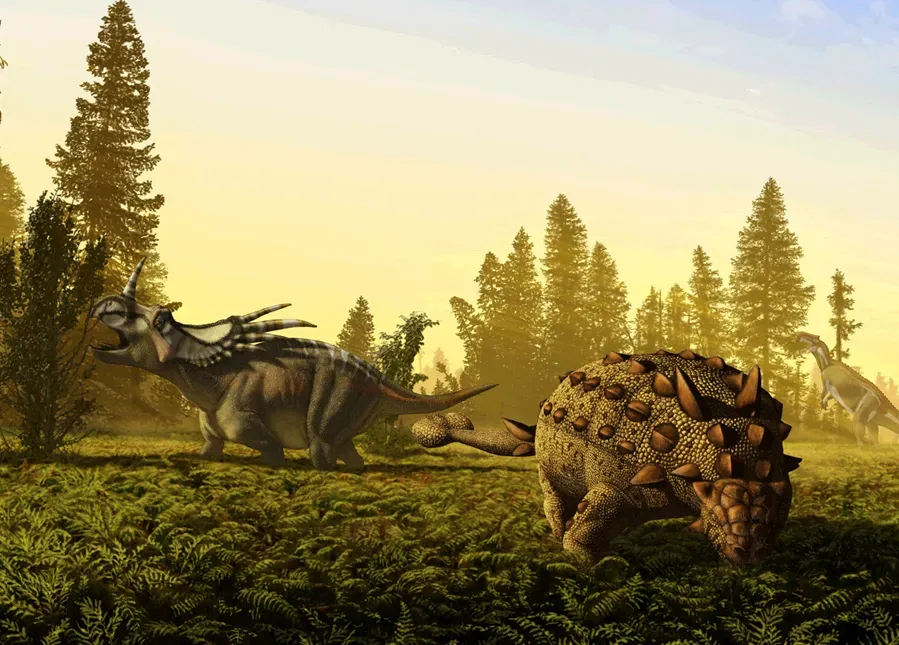
For years, paleontologists assumed Triceratops roamed alone, massive rhinoceros-like creatures wandering prehistoric plains in isolation. Although Triceratops is commonly portrayed as a herding animal, there is currently little evidence to suggest that they lived in herds, with currently only one documented bonebed dominated by Triceratops bones: a site in southeastern Montana with the remains of three juveniles. That was the old thinking.
Recent discoveries dramatically changed this picture. Chemical analysis shows that the animals were migratory and that all 5 individuals took the same path, suggesting that they travelled in a herd. The group died together, possibly stuck in a swamp, with their remains found alongside those of other species. This find indicates that Triceratops juveniles congregated in small herds, a social behavior increasingly identified in other dinosaur groups, fundamentally rewriting what we thought we knew about these iconic three-horned dinosaurs.
Protoceratops: Age-Based Grouping Throughout Their Lives
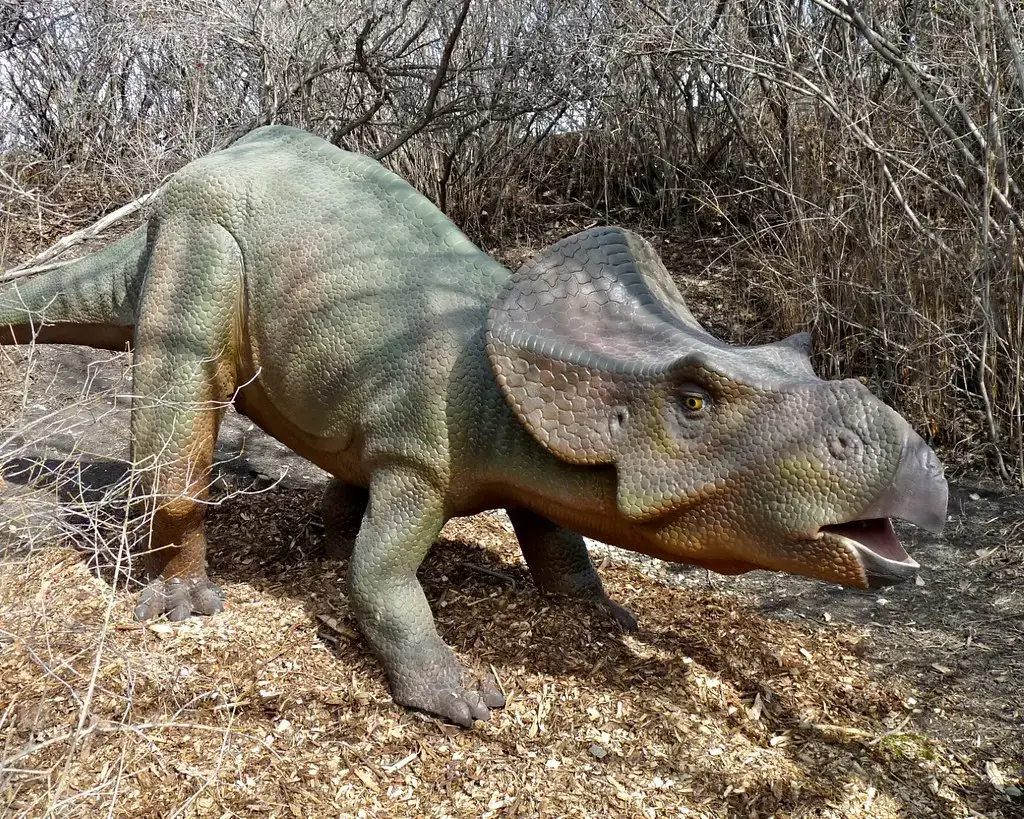
Though not as famous as its larger cousin Triceratops, Protoceratops offers equally compelling evidence for social organization. Specimens and the inference suggest that at least one population of P. andrewsi tended to form groups throughout ontogeny – meaning they stuck together from youth through adulthood. This isn’t just herd behavior; it’s sustained social structure across an animal’s entire lifespan.
The conservative approach scientists take with this evidence makes it all the more convincing. Researchers carefully avoid overgeneralizing from limited fossil evidence, yet the pattern remains clear. Multiple mortality sites from different time periods and locations strengthen the case that these dinosaurs genuinely lived communally rather than simply dying together by coincidence.
Coelophysis: Early Evidence of Group Living in Triassic Dinosaurs
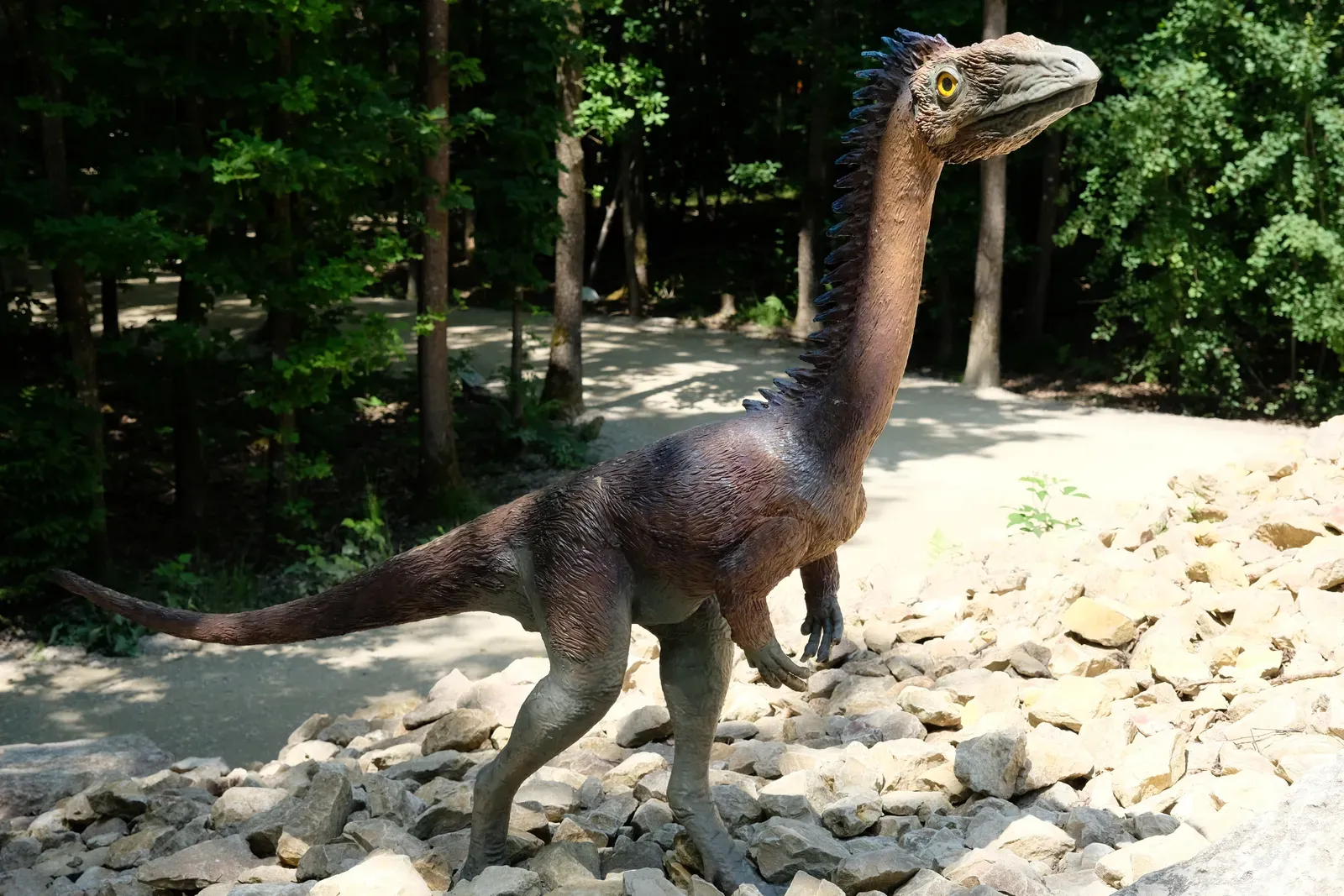
Group association and activity is indicated by the dozens of Coelophysis skeletons of all ages recovered in New Mexico, representing some of the earliest dinosaurs to show gregarious behavior. This discovery is particularly significant because Coelophysis lived during the Triassic period, demonstrating that social structures emerged very early in dinosaur evolution.
Gregarious behavior was common in many early dinosaur species, and Coelophysis stands as one of the clearest examples. The presence of individuals from various age groups together suggests these weren’t just random deaths but actual social groups that lived, moved, and died together. It’s humbling to think that social behavior emerged so early, challenging assumptions that intelligence and community life are recent evolutionary innovations.
Hadrosaurs: The Duck-Billed Herds That Rivaled American Bison
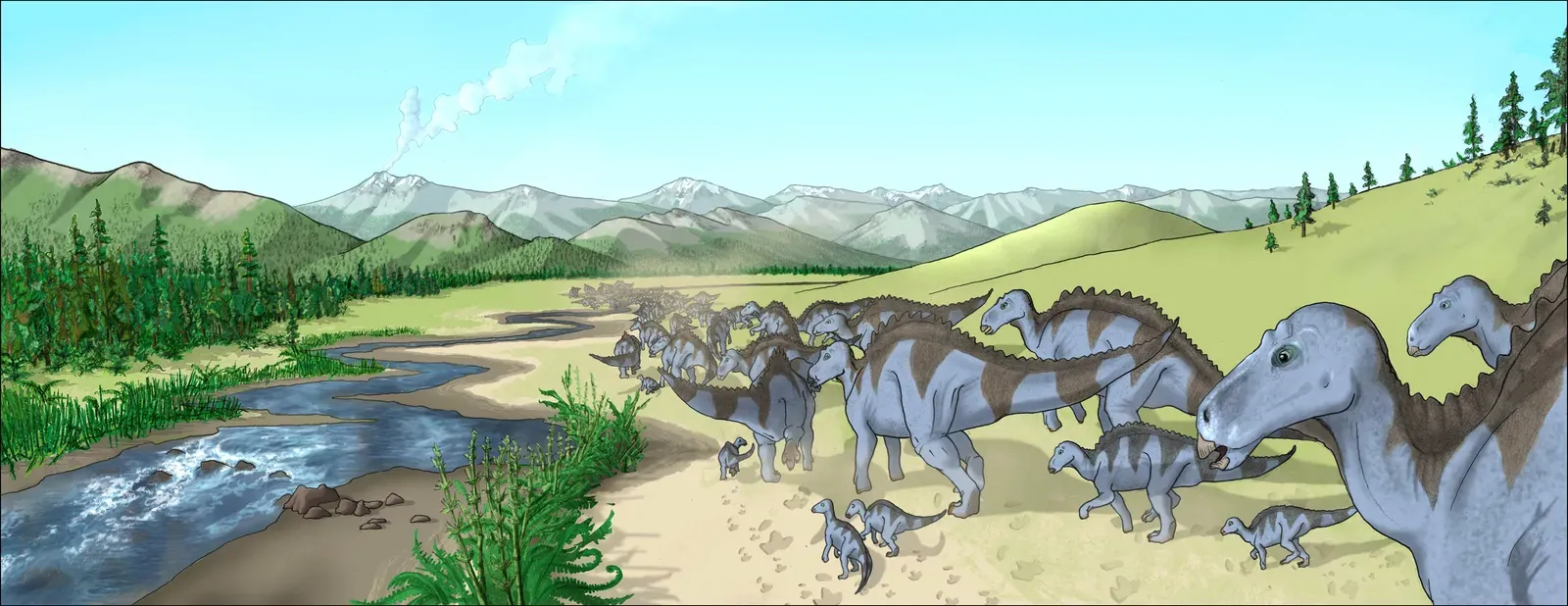
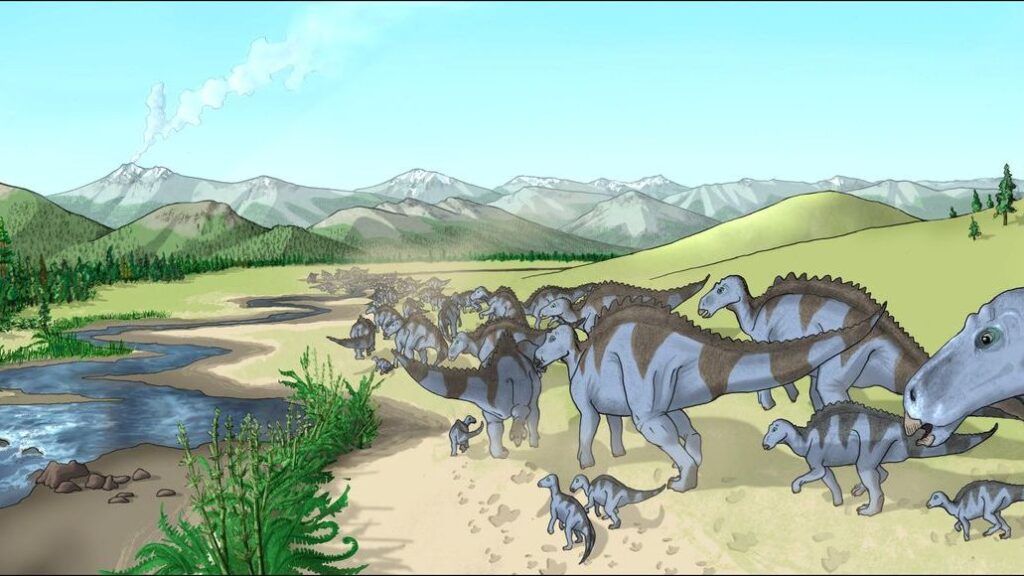
Trackways of hundreds or even thousands of herbivores indicate that duck-billed hadrosaurs may have moved in great herds, like the American bison or the African springbok. Imagine the thundering sound of thousands of these creatures moving across ancient floodplains, their synchronized movements a testament to complex social organization.
Nesting sites discovered in the late 20th century establish herding among dinosaurs, with nests and eggs numbering from dozens to thousands preserved at sites that were possibly used for thousands of years by the same evolving populations of dinosaurs. These weren’t temporary gatherings but established nesting grounds used generation after generation. The level of site fidelity alone demonstrates sophisticated social memory and communication, behaviors requiring the kind of mental capacity we typically associate with birds and mammals rather than reptiles.
Conclusion: Rethinking Dinosaur Intelligence and Social Complexity
The evidence keeps mounting, and it’s reshaping how you should think about prehistoric life. Most research conducted since the 1970s has indicated that dinosaurs were active animals with elevated metabolisms and numerous adaptations for social interaction. These weren’t the cold-blooded, dim-witted monsters of outdated textbooks. They formed communities, cared for their young, traveled in coordinated groups, and maintained social bonds that mirror what we see in the most sophisticated animals alive today.
From Maiasaura’s devoted parenting to the massive hadrosaur herds thundering across continents, these eight groups of dinosaurs demonstrated that complex social structures don’t require mammalian brains to evolve. They thrived for millions of years using cooperation, communication, and community bonds that rival anything modern mammals have achieved. Next time you think about dinosaurs, picture not isolated monsters but thriving communities working together to survive in ways that still astonish us today.
What would it have been like to witness these ancient societies in action? The fossils can only tell us so much, leaving the rest to wonder.