
Think you know what makes a true superpower? Forget comic books for a moment. Millions of years before humans even existed, the ancient world was populated by creatures wielding abilities that would put fictional heroes to shame. We’re talking about animals that could see through walls of water, detect the faintest whisper of electricity, and hunt in total darkness with precision rivaling modern military technology.
These weren’t just ordinary predators or prey. Evolution pushed them to develop sensory systems so extraordinary that scientists are still uncovering their secrets today. From the murky depths of prehistoric oceans to the shadowy forests of the Mesozoic, these animals didn’t just survive – they dominated their environments with biological abilities that seem almost impossible. Let’s dive in and discover which ancient creatures possessed the most remarkable sensory superpowers the planet has ever seen.
Shuvuuia Deserti: The Dinosaur That Hunted Like an Owl
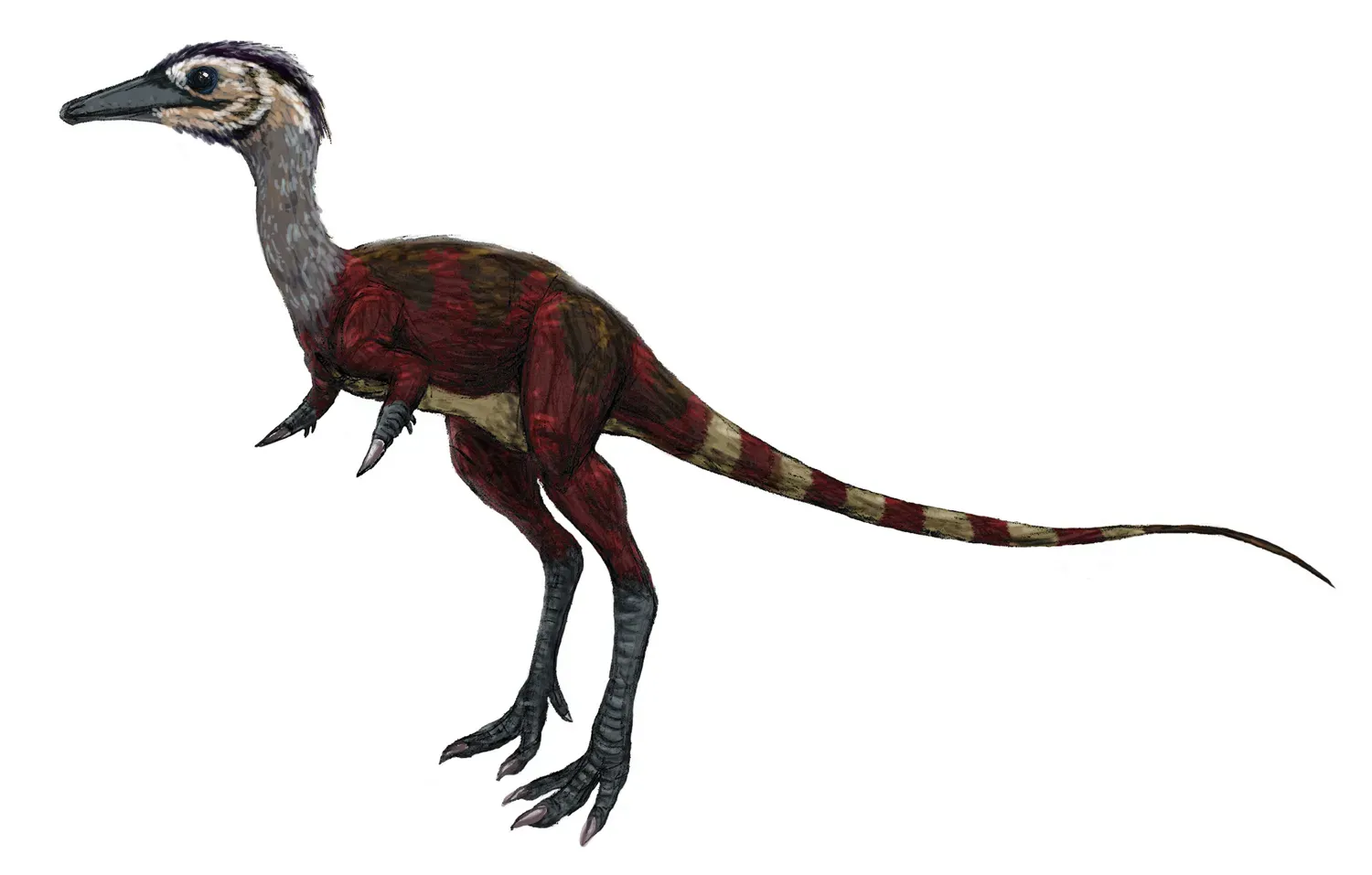
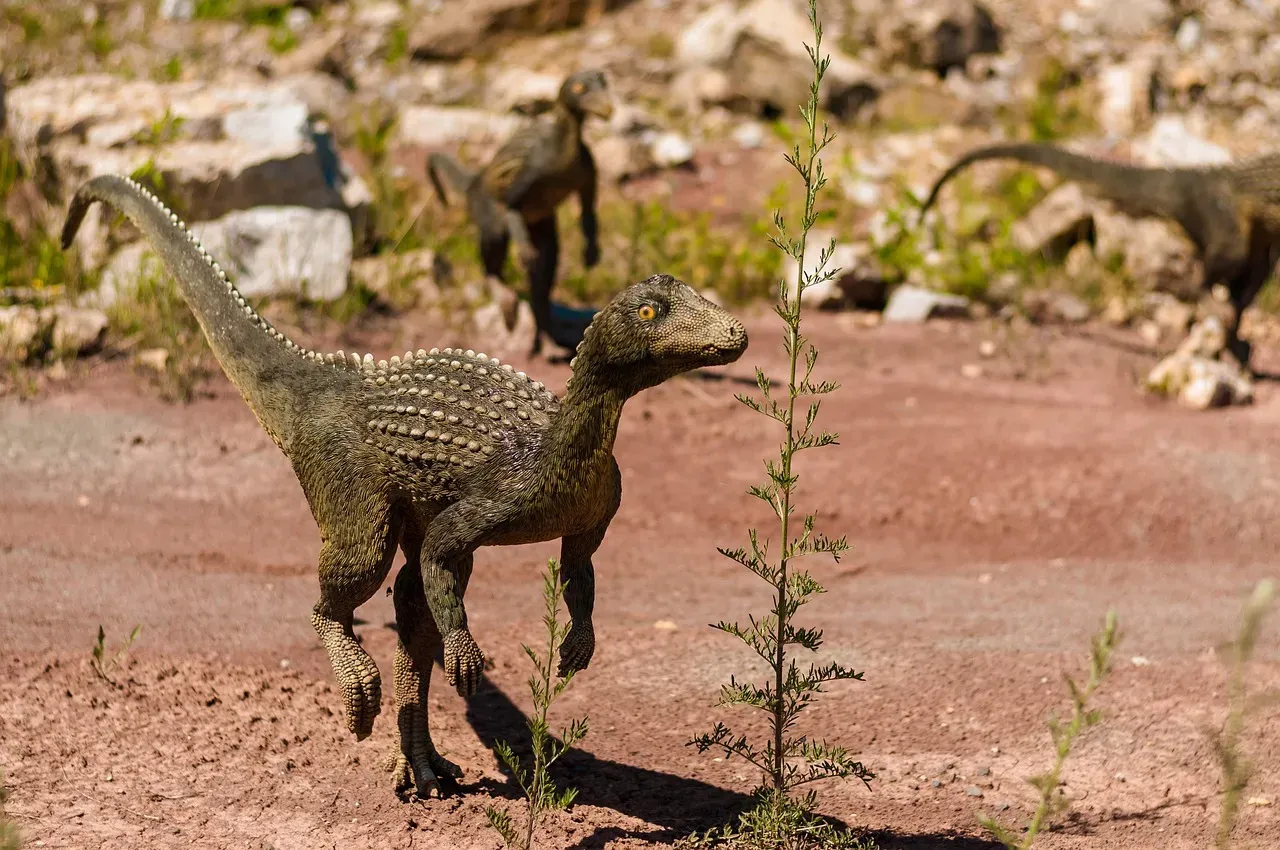
Picture a tiny dinosaur, no bigger than a chicken, stalking through the darkness of the Late Cretaceous night. Shuvuuia deserti had specialized hearing acuity, rivaling that of today’s barn owl. This wasn’t just good hearing – we’re talking about a creature that could pinpoint the exact location of prey in complete darkness using sound alone.
Nocturnal predation evolved early in the nonavialan lineage Alvarezsauroidea, signaled by extreme low-light vision and increases in hearing sensitivity. Imagine being a small insect or mammal scurrying through the Cretaceous night, thinking you’re safe. Then suddenly, this feathered hunter zeros in on you with owl-like precision, using sensory equipment that evolution spent millions of years perfecting. Through CT scans, scientists measured Shuvuuia’s lagena and found it was proportionally the same size as that of a barn owl, an incredibly efficient nocturnal hunter.
Trilobites: Ancient Arthropods With Hyper-Compound Eyes
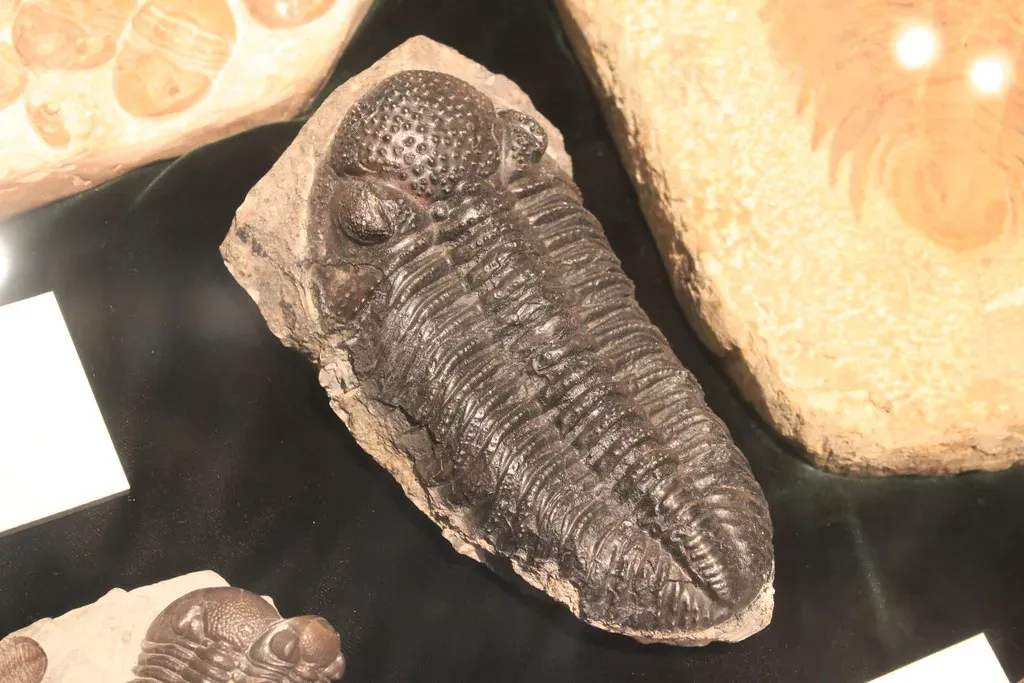
Long before dinosaurs roamed the Earth, trilobites ruled the oceans with what might be the most sophisticated eyes ever to evolve. Certain species of trilobite had “hyper compound eyes,” complete with hundreds of lenses, their own neural network to process and send signals and multiple optic nerves, and trilobites from the family Phacops had compound eyes that were far larger and more complex than their modern-day arthropod relatives. Here’s the thing – these weren’t just any eyes.
Think of them as biological disco balls, except each facet could capture and process visual information independently. The sensory structure of trilobite eyes commonly is that of apposition compound eyes, and we find in fossil trilobite eyes relics of sensory cells, rhabdoms, and pigment. These creatures possessed vision so advanced that it took modern technology hundreds of millions of years to catch up. Scientists suspect their incredible visual power helped them navigate the murky, predator-filled seas of the Paleozoic Era.
Helicoprion: The Shark With Built-In Electrical Detection
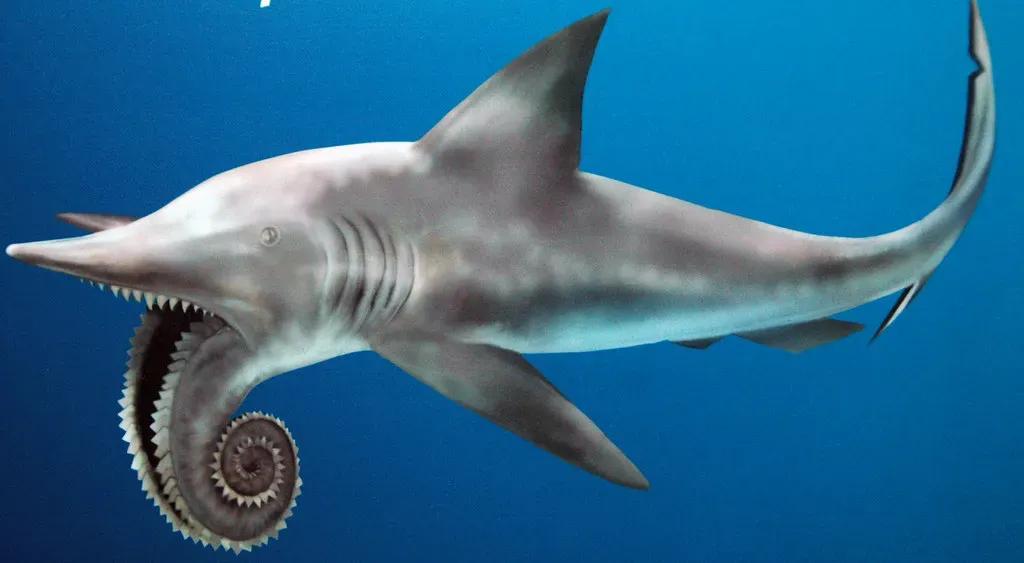
Imagine a massive prehistoric shark swimming through ancient oceans with a bizarre spiral tooth whorl that looks like a circular saw. The real superpower of Helicoprion wasn’t just its nightmarish dentition – it was its ability to detect the electrical fields generated by living organisms, as it possessed ampullae of Lorenzini, specialized organs that could sense the tiny electrical impulses created by muscle contractions and nerve activity in other animals. This electroreception was ridiculously sensitive.
This electroreception was so sensitive that Helicoprion could detect prey hiding in murky water or buried in sediment from considerable distances. You could be a fish thinking you’re perfectly hidden under a layer of sand, but your own bioelectricity becomes a beacon. The combination of electrical hunting and that terrifying buzz saw jaw made this creature one of the ocean’s most efficient killers, operating with a sensory system that seems more like science fiction than reality.
Parasaurolophus: The Dinosaur With Long-Distance Communication
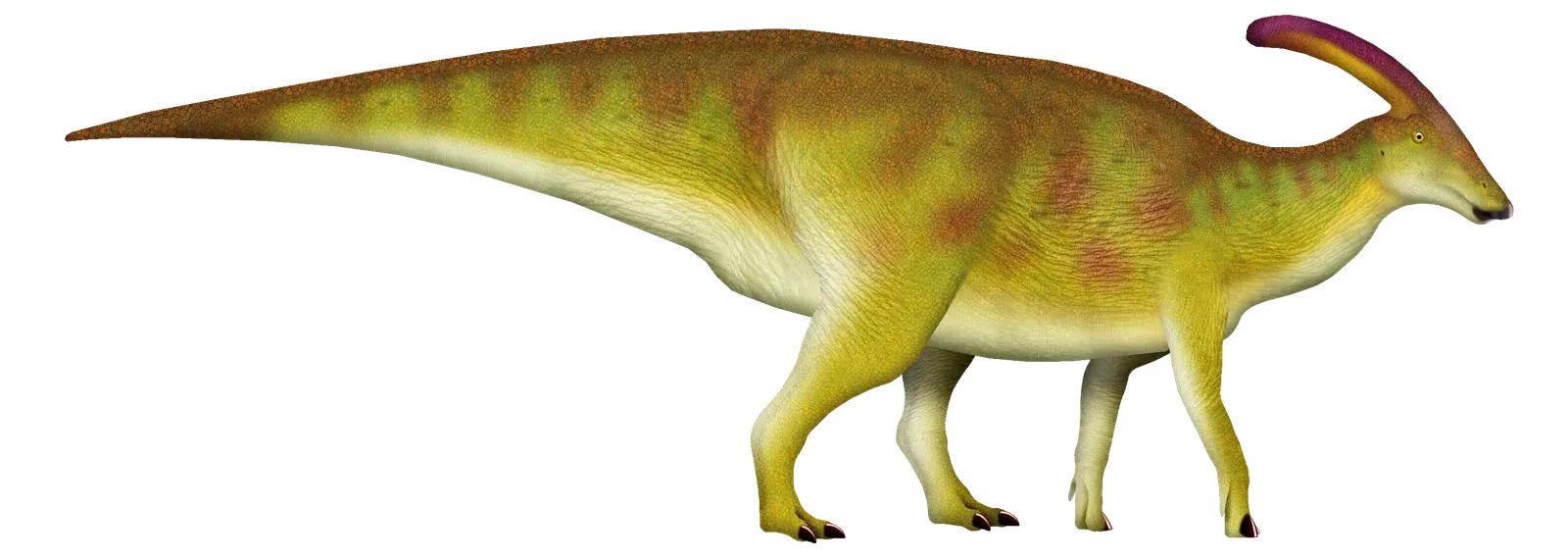
The Parasaurolophus is known for its distinctive elongated cranial crest, and some scientists propose this crest functioned as a resonance chamber, enabling the dinosaur to produce sounds to communicate across great distances. This wasn’t just about making noise – this dinosaur essentially had a built-in musical instrument on its head. The hollow crest acted like a massive horn or tuba, amplifying calls that could travel for miles through prehistoric landscapes.
Let’s be real, this is pretty remarkable when you consider how important communication would have been for herding animals in environments filled with massive predators. The acoustic superpower meant that Parasaurolophus herds could stay connected even when separated by dense forests or across vast plains. Their hearing systems must have been equally specialized to pick up these low-frequency calls, creating an entire sensory ecosystem based on sound that modern elephants would recognize.
Platypus Ancestors: Masters of Electroreception in Ancient Waters
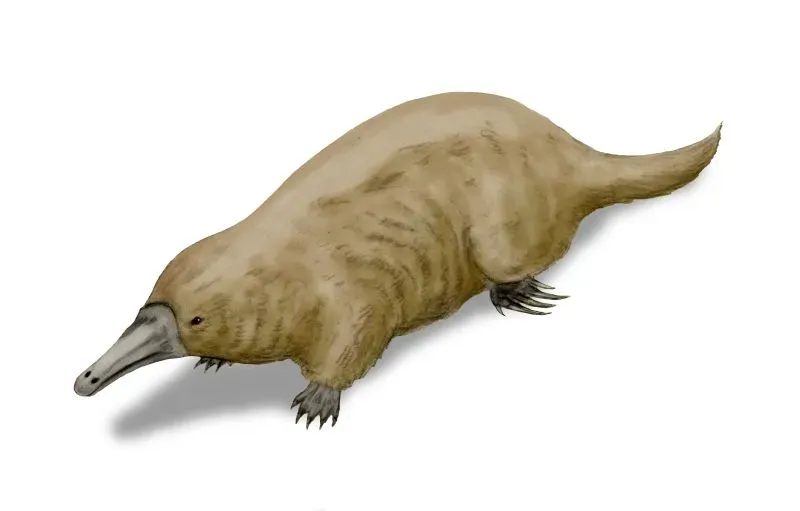
While the modern platypus itself isn’t prehistoric, understanding its sensory abilities gives us insight into ancient aquatic mammals. As it swims, head shaking back and forth, eyes, ears and nose closed tight, the platypus projects before it an invisible field that is incredibly sensitive to movement, water disturbances and obstructions, and flowing water has its own electrical qualities which the adept platypus can “read” providing it a rapidly unfolding 3D map. This is essentially biological sonar combined with electrical sensing.
Scientists studying this phenomenon have labeled this ability as “bill sense” since the mechanism involves the use of some 40,000 mucous gland electroreceptors strategically placed along the unique bill, and they also detect the ambient electrical field emanating from underwater objects like rocks or other obstacles. Think about hunting with your eyes closed in murky water and still catching every single prey item. That’s the power of electroreception taken to its absolute limit, creating a three-dimensional electrical map of the underwater world.
Dunkleosteus: The Armored Fish That Sensed Water Pressure
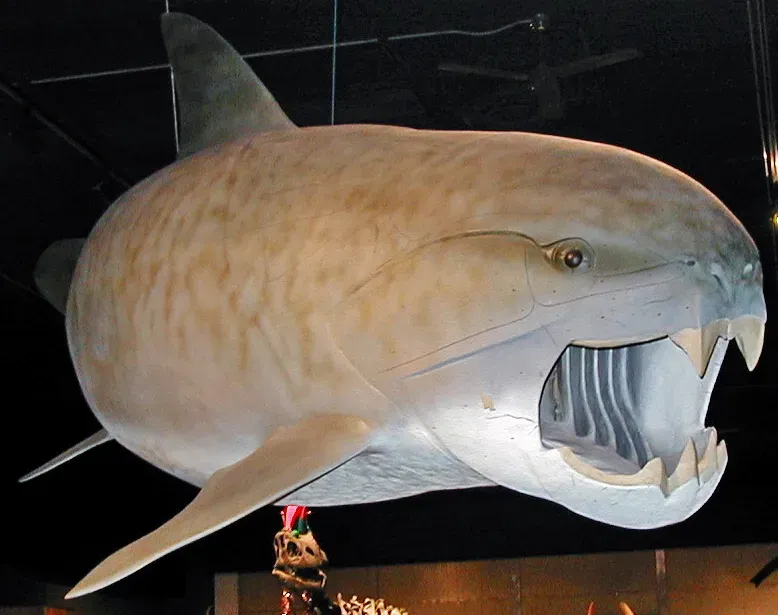
Living 360 million years ago during the Devonian period, this apex predator had a superpower that allowed it to hunt in the deepest, most inhospitable parts of ancient oceans: extreme pressure resistance, and its body was designed to withstand crushing depths that would instantly kill most other marine life, with the secret lying in its unique bone structure and specialized organs that could equalize internal pressure with the surrounding water. This massive armored fish grew to lengths of 30 feet with one of the most powerful bites in history.
Here’s what makes it fascinating – while the pressure resistance was remarkable, eubrachythoracid arthrodires likely had incomplete lateral lines. Still, its sensory adaptations allowed it to dominate environments where other predators simply couldn’t function. Dunkleosteus represents an evolutionary experiment in extreme environmental adaptation, pushing the boundaries of what vertebrate sensory systems could achieve in hostile underwater conditions.
Juravenator Starki: Touch-Sensitive Scales for Nocturnal Foraging
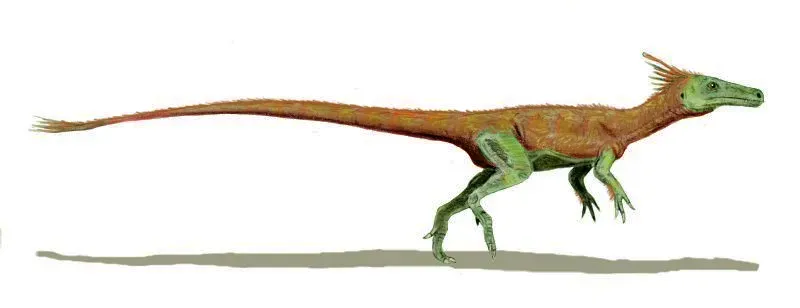
A chicken-size dinosaur that lived in what is now Germany about 150 million years ago might have used sensory scales on its tail as it foraged for fish at night, and these sensory organs, remarkably similar to those found on a crocodile, likely helped the animal suss out its environment as it waded across the shallow lagoons of a prehistoric archipelago. This was the first discovery of actual sensory organs preserved in dinosaur skin – a remarkable find that changed how we view these ancient creatures.
If the Juravenator scales include ISOs, they’ll be the first sensory organs of any kind found in the skin of a dinosaur, and “Juravenator may have been strictly nocturnal, rendering sensory capabilities that can counteract low light conditions even more essential.” These specialized scales essentially gave the dinosaur a sense of touch that extended beyond its body, allowing it to detect vibrations and movements in water even in total darkness. It’s hard to say for sure, but this combination of tactile supersensitivity and nocturnal lifestyle made Juravenator a highly effective nighttime fisher.
Anomalocaris: The Cambrian Monster With Massive Compound Eyes
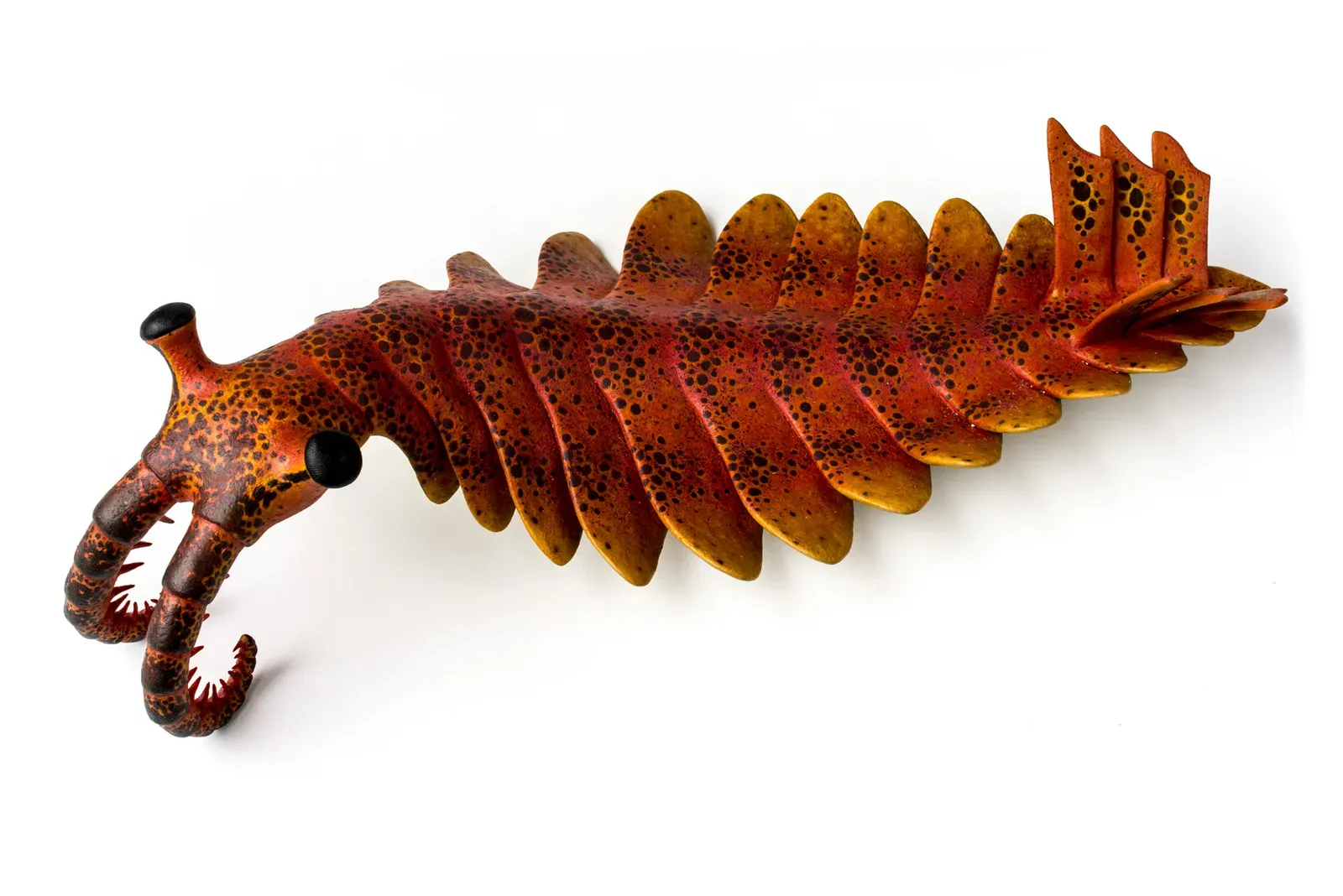
With spiny grasping arms, a pineapple-ring mouth, and large compound eyes, Anomalocaris sat at the very top of the earliest complex food webs, with compound eyes containing upwards of 16,000 lenses per eye. This apex predator from over 500 million years ago possessed vision that was absolutely cutting-edge for its time. Each of those thousands of lenses captured a slightly different angle of view, creating a mosaic image with incredible motion detection.
Visual hunter – large eyes suggest daylight pursuit in clear water. Being able to see in nearly all directions simultaneously while tracking multiple prey items gave Anomalocaris an overwhelming advantage in Cambrian seas. The sheer processing power required to interpret data from 16,000 individual lenses suggests this creature had a surprisingly sophisticated nervous system for such an ancient animal, making it one of evolution’s earliest experiments in creating a supreme visual predator.
Prehistoric Amphibians: Lateral Line Systems for Underwater Detection
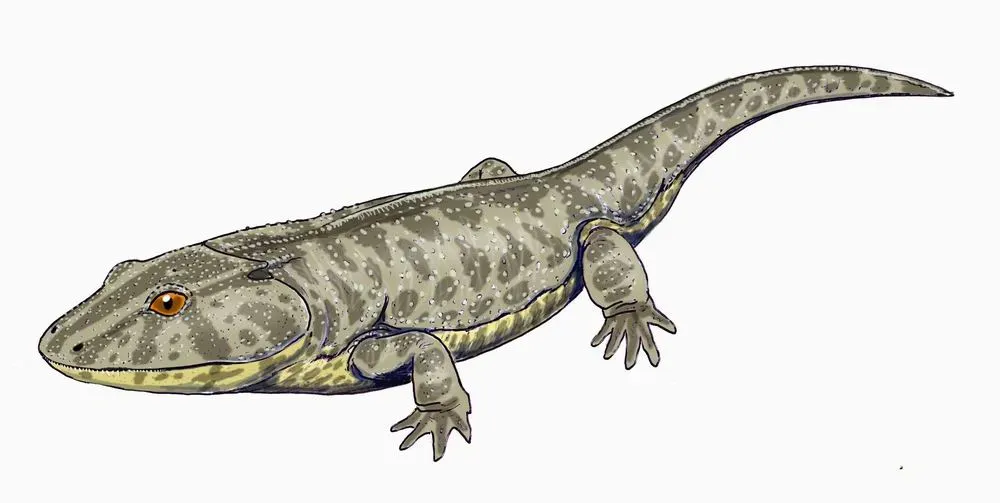
Most labyrinthodonts had special sense organs in the skin, forming a lateral line organ for perception of water flow and pressure, like those found in fish and a number of modern amphibians, and this would enable them to pick up the vibration of their prey and other waterborne sounds while hunting in murky, weed filled waters. These massive prehistoric amphibians were essentially walking vibration detectors, sensing everything that moved through the water around them.
The lateral line system works by detecting minute pressure changes in water – imagine being able to “feel” movement from several feet away without seeing or hearing it. These ancient amphibians dominated freshwater environments partly because this sensory system gave them awareness of their surroundings in conditions where sight was nearly useless. Combined with their sit-and-wait hunting strategy, the lateral line made them devastatingly effective predators that could sense an approaching fish long before it knew danger lurked nearby.
Conclusion
The prehistoric world was far stranger and more sophisticated than most people imagine. These nine creatures represent just a fraction of the incredible sensory innovations that evolution produced over hundreds of millions of years. From electrical detection to hyper-compound eyes, from nocturnal hearing to pressure-sensing lateral lines, ancient life developed solutions to survival challenges that still inspire modern technology and scientific research.
What’s truly remarkable is that many of these sensory superpowers evolved multiple times independently across different lineages, proving that when environments demand extraordinary abilities, life finds a way. These weren’t accidents of evolution – they were refined, tested, and perfected over countless generations until they became the ultimate survival tools. The next time you think about superpowers, remember that reality often surpasses fiction, and the fossil record holds secrets that continue to amaze us. Which of these ancient sensory abilities do you find most incredible? The natural world’s ingenuity never ceases to surprise.