You’ve probably seen Tyrannosaurus rex stomping across movie screens as a brainless killing machine, all muscle and fury with very little going on upstairs. For decades, scientists painted a similar picture. These ancient predators were assumed to be reptilian brutes, driven by instinct rather than thought. What if everything we’ve been told was wrong?
Here’s the thing. Recent scientific investigations have sparked a fierce debate that’s turning our understanding of dinosaur intelligence completely upside down. Some researchers now argue that T. rex might have possessed cognitive abilities we never dreamed possible. Others remain skeptical. The truth, as it turns out, is far more complicated than anyone expected.
The Controversial Study That Changed Everything
A Brazilian neuroscientist estimated T. rex had an astonishing 3.3 billion cortical neurons, a higher density than baboons. Think about that for a moment. We’re talking about a creature that lived over 65 million years ago potentially having the brainpower of a modern primate.
The study published in the Journal of Comparative Neurology suggested the dinosaur’s cerebrum contained enough neurons to solve problems and even form cultures. This wasn’t just some minor adjustment to our understanding. It was a complete reimagining of what these animals were capable of.
The implications were staggering. If true, T. rex might have been intelligent enough to use tools, pass down knowledge through generations, and develop complex social structures. Reality, some researchers claimed, was actually more terrifying than the movies.
Why Brain Size Doesn’t Tell the Whole Story
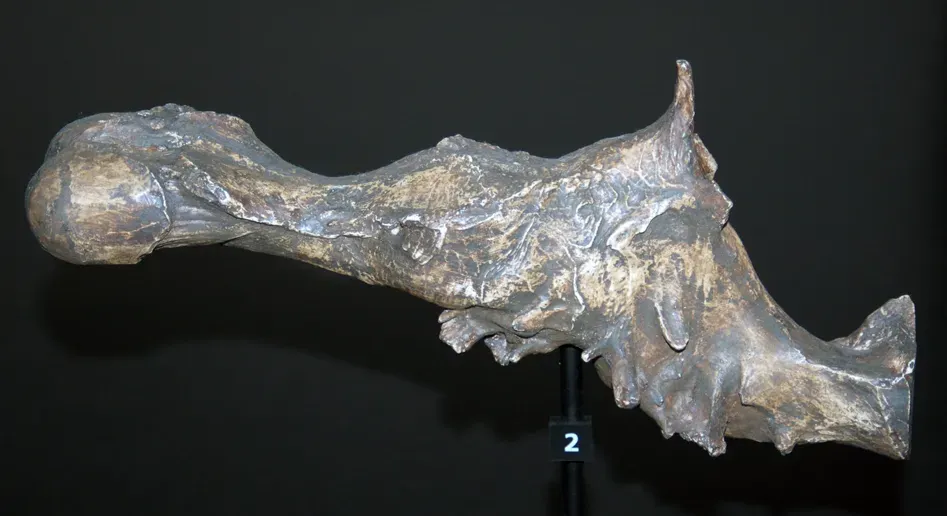
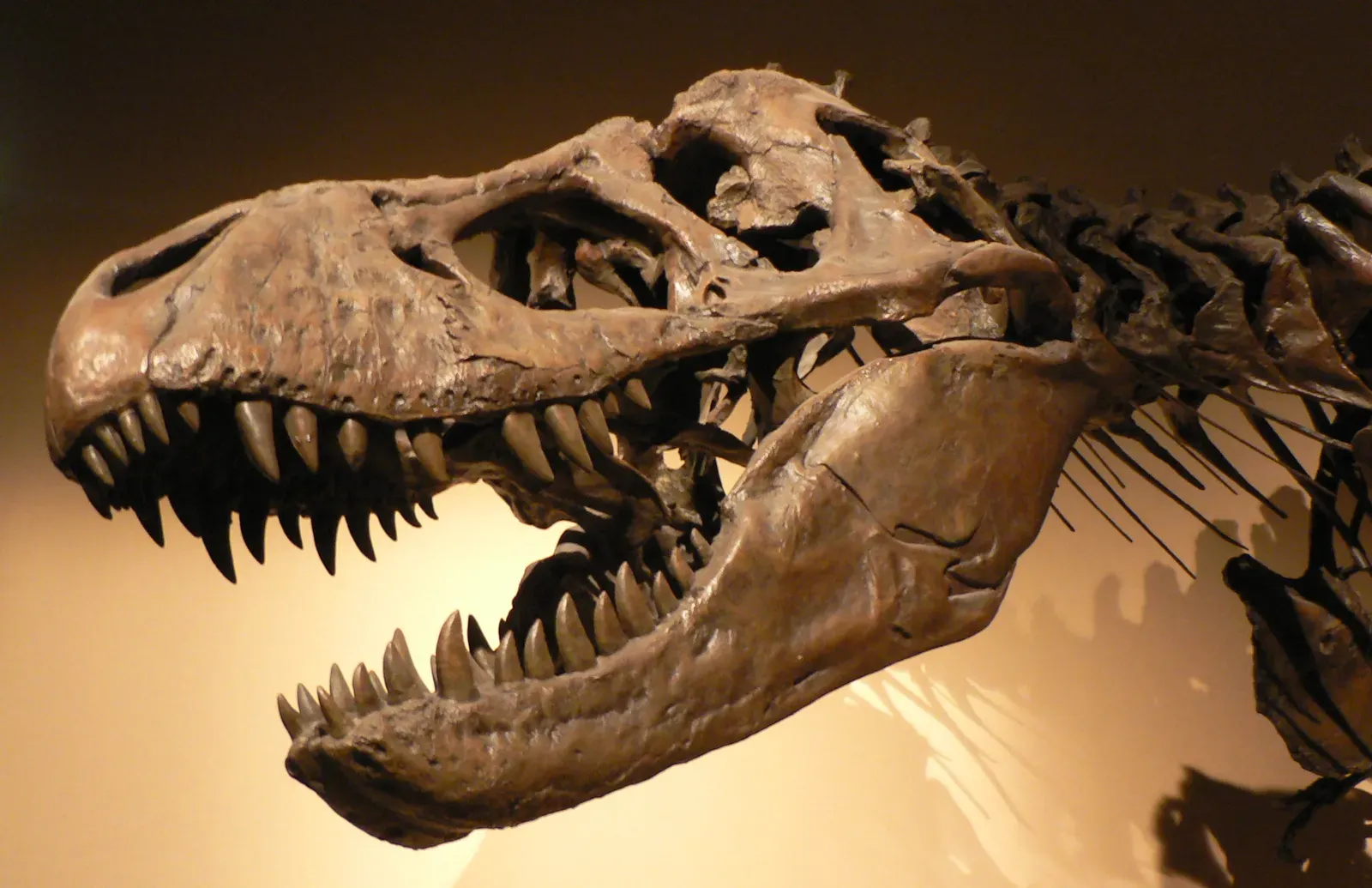
Let’s be real. Counting neurons in a fossilized skull isn’t exactly straightforward. The brain of T. rex floated in fluid, a trait found in modern crocodiles, and only occupied around 30 to 40 percent of its braincase.
Previous studies may have gotten it all wrong by assuming dinosaur brains filled their entire skull cavity, just like modern birds. Extant reptiles do not completely fill their skull cavities, with one researcher noting that when dissecting an alligator brain, there’s a big space.
This seemingly small detail makes a massive difference when you’re trying to estimate how many neurons packed into that prehistoric cranium. Overestimate the brain size, and suddenly you’ve got a genius dinosaur on your hands. Get it right, and you might just have a very large, very smart crocodile.
The Great Neuron Count Debate
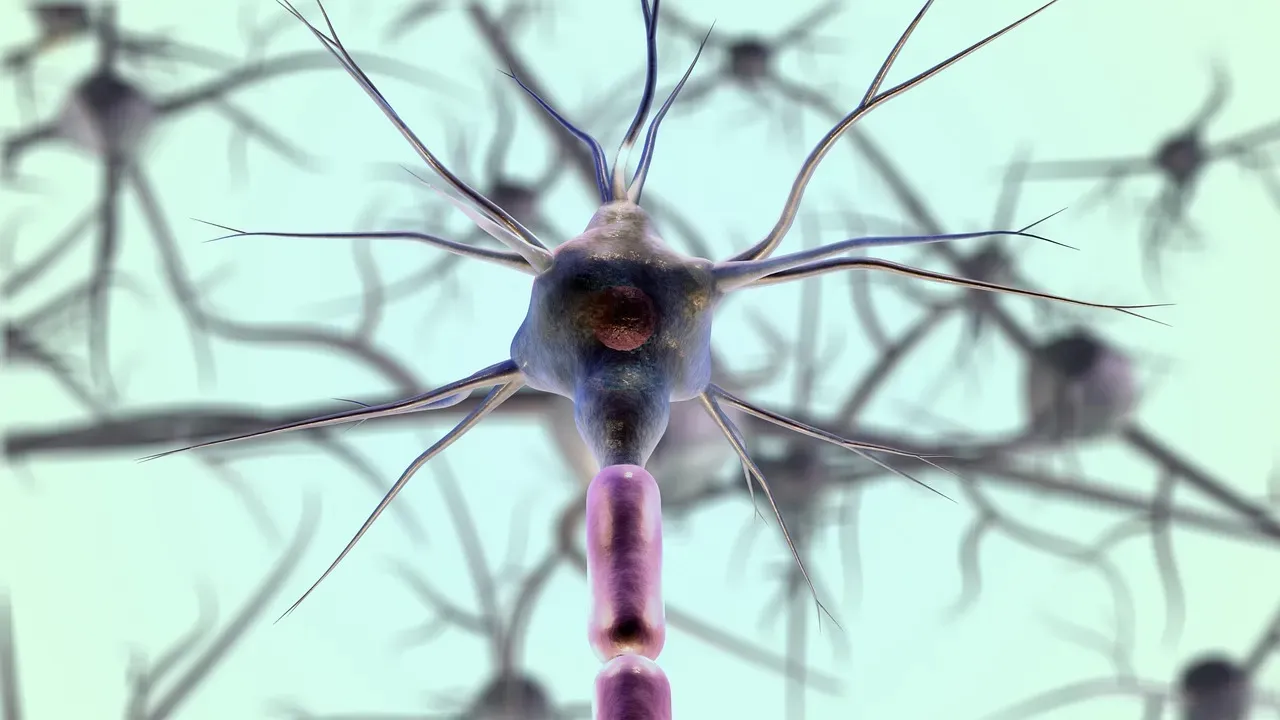
More conservative estimates suggest the T. rex telencephalon had closer to 360 million neurons. That’s a huge drop from the billions initially proposed. Rather than 3 billion neurons as previously stated, T. rex’s brain had no more than 1.7 billion neurons.
Some scientists go even lower. Perhaps a more realistic neuron count hovers around 250 million, which is about as many neurons as the cat brain. From baboon to housecat is quite the downgrade, honestly.
The problem lies in which modern animal you use for comparison. Reptiles have fewer neurons per square centimeter of brain than birds, and when calculating the number of neurons in extinct theropods, researchers must decide whether to use the neuron densities of birds, reptiles or some combination. Your choice completely changes the outcome.
Smart Giant Crocodiles or Tool Using Geniuses
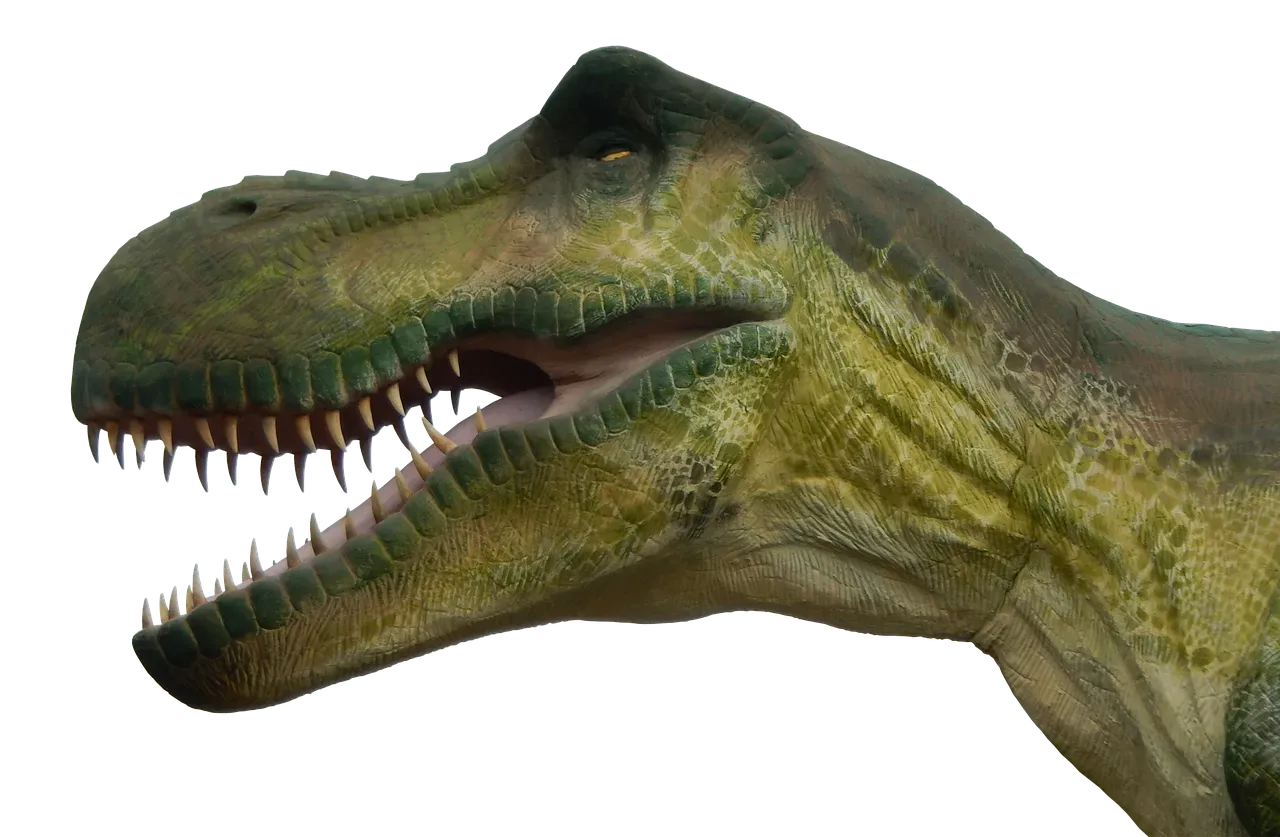
Scientists concluded they were more like smart giant crocodiles. That might sound disappointing, but it’s still fascinating when you really think about it. Crocodilians engage in play, deception and problem solving, things that people once thought they didn’t have the brains to do, and because tyrannosaurs were brainier for their body size than any crocodile, it’s reasonable to expect they’d be capable of even more complex behaviors.
Modern crocodiles are hardly mindless monsters. They’re cunning predators with surprising sophistication. A crocodile the size of a school bus with enhanced cognitive abilities? That’s still pretty impressive.
Crocodiles solve simple problems, show limited parental care, and learn from routine, yet they don’t build societies or share knowledge across generations. A Cretaceous apex hunter operating at that level would still have been formidable.
The Problem With Primate Comparisons
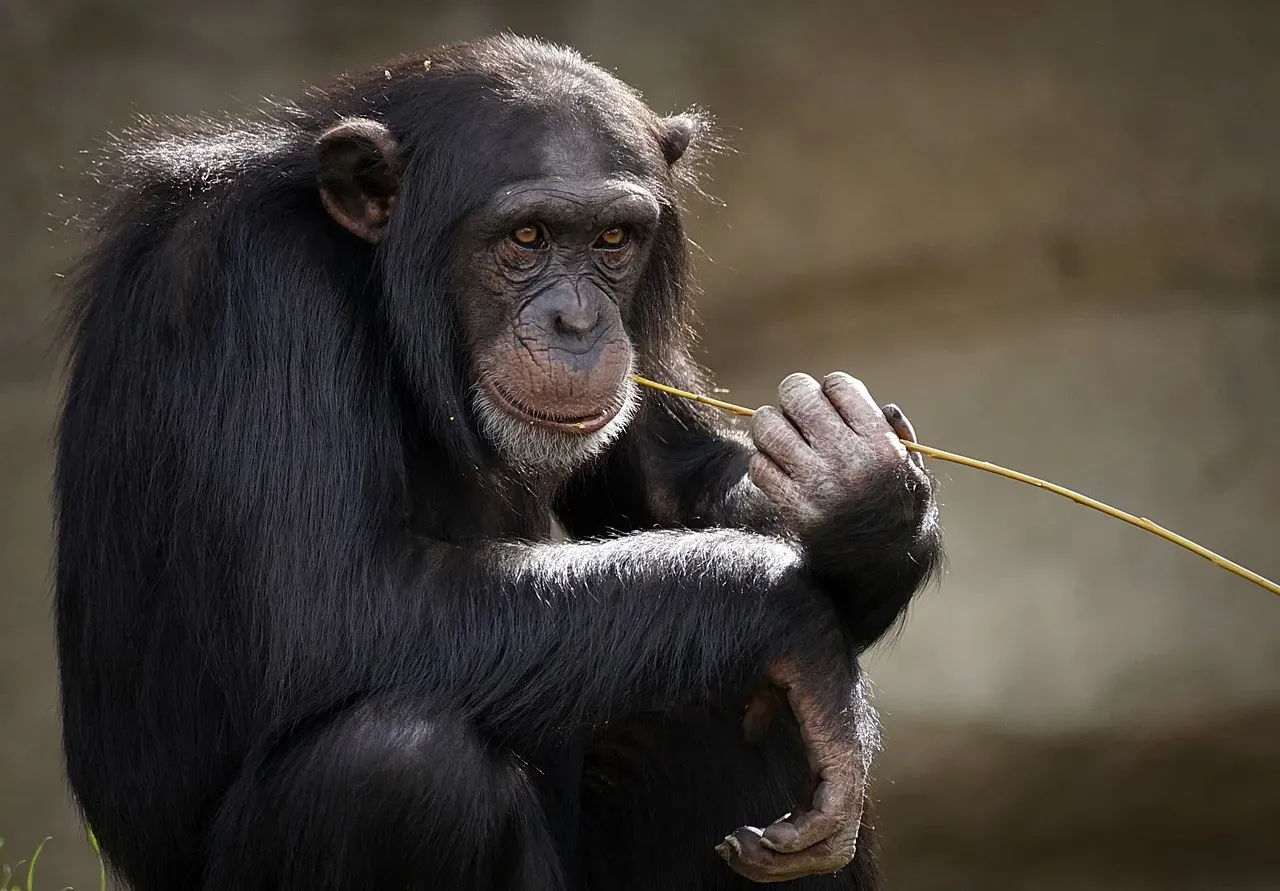
An adult male baboon weighs roughly 30 to 90 pounds, while a mature T. rex weighs around 14,000 pounds, and many of its neurons merely kept those massive muscles, eyes, and sensory organs running. With so much neural real estate devoted to basic physiology, little would remain for advanced cognition.
It’s hard to say for sure, but comparing a seven ton predator to a primate that weighs less than most dogs seems problematic from the start. Giraffes have exceptionally high cerebral neuron counts exceeding those of corvids and most primates at 1.7 billion, and dolphins including pilot whales and orcas have absurdly high neocortical neuron counts exceeding 30 billion, yet there is no evidence that they exceed humans in intelligence.
Neuron count alone doesn’t determine intelligence. The connections between those neurons, their organization, and how they’re used matter just as much. Neuron counts are not good predictors of cognitive performance, and using them to predict intelligence in long extinct species can lead to highly misleading interpretations.
Evidence From Behavior and Fossils
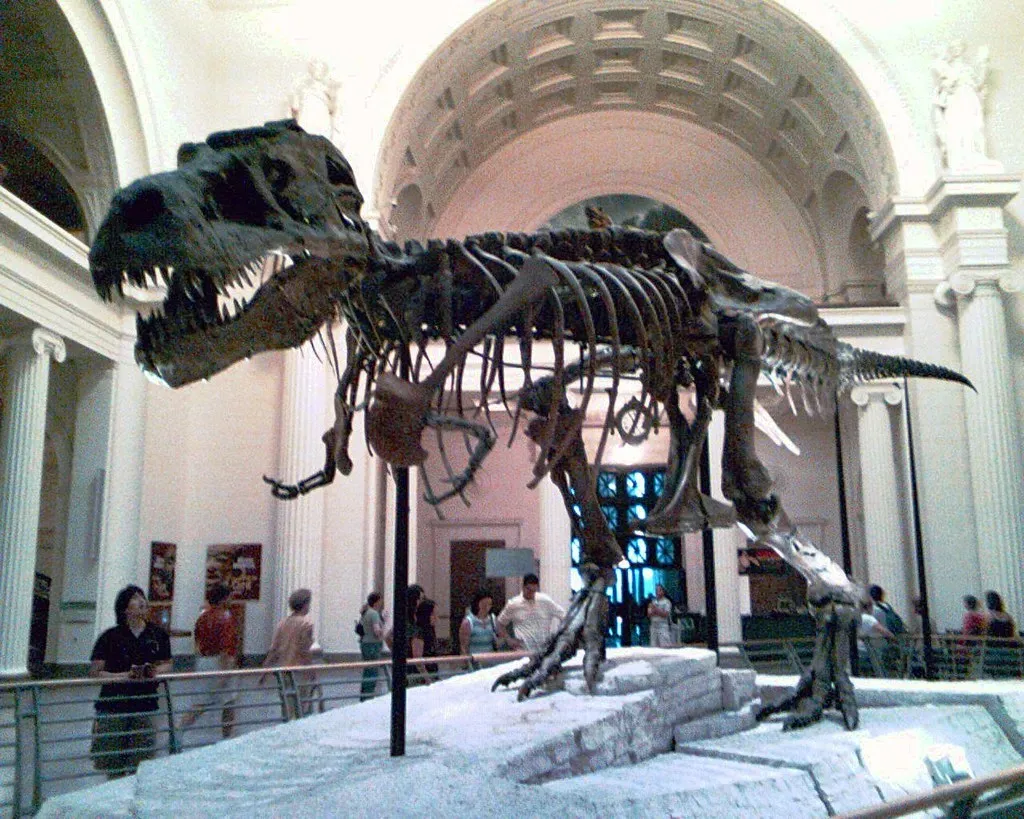
The T-Rex had highly developed senses of smell and vision, which would have allowed them to locate prey from a distance. Their sensory capabilities were genuinely impressive. Evidence points to a sensorily acute predator with good vision, a powerful sense of smell, and the ability to coordinate pack style hunting now and then.
Researchers have recovered remains from four tyrannosaurs from a site about 1,000 square feet in size, and paleontologists think these tyrannosaurs died together some 76 million years ago during the Cretaceous Period. Did they hunt in groups? Were they social creatures?
The fossil record offers tantalizing clues but frustratingly incomplete answers. To reliably reconstruct the biology of long extinct species, researchers should look at multiple lines of evidence, including skeletal anatomy, bone histology, the behavior of living relatives, and trace fossils.
What Modern Relatives Tell Us
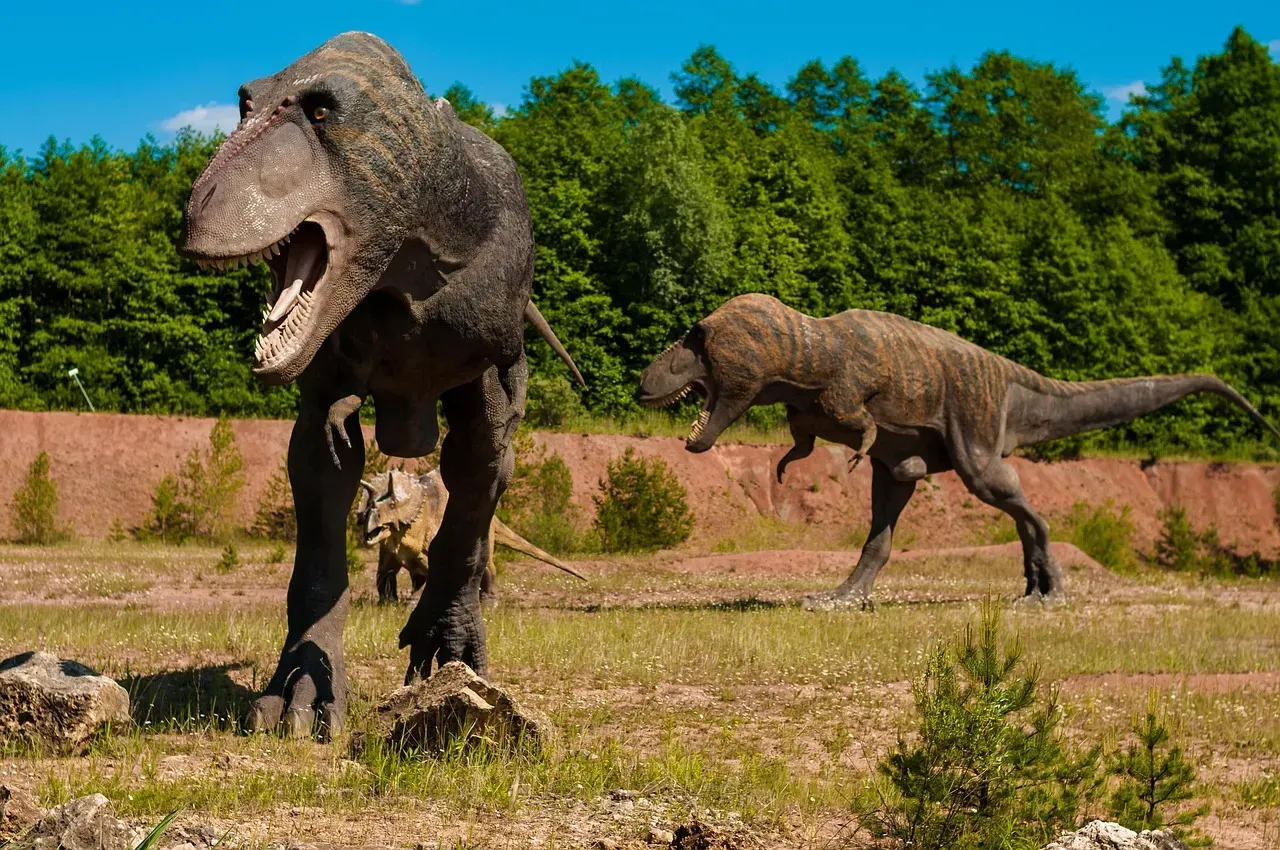
Here’s where things get interesting. T. rex sits on an evolutionary branch between modern reptiles and birds. While birds are descendants of theropods, the same group of dinosaurs that T. rex belonged to, theropods themselves were reptiles.
Should we compare them to their bird descendants or their reptilian cousins? Adding a broader range of living birds to the comparison of brain to body ratios brought T. rex’s more in line with that of scaled reptiles, and earlier studies inflated the numbers of neurons by assuming that dinosaur brains occupied the whole braincase, like modern bird brains do.
The answer probably lies somewhere in the middle. These weren’t cold blooded lizards, but they weren’t exactly warm blooded birds either. Recent bone histology supports a middle ground view, with many dinosaurs likely maintaining body temperatures through a blend of behavioral basking and elevated internal heat production.
The Case for Sophisticated Predators
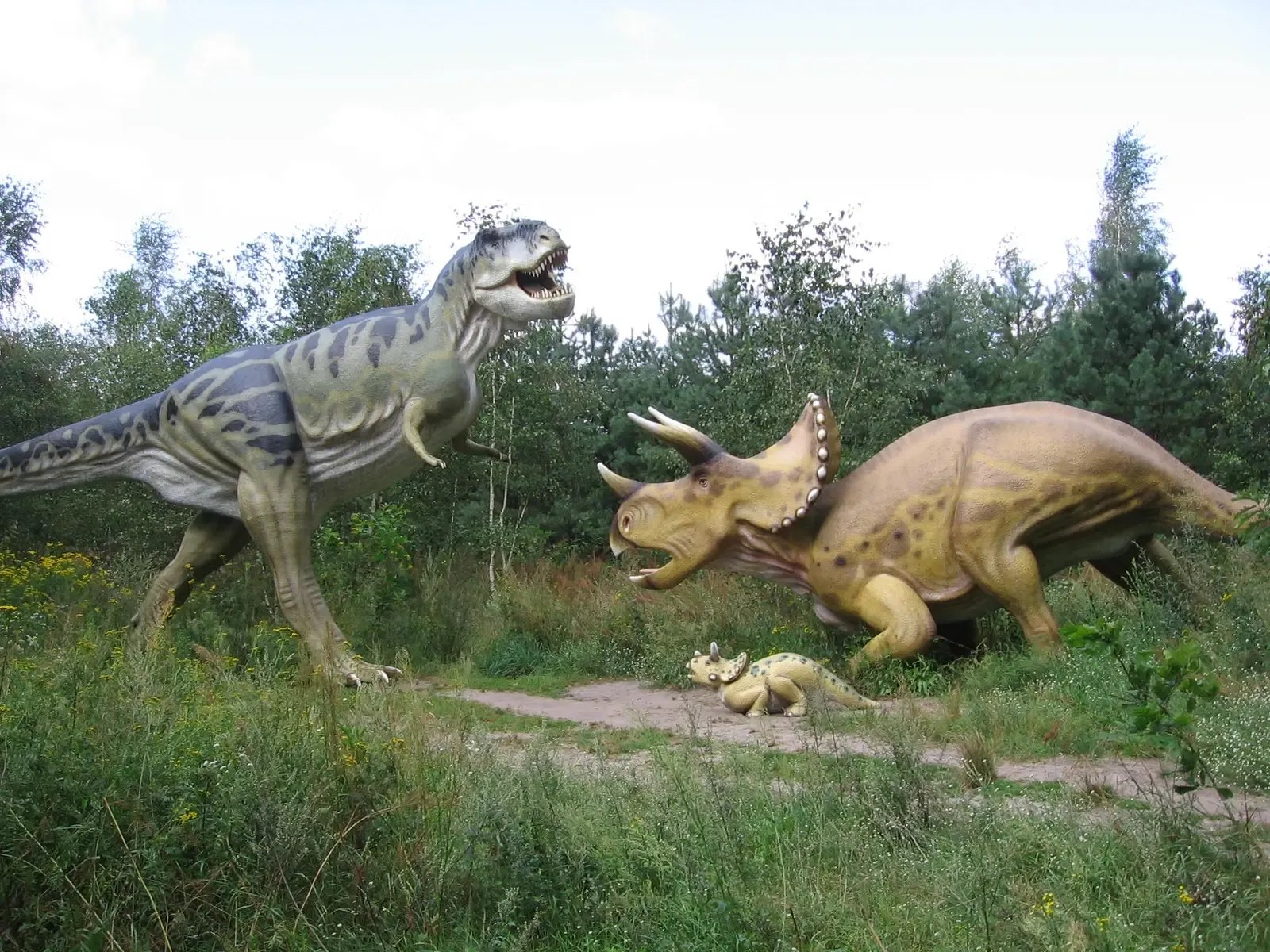
T-Rex had the ability to learn and adapt to new situations, as evidenced by their hunting behaviour, with studies showing they were not simply mindless predators but instead had a strategic approach to hunting. They may have used their size and strength to intimidate prey, or worked together to take down larger animals.
Think about what it takes to be an apex predator for millions of years. You don’t maintain that position without considerable cognitive abilities. These animals had to track prey, avoid dangers, find mates, and raise offspring in a competitive ecosystem.
T. rex was still cognitively capable of subduing dangerous prey, nesting, and courting mates. That requires more than just brute force. Tyrannosaurs probably weren’t especially intelligent, and they almost definitely weren’t as smart as a monkey, but they didn’t have to be, as evolution has a funny way of molding a creature to be precisely as smart as it needs to be.
Where the Science Stands Today
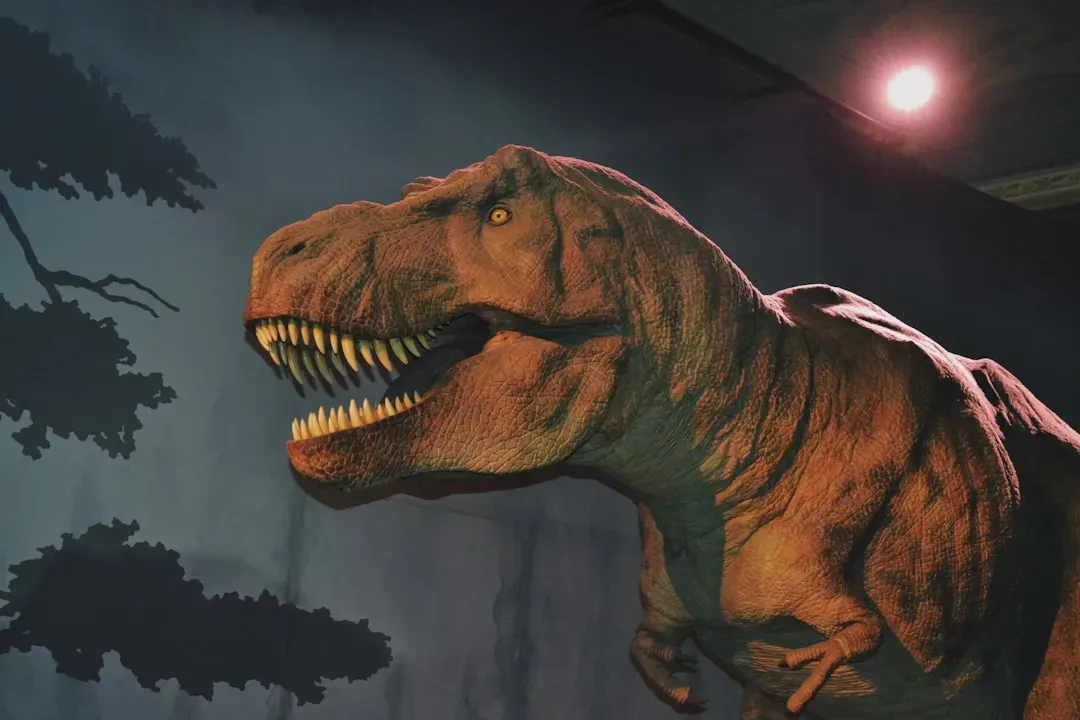
The scientific community remains divided. An international team of palaeontologists, behavioural scientists and neurologists have re examined brain size and structure in dinosaurs and concluded they behaved more like crocodiles and lizards. This 2024 study directly challenges the earlier claims of primate level intelligence.
For large bodied theropods in particular, researchers recover significantly lower neuron counts than previously proposed. The baboon comparison, while exciting, probably took things too far.
I know it sounds crazy, but the truth is we may never know for certain. We’re trying to reconstruct the inner workings of a brain that vanished 66 million years ago. Research has shown that Tyrannosaurus had the largest brain of any of the big, meat eating dinosaurs. That much seems clear. What they did with that brain remains an open question.
A New Perspective on an Ancient Predator
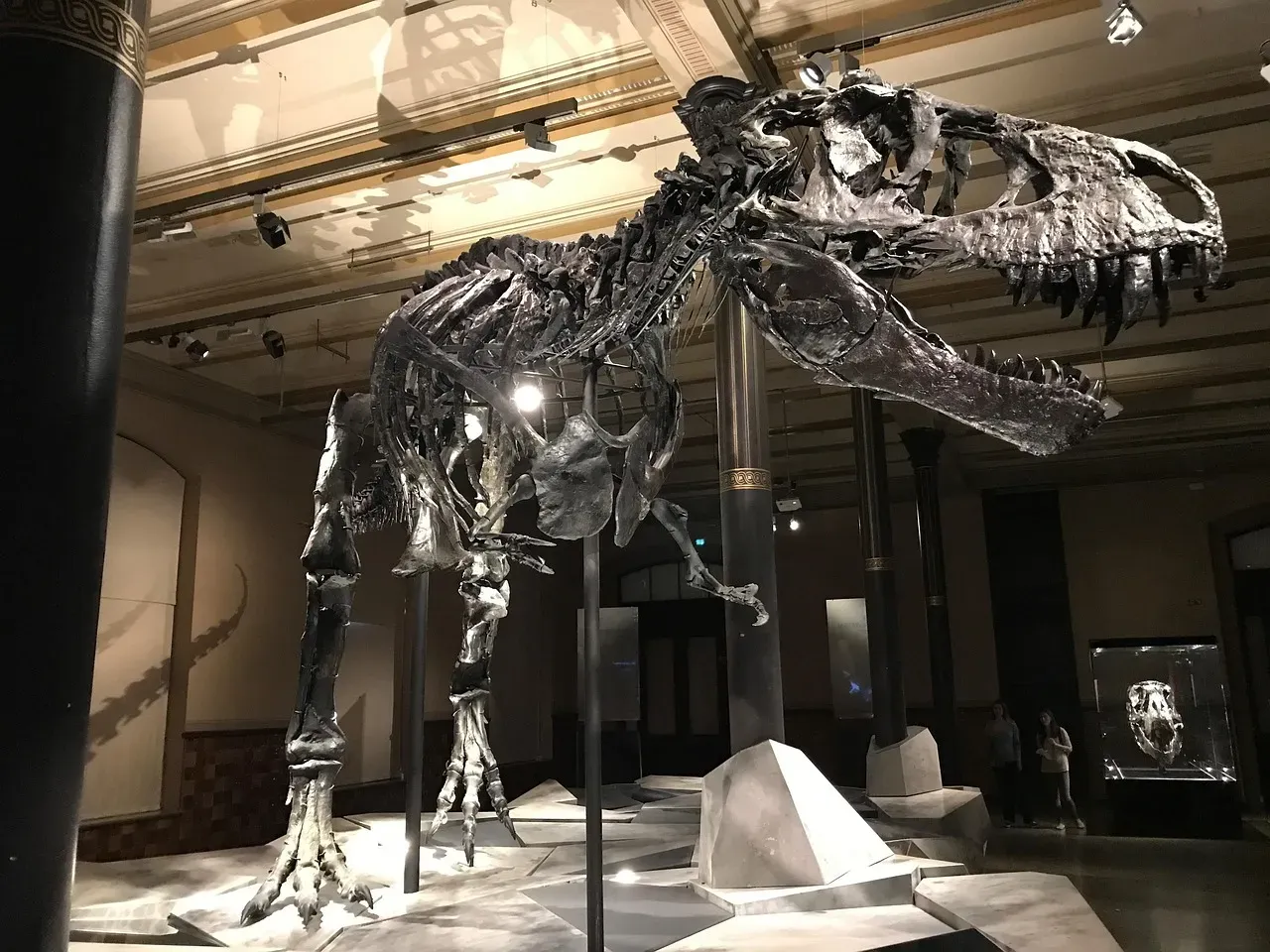
Whether T. rex had the intelligence of a baboon or a crocodile almost misses the point. These were sophisticated predators perfectly adapted to their environment. They dominated their ecosystem for millions of years, which requires intelligence regardless of how we measure it.
The debate itself reveals something important about how science works. New techniques allow us to ask questions that seemed impossible just years ago. We’re learning to read fossils in ways previous generations couldn’t imagine. The story of T. rex intelligence isn’t finished. It’s just beginning.
What matters most is that we’re constantly refining our understanding. Every new study, every fresh perspective brings us closer to knowing these magnificent creatures as they actually were rather than how we imagined them to be. That journey from myth to reality is just as thrilling as any movie monster could ever be.
What do you think about the possibility that T. rex was smarter than we ever gave it credit for? The evidence keeps evolving, and so does our picture of life in the Cretaceous.