Imagine a world where colossal reptiles, some as tall as buildings and others the length of a bus, roamed across vast landscapes on journeys spanning hundreds or even thousands of miles. That’s exactly what happened tens of millions of years ago. These weren’t just random wanderings either. Recent discoveries are showing us that dinosaurs followed specific routes during their migrations, creating what scientists now call prehistoric superhighways.
These ancient pathways tell stories that go far beyond simple movement from one place to another. They reveal complex behaviors, survival strategies, and interactions between species that paint a vivid picture of life during the age of dinosaurs. From muddy coastal lagoons to highland forests, these creatures navigated ever-changing landscapes with remarkable precision. So let’s dive into the fascinating world of dinosaur migration and discover what these ancient travelers can teach us.
The Discovery of Dinosaur Highways Through Fossil Footprints
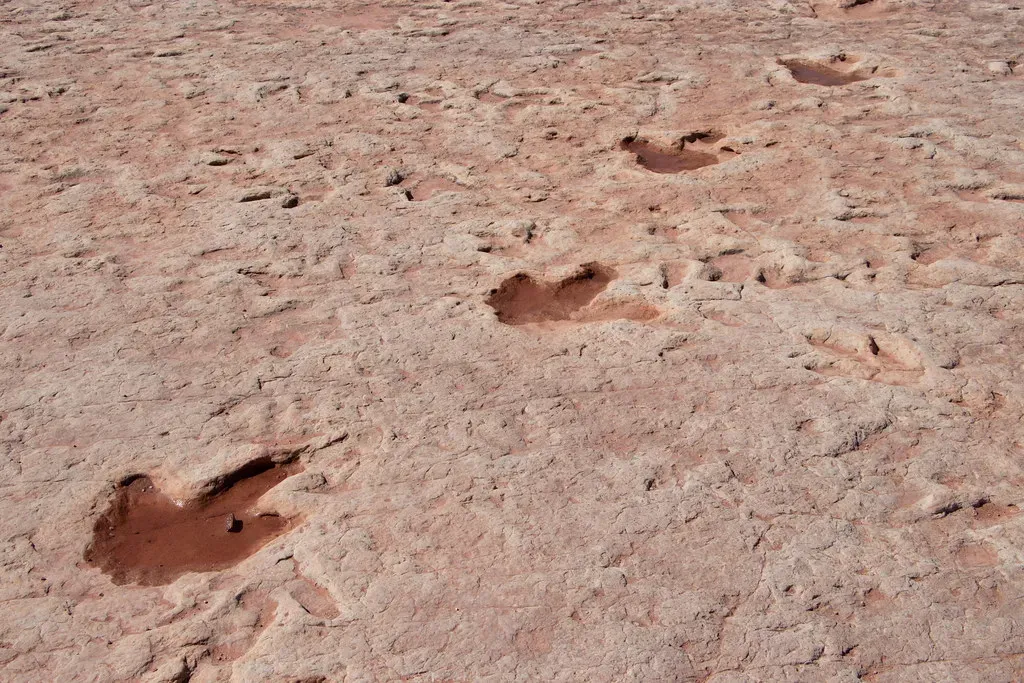
A worker digging up clay in a southern England limestone quarry noticed unusual bumps that led to the discovery of a “dinosaur highway” and nearly 200 tracks that date back 166 million years. This remarkable find at Dewars Farm Quarry in Oxfordshire represents one of the most significant dinosaur track sites ever discovered in the United Kingdom. What makes this discovery so special isn’t just the number of footprints, though nearly 200 individual tracks is impressive by any standard.
The preservation quality is extraordinary. The preservation of these latest fossils is so detailed that researchers can see how the mud was deformed as the dinosaurs trod across the soft ground. Think about that for a moment. You’re looking at impressions made by creatures that walked this exact spot during the Middle Jurassic Period, when the landscape looked nothing like today’s rolling English countryside. Instead, it resembled something closer to the Florida Keys, with muddy lagoons and tropical conditions. The footprints capture not just the physical act of walking, but the very environment these animals moved through.
River Valleys as Continental Corridors
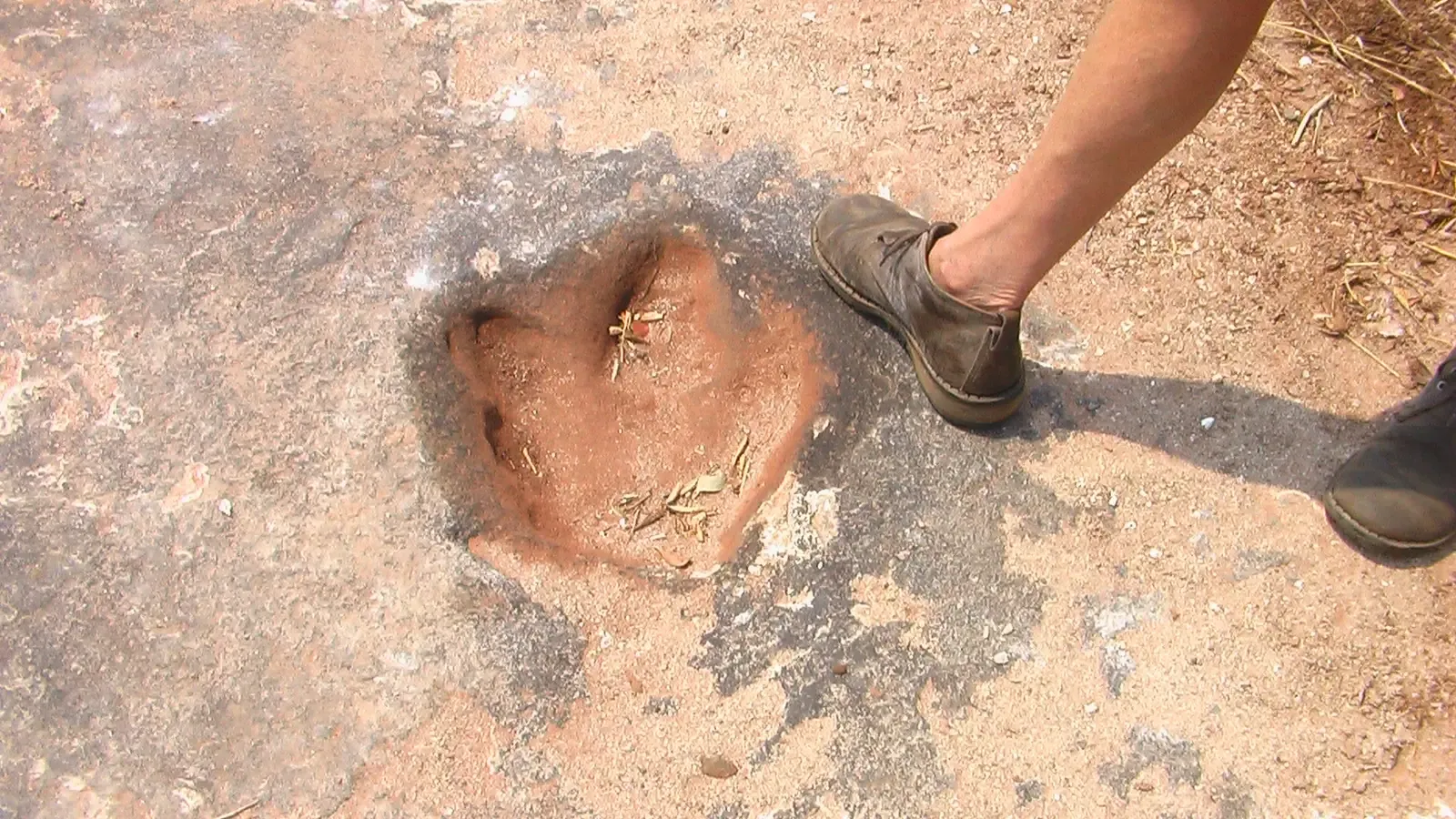
Muddy sediments left by the rivers and lakes contain dinosaur footprints, including those of meat-eaters, documenting that these river valleys could provide specific avenues for life to travel across the continents 120 million years ago. River systems acted as natural highways that connected distant regions. When researchers examined matching footprints on opposite sides of the Atlantic Ocean, between Brazil and Cameroon, they realized something profound about how dinosaurs dispersed.
The twin sites, once side by side, preserve what researchers now call the Dinosaur Dispersal Corridor. Before the continents drifted apart, these areas formed a continuous pathway where dinosaurs could travel. The trackways show both massive herbivores and swift carnivores using these routes, suggesting that predator and prey followed similar paths during their journeys. With each rainy season, new tracks would overlap the old ones, creating a layered record of migration patterns that scientists are only now beginning to fully understand.
Seasonal Migrations Driven by Food and Water
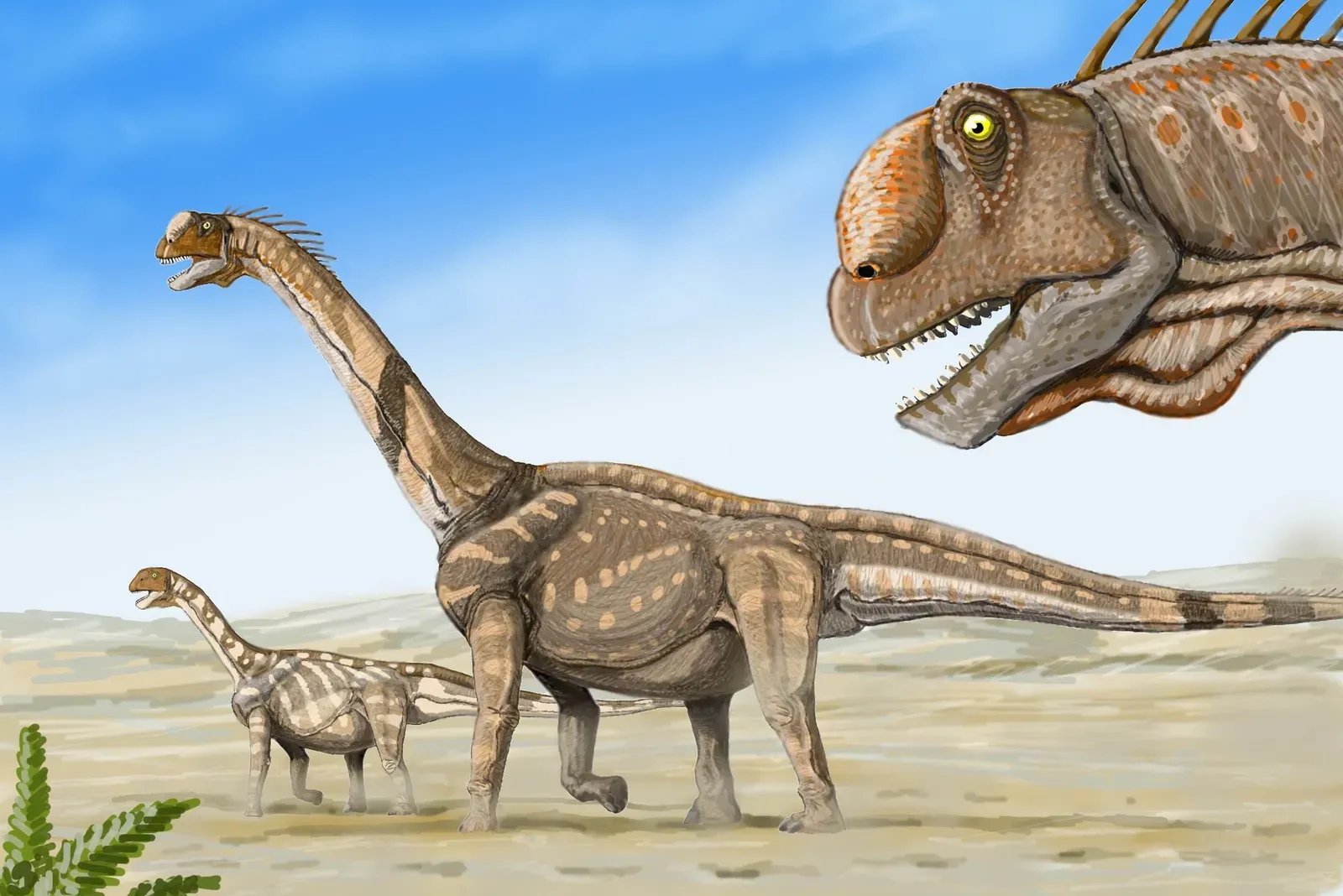
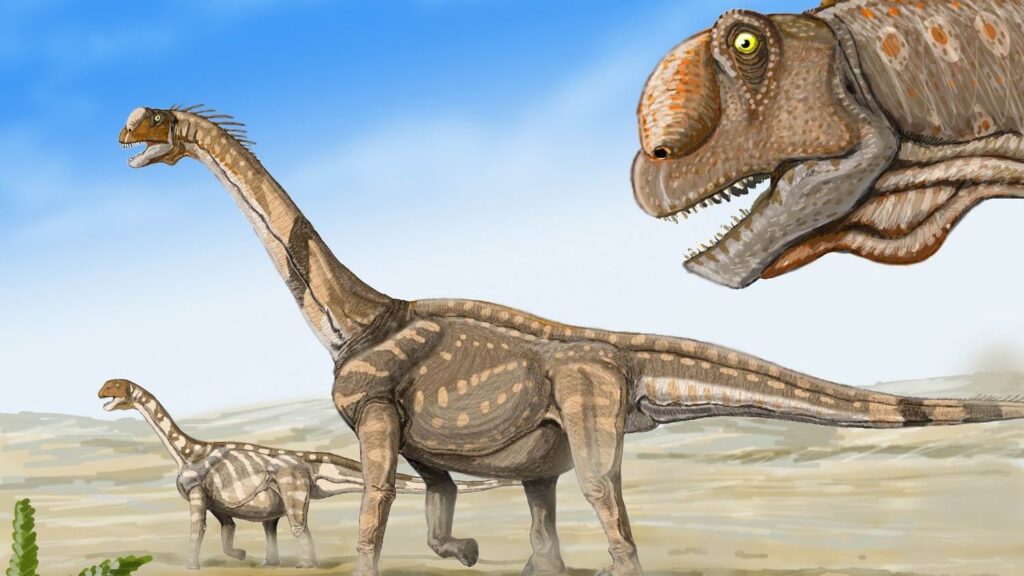
Chemical signals in prehistoric tooth enamel reveal that roughly bus-length Camarasaurus dinosaurs walked hundreds of miles on marathon migrations in late Jurassic North America. Responding to shifts in food and water availability, the long-necked plant-eaters likely trudged from floodplain lowlands to distant uplands and back again as the seasons changed. This isn’t speculation or guesswork. Scientists analyzed oxygen isotopes in fossilized teeth and compared them to ancient soil samples.
Here’s the thing about these migrations: they were absolutely necessary for survival. Massive herbivores with high nutritional and water needs could periodically experience nutritional and water stress under these conditions, and thus the common occurrence of sauropods in this basin has remained a paradox. The sauropods needed enormous amounts of food and water daily just to maintain their massive bodies. When dry seasons hit the lowland basins, these giants had to move to higher elevations where resources remained available. It’s remarkably similar to how modern elephants in Africa migrate between wet and dry season habitats, except these animals were vastly larger and traveled even greater distances.
Continental Breakup and Changing Migration Routes
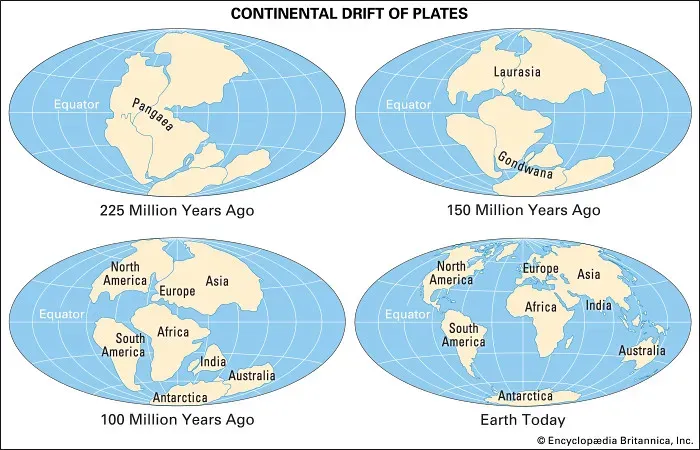
Between 230 million and 66 million years ago, dinosaurs plodded across the supercontinent Pangea, and migrated from Europe to other parts of the world. During the earliest periods of dinosaur evolution, the world looked completely different. All the continents we know today were joined together as one massive landmass. Dinosaurs could potentially walk from what would become South America all the way to Asia without encountering any oceans.
Yet as Pangea began fragmenting, everything changed. Even though the migration of dinosaur groups slows down, it doesn’t completely stop. We’re still getting the movement of dinosaur groups between major continental land masses, even when the continents appear to be really isolated. This reveals something remarkable about dinosaur adaptability. Even as rising sea levels created barriers and landmasses drifted apart, these animals found ways to cross between continents. Dinosaurs used to migrate between continents and islands using temporary land bridges. Studies reveal that these bridges might have been formed due to fluctuating sea levels during the Cretaceous period.
Evidence from Massive Trackway Sites
Near the end of the dinosaurs’ reign, about 18,000 footprints and tracks were pressed and stamped into wet mud along a shoreline in central Bolivia. Those tracks now form a single exposed rock surface in Torotoro National Park, revealing a type of “dinosaur superhighway” near the shoreline. This site in Bolivia represents the busiest dinosaur highway ever discovered. Imagine the sheer volume of traffic that must have passed through this area to leave such a dense concentration of footprints.
That pattern hints that small groups of dinosaurs paced along the same watery route at different times during a short window. The trackways don’t cross randomly but run parallel for extended stretches, suggesting these weren’t isolated individuals but possibly coordinated groups moving along preferred paths. Some tracks show sharp turns and directional changes, behaviors rarely captured in the fossil record. The concentration of footprints in certain depressions indicates that dinosaurs repeatedly used the same routes, much like modern animals follow established game trails through their territories.
Social Behavior and Herd Movement
The discovery of Maiasaura nesting sites in the Cretaceous badlands of Montana has provided a glimpse into the familial bonds and cooperative parenting strategies of these hadrosaur dinosaurs. The presence of well-developed nests, hatchling remains, and evidence of adult care suggests that these herbivores may have traveled in multi-generational herds, with older individuals guiding and protecting the younger members during their migratory journeys. This paints a very different picture from the isolated, aggressive creatures often portrayed in popular media.
The evidence for social migration goes beyond nesting sites. We now have evidence of tens of individuals moving through this area at around the same time, perhaps as a herd. Trackways showing multiple sets of prints moving in the same direction at similar spacing suggest coordinated group movement. It’s hard to say for sure, but this organized travel could have provided protection from predators, helped younger animals learn migration routes, or simply made it easier to locate resources along the way. The fossil record increasingly shows that many dinosaur species were far more socially complex than we once imagined.
Modern Technology Revealing Ancient Journeys
The group that worked at the site last summer took more than 20,000 digital images and used drones to create 3D models of the prints. Technology has revolutionized how we study these ancient migration routes. Where paleontologists once had to rely on sketches and photographs, they can now create detailed three-dimensional reconstructions of entire trackway sites. These digital models preserve information about the tracks long after excavation sites have been reburied for protection.
Advanced technologies continue to transform our understanding, with micro-CT scanning revealing previously undetectable growth patterns in fossil bones that indicate seasonal movement. Drone-based photogrammetry has revolutionized the study of dinosaur trackways, allowing researchers to map extensive migration routes across challenging terrain. Isotopic analysis of tooth enamel can now tell us not just where a dinosaur traveled, but what it ate and drank along the way. These techniques are uncovering details about dinosaur migrations that would have seemed like science fiction just a few decades ago, giving us an increasingly detailed picture of how these animals lived and moved across their ancient world.
Conclusion
The evidence for dinosaur migrations has grown from scattered footprints and speculation into a comprehensive understanding of prehistoric movement patterns that rival anything seen in the modern world. These weren’t mindless beasts wandering aimlessly across ancient landscapes. They were sophisticated animals that followed seasonal patterns, traveled in coordinated groups, and navigated thousands of miles using established routes that functioned as true superhighways of the Mesozoic Era.
From the muddy lagoons of Jurassic England to the coastal plains of Bolivia, from the river valleys that once connected South America and Africa to the mountain highlands of North America, dinosaurs moved with purpose and precision. Their migrations shaped ecosystems, influenced evolution, and left behind a fossil record that continues to amaze researchers in 2026. As technology advances and more sites are discovered, we’ll undoubtedly learn even more about these remarkable journeys. What other secrets do you think these ancient pathways might still hold? The story of dinosaur migration is far from complete, and each new discovery adds another piece to this fascinating puzzle.