Picture what you might expect from a giant dinosaur in the wild. Maybe a spine-chilling roar echoing through dense prehistoric forests, the kind of sound that’d make even the bravest explorer freeze in their tracks? Well, recent discoveries are flipping that Hollywood script on its head in ways that might actually surprise you. Researchers have been uncovering clues hidden in fossils that tell us something truly unexpected about how these ancient beasts actually sounded.
Turns out, your favorite movie franchise might have gotten it wrong all along. Instead of roaring monsters, we’re looking at creatures that potentially cooed, chirped, and maybe even sang. Let’s dive in.
Fossilized Voice Boxes Reveal Stunning Surprises
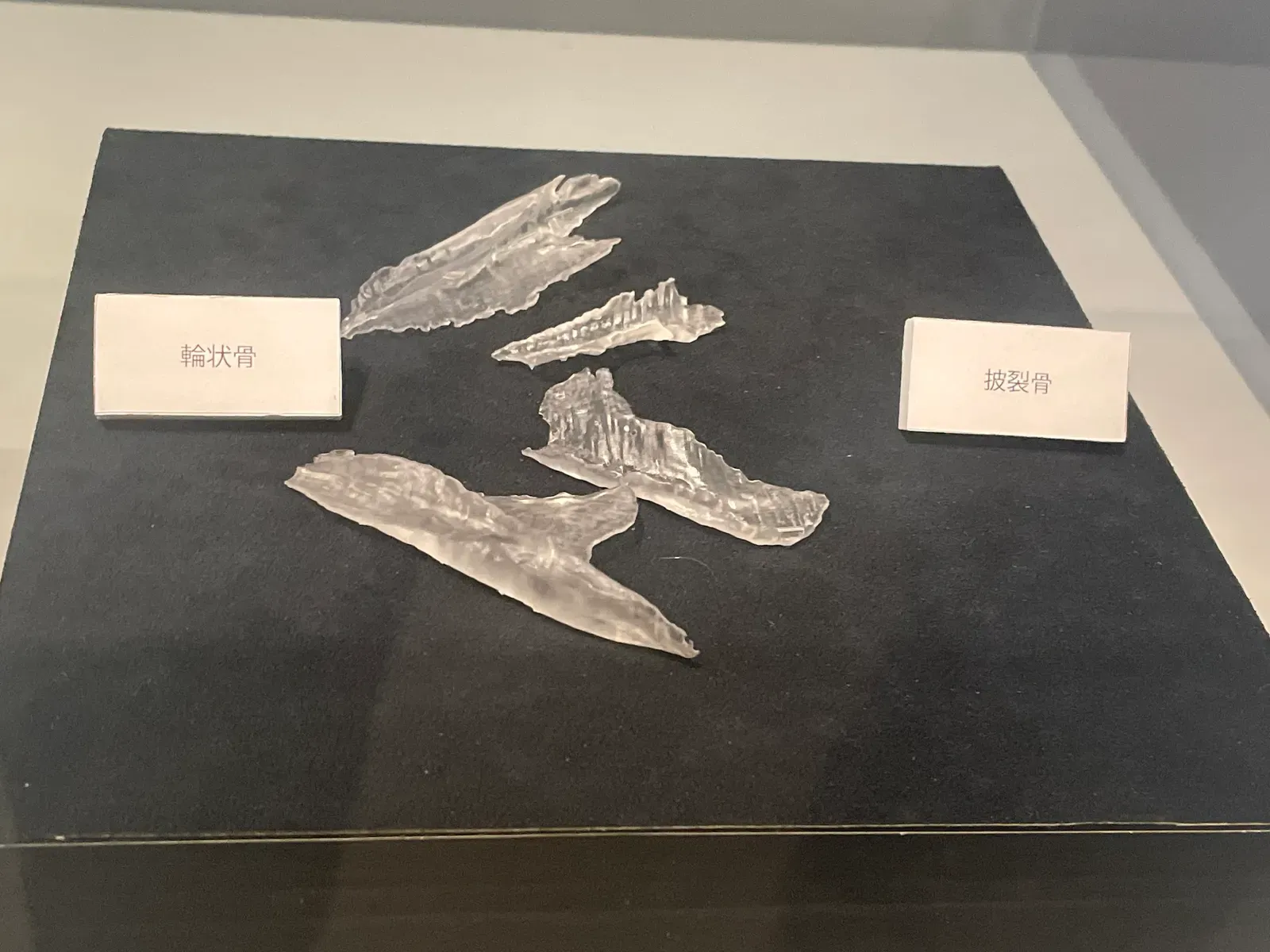
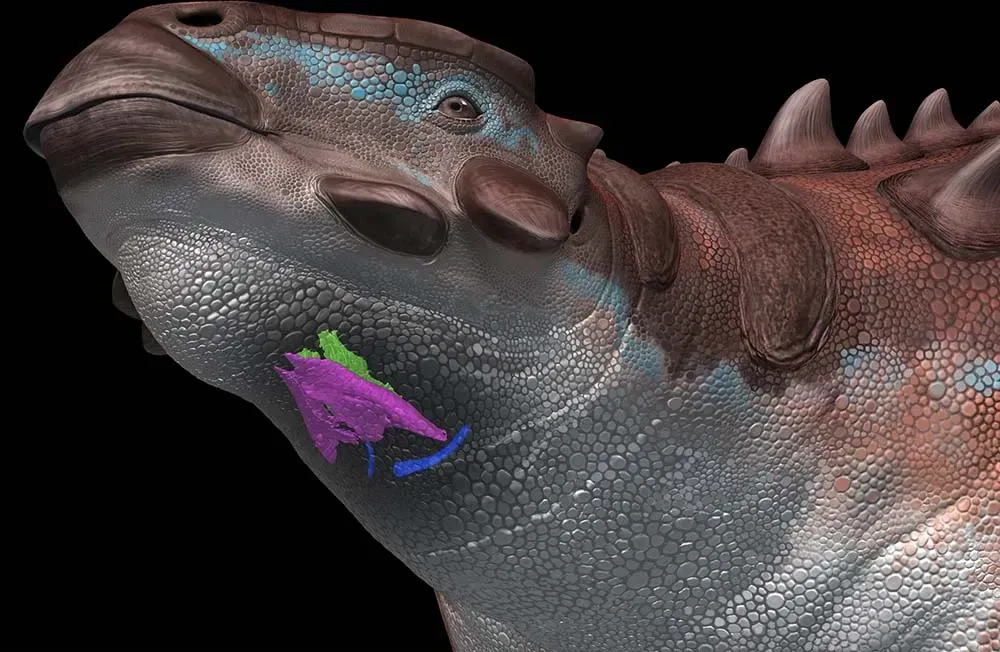
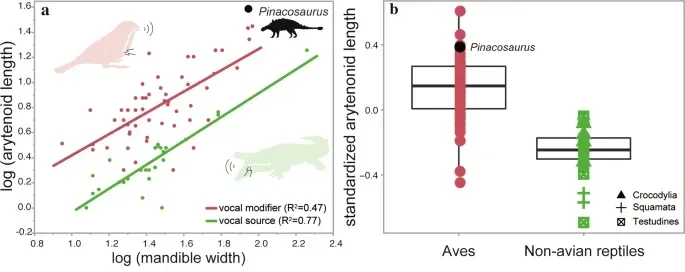
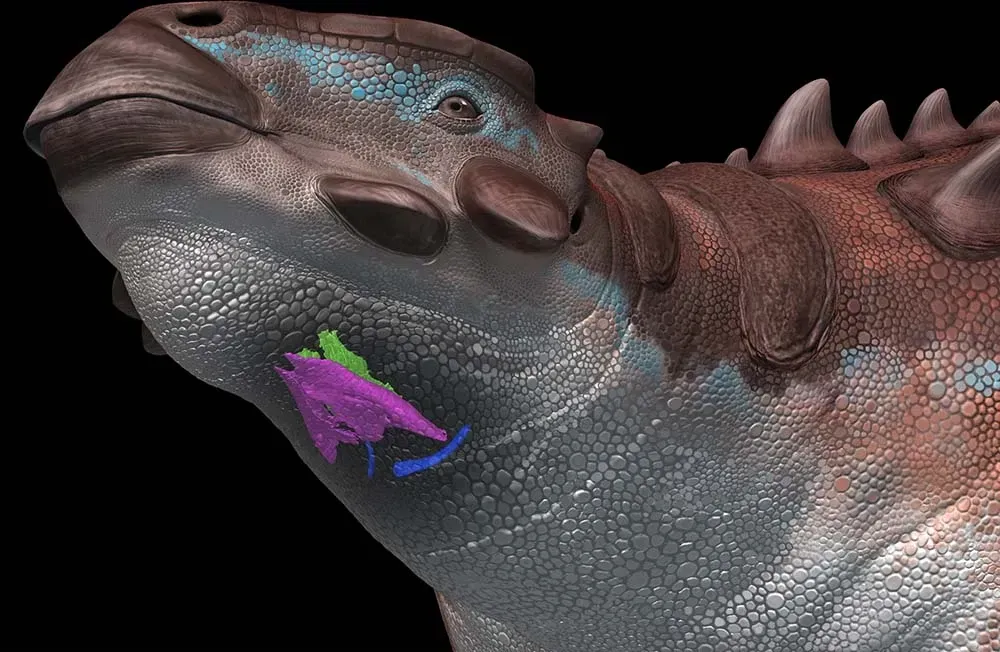
The discovery of an 80 million-year-old fossilized voice box that belonged to an armored dinosaur called Pinacosaurus grangeri represents an extremely rare breakthrough for paleontologists. This ankylosaur, unearthed in Mongolia, provided scientists with their first ever look at a non-avian dinosaur’s larynx. What they found was nothing short of revolutionary.
The larynx of Pinacosaurus was specialized with a firm and kinetic cricoid-arytenoid joint and enlarged cricoid, functioning as a possible vocal modifier like birds rather than a vocal source like non-avian reptiles, suggesting it could have employed bird-like vocalization. Even without the specialized syrinx organ that modern birds possess, this ancient creature might have produced sounds remarkably similar to what we’d hear from our feathered friends today. Honestly, that’s wild when you really think about it.
A Second Discovery Confirms the Pattern
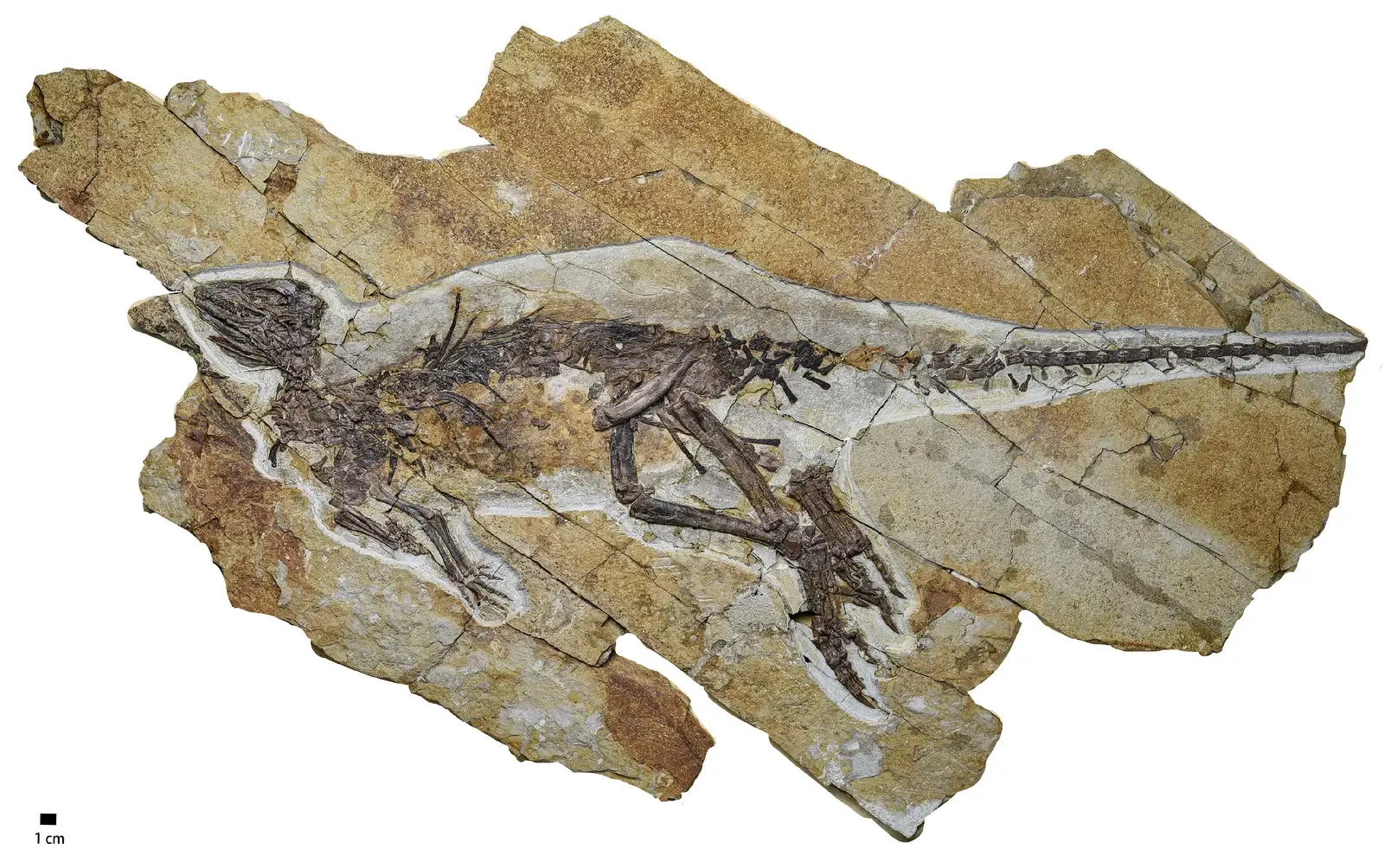
Pulaosaurus is only the second known non-avian dinosaur with a bony voice box preserved, an ankylosaur called Pinacosaurus grangeri was the first, described by scientists in 2023. This new species from China, dating back roughly 163 million years, reinforced what scientists were starting to suspect. Something significant was happening with dinosaur vocal evolution.
The presence of a bony, bird-like throat in two different dinosaur species suggests that a bird-like vocalization evolved early in non-avian dinosaur evolution. The fact that these discoveries span millions of years and different dinosaur groups tells us this wasn’t just a quirky anomaly. Complex vocalizations might have been far more widespread among dinosaurs than anyone previously imagined. That changes everything we thought we knew.
Hollywood’s Roaring Mistake
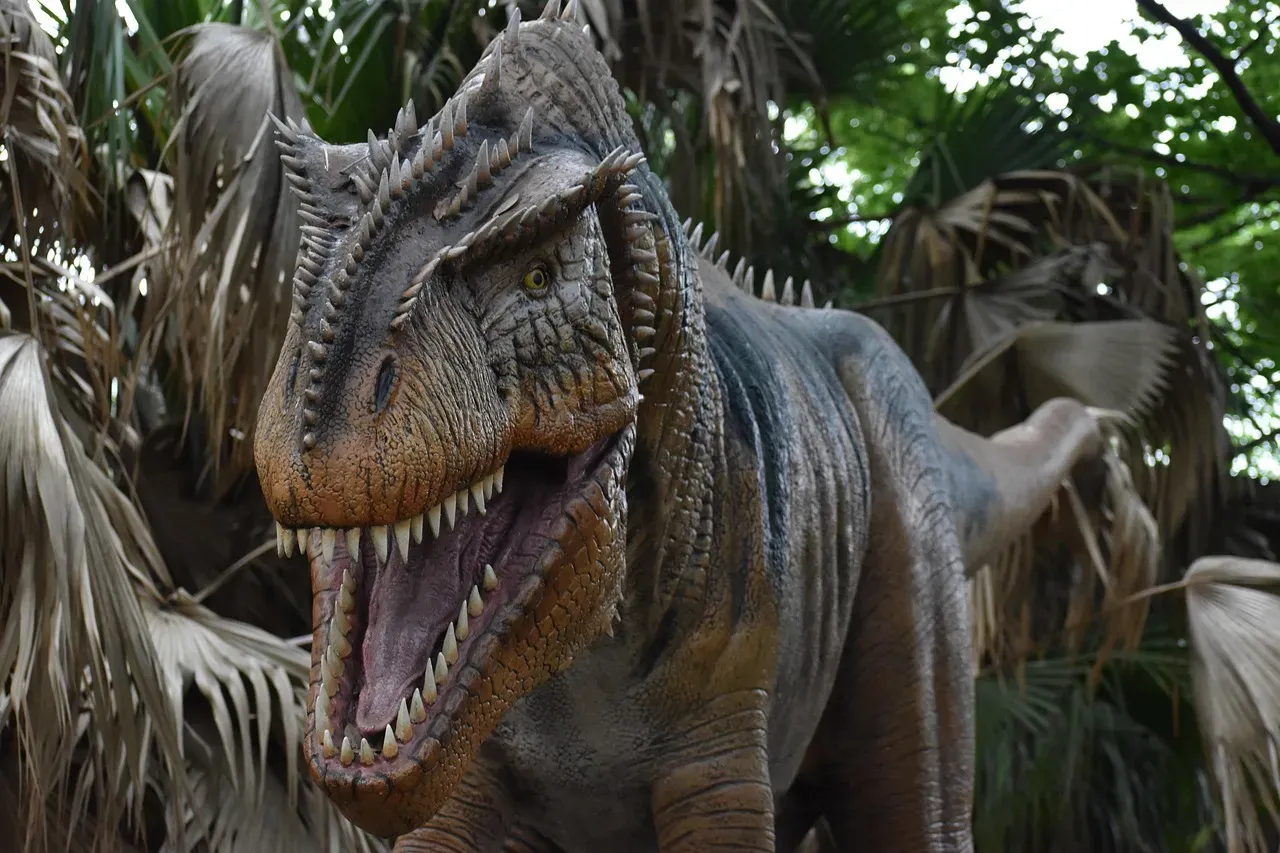
Let’s be real here. The idea planted by Jurassic Park in 1993 and echoed in countless documentaries, toys, and theme park rides has shaped an entire generation’s imagination, but according to paleontologists and evolutionary biologists, that auditory image is almost certainly wrong. The iconic T. rex roar that still gives people chills? It was actually a creative blend of baby elephant trumpets, tiger growls, and alligator hisses.
Instead, dinosaurs may have communicated with low-frequency rumbles, booms, or even sounds produced through closed-mouth vocalizations, more like a crocodile’s low growl or an ostrich’s thumping hum. Think about that next time you watch those classic dinosaur movies. The real sounds would’ve been stranger, perhaps even more fascinating than any special effects team could’ve dreamed up.
Closed-Mouth Communication Systems
Closed-mouth vocalizations are sounds that are emitted through the skin in the neck area while the beak is kept closed, with birds typically pushing air that drives sound production into an esophageal pouch, rather than exhaling through the open beak. Picture a dove’s gentle cooing or an ostrich’s deep boom. Those are the kinds of sounds many dinosaurs likely produced.
Closed-mouth vocalization has evolved at least 16 times in archosaurs, a group that includes birds, dinosaurs and crocodiles, with only animals with a relatively large body size using this behavior. Here’s the thing: the evolutionary pathway was already there. Dinosaurs had the body size, the anatomical structures, and the behavioral needs to develop these sophisticated communication methods. Makes perfect sense when you consider their social structures and environmental pressures.
Hadrosaurs and Their Elaborate Sound Chambers
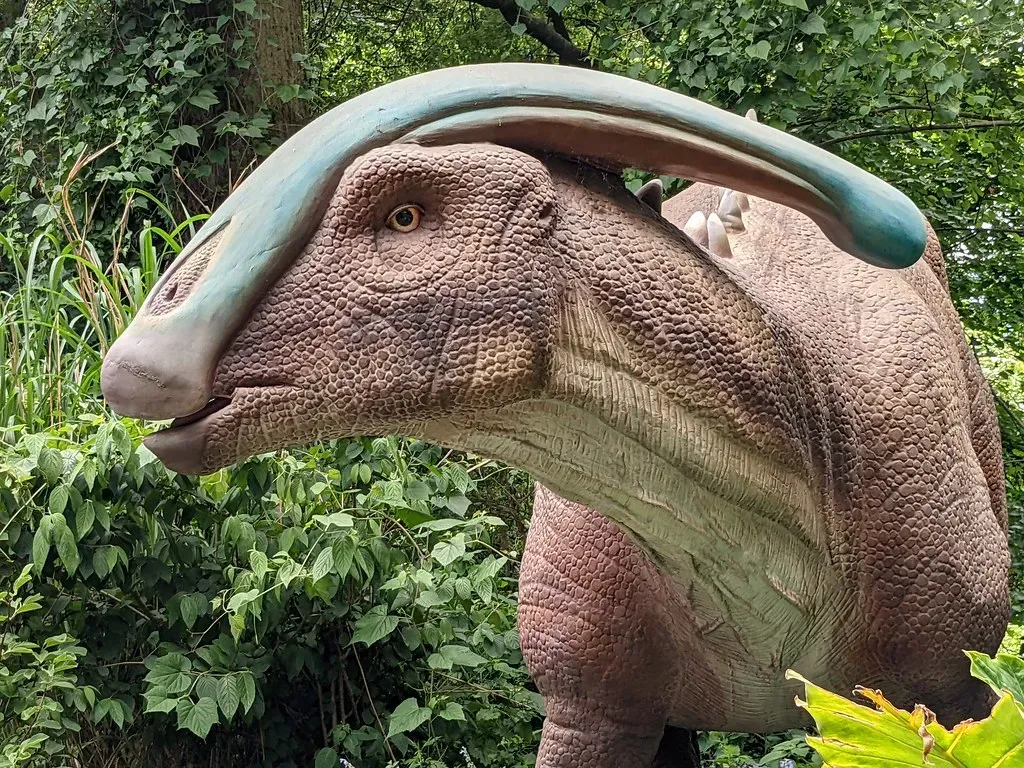
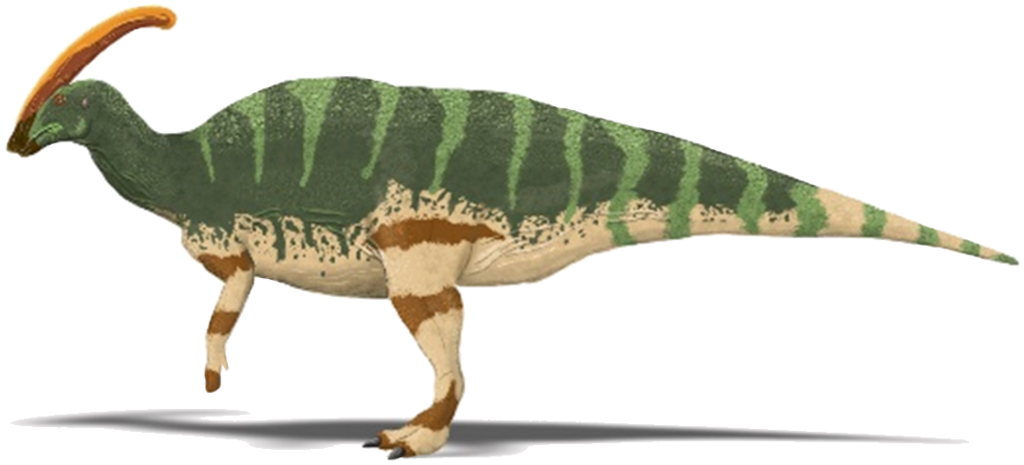
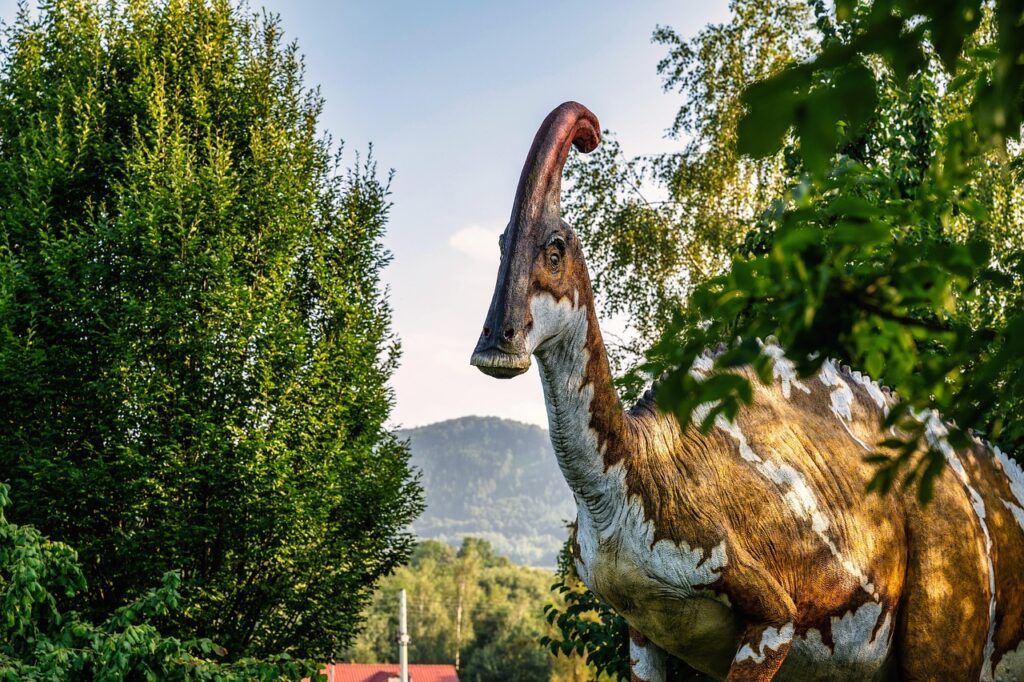
Hadrosaurs possessed elaborate hollow crests connected to their nasal passages which likely functioned as resonance chambers, with Parasaurolophus having a particularly impressive crest reaching nearly 6 feet in length, and computer models suggest it could produce low-frequency sounds carrying for miles. These duck-billed dinosaurs essentially had built-in musical instruments on their heads. Talk about nature’s ingenuity.
Based on the structure of the crest, the dinosaur apparently emitted a resonating low-frequency rumbling sound that can change in pitch, with each Parasaurolophus probably having a voice distinctive enough to distinguish it from other dinosaurs and other Parasaurolophuses. Individual voices, unique signatures. They weren’t just making noise; they were communicating with nuance and specificity across vast prehistoric landscapes.
Social Structures Demanding Complex Communication
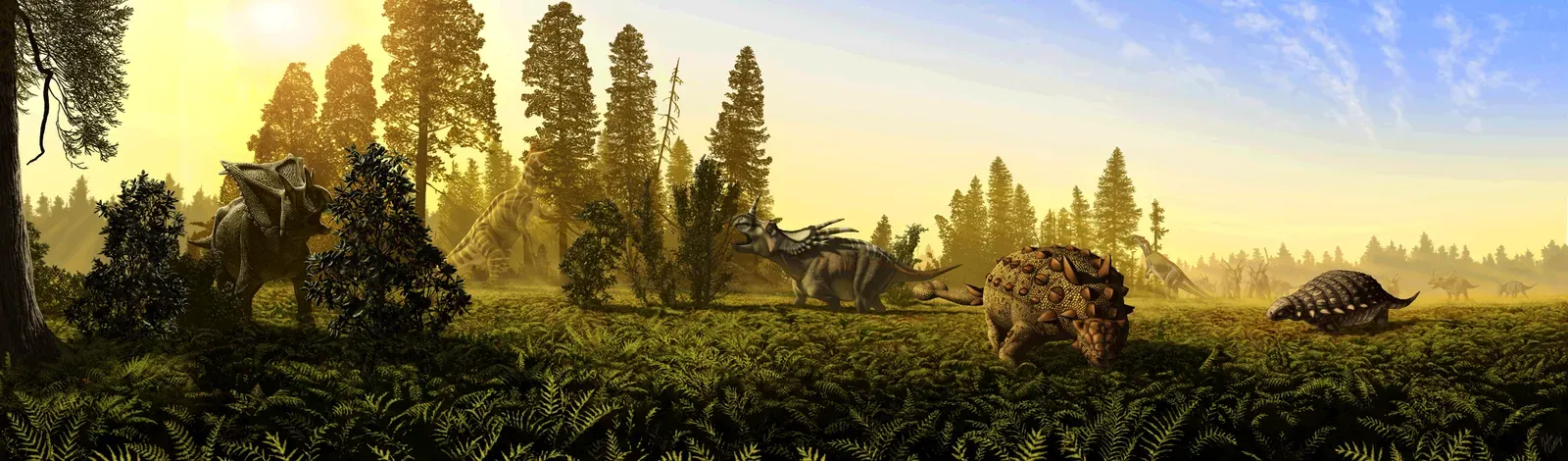
Fossil evidence strongly suggests that many dinosaur species were highly social animals, with multiple trackway sites showing evidence of herding behavior and nesting grounds with dozens or hundreds of nests indicating colonial breeding habits. When you’ve got large groups living together, raising young collectively, and coordinating movements, you need ways to talk to each other.
Maiasaura nesting sites reveal evidence of parents caring for their young in large colonies, behavior that would have necessitated some form of communication between parents and offspring, creating evolutionary pressure for developing effective communication methods. Think about it: how do you call your baby in a colony of hundreds? You develop distinct calls, warning signals, territorial announcements. The evolutionary pressure would’ve been intense.
The Evolution from Larynx to Syrinx
Evolutionary evidence suggests that the syrinx, the vocal organ in birds, developed from structures present in theropod dinosaurs, with recent discoveries of a fossilized syrinx-like structure in a Late Cretaceous bird ancestor further bridging the gap. This transition didn’t happen overnight. It was a gradual process spanning millions of years, with intermediate forms likely producing increasingly complex sounds.
The discovery of the Mesozoic-era vocal organ called a syrinx and its apparent absence in nonavian dinosaur fossils of the same age indicate that the organ may have originated late in the evolution of birds. So while many dinosaurs were cooing and booming with their larynxes, the more sophisticated syrinx came later, perfected in the lineages that would eventually become modern birds. It’s a remarkable evolutionary story.
Hearing Capabilities and Sound Environments
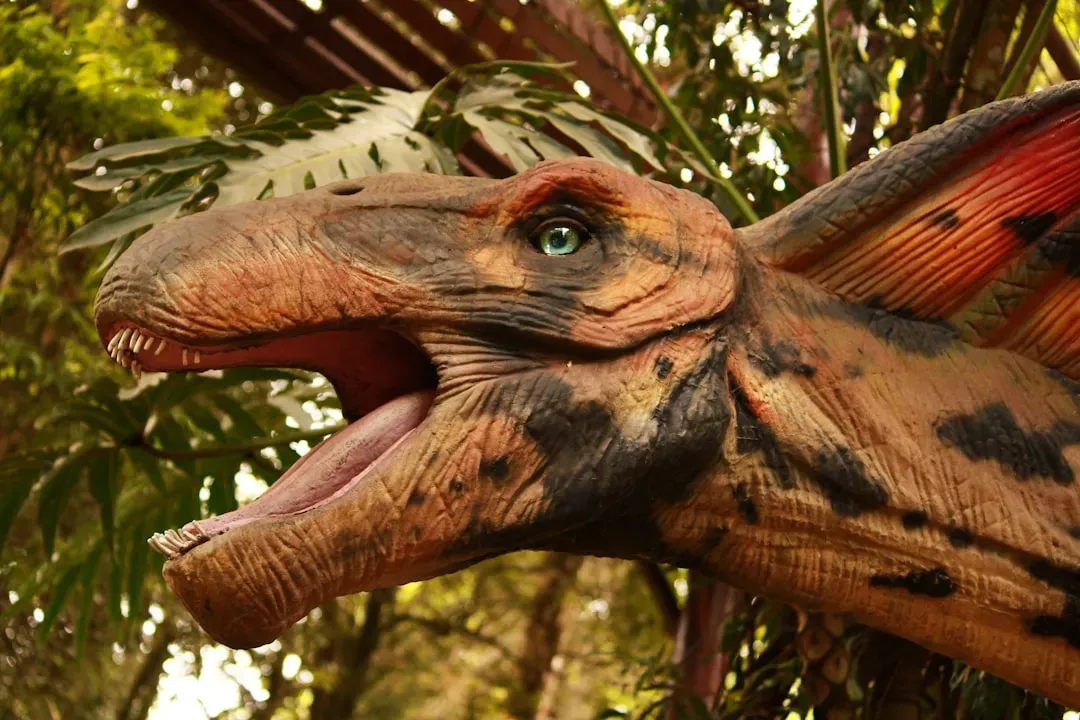
Based on analyses of dinosaur ears, scientists concluded the beasts had excellent low-frequency hearing, with such low-frequency sounds able to penetrate through thick vegetation and over large distances, allowing individual dinosaurs to be heard over vast areas. If you can produce low-frequency sounds and you’ve got the ears to hear them from miles away, you’ve got yourself a long-distance communication network.
The most likely reason paleontologists propose is that this adaptation allowed adult animals to hear the squeaks and chirps of their hatchlings, similar to the attentive parenting of modern-day alligators and crocodiles. Parent-offspring communication required sensitivity to higher frequencies too. The acoustic world of dinosaurs was richer and more varied than we ever suspected.
What This Means for Our Understanding of Dinosaurs
Dinosaur sounds are one of those persistent unknowns, and without fossilized vocal organs, which are extremely rare, it’s really hard to even begin to estimate the limits of dinosaur vocal behavior, much less what they really sounded like. Every new discovery opens up more questions than it answers. Still, we’re building a picture that’s far more nuanced than roaring monsters.
If the dinosaur was capable of making similar types of calls, it very likely used them for the same reasons as birds: attracting mates, tracking offspring and defending territory. Communication served vital survival functions. The more we learn, the more we realize these weren’t simple-minded reptilian brutes. They were sophisticated animals with complex social lives, intricate behaviors, and yes, probably some pretty interesting conversations happening in those ancient forests.
Conclusion
The evidence keeps mounting that dinosaurs were far more vocally sophisticated than popular culture ever imagined. From fossilized larynxes revealing bird-like structures to computer modeling of elaborate cranial crests, science is rewriting the sonic landscape of the Mesozoic Era. Instead of terrifying roars, picture rumbling booms, distinctive honks, and maybe even melodic chirps echoing through prehistoric jungles. These creatures weren’t silent giants or mindless beasts; they were communicators, using complex vocalizations to navigate their social worlds, raise their young, and claim their territories.
As researchers continue discovering rare vocal fossils and refining their understanding of dinosaur anatomy, we’re likely to uncover even more surprises about how these magnificent animals sounded. The next time you imagine a dinosaur, forget what Hollywood taught you. Think instead of the subtle complexity of nature’s designs, millions of years in the making. What else might we have gotten wrong about these ancient creatures?