Mt. Washington – Harsh winter conditions at the summit of New Hampshire’s highest peak turned a routine task into a life-saving mission for observatory interns who discovered a small bird battling the elements.
A Chilly Encounter Amid Snowfall

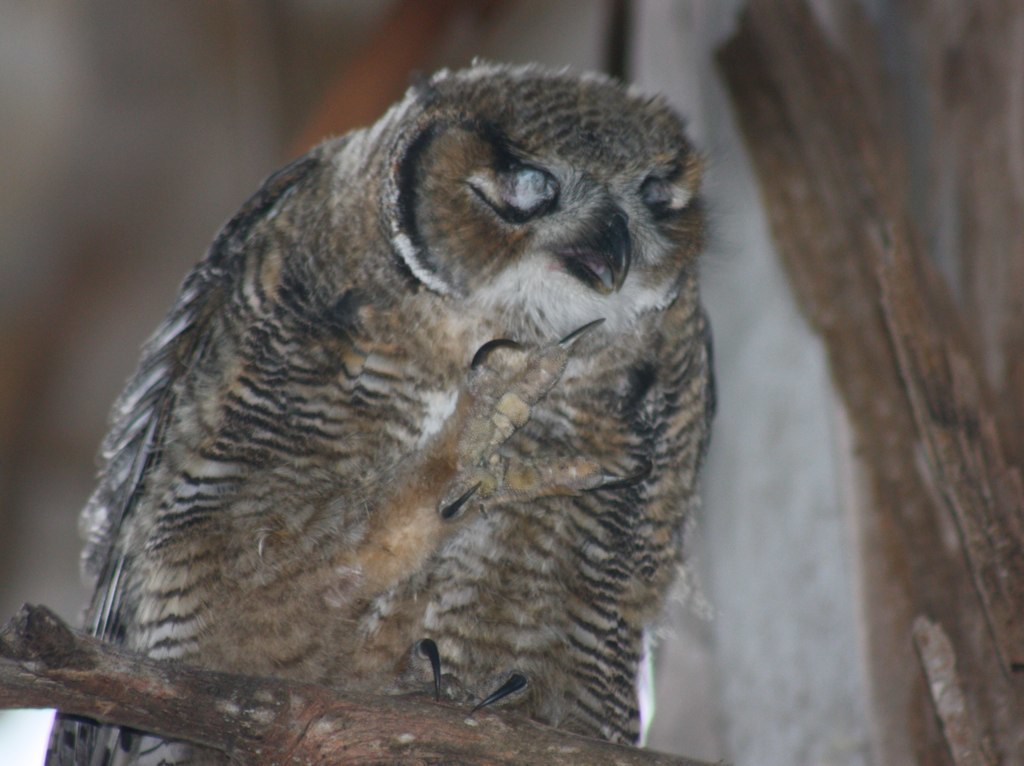
A Chilly Encounter Amid Snowfall (Image Credits: Flickr)
On a foggy, windy morning in early March 2025, two interns at the Mt. Washington Observatory set out for their daily snow depth measurements. The weather battered the exposed ridge, with fresh snow piling up and visibility low. As they trudged through the drifts, they spotted an unusual sight: a tiny owl huddled in the snow, its feathers matted and eyes sealed shut by ice. The bird appeared exhausted, barely moving despite the interns’ careful approach. This unexpected find halted their measurements and sparked immediate concern for the creature’s survival.
The owl, no larger than a softball, showed signs of severe exposure to the subzero temperatures that define Mt. Washington’s notorious winters. Interns gently scooped it up and carried it back to the warmth of the observatory building. Within moments of being indoors, the ice around its eyes began to melt, revealing alert, amber-colored orbs. The staff marveled at the bird’s resilience, knowing that prolonged exposure could have been fatal.
Coordinated Efforts Bring Aid
Once inside, the observatory team contacted New Hampshire State Park staff stationed nearby, along with a local birding expert, to assess the best course of action. The owl needed professional care beyond what the remote summit could provide, especially given the ongoing storm. During the next shift change, park employees transported the bird down the mountain using a snowcat, navigating treacherous terrain to reach lower elevations. At the base, New Hampshire Fish and Game Department officials took over, identifying the species as a northern saw-whet owl.
This collaborative response highlighted the tight-knit network supporting wildlife in the White Mountains. The department’s wildlife biologists examined the owl for injuries, noting only minor hypothermia from the ordeal. They provided fluids and a quiet recovery space, monitoring its progress over the following days. Such incidents underscore the challenges small birds face during irruptive migrations into northern New England.
Back to the Wild: A Successful Release
After a short rehabilitation period, the northern saw-whet owl regained its strength and showed readiness to return to its natural habitat. Officials released it in a suitable forested area near the mountain, where it could resume hunting and avoid future extreme weather. The bird took flight with apparent ease, vanishing into the trees as observers watched in relief. This outcome marked a positive resolution to what could have been a tragic story amid the region’s severe climate.
The observatory shared updates on social media, inviting the public to suggest names for the owl to commemorate the event. Suggestions poured in, reflecting widespread interest in the rescue. The incident also drew attention to the observatory’s role in both weather monitoring and environmental stewardship.
Understanding the Northern Saw-Whet Owl
The northern saw-whet owl, one of North America’s smallest raptors, thrives in coniferous forests across the Northeast. These nocturnal hunters prey on small mammals and insects, using their keen hearing – reminiscent of a saw being whetted – to locate meals in the dark. Though fairly common in New Hampshire, they remain elusive, often going unnoticed due to their secretive nature and diminutive size, which measures just 7 to 8 inches in length.
- Habitat: Prefers dense evergreen woods for nesting and roosting.
- Migration: Some populations move south in winter, leading to occasional sightings in unexpected areas.
- Conservation: Not listed as threatened in New Hampshire, but climate variability poses ongoing risks.
- Behavior: Known for a monotonous “toot-toot” call that aids in territory defense.
- Survival Adaptations: Feathers provide camouflage against bark, helping them evade predators.
Events like this rescue remind us of the delicate balance these species maintain in harsh environments. While the owl’s full recovery bodes well, it serves as a call to protect vital habitats amid changing weather patterns.
Key Takeaways
- Quick intervention by trained observers prevented a potential loss in extreme conditions.
- Collaboration between local agencies ensured the owl received expert care promptly.
- Northern saw-whet owls highlight the need for awareness of migratory birds in winter landscapes.
The successful return of this tiny survivor to the wild exemplifies human compassion intersecting with nature’s tenacity. As Mt. Washington continues to test limits, such stories inspire greater appreciation for the wildlife that endures its fury. What do you think about this heartening rescue? Tell us in the comments.