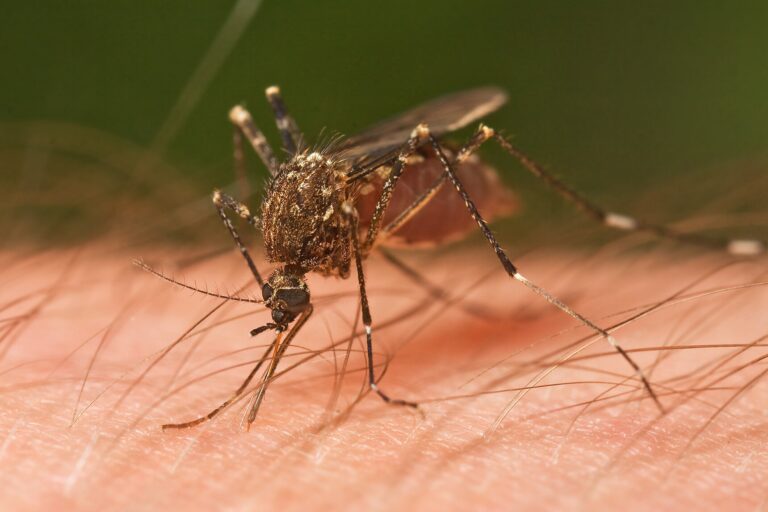
In the lush yet shrinking expanse of Brazil’s Atlantic Forest, a troubling adaptation unfolds as mosquitoes increasingly seek out human hosts for their meals.
A Biodiversity Hotspot Under Siege

A Biodiversity Hotspot Under Siege (Image Credits: Imgs.mongabay.com)
The Atlantic Forest once spanned vast coastal regions of Brazil, supporting an extraordinary array of wildlife. Today, human activities have reduced its coverage to less than a third of its original size. This loss of habitat fragments ecosystems and diminishes populations of birds, mammals, and other vertebrates that mosquitoes traditionally fed upon.
Researchers observed that as these natural hosts dwindle, the insects adapt by targeting alternative sources. The shift highlights how environmental changes ripple through food webs, forcing even small creatures like mosquitoes to alter their behavior. In areas where forest remnants border human settlements, this dynamic becomes particularly pronounced.
Insights from Recent Research
A new study revealed that mosquitoes captured in the Atlantic Forest remnants showed a strong preference for human blood. Scientists analyzed the contents of these insects’ recent meals using DNA techniques to identify the sources. The findings indicated that many species, which once relied on a diverse range of animals, now predominantly fed on people.
This preference emerged clearly in environments with reduced biodiversity. The research, conducted by biologists including those from the Oswaldo Cruz Institute in Rio de Janeiro, underscored the role of habitat fragmentation. Mosquitoes in more intact forest areas still drew from varied hosts, but in degraded zones, humans dominated their diets. Such patterns suggest a direct link between deforestation and altered feeding habits.
Rising Risks for Public Health
The move toward human hosts amplifies the potential for disease transmission in the region. Mosquitoes serve as vectors for viruses that thrive in human populations. With fewer animal options available, encounters between insects and people increase, heightening exposure to pathogens.
Common illnesses carried by these mosquitoes include dengue and Zika, which have already strained health systems in Brazil. The study’s authors noted that this behavioral change could exacerbate outbreaks, especially in peri-urban areas near forest edges. Local communities, often living close to these remnants, face elevated risks as a result.
Factors Accelerating the Shift
Several interconnected elements contribute to this dietary pivot among mosquitoes. Deforestation for agriculture, urban expansion, and logging clears away the dense canopy that once sheltered wildlife. As animal numbers drop, mosquitoes encounter humans more frequently during their quest for blood.
Climate variations and seasonal flooding in the Atlantic Forest also play a role, creating breeding sites near human dwellings. The following list outlines key drivers identified in the research:
- Habitat fragmentation reducing vertebrate diversity
- Proximity of forest edges to populated areas
- Decline in natural host populations like birds and small mammals
- Increased mosquito breeding in disturbed environments
- Human encroachment into remaining forest zones
Pathways to Mitigation
Addressing this issue requires integrated strategies that preserve forest cover and manage mosquito populations. Conservation initiatives aim to reconnect fragmented habitats, allowing wildlife to rebound and dilute the reliance on human blood meals. Community education on protective measures, such as using repellents and clearing standing water, proves essential in high-risk zones.
Broader efforts, including policy reforms to curb deforestation, could restore balance to these ecosystems. International attention to the Atlantic Forest’s plight emphasizes sustainable land use. By safeguarding this biodiversity hotspot, regions can curb not only ecological shifts but also associated health threats.
Key Takeaways
- Mosquitoes in deforested Atlantic Forest areas prefer human blood due to wildlife scarcity.
- This adaptation raises disease transmission risks for nearby communities.
- Restoring habitats offers a vital step to reverse the trend and protect public health.
The findings from Brazil’s Atlantic Forest serve as a stark reminder of how human actions reshape nature’s delicate interactions, potentially at our own peril. Protecting these vital ecosystems remains crucial to preventing further unintended consequences. What steps do you believe could best address deforestation’s impact on wildlife and human health? Share your thoughts in the comments.