
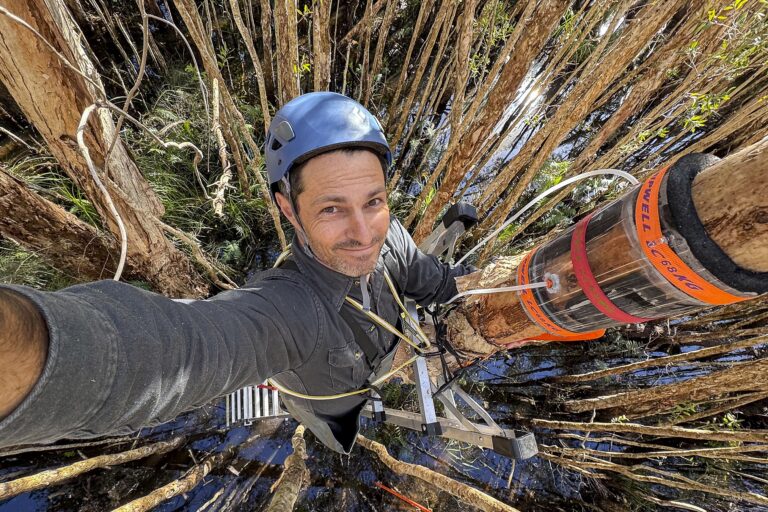
Australia – Scientists have uncovered a surprising environmental ally in the rough exteriors of trees, where microscopic organisms quietly consume potent greenhouse and toxic gases, reshaping our view of forest ecosystems.
Microbial Life Thrives in an Unexpected Habitat

Microbial Life Thrives in an Unexpected Habitat (Image Credits: Imgs.mongabay.com)
Researchers long dismissed tree bark as a mere shield, too dry and exposed to harbor vibrant microbial communities. Yet recent investigations revealed a bustling world of bacteria and fungi embedded in its layers. These organisms, numbering in the trillions per tree, actively process atmospheric chemicals that influence global warming.
The discovery stems from fieldwork across diverse Australian landscapes, from coastal mangroves to inland woodlands. Teams sampled bark from various species, including eucalypts and paperbarks, and analyzed the genetic material within. What emerged was evidence of specialized microbes adapted to break down gases like methane and carbon monoxide. This finding elevates the role of bark beyond protection, positioning it as a dynamic interface between trees and the air.
A New Dimension to Trees’ Climate Role
Trees have always stood as carbon sinks, absorbing dioxide through their leaves in a process vital to mitigating heat-trapping emissions. Now, studies show their bark adds another layer of defense by hosting microbes that target additional climate-active gases. Hydrogen, methane, and carbon monoxide – each a contributor to atmospheric imbalance – find themselves diminished by these unseen workers.
Australian forests, with their vast expanse, amplify this effect on a continental scale. The research, detailed in a January 2026 Science publication, quantified how bark communities vary by environment. In wetland areas, for instance, microbes favor methane consumption, while upland sites focus on hydrogen uptake. “Each tree hosts trillions of microbial cells on its bark,” noted Dr. Bob Leung, a lead researcher from Monash University’s Biomedicine Discovery Institute. This microbial activity could account for a notable portion of gas removal previously unattributed to vegetation.
Implications for Global Warming Strategies
The revelation prompts a reevaluation of conservation priorities. Protecting mature forests now carries added urgency, as disrupting bark habitats might release stored gases or reduce consumption rates. Policymakers could integrate these insights into reforestation plans, selecting tree species with microbe-friendly bark to maximize environmental benefits.
Beyond Australia, the findings suggest similar processes occur worldwide, given the ubiquity of tree-covered landscapes. Experiments in controlled settings confirmed that bark samples from non-native trees exhibited comparable gas-processing capabilities. However, local climate and soil conditions influence microbial diversity, urging region-specific studies. This could inform international efforts to curb emissions, highlighting how natural solutions complement technological ones.
Key Gases and Microbial Mechanisms
Methane, a greenhouse gas 25 times more potent than carbon dioxide over a century, poses a stubborn challenge in emissions reduction. Bark microbes, particularly methanotrophs, oxidize it into less harmful compounds using oxygen from the air. Carbon monoxide, often from industrial sources, meets a similar fate through specialized enzymes that convert it to carbon dioxide and water.
Hydrogen, though less discussed, acts as an indirect climate player by fueling ozone formation. Here, too, bark residents demonstrate efficiency. The study outlined these interactions through metagenomic analysis, revealing gene clusters dedicated to gas metabolism.
- Methane: Consumed primarily in wetter forest types, reducing atmospheric potency.
- Carbon monoxide: Neutralized across all bark types, aiding air quality.
- Hydrogen: Uptake highest in drier, exposed areas, preventing ozone buildup.
- Other toxics: Trace elements like nitrogen oxides also processed, though to a lesser extent.
Key Takeaways
- Bark microbes enhance trees’ climate mitigation by 10% or more through gas consumption.
- Diverse forest types host tailored microbial communities for specific gases.
- Conservation of old-growth forests preserves these natural filters.
As humanity grapples with rising temperatures, the humble tree bark emerges as a quiet powerhouse in the arsenal against climate change. This research underscores the complexity of nature’s defenses and the need to safeguard them. What steps can we take to support these microbial allies in our own backyards? Share your thoughts in the comments.