You’ve probably heard about the dinosaurs, those mighty creatures that stomped across prehistoric Earth for millions of years. Everyone knows they vanished in a catastrophic extinction event. Yet that’s just the tip of the iceberg when it comes to evolutionary experiments that went sideways during the Mesozoic Era. Between roughly 252 and 66 million years ago, nature tried out countless bizarre body plans, survival strategies, and adaptations that seemed promising at first but ultimately led nowhere.
Think of it like evolutionary trial and error on steroids. The Mesozoic was a time of significant tectonic, climatic, and evolutionary activity. Some lineages flourished briefly before hitting biological brick walls. Others dominated entire ecosystems for tens of millions of years only to disappear without leaving modern descendants. Let’s dive into seven of the most fascinating failures from this ancient world, creatures whose stories tell us as much about evolution as any success story ever could.
The Ichthyosaur Paradox: When Fish Mimics Met Their Match
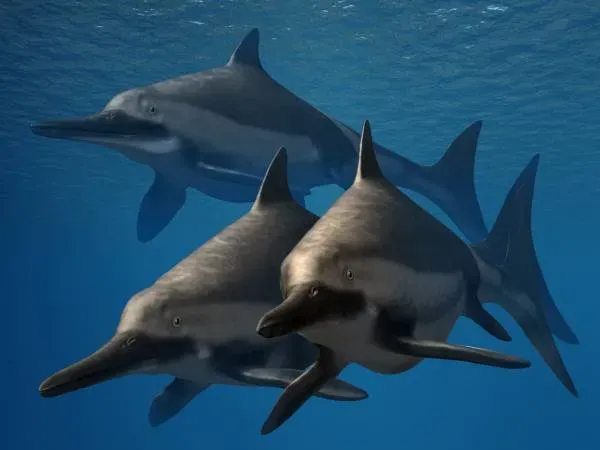
Imagine a reptile that looked almost exactly like a modern dolphin but lived when dinosaurs walked the Earth. About 92 million years ago, an extinction event occurred that was caused by large-scale underwater volcanic activity. It wiped out several groups of animals in the seas, among these were the ichthyosaurs or “fish lizards”, and the pliosaurs. These creatures had evolved from land reptiles, returned to the ocean, and perfected the art of aquatic hunting with streamlined bodies, powerful tails, and enormous eyes for deep diving.
Here’s the thing that puzzles scientists. The ichthyosaurs had thrived for roughly 160 million years before their disappearance. They weren’t struggling or declining gradually like you’d expect from a group on its way out. The first to rise to ecological dominance were the ichthyosaurs in the Early Triassic (around 250 million years ago). Their extinction came suddenly during the mid-Cretaceous, long before the asteroid that killed the dinosaurs. It’s hard to say for sure, but the volcanic activity that disrupted ocean ecosystems probably starved them out by collapsing food chains from the bottom up.
Pliosaurs: The Short-Necked Terrors Outcompeted by Latecomers
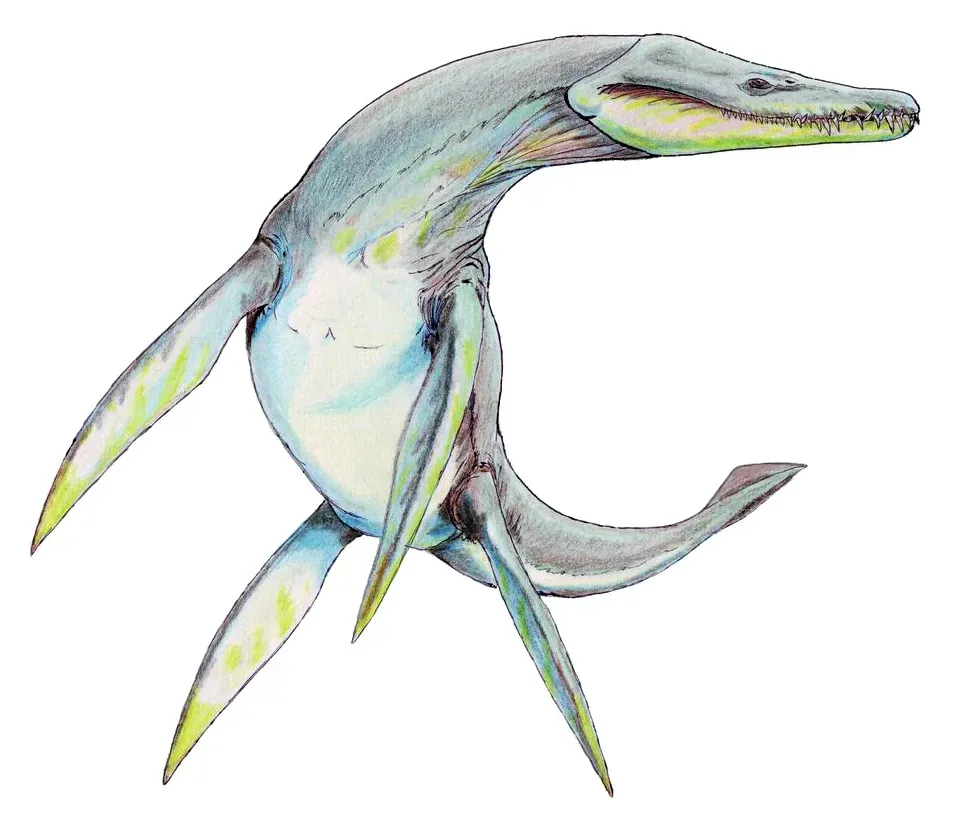
While their long-necked plesiosaur cousins get most of the attention, pliosaurs were the true apex predators of Jurassic oceans. They were the largest members of Plesiosauria, reaching lengths of more than 11m. They were also the largest marine reptiles for the majority of their existence, ruling the world’s oceans as apex predators for more than 80 million years. Picture a creature with a massive crocodile-like head, four powerful flippers, and jaws that could crush pretty much anything swimming in the prehistoric seas.
Yet even dominant predators can be unseated. Pliosaurs gradually became extinct in the Early Cretaceous period, about 66 million years ago. Their extinction was partially due to their competition with the mosasaurs, which were more agile and better adapted. The mosasaurs arrived late to the party but brought superior swimming mechanics and adaptability. Sometimes being the biggest and baddest isn’t enough when a more efficient competitor shows up with better evolutionary tools.
Stegosaurs: The Plated Wonders That Couldn’t Keep Up
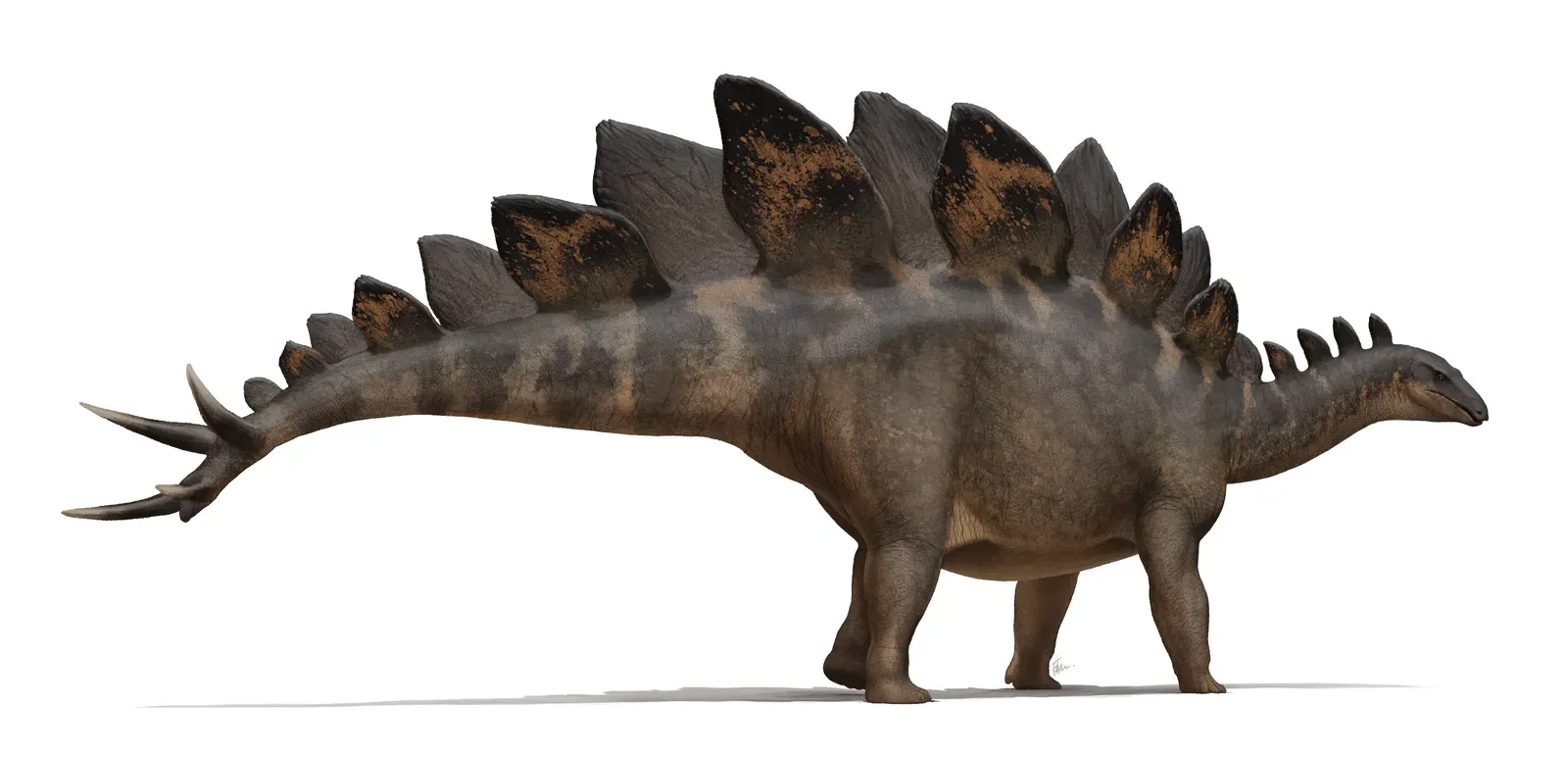
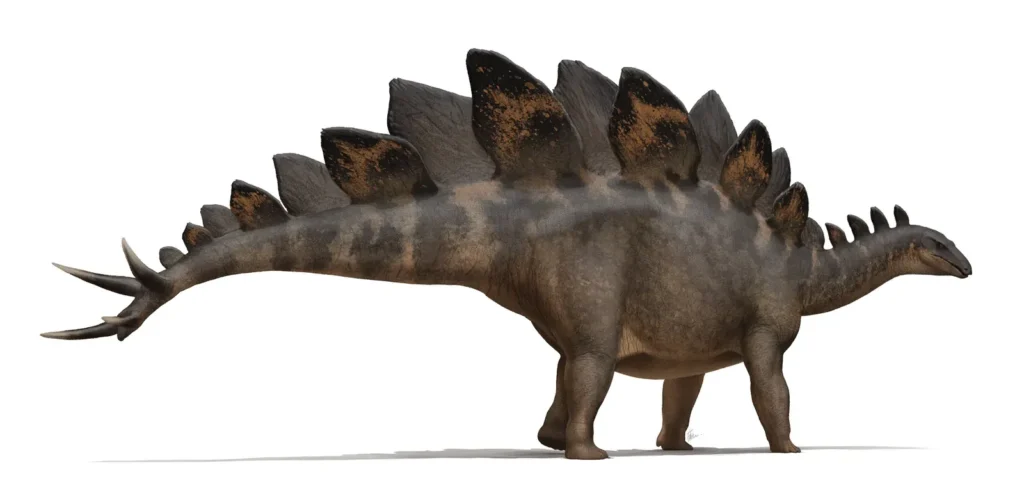
Everyone recognizes Stegosaurus with its distinctive back plates and spiked tail. These armored herbivores seemed perfectly designed for their world during the Late Jurassic. Stegosaur is the common name for any of the various extinct, plated tetrapods comprising the taxonomic group Stegosauria. Stegosaurs are characterized by a double row of bony plates or spikes along the back, hind legs much longer than the front legs, a short neck, and a relatively small head.
The problem was their design had limited flexibility. Stegosaurus was quite large, had high plates, no shoulder spine, and a short, deep rump. From the Early Cretaceous, far fewer finds are known, and it seems that the group had declined in diversity. As ecosystems changed and new plant types emerged, stegosaurs couldn’t adapt their feeding strategies quickly enough. Their small heads and limited jaw mechanics meant they specialized in specific vegetation types. When those plants became scarce or were outcompeted by newer flora, the stegosaurs faded into extinction, disappearing entirely before the Cretaceous period ended.
The Sauropod Hiatus: Giants That Mysteriously Vanished From North America
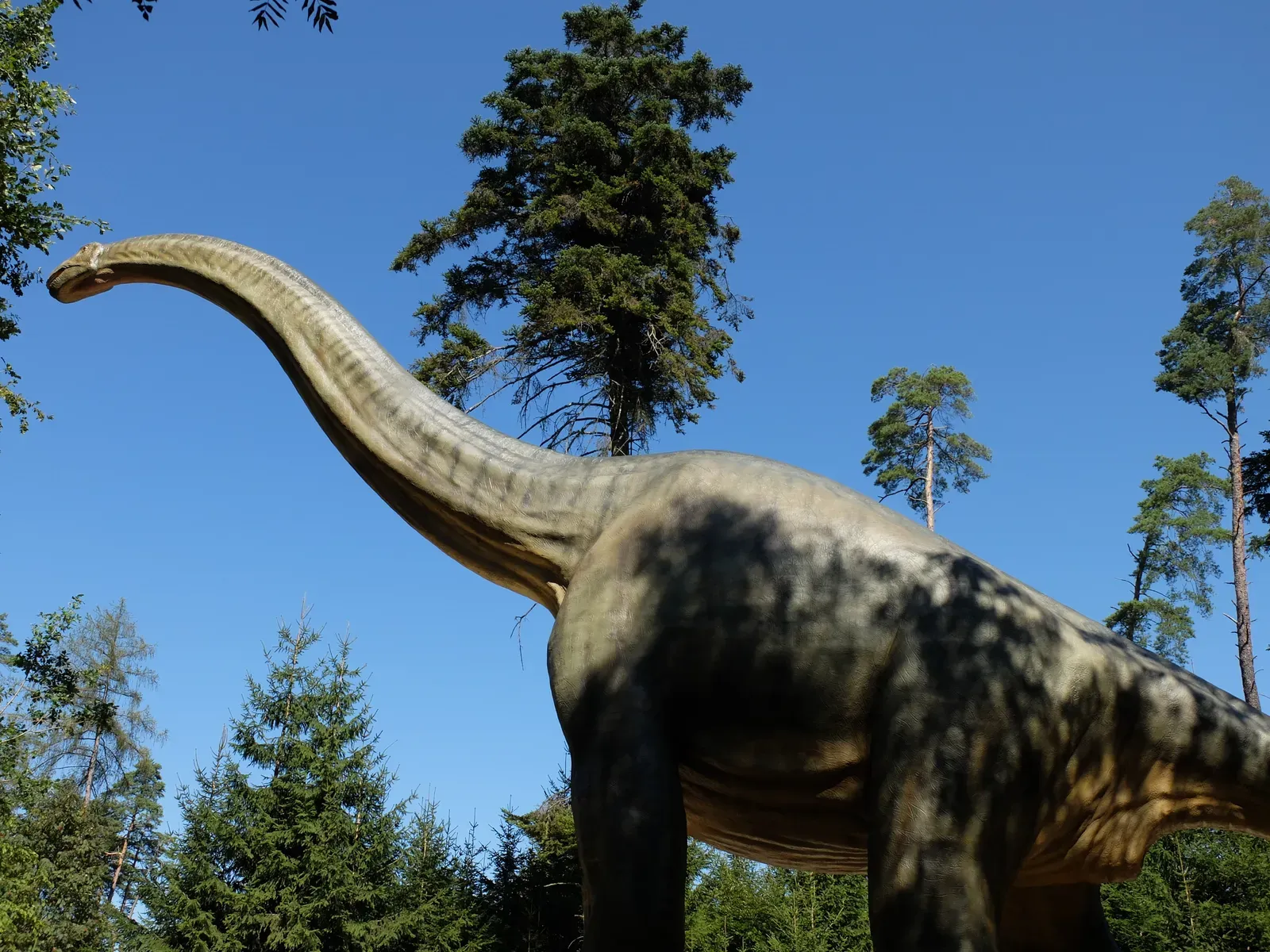
Long-necked sauropods were the largest land animals ever to exist, and they dominated herbivore niches worldwide for over 100 million years. Yet something strange happened in North America during the mid-Cretaceous. The term “sauropod hiatus” was coined by researchers Spencer G. Lucas and Adrian P. Hunt in 1989 to describe how fossils of the clade become scarce in western North America near the beginning of the Late Cretaceous.
For roughly 30 million years, these giants essentially disappeared from the fossil record across an entire continent. Alternatively, hadrosaurs (duck-billed dinosaurs) could have out-competed sauropods. While the former pair believed that the two groups’ feeding methods were too different for this to occur, the latter researchers suggested that such competition could have been between animals at younger stages of growth. This scenario is also supported by the fossil record, as the last pre-hiatus sauropods are found alongside the first North American hadrosauroids. The newcomers with their sophisticated chewing abilities and social behavior might have simply eaten the sauropods out of house and home, at least temporarily.
Plesiosaurs: Long-Necked Swimmers With a Fatal Flaw
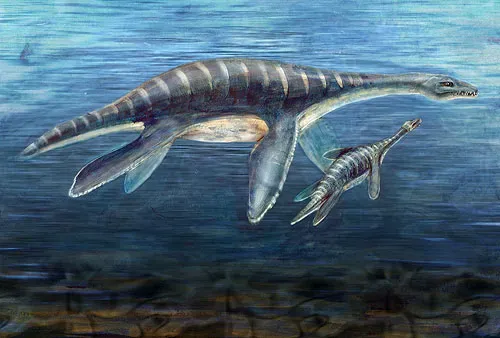
Plesiosaurs have captured imaginations for centuries, inspiring legends of sea monsters with their impossibly long necks and flippered bodies. The Plesiosauria or plesiosaurs are an order or clade of extinct Mesozoic marine reptiles. Plesiosaurs first appeared in the latest Triassic Period, possibly in the Rhaetian stage, about 203 million years ago. They used a unique swimming method, flapping all four flippers simultaneously like underwater wings, something no modern animal does.
Their downfall came from an unexpected vulnerability. The researchers identify this rivalry between plesiosaurs and mosasaurs as the key to their vulnerability: control of their food web was exercised “bottom-up” in that any scarcity of the limited fish species that these reptiles competed for would jeopardize their survival. This was precisely what occurred at the end of the Cretaceous period when a majority of plankton species disappeared as part of the mass-extinction event. Plankton-eating fish – vital food sources for the plesiosaurs and mosasaurs – also dropped in number, triggering the reptiles’ disappearance. Both predator groups had specialized so heavily on the same prey that when the base of the food pyramid collapsed, they had nowhere else to turn.
Mosasaurs: The Brief but Brilliant Marine Dynasty
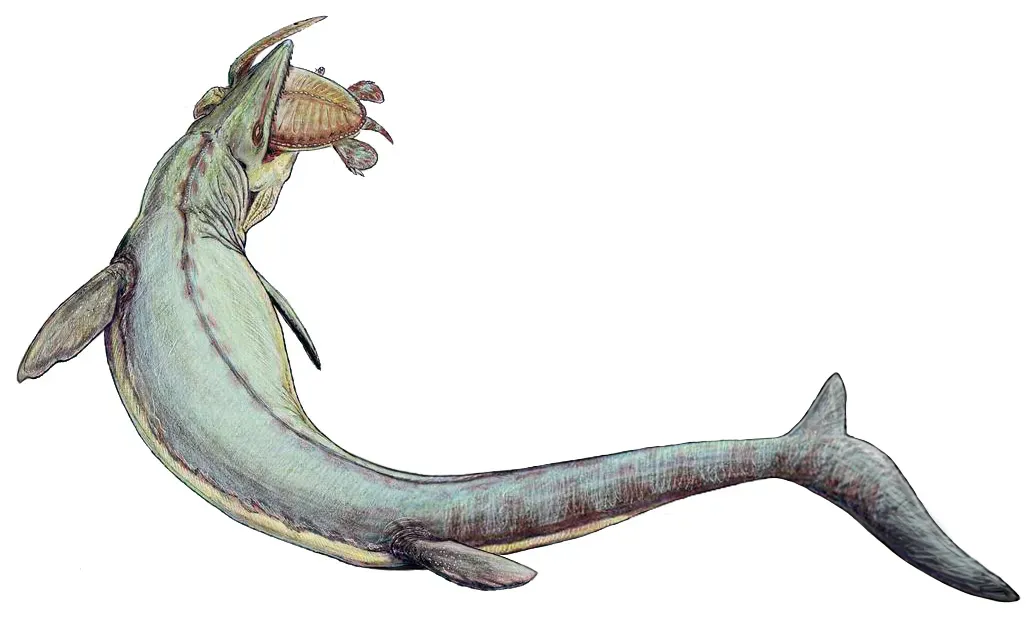
Mosasaurs represent one of evolution’s most impressive rapid radiations. Mosasaurs were the real leviathans of the Mesozoic Era, gigantic marine lizards that grew as large as whales. Some were wide-ranging hunters of large prey while others snacked on shellfish at the bottom of shallow seas. They became the biggest predators of the Cretaceous oceans in just 25 million years. These giant marine lizards evolved from land-dwelling monitor lizard relatives and took over the seas with remarkable speed.
Their success was spectacular but short-lived in geological terms. During the last 20 million years of the Cretaceous period, with the extinction of the ichthyosaurs and pliosaurs, mosasaurids became the dominant marine predators. They themselves became extinct as a result of the K-Pg event at the end of the Cretaceous period, about 66 million years ago. Unlike modern marine mammals which survived the extinction event, mosasaurs left no descendants whatsoever. Their specialized marine adaptations couldn’t save them when catastrophe struck, proving that even 25 million years of ocean dominance couldn’t guarantee evolutionary longevity.
Pterosaurs: Masters of the Sky With No Successors
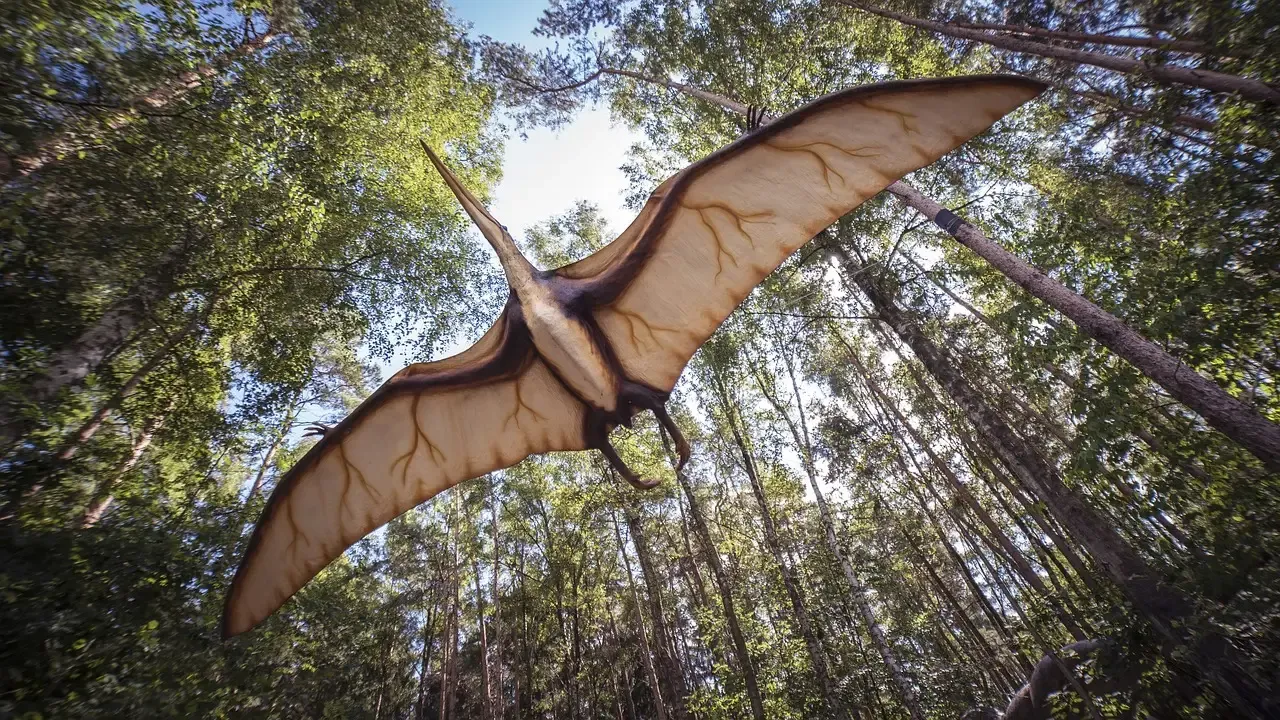
While dinosaurs get all the glory, pterosaurs were the true pioneers of vertebrate flight. Pterosaurs were the first vertebrate creatures to evolve powered flight and conquer the air – long before birds took wing. They prevailed for more than 160 million years before vanishing along with the nonbird dinosaurs at the end of the Cretaceous period, around 66 million years ago. They ranged from sparrow-sized insect catchers to colossal gliders with wingspans exceeding 10 meters, making them larger than any bird that has ever lived.
Unlike dinosaurs, which are survived today by birds, pterosaurs left behind no living descendants. As a result, all that paleontologists know about pterosaurs comes from the fossil record. Their unique wing structure, built from a single elongated finger supporting a membrane, represented an evolutionary dead end. Birds with their feathered wings proved more adaptable and survived the mass extinction, while pterosaurs vanished completely. Sometimes the first solution isn’t the one that endures.
Conclusion
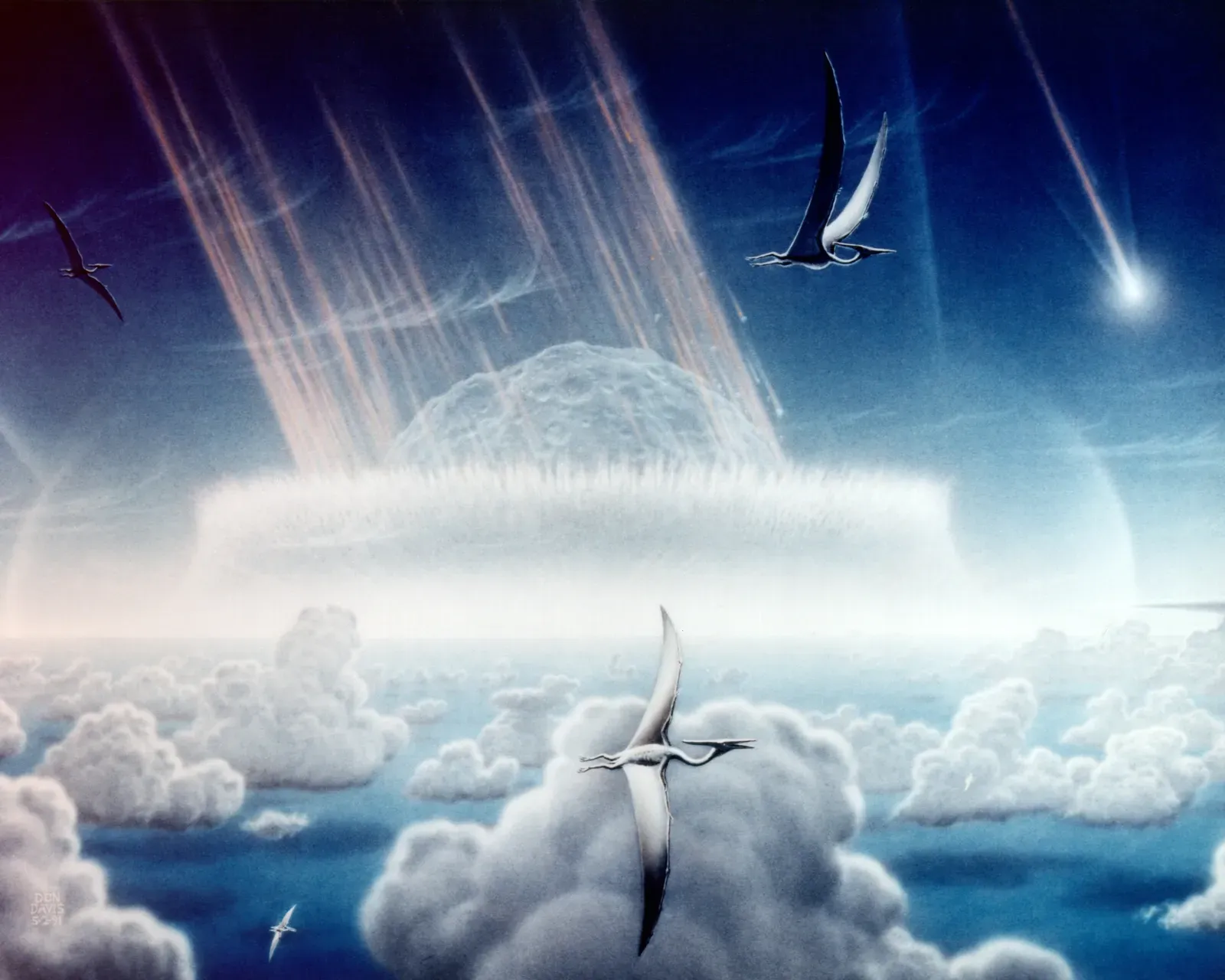
The Mesozoic Era’s evolutionary dead ends teach us something profound about the nature of life itself. Success over millions of years doesn’t guarantee survival when conditions change drastically. Dinosaurs showed no sign of slipping into evolutionary irrelevance or becoming outmoded, as was the traditional 20th century belief. They seemed to thrive right until the end. The same held true for marine reptiles, flying pterosaurs, and countless other lineages that dominated their worlds only to disappear entirely.
What makes these stories so compelling isn’t their failure but what they reveal about evolution’s experimental nature. Every one of these groups represented viable solutions to survival that worked brilliantly for tens of millions of years. Their extinctions weren’t inevitable from flawed designs but rather from catastrophic environmental changes or competitive replacements they couldn’t adapt to quickly enough. The fossil record shows us that evolution doesn’t have a destination in mind, it simply responds to immediate pressures. Sometimes that leads to 150-million-year dynasties, and sometimes it leads straight to oblivion. What do you think determined which lineages survived and which became evolutionary footnotes? The answer might matter more than we realize as we face our own changing world.