
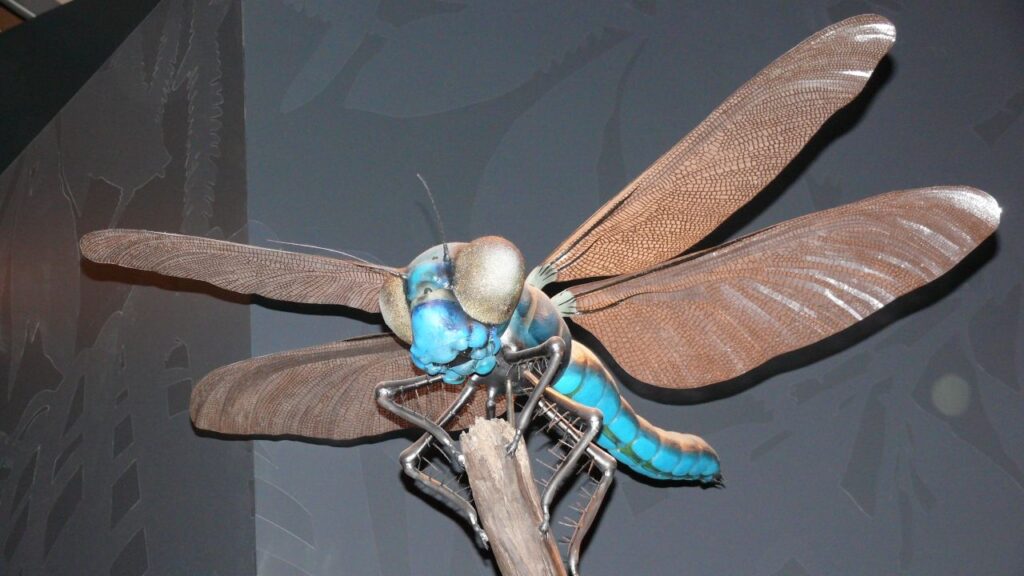
Picture a world where dragonflies have wingspans wider than your outstretched arms. Imagine millipedes longer than a grown human and scorpions the size of skateboards scurrying beneath prehistoric ferns. This isn’t science fiction or a fever dream. This was Earth roughly 300 million years ago, and yes, giant insects absolutely ruled the planet.
You might find this hard to believe given the relatively small bugs you encounter today. The truth is, our ancient world was a dramatically different place. The creatures that buzzed, crawled, and dominated the skies back then would make even the bravest among us run for cover. Let’s be real, if you think modern insects are unsettling, wait until you learn about their massive ancestors.
When Dragonflies Were the Size of Hawks
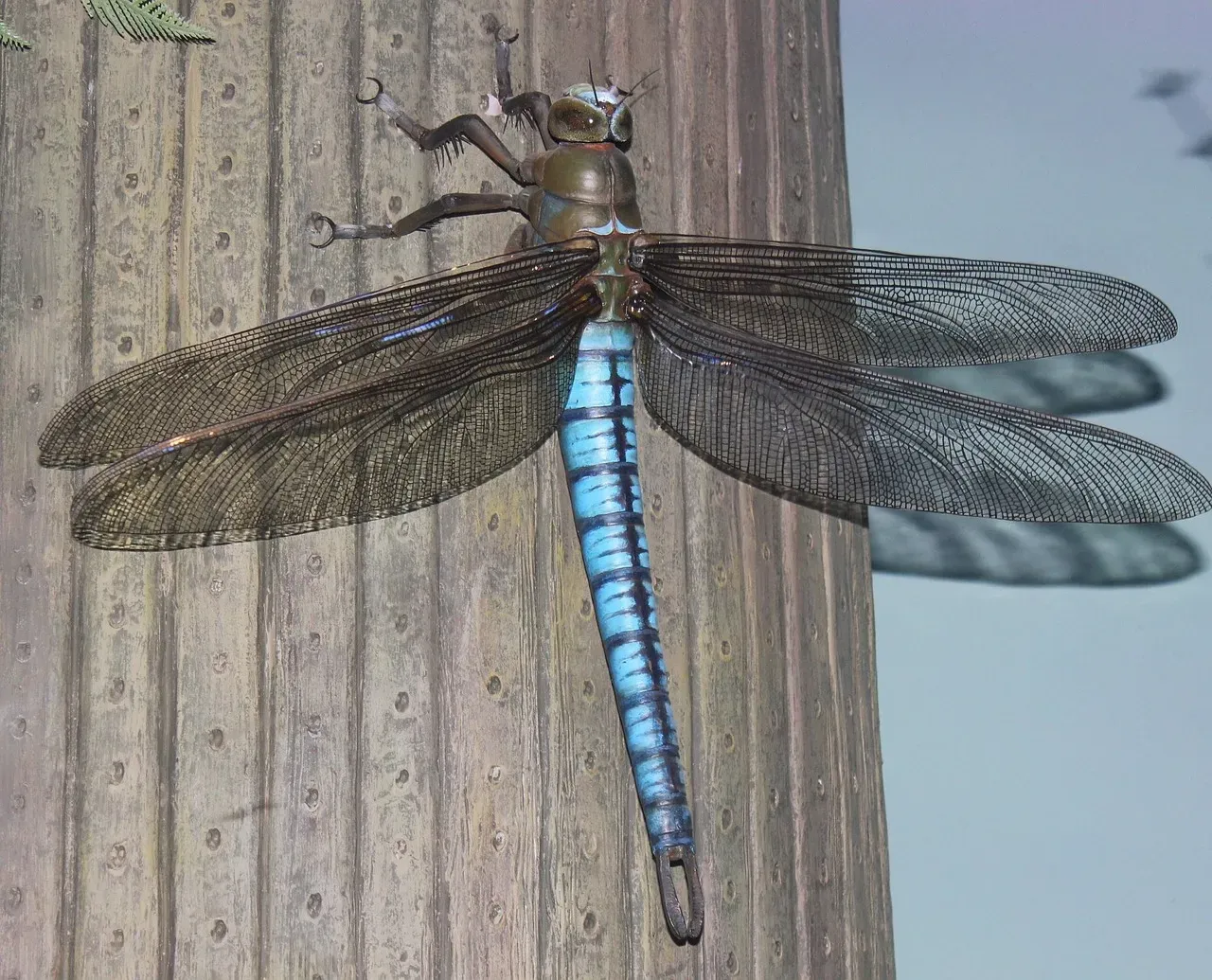
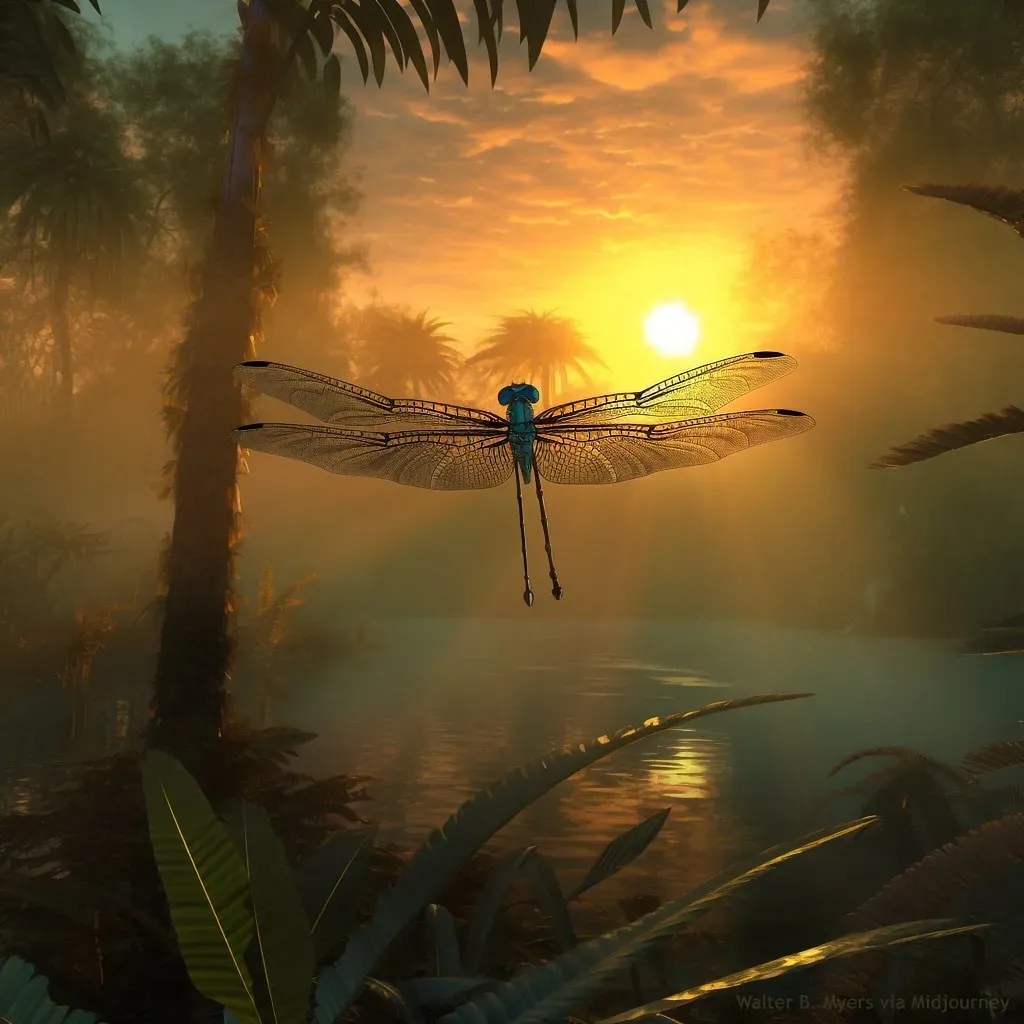
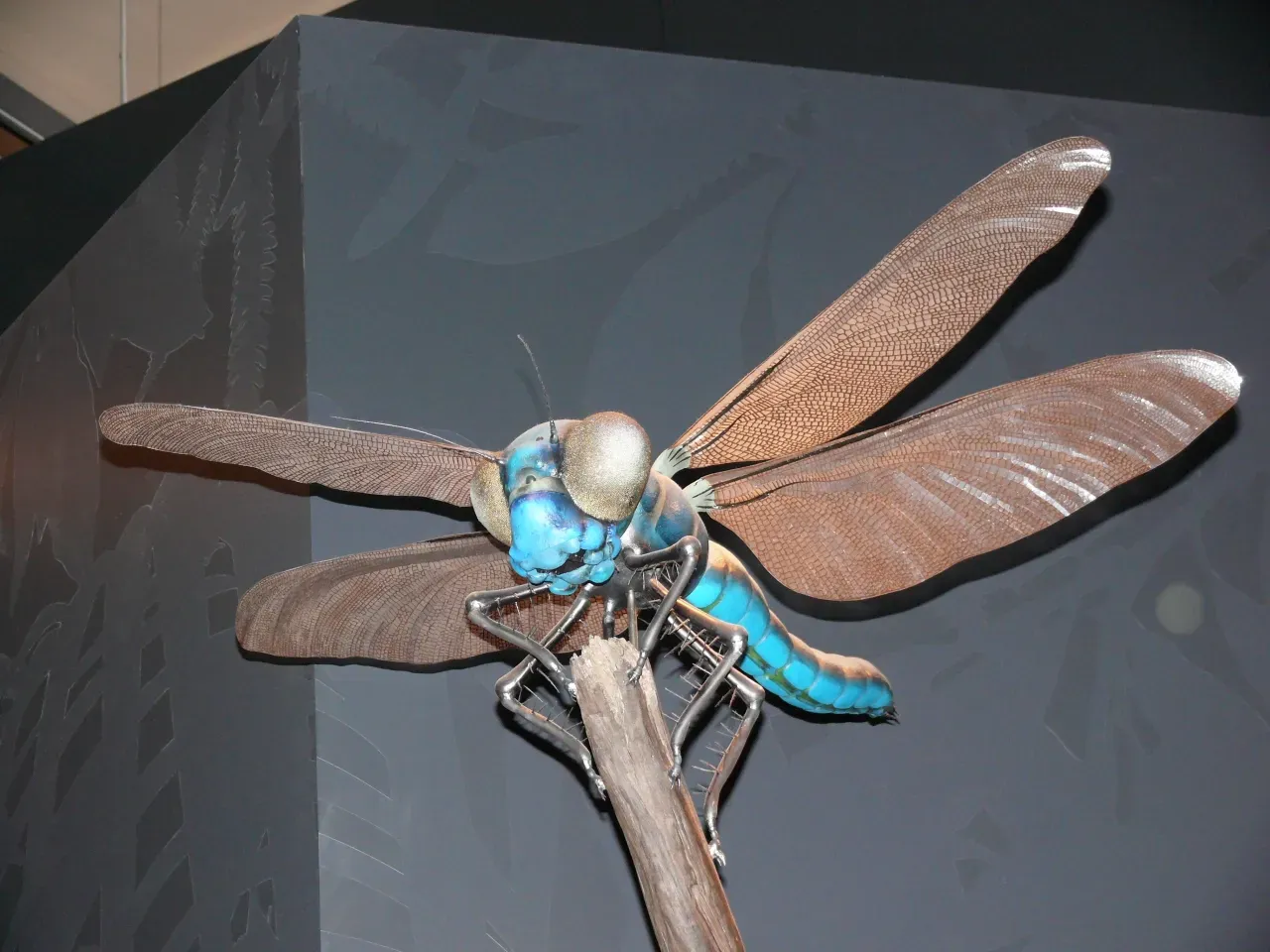
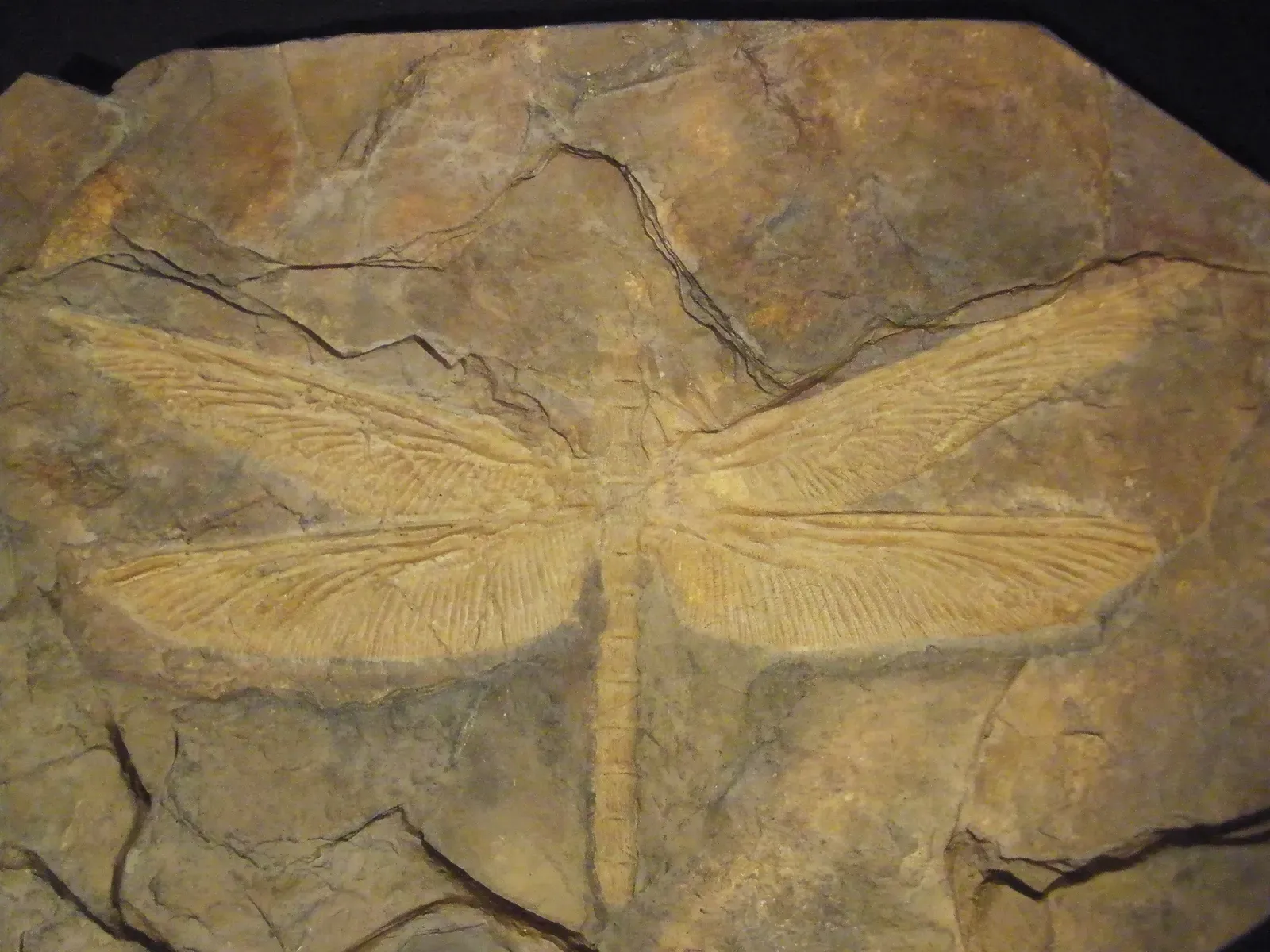
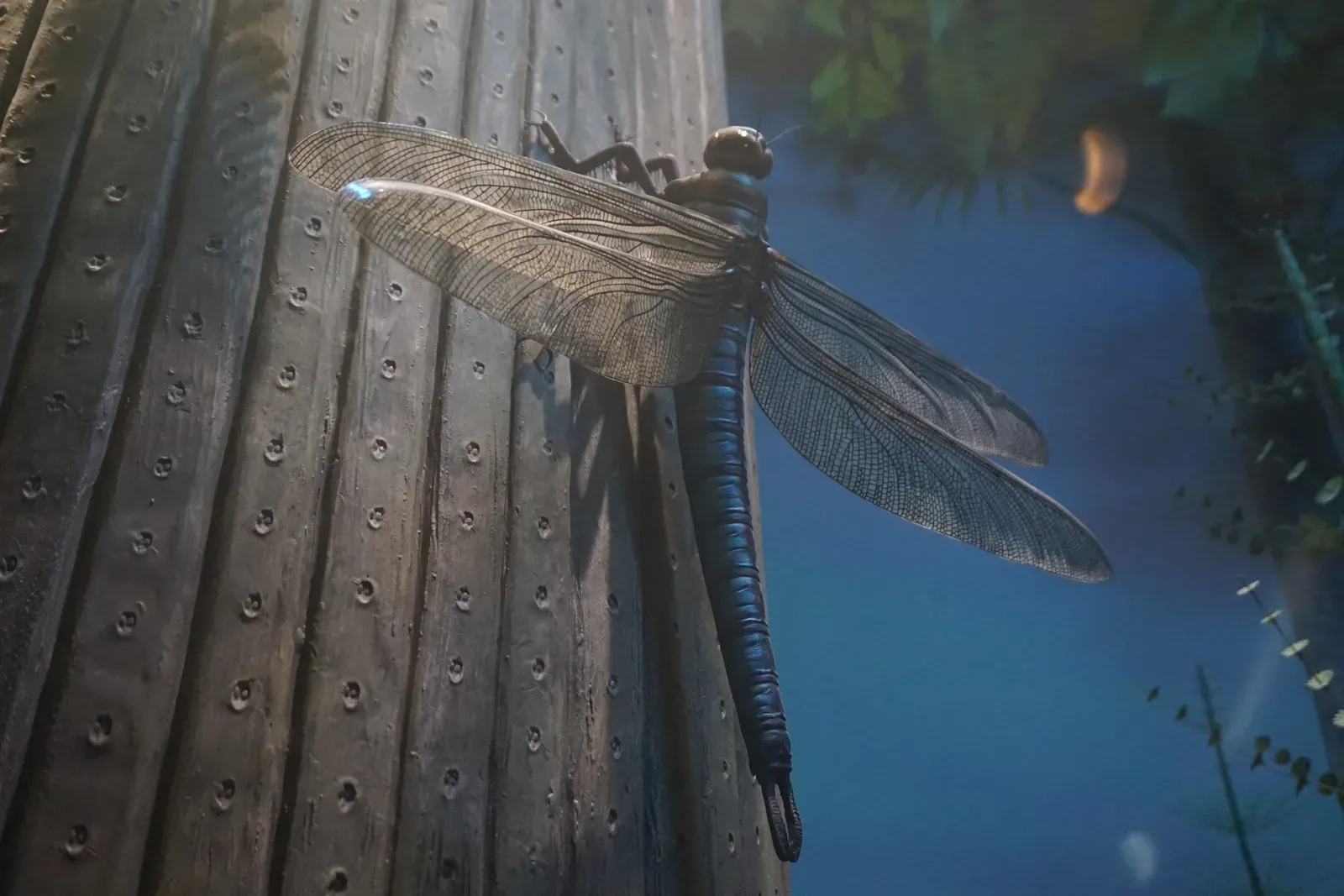
Insects reached their biggest sizes about 300 million years ago during the late Carboniferous and early Permian periods. During this extraordinary era, predatory griffinflies, giant dragonfly-like insects had wingspans of up to 28 inches, making them comparable to modern hawks. The most famous of these aerial predators was Meganeura, whose name literally translates to “large vein.”
With single wing length reaching 32 centimetres and a wingspan about 65–75 cm, M. monyi is one of the largest-known flying insect species. Think about that for a second. These weren’t just slightly bigger dragonflies. Meganeura had spines on the tibia and tarsi sections of the legs, which would have functioned as a “flying trap” to capture prey. They were formidable predators patrolling prehistoric swamps, snatching up anything unfortunate enough to cross their path.
The Oxygen Factor: Earth’s Ancient Atmosphere
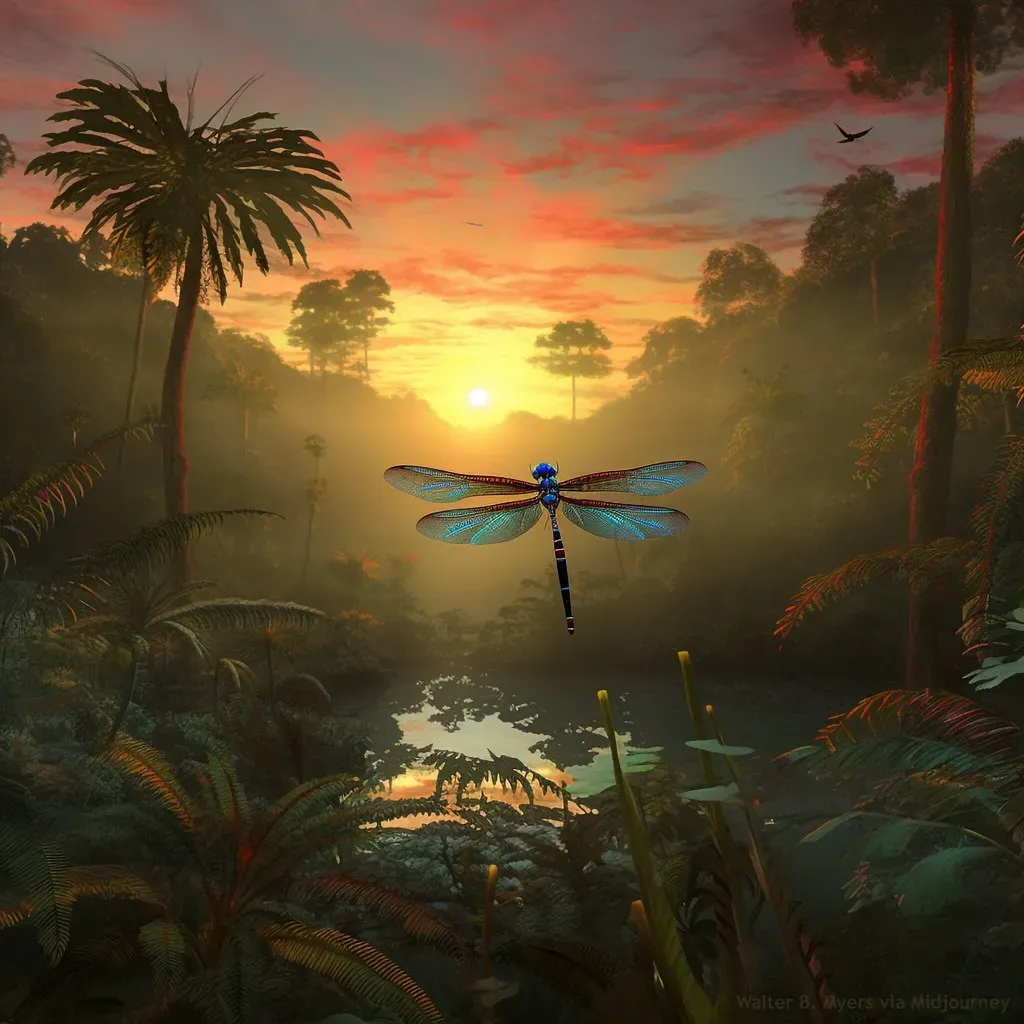
Here’s where things get really interesting. During this time, the rise of vast lowland swamp forests led to atmospheric oxygen levels of around 30 percent – close to 50 percent higher than current levels. That’s significantly more oxygen than the roughly one fifth we breathe today. The leading theory attributes their large size to high oxygen concentrations in the atmosphere, which allowed giant insects to get enough oxygen through the tiny breathing tubes that insects use instead of lungs.
Insects don’t have lungs like we do. They rely on air flowing through a series of openings on their bodies called spiracles, which connect via tiny tubes to the tissues that need oxygen. This system puts natural limits on how large insects can grow. With oxygen levels soaring to nearly thirty-five percent, however, those limitations essentially vanished. The extra oxygen diffused more easily through their bodies, supporting much larger frames than would be possible in today’s atmosphere.
The Bizarre World of the Carboniferous Period
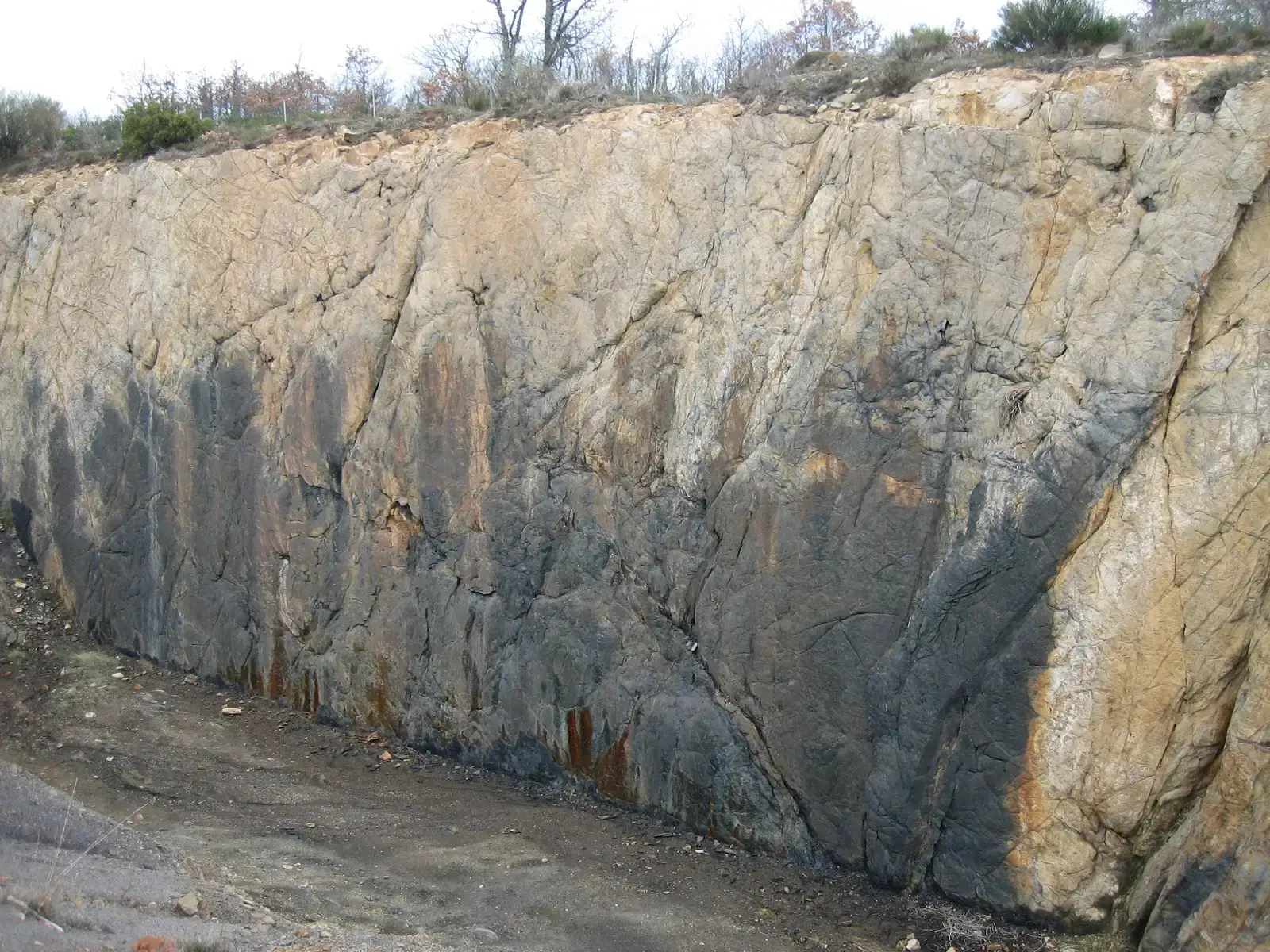
This terrible time on planet Earth is known as the Carboniferous period. During the Carboniferous, numerous new insect families developed on Earth, with many insect species growing to incredible sizes. Picture a landscape dominated by massive ferns and primitive trees with shallow roots. Wood was a novel material on the planet: the fungi and microbes capable of digesting it didn’t exist yet. When these trees fell over and died, they stayed in place. Tree trunks slowly accumulated over the swampy Earth, storing away much of the carbon in the atmosphere.
This bizarre quirk of evolution had enormous consequences. As dead trees piled up without decomposing, they locked away carbon and released oxygen through photosynthesis when alive. This is where the name of this period of time comes from: Carboniferous is Latin for coal-bearing. In fact, as layers of dead trees piled on top of each other, they were gradually compressed into a massive layer of coal, which is where we get most of the coal we use today. Essentially, the coal we burn now is compressed prehistoric forests that enabled giant insects to exist.
Meet the Eight-Foot Millipede
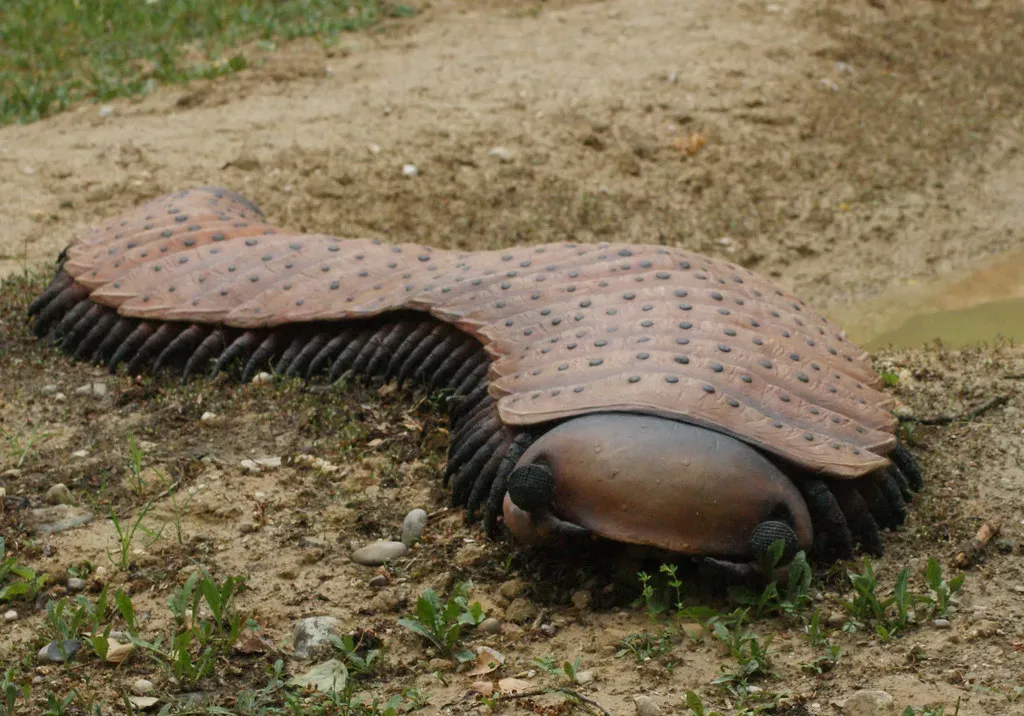
If you thought giant dragonflies were terrifying, let me introduce you to Arthropleura. These giant bugs ranged in size from one foot to eight and one-half feet. Arthropleura lived in the Carboniferous period and was the largest known land invertebrate that ever roamed planet Earth. Can you imagine encountering an eight-foot millipede crawling through the undergrowth? Honestly, the thought alone is nightmare fuel.
At 2.5m in length, Arthropleura is widely considered the largest invertebrate to ever walk the Earth. This giant ancestor of today’s millipedes is not an insect but a myriapod. Thankfully, despite its intimidating size, it is thought that they lived on a diet of dead plant matter from the swamps they inhabited, a diet similar to millipedes today. Still, you definitely wouldn’t want one of these scuttling across your path.
Other Monstrous Creatures of the Era
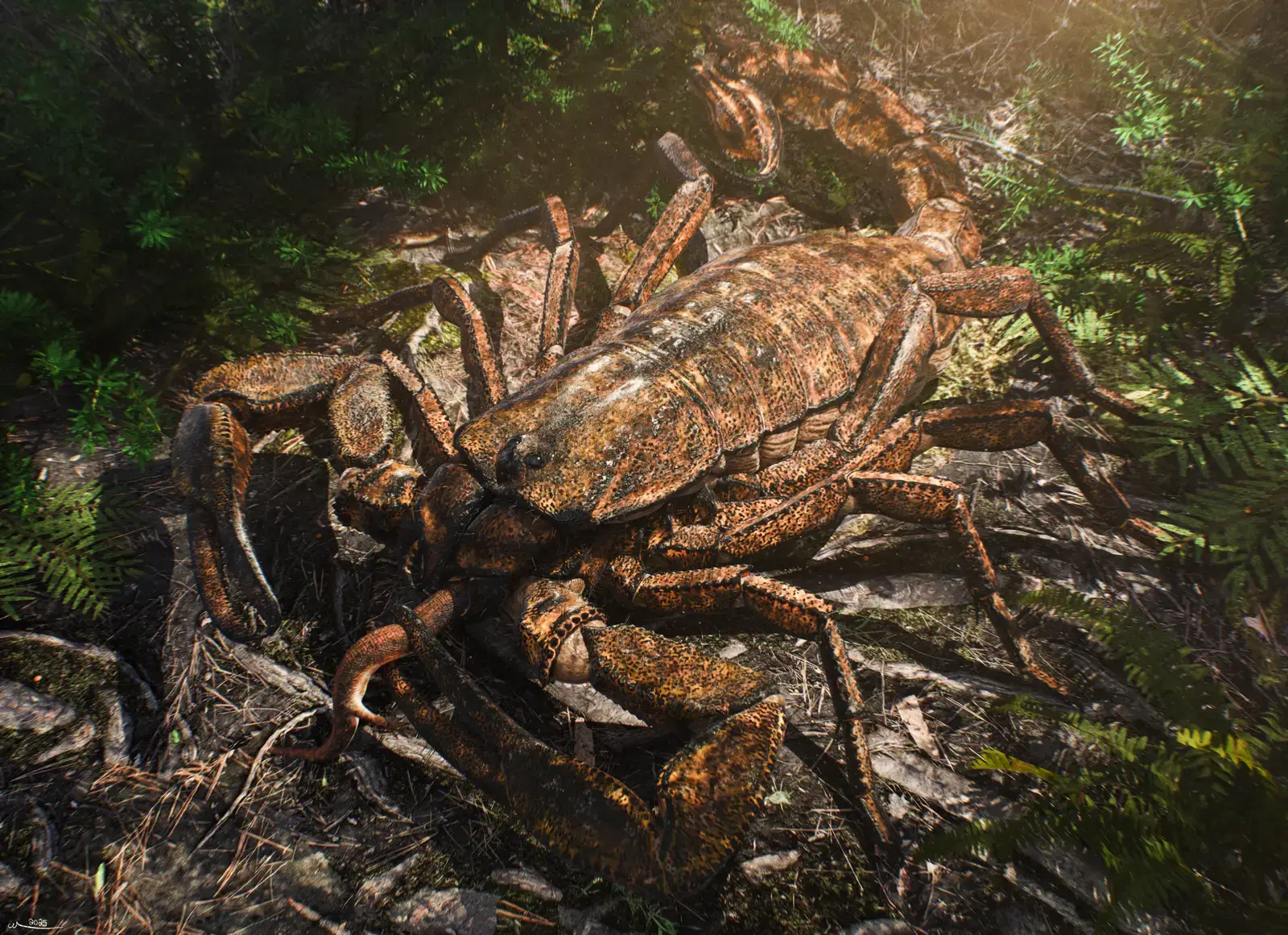
The Carboniferous wasn’t just about giant dragonflies and millipedes. This early scorpion likely grew to be over 2 feet long and used its size to overpower prey in the open. Pulmonoscorpius, as it was called, was a scorpion roughly the size of a skateboard prowling the forest floor. Giant dragonflies and huge cockroaches were common during the Carboniferous period, which lasted from about 359 to 299 million years ago.
Let’s pause here. Giant cockroaches. Yes, you read that correctly. There were also enormous mayflies and other winged insects patrolling the skies. While workers maxed out at sizes of roughly 3cm, queens reached colossal sizes of 7cm and sported wings that measured 16cm across, making them comparable in size to today’s hummingbirds. This was referring to Titanomyrma, a prehistoric ant that lived millions of years later but still exemplifies the trend toward gigantism in ancient insects.
The Oxygen Toxicity Theory
Now here’s something fascinating that researchers discovered more recently. A new study suggests it’s possible to get too much of a good thing: Young insects had to grow larger to avoid oxygen poisoning. Think about that. High oxygen levels might have actually forced insects to grow bigger, not just allowed them to.
It’s likely the larvae of many ancient insects also passively absorbed oxygen from water and were not able to regulate their oxygen intake very well – a big danger when oxygen levels were so high. One way to decrease the risk of oxygen toxicity would have been to grow bigger, since large larvae would absorb lower percentages of the gas, relative to their body sizes, than small larvae. Larger bodies meant a smaller surface-area-to-volume ratio, which protected them from oxygen overdose. It’s a brilliant evolutionary solution to a problem we never even think about today.
Why Did Giant Insects Disappear?
So if conditions were so perfect for these massive bugs, what happened to them? The answer involves two major factors. First, oxygen levels eventually declined. By about 260 million years ago, fungi and microbial life evolved to digest wood. The trees that had not yet been converted into coal were quickly digested, and their carbon was released back into the atmosphere. This rebalanced the carbon-to-oxygen ratio, making the atmosphere less favorable for giant insects.
The second factor is even more dramatic. After the evolution of birds about 150 million years ago, insects got smaller despite rising oxygen levels. Birds were faster, more maneuverable, and relentlessly efficient predators. With predatory birds on the wing, the need for maneuverability became a driving force in the evolution of flying insects, favoring smaller body size. Suddenly, being huge was a liability rather than an advantage. Smaller insects could dodge and weave, escaping aerial attacks that would doom their lumbering giant cousins.
What This Tells Us About Life on Earth
The story of giant insects reveals something profound about our planet’s history. The rise and fall of atmospheric oxygen also coincided with the evolution and extinction of giant insects. They hypothesize that high oxygen levels could explain the existence of giant species. Life on Earth has always been shaped by environmental conditions, and dramatic changes in our atmosphere have driven equally dramatic evolutionary shifts.
Even in the Permian when you had these giant insects, there were lots with wings a couple of millimeters long. This reminds us that not everything was supersized. Giant insects coexisted with smaller relatives, just as large and small species share ecosystems today. The difference is that the maximum possible size was far greater than anything we see now.
The fossil record provides us with an incredible window into this alien world. Karr compiled the dataset of more than 10,500 fossil insect wing lengths from an extensive review of publications on fossil insects. Through painstaking work, scientists have reconstructed the relationship between oxygen levels and insect size across hundreds of millions of years. It’s a testament to how science can reveal even the most unexpected truths about our planet’s past.
Conclusion: A World We’re Lucky to Have Missed
Giant insects once ruled Earth, thriving in an oxygen-rich atmosphere we can barely imagine today. From dragonflies with wingspans wider than modern birds to millipedes longer than a human, the Carboniferous period was a time of unprecedented gigantism among arthropods. These creatures weren’t mythical monsters. They were real, and their fossils prove it beyond doubt.
The combination of elevated oxygen levels and the absence of aerial predators created perfect conditions for these behemoths. When those conditions changed through the evolution of wood-digesting microbes and the rise of birds, giant insects vanished from Earth forever. Their story demonstrates how intimately life is connected to atmospheric chemistry and ecological relationships.
Honestly, while it’s fascinating to learn about these creatures, most of us can breathe a sigh of relief they’re gone. Imagine swatting away a dragonfly the size of a hawk or encountering an eight-foot millipede on your morning walk. Our modern atmosphere, with its lower oxygen content and abundance of birds, ensures such giants can never return. What do you think you would have done if you’d encountered one of these prehistoric titans? Would curiosity or terror win out?