Paleontologists continue to unravel the mysteries of how sauropods, the colossal herbivores that dominated Mesozoic landscapes, navigated their world with remarkable efficiency.
The Enigma of Titan Locomotion

The Enigma of Titan Locomotion (Image Credits: Pixabay)
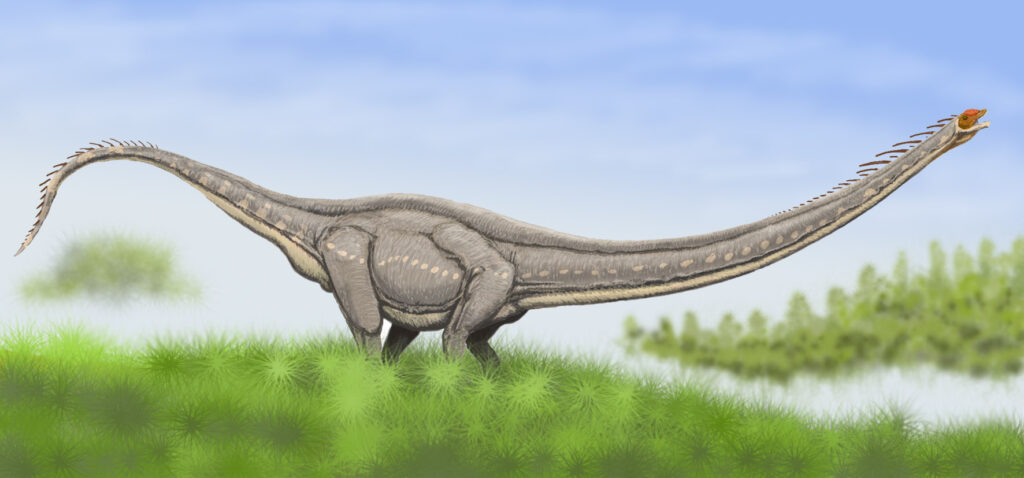
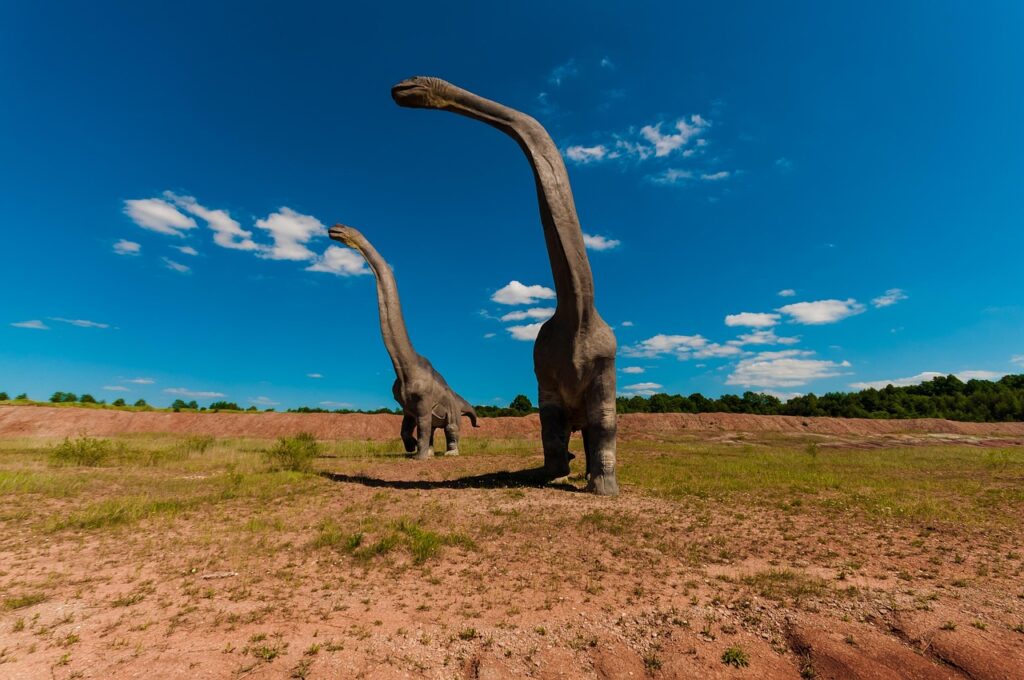
Researchers have puzzled over the movement of sauropods for decades, given their enormous size and four-legged stance. These dinosaurs, which included species like Brachiosaurus and Diplodocus, weighed as much as several elephants and stretched up to 100 feet long. Traditional views suggested they waddled like modern heavyweights, but recent analyses challenge that notion.
A 2022 study from Liverpool John Moores University examined fossil tracks and revealed a gait distinct from any living animal. The patterns indicated sauropods synchronized their steps in a way that balanced stability and speed. This finding shifted perspectives, showing these giants moved with more grace than previously imagined. Further work in 2025 built on this, using physics to estimate preferred walking speeds around 2 to 5 miles per hour.
Clues Hidden in Ancient Footprints
Fossil trackways offer direct evidence of sauropod behavior, preserving the imprints of their massive feet. In Colorado, scientists uncovered 150-million-year-old footprints from a limping individual, reconstructed through digital modeling. The tracks formed a loop, with the dinosaur facing the same direction at start and finish, hinting at deliberate turns despite an injury.
These prints showed angled strides, about 40 degrees from the path, suggesting a diagonal gait for better maneuverability. Portuguese evidence points to spiny scales on forefeet, leaving score marks in the sediment. Such details indicate sauropods adapted their steps to varied terrains, from riverbanks to open plains. Advanced titanosaurs even lacked digits, relying on padded stumps for support.
Biomechanics and Tail Dynamics
Modern simulations and osteological studies provide deeper insights into sauropod anatomy. A 2025 paper in Royal Society Open Science analyzed the tail of Giraffatitan brancai, identifying centers of rotation that limited caudal motion. This constraint likely stabilized the body during walks, preventing excessive swaying.
Soft tissue pads evolved in sauropod feet to handle immense pressures, as detailed in a 2022 Science Advances article. These adaptations allowed isometric bone growth, maintaining proportions from juvenile to adult stages. Robotic models confirm early tetrapods, including sauropod ancestors, achieved efficient land walking sooner than thought. Overall, these factors enabled sauropods to cover ground without the lumbering waddle often depicted.
- Unique synchronization: Sauropods matched hind and forelimb steps unlike elephants or rhinos.
- Speed estimates: Preferred paces suited long migrations, conserving energy.
- Padding evolution: Foot adaptations reduced stress, supporting gigantism.
- Tail role: Limited flexibility aided balance on uneven surfaces.
- Track variations: Limping and looping prints reveal behavioral flexibility.
Implications for Prehistoric Ecosystems
Understanding sauropod gaits reshapes views of their daily lives and environments. These dinosaurs likely migrated across continents, browsing high vegetation while avoiding predators. Their efficient movement supported massive populations, influencing plant distributions and soil turnover.
Recent 2025 research on bipedal postures in early sauropodomorphs suggests a gradual shift to quadrupedal stability. This evolution equipped them for dominance in Jurassic and Cretaceous worlds. As studies progress, virtual reconstructions bring these sauntering giants back to life, bridging gaps in our knowledge of ancient mobility.
Key Takeaways
- Sauropods exhibited a gait blending speed and stability, distinct from modern quadrupeds.
- Fossil tracks and models reveal adaptations like foot pads and tail constraints for efficient travel.
- These insights highlight how size did not hinder but enhanced their ecological role.
The graceful strides of sauropods remind us that prehistoric giants moved with purpose, shaping Earth’s history one step at a time. What fascinates you most about their locomotion? Share your thoughts in the comments.