
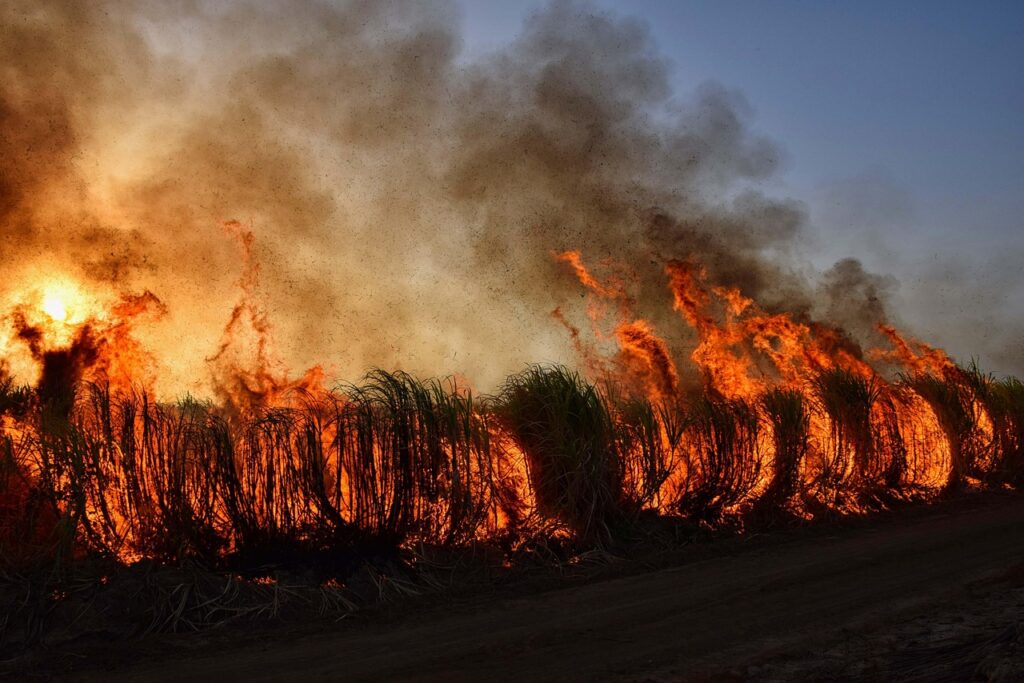
Victoria, Australia – As bushfires tore through vast landscapes in early 2026, families evacuated in haste, often abandoning cherished pets and livestock amid the chaos.
The Rapid Spread of Destruction

The Rapid Spread of Destruction (Image Credits: Pixabay)
Flames engulfed communities with alarming speed, forcing residents to make split-second decisions. Roads clogged with vehicles as people sought safety, but not everyone could take their animals along. In rural areas, farmers watched helplessly as herds scattered into the blaze. The fires, fueled by dry conditions and high winds, consumed over 350,000 hectares in a matter of days.
Emergency services reported scenes of devastation where homes reduced to ash and fields turned barren. Survivors recounted the heart-wrenching choice between personal safety and animal companions. Wildlife, already strained by climate pressures, faced immediate peril as habitats ignited. Rescue efforts began almost immediately, though the scale overwhelmed initial responses.
Heartbreak for Pets and Families
Many households fled without their dogs, cats, and other pets, leading to widespread searches in the aftermath. Shelters filled quickly with displaced animals, some suffering from smoke inhalation or minor burns. Volunteers scoured burned areas, calling out for missing companions amid the ruins. The emotional toll on owners proved immense, with stories of reunions providing rare moments of relief.
In urban fringes, pets left behind navigated unfamiliar dangers, from collapsed structures to roaming predators. Authorities urged the public to report sightings, emphasizing the pets’ vulnerability in a post-fire environment. One common challenge involved dehydrated animals seeking water in scorched terrain. Community networks mobilized to provide food and temporary care, highlighting the bonds between humans and their animals during crises.
Livestock Losses Mount in Rural Heartlands
Farmers across southern Australia tallied significant casualties among cattle, sheep, and horses. Tens of thousands of livestock perished, either trapped in paddocks or succumbing to injuries. Surviving animals wandered charred fields, in need of veterinary attention for burns and respiratory issues. The economic impact rippled through agricultural communities, where rebuilding herds would take years.
Some operations lost entire stocks, forcing tough choices on feed and relocation. Government aid flowed in to support affected farmers, but the immediate focus remained on humane euthanasia for severely injured creatures. Reports indicated that horses from prominent studs also fell victim, underscoring the fires’ reach into specialized sectors. Recovery plans now include fire-resistant infrastructure to mitigate future risks.
Wildlife Faces an Uncertain Future
Beyond domestic animals, native species bore the brunt of the inferno. Koalas, already endangered, appeared with severe burns, requiring intensive rehabilitation. Bat colonies suffered total losses in some areas, wiping out generations. Birds and reptiles fled en masse, only to confront starvation in denuded forests.
Ecologists estimated that millions of wildlife perished or displaced, echoing the scale of the 2019-2020 Black Summer fires that affected nearly three billion animals, according to reports from WWF-Australia. Injured survivors reached wildlife centers, where teams worked under hazardous conditions. The combination of fire and subsequent heatwaves exacerbated dehydration and exposure. Long-term habitat restoration became a priority to prevent extinctions.
Lessons from the Flames
Conservation groups called for enhanced early warning systems and community preparedness drills tailored to animal evacuations. Fire management strategies evolved to include wildlife corridors, allowing safer escapes. International aid supported local efforts, providing supplies for treatment and monitoring.
- Prepare evacuation kits for pets, including leashes and carriers.
- Install firebreaks around farms and homes.
- Support wildlife funds for rehabilitation programs.
- Stay informed via local alerts during fire seasons.
- Plant native species to bolster habitats post-fire.
Key Takeaways
- Bushfires in 2026 devastated over 350,000 hectares, impacting pets, livestock, and wildlife profoundly.
- Families and farmers faced agonizing choices, with tens of thousands of livestock lost.
- Wildlife rehabilitation efforts are underway, but habitat recovery remains critical for species survival.
The bushfires served as a stark reminder of nature’s fury and human vulnerability. As Australia rebuilds, protecting animal lives must remain central to resilience strategies. What steps can communities take to better safeguard pets and wildlife in future emergencies? Share your thoughts in the comments.