When you think about how long humans have existed on this planet, it seems like quite a journey. We have built cities, created art, sent people to the moon, and transformed the world in countless ways. It feels significant, like our time here has been extensive.
Yet when you compare that to the reign of dinosaurs, the timeline shifts dramatically. The truth is startling. These ancient creatures dominated Earth for an incomprehensibly longer stretch than we have. Their story is one of endurance, adaptation, and sheer longevity that dwarfs the entire human experience. The numbers are almost difficult to wrap your head around.
The Mesozoic Era: A Time Before Humans
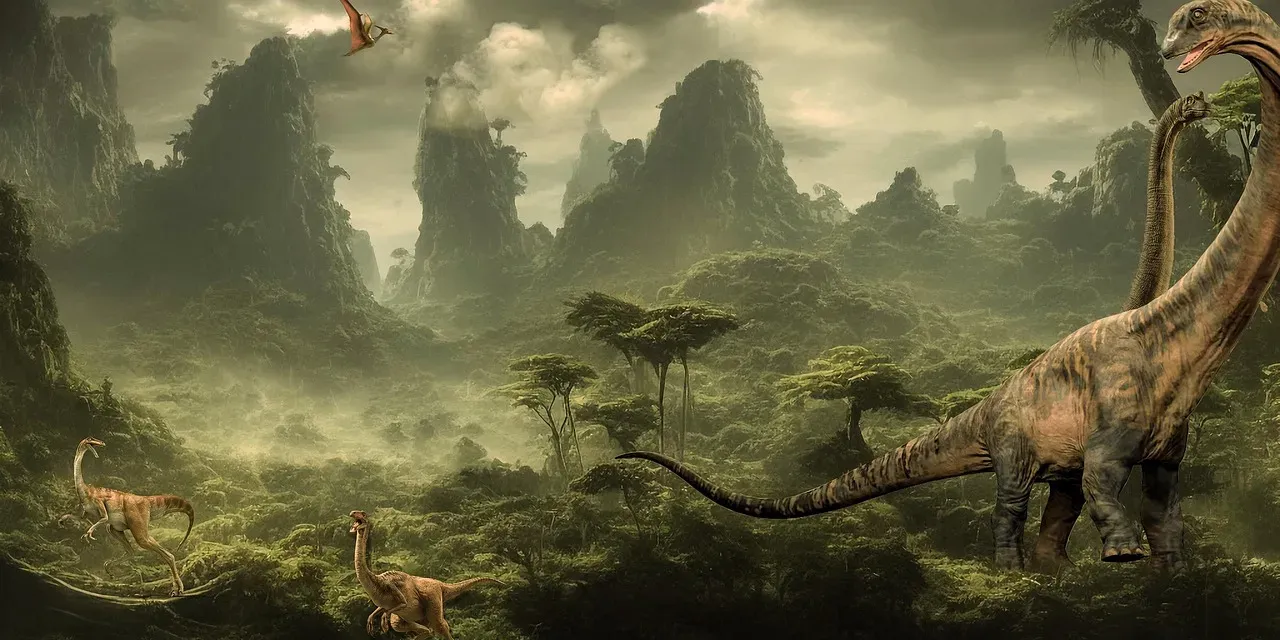
Dinosaurs lived between about 245 and 66 million years ago, during a time known as the Mesozoic Era. They roamed the Earth for an impressive span of about 165 to 180 million years. Just try to imagine that. While modern humans have been around for a mere fraction of that time, dinosaurs thrived through vast geological epochs.
This was many millions of years before the first modern humans, Homo sapiens, appeared. The Mesozoic Era itself is broken into three distinct periods: the Triassic, Jurassic, and Cretaceous. Each period saw different species rise and fall, ecosystems shift, and continents drift into new positions. The planet was unrecognizable compared to today.
Humans Arrived Just Yesterday
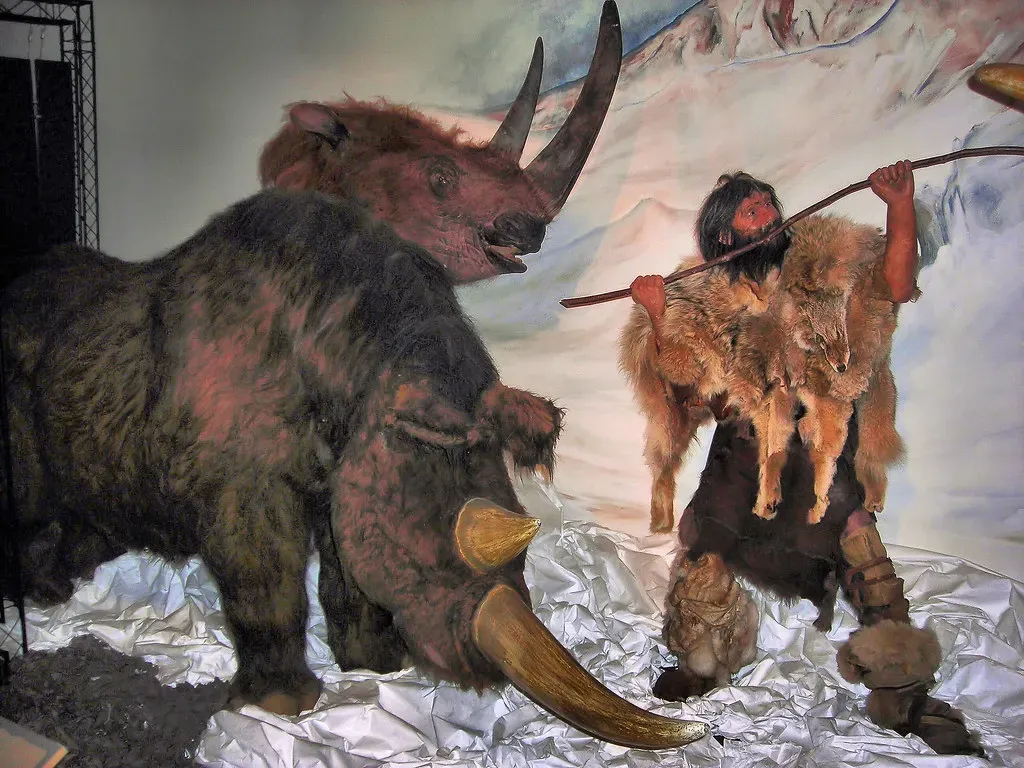
During a time of dramatic climate change 300,000 years ago, Homo sapiens evolved in Africa. Some estimates place our species even more recently. The oldest known remains of Homo sapiens date to about 315,000 years ago. This is barely a blip on the geological timescale.
When you place that next to the dinosaurs, the comparison is staggering. All dinosaurs except birds went extinct 66 million years ago, while the earliest known humans evolved roughly 2.4 million years ago. Even if you stretch the definition of human to include earlier species in our genus, we still fall vastly short of dinosaur dominance. Our entire lineage fits comfortably into the last few moments of Earth’s history.
The Triassic Period: When Dinosaurs Emerged
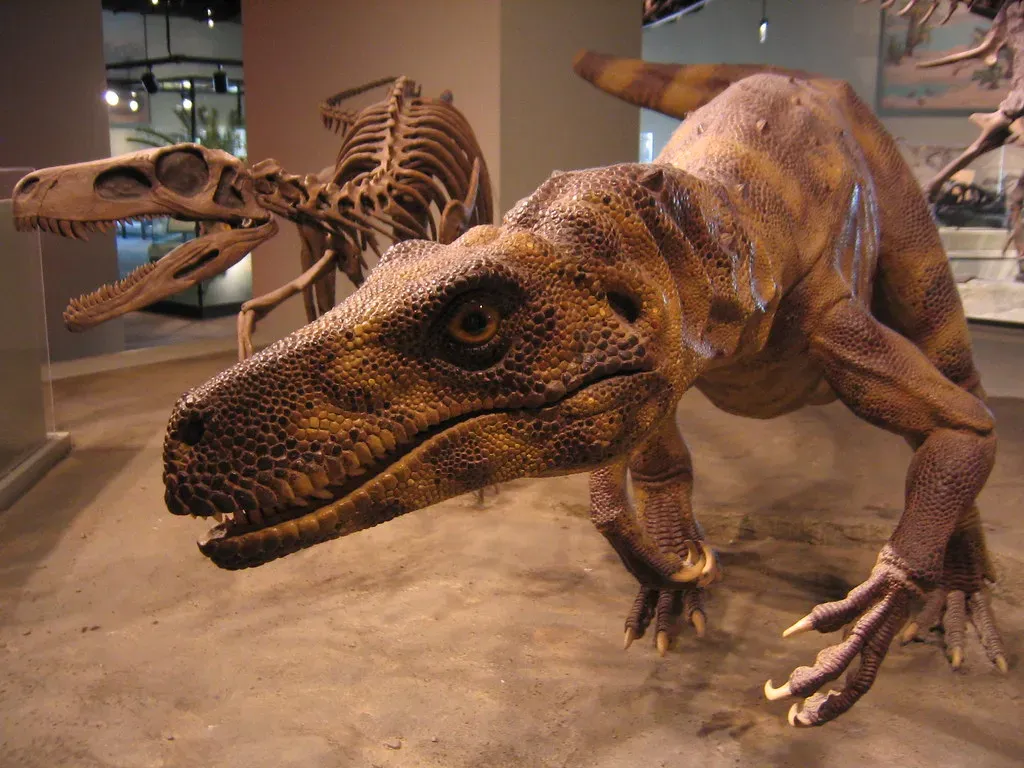
The dawn of dinosaurs began with the Permian mass extinction, also known as the Great Dying, around 252 million years ago, which killed more than 90 percent of life on Earth at the time. It was from this catastrophic reset that dinosaurs found their opportunity. They first appeared during the Triassic period, between 243 and 233.23 million years ago, and became the dominant terrestrial vertebrates after the Triassic–Jurassic extinction event 201.3 million years ago.
Early dinosaurs were not the towering giants we often picture. These first dinosaurs were small and humble, just about the size of small dogs. During this period, the planet looked radically different. All continents were joined together in a massive landmass called Pangaea. The climate was hot and dry, with deserts covering much of the interior.
The Jurassic Period: Rise of the Giants
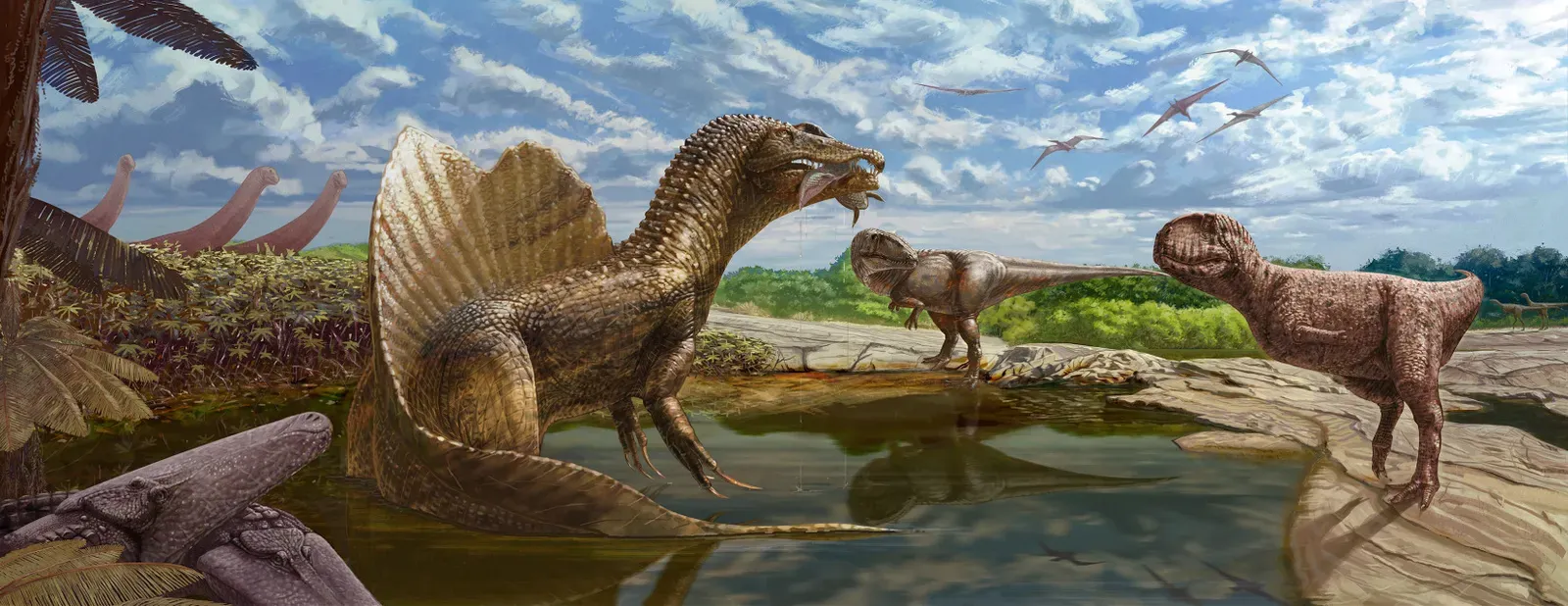
The Jurassic Period is perhaps the most famous dinosaur era, thanks in part to popular culture. At the end of the Triassic Period there was a mass extinction, but the dinosaurs survived, giving them the opportunity to evolve into a wide variety of forms and increase in number. This set the stage for the golden age of dinosaurs.
The plentiful plant supply allowed the huge plant-eating sauropods such as Apatosaurus, Diplodocus and Brachiosaurus to evolve, and these are some of the largest animals to have ever walked the Earth. Picture massive creatures, necks stretching to the sky, herds dominating lush landscapes. The world was warm, vegetation was abundant, and dinosaurs capitalized on these favorable conditions. Climate and geography played key roles in their success during this period.
The Cretaceous Period: Peak Diversity
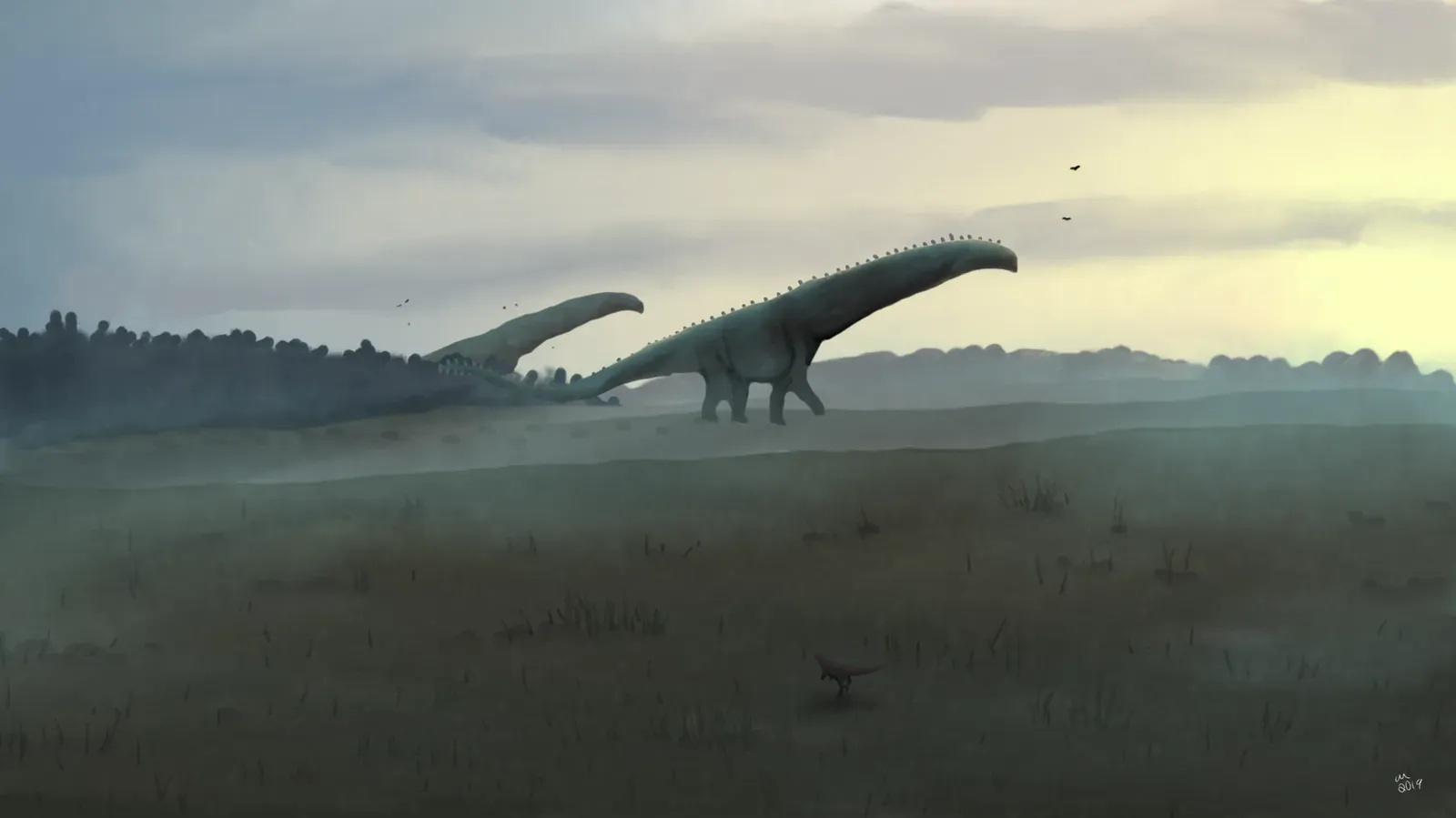
The Cretaceous lasted 79 million years. This was the longest and final chapter of the dinosaur story. During this time, continents continued to drift apart, creating isolated landmasses that allowed dinosaur species to evolve independently. This meant that dinosaurs evolved independently in different parts of the world, becoming more diverse.
Sauropods reached their largest sizes in the Cretaceous, with the biggest being the titanosaurs, and Patagotitan was a staggering 37.5 metres long! Alongside these giants roamed the most iconic predators, including Tyrannosaurus rex and Velociraptor. The Cretaceous was a time of astonishing biodiversity, with ecosystems teeming with life both on land and in the oceans.
Adapting Across Millions of Years
How did dinosaurs manage to survive for such an extraordinarily long time? Adaptation was key. Over millions of years, dinosaurs developed characteristics that helped them to survive, either physical such as the long necks of sauropods or behavioural, like the movement of animals in herds or the tendency to hunt in packs, and the dinosaurs that were best suited to their environment survived and reproduced.
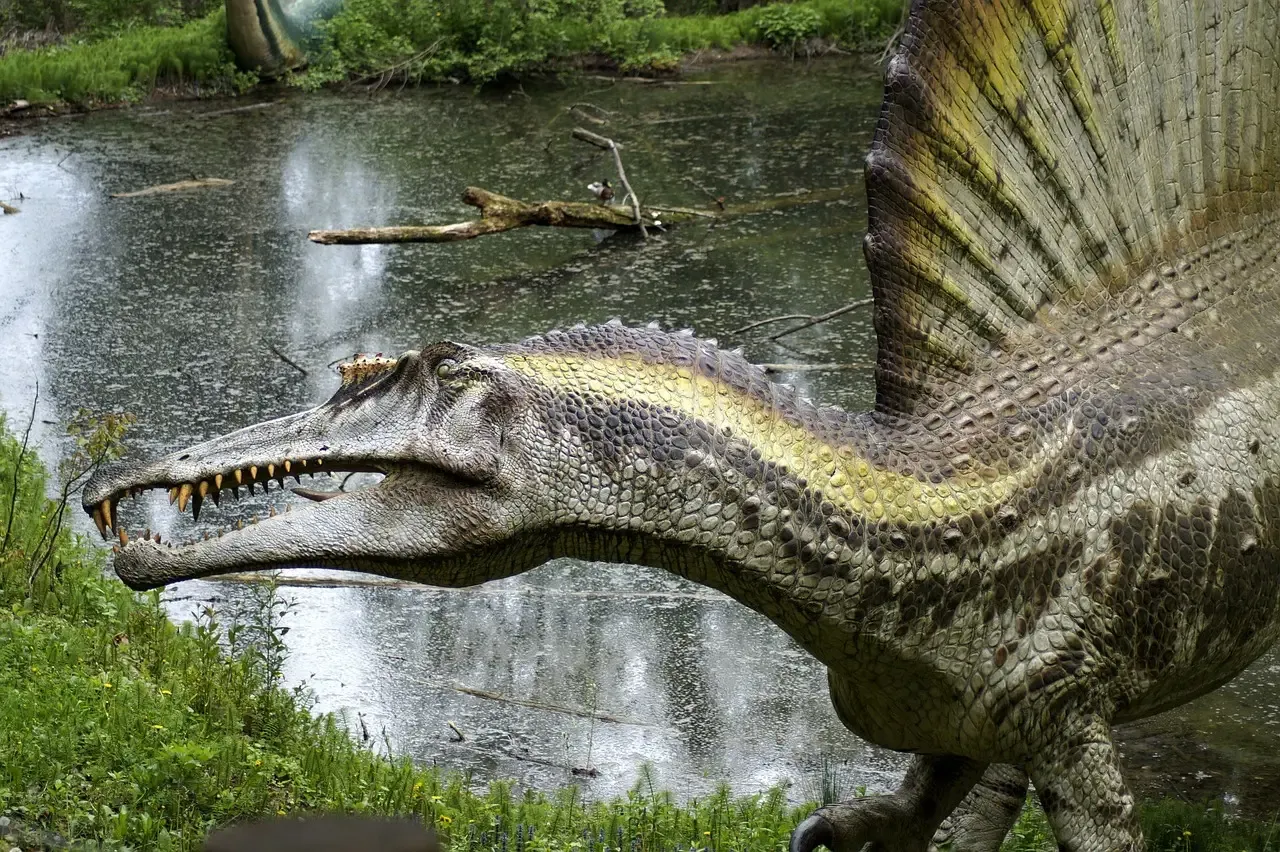
The dinosaurs diversified throughout the Jurassic period, reaching peak diversity during the Cretaceous, and many of them developed unique and somewhat bizarre adaptations to suit their habitats, such as Spinosaurus, which evolved an impressive sail on its back to support its semi-aquatic lifestyle. From feathers for insulation to armor for defense, dinosaurs evolved to conquer deserts, forests, polar regions, and even watery environments. Their ability to adapt is precisely why they endured for so long.
The Asteroid That Changed Everything
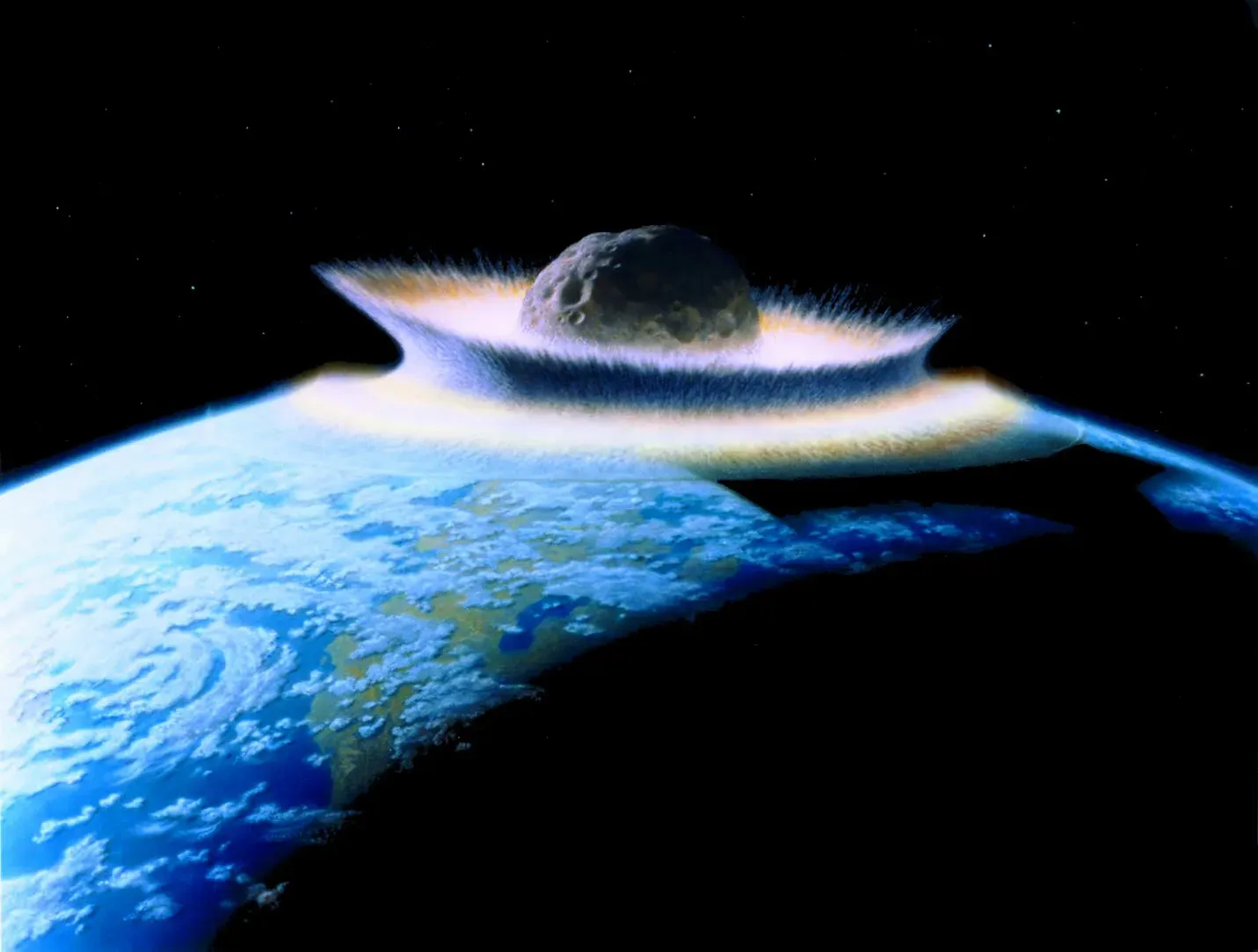
Around 66 million years ago, an asteroid thought to be roughly 6 miles wide struck the Yucatán Peninsula in Mexico, triggering a mass die-off that wiped out all non-bird dinosaurs. It is now generally thought that the extinction resulted from the impact of a massive asteroid, creating the Chicxulub impact crater and devastating the global environment primarily through a lingering impact winter which halted photosynthesis.
The impact was sudden and catastrophic. The dust is all that remains of the asteroid that slammed into the planet, triggering the extinction of 75% of life on Earth, including all nonavian dinosaurs. In a matter of decades, ecosystems collapsed. Food chains disintegrated. The age of dinosaurs came to an abrupt end after more than 160 million years of dominance.
Comparing Timelines: Dinosaurs Versus Humans
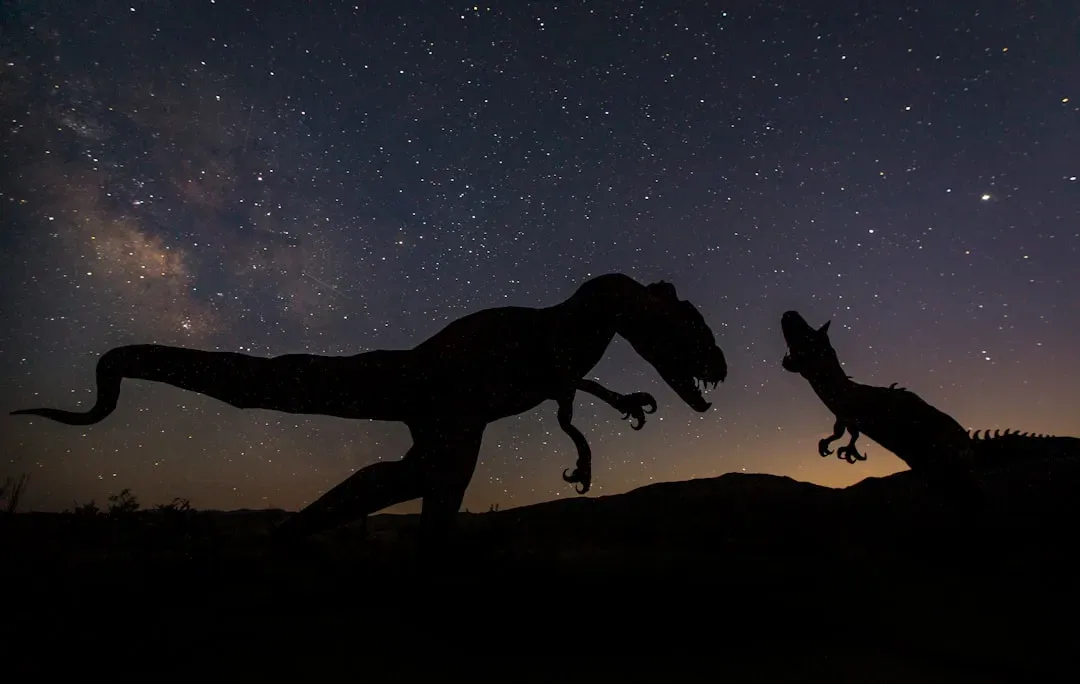
Let’s put this in perspective. If we imagine the entire history of life on Earth as a single year, dinosaurs would dominate the landscape for weeks. Humans, meanwhile, would appear only in the final seconds before midnight on December 31st. That is how brief our existence has been compared to theirs.
Dinosaurs walked the Earth for around 170 million years. Modern humans have been around for roughly 300,000 years. Even if you include the entire genus Homo, you are looking at perhaps a few million years. The math is simple and humbling. Dinosaurs outlasted us by a factor of more than 50 to 1, and that is being conservative with the numbers.
Why the Difference Matters
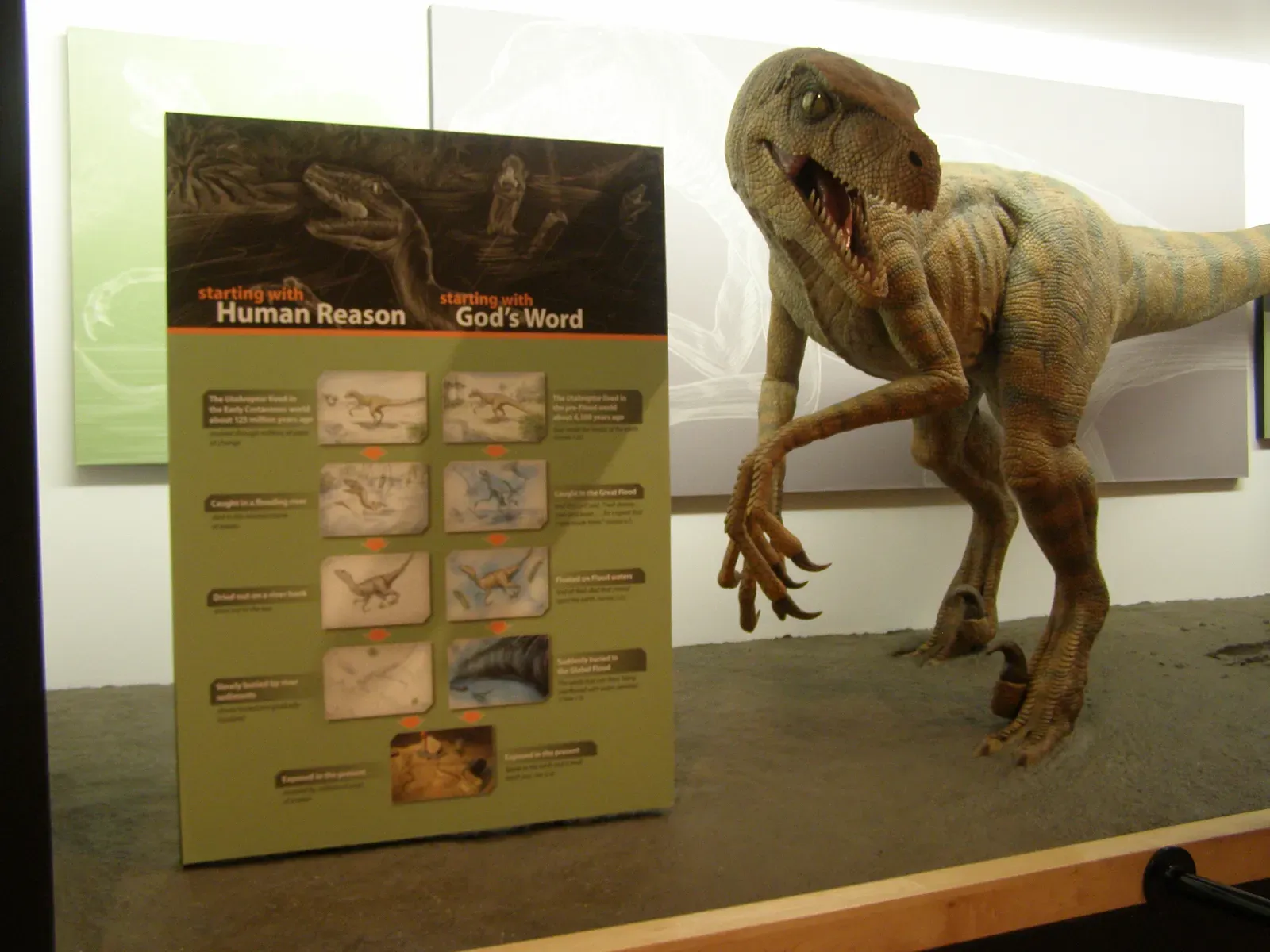
Understanding the vastness of dinosaur history compared to our own gives you a new appreciation for the resilience of life. These creatures adapted, evolved, and thrived across changing climates, shifting continents, and countless environmental challenges. They were not a single moment in time but an enduring dynasty.
Humans, by contrast, are still writing our story. We have achieved remarkable things in our brief tenure, but we are also facing challenges that could determine how much longer we last. Climate change, resource depletion, and environmental degradation are real threats. Dinosaurs survived for millions of years, but even they could not withstand a global catastrophe. It makes you wonder how long our own chapter will last. Will we adapt and endure, or will we be just another blip in the fossil record?
What do you think? Does knowing how long dinosaurs ruled the Earth change how you see our place in history? It certainly puts things in perspective.