Think you know everything about the ancient world? Think again. While dinosaurs get all the attention in museums and movies, there were creatures roaming this planet that make T. rex look downright ordinary. Some had necks longer than their entire bodies, others had teeth so massive they could barely close their mouths, and a few were so bizarre that scientists laughed when they first saw them.
Earth has witnessed some truly mind blowing life forms over its billions of years. These weren’t just bigger versions of animals we know today. We’re talking about creatures that seem like they crawled out of a fever dream, things that challenge everything you think you know about how animals should look or behave. So let’s dive in and meet five of the most unbelievable prehistoric animals that actually walked, swam, and flew across our planet.
Hallucigenia: The Animal That Confused Everyone
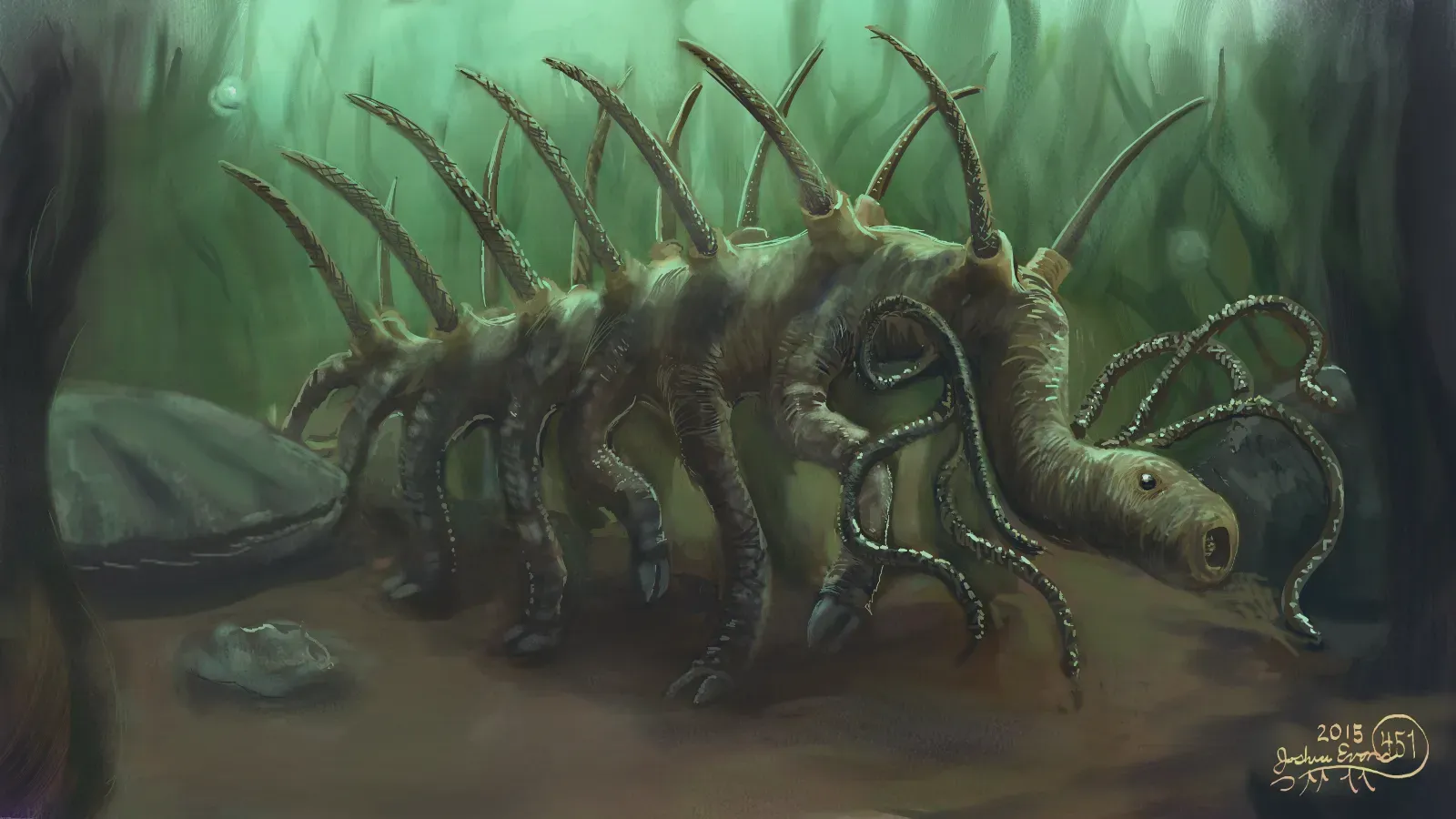
Picture a worm-like creature from over 500 million years ago with an elongated body sporting a row of slender spines on one side and tentacle-like appendages on the other. That’s Hallucigenia, and honestly, the name fits perfectly. Scientists actually have a pretty good idea of what it looked like now, though it could still have crawled out of a drug-addled dream.
Here’s the wild part. Initially, scientists were so baffled by its structure that early interpretations mistakenly placed it walking on its spines, with the appendages thought to be mouthparts. Can you imagine getting an entire animal upside down? Later research clarified that the tentacle-like structures are actually paired appendages used for walking, while the spines likely served as a defense mechanism against predators. These bizarre creatures grew to be around two inches long at their largest, with their belly lined with tubular feet while on their backs they carried a series of wicked spines.
Opabinia: The Five-Eyed Wonder That Made Scientists Laugh
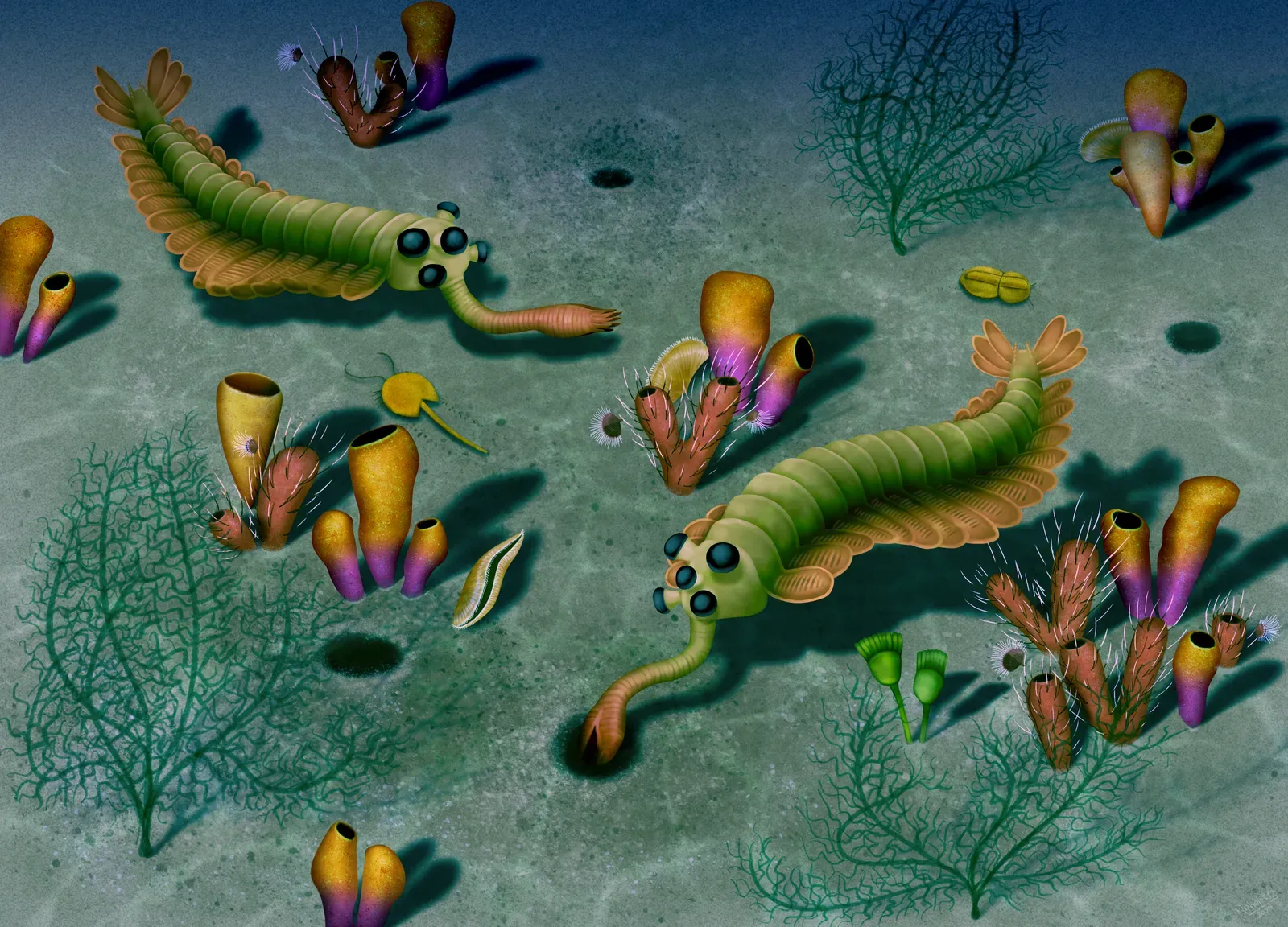
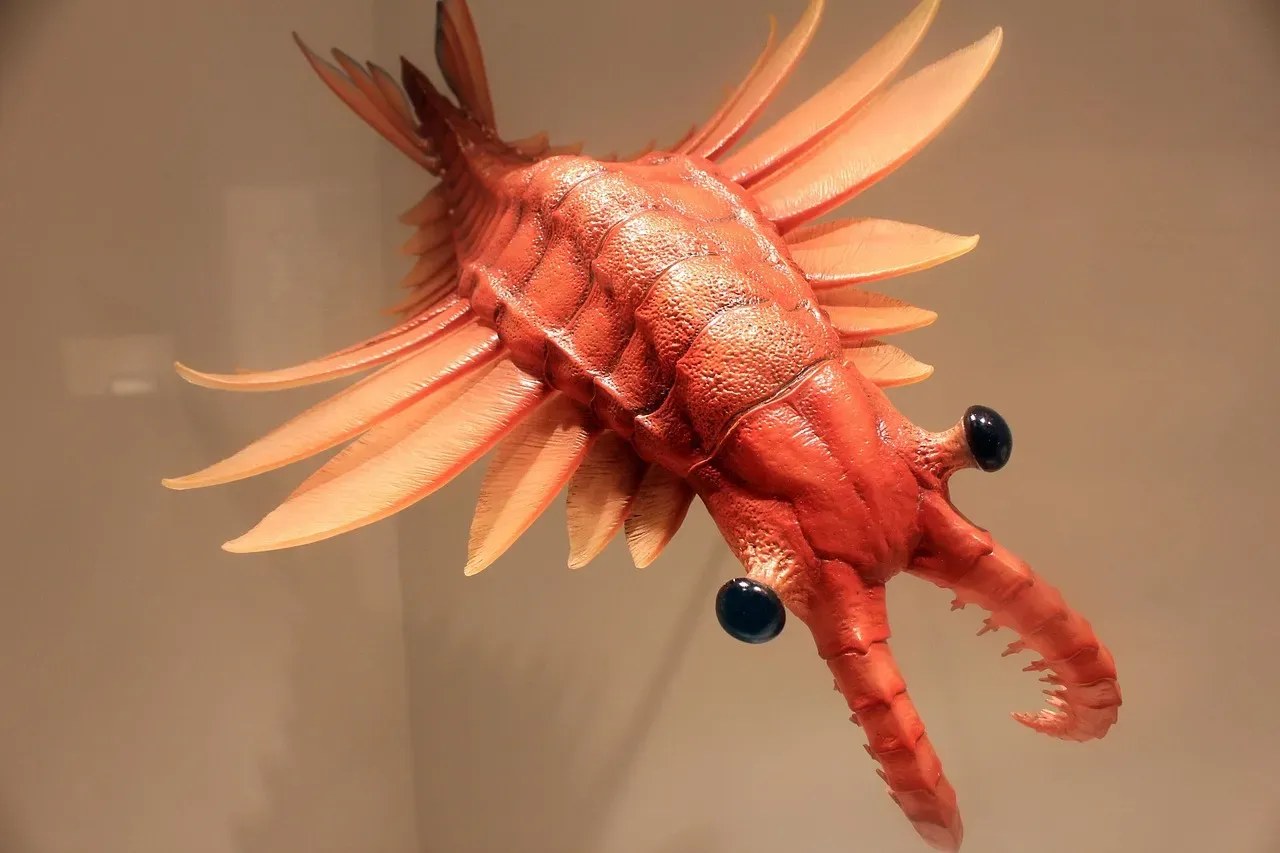
When Opabinia was first revealed to paleontologists at a scientific conference, the audience burst out laughing. What else could they do when faced with something so utterly ridiculous looking? This species, known to live on the seafloor, had a soft body that was about seven centimeters long, a head with five eyes and a mouth underneath that was backwards, with a proboscis more than likely used to pass food to the mouth.
Five eyes. Let that sink in for a moment. This flat-bodied swimmer also had thirty swimming fins and a long tube sticking off the front of its face with what looks like a Venus fly trap on the end, which it probably stuck down into the sandy seabed to catch worms. Opabinia is one of the rarest fossils found in today’s world, with less than twenty quality specimens of the creature. The thing looked so alien that scientists struggled for years to figure out where it even fit in the tree of life.
Arthropleura: The Millipede of Your Nightmares
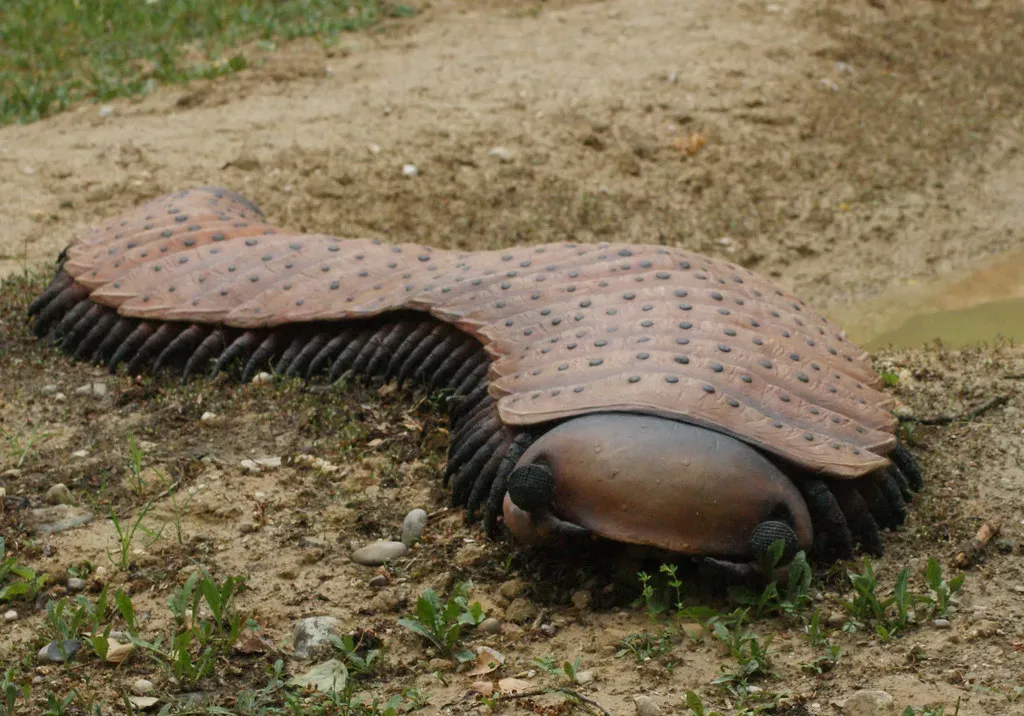
Let’s be real, if you’re scared of bugs, you might want to skip this one. Arthropleura were six to eight-foot-long millipede-like creatures and the biggest arthropods ever. Yes, you read that correctly. An eight-foot-long millipede scuttling through ancient forests. This terrifying creature is the largest land invertebrate ever discovered, capable of growing up to 8 feet long and nearly 2 feet wide, with articulated armored plates covering its entire body.
Bugs grew to huge sizes in the Paleozoic period, and scientists theorize their size was due to more oxygen in the atmosphere and few predators. It would take a brave predator to tackle an eight foot long insect! The good news? Arthropleura were most likely isopods similar to woodlice, and the most probable theory is that they scuttled around woodland floors eating decomposing wood and carrion. Still, imagine stumbling across one of these in the forest.
Dunkleosteus: The Armored Fish That Could Crush Steel
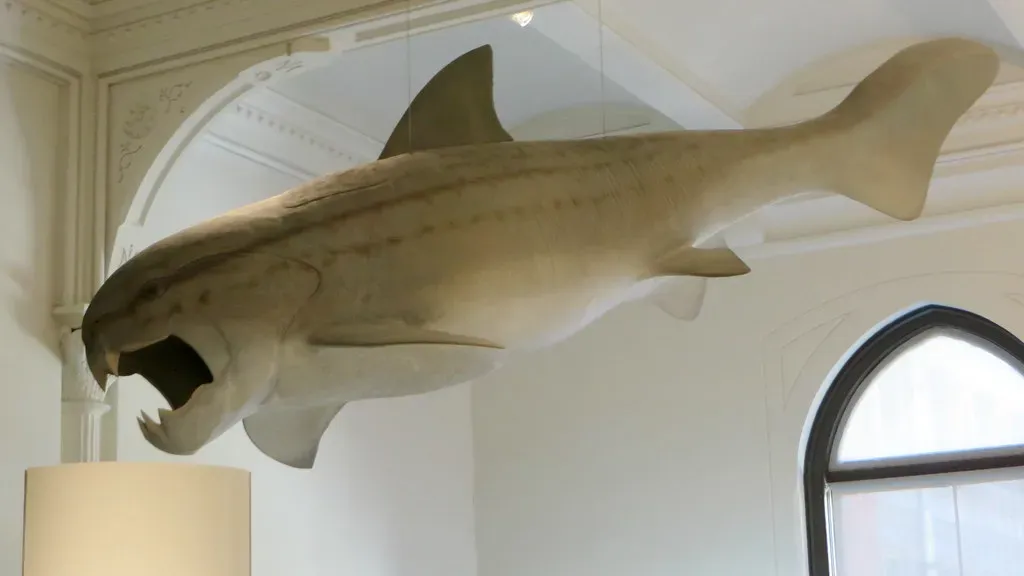
It’s hard to imagine that an animal affectionately known as The Dunk was ever a fearsome predator, but Dunkleosteus was exactly that, ruling the northern hemisphere’s oceans for nearly 30 million years. This 33 foot long armored fish from the Devonian era lacked teeth, but its jaw contained razor sharp protrusions of bone that grew continuously and rubbed together with those of the opposing jaw, acting like self sharpening shears.
Think about that for a second. Self-sharpening bone fangs. This 4m-long armored fish had a bite force that would have rivalled some of the strongest biters today, with estimates that at the very tip of its bony fangs, Dunkleosteus may have been able to bite down at a force of 80,000 psi, enough to crush some of the strongest steel. This four ton monster fish patrolled inshore waters and could snatch prey up by opening and closing its jaws within 50-60 milliseconds. Modern great white sharks suddenly seem a lot less intimidating.
Titanoboa: When Snakes Were Longer Than School Buses
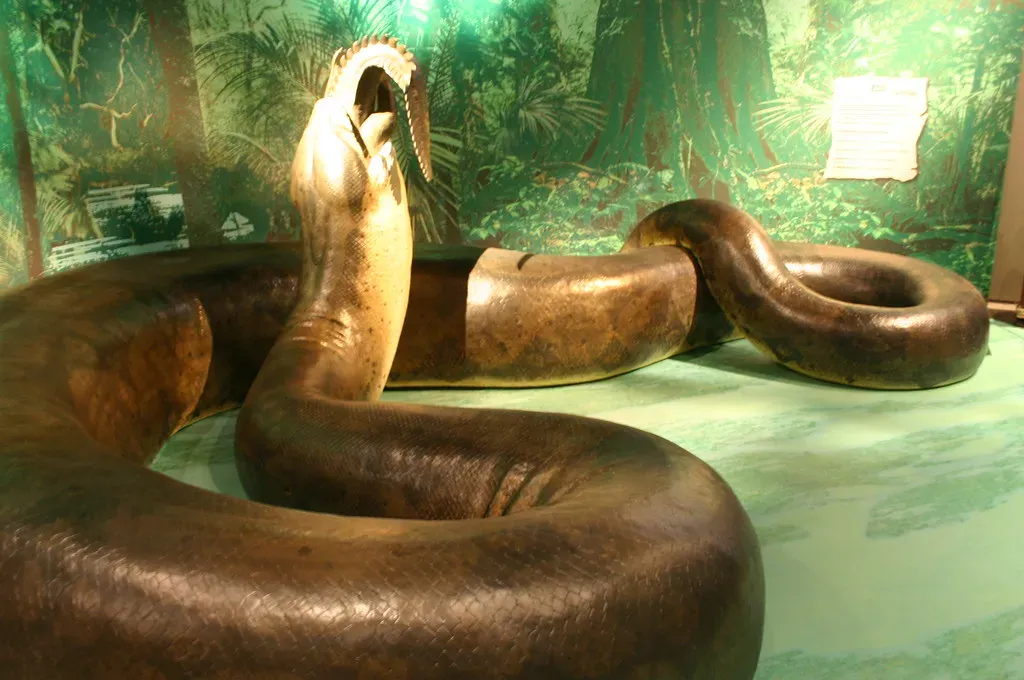
Titanoboa was a 42 foot long snake that lived during the Paleocene epoch, and it likely hunted much like crocodiles do, lurking partially submerged at the water’s edge to ambush thirsty, unsuspecting animals. For perspective, that’s longer than most school buses. This massive snake was up to 42 feet long with a 16-inch skull and weighed 2,500 pounds.
Researchers have had a hard time figuring out just how big Titanoboa was because they haven’t ever found all the vertebrae of a single animal in one place, and using what they’ve got, they estimate that the snake would have weighed about a ton. For comparison, modern anacondas can grow up to 29 feet long and weigh 550 pounds. Recent research challenged the idea that it ate the same diet as anacondas, with fossilized teeth indicating it was more likely to prey on fish, a theory supported by its warm and humid tropical rainforest and river environment.
Conclusion
The prehistoric world was far stranger and more diverse than most people realize. These five creatures represent just a tiny fraction of the bizarre life forms that once called Earth home. From upside-down discoveries to laughing scientists, from nightmare-inducing giant bugs to fish that could crush modern machinery, our planet’s ancient past was filled with animals that push the boundaries of imagination.
What’s truly humbling is knowing that countless other strange creatures existed that we’ll never know about, their remains lost to time. The fossil record is incomplete, giving us only glimpses into a world that was far more alien than we can fully comprehend. Makes you wonder what incredible beasts are still waiting to be discovered, doesn’t it? What do you think about these bizarre ancient animals? Which one surprised you the most?