
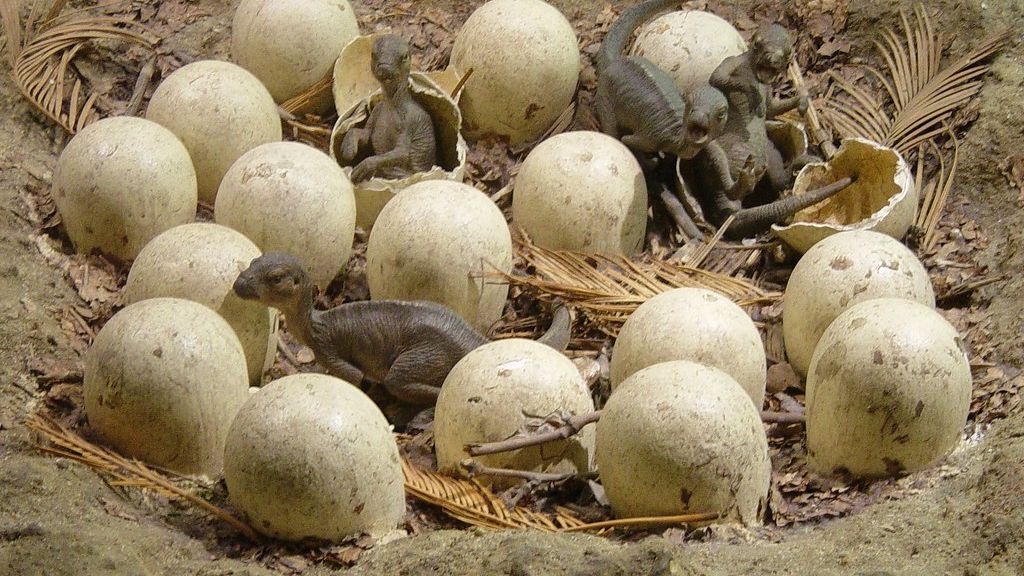
You’ve probably seen dinosaur skeletons in museums or watched them roam across movie screens. These ancient giants capture our imagination like few other creatures can. Yet there’s something about the beginning of their lives that remains shrouded in mystery and misunderstanding. Most people picture dinosaur reproduction as a scaled-up version of what we see in birds today, assuming eggs hatched quickly and babies grew fast. The reality, it turns out, is far more complex and frankly more fascinating than anyone anticipated. From eggs that took half a year to hatch to embryos that chewed while still inside their shells, the story of how dinosaurs came into this world is packed with surprises that challenge everything we thought we knew.
Some Dinosaurs Laid Soft-Shelled Eggs, Not Hard Ones
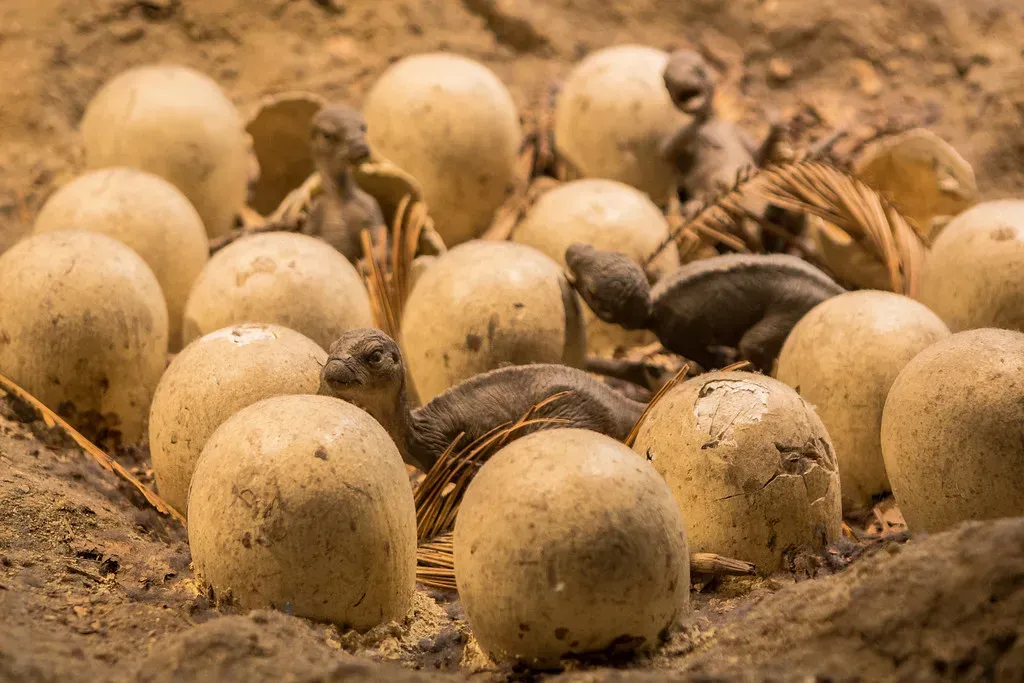
For more than a century, paleontologists assumed all dinosaurs laid hard-shelled eggs because their closest living relatives, crocodilians and birds, also lay hard-shelled eggs. However, in 2020, that assumption was completely overturned. Researchers discovered that some early dinosaurs actually laid soft, leathery eggs similar to modern turtles.
A study led by the American Museum of Natural History and Yale University discovered that early dinosaurs laid eggs similar to those of the modern-day turtle, examining embryos of two different species of dinosaurs: the Protoceratops and the Mussaurus, which revealed the eggshells were leathery and soft like turtle eggs. Hadrosaurs, sauropods, and many theropods laid eggs with hard, calcite-rich shells, while the calcite portion of a hard-shelled egg is essentially “prefossilized” since the mineral calcite can remain stable for hundreds of millions of years, but organic components of soft eggshell degrade quickly under most conditions. This discovery helps explain why we’ve found thousands of eggs from some dinosaur types but none at all from others.
Dinosaur Eggs Took Months to Hatch, Not Weeks
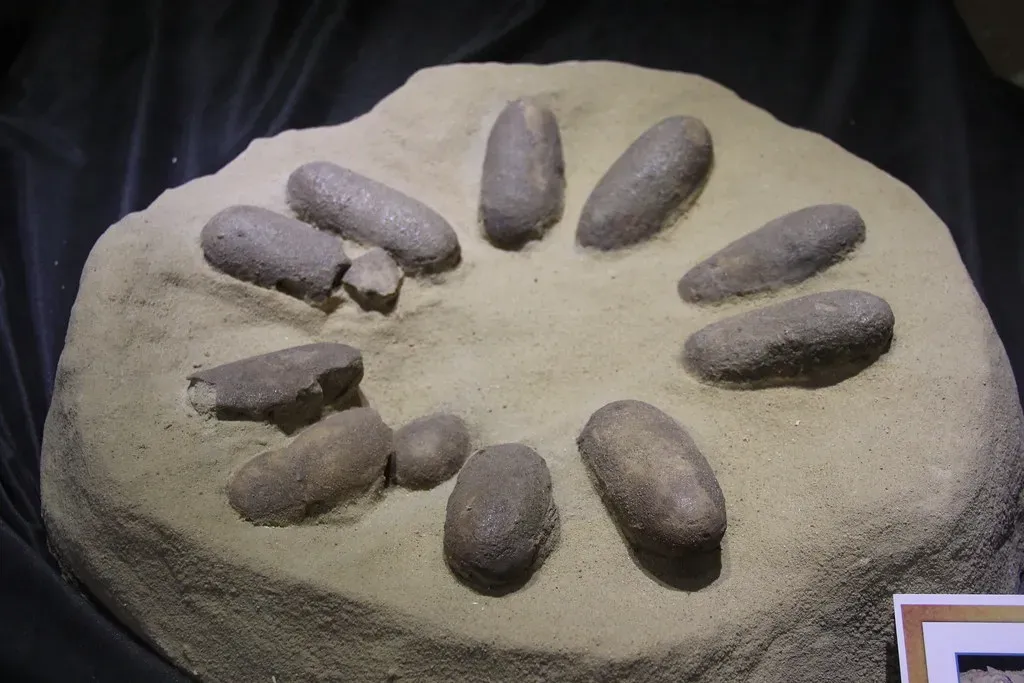
Dinosaur eggs took between 3 and 6 months to hatch, twice as long as predicted from bird eggs of similar size, and those long incubation times likely made it tough for them to outcompete faster generating animals, such as modern birds and mammals, in the aftermath of a mass extinction. Think about that for a moment. A chicken egg hatches in just three weeks. Even large bird eggs rarely take more than a couple of months.
Dinosaurs go through several generations of teeth while still inside the egg, and researchers hypothesized these embryonic teeth had daily growth lines that might reveal how long dinosaurs remained in the egg before they hatched. Scientists counted these microscopic growth lines in fossilized embryo teeth to determine exact incubation periods. By studying the growth lines in the microscopic teeth of embryos found inside fossilised eggs, Erickson and his team determined that Protoceratops eggs took about 2.8 months to hatch, while those of Hypacrosaurus incubated for 5.8 months. That’s more like reptiles than birds, revealing dinosaurs were caught somewhere between these two worlds.
Embryos Had Two Sets of Teeth Before Hatching
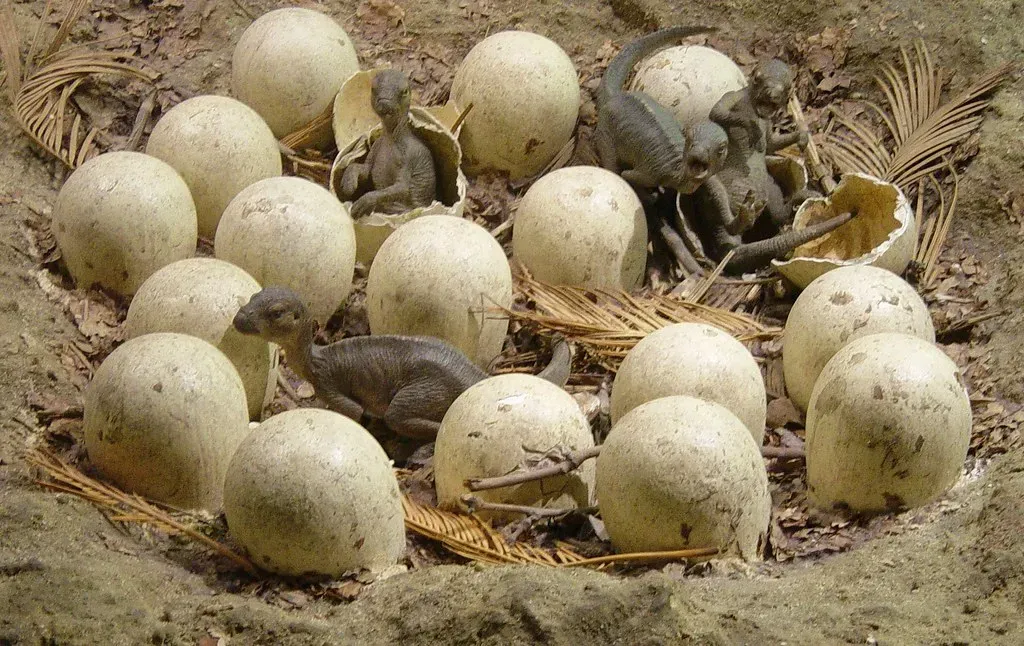
Here’s something bizarre you probably never imagined. Some embryos not only had teeth, but had two types of teeth ranging from 0.4 to 0.7 mm wide, smaller than the tip of a toothpick. These weren’t mistakes or oddities. The teeth served distinct purposes.
One set of triangular teeth was likely designed to be shed before hatching, while the other resembled the teeth that would appear once the dinosaur hatched, and this dual-set tooth pattern is similar to the baby teeth of modern reptiles like crocodiles and geckos. Think of it like nature’s version of practice equipment. Those tiny embryonic teeth are telling us something profound about how slowly and methodically these creatures developed inside their protective shells, going through developmental stages that modern birds simply skip over.
The Largest Dinosaur Eggs Were Smaller Than You’d Think
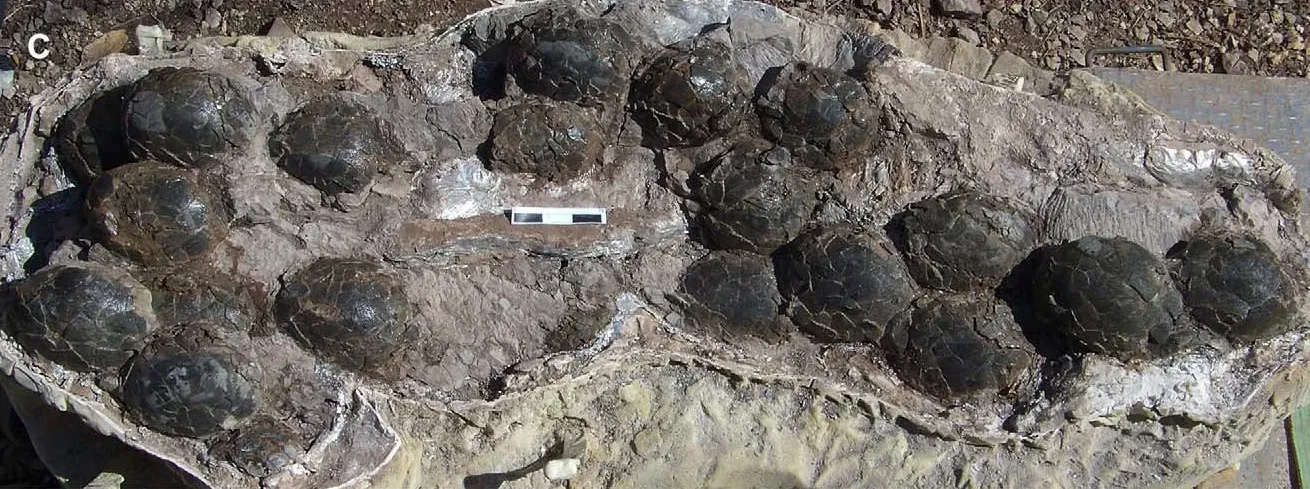
Dinosaur eggs vary greatly in size and shape, but even the largest dinosaur eggs (Megaloolithus) are smaller than the largest known bird eggs, which were laid by the extinct elephant bird. It seems counterintuitive, right? Some dinosaurs weighed as much as ten elephants, yet their eggs weren’t proportionally gigantic.
The largest eggs were 1 foot (30 cm) long, 10 inches (25 cm) wide, had a volume of about half a gallon (2 liters), and may have weighed up to 15.5 pounds (7 kg). There’s actually a biological limit to egg size. Since dinosaur embryos spent months inside the eggs, the shell needed to be thin enough to let them breathe through the shell. Thicker shells would suffocate the developing babies. Meanwhile, the smallest dinosaur eggs are about 1 inch across and are from Mussaurus.
Some Dinosaur Eggs Were Blue and Green With Speckled Patterns
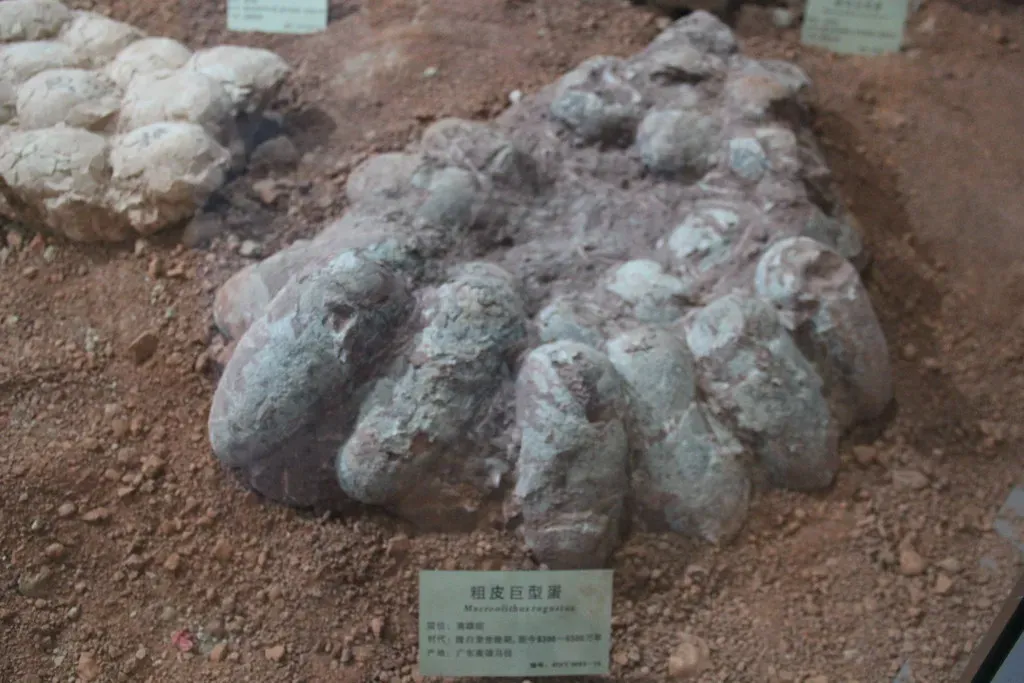
Recent discoveries about dinosaur nests offer vivid glimpses into the lives of long-dead dinosaurs from egg to parenthood, including discoveries that some dinosaurs laid colored eggs. For years, scientists could only speculate about egg color since pigments rarely fossilize. The appearance of colored eggs coincides with the evolution of partially open nests, and may have been driven by new selective pressures, as brown speckled eggs, for example, may have been better camouflaged from predators when the parents left the nest to feed.
The Velociraptor laid blue-green eggs, while other species like the troodontids had a wider variety of blue-green, white, and beige-colored eggs, and on top of this background color were some dark speckling patterns scientists believe were there to help hide the eggs from the hungry eyes of other dinosaurs. Color served a purpose, just like it does for modern birds. Honestly, it’s wild to imagine a Cretaceous forest floor dotted with vibrant turquoise eggs waiting to hatch.
Baby Yingliang Curled Up Like a Modern Bird Embryo
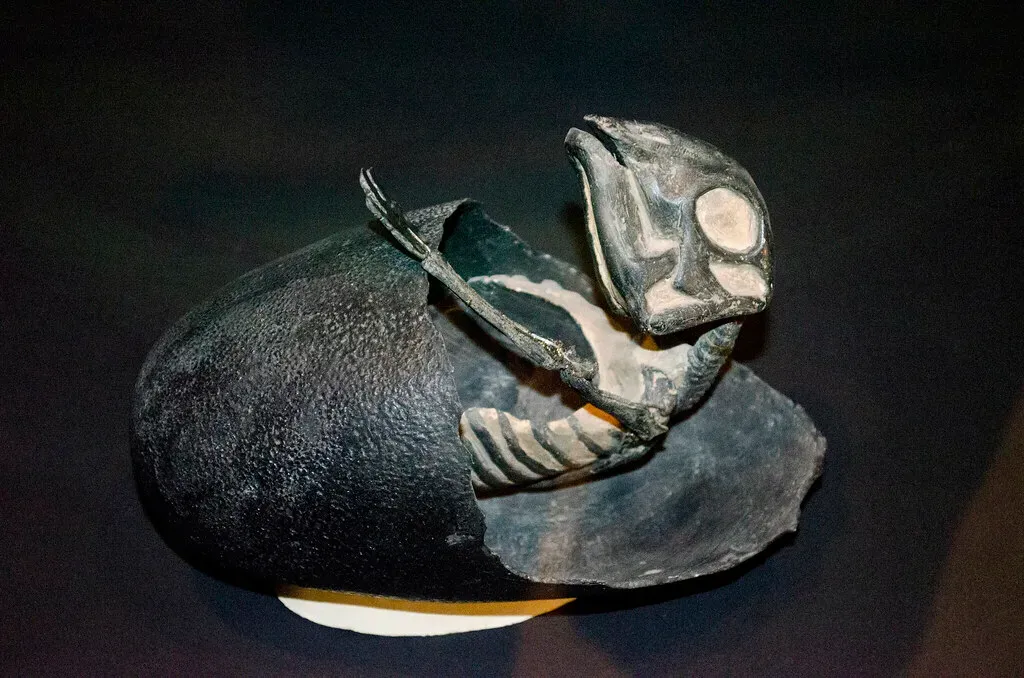
A 72 to 66-million-year-old embryo found inside a fossilised dinosaur egg, dubbed ‘Baby Yingliang’, was discovered in the Late Cretaceous rocks of Ganzhou, southern China and belongs to a toothless theropod dinosaur, or oviraptorosaur, and is among the most complete dinosaur embryos ever found. What made this discovery truly remarkable was the embryo’s position.
Scientists found the posture of ‘Baby Yingliang’ unique among known dinosaur embryos, with its head lying below the body, with the feet on either side and the back curled along the blunt end of the egg, previously unrecognised in dinosaurs, but similar to that of modern bird embryos, related to ‘tucking’ which is a behaviour controlled by the central nervous system and critical for hatching success. Birds that fail to tuck properly often die inside the egg. By comparing ‘Baby Yingliang’ with the embryos of other theropods, long-necked sauropod dinosaurs and birds, the team proposed that tucking behaviour, which was considered unique to birds, first evolved in theropod dinosaurs many tens or hundreds of millions of years ago.
Female Dinosaurs Could Lay Up to 20 Eggs at Once
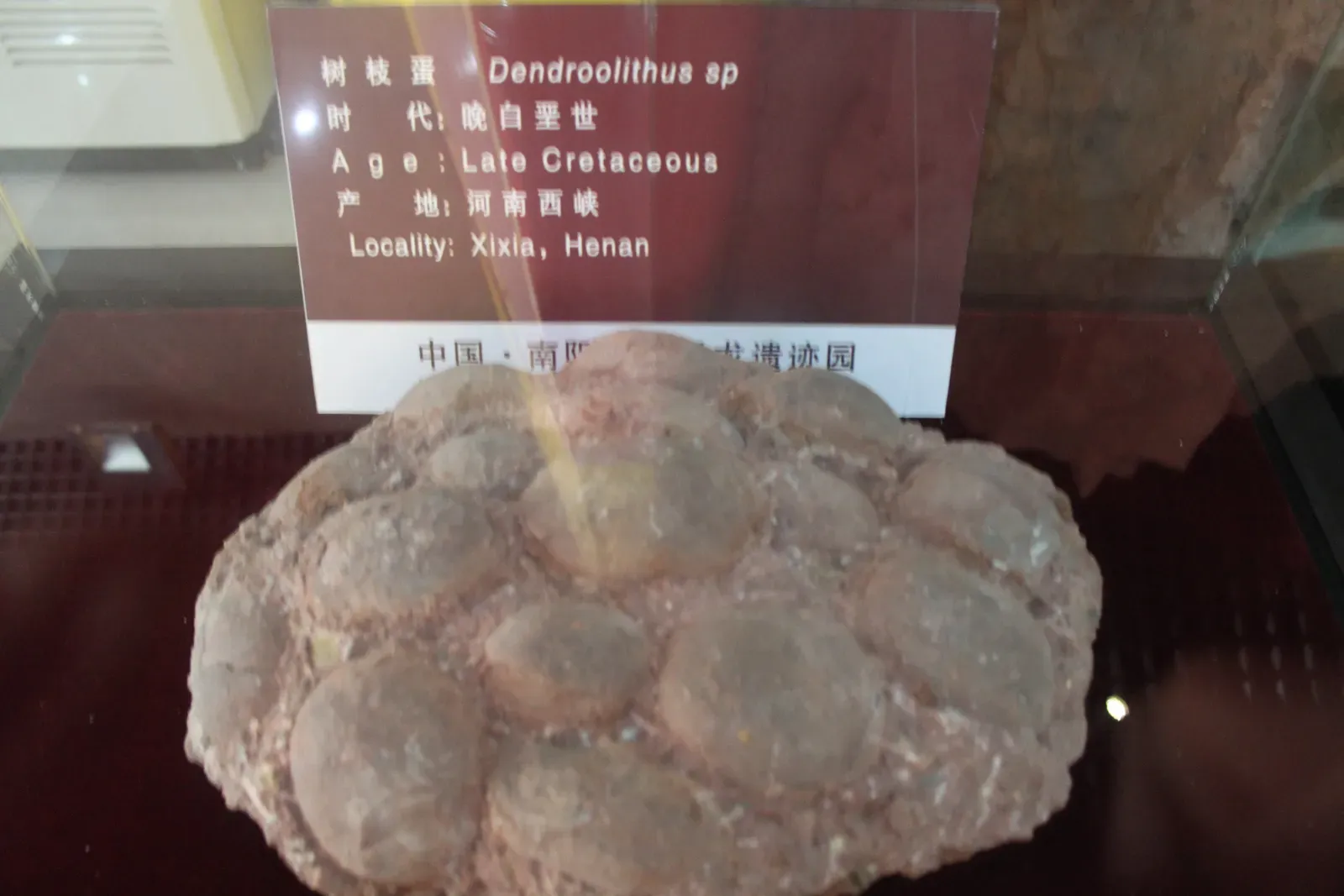
According to scientists, female dinosaurs laid up to 20 eggs at a time because many dinosaur hatchlings did not survive, as predators would eat dinosaur eggs given half a chance. It’s a brutal numbers game that nature forced upon these ancient reptiles.
Most of the dinosaur hatchlings didn’t survive, as many eggs were eaten by predators before they even hatched, and when the dinosaur eggs did hatch, predators often ate the hatchlings before they had a chance to grow, so because of this, dinosaurs laid many eggs to try to make sure that at least a few of them lived to become adults. When you combine months-long incubation with high predation rates, you start to understand why reproductive success was such a challenge. With so many nests in close proximity, it would have been hard for the massive reptiles to access the site to incubate eggs or feed hatchlings.
Long Incubation Times May Have Doomed Dinosaurs
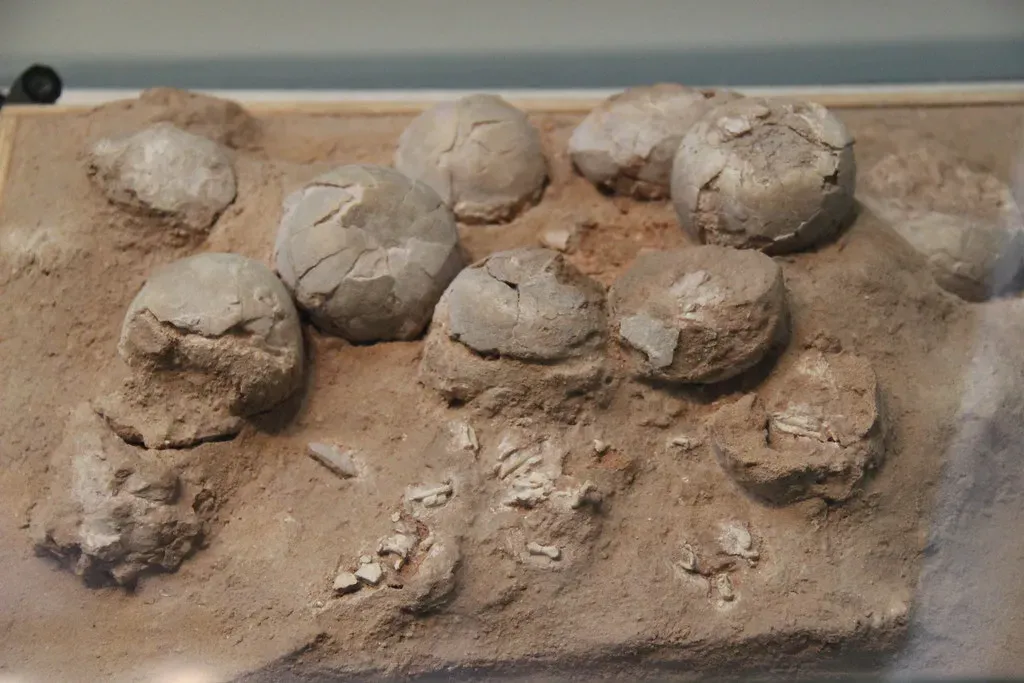
Nesting is one of the most perilous times for egg-laying animals with predators stealing eggs, floods or drought destroying them, and the parents suffering from hunger or exposure to predators as they guard the eggs, and longer incubation times can be a particular disadvantage in the wake of a cataclysmic event such as the asteroid that struck Earth at the end of the Cretaceous period 66 million years ago. I find this connection fascinating because it links reproduction directly to extinction.
Paleontologists believe that increased vulnerability contributed to the disappearance of dinosaurs post-mass-extinction as faster-growing animals were able to prosper more. After the asteroid impact, resources became scarce and conditions changed rapidly. Animals that could reproduce quickly had a massive advantage. Compared with animals with faster incubation times, dinosaurs’ long incubation periods would have put dinosaurs at a distinct disadvantage following the asteroid impact, as researchers suspect findings have implications for understanding why dinosaurs went extinct whereas amphibians, birds, mammals and other reptiles made it through and prospered.
Identifying Who Laid Which Eggs Is Nearly Impossible
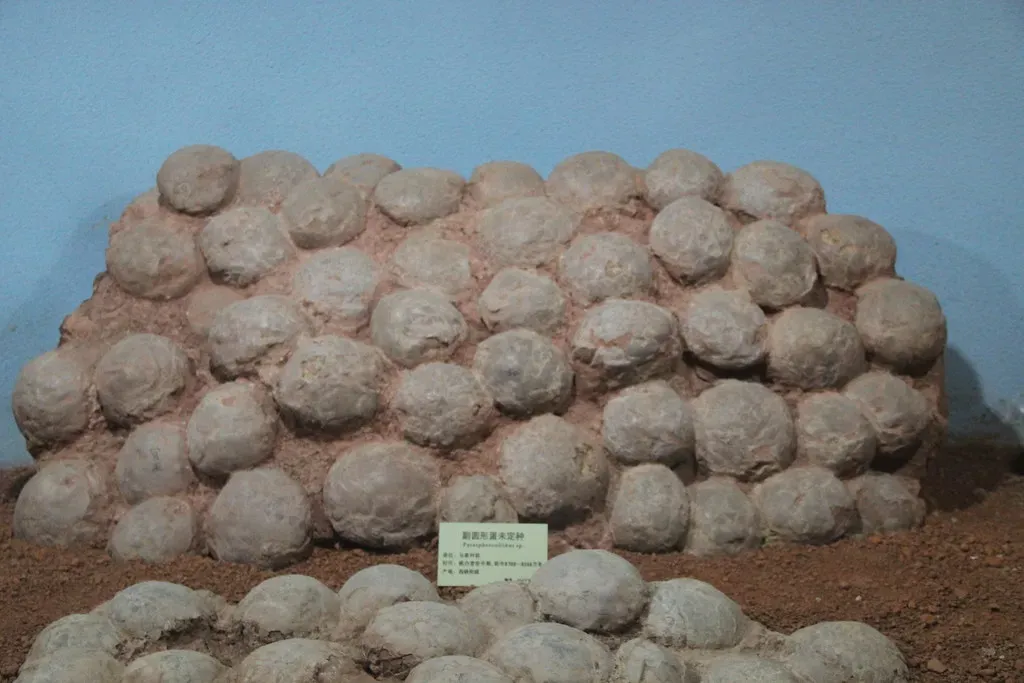
It is very difficult to determine what species of dinosaur laid the eggs that have been discovered, because only a few dinosaur embryos have been found inside the fossil eggs. Paleontologists face a genuine mystery with most egg discoveries. You might find a beautiful fossilized clutch, perfectly preserved, and still have no idea which dinosaur created it.
The most exact determination comes from studying embryos or hatchlings found in nests or by finding adult skeletons in nests with eggs, and both of these instances are relatively rare, while broad groups of dinosaurs can be identified by the macro characteristics of eggs like size, shape, thickness, and texture, and the microscopic structure of the eggshell. Paleontologists presumed that the fossil eggs at Flaming Cliffs were laid by Protoceratops because it was the most common dinosaur at the locality where the eggs were found, however in the 1990s Museum expeditions discovered identical eggs, one of which contained the embryo of an Oviraptor-like dinosaur, which changed scientists’ view of which dinosaur laid these eggs. Scientists got it wrong for nearly seventy years, which shows just how tricky this field of study can be.
Conclusion
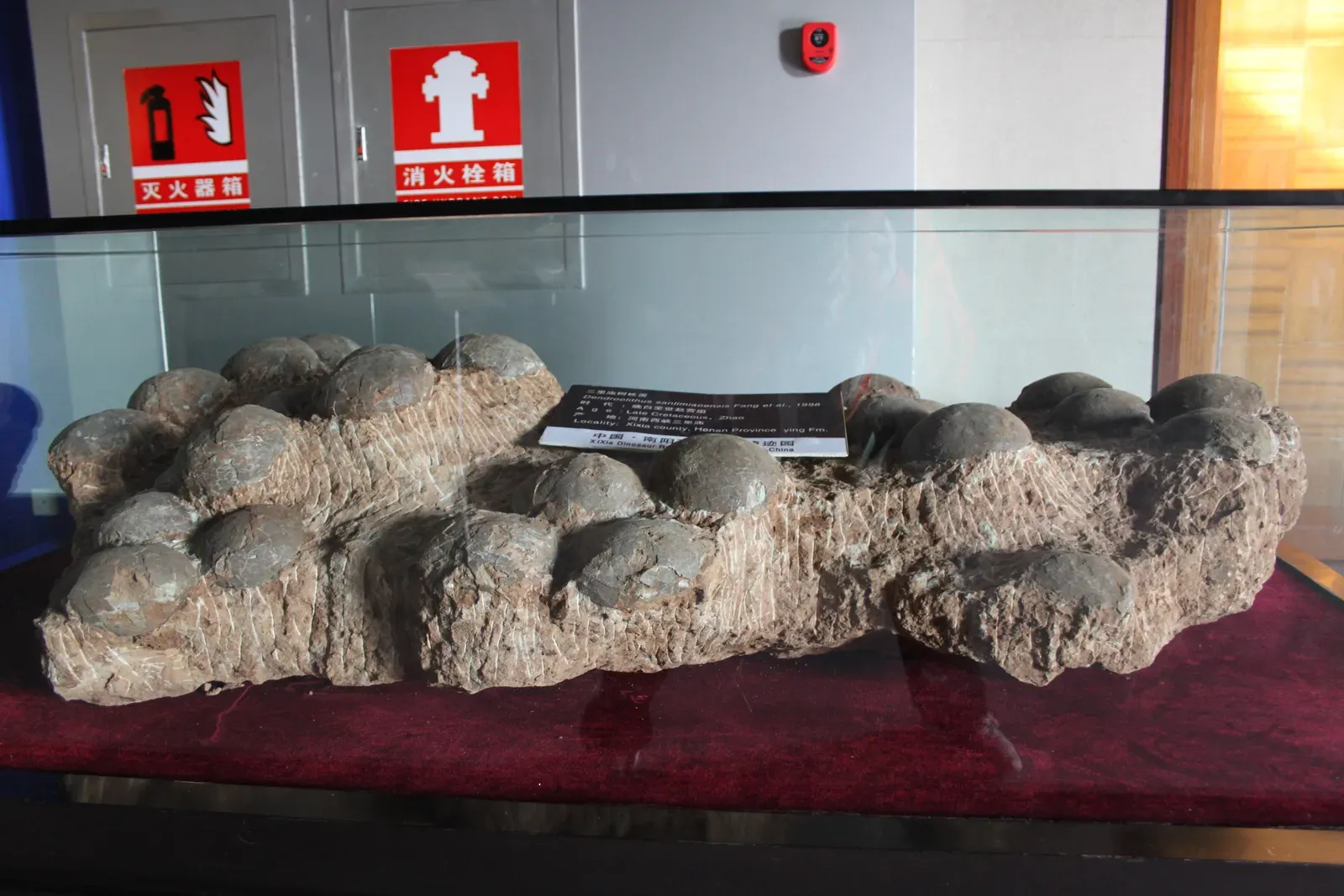
The story of reveals a side of these prehistoric giants we rarely consider. Their babies developed slowly in beautifully colored shells, curled like modern birds yet taking months to emerge. Some laid leathery eggs in the sand while others carefully arranged hard-shelled clutches in protective nests. Parents faced an agonizing waiting game, guarding their vulnerable offspring for half a year or more while predators lurked nearby. These discoveries reshape our understanding of dinosaur life and even help explain their ultimate fate.
Every fossil egg represents a tiny window into an ancient world, preserving moments frozen in time. What other secrets might still be buried beneath our feet, waiting for the right scientist to brush away the sediment? Did any of these facts surprise you as much as they surprised the researchers who discovered them?