
You’ve probably grown up picturing dinosaurs as lumbering, scaly reptiles roaming swampy landscapes. Think about those classic museum displays or old textbooks. Maybe you imagined a grey, lizard-like T. rex with its tiny arms or a Triceratops with rough, bumpy skin.
Here’s the thing though. Scientists have just unearthed a treasure trove of fossils that are completely flipping that image on its head. We’re talking about discoveries so groundbreaking that they’re forcing us to rewrite textbooks, rethink family trees, and even question what we thought was settled science. The past year alone has given us feathered giants, punk rock armored dinosaurs, and evidence that completely changes how we understand the transition from ancient reptiles to modern birds. So let’s dive in.
The Punk Rock Dinosaur That Rewrote Armor Evolution
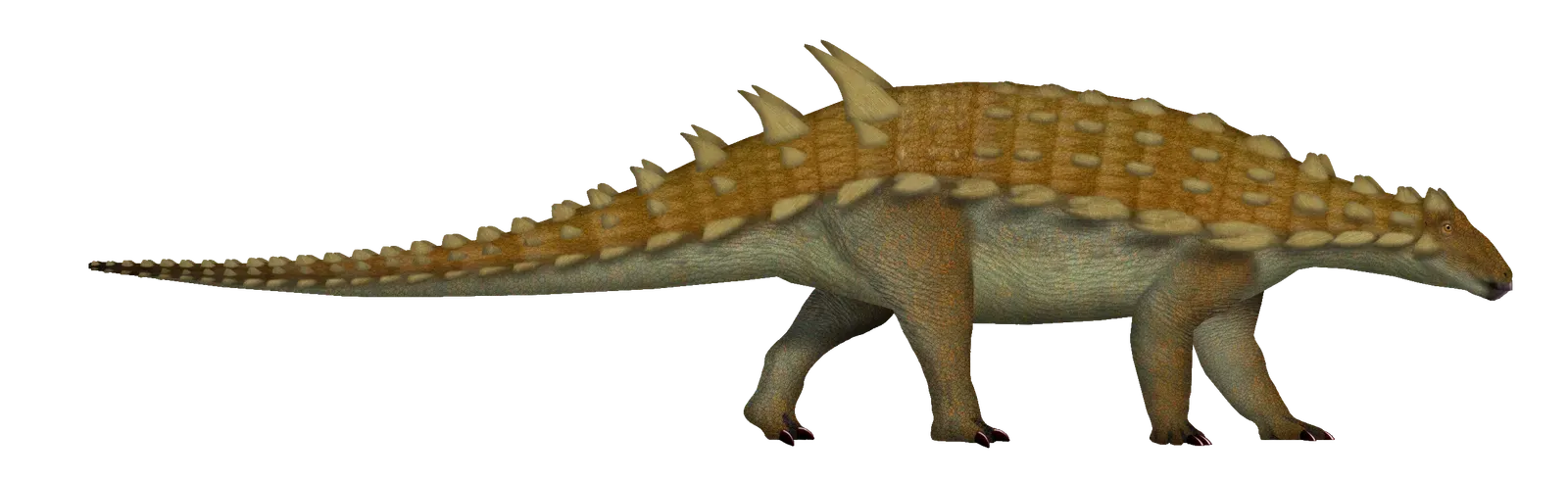
Spicomellus afer is the oldest known member of the ankylosaurs, those heavily armored plant-eaters that once roamed our planet. This bizarre creature was characterized by its armor bristling with long spines all over the body, including a bony collar around the neck with spines the length of golf clubs sticking out of it.
Discovered in Morocco and described more fully during 2025, this specimen is honestly like nothing paleontologists had ever seen before. Dubbed the punk rock dinosaur by the BBC, Spicomellus is changing our understanding of ankylosaur evolution and showing us that defensive adaptations appeared way earlier than anyone expected. The sheer audacity of those spikes suggests these creatures weren’t just passively defending themselves but were making bold evolutionary statements.
Nanotyrannus Returns From Scientific Obscurity
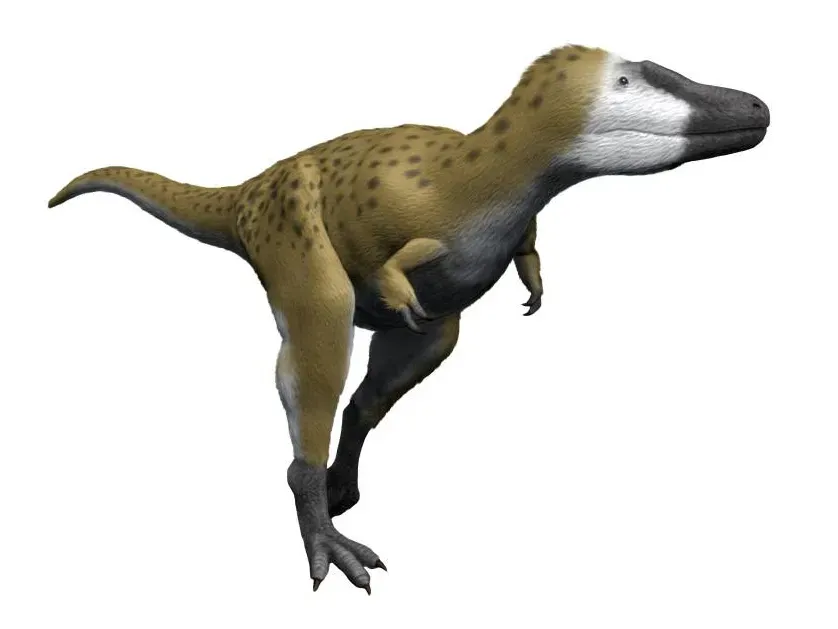
Let’s be real, this one’s been brewing for decades. Since the predatory creature was first named in 1988, paleontologists have argued over whether medium-sized tyrannosaur fossils found in the same rocks as the iconic Tyrannosaurus rex were juvenile T. rex or a unique and distinct predator, Nanotyrannus.
The growth record preserved in the microstructure of the bone shows that it’s an adult, and the discovery has triggered a rethink of many other fossils previously identified as teenage T. rex remains. While similar in appearance, the two dinosaur species would have been very different: Nanotyrannus was 18 feet long, agile and built for speed, with long legs and strong arms to grasp prey, while 42-foot-long T. rex had stocky legs and used its devastating bite to devour huge, slow-moving dinos. So yeah, all those studies mixing data from both species? Time for a do-over.
Feathered Dinosaurs Challenge Our Visual Imagination
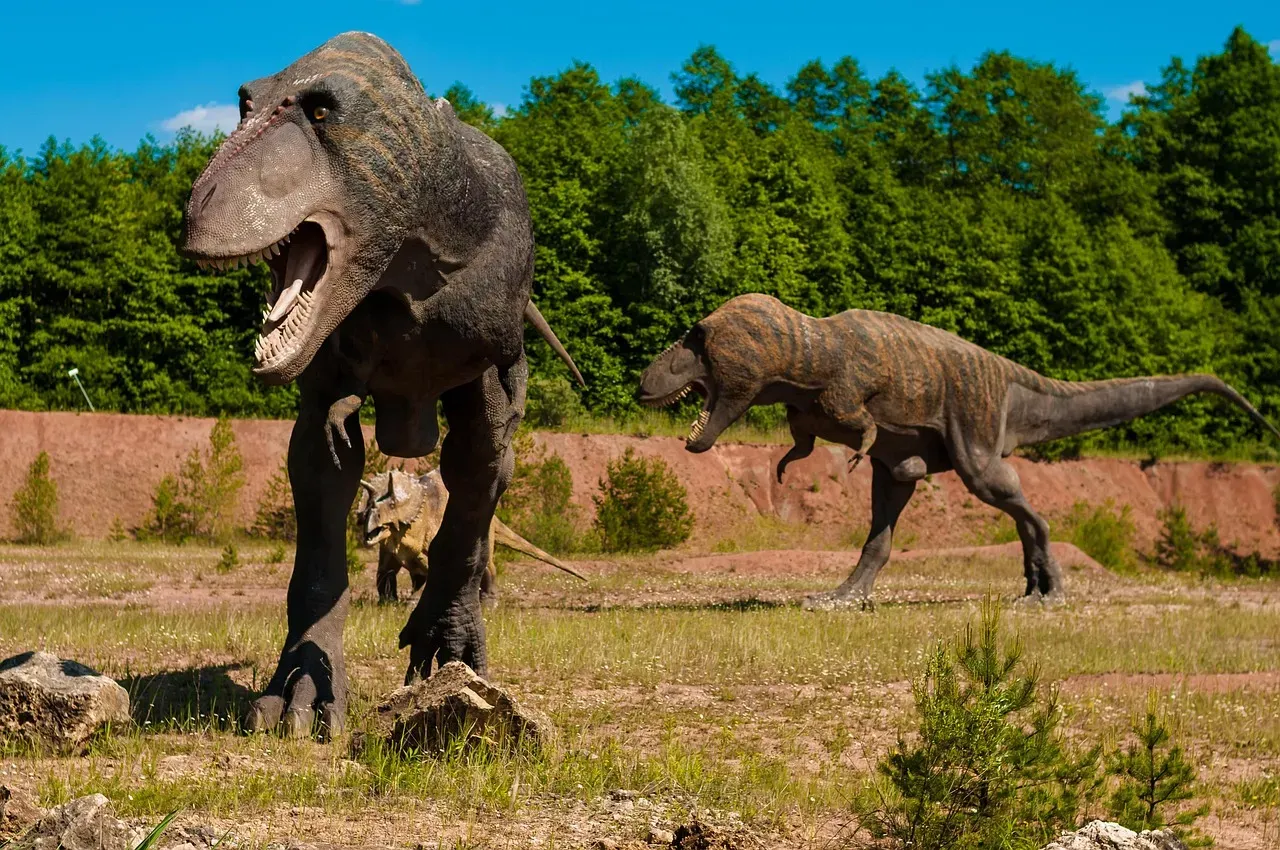
Imagine a massive tyrannosaur covered not in scales but in fluffy feathers. Sounds crazy, right? Yet that’s exactly what recent fossil evidence is telling us. The largest known feathered dinosaur, a 23-foot-long tyrannosaur that lived 125 million years ago known as Yutyrannus huali, changes the popular image of its most iconic relative, and one can infer from it that the Tyrannosaurus rex must also have had feathers.
Among the additions were two feathered dinosaurs, Sinosauropteryx lingyuanensis and Huadanosaurus sinensis, feathered theropods that lived about 125 million years ago in northeastern China, and one fossil preserved two mammal skeletons inside the abdomen, showing the predator swallowed its prey before burial. These stunning finds aren’t just adding details to our picture of dinosaurs. They’re fundamentally changing how we visualize an entire era of life on Earth.
The Dome-Headed Mystery That Pushed Back Evolution
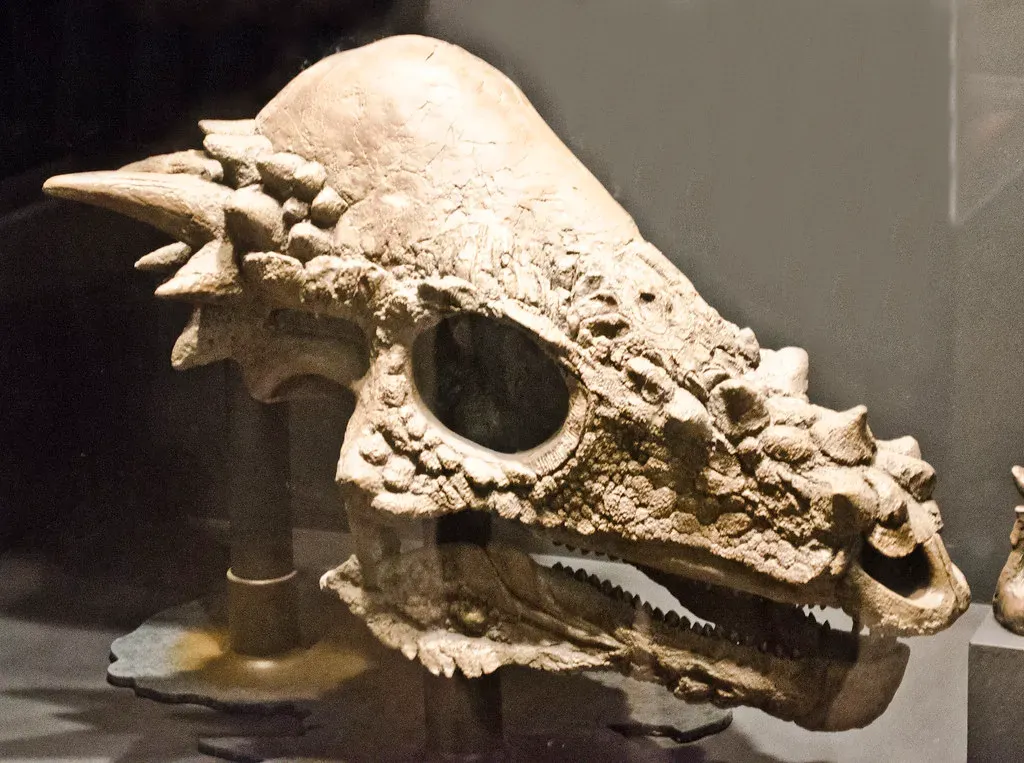
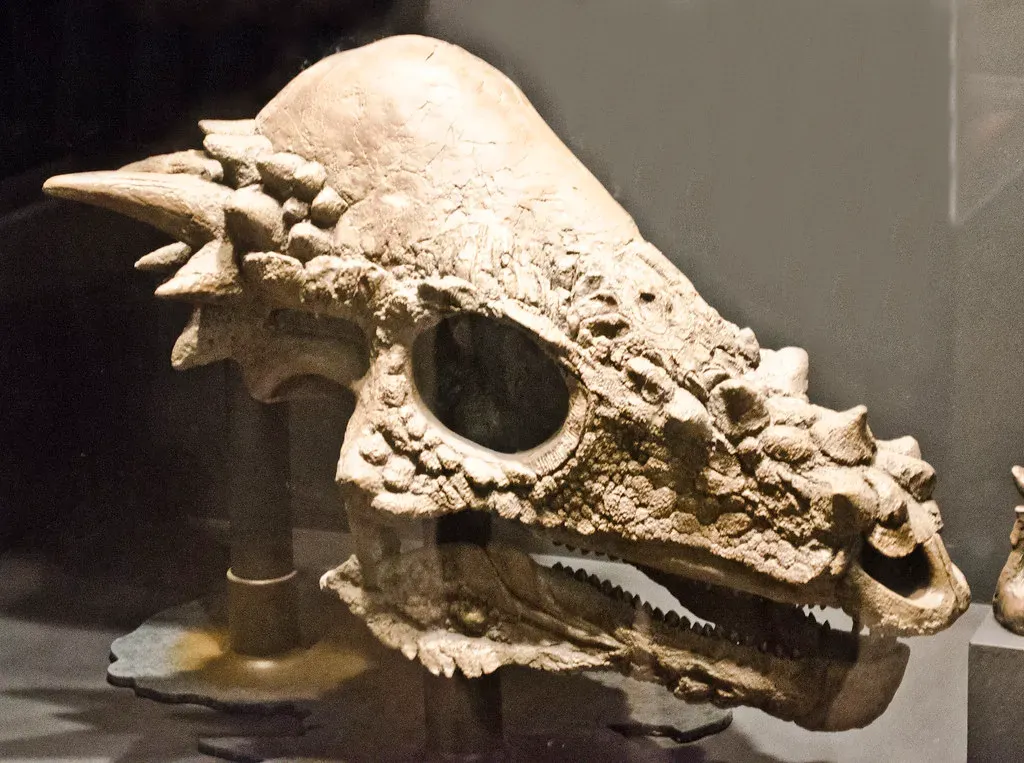
The more docile Zavacephale rinpoche, a member of the pachycephalosaur group, was remarkable because until last year, the oldest specimen ever found was from 95 million years ago, but this new one is 108 million years old, and that changes our understanding of their evolution. That’s a gap of more than ten million years, which is absolutely massive in evolutionary terms.
Zavacephale is the oldest known member of the pachycephalosaurs, a group of dinosaurs famed for their domed skulls, probably used to butt heads like today’s bighorn sheep, and pachycephalosaurs have long been one of the most enigmatic dinosaur groups, and the discovery of Zavacephale is critical to understanding their early evolution. Think about it. This single fossil just rewrote roughly ten million years of evolutionary history.
Colorful Sauropods Break the Grey Stereotype
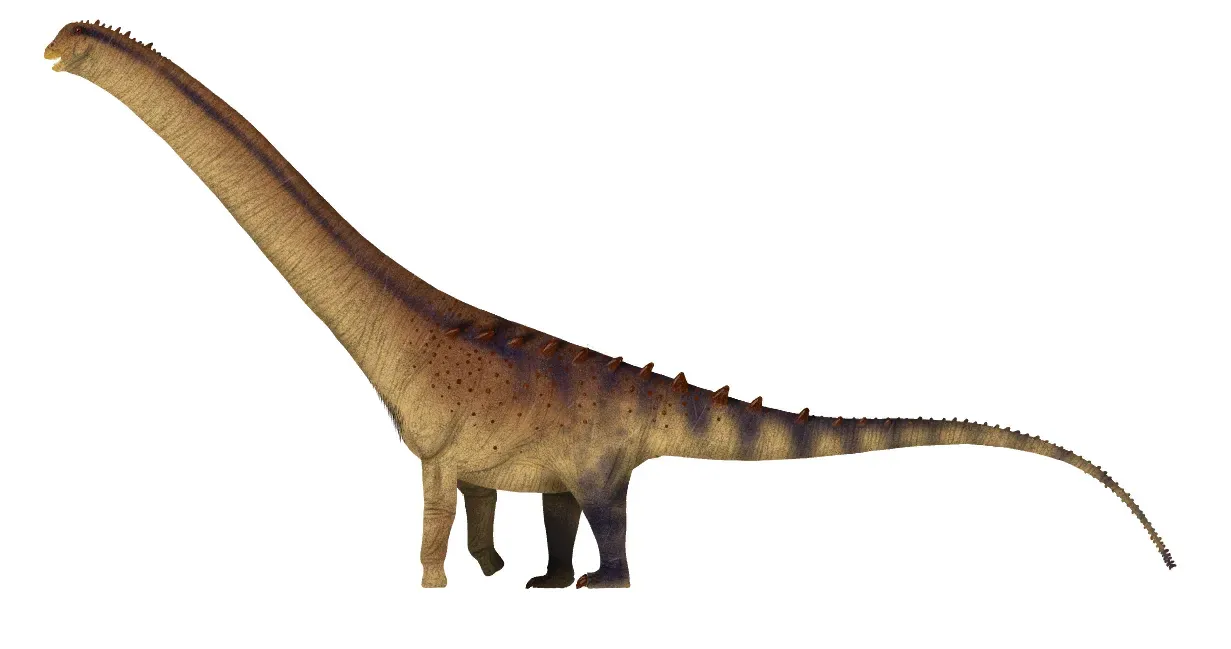
For decades, we’ve assumed that giant sauropods were dull grey or brown creatures. Turns out, we might have been completely wrong about that too. Microscopic clues found in fossil Diplodocus skin indicate these dinosaurs were colorful, as paleontologists uncovered fossils of sauropod skin so delicately preserved that they include impressions of pigment-carrying structures called melanosomes.
While the team was reluctant to reconstruct the juvenile Diplodocus in full color, the researchers detected that the dinosaur would have had conspicuous patterns across its scales, and the finding suggests sauropod dinosaurs were not uniformly gray or brown, but had complex color patterns like other dinosaurs, birds and reptiles. Honestly, it’s hard to say for sure exactly what shades they displayed, but the evidence screams variety and vibrancy.
The Oldest Laurasian Dinosaur Challenges Geographic Origins
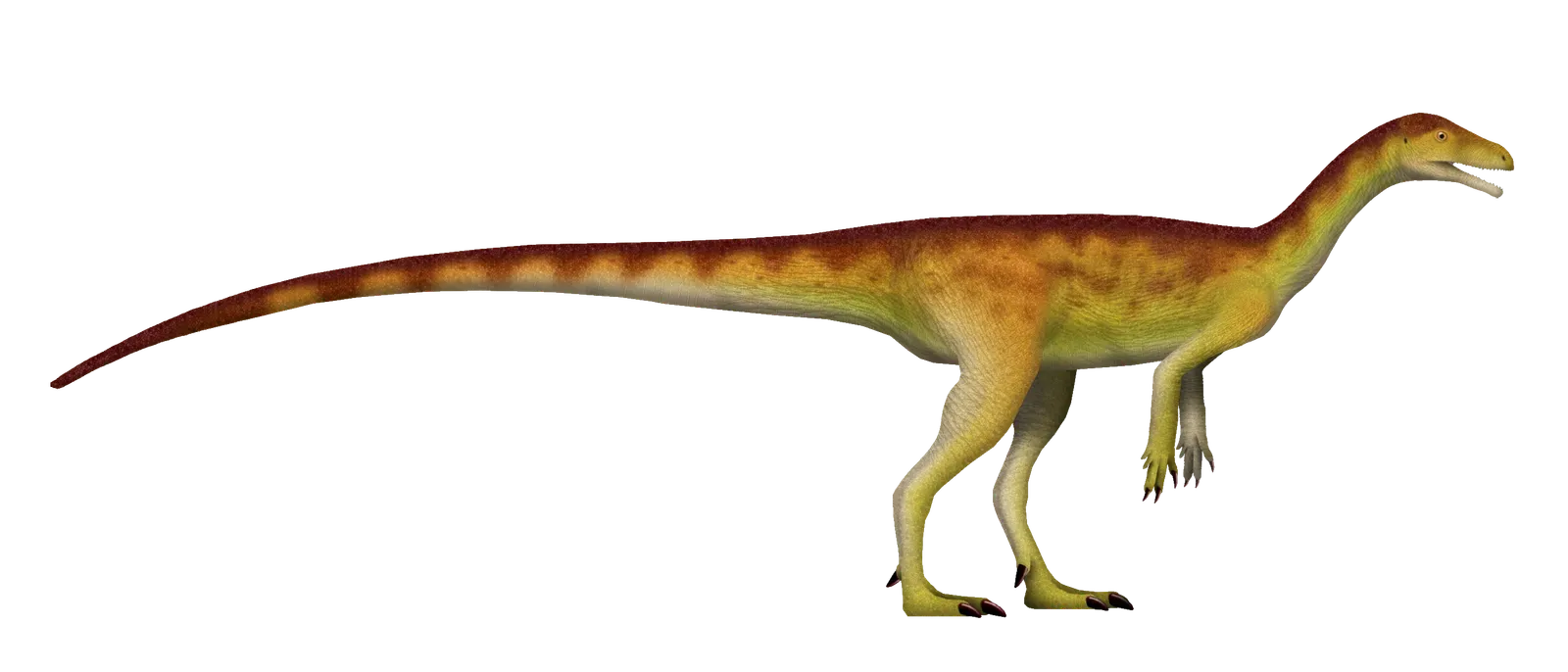
Until now, the origin of dinosaurs was thought to be deeply rooted in the high-latitude southern hemisphere (supercontinent Gondwana), and Gondwanan dinosaur faunas and the oldest known dinosaur occurrence in the northern hemisphere (supercontinent Laurasia) were separated by 6 to 10 million years, however, the newly-described Laurasian species lived at the same time as the oldest known southern dinosaurs.
Named Ahvaytum bahndooiveche, this sauropodomorph is the oldest known Laurasian dinosaur, and the presence of a 230-million-year-old, low-latitude, early sauropodomorph from the northern hemisphere, along with a silesaurid, challenges the hypothesis of a delayed dinosaurian dispersal out of high-latitude Gondwana. This discovery fundamentally shifts how you should think about where and when dinosaurs first spread across the planet.
Rethinking Tyrannosaur Lifespan and Growth Patterns
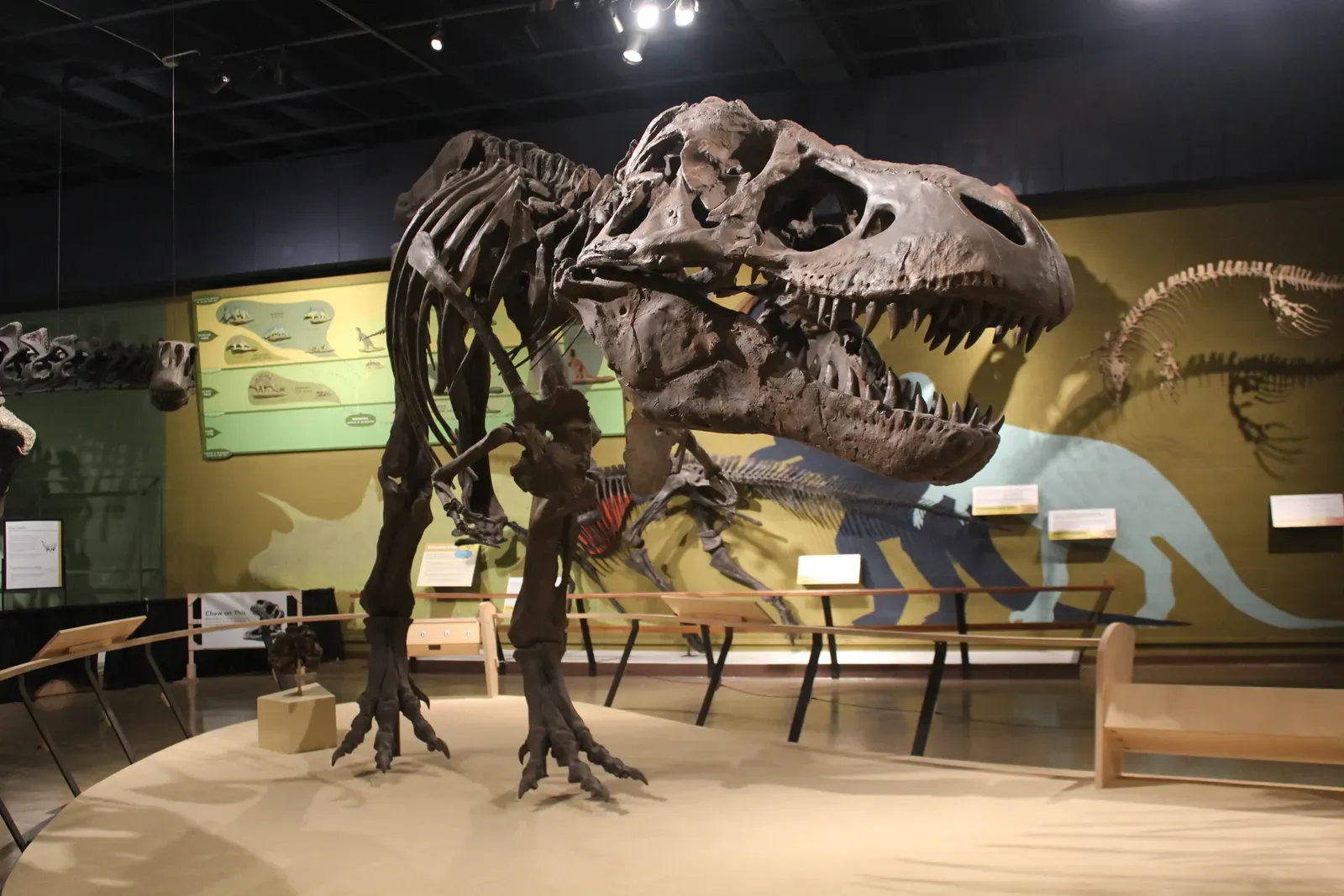
Remember when we thought T. rex lived fast and died young around age 30? Scratch that. Previous estimates put T. rex’s lifespan at about 30 years, and the dinosaurs were thought to have reached their full size around age 20 to 25, but the new research indicates that bones from 17 specimens show these hulking predators actually stopped growing sometime between 35 and 40 years old and typically reached at least 8.8 tons.
The clues lay hidden in T. rex leg bones all along: while some growth rings are plainly visible, others only reveal themselves in cross-polarized light, and past research overlooked these fainter rings. What does this mean for you? It means these apex predators lived longer, grew slower, and were even more formidable than we imagined.
Dinosaurs Were Thriving Right Until the Asteroid Hit
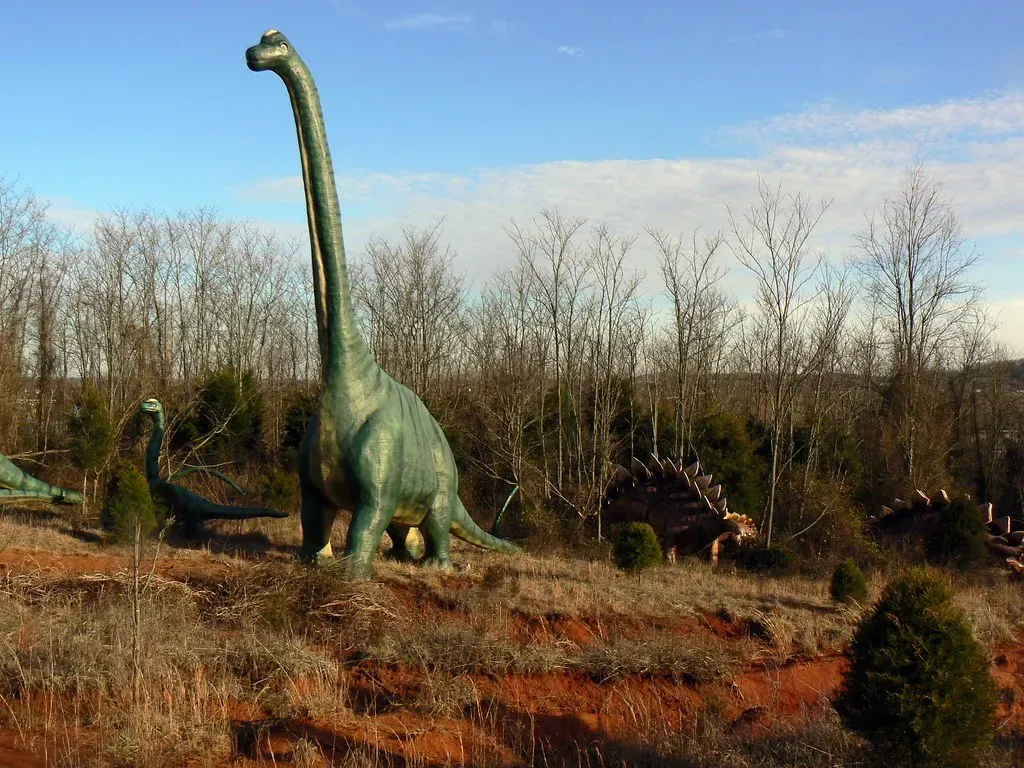
You might have heard that dinosaurs were already declining when that asteroid smashed into Earth roughly 66 million years ago. New research is challenging that narrative hard. New research challenges the idea that dinosaurs were declining before an asteroid strike wiped them out 66 million years ago, and the analysis adds to a growing body of evidence that the dinosaurs were doing fine before the asteroid’s deadly impact, as the study found dinosaur habitat areas remained stable and the risk of extinction stayed low.
Dinosaurs were probably not inevitably doomed to extinction at the end of the Mesozoic, and if it weren’t for that asteroid, they might still share this planet with mammals, lizards, and their surviving descendants: birds, as it was not the final blow to an already dying group but the abrupt end to a thriving and diverse reign. That’s a sobering thought when you consider how different our world might have looked.
Conclusion
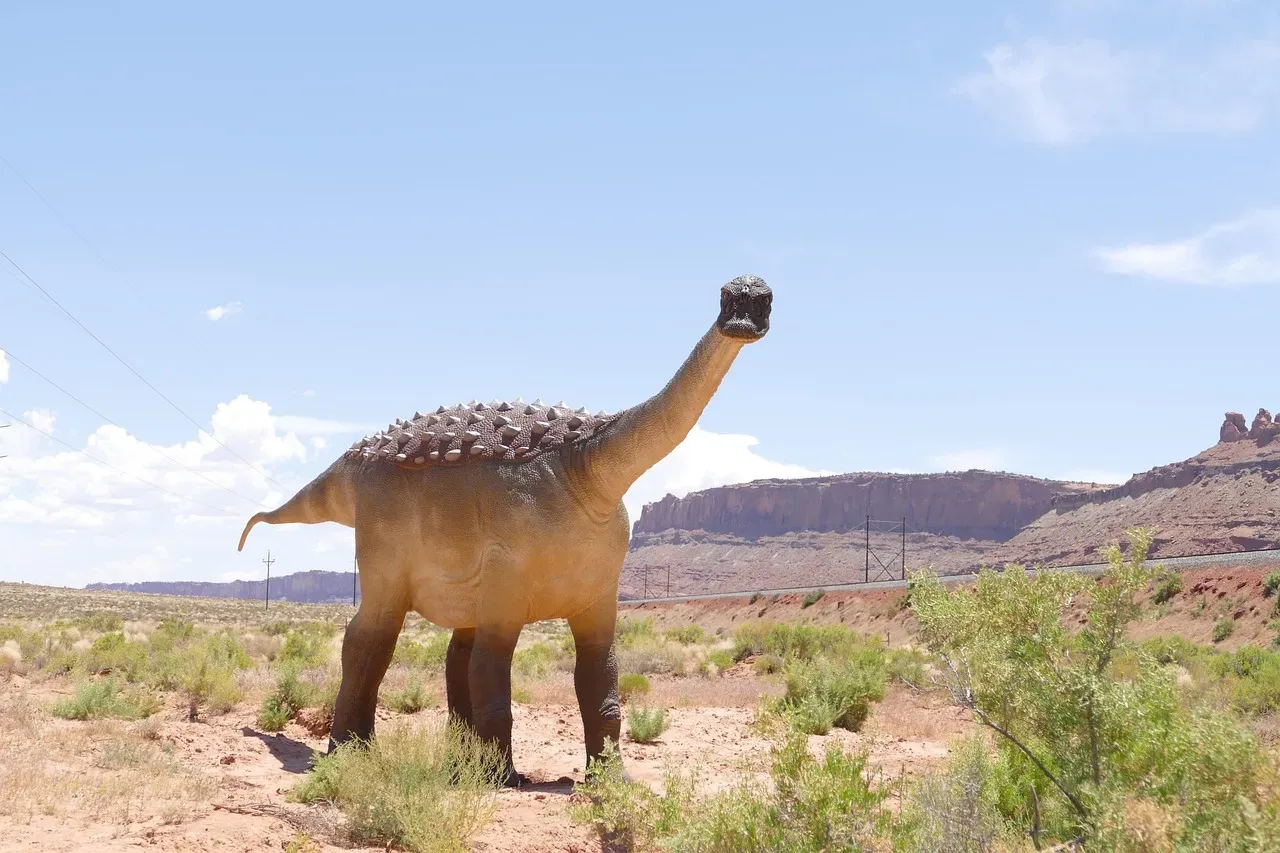
These discoveries aren’t just filling in blank spaces on a timeline. They’re fundamentally reshaping the entire narrative of dinosaur evolution, appearance, behavior, and extinction. From feathered tyrannosaurs that defy our movie-inspired images to colorful sauropods that shatter the grey reptile stereotype, every new fossil challenges us to imagine these creatures in completely new ways.
The science is far from settled. For 140 million years of the Mesozoic period, pretty much every animal larger than a meter in size that lived on land was a dinosaur, occupying pretty much every ecological niche, and we’ve probably found less than 1% of all the dinosaurs that ever lived, and there’s many, many, many more to find. What will the next discovery reveal? Maybe you’ll hear about it sooner than you think.