
When you think of prehistoric danger, your mind probably goes straight to massive reptiles with razor teeth and bone-crushing jaws. It makes sense, really. Those towering beasts commanded attention. Yet while tyrannosaurs and velociraptors hunted in terrifying packs, a quieter, greener threat lurked all around them. The plants of the Mesozoic Era weren’t just passive scenery waiting to be chomped on. They were developing their own arsenal of survival tactics that would reshape the entire planet.
Some of these botanical survivors wielded chemical weapons that could drop a dinosaur faster than you might think. Others set traps for unsuspecting prey or evolved defenses so brutal that even the largest herbivores thought twice before taking a bite. Let’s be real, if you stepped into a Cretaceous forest without knowing what to avoid, you’d be in serious trouble before you even spotted your first predator.
Toxic Flowering Plants That May Have Poisoned The Giants
Flowering plants evolved deadly toxins around 150 to 130 million years ago, filling prehistoric landscapes with more than just color. Strychnos Electri, discovered by George Poinar at Oregon State University, is an ancient flower 20 to 30 million years old and was very poisonous, as virtually all members of the plant genus Strychnos are. These attractive blooms concealed a lethal secret that herbivorous dinosaurs may not have been equipped to handle.
The Biotic Revenge Hypothesis suggests that dinosaurs started to die off even before the Chicxulub impact, possibly because plants started producing deadly toxins around the same time. Think about it: if these massive creatures couldn’t learn which plants would make them violently ill, they’d just keep eating the same toxic vegetation over and over. Large herbivorous dinosaurs ate huge quantities of plant life, including the first toxic angiosperms, which gave them great gastrointestinal distress, but because they hadn’t figured out taste aversion, they continued to eat the toxic plants.
Carnivorous Plants That Trapped And Digested Their Prey
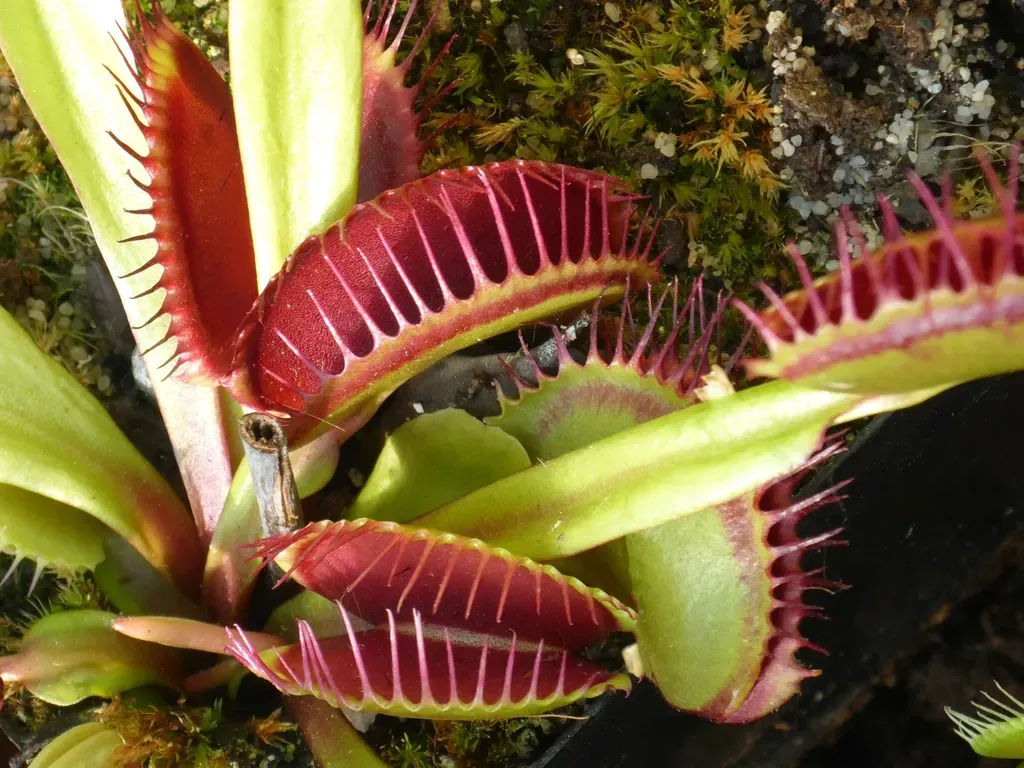
One of the only certain examples of fossil carnivorous plants comes from Eocene Baltic amber, where leaves show in exquisite detail morphology bearing a striking resemblance to the Roridula carnivorous plants found in South Africa today. These weren’t giant man-eating monsters from science fiction, but they were absolutely ruthless to insects and other small creatures that made the mistake of landing on them.
Like its modern-day relatives, this fossil plant would have trapped insects using sticky, glue-like resin and tentacles that restrict movement, after which other insects would arrive and feed on the imprisoned ones and the plant would absorb their excrement as nutrients. Here’s the thing: carnivorous plants evolved because their environments didn’t provide enough nutrients through soil alone. Carnivorous plants evolved ways to get nutrients from other sources, namely their insect prey, which allowed them to survive in tougher environments and compete less with neighboring plants.
Cycads With Poisonous Parts And Spiky Defenses
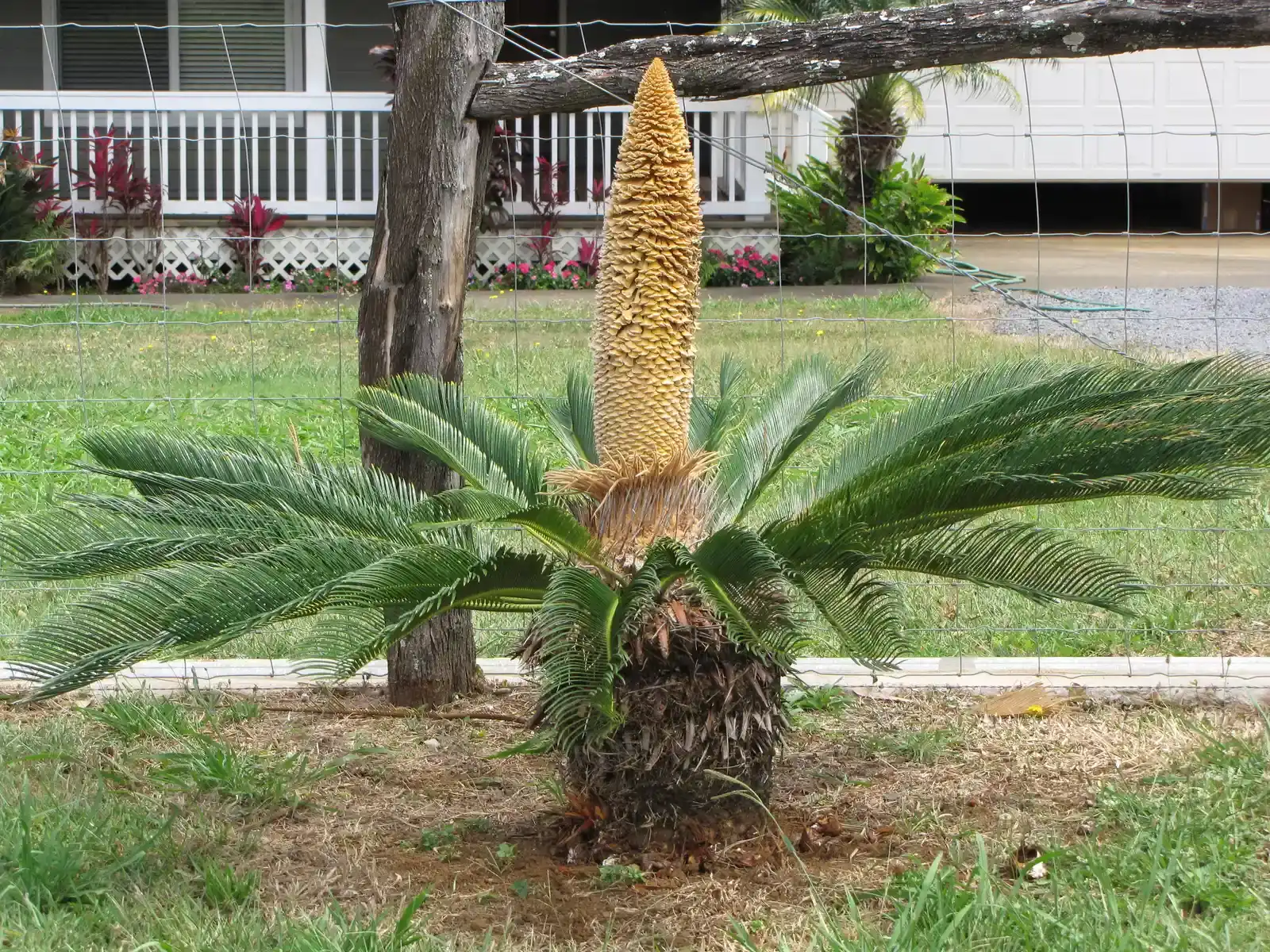
Cycads have been around for 300 million years and were a staple of the Mesozoic Era, looking like a cross between ferns and palms, but all their parts are poisonous and spikey. Imagine being a hungry dinosaur eyeing what looks like a decent meal, only to get stabbed by needle-sharp leaves and then poisoned if you actually managed to swallow any. Not exactly an appetizing combo.
These prehistoric survivors knew how to defend themselves on multiple fronts. Once a favored food of grazing dinosaurs, cycads helped sustain these and other prehistoric animals during the Mesozoic Era by being plentiful in the forest understory. Still, their toxic nature meant that eating them came with serious risks. The fact that cycads are still around today, while most of their dinosaur grazers aren’t, tells you something about who really won that evolutionary arms race.
Ancient Ginkgo And Other Plants With Deadly Toxins
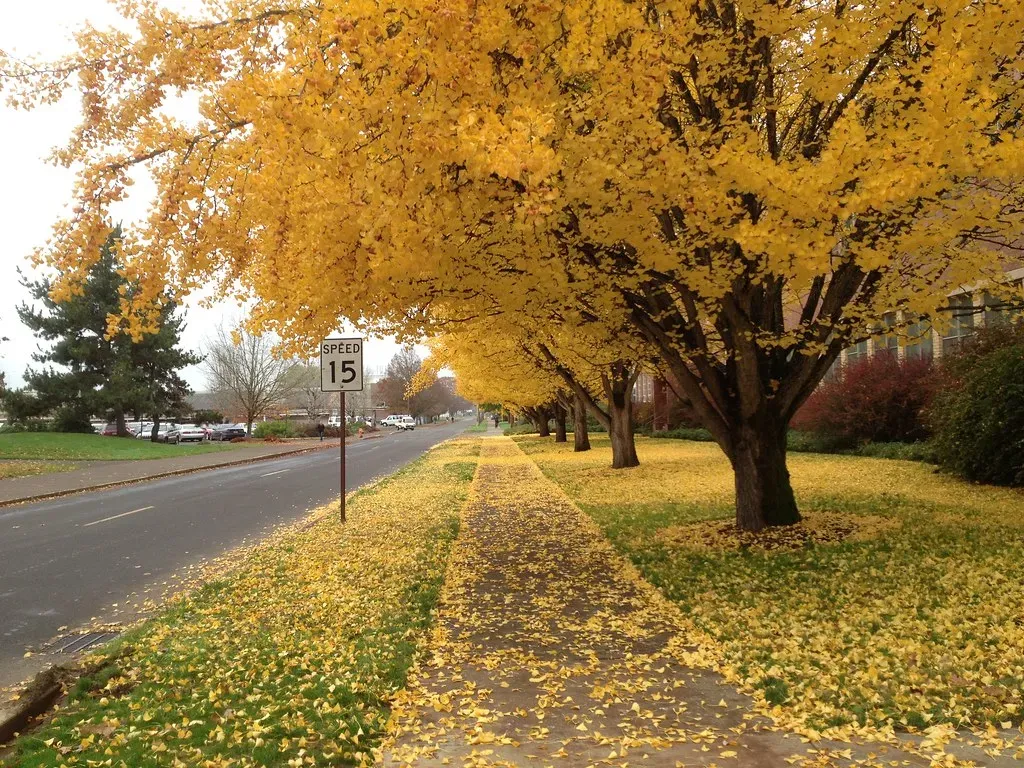
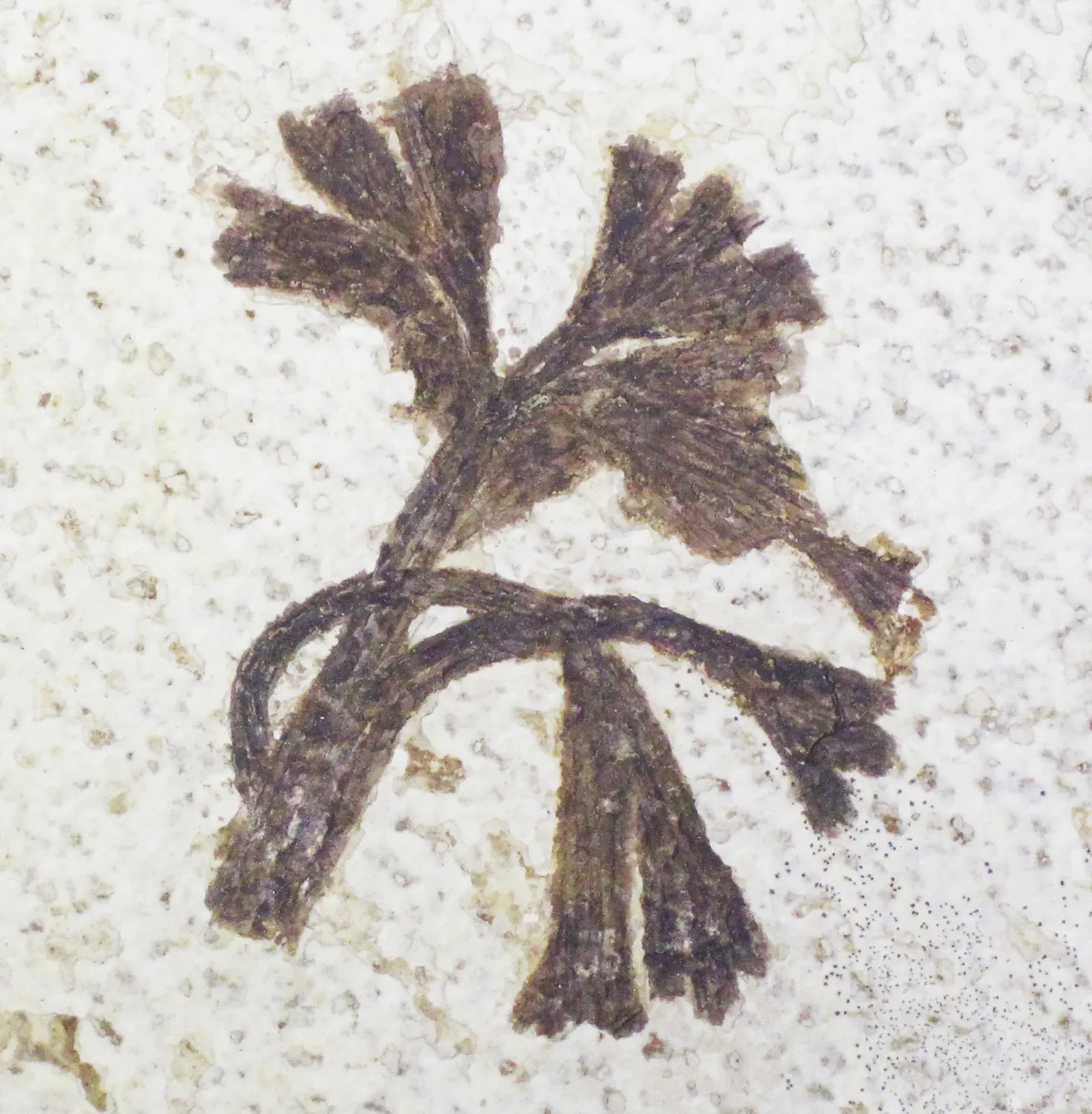
Ancestors of ginkgo plants were around 270 million years ago, even before the dinosaurs ruled the earth, and like lots of other plants, this one is very, very poisonous and likely to cause death if eaten. These living fossils weren’t just hanging around looking pretty with their fan-shaped leaves. They packed a chemical punch that could take down anything foolish enough to munch on them without caution.
The toxicity wasn’t accidental or coincidental. Species of the genus Strychnos are almost all toxic in some way, with each plant having its own alkaloids with varying effects, and it may be that they were successful because their poisons offered some defense against herbivores. It’s hard to say for sure, but the timing suggests these plants were waging chemical warfare long before humans even existed. Their survival through multiple mass extinctions proves just how effective that strategy was.
Horsetails With Silica That Wore Down Dinosaur Teeth
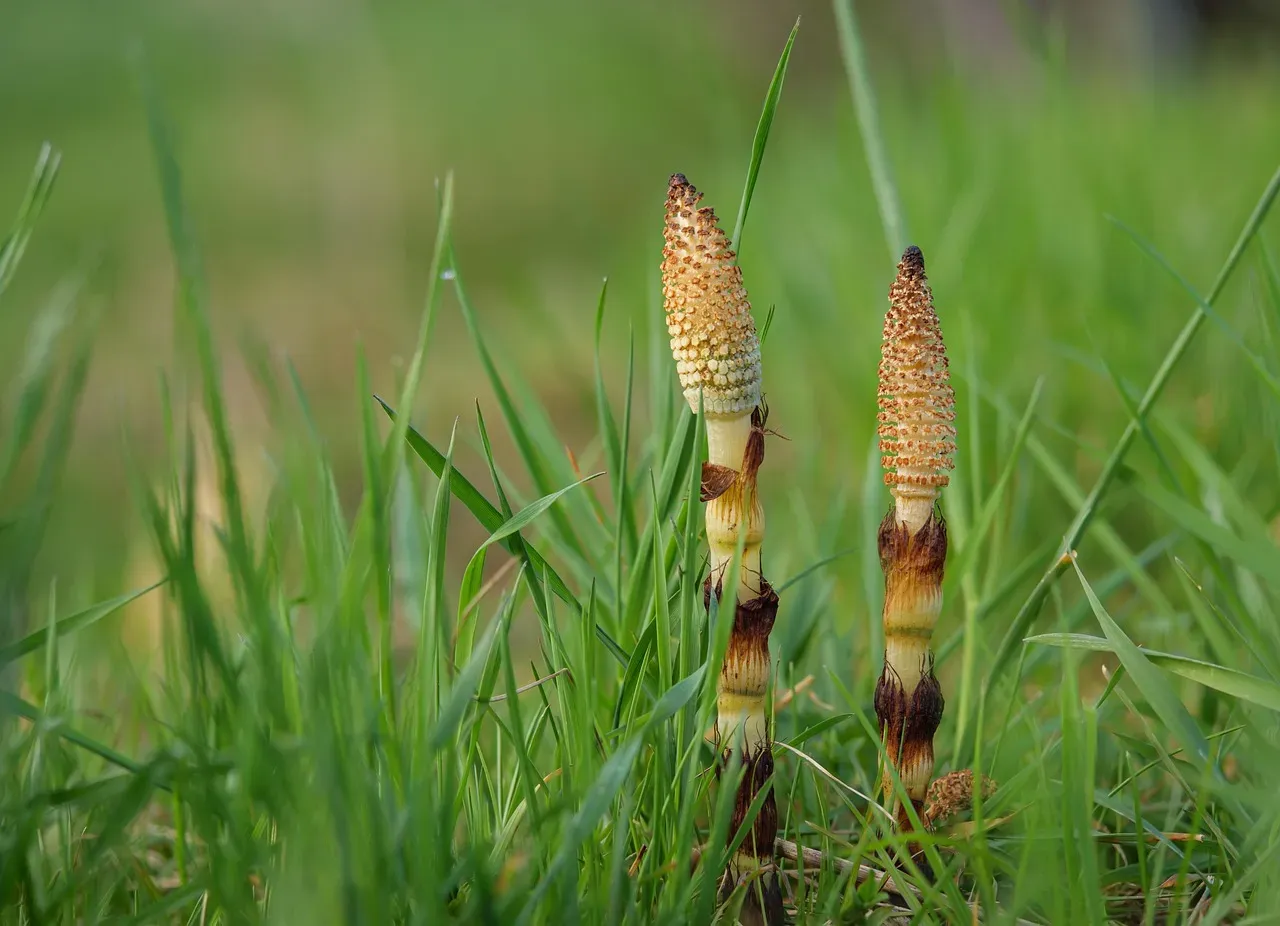
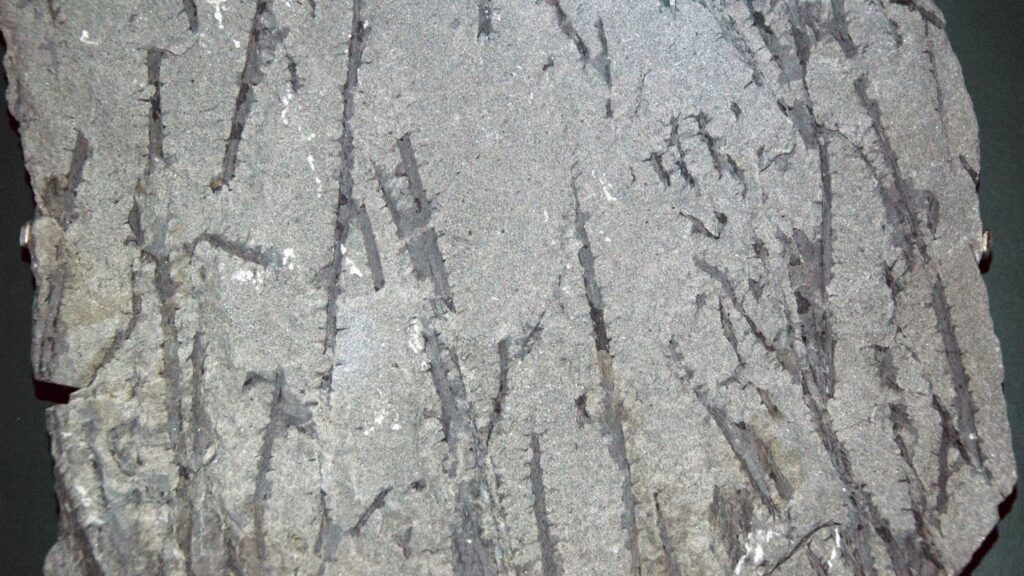
Horsetail cells contain granules of silica like sand, making the plants rough to the touch, and because horsetails would have quickly worn down the teeth of any animals that ate them, they might not have been a big part of the dinosaur diet. Think of it like trying to chew on sandpaper. Sure, you could do it, but your teeth wouldn’t thank you afterward.
These moisture-loving plants were everywhere near water sources during the dinosaur age. Local horsetails grow about three feet high, quite small compared to the 10 to 20 foot tall giant horsetails of Central and South America, but even those giants would be dwarfed by their ancient relatives from before the dinosaurs, some of which towered 100 feet over the landscape. Honestly, imagine a 100-foot-tall plant made essentially of natural sandpaper. That’s not just a meal deterrent, that’s a fortress.
Aristolochia Flowers That Trapped Pollinators And Contained Poison
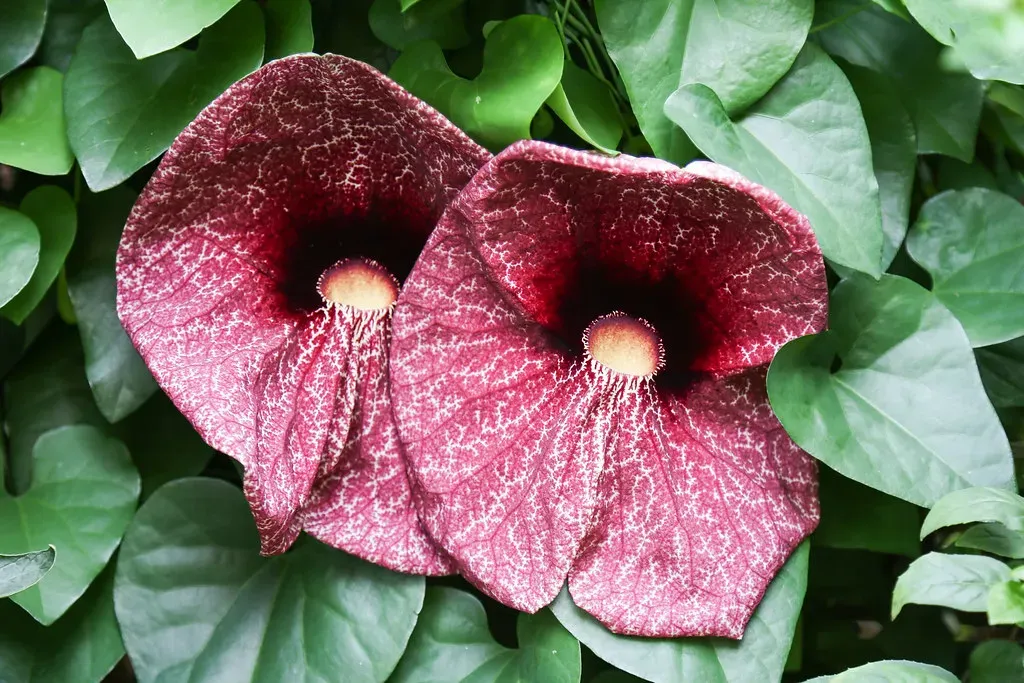
Aristolochia plants with their scrambling leaves and massive drooping flowers were around when dinosaurs roamed the earth during the Cretaceous period, with smelly flowers that attract flies, which get trapped inside and covered in pollen before the flower lets them out. The deception was brilliant: lure in your victims with scent, imprison them until they’re useful, then release them covered in your genetic material.
The real kicker? Once used as medicines in Brazil, these types of flowers are now known to be poisonous. So not only did they trap insects in their bizarre prison-flowers, but they also contained toxic compounds that made them dangerous to consume. You have to admire the dual strategy: mechanical trapping for reproduction, chemical warfare for defense. These plants weren’t taking any chances with survival.
Gunnera With Massive Spiky Leaves That Repelled Herbivores
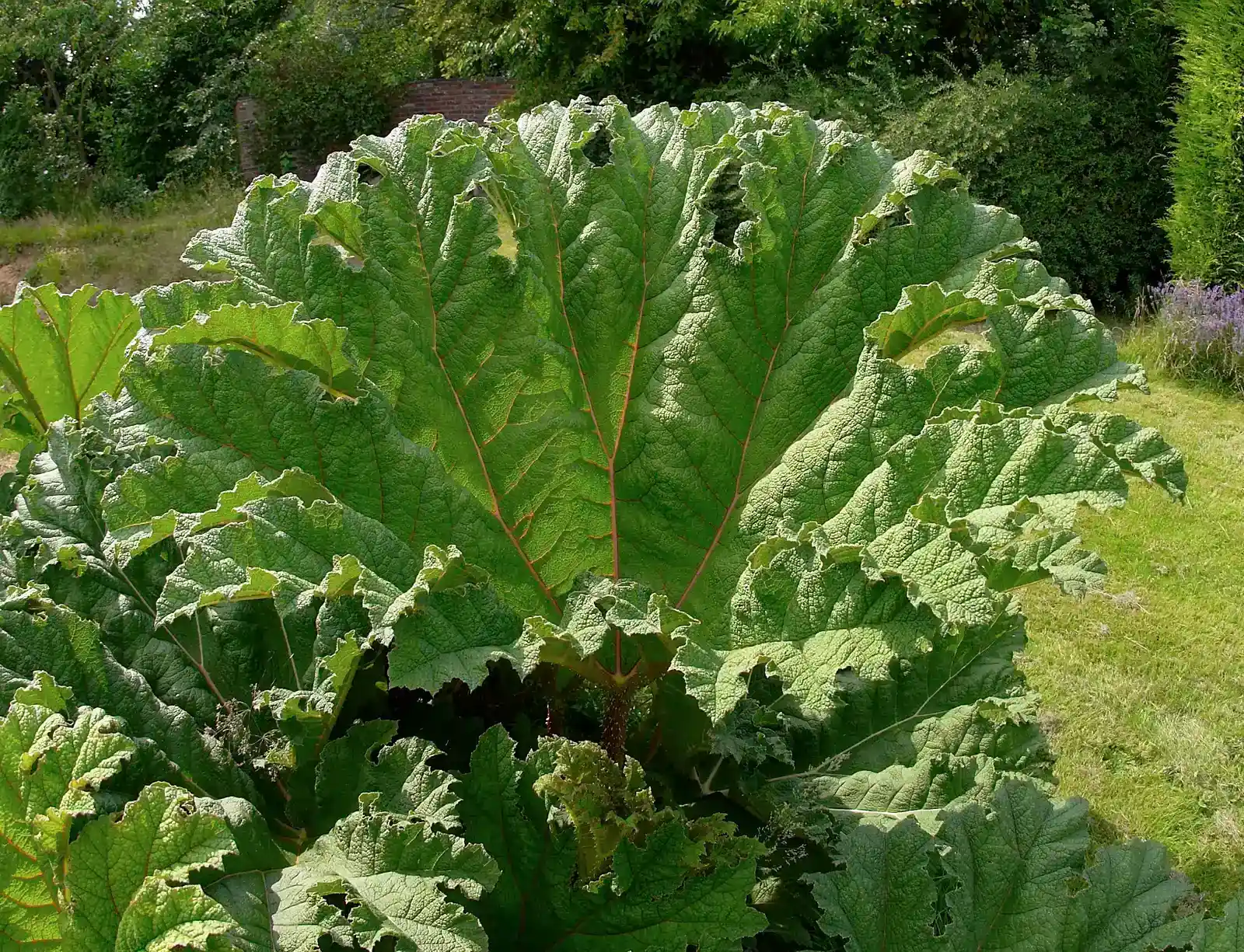
Gunnera are known for their sharp and large four-foot wide leaves, a trait that must have come in handy to repel many hungry dinosaurs 95 million years ago. Picture a plant with leaves the size of a small table, covered in spines sharp enough to deter even the most determined plant-eater. That’s not a snack, that’s a weapon.
These prehistoric survivors knew that size and spikiness could be just as effective as poison. While other plants relied on chemical defenses, Gunnera went for the more straightforward approach: make yourself physically painful to eat. These plants are native to Argentina and Southern Chile, and Gunnera has adapted to survive all these years and continues to thrive and play an important role in many ecosystems. Their strategy worked so well that they’re still around today, a testament to the power of a good physical defense.
Conclusion: The Silent Green Threat
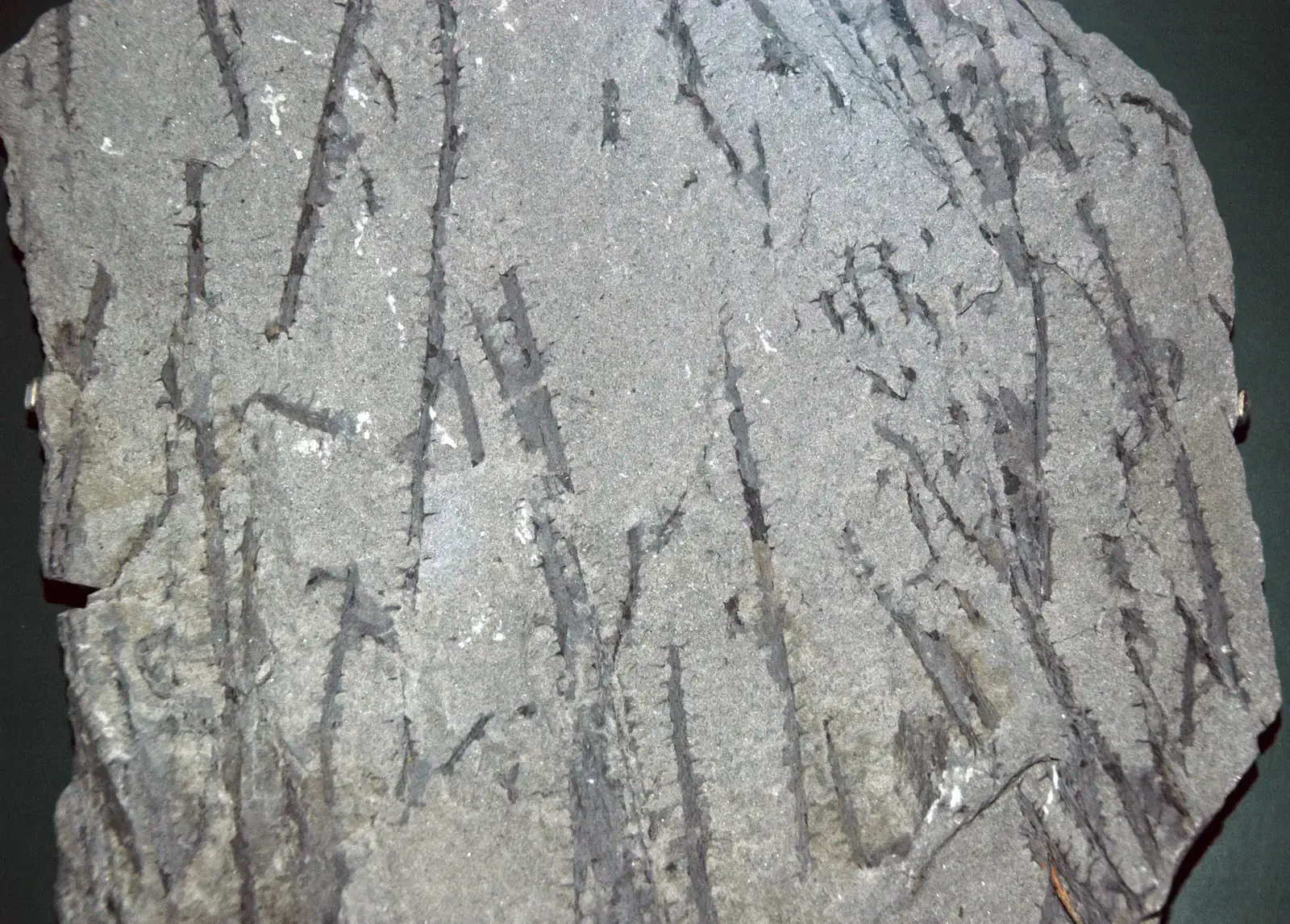
While dinosaurs dominated the prehistoric headlines, plants were quietly evolving into formidable forces of nature. From chemical weapons that may have contributed to dinosaur decline to physical defenses that could shred tissue and wear down teeth, these green survivors proved that you don’t need claws or fangs to be dangerous. The botanical world of the Mesozoic was a battleground of evolutionary innovation, where plants developed strategies so effective that many of their descendants still use them today.
The next time you walk past a fern or admire a ginkgo tree, remember that their ancestors survived the same catastrophes that wiped out the mightiest creatures ever to walk the Earth. Perhaps the real rulers of prehistoric times weren’t the roaring predators at all, but the silent, patient plants that outlasted them all. What would you consider more dangerous: a predator you can see coming, or a beautiful flower that slowly poisons everything that touches it?