
Have you ever walked away from a conversation feeling oddly unsettled, even though the other person said all the right things? Maybe they nodded, offered comforting words, and seemed to care deeply about what you shared. Yet something just felt off. You couldn’t quite put your finger on it, but their concern didn’t feel entirely real.
The truth is, empathy has become something of a social currency in our world. Everyone wants to be seen as caring and understanding. Sometimes that desire to appear empathetic overshadows the genuine article. Fake empathy can leave you feeling more alone than if the person had simply stayed quiet. Learning to recognize it can protect your emotional well-being and help you invest your energy in relationships that truly matter. Let’s explore the telltale signs that someone’s compassion might not be as authentic as it seems.
They Mirror Your Emotions Too Quickly

When someone rushes to mimic your feelings almost instantly without any pause or thoughtful feedback, it can seem forced. Real empathy takes a moment. It requires someone to actually process what you’ve said, sit with it, and then respond from a place of genuine understanding.
Think about it this way: if you share something deeply personal and the other person immediately matches your emotional state like a perfect reflection, that’s a red flag. People can usually tell when you try to fake empathy because the experience of empathy requires genuineness at its core. Authentic emotional responses have texture and nuance. They don’t arrive in a neat, instant package.
Their Body Language Tells a Different Story
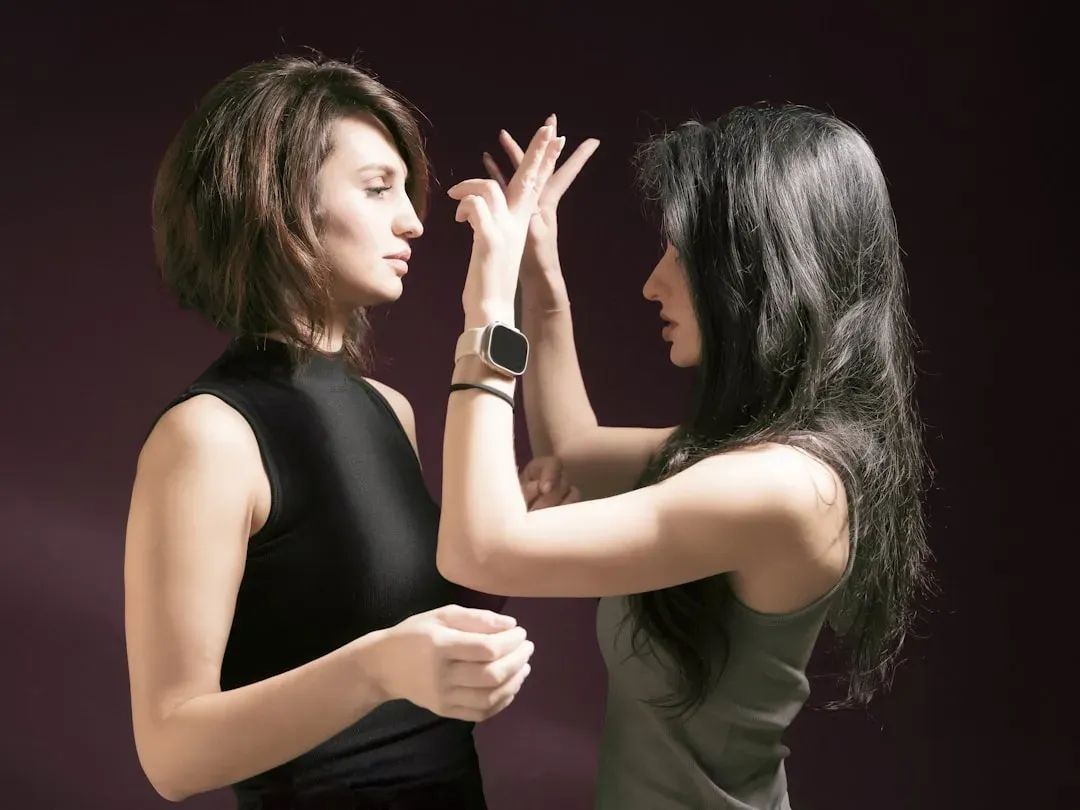
They might say “I’m here to listen,” but everything else about them says otherwise – crossed arms, a glazed-over look, anxious fidgeting, or constantly checking their phone. Words are easy to manufacture. Your body, though? That’s much harder to control when you’re not genuinely engaged.
Because of our continuous perception and evaluation of micro-expressions and non-verbal cues, it’s quite hard to fake genuine empathy, and there will often be something about tone of voice and non-verbal communication that triggers red flags. Pay attention to whether someone’s physical presence matches their verbal reassurances. Are they leaning in or leaning away? Is their gaze warm and steady, or are their eyes darting around the room searching for an escape route?
They Turn the Conversation Back to Themselves

People who exhibit performative empathy often turn the conversation back to themselves. You start sharing your struggle, and within minutes, they’re launching into a story about their own similar experience. Suddenly you’re the one listening and offering support.
They redirect conversations to revolve around themselves and use empathy as a tool to advance their personal agenda. This is one of the sneakiest forms of fake empathy because it masquerades as relatability. Sure, sharing experiences can build connection. Yet there’s a vast difference between briefly relating to show understanding and hijacking someone’s moment of vulnerability to make it about you.
They Use Dismissive Phrases That Minimize Your Feelings

Labeling someone’s emotions as “too sensitive” or “overreacting” is a clear sign of counterfeit empathy, used to discredit someone’s feelings, while true empathy doesn’t judge or label emotions. These phrases might sound supportive on the surface, but they’re actually telling you that your emotions are wrong or excessive.
Telling someone they’ll laugh about their current situation one day is dismissive, minimizing their struggle and rushing them to a future where they’ve already processed and moved past their feelings. Phrases like “things always get better” or “it could be worse” fall into this same category. They sound comforting but are really just quick exits from the discomfort of sitting with your pain.
Their Empathy Only Shows Up With an Audience
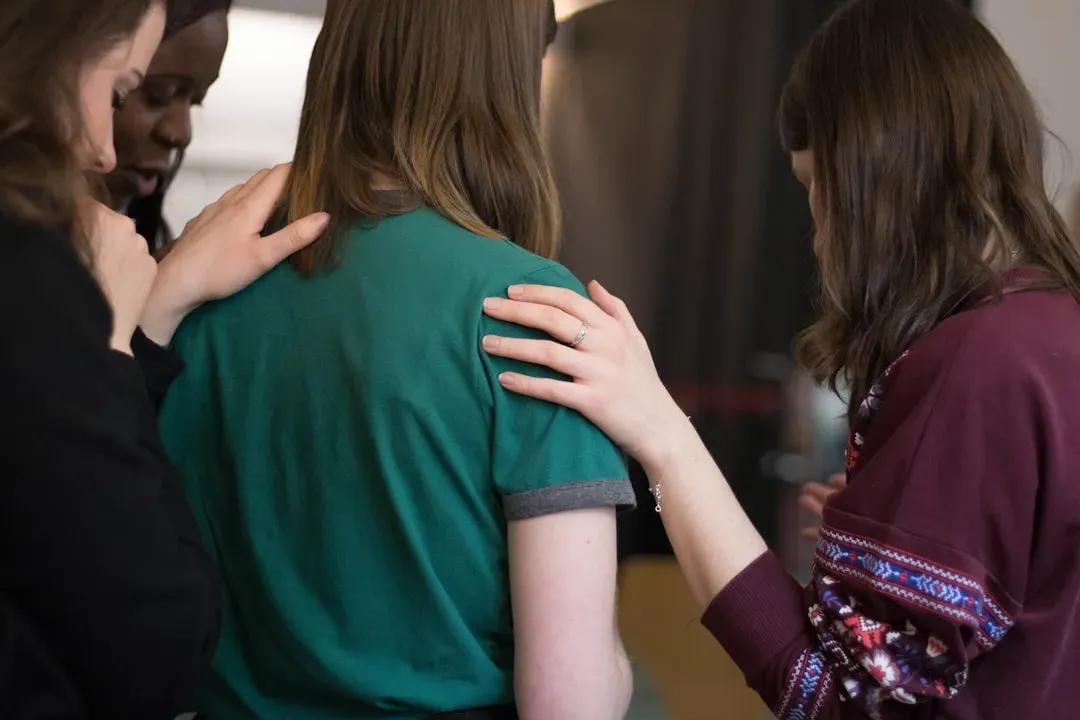
A key indicator of performative empathy is the stark contrast between a person’s behavior in public versus private settings, as they may be exceptionally kind and helpful when others are watching but display a lack of empathy behind closed doors. This one’s particularly painful to recognize because it means the person cares more about their reputation than about you.
Covert narcissists display remarkable emotional attentiveness in public settings but become indifferent in private, revealing their utilitarian approach to empathy as their compassionate mask typically appears when others are watching and quickly dissolves when no audience is present. If someone’s concern evaporates the moment you’re alone with them, that’s not empathy. That’s theater.
They Never Follow Through With Actions

Words without action are just noise. Fake empathy is always acting like it cares but not following up with actions, so observe the person’s follow-up actions instead of taking surface-level acknowledgment at face value. Someone might express deep concern about your situation, promise to check in, or offer to help in specific ways.
Those who engage in performative empathy may make promises to help or offer support but fail to follow through when it really matters, disappearing when the attention fades. Honestly, I think this is one of the most hurtful forms of fake empathy because it creates false hope. You think you have support, only to realize it was never really there. Real empathy shows up consistently, not just in the dramatic moments but in the quiet follow-through that nobody else sees.
They’re Only Interested in Your Negative Emotions

Real empaths enjoy when others feel positive emotions because they can feel it too and get to share in the good feelings, while fake empaths won’t bother with noting your positive emotions because they’re not as exciting or dramatic enough to get them attention. This is a fascinating tell because it reveals what someone actually gets from the interaction.
If they only engage when you’re struggling, upset, or in crisis, they’re not connecting with you as a whole person. They’re feeding off the drama or using your pain to feel needed and important. Genuine empathy celebrates your wins just as readily as it sits with your losses.
Something in Your Gut Tells You It’s Not Real

Sometimes you can’t point to a specific behavior or phrase, but something just feels off. Cultivating awareness of your emotional responses provides valuable feedback, as the subtle sense of discomfort or inconsistency you feel during pseudo-empathic exchanges often contains important subconscious recognition that something isn’t authentic. Trust that feeling.
Because it’s quite hard to fake genuine empathy due to our continuous perception of micro-expressions and non-verbal cues, faking empathy often leads to a misreading of emotions, and if someone fails to identify underlying emotions and only empathizes with surface feelings, their empathy will feel superficial. Your intuition picks up on tiny inconsistencies that your conscious mind might miss. That vague sense of unease is worth paying attention to. It’s your emotional intelligence telling you that the connection isn’t genuine.
Conclusion

Spotting fake empathy isn’t about becoming cynical or doubting everyone’s motives. It’s about protecting your emotional energy and investing it where it’s genuinely reciprocated. Recognizing authentic empathy requires focusing on consistent patterns rather than isolated instances, as genuine emotional connection reveals itself through sustained alignment between expressed understanding and subsequent behavior across various contexts.
The people who truly care will show up consistently, match their words with actions, and make space for all of your emotions, not just the dramatic ones. They won’t need an audience to be kind, and they won’t turn your pain into their spotlight. Real empathy feels different because it is different. It leaves you feeling seen, heard, and less alone. Have you experienced the difference between real and fake empathy? What subtle signs tipped you off?