
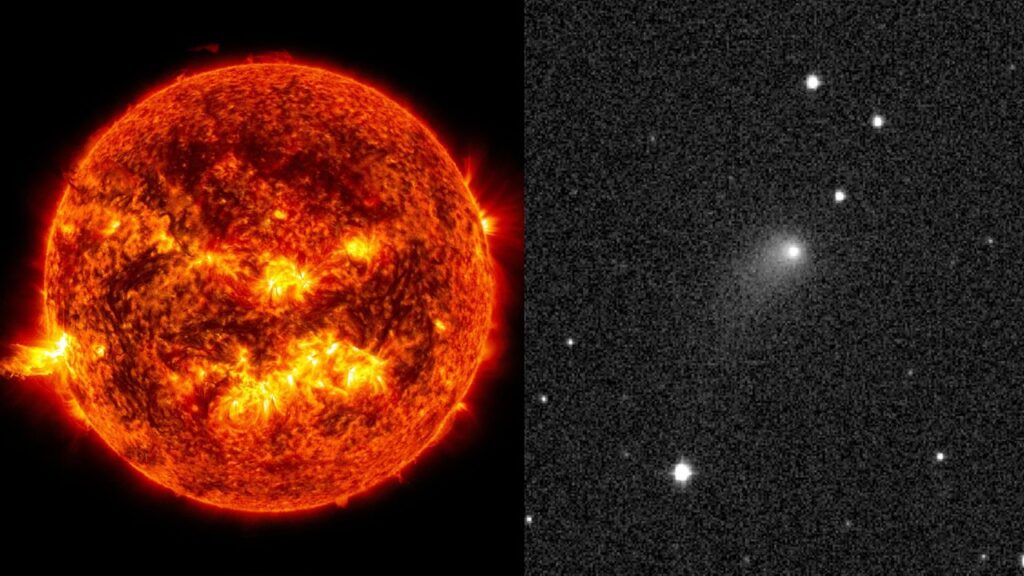
A celestial visitor from the outer reaches of the solar system edges closer to the sun, drawing the attention of astronomers worldwide on this pivotal day in January 2026.
A Surprise Discovery Turns Heads
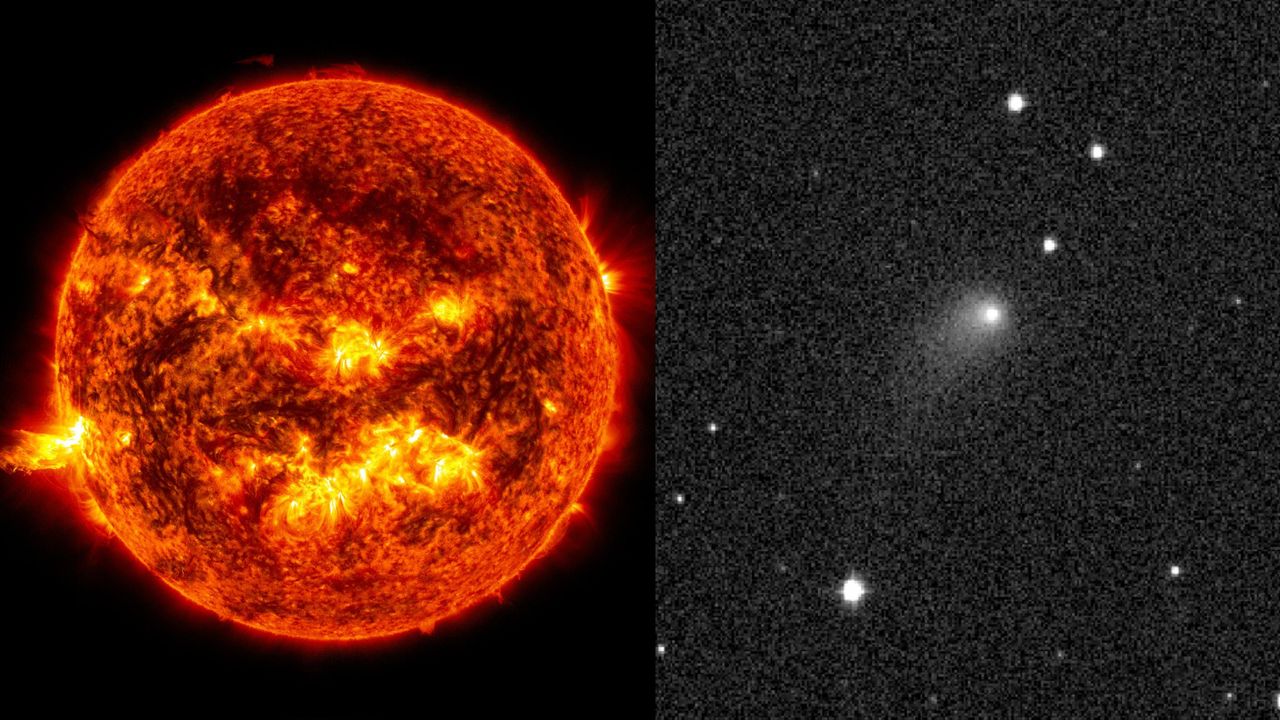
A Surprise Discovery Turns Heads (Image Credits: Cdn.mos.cms.futurecdn.net)
Polish astronomer Kacper Wierzchos first spotted the comet now bearing his name back in March 2024, marking the beginning of an intriguing journey toward the inner solar system. Designated C/2024 E1, this hyperbolic comet has steadily brightened as it approached perihelion, its closest point to the sun, which occurred on January 20. Astronomers noted a significant increase in its luminosity in the days leading up to this event, fueling excitement among stargazers eager for a potential naked-eye spectacle.
Though predictions varied, the comet’s path promised a rare show, reminiscent of other sungrazers that have captivated observers over the years. Its trajectory, sweeping through the southern skies initially, positioned it for observation under clear conditions away from urban light pollution.
Navigating Visibility Challenges
Observers in the Southern Hemisphere gained the earliest and clearest views as the comet hugged the sun’s vicinity, but its proximity to the bright solar disk complicated sightings. By late January, the comet faded to around magnitude 8, requiring binoculars or small telescopes for most viewers, especially as it shifted northward. Northern Hemisphere enthusiasts faced additional hurdles, with optimal viewing windows narrowing to evenings in February when the comet reached its closest approach to Earth on February 17.
Clear skies and low horizons proved essential, as twilight interference often obscured fainter objects like this one. Despite these obstacles, dedicated skywatchers reported success using apps and star charts to pinpoint its location amid the constellations.
Key Observation Tips for Success
To maximize chances of spotting Comet Wierzchos, enthusiasts should prioritize dark-sky sites and stable weather forecasts. Timing mattered greatly; pre-dawn hours in late January offered the best balance of altitude and minimal solar glare for southern observers. As the comet moved into northern visibility, post-sunset sessions became ideal, allowing it to climb higher in the sky over subsequent weeks.
Equipment recommendations included wide-field binoculars for sweeping the horizon and telescopes with low-power eyepieces to capture any emerging tail.
- Check local light pollution maps to select remote viewing spots.
- Use astronomy software to track the comet’s real-time position relative to stars.
- Monitor weather apps for cloud-free nights, as even partial obscuration can ruin a session.
- Join online communities for shared sightings and updated magnitude reports.
- Practice locating nearby bright stars to orient yourself quickly in the dark.
Broader Context Among 2026’s Celestial Highlights
Comet Wierzchos joins a lineup of promising visitors this year, including C/2025 R3 (PanSTARRS), which could rival it in brightness come April. Other short-period comets like 88P/Howell will offer repeated viewings, primarily for southern observers, peaking in magnitude 10 around March.
Astronomers anticipate at least six notable comets in 2026, blending one-off hyperbolic travelers with periodic returnees that orbit the sun every few years. This diversity underscores the solar system’s dynamic nature, where icy remnants from its formation occasionally venture inward, sometimes dramatically.
| Comet | Perihelion Date | Peak Magnitude | Best Viewing Region |
|---|---|---|---|
| C/2024 E1 (Wierzchos) | January 20 | ~8 | Southern, then Northern |
| C/2025 R3 (PanSTARRS) | April | Variable, potentially bright | Global |
| 88P/Howell | March 18 | ~10 | Southern |
While Wierzchos may not achieve the fame of brighter predecessors, its swift passage highlights the unpredictability of cometary behavior near the sun.
Looking Ahead: Legacy of a Swift Visitor
As Comet Wierzchos recedes after its solar brush, it serves as a reminder of the cosmos’s fleeting wonders, likely exiting the solar system forever on its hyperbolic path.
Astronomers continue to study its composition through telescopic data, gleaning insights into the building blocks of our planetary neighborhood.
Key Takeaways:
- Perihelion on January 20 marked the comet’s closest solar approach, boosting its brightness temporarily.
- Binoculars remain essential for most observers, with southern views peaking first.
- 2026 promises multiple comets, encouraging year-round skywatching enthusiasm.
In an era of advancing space exploration, events like this comet’s flyby inspire both scientific curiosity and public awe, bridging the gap between distant stars and everyday stargazing.
What celestial events are you most excited to chase this year? Share your thoughts in the comments below.