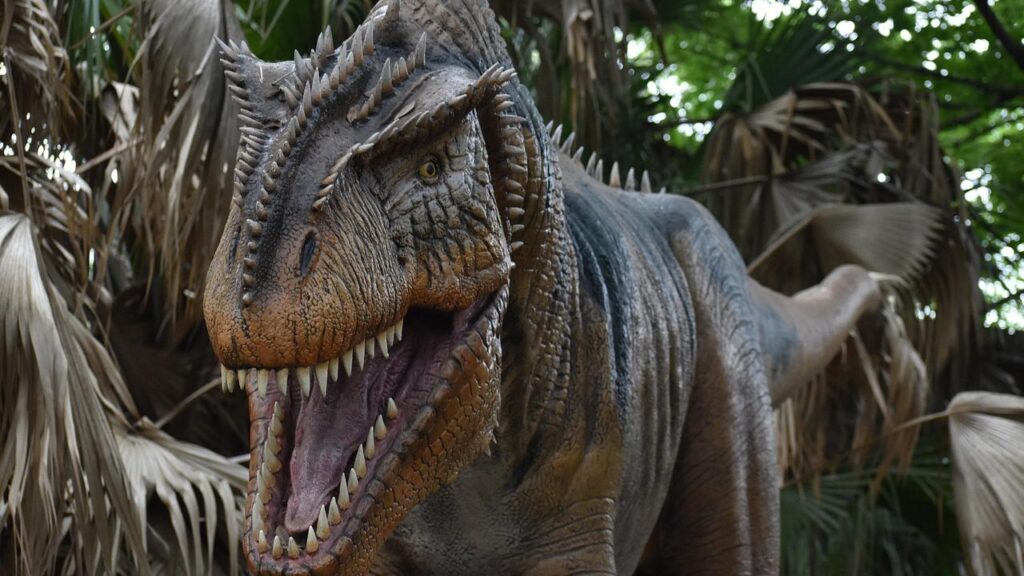
Picture your favorite dinosaur. What colors come to mind? If you imagined dull gray, muddy brown, or maybe olive green creatures stomping through ancient forests, you’re not alone. That mental image has been burned into our collective consciousness by decades of movies, books, and museum displays. Let’s be real, when you think T. rex, you probably don’t picture neon pink or shimmering rainbow feathers.
Here’s the thing though. That Hollywood version is wildly off base. Science has revealed something much more spectacular hiding in the fossil record, and it might just change how you see these ancient giants forever. Recent discoveries have pulled back the curtain on a Mesozoic world that was far more vibrant, dazzling, and downright fabulous than any film director dared to show us. What if dinosaurs were actually strutting around in colors that would put a peacock to shame?
Microscopic Time Capsules Unlock Ancient Secrets
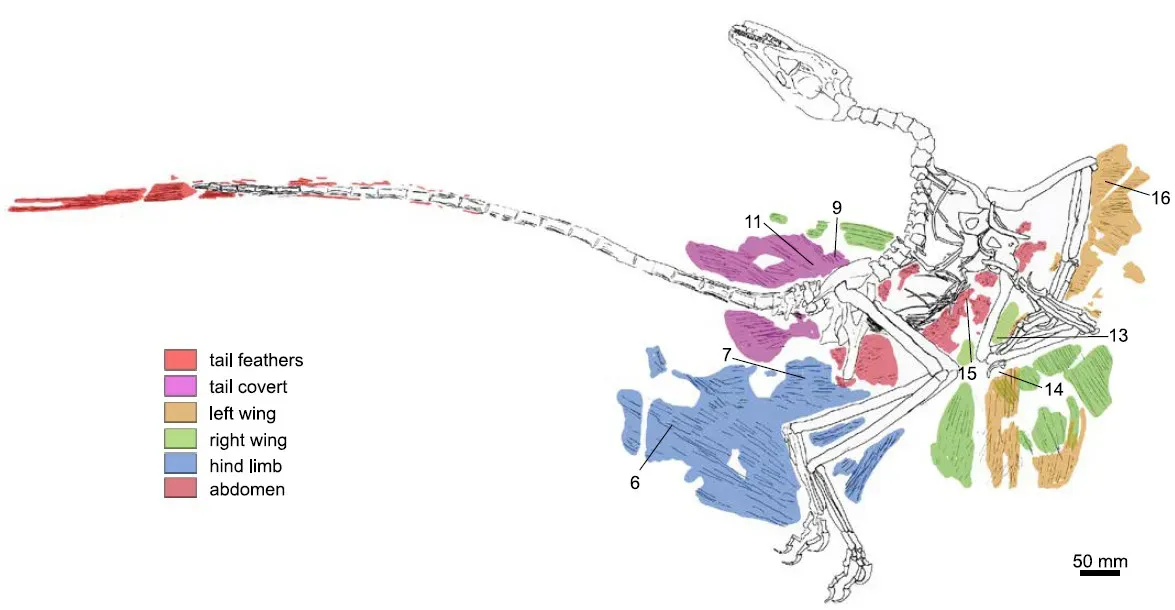
The breakthrough came from studying fossilized melanosomes, pigment-bearing organelles, in the feathers and filament-like protofeathers of fossil birds and dinosaurs from northeastern China. These tiny structures are almost impossibly small. Think about this: roughly a hundred of them can fit across the width of a single human hair.
Scientists initially thought these microscopic blobs were just remnants of ancient bacteria that decomposed the fossils. Turned out, they were dead wrong. Paleontologist Jakob Vinther revealed that organic imprints in fossils previously thought to be carbon traces from bacteria are fossilized melanosomes, the organelles that contain melanin pigment. It’s hard to say for sure, but imagine the excitement when researchers realized they’d been staring at the actual color-producing structures of dinosaurs all along.
The Rainbow Dinosaur That Sparkled Like a Jewel
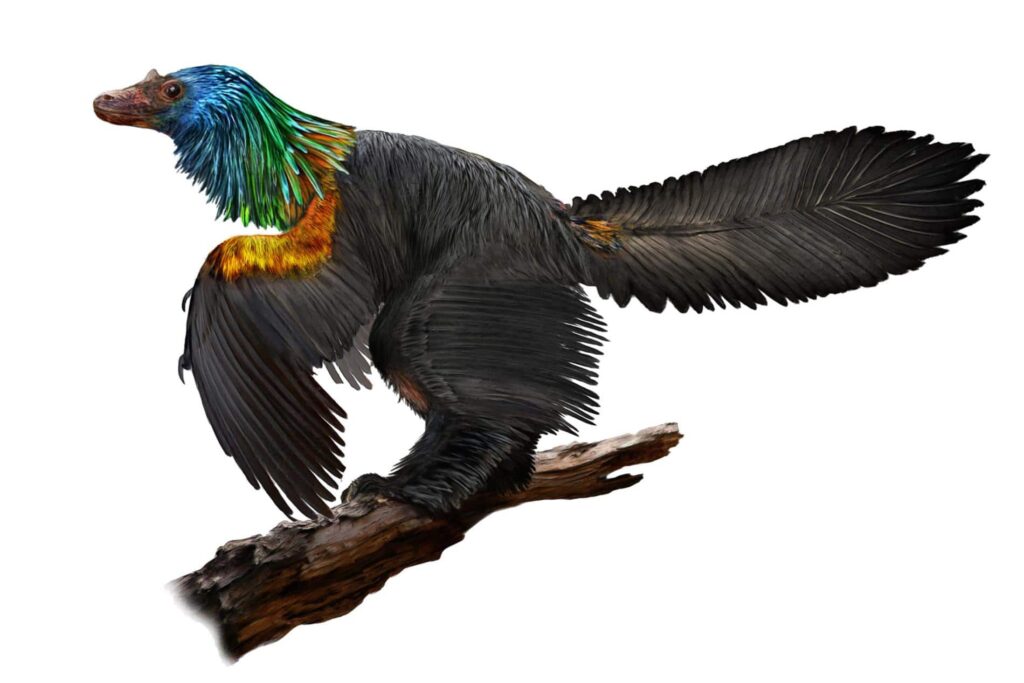
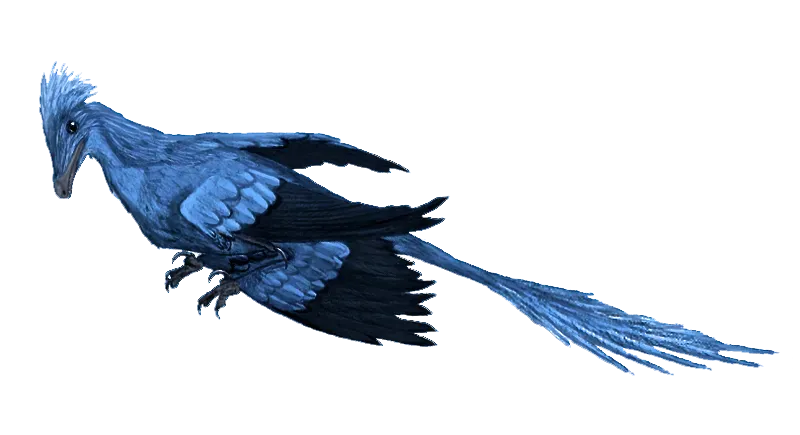
Caihong juji, a newly discovered species of dinosaur, was duck-sized with a bony crest on its head, and long, ribbon-like feathers that were likely iridescent, with rainbow feathers that would have shifted colors and shimmered in the light. Its name literally means “rainbow with the big crest” in Mandarin, and honestly, that’s perfect.
On Caihong’s head, chest, and parts of its tail, researchers saw melanosomes that were long, flat, and organized into sheets, patterns that most closely match the melanosomes in the iridescent throat feathers of hummingbirds, where similar structures split light like a prism, creating a metallic sheen that changes color with the viewing angle. Picture a creature that looked part Velociraptor, part hummingbird, living roughly 161 million years ago and possibly glittering in the sunlight as it glided through Jurassic forests. Does that match the image Steven Spielberg gave you?
Ginger Tigers and Banded Tails
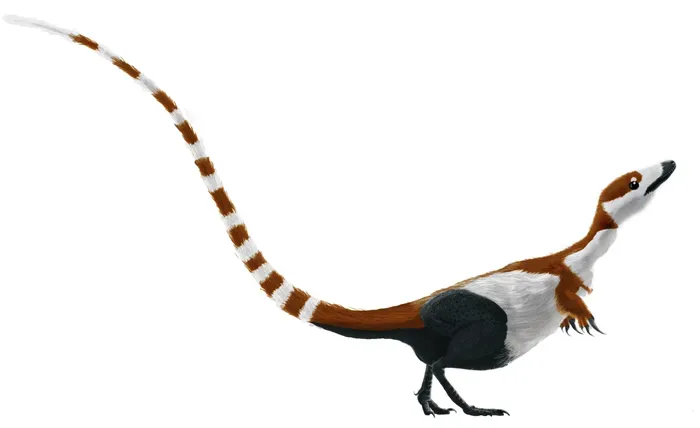
Not all dinosaurs went for the flashy iridescent look. Some sported simpler but still striking patterns. The pattern of meatball melanosomes in one fuzz-covered dinosaur, Sinosauropteryx, implied that it had sported a reddish coat and a tiger-striped tail, making it the first known ginger dinosaur. This turkey-sized carnivore wasn’t trying to blend into gray rocks.
Three specimens of Sinosauropteryx showed that the body coloration extended to the face, creating a raccoon-like mask around the eyes, and the countershaded pattern with the banded pattern of its tail likely acted as camouflage in an open environment. Color wasn’t just for show. These patterns served real survival purposes, helping predators hunt or prey animals hide. The striped tail may have been used for display, communication, or even to distract attackers during confrontations.
Camouflage Patterns Reveal Hidden Worlds
Examination of melanosomes preserved in the integument of a specimen of Psittacosaurus indicated that the animal was countershaded, with stripes and spots on the limbs for disruptive coloration, similar to that of many modern species of forest-dwelling deer and antelope and may be due to a preference for a densely forested habitat with low light. This parrot-beaked herbivore about the size of a golden retriever used color strategically.
Think about it. By analyzing color patterns, scientists can actually reconstruct where dinosaurs lived and how they behaved. Psittacosaurus’s patterning was best suited to a dense, forested environment with more diffuse light, while Sinosauropteryx may have lived in more open, lake-side environments that had direct light and strong shadows. Color isn’t just pretty; it’s a window into ancient ecosystems we can never visit.
Even Giants Wore Spots and Speckles
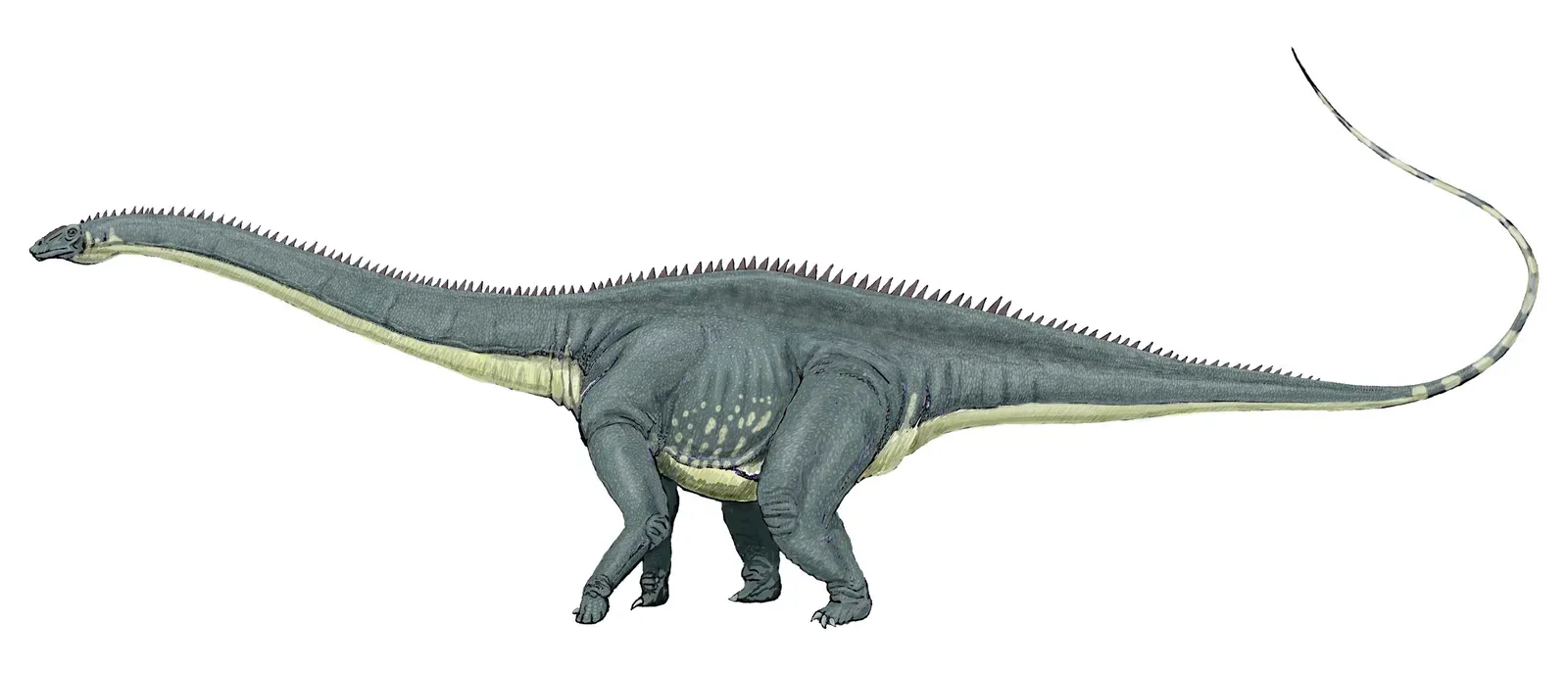
You might think massive sauropods were too big to worry about color. Wrong again. Fossilized skin from young Diplodocus dinosaurs shows tiny structures linked to color, with the fossil skin belonging to juvenile Diplodocus dinosaurs where young individuals often face greater danger from predators, so skin features like color and pattern may have helped survival. These long-necked giants weren’t born with boring hides.
The tests revealed fossilized pigment-bearing structures known as melanosomes, arranged in a distinct speckled pattern, which closely resembles the mottled skin seen in modern crocodiles. Even juveniles of the largest land animals that ever existed needed camouflage to avoid becoming lunch. The discovery turned previous assumptions upside down and demonstrated that no dinosaur, regardless of size, escaped the evolutionary pressures that favored colorful, patterned skin.
Hollywood’s Drab Color Palette Problem
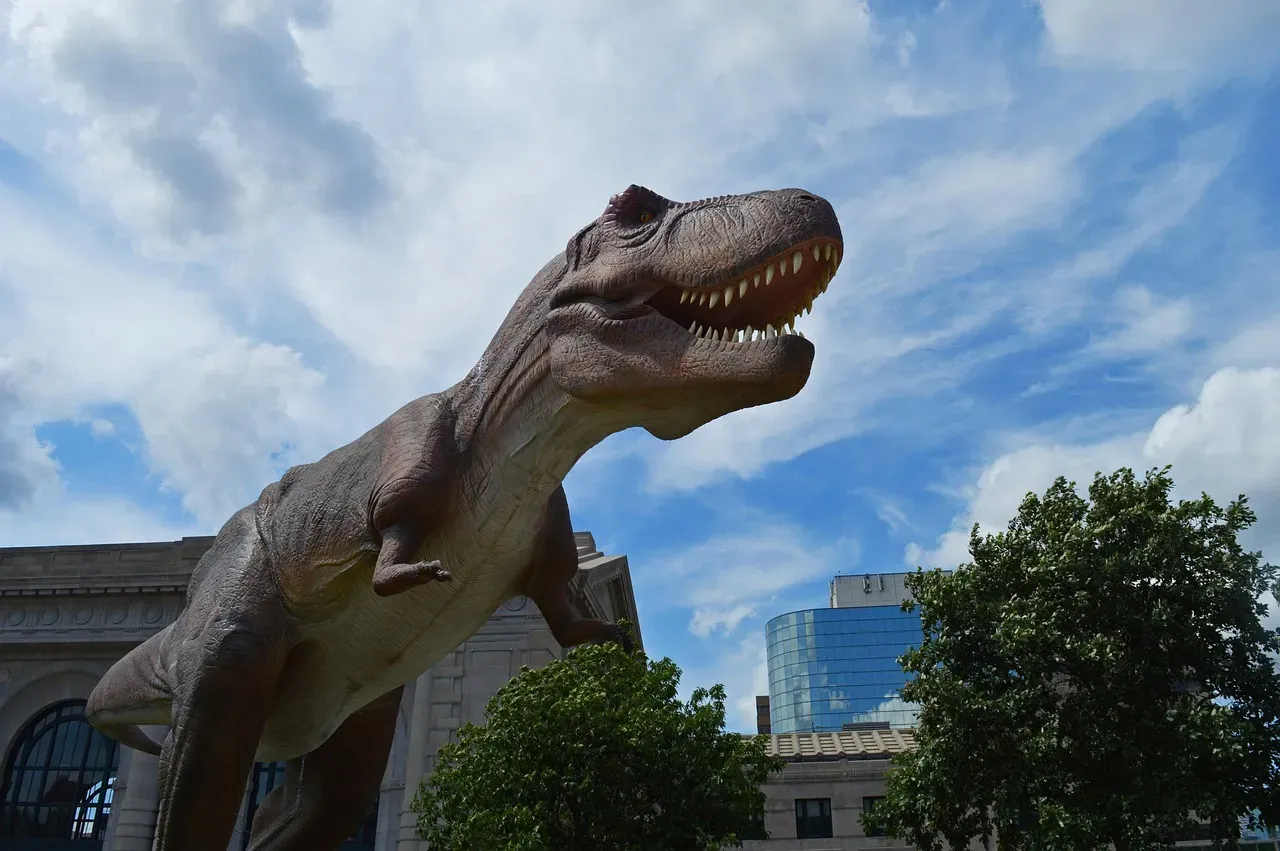
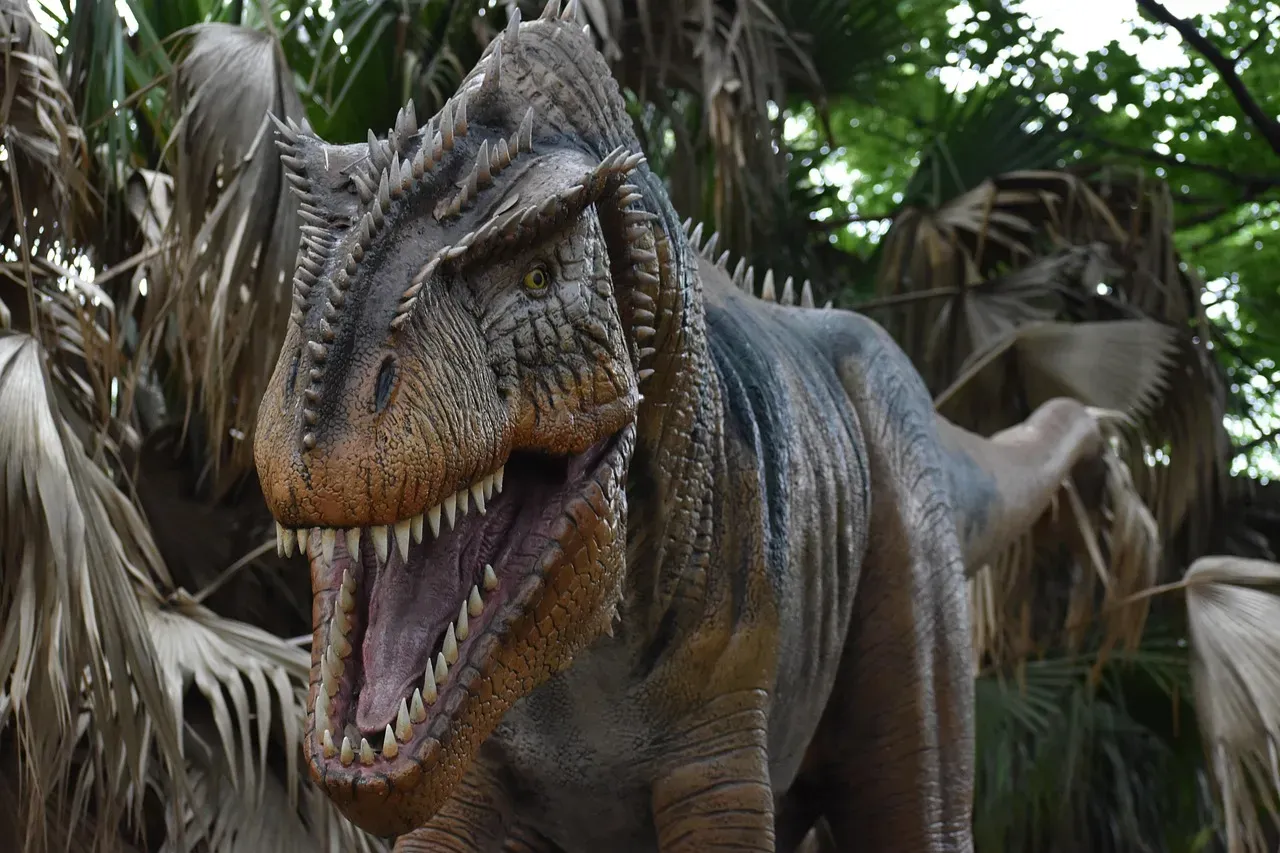
So why do movies keep showing us gray monsters? Jack Horner said that Spielberg has made the point several times that colorful dinosaurs are not very scary, with gray and brown and black being more scary, and Horner considered the colors to be the most inaccurate aspect of the films’ dinosaurs. It’s purely an aesthetic choice driven by what filmmakers think audiences want.
Visual effects supervisor Tim Alexander said that colorful dinosaurs were excluded because they would look out of place in the film with its forest greens and taupes and park rangers, stating that throwing a bright pink raptor in there would stick out and look a little weird. But here’s the kicker: weird to us doesn’t mean inaccurate to reality. Modern birds, the direct descendants of dinosaurs, come in every color imaginable. Why wouldn’t their ancestors?
Feathers Changed Everything We Thought We Knew
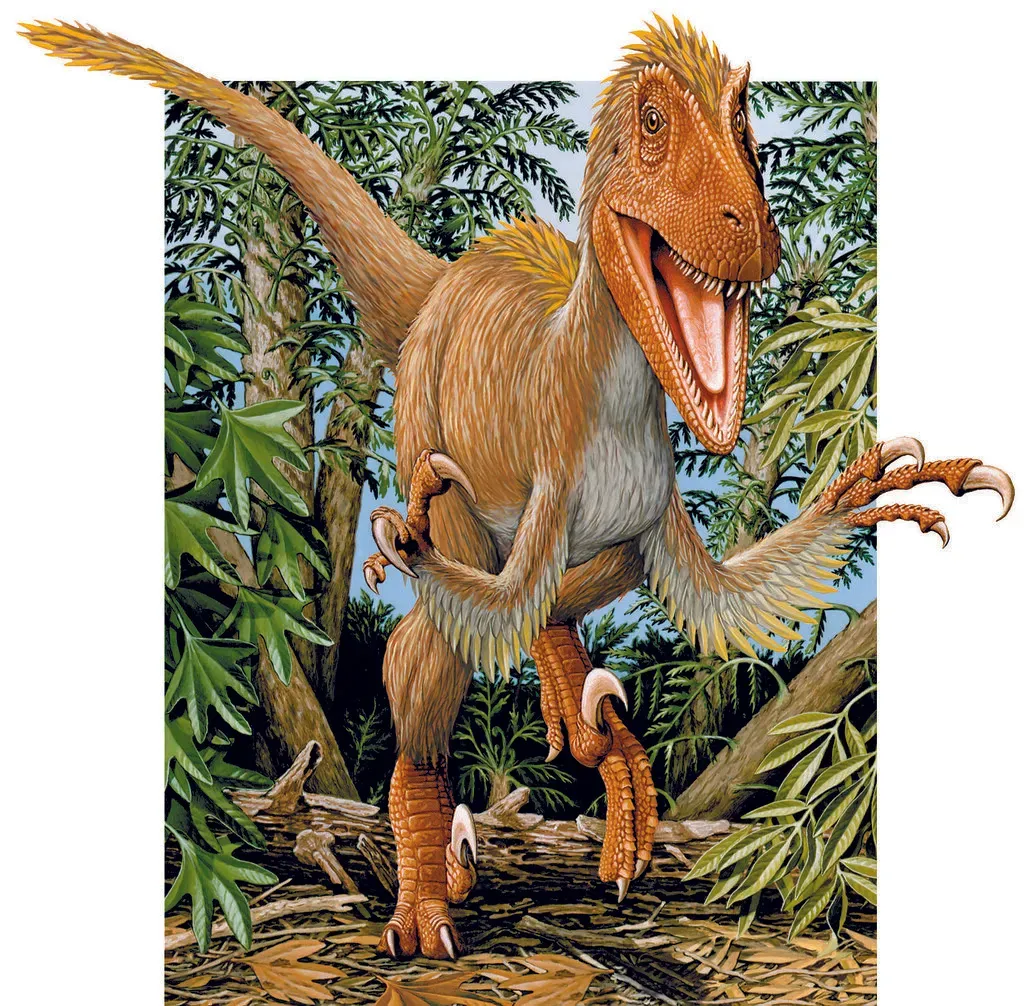
Feather color in dinosaurs may reveal whether color patterns were useful for camouflage or peacock-like courtship displays, and if there were color differences between the sexes, as in many modern birds. The discovery of preserved melanosomes in feathered dinosaurs didn’t just add color to our mental pictures. It fundamentally changed our understanding of dinosaur behavior.
The research adds significant weight to the idea that dinosaurs first evolved feathers not for flight but for some other purposes, with a color-patterning function for example, camouflage or display having had a key role in the early evolution of feathers in dinosaurs, and being just as important as evolving flight or improved aerodynamic function. Imagine a world where fluffy, brightly colored proto-birds were showing off to potential mates millions of years before they ever took to the skies.
Bright Skin, Beaks, and Scales Beyond Feathers
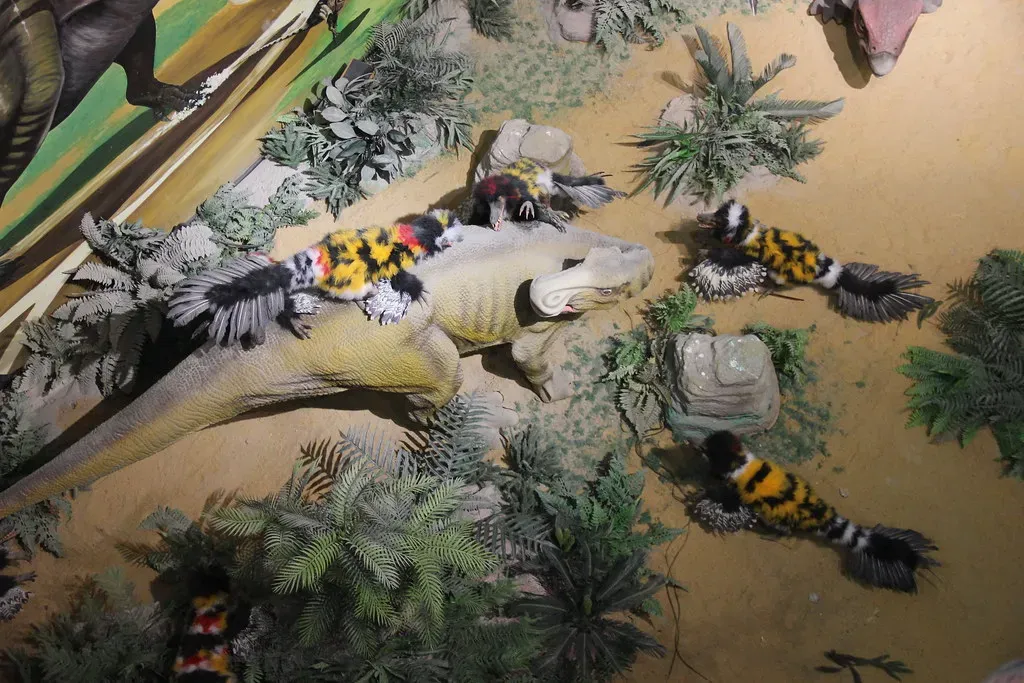
Extinct dinosaurs may have had bright color on their skin, scales and beaks in a manner similar to modern birds, and there’s a good chance that extinct dinosaurs rocked pops of color on similar body parts and may have flashed their colors to entice mates, just as birds do today. Not every dinosaur had feathers, but that doesn’t mean they were dull.
By analyzing whether bright body color was present in living dinosaur relatives including turtles, crocodiles and over 4,000 bird species, researchers determined that the common ancestor had a 50% chance of having bright colors in the soft tissues of its body. That’s a coin flip suggesting that non-feathered dinosaurs could have sported colorful faces, feet, and other fleshy bits. Picture a T. rex with a bright red face or yellow scales around its eyes. Suddenly it seems a lot more birdlike and alive, doesn’t it?
Why This Changes How We See Prehistoric Life
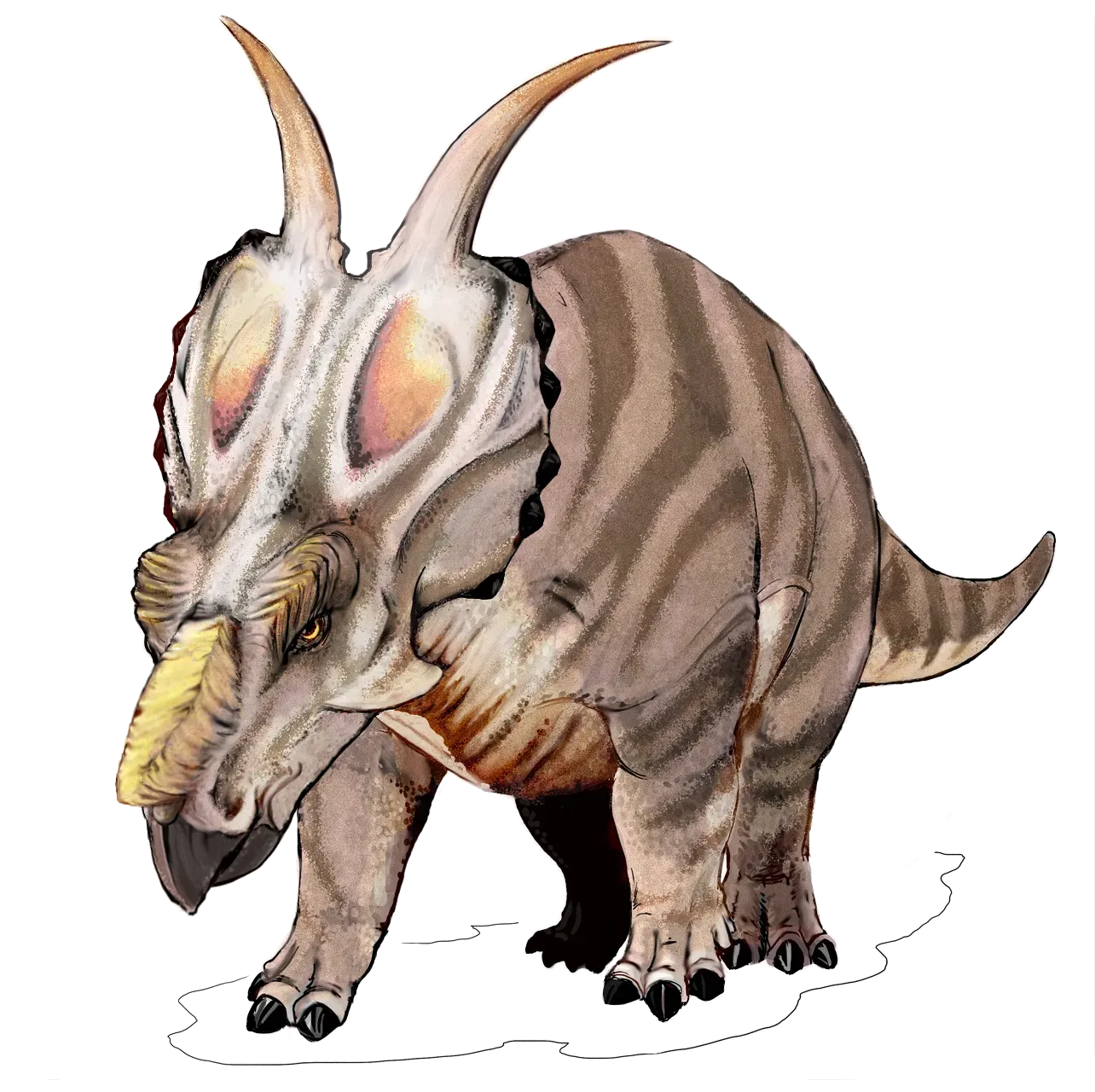
The possibility of unlocking the colors of dinosaurs has captured the imagination of experts and the public alike, as for almost the entire history of paleontology, there was no way to tell what hues dinosaurs actually wore, though in exceptional circumstances, a fossil might preserve some soft tissues showing patches of light and dark skin or striped plumage. We’ve gone from complete guesswork to actual data.
Paleo color could paint a vivid picture of a dinosaur’s life, offering clues about behavior, habitat and evolution, as this is a crucial new piece in the puzzle of how the past looked. Color isn’t superficial. It tells us who was hiding, who was hunting, who was flirting, and what kinds of environments these creatures inhabited. Every new discovery adds another brushstroke to a picture that’s far richer and stranger than we ever imagined.
Conclusion
The next time you watch a dinosaur movie, remember that the gray, brown beasts on screen are Hollywood creations, not scientific reality. The real Mesozoic world was a riot of color: shimmering rainbow feathers, ginger-striped tails, countershaded forest dwellers, and speckled giants. The finding suggests sauropod dinosaurs were not uniformly gray or brown, but had complex color patterns like other dinosaurs, birds and reptiles.
Science has opened a window into the true appearance of dinosaurs, and what we’re seeing is spectacular. These weren’t monsters lurking in shadows. They were vibrant animals living complex lives in ecosystems as colorful as any tropical rainforest today. The age of dinosaurs deserves to be remembered not in shades of gray, but in full, glorious color. What do you think about it? Does it change how you picture these ancient creatures?