Have you ever wondered what went through the mind of a Tyrannosaurus rex when it stalked its prey? Or whether Troodon planned its hunting strategies like a chess master? For over a century, we’ve thought of dinosaurs as lumbering, slow-witted beasts whose tiny brains barely managed their massive bodies. That image is crumbling. New research from the past few years has sparked a fierce debate among paleontologists about whether some dinosaurs might have possessed intelligence rivaling modern primates, or even whether they could have used tools, communicated in complex ways, and passed knowledge from generation to generation.
The truth is harder to pin down than you might expect. We’re dealing with creatures that vanished millions of years ago, leaving behind nothing but bones and occasional footprints. Yet scientists are finding ways to peer inside ancient skulls, calculate neuron counts, and compare brain structures to living animals. What they’re discovering is turning the dinosaur world upside down. So let’s get started and explore what science really tells us about the brains behind those fearsome teeth and claws.
The Old View: Dinosaurs as Dim-Witted Giants

Early paleontologists assumed that dinosaurs were unintelligent, based on both the size of their brains in relation to their bodies and because they were considered closely related to reptiles. Picture this: a creature the size of a bus with a brain no bigger than a walnut. That’s what scientists thought they were dealing with back in the day. The assumption seemed logical enough at the time.
Paleontologists made little progress in understanding dinosaur cognition until the 1970s, when scientists developed a new system for estimating intelligence based on relative brain size, called the encephalization quotient (EQ). This was a game changer. Instead of just looking at raw brain size, the EQ compares brain mass to body mass, giving researchers a mathematical way to estimate how brainy an animal might have been. It wasn’t perfect, but it was better than guessing.
Measuring Ancient Minds: The Encephalization Quotient

The encephalization quotient became the gold standard for estimating dinosaur smarts. Psychologist Harry Jerison created the encephalization quotient (EQ) system for measuring intelligence from molds of animal brains, largely replacing the standard method of measuring intelligence as a function of brain size relative to body mass. In Evolution of the Brain and Intelligence (1973), Jerison claimed that brain size has increased throughout evolutionary time, in concert with increasingly complex predator-prey interactions.
Think of it this way: humans have an EQ around 7.8, German shepherds clock in at about 3.1, while a T. rex, for example, had an EQ of about 2.4. But here’s where it gets interesting. If, instead, you compare it to birds, it’s actually exceptionally low, at 0.1-0.2, according to a 2013 study. Thus, EQ comparisons across major groups of animals might not be that meaningful. The numbers tell wildly different stories depending on which modern animals you use for comparison.
The Smartest Dinosaur: Meet Troodon
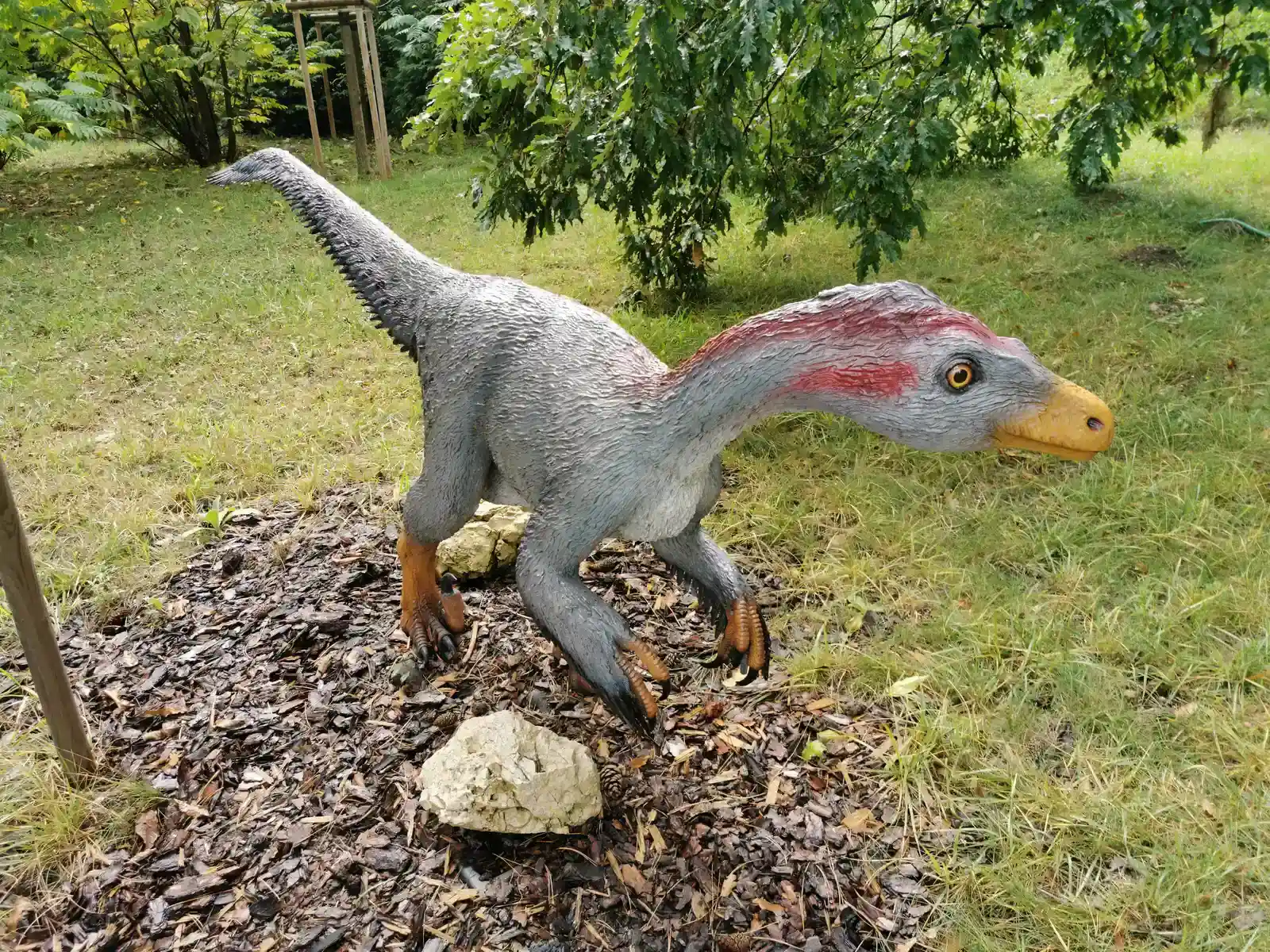
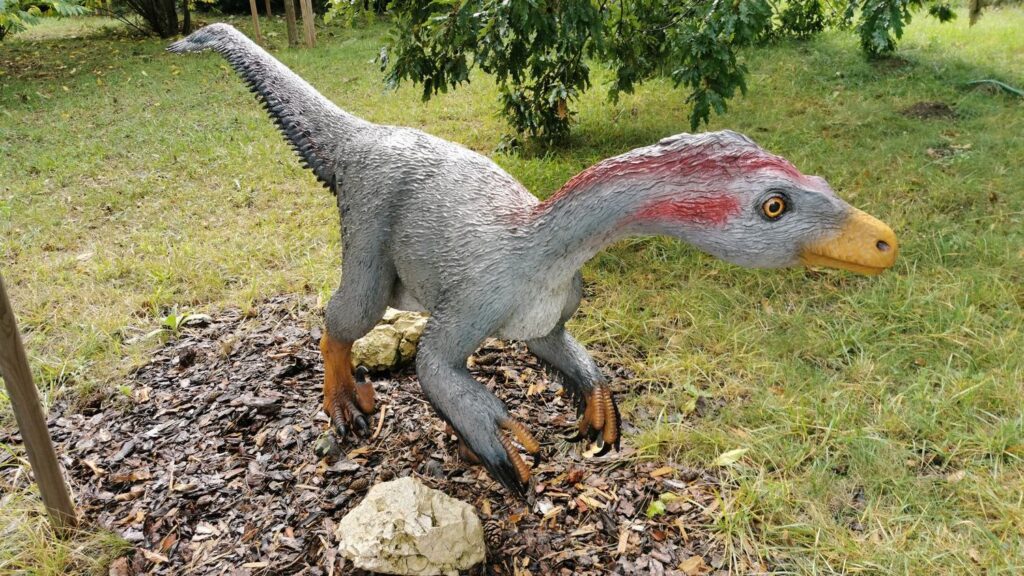
Troodon, also known as Stenonychosaurus, is often recognized as one of the smartest dinosaurs due to its relatively large brain size compared to its body. This small, terrestrial dinosaur could grow to about six feet long and weigh around 60 pounds. Honestly, it doesn’t sound that impressive size-wise. You could probably fit one in your garage.
But the brain? That’s where Troodon shines. The troodontids were the smartest dinosaurs with an EQ of around 5.8. That’s remarkable when you think about it. The large, wide-set eyes of this animal meant it had excellent eyesight, even in the dark. Scientists believe it was nocturnal, or, like owls, slept during the day and stayed awake at night. A cunning night hunter with excellent vision and a proportionally massive brain? Now that’s a different picture from the dumb reptile stereotype.
Bird Brains: The Living Dinosaur Connection

Here’s the thing that changed everything: birds are dinosaurs. Not metaphorically. Literally. Despite having a very small head, birds have more densely packed brain cells than many mammals and so can possess roughly as many neurons as primates. The result is that some birds, such as parrots and corvids (the bird family that includes ravens and crows), show great cognitive abilities, comparable to the smartest non-human mammals.
This matters because it is precisely birds, being the only surviving lineage of dinosaurs, that are Herculano-Houzel’s touchstone. By comparing the relationship between brain size, number of neurons and body size in numerous extant bird and reptile species – as well as considering the available fossils of extinct dinosaurs – Herculano-Houzel concludes that a large dinosaur such as Tyrannosaurus rex could have housed two billion to three billion neurons in its pallium, a number similar to that of a baboon. Let’s be real, that’s mind-blowing if true.
The Controversial Baboon-Brain Theory

Scientists don’t like to compare intelligence between species (everyone has their own talents, after all), but a controversial new study suggests some dino brains were as densely packed with neurons as those of modern primates. The study created waves when it was published. If Tyrannosaurus rex had cognitive abilities comparable to a baboon, that means we’re talking about an animal capable of complex problem solving, possibly even cultural transmission.
If so, that would mean they were very smart – more than researchers previously thought – and could have achieved feats only humans and other very intelligent animals have, such as using tools. Tool use in dinosaurs? That’s the kind of claim that makes paleontologists either jump for joy or reach for their calculators to check the math. Some are applauding the paper as a good first step toward better understanding dinosaur smarts, whereas others argue the neuron estimates are flawed, undercutting the study’s conclusions.
The Pushback: Were Dinosaurs Really That Smart?

Not everyone bought the primate-level intelligence theory. An international team of palaeontologists, behavioural scientists and neurologists have re-examined brain size and structure in dinosaurs and concluded they behaved more like crocodiles and lizards. That’s a pretty significant difference from baboons.
Kai Caspar, Cristian Gutiérrez-Ibáñez, Grant Hurlburt, myself and others showed that Herculano-Houzel’s brain size estimates were likely incorrect, that her neuron count estimates were unreliable and based on erroneous assumptions, and that the neuron counts she estimated weren’t clearly linked to anthropoid-like cognitive abilities anyway. The criticism focused on technical details that matter enormously. How much of the skull cavity did the brain actually fill? Modern crocodiles only fill about thirty percent of their headspace. That assumption alone can throw off all your calculations.
They were more like smart giant crocodiles, and that’s just as fascinating. I think that’s an important perspective. Even if dinosaurs weren’t primate-smart, that doesn’t make them boring.
Social Lives and Communication

Intelligence isn’t just about brain size. It’s about what you do with it. Taken together, the team’s results show that Mussaurus and possibly other dinosaurs evolved to live in complex social herds as early as 193 million years ago, around the dawn of the Jurassic period. That’s evidence of sophisticated social behavior incredibly early in dinosaur evolution.
Nests and eggs have been found for most major groups of dinosaurs, and it appears likely that dinosaurs communicated with their young, in a manner similar to modern birds and crocodiles. Parental care requires communication. These creatures weren’t just laying eggs and walking away. Some dinosaurs had natural resonating chambers in their bodies. These chambers, such as hollow crests or convoluted nasal passages, allowed them to produce low-frequency sounds that could travel over long distances. While the specific sounds they made cannot be determined with certainty, the ability to produce low-frequency sounds likely played a crucial role in their communication and social dynamics.
The Problem With Measuring Ancient Intelligence
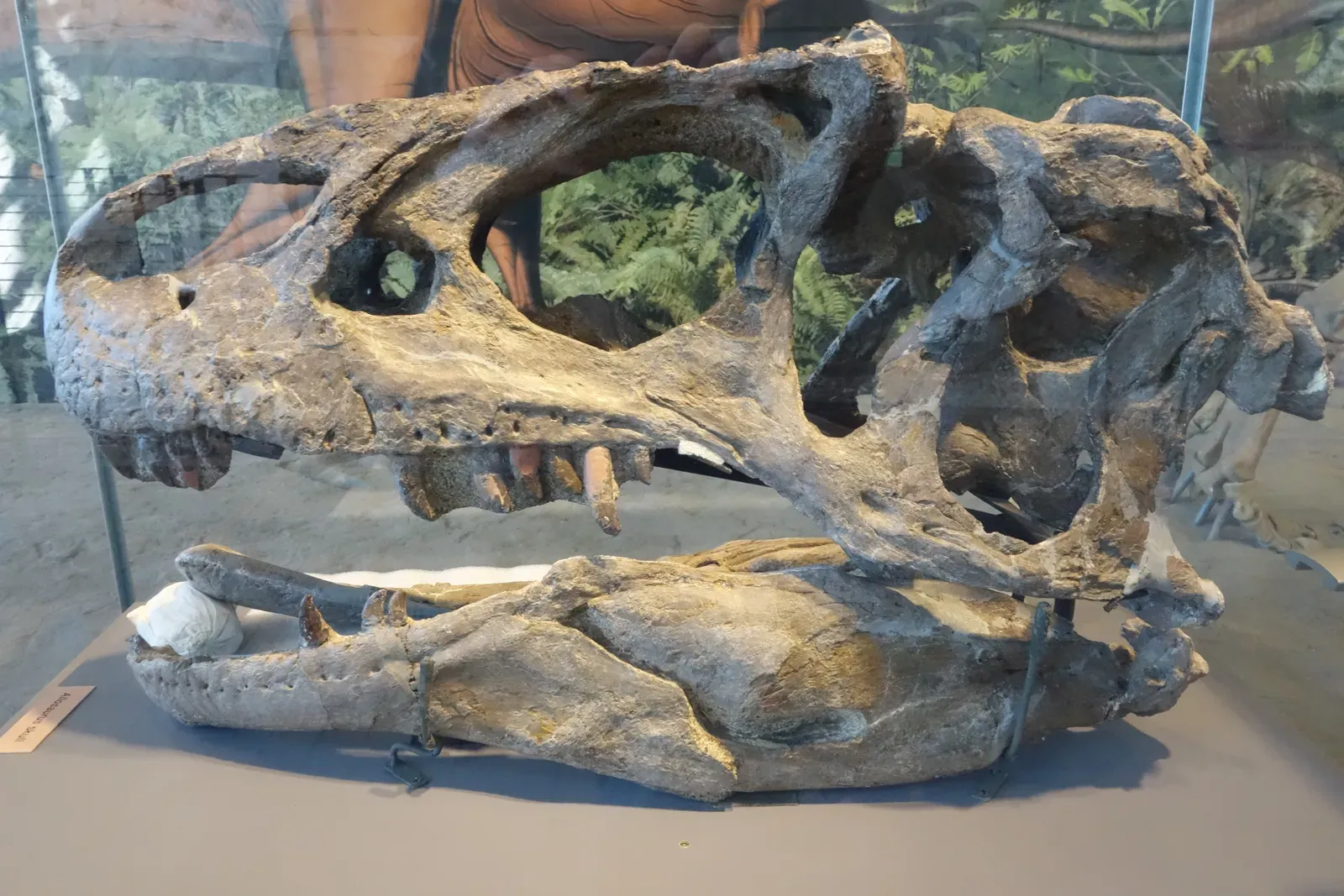
Ultimately, estimating intelligence is problematic even in living species, but is far more difficult in extinct animals. Without the ability to conduct behavioral studies, theories on dinosaur intelligence can never be well corroborated. That’s the brutal truth. We can’t watch them solve puzzles or teach their young. We’re essentially doing detective work with fossils.
Plus, when tested on living animals today, brain size doesn’t match their cognitive abilities particularly well. Even our best metrics are flawed. I’m quite skeptical of whether we should accept neuron counts as a good proxy of cognitive ability. The neuron might be the computational unit of the nervous system … it also matters how neurons are connected to each other and organized. Brain architecture matters as much as neuron numbers.
What We Actually Know About Dinosaur Behavior
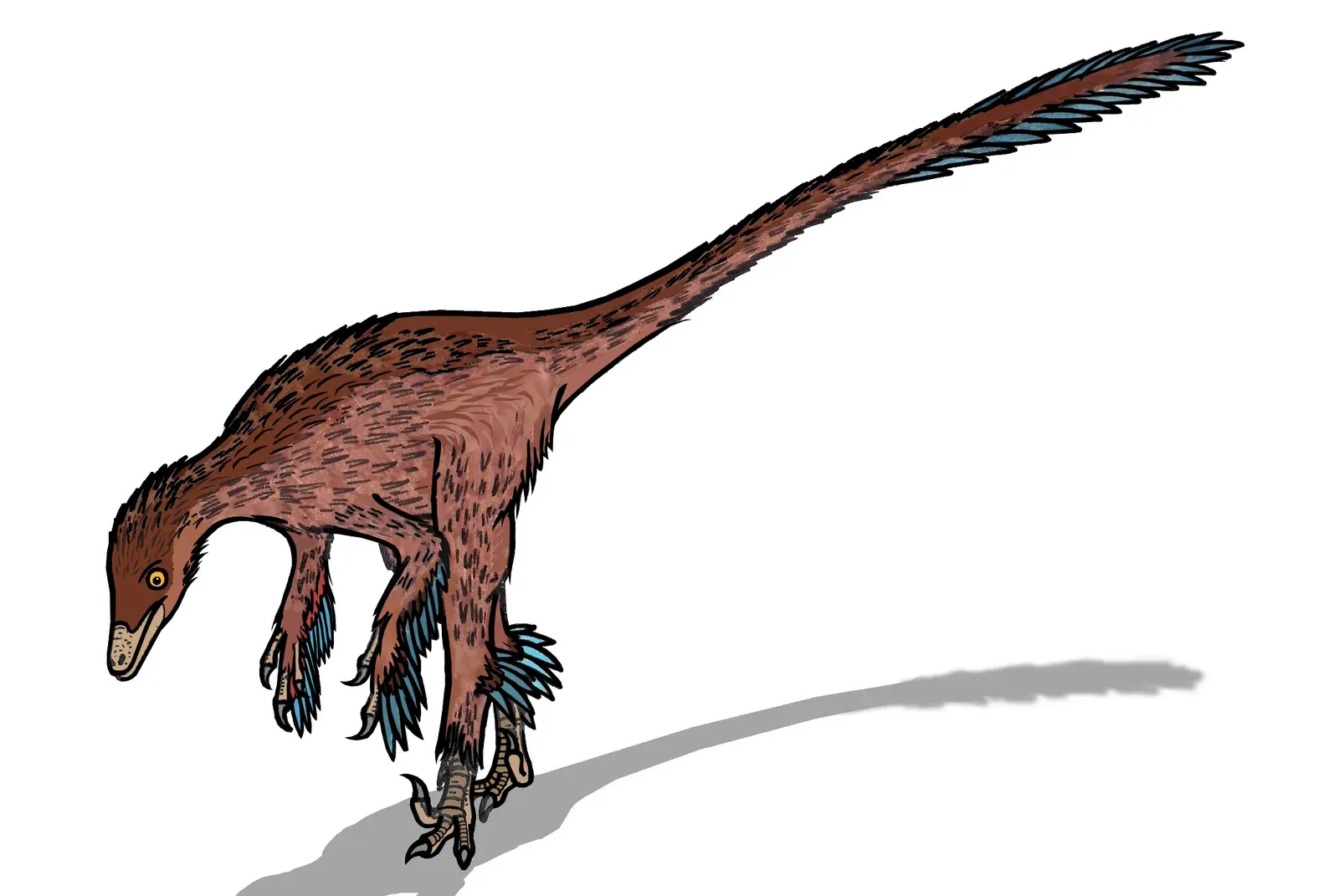
While debates continue regarding the best methods to assess intelligence – whether through absolute or relative brain size – the consensus is that dinosaurs exhibited a range of cognitive abilities, making them some of the most complex animals of their time. That’s probably the safest statement we can make. Different dinosaurs had wildly different cognitive abilities, just like modern animals do.
Saying that dinosaurs like tyrannosaurs might have been approximately similar in intelligence to certain lizards or crocodylians, for example, is reasonable based on what we know. And that’s honestly pretty impressive. Modern crocodiles are ambush predators with complex social hierarchies. They remember individual humans for years. If large theropods had similar cognitive abilities paired with more advanced sensory systems and possibly faster metabolism, that’s a formidable combination.
So, The answer is complicated. Some species, particularly certain theropods like Troodon, almost certainly had cognitive abilities that would surprise most people. They likely engaged in complex social behaviors, communicated with sophisticated vocalizations, cared for their young, and perhaps even used simple tools. Whether any reached primate-level intelligence remains hotly debated, with most evidence suggesting they were more comparable to intelligent modern reptiles and birds.
What’s clear is that the old image of dinosaurs as stupid, lumbering beasts is dead. These were complex, behaviorally sophisticated animals that thrived for over 160 million years. Their brains may not have matched ours, but they were perfectly adapted for their world. What do you think? Would you have wanted to match wits with a Troodon in the Cretaceous darkness?