When you think about the rulers of prehistoric earth, your mind probably jumps to teeth and claws, sheer size and brute force. Those things mattered, sure. Yet there’s so much more beneath the surface. The ancient predators that dominated their ecosystems relied on an arsenal of hidden abilities and adaptations that made them virtually unstoppable in their time. Some could see in ways that surpass modern eagles. Others possessed sensory systems so refined they could detect a single drop of blood from miles away.
Still others used hunting tactics so brutal and efficient they’d make today’s apex predators look like beginners. These creatures didn’t just survive. They reigned supreme over landscapes and seascapes for millions of years, shaping the evolution of everything around them. So what exactly gave them this edge? Let’s dive in.
Binocular Vision Better Than Hawks
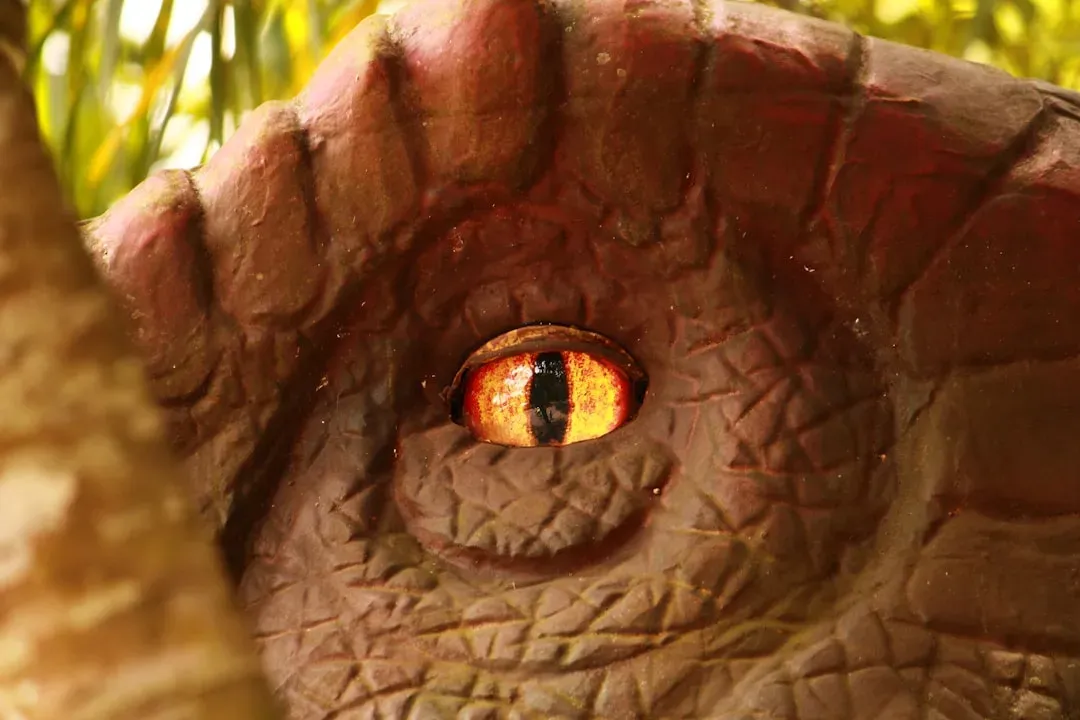
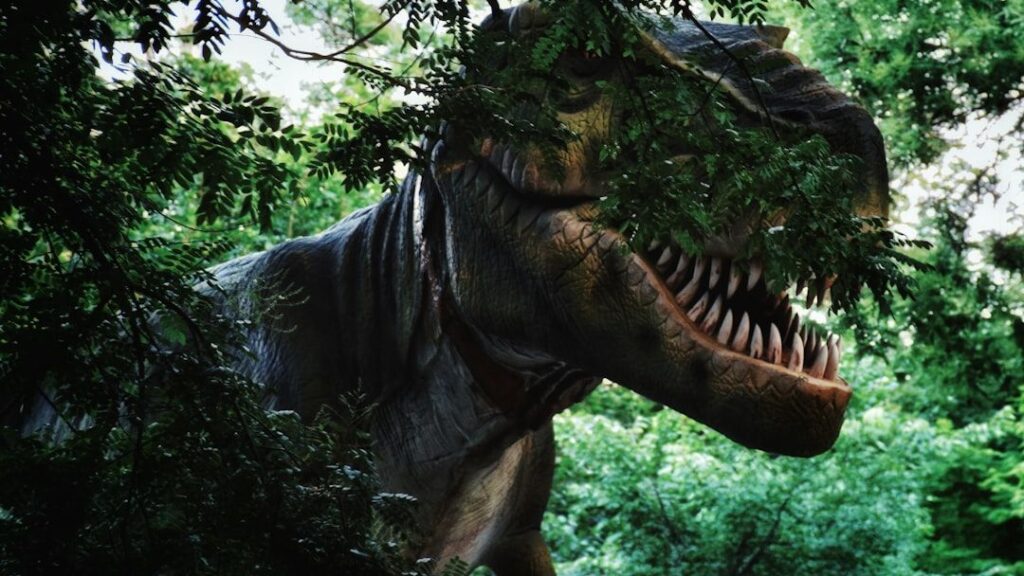
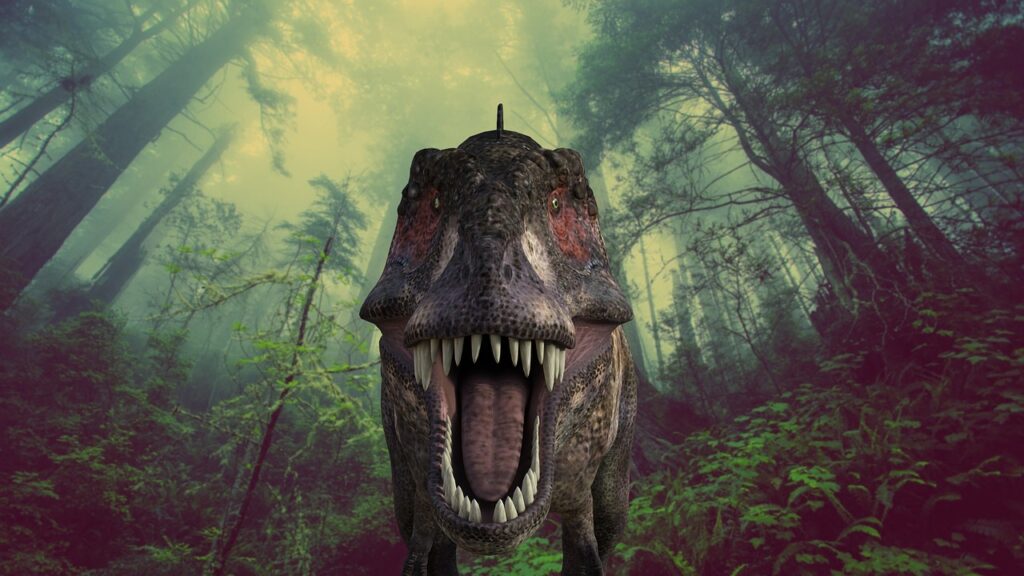
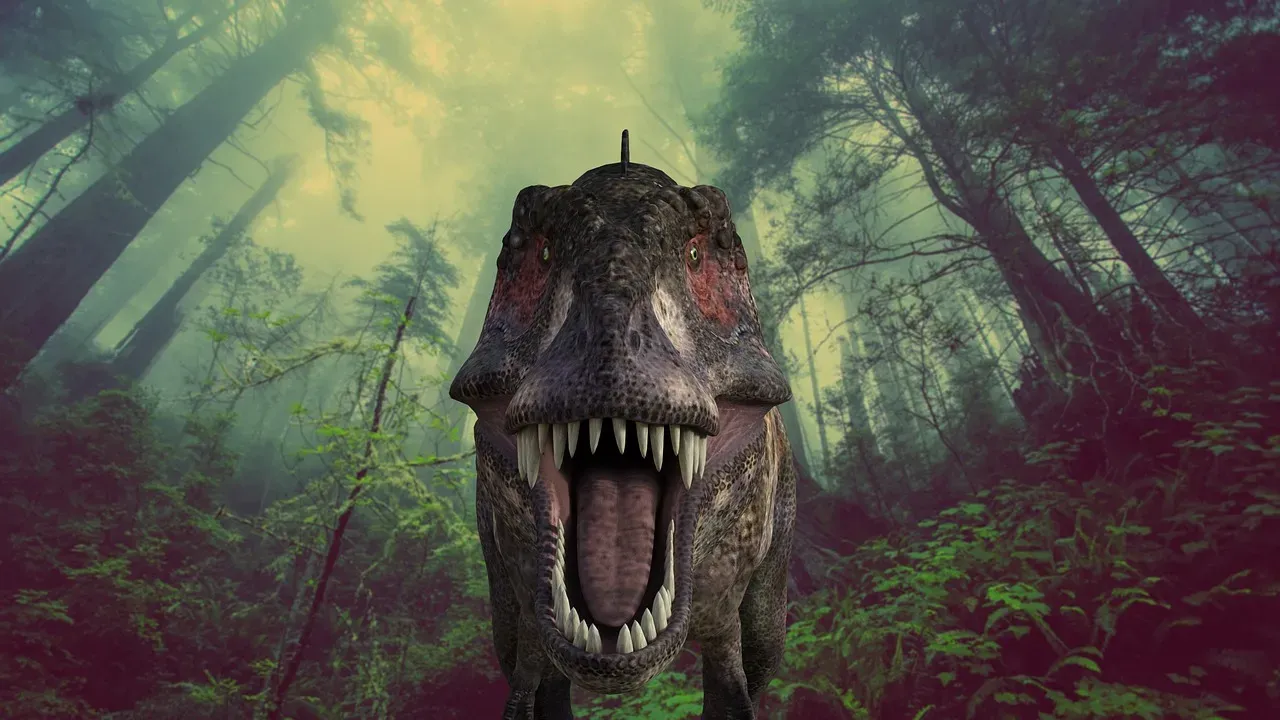
Tyrannosaurus rex had a binocular range of 55 degrees, wider than that of modern hawks, which sounds almost impossible when you first hear it. This wasn’t just good eyesight. It was an evolutionary masterpiece. The eye position of T. rex was similar to that of modern humans, but their eyes and optic lobe were much larger.
Think about what that means for a moment. With eyes the size of grapefruits positioned forward on its skull, T. rex could judge distances with terrifying accuracy. Over millennia, T. rex evolved features that improved its vision: its snout grew lower and narrower, cheek grooves cleared its sight lines, and its eyeballs enlarged, providing a selective advantage for seeing three-dimensionally ahead of it. This three-dimensional depth perception allowed the dinosaur to track fast-moving prey through dense forests and strike with precision. No wonder the Hollywood myth about movement-based vision was so wrong.
Electromagnetic Prey Detection in Sharks
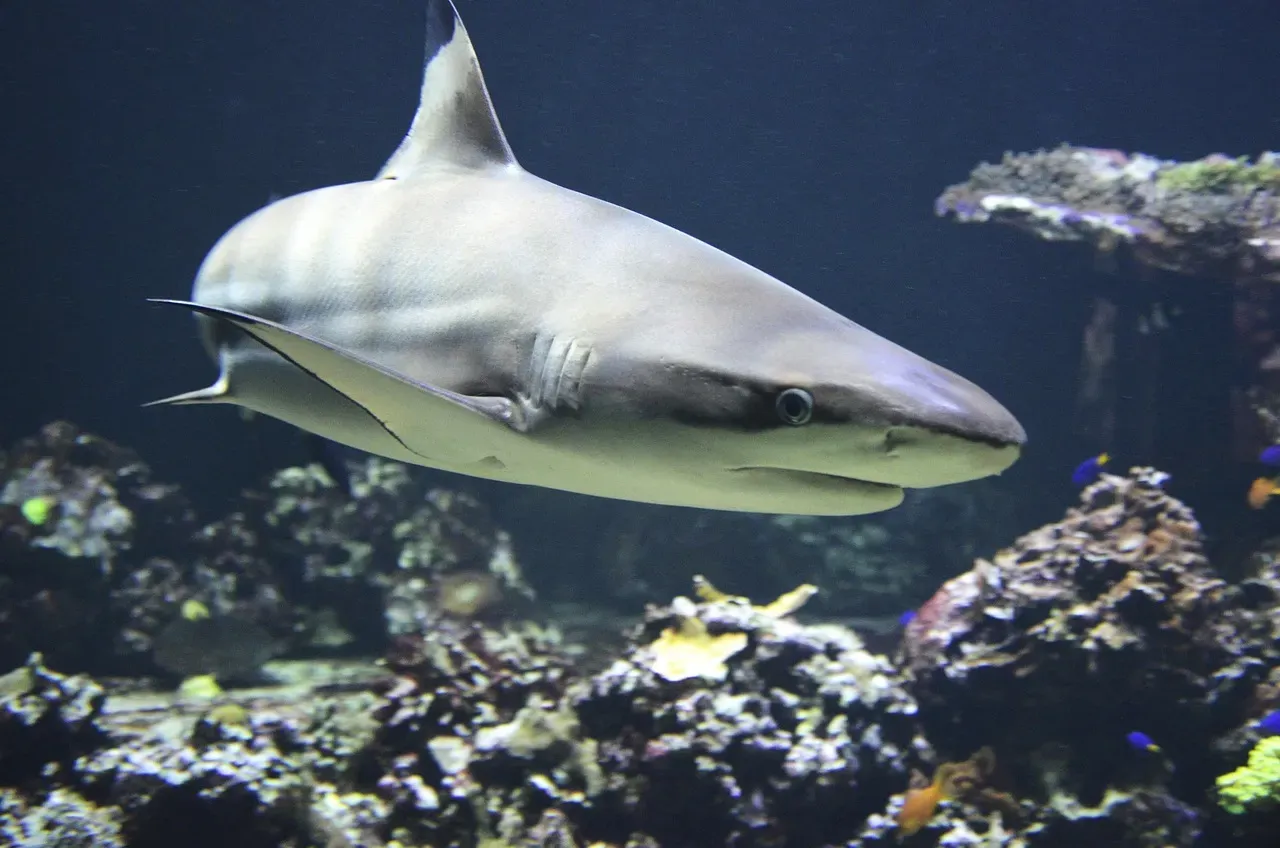
Long before megalodon terrorized ancient oceans, sharks developed one of nature’s most sophisticated hunting tools. Small gel-filled pores, especially concentrated around the snout, detect weak electrical fields generated by living prey, even when hidden in sand or under substrate. These organs are called ampullae of Lorenzini, and they’re basically nature’s version of a sixth sense.
Sharks have six senses: smell, hearing, touch, taste, sight and electromagnetism that help keep them at the top of the food chain. Imagine being a fish buried in sand, thinking you’re completely safe and invisible. Then a massive prehistoric shark glides overhead, turns sharply, and strikes exactly where you’re hiding. That electromagnetic detection made escape nearly impossible. The megalodon, reaching lengths of up to sixty feet, combined this sensory superpower with crushing bite force and ambush tactics that left prey with zero chance.
Bone-Crushing Bite Forces Beyond Comprehension
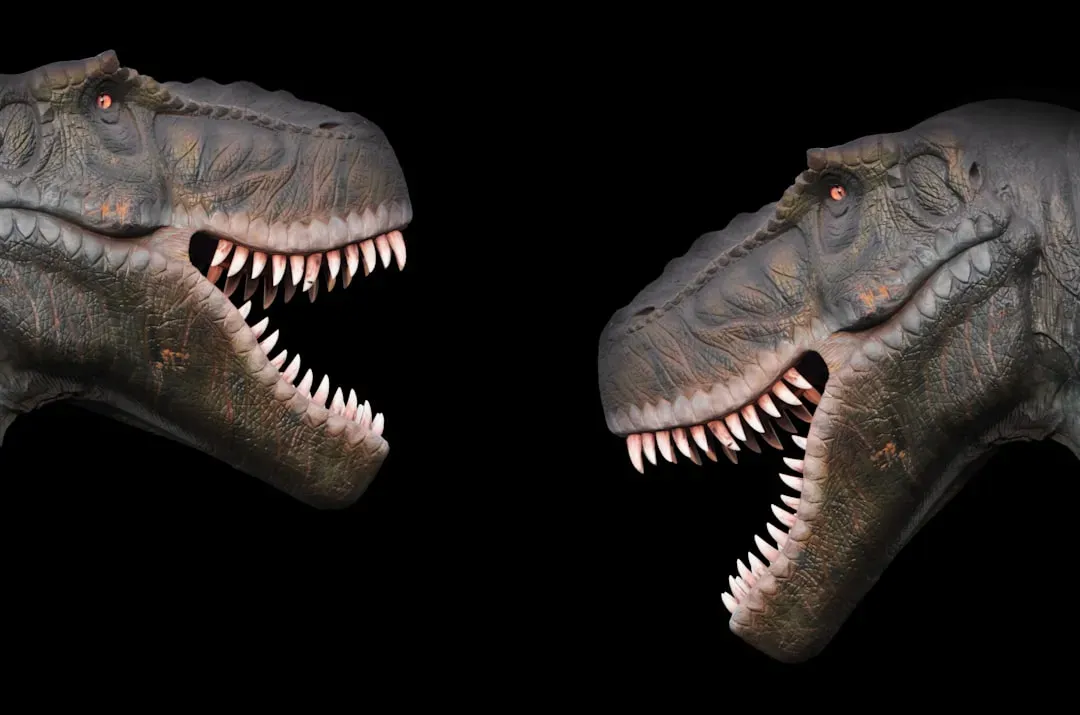
You’ve probably heard that T. rex had a powerful bite, but the numbers are genuinely shocking. T. rex is estimated to have had a bite force between 35,000 to 65,000 Newtons, twice that of a saltwater crocodile. That’s enough force to shatter bone like glass and tear through the toughest hides nature ever produced.
Megalodon teeth were thick and robust, built for grabbing prey and breaking bone, and their large jaws could exert a bite force of up to 108,500 to 182,200 newtons. When you put those numbers in perspective, modern predators look downright gentle by comparison. These ancient hunters didn’t just wound their prey. They obliterated skeletal structures and crushed through protective armor with single bites. Tyrannosaur teeth were robust and banana-shaped, designed to withstand struggling prey and deliver immense bite forces, meaning even the most desperate escape attempts were futile.
Ambush Predation Through Camouflage Mastery
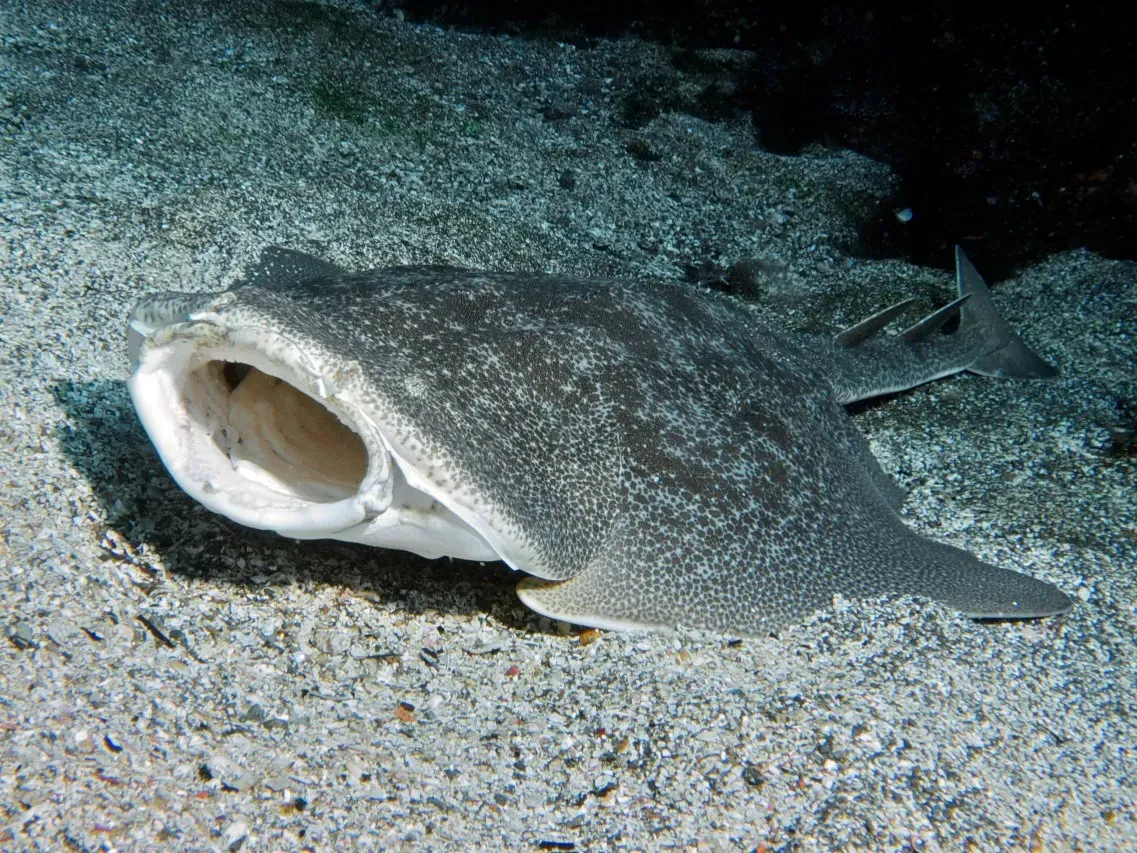
Not all predators relied on raw power or speed. Some became masters of invisibility. Angel sharks bury themselves in muddy and sandy areas where they can hide before ambushing their prey, remaining motionless for days until the perfect moment arrived. This patience is something modern predators still use, yet ancient versions took it to extreme levels.
Great white sharks, descendants of ancient lineages, perfected a different form of camouflage. Unlike bottom dwellers, Great Whites are too large to bury themselves in sand, so they rely on their countershading to camouflage, with blue-grey tops resembling water and white underbellies helping obscure them. From below, they looked like the sky. From above, they blended with the deep. Prey never saw the attack coming. Great White sharks tend to attack their prey from below, swimming at high speeds before launching themselves, catching the animal by surprise with one bite.
Pack Hunting Coordination in Terror Birds
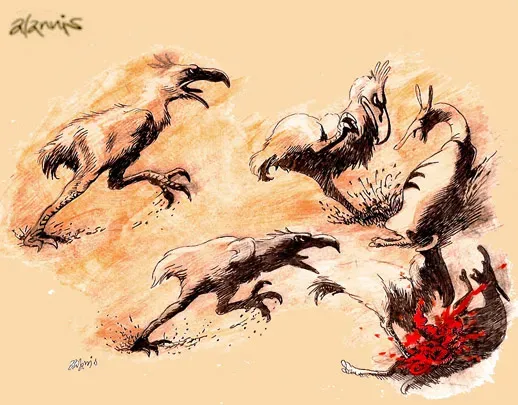
Here’s where things get really interesting. Terror birds were large carnivorous, mostly flightless birds that were among the largest apex predators in South America during the Cenozoic era. These creatures stood up to ten feet tall and weighed hundreds of pounds, but size wasn’t their only advantage.
Phorusrhacids killed by striking using their large beaks as axes, with precise repeated vertical strikes, which sounds like something out of a nightmare. The phorusrhacid had a highly flexible and developed neck allowing it to carry its heavy head and strike with terrifying speed and power, with developed neck muscles and heavy head producing enough momentum to cause fatal damage. Picture a bird the size of a bear with the neck flexibility of a snake and the striking power of a sledgehammer. That’s what prey faced. Some species likely hunted in coordinated groups, using their intelligence and speed to corner victims in ways solitary predators couldn’t match.
Sensory Overload From Multiple Detection Systems
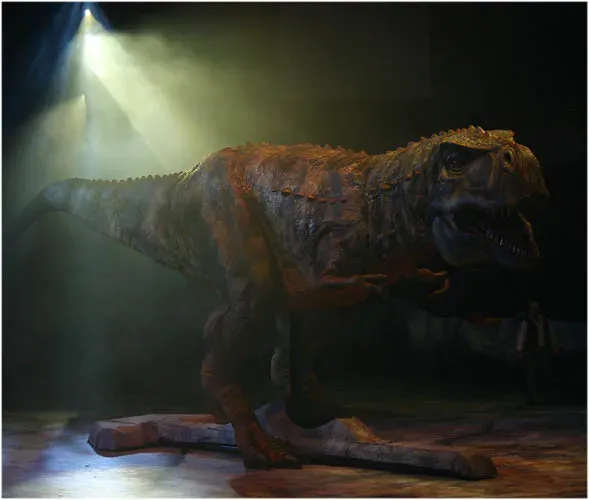
Ancient predators didn’t rely on just one sense. They layered multiple detection systems to create an almost inescapable net. Tyrannosaurus had very large and well-developed olfactory bulbs which process smell, and cochlear ducts which process sound, creating what researchers call a sensory superweapon.
T. rex eyes were also set wide apart, giving excellent depth perception to aid in pursuit of prey, and set relatively high on the head, boosting ability to see longer distances. Combine this with their sense of smell potentially detecting carrion from miles away, and you had a predator that could find you whether you were hiding, running, or already dead. Sharks detect amino acids in water at extremely low concentrations, with detection thresholds as fine as one part per 20 million. This meant even the faintest traces of injury or stress chemicals in water acted like beacons.
Speed and Endurance Hunting Strategies
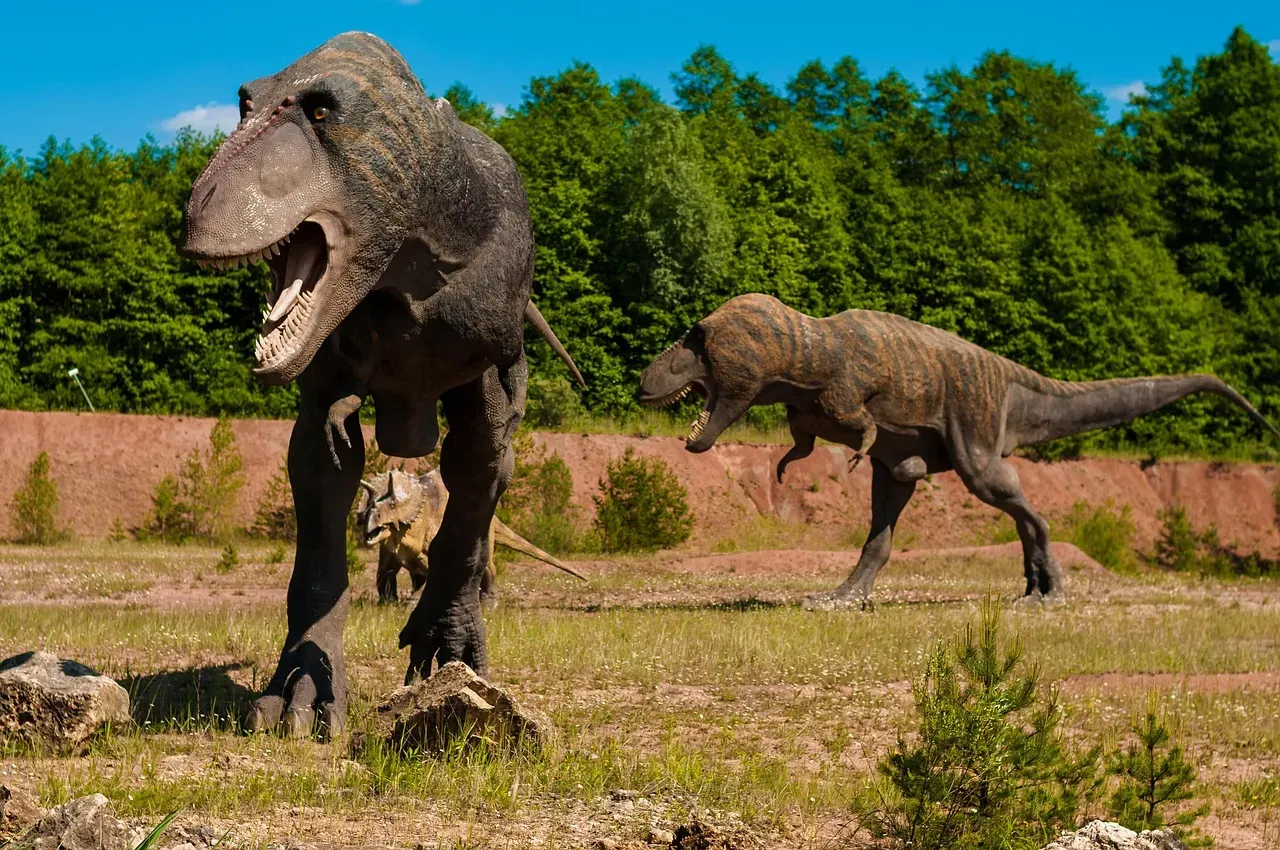
Raw speed wasn’t everything, though it certainly helped. What really mattered was sustaining that speed long enough to exhaust prey completely. T. rex bones in its ankles were heavily compressed in an arctometatarsalian condition, assisting in absorbing and retaining energy while traveling long distances, suggesting it may have been a persistence hunter keeping pace behind prey for miles until they gave in to exhaustion.
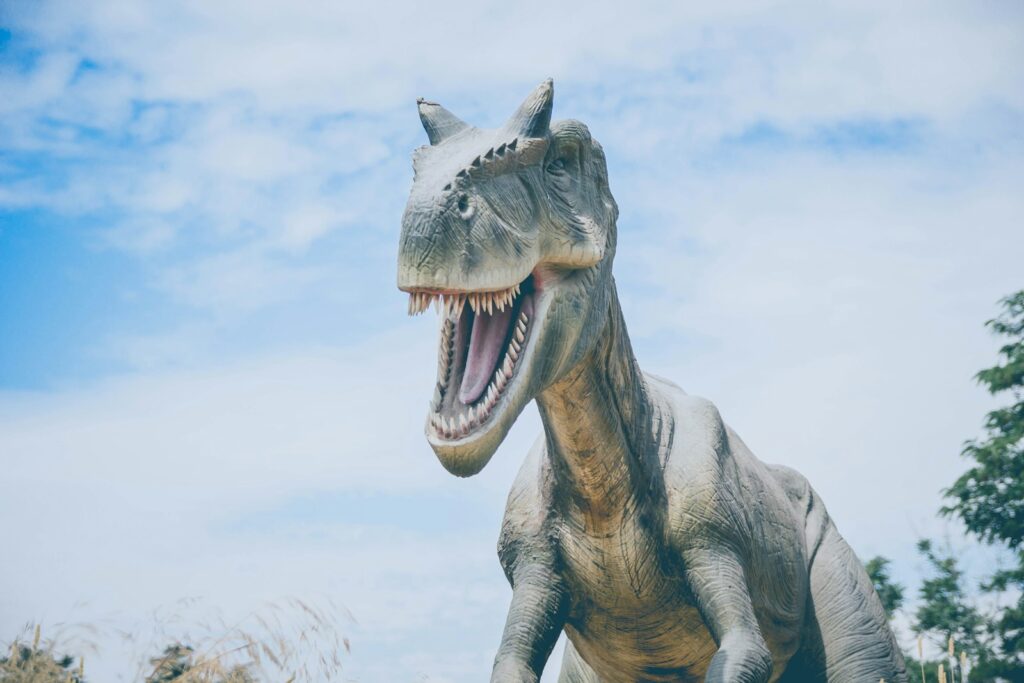
Large terror birds were very fast runners, reaching speeds of up to 48 kilometers per hour. That kind of speed from a ten-foot-tall bird must have been absolutely horrifying to witness. Allosaurus combined a lightweight skull with dozens of serrated teeth, three-fingered hands, and incredibly powerful hind limbs, creating a package of speed and lethality. These predators understood that sometimes you don’t need to be faster initially. You just need to outlast your target until exhaustion takes over.
Specialized Killing Techniques for Maximum Efficiency
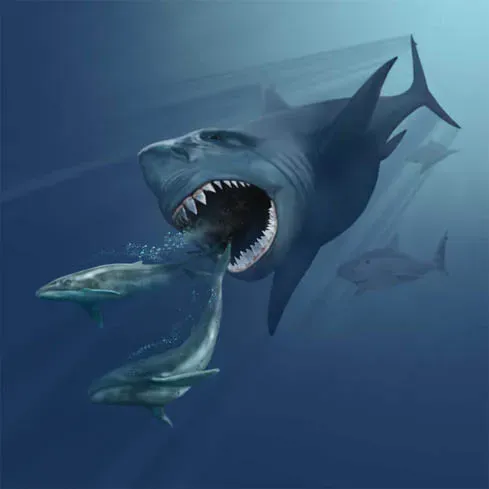
Perhaps the most chilling aspect of ancient predators was how they refined their killing methods over millions of years. Unlike the great white which attacks prey from the soft underside, megalodon probably used its strong jaws to break through the chest cavity and puncture the heart and lungs of its prey. That’s surgical precision from a creature that lived millions of years before humans appeared.
Megalodon targeted bony areas like the ribcage with extremely robust teeth that did not break easily and a crushing bite force that could easily break bones causing large-scale injuries to internal organs. When dealing with larger prey, the strategy changed. When attacking larger whales that were too big for a bite to the ribs, megalodon attacked the tail to immobilize prey, allowing the shark to take its time feeding instead of overexerting itself. Intelligence in action. Terror bird necks were made for repeated striking attacks, with muscles strong enough to drive the hooked point of the beak into a smaller victim’s body to kill it.
Conclusion: The Legacy of Prehistoric Dominance
These ancient predators didn’t rule their worlds through luck or accident. They evolved incredibly specialized adaptations that turned them into killing machines refined over millions of years. From electromagnetic detection to surgical strike techniques, from persistence hunting to coordinated pack tactics, these creatures mastered every aspect of predation.
What’s perhaps most humbling is realizing that many modern predators still use diluted versions of these same strategies. The terror birds are gone, megalodon disappeared from the depths, and T. rex left behind only fossils. Yet their innovations in hunting, sensing, and killing live on in their descendants and ecological successors. Next time you see a hawk scanning a field or a shark patrolling coastal waters, remember you’re watching evolution’s greatest hits, techniques perfected when these ancient giants stalked the earth and seas.
What strikes you most about these prehistoric hunters? Their sheer power, their sensory abilities, or the calculated intelligence behind their methods? It’s worth pondering just how different our world would be if they’d never disappeared.