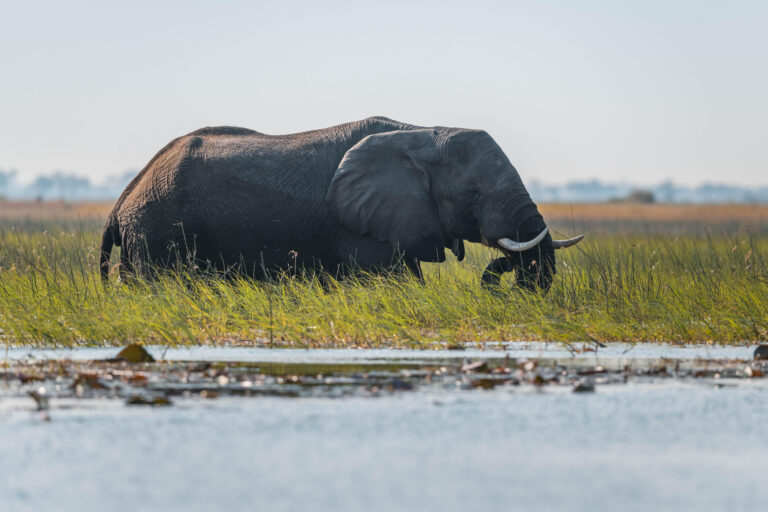
Angola – A remote highland wetland vital for regional water supply and biodiversity received formal international recognition last October.
Remote Reservoir Emerges as Lifeline

Remote Reservoir Emerges as Lifeline (Image Credits: Imgs.mongabay.com)
Deep in Angola’s highlands lies a natural powerhouse that locals call lisima lya mwono, meaning “source of life.” This area acts as a critical water tower, channeling freshwater into the country’s major rivers. Its designation under the Ramsar Convention marked a milestone for conservation efforts in the region. The wetland sustains ecosystems that might otherwise face severe drought pressures.
Water from this highland source flows steadily, supporting agriculture and communities downstream. Unique wildlife thrives here, adapted to the wetland’s specific conditions. Recognition highlights its role beyond national borders, influencing water security across southern Africa.
Ecological Treasures of the Wetland
This wetland hosts species found nowhere else, from specialized birds to amphibians reliant on its marshes. It filters and stores rainwater, releasing it gradually to prevent flooding in lower areas. The site’s elevation creates a unique microclimate, fostering plant diversity that anchors the soil against erosion.
Local communities have long depended on it for fishing and grazing. Conservationists note its resilience despite surrounding deforestation pressures. Protecting such areas preserves genetic diversity essential for future adaptations to climate shifts.
Ramsar Convention’s Role in Protection
The Ramsar Convention, an international treaty focused on wetlands, officially listed the site last October after rigorous evaluation. Criteria included its international significance for waterbirds and as a hydrological hub. Angola’s government collaborated with experts to nominate it, demonstrating commitment to global standards.
Designation brings technical assistance and monitoring tools. It encourages sustainable management plans involving local stakeholders. Similar recognitions have revitalized other African wetlands, boosting eco-tourism and research.
Challenges and Conservation Pathways
Threats like climate variability and human encroachment loom large. Encroaching agriculture risks altering water flows. Yet, Ramsar status mobilizes resources for patrols and restoration projects.
Here are key features driving its importance:
- Primary source for major Angolan rivers.
- Habitat for endemic flora and fauna.
- Buffer against seasonal droughts.
- Cultural significance to indigenous groups.
- Potential for carbon sequestration.
| Aspect | Impact |
|---|---|
| Water Supply | Sustains rivers feeding millions |
| Biodiversity | Supports rare species |
| Climate Role | Regulates local hydrology |
- Ramsar listing elevates Angola’s wetland to global protection level.
- It safeguards water for rivers and wildlife amid growing pressures.
- Local involvement ensures long-term viability.
This Ramsar milestone underscores how targeted conservation can secure vital ecosystems for generations. As Angola builds on this progress, the “source of life” stands as a beacon for balancing development and nature. What steps should more countries take to protect their own water towers? Share your thoughts in the comments.