
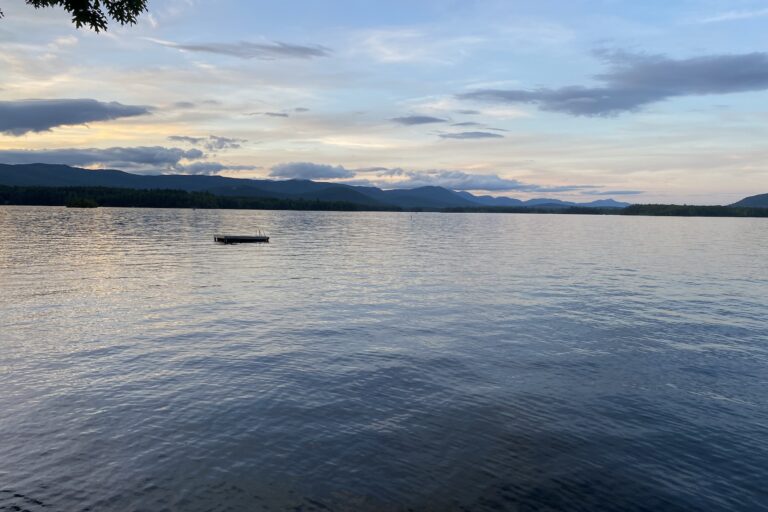
A stark United Nations analysis reveals that humanity’s accelerating water consumption outpaces natural replenishment, thrusting the globe perilously close to irreversible shortages.
Deficit Spending in Nature’s Water Bank
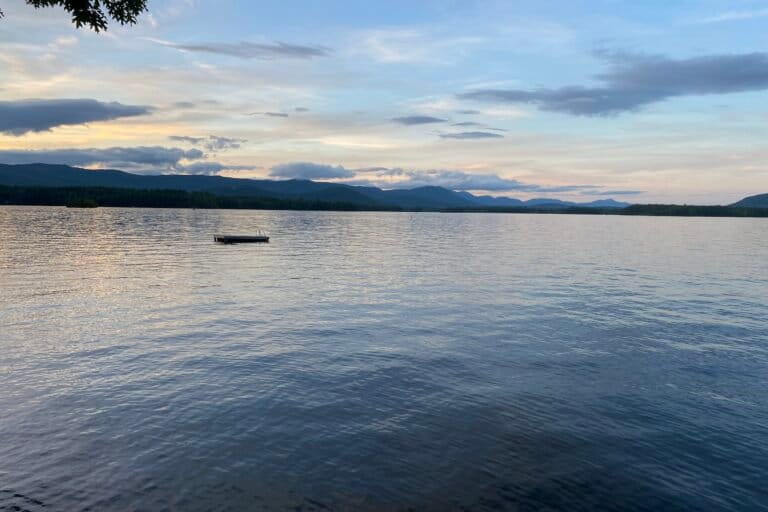
Deficit Spending in Nature’s Water Bank (Image Credits: Imgs.mongabay.com)
Glaciers and aquifers serve as the planet’s vital water savings accounts, much like a family’s emergency fund built over years. The latest findings from the United Nations University Institute for Water, Environment and Health outlined this financial parallel to underscore the crisis. Annual inflows from rivers, precipitation, and melting snow equate to regular income. Yet overuse has created chronic deficits, eroding these reserves at alarming rates.
Regions dependent on these natural banks now confront overdraft scenarios. The report highlighted how sustained extraction exceeds recharge, mirroring profligate spending that leads to bankruptcy. This analogy drives home the urgency: without corrective measures, vital water supplies will vanish.
Key Drivers Fueling the Overdraft
Agriculture tops the list of culprits, guzzling nearly three-quarters of available freshwater worldwide. Urban expansion and industrial demands compound the strain, pulling ever-larger volumes from strained sources. Climate shifts exacerbate the imbalance by altering rainfall patterns and hastening glacier melt.
Here are the primary factors accelerating depletion:
- Irrigated farming practices that rely on inefficient flood methods.
- Exploding populations in arid zones, spiking household and municipal use.
- Industrial processes, especially in manufacturing and energy production.
- Contaminated returns that diminish usable water volumes.
- Loss of wetlands and forests that once buffered recharge cycles.
Hotspots Teetering on the Edge
Several areas already exhibit symptoms of advanced water stress. Parts of the Middle East and North Africa draw down ancient aquifers faster than rainfall can restore them. India’s major river basins face similar pressures from monsoon-dependent agriculture. Even temperate zones like California’s Central Valley report groundwater tables plummeting after prolonged droughts.
The report mapped these vulnerabilities, showing how interconnected systems amplify risks. A shortfall in one basin ripples outward, disrupting ecosystems and economies alike. Wildlife habitats suffer as rivers run dry and wetlands shrink, threatening biodiversity on a massive scale.
Charting a Course to Solvency
Solutions demand a multifaceted approach centered on efficiency and stewardship. Governments and communities must prioritize technologies like drip irrigation and wastewater recycling. Policy shifts could enforce stricter extraction limits and incentivize conservation.
International cooperation emerges as essential, given rivers and aquifers that span borders. Investments in restoration, such as reforesting watersheds, promise to bolster natural recharge. Individuals play a role too, through reduced consumption and advocacy for sustainable practices.
Key Takeaways
- Freshwater depletion outstrips replenishment, risking ‘water bankruptcy’ in vulnerable regions.
- Agriculture and urbanization drive most overuse; efficiency gains offer quick wins.
- Global action on conservation and restoration can avert catastrophe.
The report serves as a clarion call: the planet’s water ledger teeters on insolvency, but prudent management can restore balance. What steps do you believe are most critical to safeguard freshwater for future generations? Share your thoughts in the comments.