Wildlife populations worldwide face unprecedented pressures that demand immediate and coordinated action from governments, organizations, and individuals alike.
Habitat Loss Leads the Charge
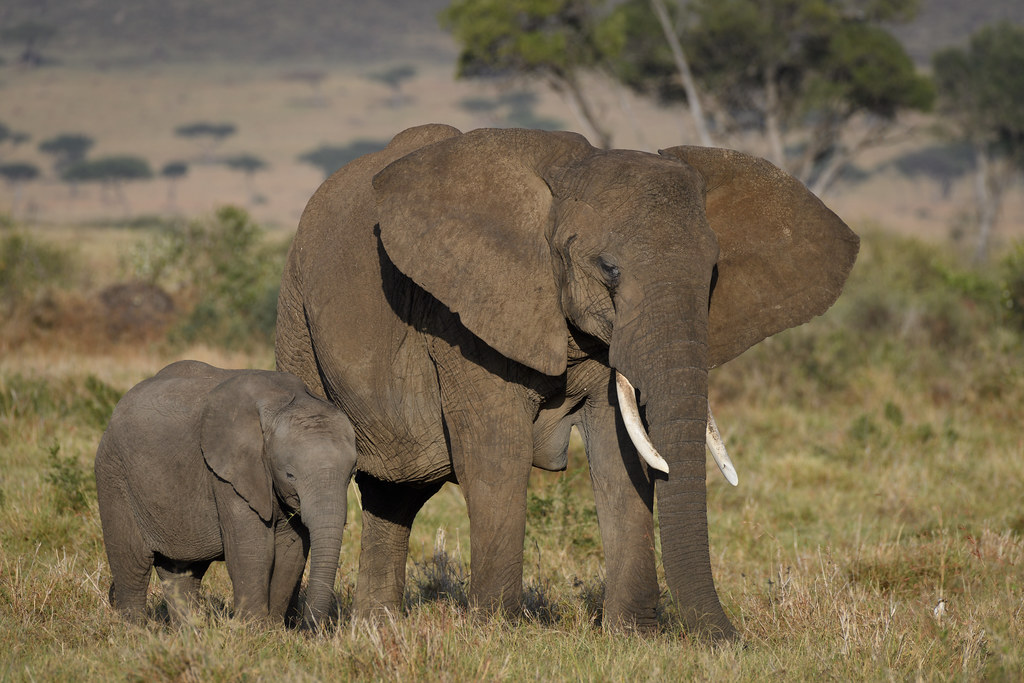
Habitat Loss Leads the Charge (Image Credits: Flickr)
Deforestation and urban expansion have erased vast swaths of natural environments over the past several decades. Forests, wetlands, and grasslands serve as critical homes for countless species, yet these areas shrink at alarming rates. In tropical regions, logging for agriculture and timber removes entire ecosystems in mere years. Conservationists report that such losses directly contribute to species decline.
Efforts to curb this trend include protected area designations and reforestation projects. Still, enforcement remains inconsistent in many parts of the world. Without halting habitat destruction, recovery for affected wildlife proves elusive.
Climate Change Reshapes Survival
Rising temperatures and shifting weather patterns disrupt migration routes and breeding cycles. Coral reefs bleach under warmer oceans, while polar species lose sea ice essential for hunting. Scientists observed these changes intensify over the last two decades, with extreme events like wildfires and floods compounding the damage.
Adaptation strategies, such as wildlife corridors, help animals move to suitable habitats. International agreements aim to limit global warming, yet implementation lags behind scientific warnings.
Poaching and Trafficking Undermine Progress
Illegal hunting targets high-value species for trophies, meat, and traditional medicine. Rhinos, elephants, and big cats suffer most from this persistent threat. Authorities seized thousands of illegal wildlife products last year alone, highlighting the scale of underground networks.
Stricter laws and community involvement offer hope. Rangers patrol vulnerable areas, while education campaigns reduce demand in consumer markets.
Key Strategies for Effective Conservation
Successful initiatives blend science, policy, and public engagement. Protected reserves have stabilized populations for species like the giant panda. Community-led programs empower locals to protect their natural resources.
Here are proven approaches gaining traction:
- Establishing marine protected areas to safeguard ocean life.
- Restoring degraded habitats through native plantings.
- Using technology like camera traps and drones for monitoring.
- Promoting sustainable tourism that funds protection efforts.
- Collaborating across borders for migratory species.
Looking Ahead: A Call for Collective Action
Momentum builds through global frameworks like the UN’s biodiversity targets, yet gaps persist in funding and commitment. Innovations in genetics and AI promise new tools for tracking and breeding endangered animals. True progress hinges on sustained investment and behavioral shifts.
| Challenge | Impact | Solution Example |
|---|---|---|
| Habitat Loss | Species displacement | Reforestation |
| Poaching | Population crashes | Anti-trafficking tech |
| Climate Shifts | Food scarcity | Protected corridors |
- Habitat protection remains the foundation of all efforts.
- International cooperation amplifies local actions.
- Every individual choice, from consumption to advocacy, counts.
Wildlife conservation stands at a pivotal moment where decisive steps can reverse decades of decline and preserve biodiversity for future generations. What steps will you take to support this vital cause? Tell us in the comments.