You’ve probably seen Tyrannosaurus rex a million times, always portrayed as the ultimate prehistoric predator. We’ve grown up with this image of massive, lumbering reptiles that disappeared mysteriously millions of years ago. Truth is, every year brings discoveries that completely change what we thought we knew about these ancient creatures.
North America’s dinosaur fossils have been hiding secrets that challenge everything from their appearance to their behavior. The year 2025 has so far seen the discovery of 44 new dinosaur species, which gives you an idea of just how much remains to be uncovered. Let’s be real, the dinosaurs you imagine in your head might be nothing like the ones that actually roamed this continent.
They Were Living Right Next Door More Recently Than Anyone Guessed
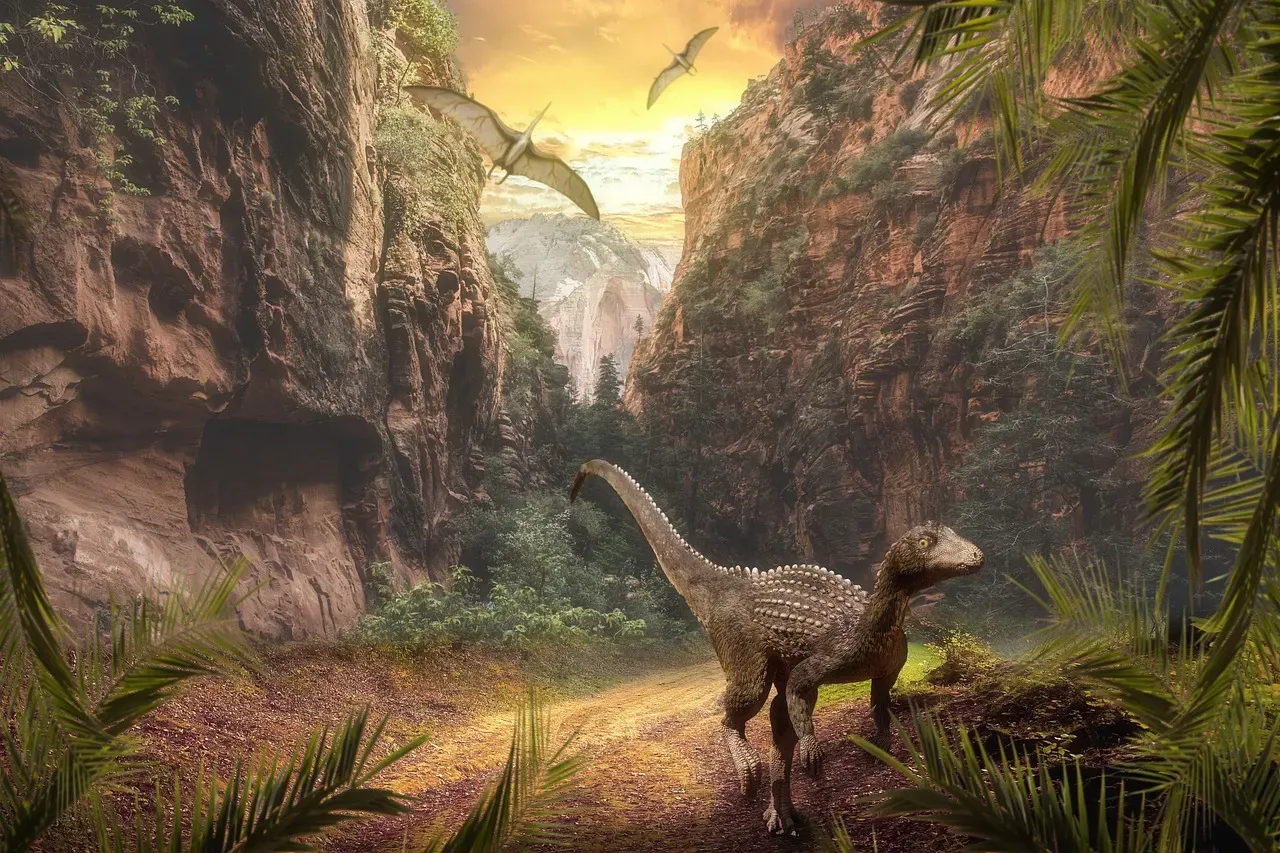
You might think dinosaurs disappeared from North America long before the asteroid struck. New finds in New Mexico reveal a species rich and diverse dinosaur ecosystem thriving literally just before the impact, showing these creatures weren’t slowly dying out at all. Instead, dinosaur communities were flourishing with incredible variety right up until the end.
A Science study reported in October that an array of dinosaurs found in New Mexico lived within 400,000 years of the impact. That’s basically yesterday in geological terms. The research also discovered something fascinating: these dinosaur communities in southern regions were completely different from those up north in Montana and Colorado, suggesting far more regional diversity than anyone expected.
The T. Rex Wasn’t Alone at the Top of the Food Chain
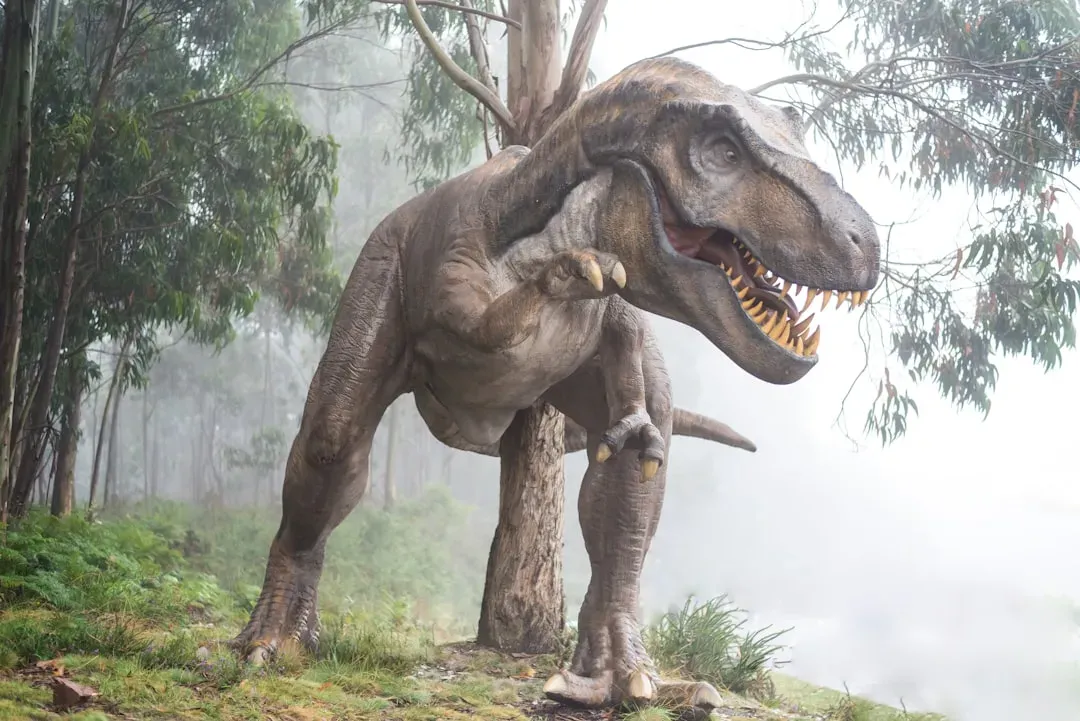
When Tyrannosaurus rex was stomping around, there may have been another, smaller ‘tyrant’ lurking around – Nanotyrannus, and a new examination on a new and stunning specimen was about 20 years old when it died – and therefore couldn’t be a teenage T. rex. This changes everything we thought about the Cretaceous landscape.
Honestly, the implications are wild. Multiple tyrannosaur species inhabited the same ecosystems in the final million years before the asteroid impact. Imagine Nanotyrannus as a leaner, faster hunter while T. rex dominated through sheer size and power. The competition between these predators must have been intense, creating a richer and more complex ecosystem than the lone-king-of-the-dinosaurs narrative we’ve all heard.
North America’s Oldest Dinosaur Changes the Origin Story
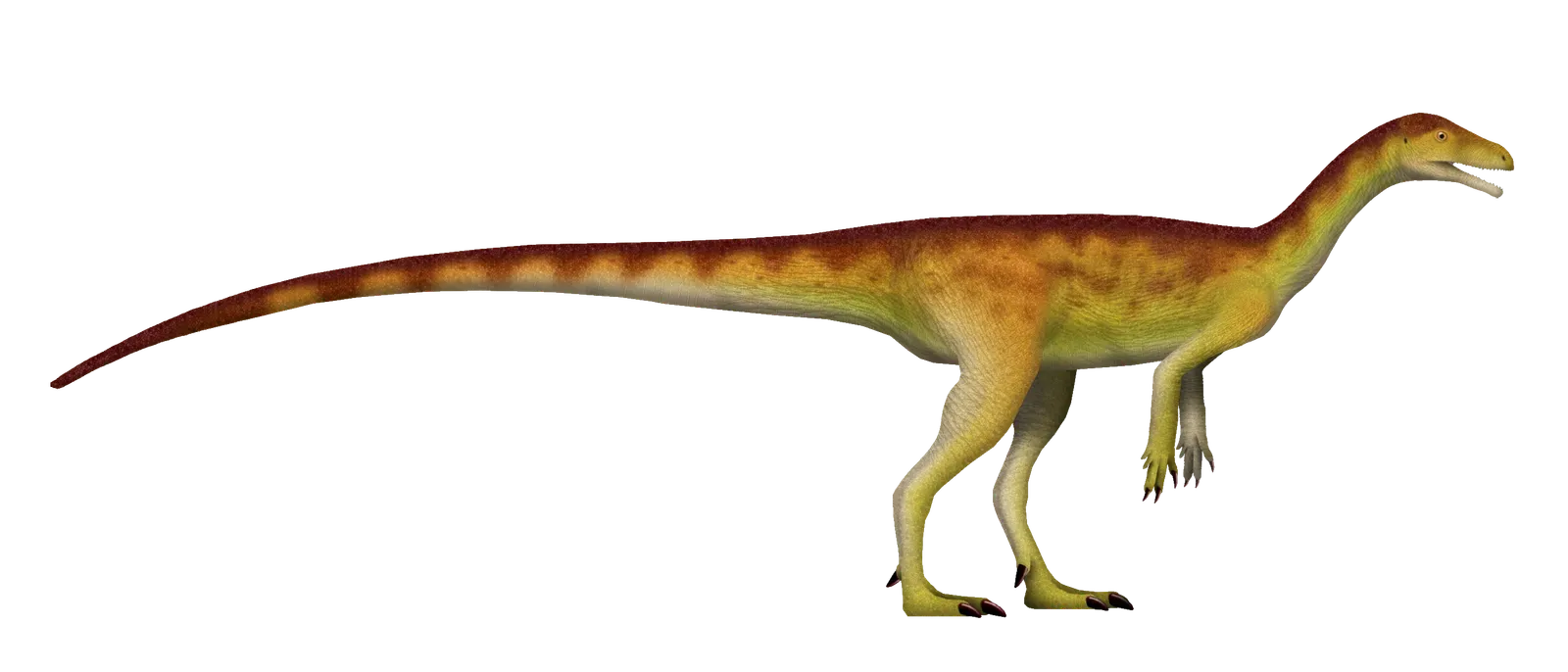
For decades, you were taught that dinosaurs originated in the southern supercontinent Gondwana before spreading north. The creature, named Ahvaytum bahndooiveche, is now the oldest known Laurasian dinosaur, with fossils estimated to be around 230 million years old, challenging that narrative, with evidence that the reptiles were present in the northern hemisphere millions of years earlier than previously known.
This chicken-sized dinosaur with a long tail was discovered in Wyoming. Lovelace and his colleagues performed high-precision radioisotopic dating of rocks in the formation that held Ahvaytum’s fossils, which revealed that the dinosaur was present in the northern hemisphere around 230 million years ago. What fascinates me is that this tiny creature fundamentally reshapes our understanding of how dinosaurs spread across the ancient world, suggesting they may have appeared in both hemispheres nearly simultaneously.
Feathered Dinosaurs Weren’t Just in China
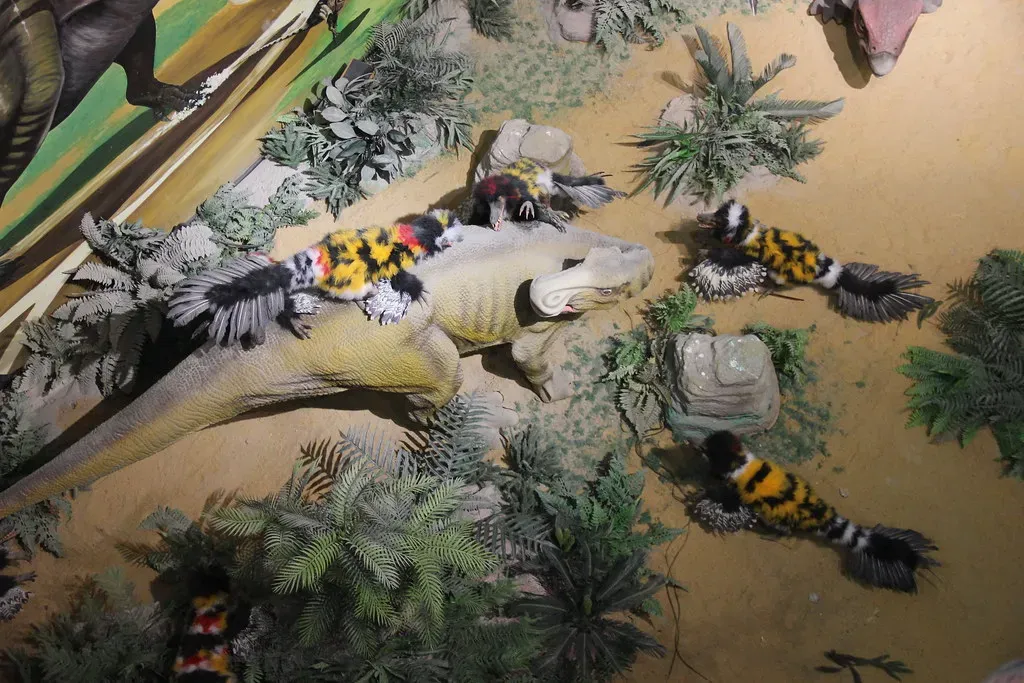
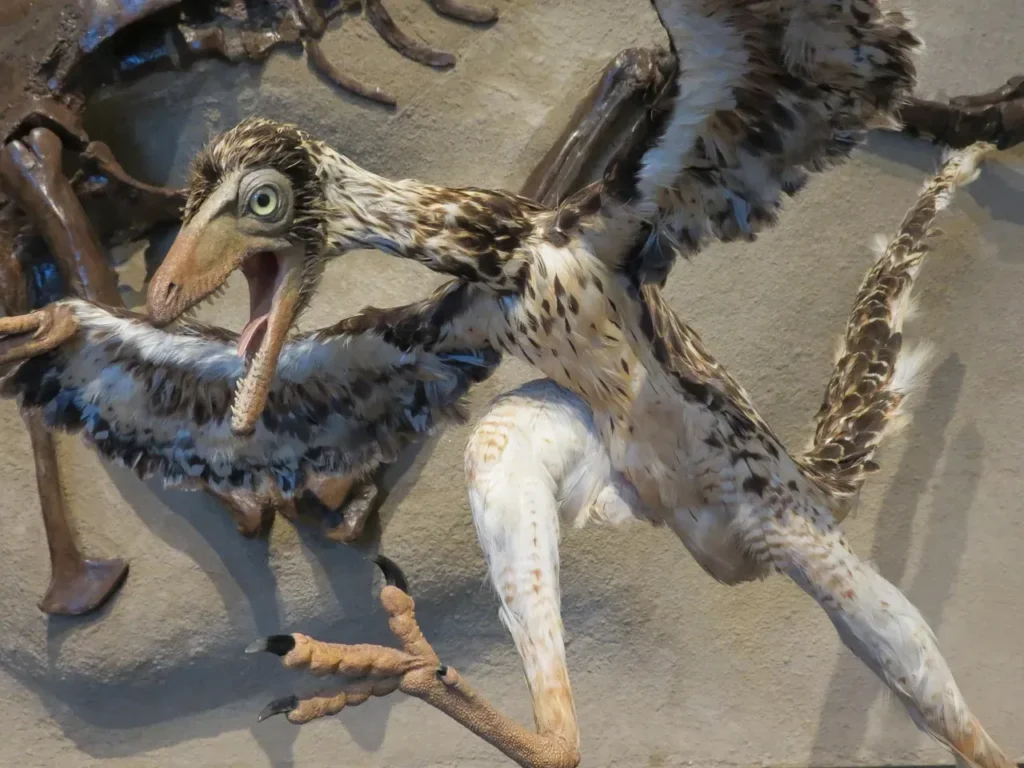
Pop culture has shown you scaly dinosaurs for so long that feathered ones seem almost alien. The new study describes the first ornithomimid specimens preserved with feathers, recovered from 75 million-year-old rocks in the badlands of Alberta, Canada, representing the first feathered dinosaur specimens found in the Western Hemisphere.
The discovery of Ornithomimus with full feather coverage completely alters the picture. This dinosaur was covered in down-like feathers throughout life, but only older individuals developed larger feathers on the arms, forming wing-like structures. These wings weren’t for flight in such a large animal. Scientists think they evolved for display, perhaps to attract mates or show dominance, revealing that dinosaur behavior was far more complex than we imagined.
Dinosaurs Thrived in Mountain Valleys
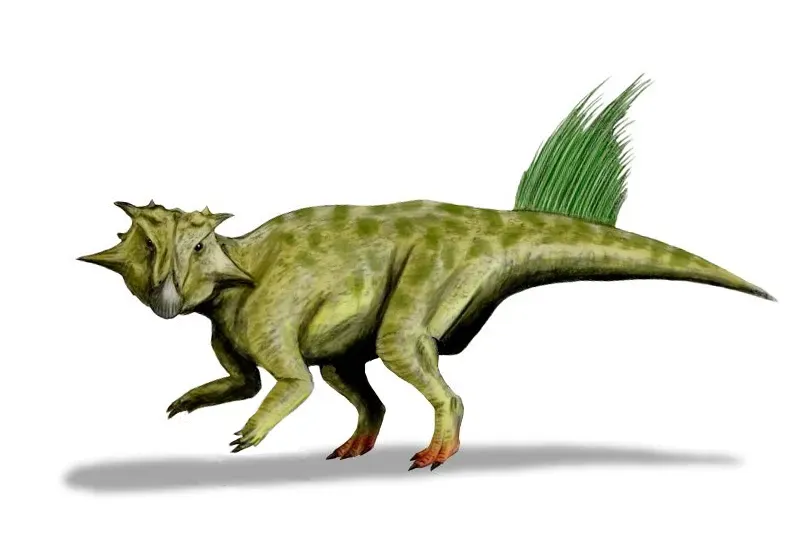
Most fossil sites in North America come from flat coastal plains or lowland areas. The site is unlike any other in Canada, not only are we finding fossils in the mountains, but the dinosaurs we are finding were living among the mountains, too, which is really different compared to other fossil sites in North America.
Discoveries in British Columbia’s remote mountains reveal something unexpected. Finding dinosaur fossils at a high elevation – in this case, 2,000 metres above sea level – is unusual because it means they would have been living there. These creatures inhabited mountain valleys surrounded by towering peaks, similar to the region’s modern appearance. It’s hard to say for sure, but this suggests dinosaur habitats were far more varied and adaptable than the swampy lowland environments typically portrayed.
The Weirdest Armored Dinosaur Had Spikes Growing From Inside Out
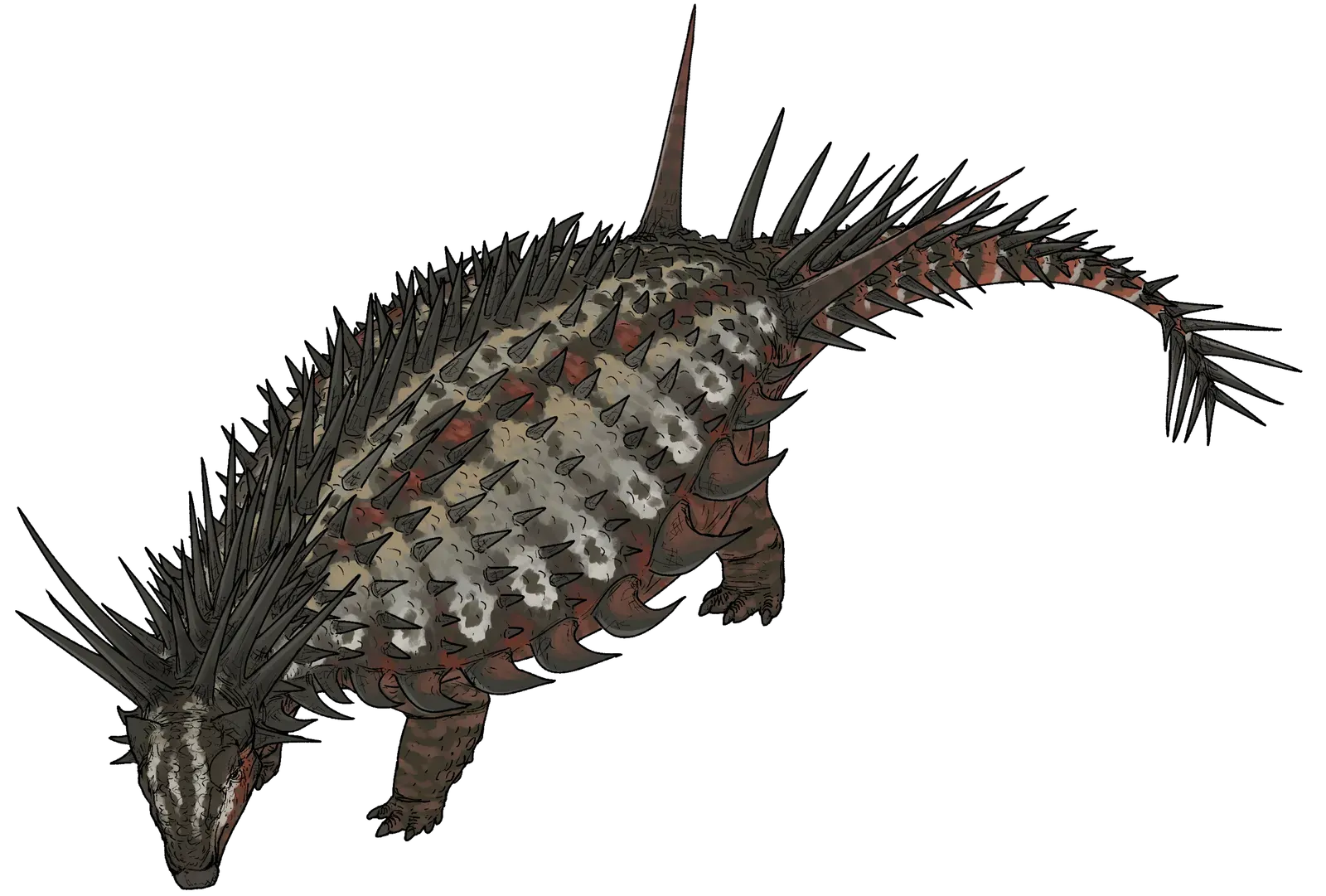
Spicomellus might just be the weirdest looking dinosaur of all time, named a few years ago from one bone that had odd, ‘ice cream cone’-like armored spikes attached to the bone, and an expedition went back to Morocco and subsequently found more of the skeleton. This bizarre ankylosaur redefines what we thought we knew about dinosaur armor.
Here’s the thing: The weirdest thing about it is definitely that it has really small spikes that are actually fused to its ribs. The longer spikes extend over three feet from a bone collar around its neck. While it looked intimidating, Spicomellus was actually a plant-eater, suggesting these extraordinary defenses evolved either to ward off predators or possibly for display purposes. The new fossils show that Spicomellus is the oldest known member of the ankylosaurs, pushing back the timeline of armored dinosaur evolution significantly.
Dome-Headed Dinosaurs Were Much Older Than Expected
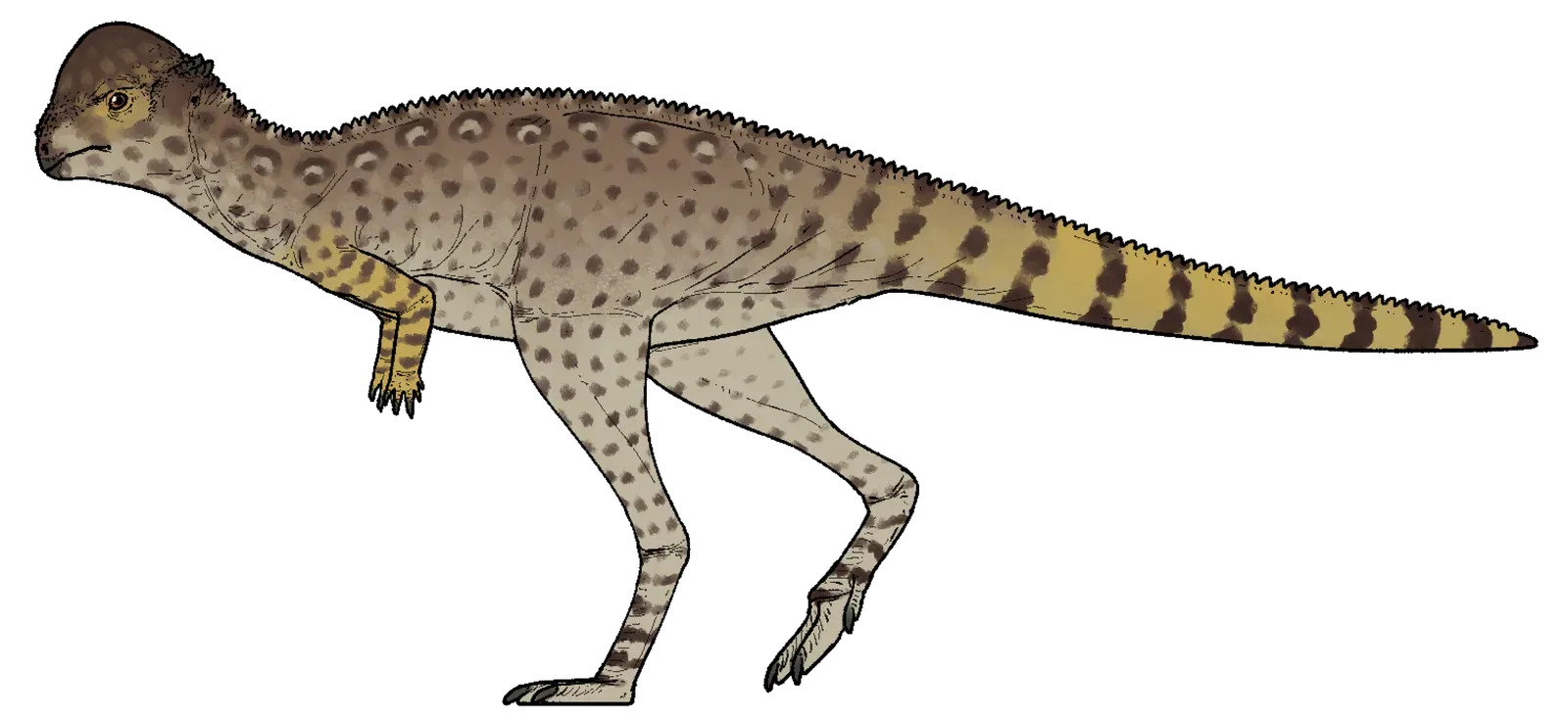
Zavacephale is a new and remarkable “dome-headed” dinosaur, and this group of dinosaurs is poorly understood, but Zavacephale preserves a largely complete skeleton, and is the most complete skeleton known from this strange group. The discovery from Mongolia’s Gobi Desert provides unprecedented insights into pachycephalosaurs.
This stunning one-meter-long plant-eater lived roughly 110 million years ago. Despite being the oldest pachycephalosaur yet known, Zavacephale had a domed skull similar to its relatives that came millions of years later. That dome didn’t change much over millions of years of evolution, which tells you something about how well-adapted these structures already were. Scientists think the domes were used for head-butting contests or display, similar to modern rams.
Dinosaur Eggshells Can Reveal Their Age Without Volcanic Ash
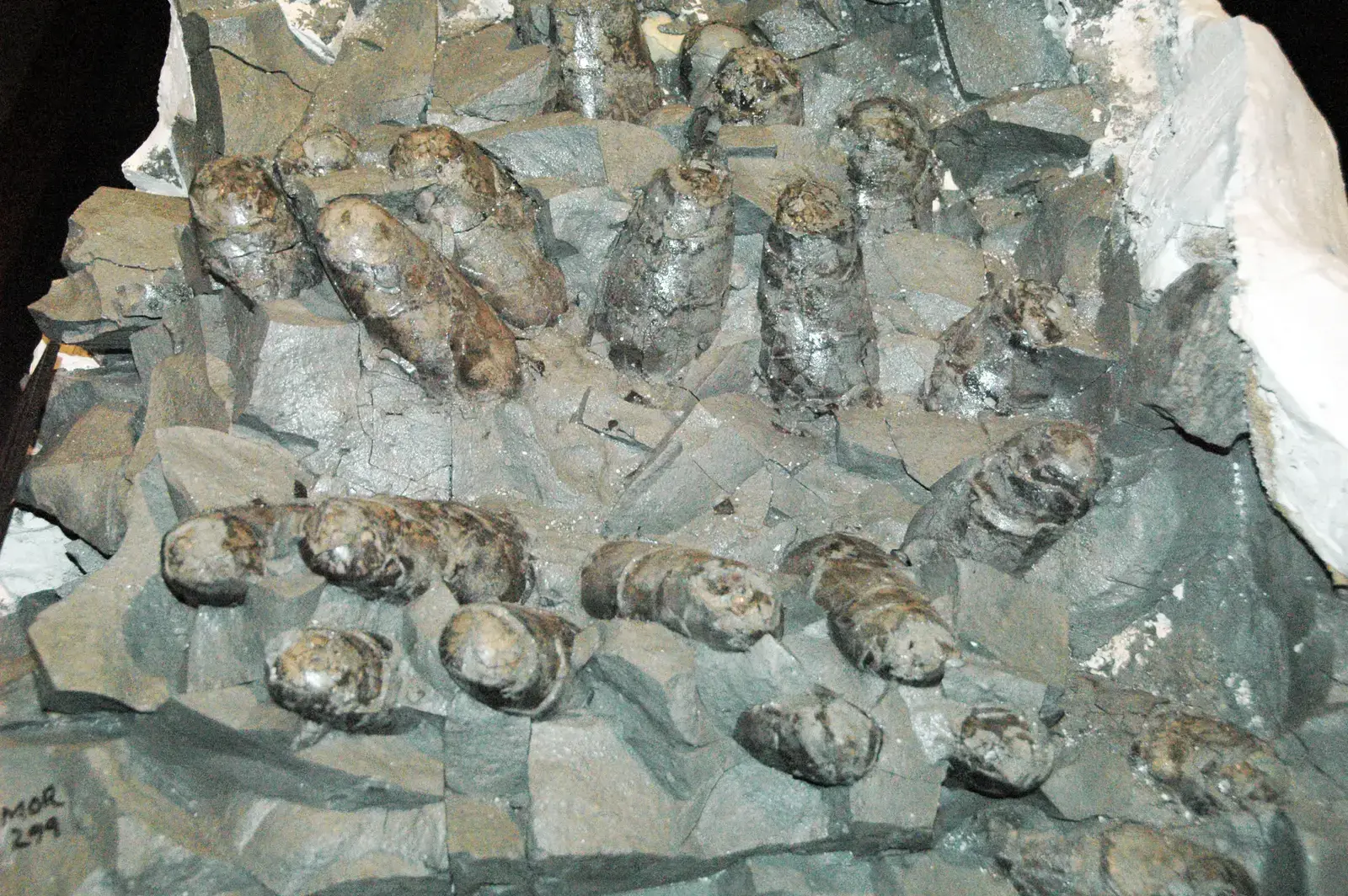
Dating dinosaur fossils has always been tricky, requiring volcanic ash deposits containing special minerals. It’s very challenging to determine how many millions of years old a dinosaur fossil is, and to do so, we rely on a special mineral called zircon that’s common in volcanic ash, however, paleontologists now hypothesize that we can use dinosaur eggs as other radioactive isotopes in the eggshell itself seem to be datable in the exact same way.
This breakthrough means even tiny fragments of fossil eggshells could unlock ages for deposits that were previously impossible to date accurately. Let’s be real, this single discovery could open up entirely new fossil sites across North America that researchers had written off because they lacked volcanic layers. You’re potentially looking at decades of new research suddenly becoming possible.
Sauropod Skin Preserved Color-Carrying Structures
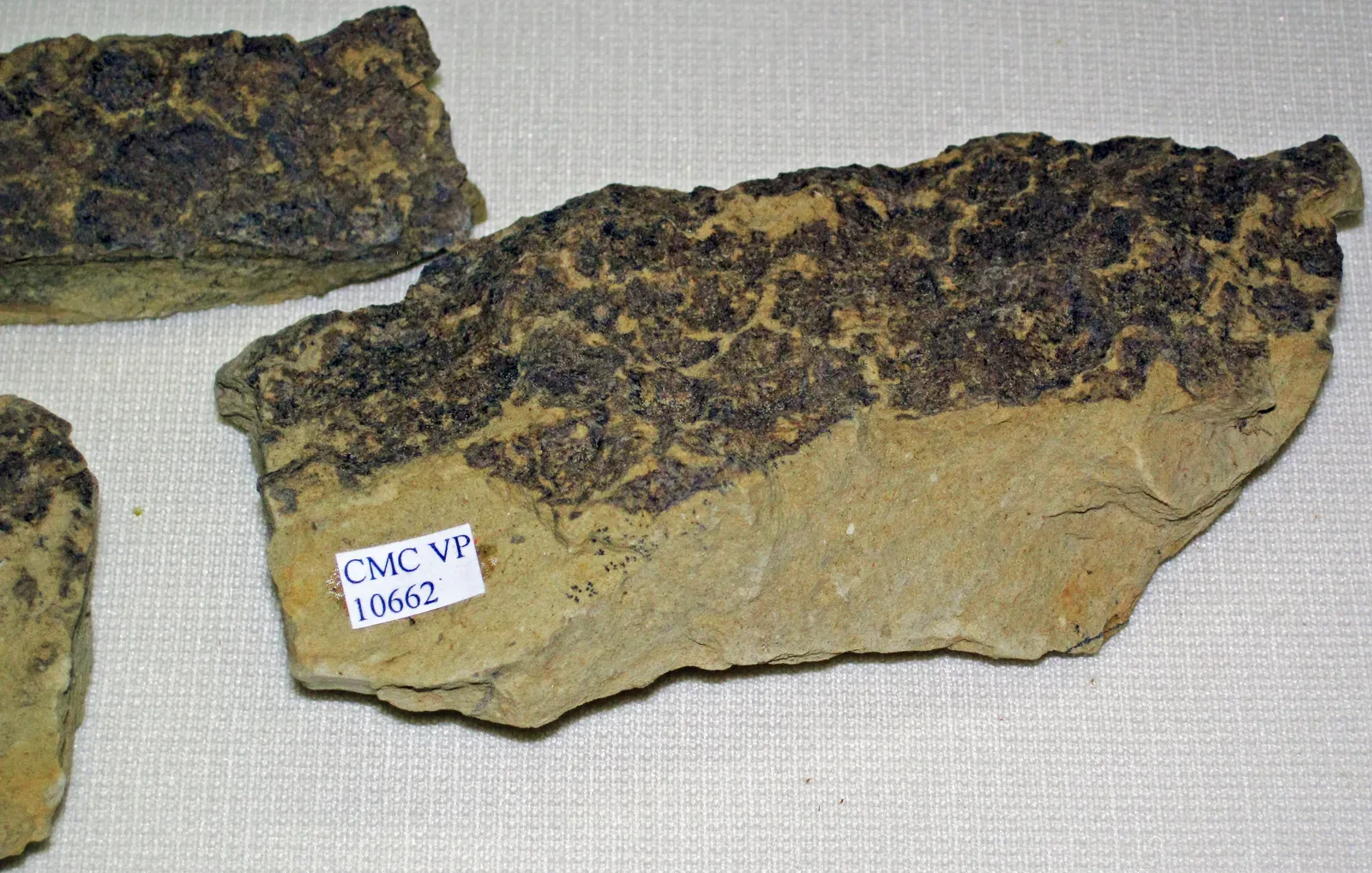
What color were dinosaurs? Microscopic clues found in fossil Diplodocus skin indicate these dinosaurs were colorful, with fossils of sauropod skin so delicately preserved that they include impressions of pigment-carrying structures called melanosomes. This discovery from Montana’s Mother’s Day Quarry is nothing short of remarkable.
Melanosomes are microscopic structures that hold pigment in modern animals. Finding them preserved in dinosaur skin means scientists can now make educated guesses about actual dinosaur colors rather than just imagining them. These massive long-necked herbivores probably displayed patterns and hues we never would have guessed from bones alone, potentially using color for camouflage, temperature regulation, or social signaling.
Footprints Reveal a “Dinosaur Freeway” Across the Continent
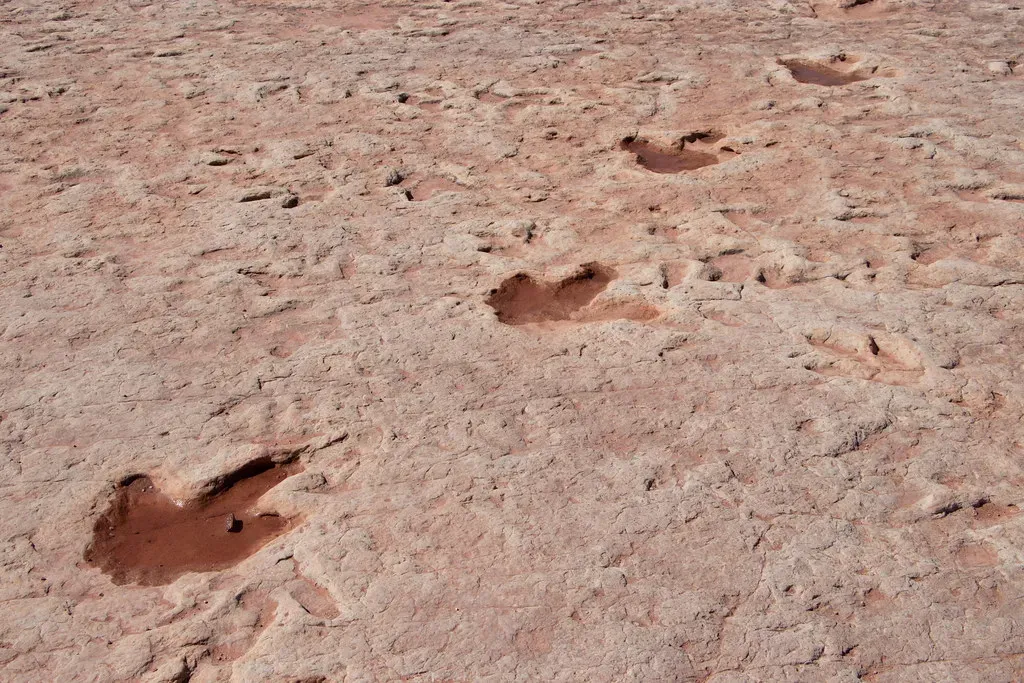
Ongoing research shows that our Main Tracksite is only a small part of a much larger network of track-bearing rock layers stretching from Boulder to northern New Mexico, and because these rocks formed along an ancient shoreline crowded with dinosaurs and crocodiles, scientists call this the “Dinosaur Freeway”.
These fossilized highways preserve moment-by-moment snapshots of dinosaur life. No bones of three-toed, club-tailed ankylosaurs have ever been found in North America from the Middle Cretaceous, which, until now, suggested they may have gone extinct during this time, before reappearing about 84 million years ago. Trackways are filling in massive gaps in the fossil record that bones alone couldn’t tell you about. They show migrations, herd behaviors, predator-prey interactions, and which species lived alongside each other in ways that scattered bones never could.
Conclusion: Rewriting the Dinosaur Story
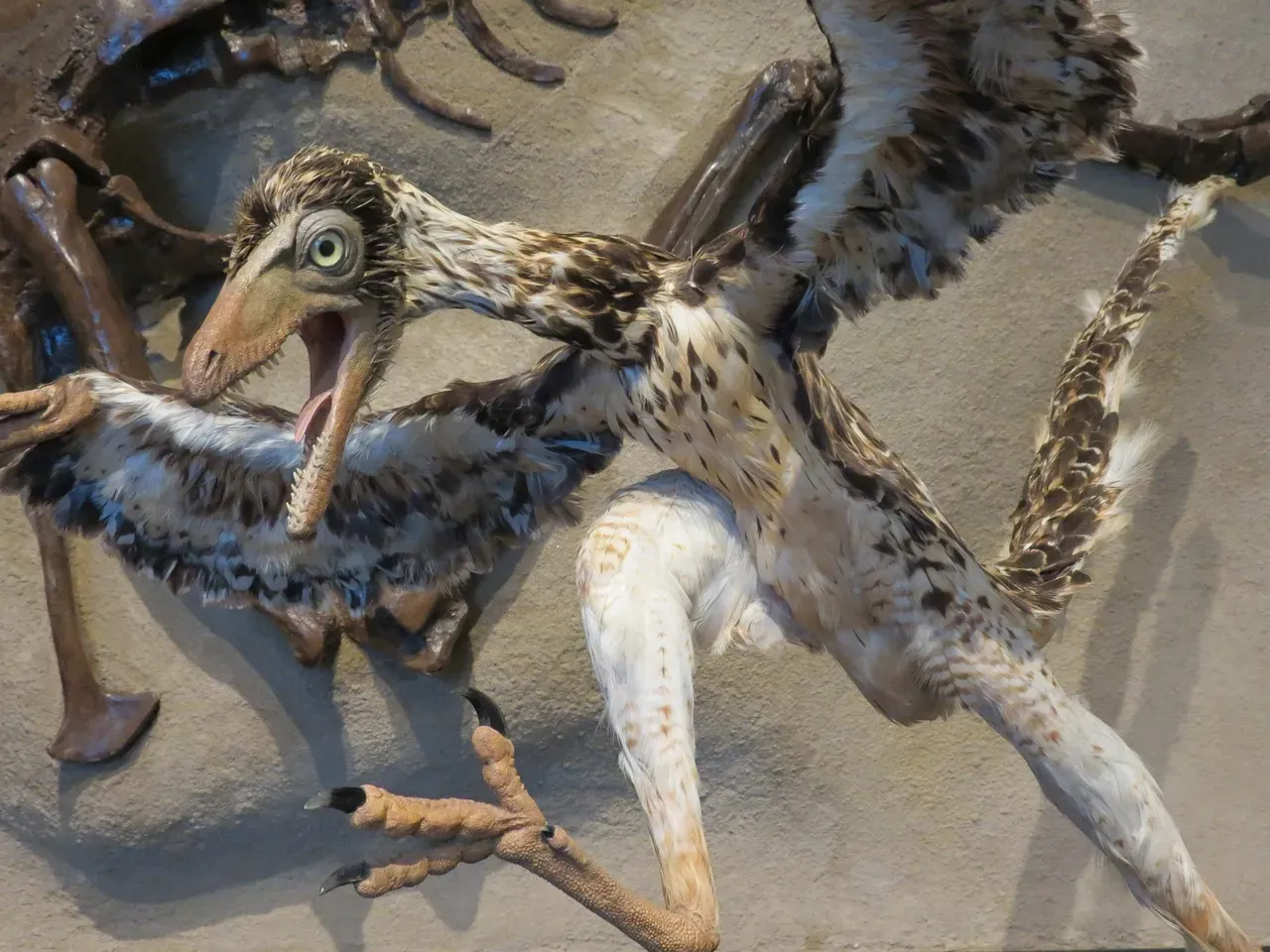
The dinosaurs that roamed North America were nothing like the scaly monsters you grew up imagining. They were feathered, colorful, diverse, and occupied every ecological niche from coastal plains to mountain valleys. New discoveries arrive constantly, each one peeling back another layer of mystery.
We’ve probably found less than 1% of all the dinosaurs that ever lived, and there’s many, many, many more to find. That means the story keeps changing, keeps getting stranger and more fascinating. What you thought you knew about dinosaurs five years ago is already outdated, and what we know today will be incomplete tomorrow.
What surprises do you think the next fossil discovery will reveal?