When you think of bird evolution, you might imagine tiny feathered dinosaurs gradually morphing into the sparrows and finches flitting around your backyard. The popular story goes that birds survived the great extinction by being small and adaptable. That’s certainly part of the truth, though not the whole picture. What often gets left out of this narrative is the sheer audacity of some avian lineages that decided size actually mattered.
Evolution has a funny way of defying our expectations. In the millions of years after dinosaurs vanished, birds didn’t just shrink and specialize. Some lineages exploded in size, becoming giants that would make modern ostriches look modest by comparison. These weren’t anomalies or evolutionary mistakes. They were apex predators, ecosystem engineers, and in some cases, the largest flying creatures to ever take to the skies. So let’s dive in and meet seven of these magnificent ancient birds that turned the whole “survival of the smallest” idea on its head.
Argentavis Magnificens: The Winged Giant of Patagonia
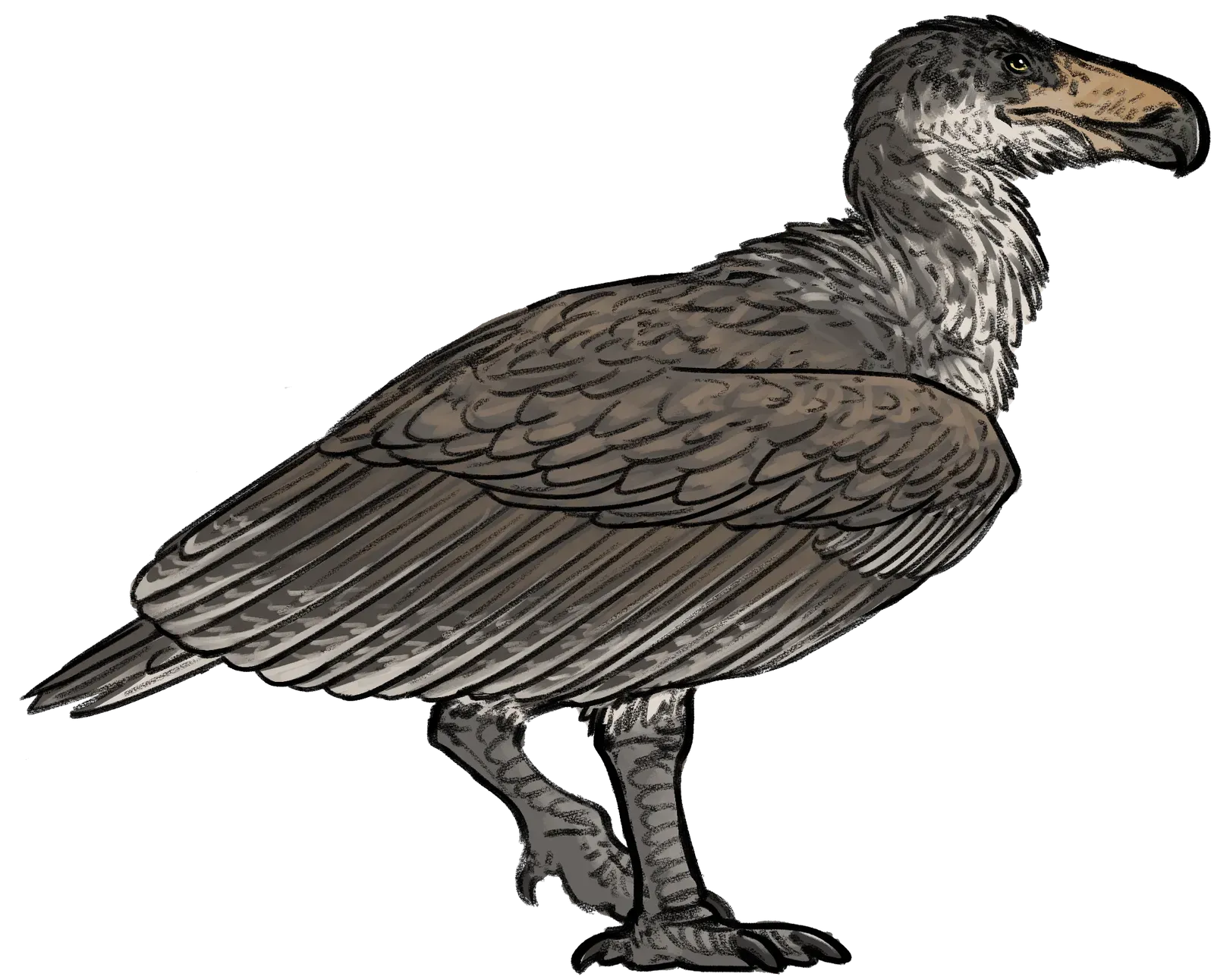
Six million years ago in the skies of Argentina, Argentavis magnificens ruled as the heaviest known flying bird, weighing in at roughly 70 kilograms with a wingspan of about seven meters. Think about that for a second. This creature had wings as wide as a small airplane. If you were standing beneath one as it soared overhead, the shadow alone would have been enough to send a chill down your spine.
The bird couldn’t generate enough lift from a running takeoff and needed height to get airborne, though it could manage with surprisingly little, even a gentle downslope and light headwind. Once aloft, it was a master glider. This species seems less aerodynamically suited for predation than its relatives and probably preferred to scavenge for carrion, possibly using its wings and size to intimidate other predators to take over their kills. Imagine the scene: a creature the size of a hang glider descending silently from thermal currents, driving smaller carnivores away from their meals through sheer intimidation.
Pelagornis Sandersi: The Record Breaking Seabird

The feathered wings of Pelagornis sandersi would have measured an estimated 6.06 to 7.38 meters tip to tip, the largest wingspan of any bird on record, living or extinct, and more than double the average wingspan of the largest modern flying bird species. Let that sink in. We’re talking about a wingspan that could stretch across nearly 25 feet. You could park a car underneath this bird and still have room on either side.
Extrapolating from the circumference of weight-bearing leg bones, the bird would have tipped the scales at somewhere between 21.9 and 40.1 kilograms, the weight of a golden retriever, and would dwarf the 11 and a half foot wingspan of today’s largest bird, the wandering albatross. These ancient seabirds patrolled the oceans for roughly 60 million years. Giant flying birds with wings longer than those of some light aircraft and beaks equipped with deadly, spearlike choppers. The pseudo-teeth weren’t true teeth but bony projections that made them devastatingly effective fish hunters. If anything in the prehistoric ocean saw that silhouette approaching, it was already too late.
Terror Birds: South America’s Apex Predators
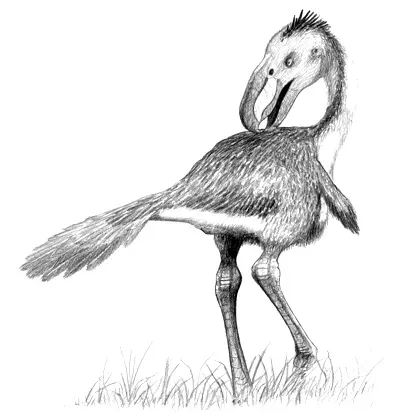
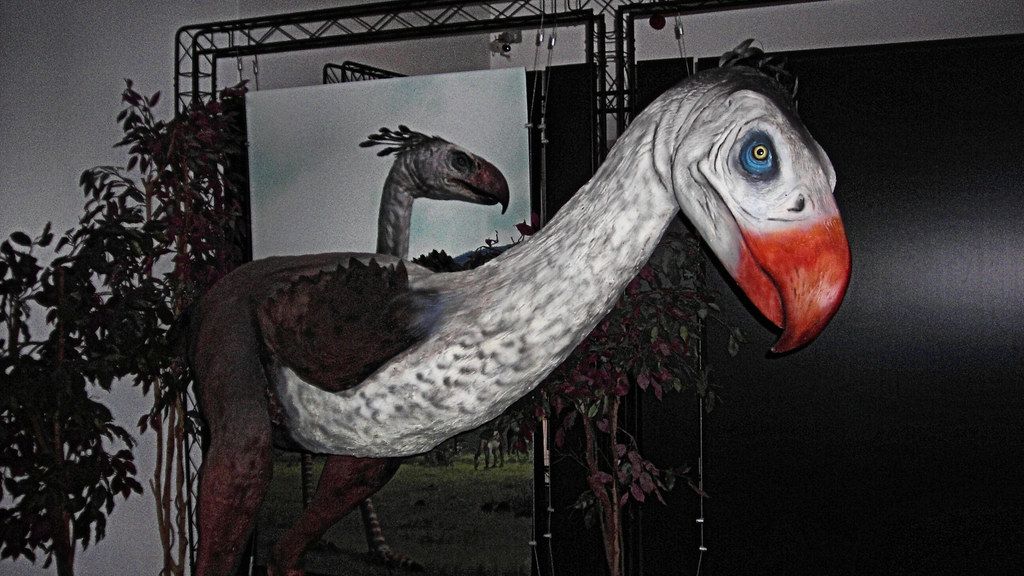
Titanis belonged to a diverse group of predatory birds known as phorusrhacids or terror birds, which were apex predators in South America from 43 million years ago to just 100,000 years ago, with Titanis standing 2 meters tall and weighing in at over 300 kilograms. These were not birds you’d want to encounter on a leisurely walk. They were fast too. Some studies suggest it could sprint at speeds of more than 40 miles per hour.
Here’s the thing that gets me about terror birds: gigantism evolved in a single clade, containing Phorusrhacinae and Physornithinae, with members of this lineage consistently larger than all other phorusrhacids. They weren’t just big by accident. Their size was a competitive advantage that helped them dominate South America for tens of millions of years. It had a huge skull with a deadly-looking, hooked beak that researchers think it used to peck its prey to death. Picture a bird taller than most humans, faster than you could run, with a beak designed specifically for delivering lethal blows. Honestly, the name “terror bird” feels like an understatement.
Vorombe Titan: Madagascar’s Gentle Giant
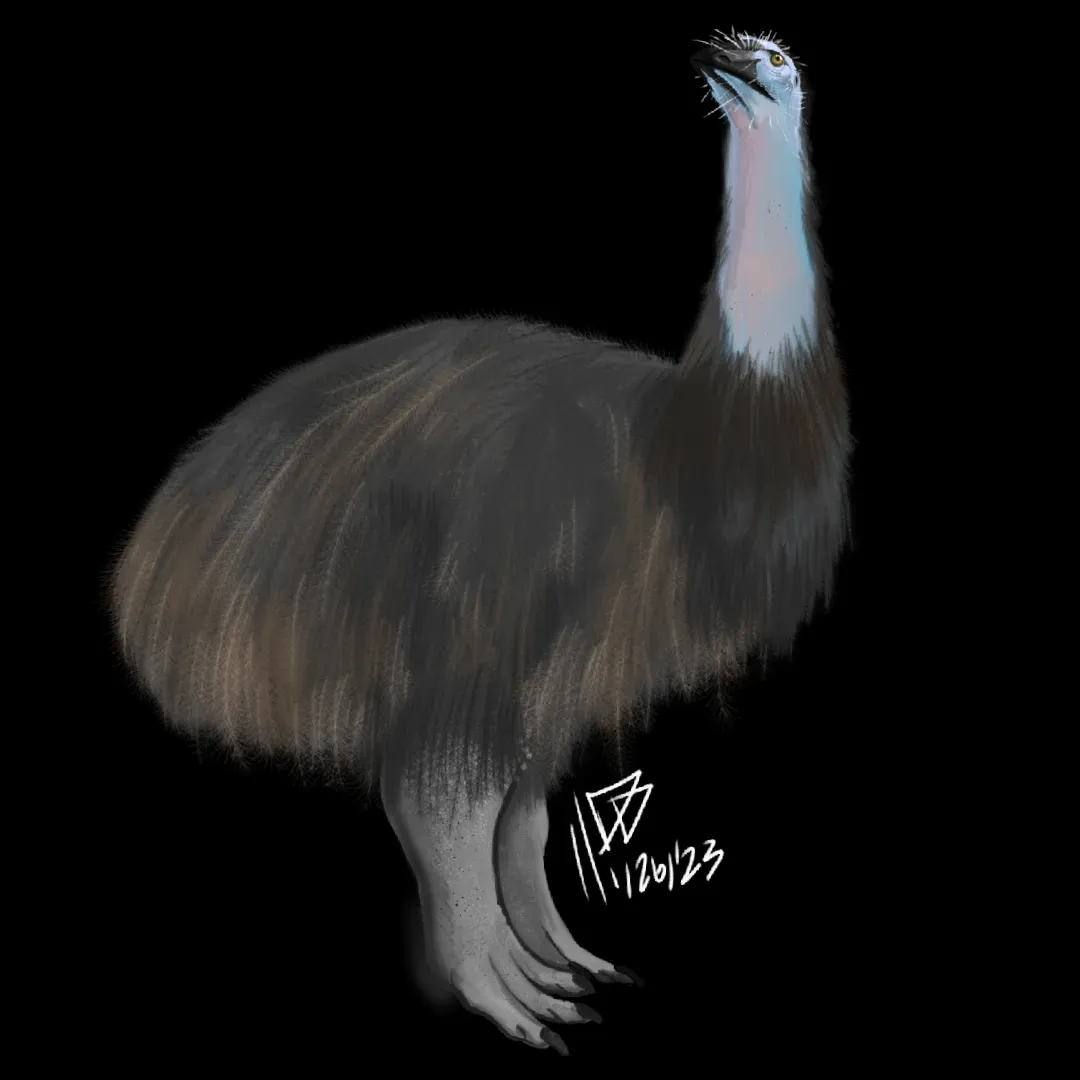
The largest elephant bird species, Vorombe titan, stood 3 meters high and weighed on average about 650 kilograms, with some estimates suggesting the largest individuals could have weighed as much as 860 kilograms. To put that in perspective, that’s heavier than most horses. This was the largest bird to ever walk the Earth, period.
Despite their massive bulk, elephant birds were herbivores, not predators. The flightless birds, which are thought to have disappeared about 1,000 years ago, reached three meters in height and weighed more than 500 kilograms. They laid eggs that make ostrich eggs look tiny. The egg of the largest elephant bird was as large as 180 chicken eggs, weighing around 10.5 kilograms. Evolution gave Madagascar these towering birds in an environment free from large mammalian predators. They didn’t need to fly, and they didn’t need to be small. They simply needed to thrive in their unique island ecosystem.
Dromornis Stirtoni: Australia’s Thunder Beast
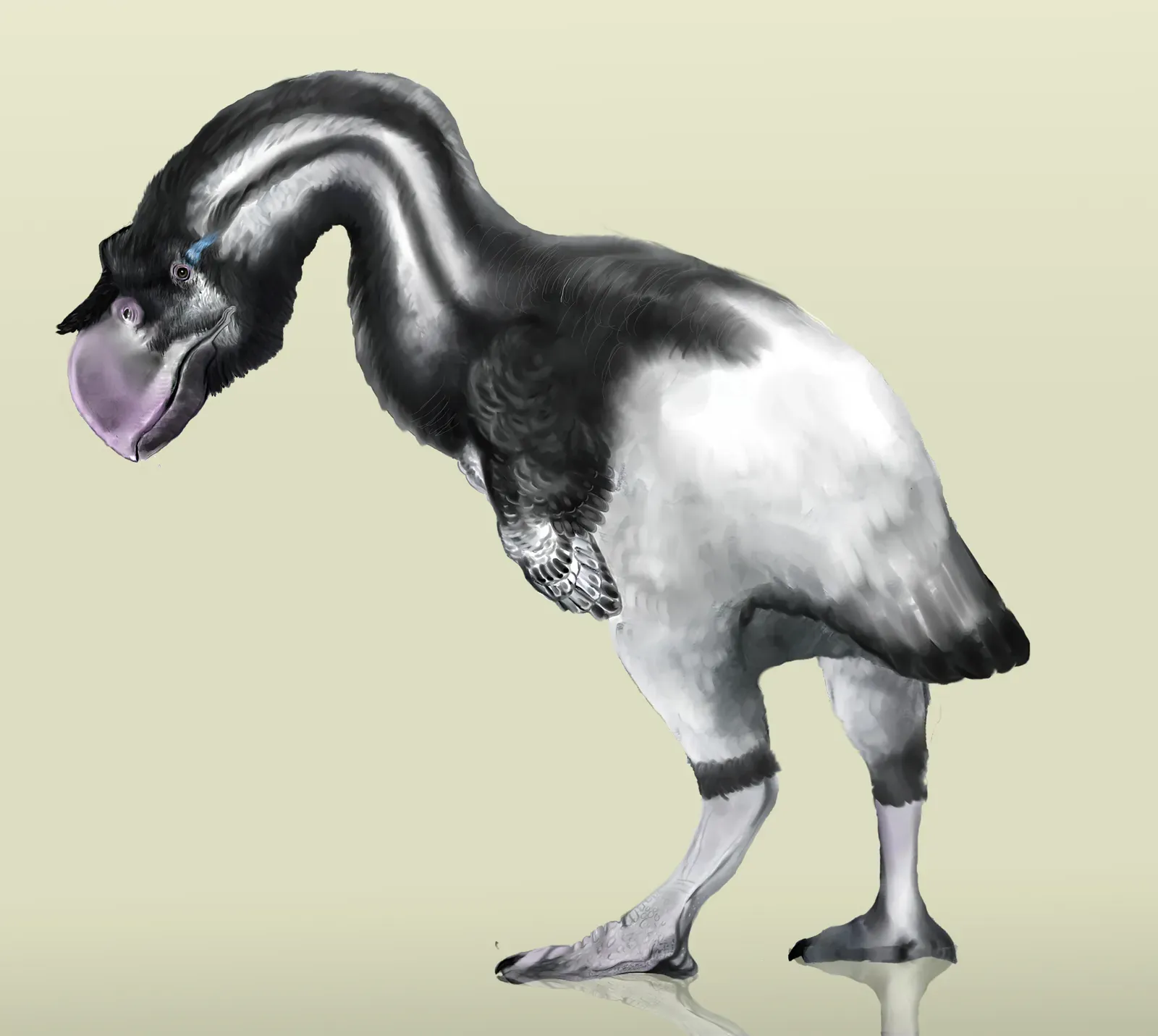
Known as the Mihirung, Dromornis Stirtoni was a flightless giant from ancient Australia, standing up to 10 feet tall and weighing over 1,100 pounds, looking more like a dinosaur than a modern bird. Australia has always had a knack for producing bizarre megafauna, and Dromornis is no exception. This bird was built like a linebacker, stomping around the Australian outback millions of years ago.
What’s fascinating is that this creature existed in an ecosystem alongside other giants. It wasn’t an outlier. Australia during the Miocene was a land of giants, and Dromornis fit right in. Scientists debate whether it was herbivorous or omnivorous, but either way, its sheer size meant it had few natural threats. Brontornis lived in South America and could weigh up to 1,500 pounds, with its name meaning thunder bird. These giants prove that flightlessness wasn’t a disadvantage. In the right environment, being massive was the winning strategy.
Haast’s Eagle: New Zealand’s Aerial Assassin
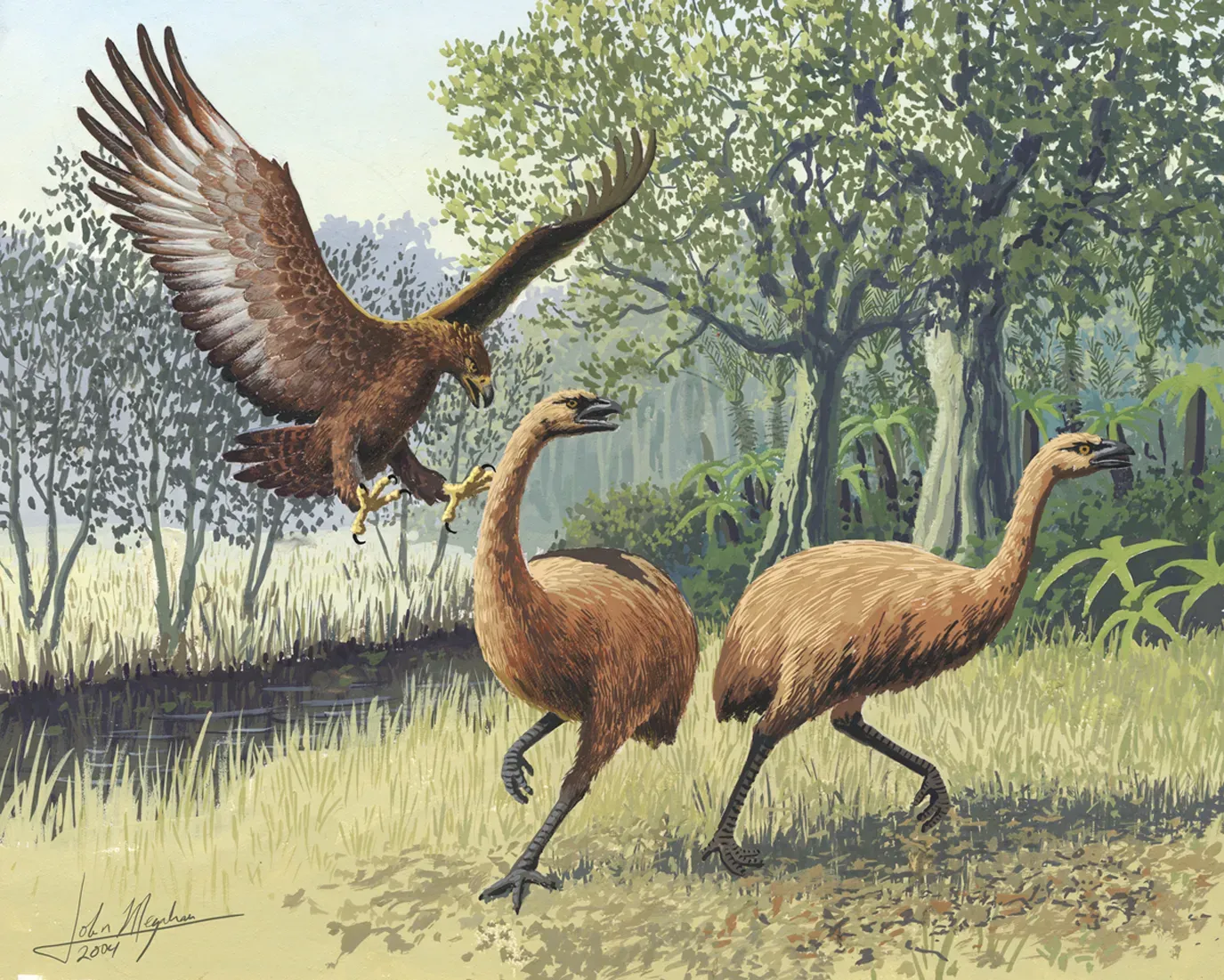
The now extinct Haast’s eagle existed alongside early indigenous people in New Zealand and was by far the largest eagle known and perhaps the largest raptor ever, with adult females estimated to have averaged up to 1.4 meters in length, weighing up to 15 kilograms. This wasn’t some lazy scavenger. It was an active hunter of the largest caliber.
It primarily hunted giant, flightless birds known as moas that, at 230 kilograms, were twice as heavy as today’s largest flightless birds, ostriches. Think about the physics of that for a moment. An eagle weighing 15 kilograms taking down prey that weighed over 200 kilograms. It had huge, curved talons, a hooked beak and, according to its depictions in historic Māori cave art, a bald head, with adaptations that paint a picture of a bird that would have fed by plunging its head deep into the body cavities of its prey to get at nutritious organs. This was evolution’s answer to what happens when an apex aerial predator has access to enormous flightless prey. Haast’s eagle became the ultimate hunter, perfectly adapted to bring down giants.
Kelenken: The Skull Crusher
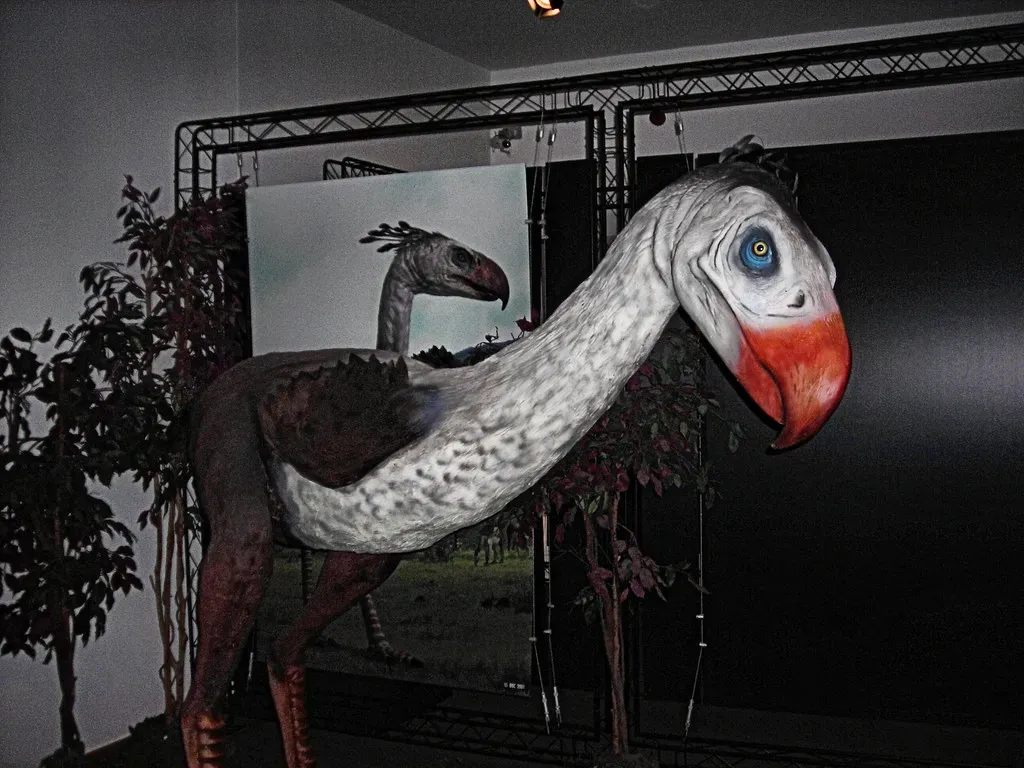
Kelenken is famous for having the largest bird skull ever discovered, over two feet long. Just let that image marinate. A skull longer than your forearm attached to a massive predatory bird. This terror bird species lived in Patagonia during the Miocene epoch, and everything about its anatomy screams “apex predator.”
Some of the smallest of the South American terror birds date back to the Early and Middle Miocene, while on the other end of the spectrum are the gigantic Kelenken and Devincenzia, which were over three meters in length and somewhere between two and three meters in height. Kelenken represents the extreme end of terror bird evolution. Its massive skull housed powerful jaw muscles and that infamous hooked beak designed for delivering devastating strikes. Unlike the other giants on this list, Kelenken was built purely for predation. Every aspect of its physiology was geared toward hunting, killing, and consuming prey efficiently.
Conclusion: When Bigger Was Better
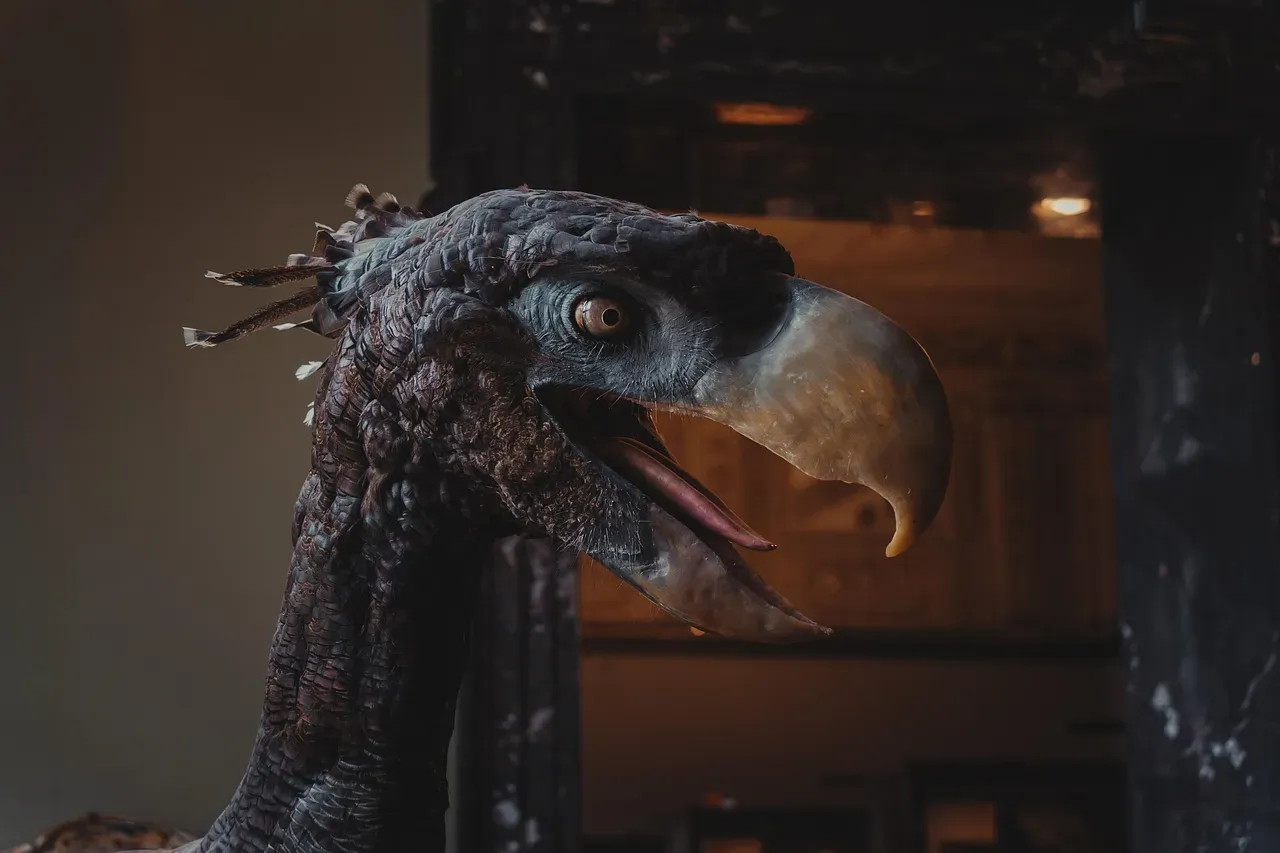
These seven ancient birds shatter the comfortable narrative that evolution always favors the small and nimble. During the early Cenozoic, after the extinction of the non-bird dinosaurs, mammals underwent an evolutionary diversification, and some bird groups around the world developed a tendency towards gigantism. In the right ecological niches, with the right environmental conditions, being enormous wasn’t just viable, it was advantageous.
From the skies of Patagonia to the forests of Madagascar, from the oceans of Antarctica to the islands of New Zealand, giant birds dominated their ecosystems. They were hunters, scavengers, and herbivores. They flew with wingspans that rivaled small aircraft and walked the earth with the weight of large mammals. Evolution didn’t push them toward miniaturization. Instead, it rewarded them for going big.
These magnificent creatures are gone now, victims of climate change, human expansion, and ecological shifts. Their fossils remain as testament to a time when birds ruled not through speed and agility alone, but through sheer, overwhelming size. What do you think about these ancient giants? Could you imagine sharing your world with birds that could look you in the eye, or cast shadows large enough to block out the sun?