
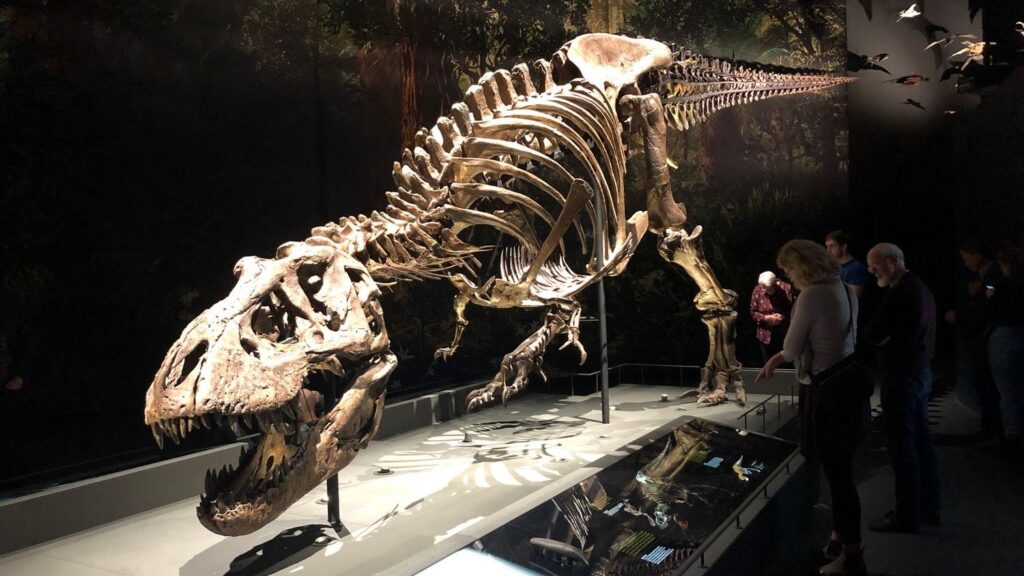
You’ve probably heard of Tyrannosaurus rex. Maybe you’ve marveled at the massive long necks of sauropods in museums. Still, the full story of how these incredible fossils first emerged from American soil carries a weight that goes beyond simple entertainment.
Throughout the last century and a half, the United States has produced some of the most significant dinosaur discoveries on the planet. Each fossil tells you a tale of ancient ecosystems, scientific rivalry, and sometimes legal drama. These discoveries changed science forever and captured imaginations worldwide. So let’s dig into the remarkable finds that transformed our understanding of prehistoric life.
Sue the T. rex: A Battle Over Bones and Dollars
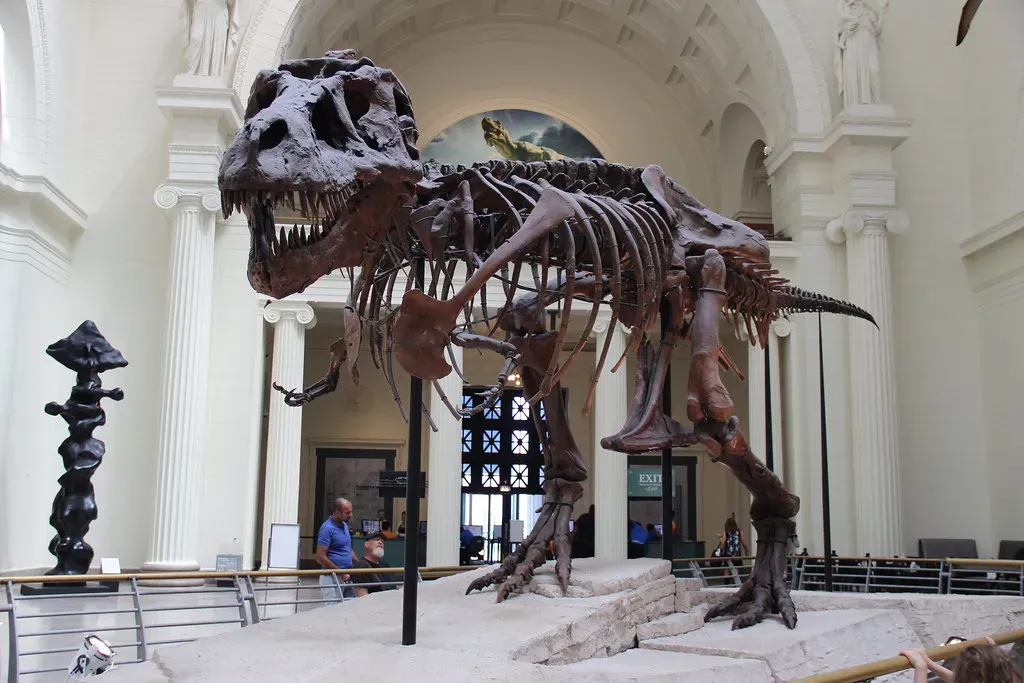
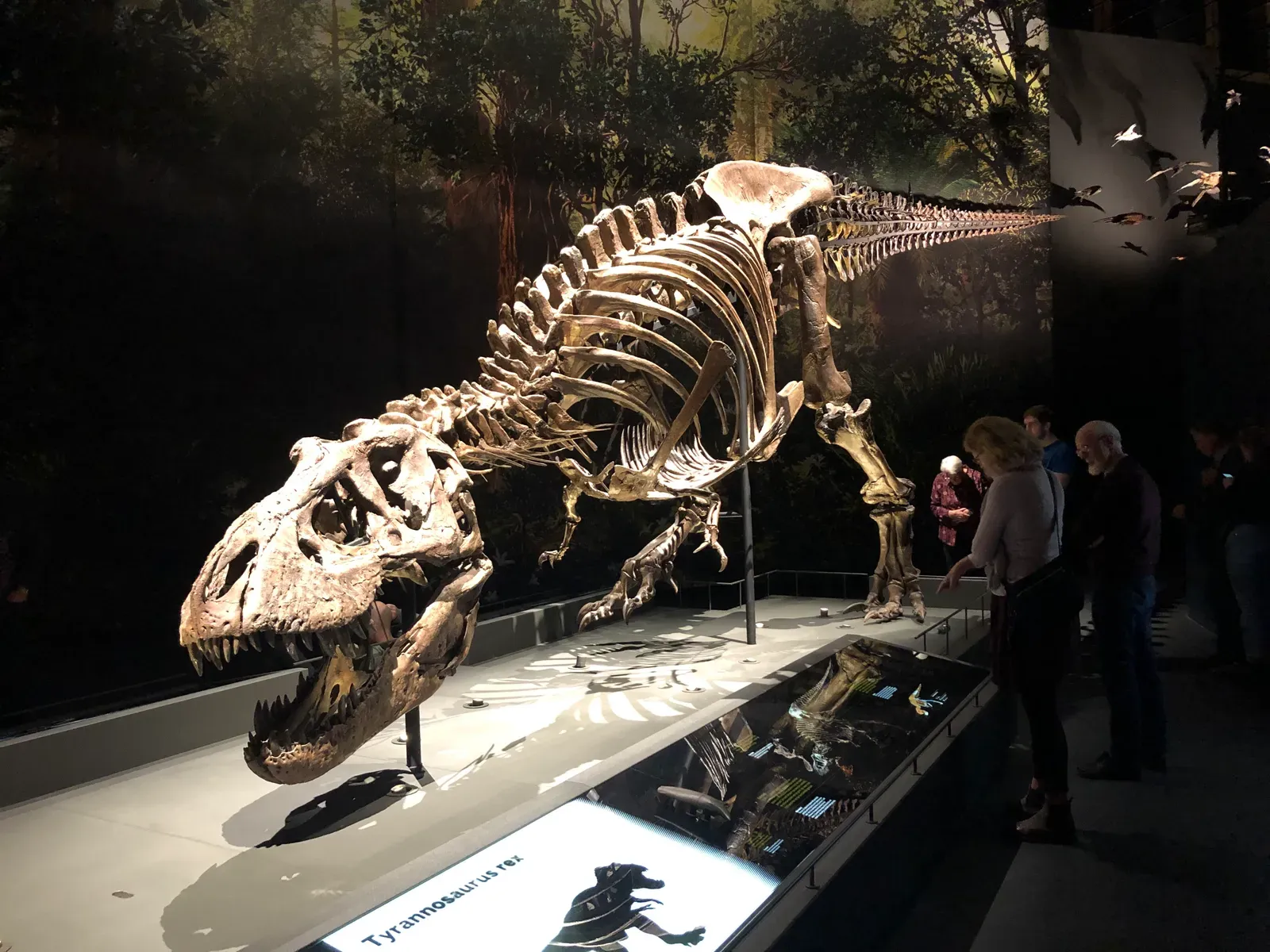
On August 12, 1990, fossil hunter Sue Hendrickson discovered one of the most extraordinary fossils in history while exploring western South Dakota. Sue remains one of the largest and most extensive Tyrannosaurus rex fossils ever found, with over 90 percent of the skeleton recovered by bulk and 73 percent complete counting the elements. The sheer completeness stunned paleontologists who were accustomed to finding fragmentary remains.
Yet finding Sue was only the beginning of its dramatic journey. After ownership disputes were settled, the skeleton was auctioned in October 1997 for $8.3 million, at that time the highest price ever paid for a fossil. Sue is now a permanent feature at the Field Museum of Natural History in Chicago, Illinois, where millions have gazed upon its bones and scientists continue extracting new insights about the life and biology of the most famous predator in history.
Cleveland Lloyd Dinosaur Quarry: An Allosaurus Graveyard
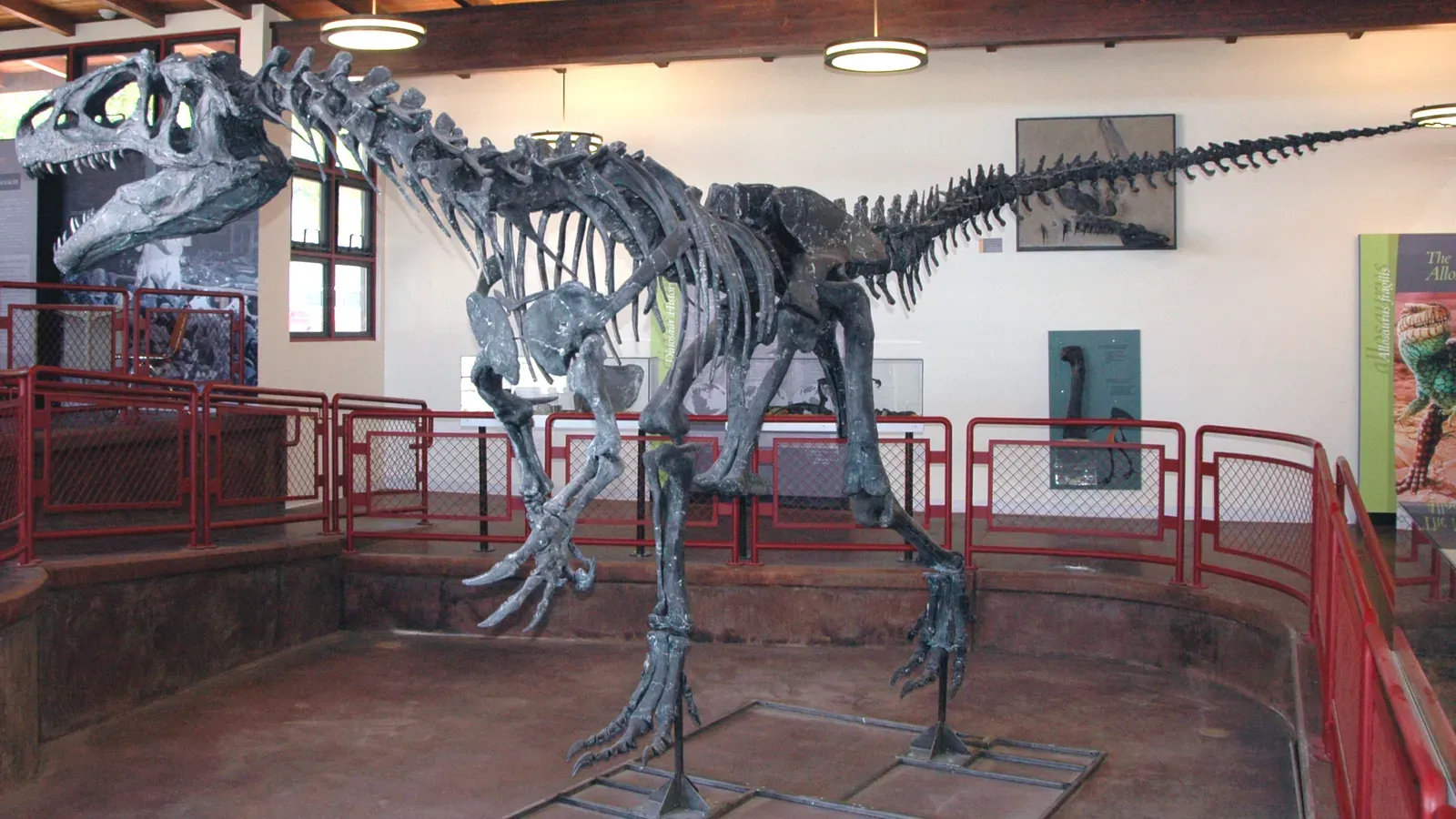
The Cleveland Lloyd Dinosaur Quarry in Utah is known for containing the densest concentration of Jurassic dinosaur fossils ever found, and well over 15,000 bones have been excavated from this site. What makes this discovery especially remarkable is the peculiar composition of the bonebed itself. The site is notable for its unusually high number of carnivorous dinosaurs, with more than 75% of the bones coming from predators like Allosaurus fragilis, with over 46 individuals identified.
This concentration puzzled researchers for decades. If you see an Allosaurus in a museum, there’s a very good chance it came from Cleveland Lloyd, as approximately three out of every four Allosaurus specimens on display come from this quarry. The mystery of why so many carnivores died in one location sparked theories ranging from predator traps to drought conditions. Honestly, the fact that this site has provided specimens to museums across the globe illustrates its monumental importance to paleontology.
Dippy the Diplodocus: A Dinosaur That Changed the World
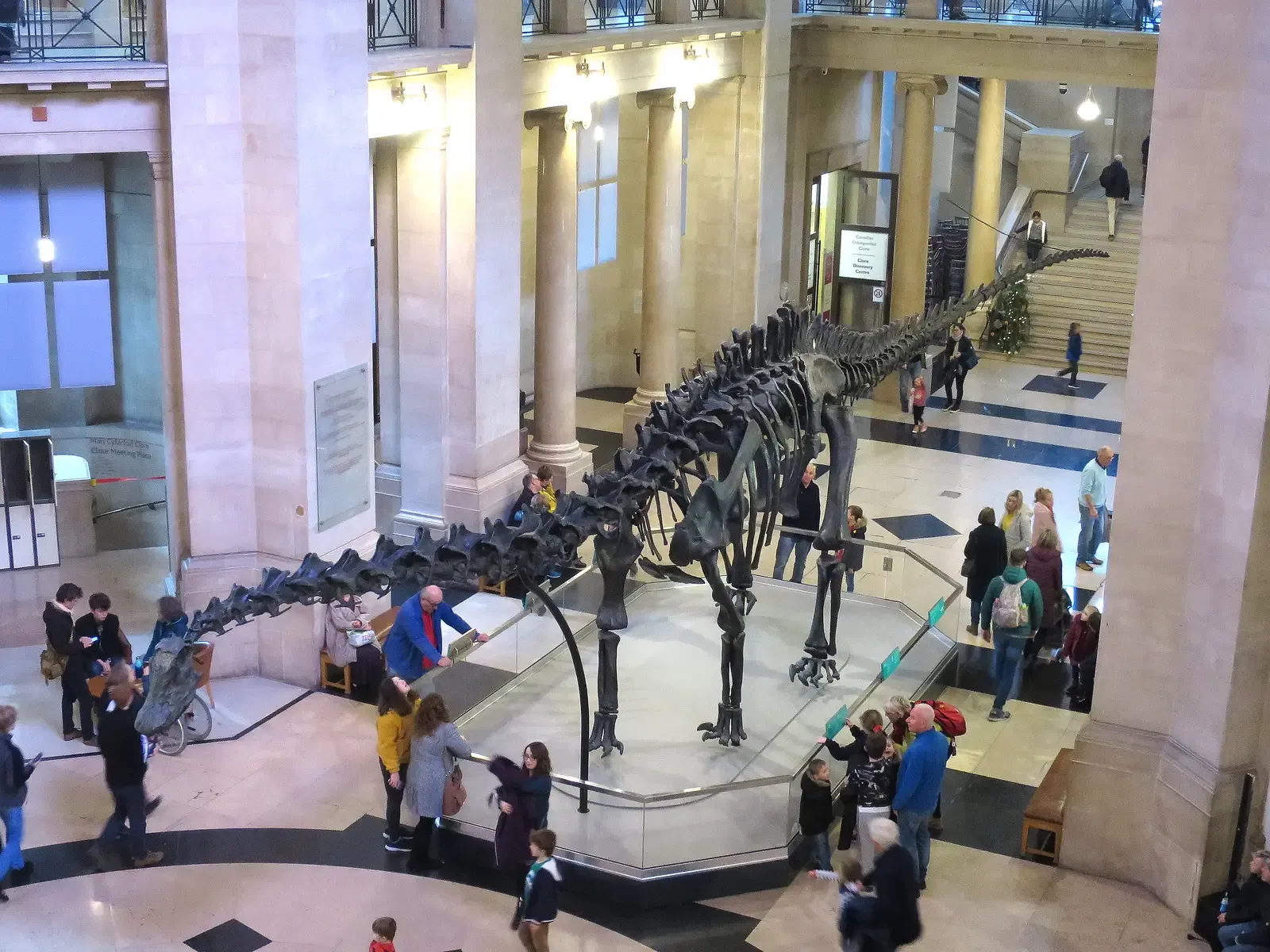
On July 4, 1899, William Reed found the first part of a Diplodocus skeleton at Sheep Creek Quarry in Wyoming, and its discovery on Independence Day led to its being nicknamed the ‘star-spangled dinosaur’. Steel magnate Andrew Carnegie funded the excavation and later commissioned plaster replicas of the skeleton. The casting and distribution of the skeleton made the word dinosaur a household word, and it became the first dinosaur that millions of people had ever seen.
Carnegie’s vision extended far beyond Pittsburgh. Within 15 years of its discovery, replicas of Dippy were on display in museums in London, Berlin, Paris, Vienna, Bologna, St. Petersburg, La Plata, and Madrid. Let’s be real, this was dinosaur diplomacy at its finest. Carnegie hoped these shared scientific treasures would foster international cooperation and understanding during a tense period in world history.
The First Tyrannosaurus Rex Ever Identified
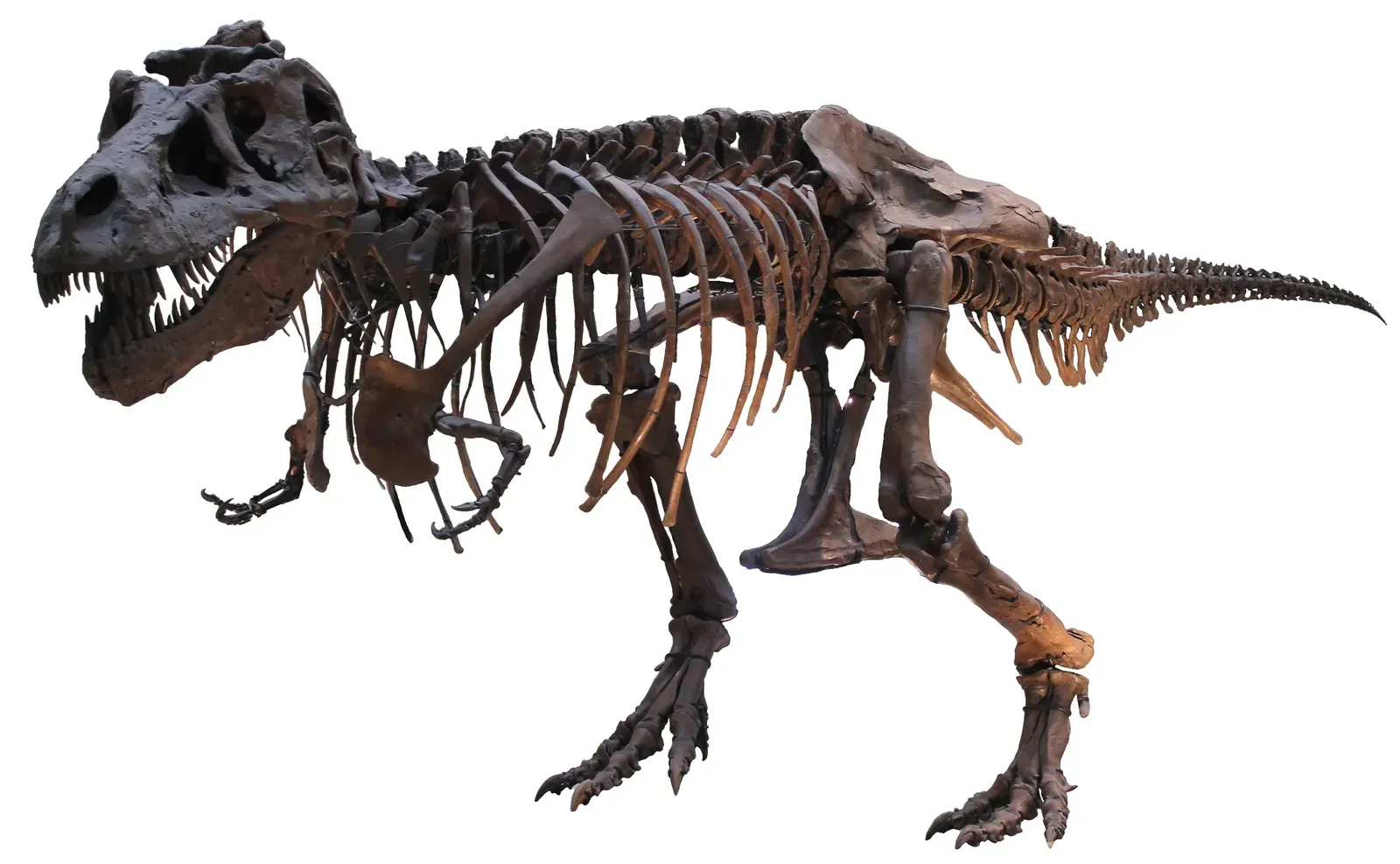
The world’s first identified T. rex was found in the Hell Creek area near Jordan, Montana, in 1902 by paleontologist Barnum Brown. This discovery gave science its first glimpse at what would become the most famous dinosaur of all time. Before this moment, no one truly understood the size and power of apex predators from the Cretaceous period.
Montana’s Hell Creek Formation would continue yielding treasures for generations. The Hell Creek Formation stretches over portions of Montana, North Dakota, South Dakota, and Wyoming and is an intensively studied division of mostly Upper Cretaceous rocks. The formation has produced an extraordinary record of life at the end of the dinosaur age, capturing the final chapter before the mass extinction event.
Hadrosaurus Foulkii: America’s First Nearly Complete Dinosaur Skeleton
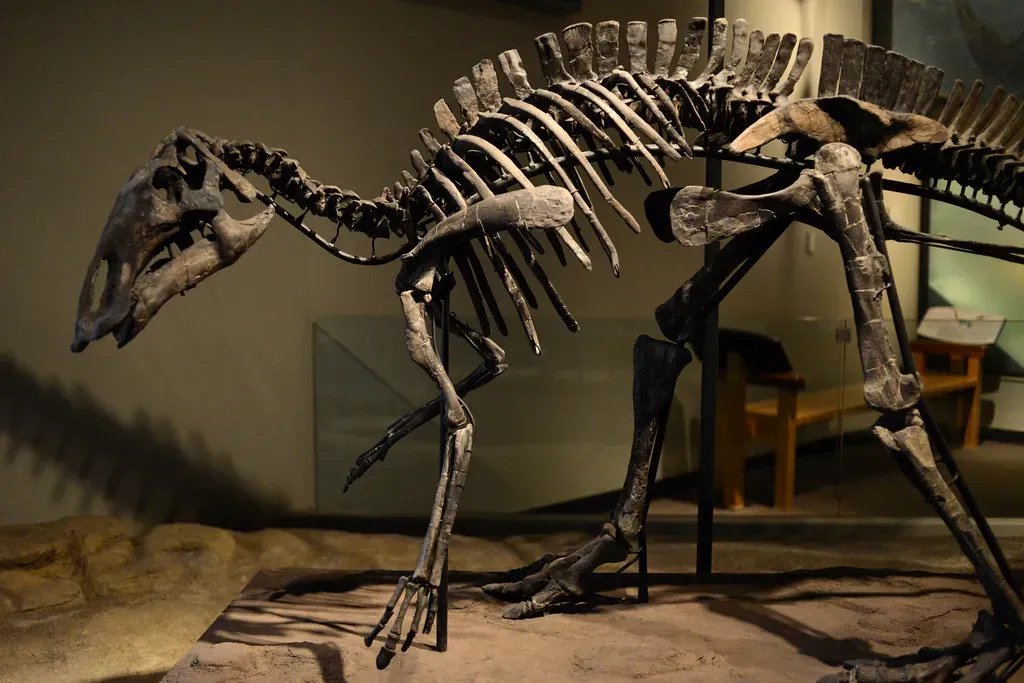
In New Jersey, William Foulke discovered the first almost complete dinosaur skeleton ever found in the United States. In 1858, Joseph Leidy made Hadrosaurus the first North American dinosaur to be described from a nearly complete skeleton. This find revolutionized the field because previous discoveries consisted only of isolated bones or fragments.
The fossils were sent to the Academy of Natural Sciences in Philadelphia, where by 1868 it became the first dinosaur skeleton to be mounted for public display, and the herbivorous animal was almost 30 feet long, 10 feet tall, and weighed seven to eight tons. I think it’s fascinating that this eastern discovery predated the famous western fossil rushes by decades. The skeleton showed Americans that gigantic prehistoric creatures once roamed their own backyards.
Leonardo the Brachylophosaurus: Best Preserved Dinosaur Ever
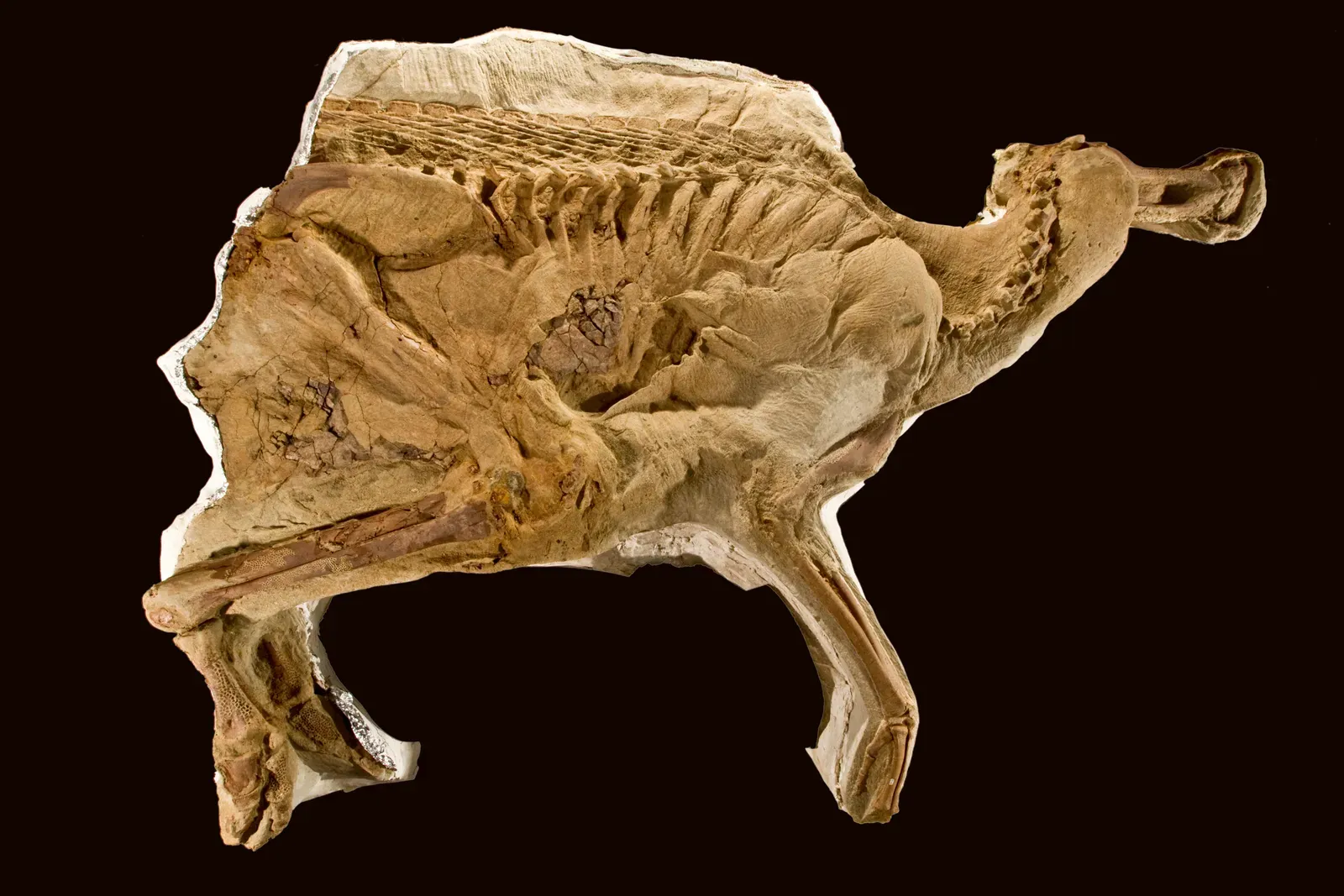
Leonardo, a Brachylophosaurus found in 2001 near Malta, Montana, with the majority of its body covered in fossilized skin, is recognized by the Guinness Book of World Records as the best preserved dinosaur ever found. This wasn’t just bones; you could see actual skin impressions across most of the body. The level of preservation was unprecedented.
Think about what this means for science. Fossilized skin allows researchers to understand texture, possible coloration patterns, and body structure in ways that bones alone never could. North America’s first baby dinosaur bones were found in 1978 near Choteau, Montana at Egg Mountain, and Leonardo added another layer to Montana’s reputation as a paleontological goldmine.
Triceratops Evolution in the Hell Creek Formation
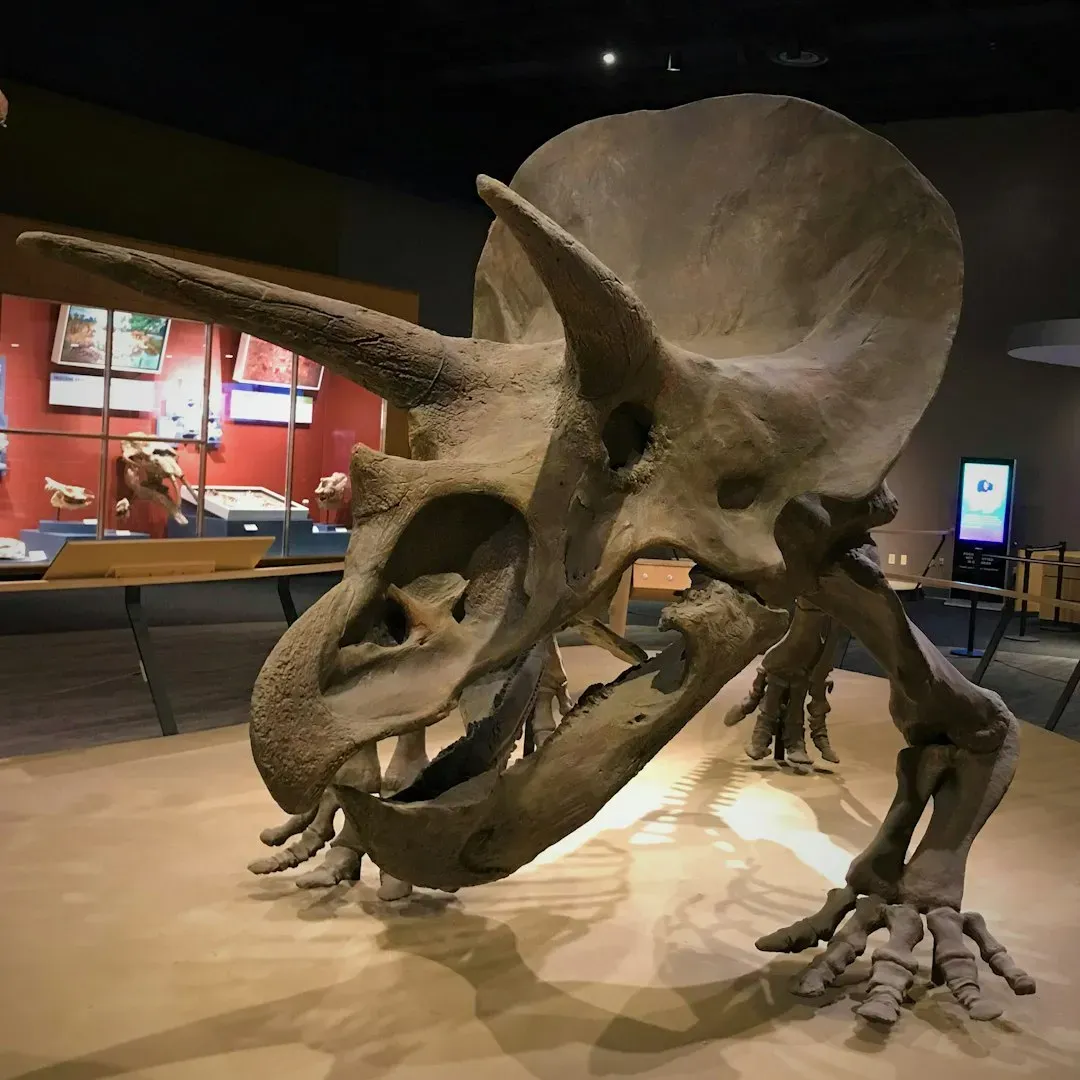
Analysis of a large sample of more than 50 skulls of the famous horned dinosaur Triceratops from the Hell Creek Formation of Montana incorporates new stratigraphic and ontogenetic findings. These weren’t random finds scattered across the landscape. Researchers meticulously documented each specimen’s location within the rock layers, creating a snapshot of evolutionary change over time.
John Scannella of Montana State University and his team determined that one Triceratops species transformed into another based on morphological differences and placement in the strata. T. prorsus morphology was recovered in the upper third of the formation while T. horridus was found lower in the formation. It’s hard to say for sure, but this could represent one of the clearest examples of evolutionary transition preserved in the dinosaur fossil record.
Maiasaura: Evidence of Dinosaur Parental Care
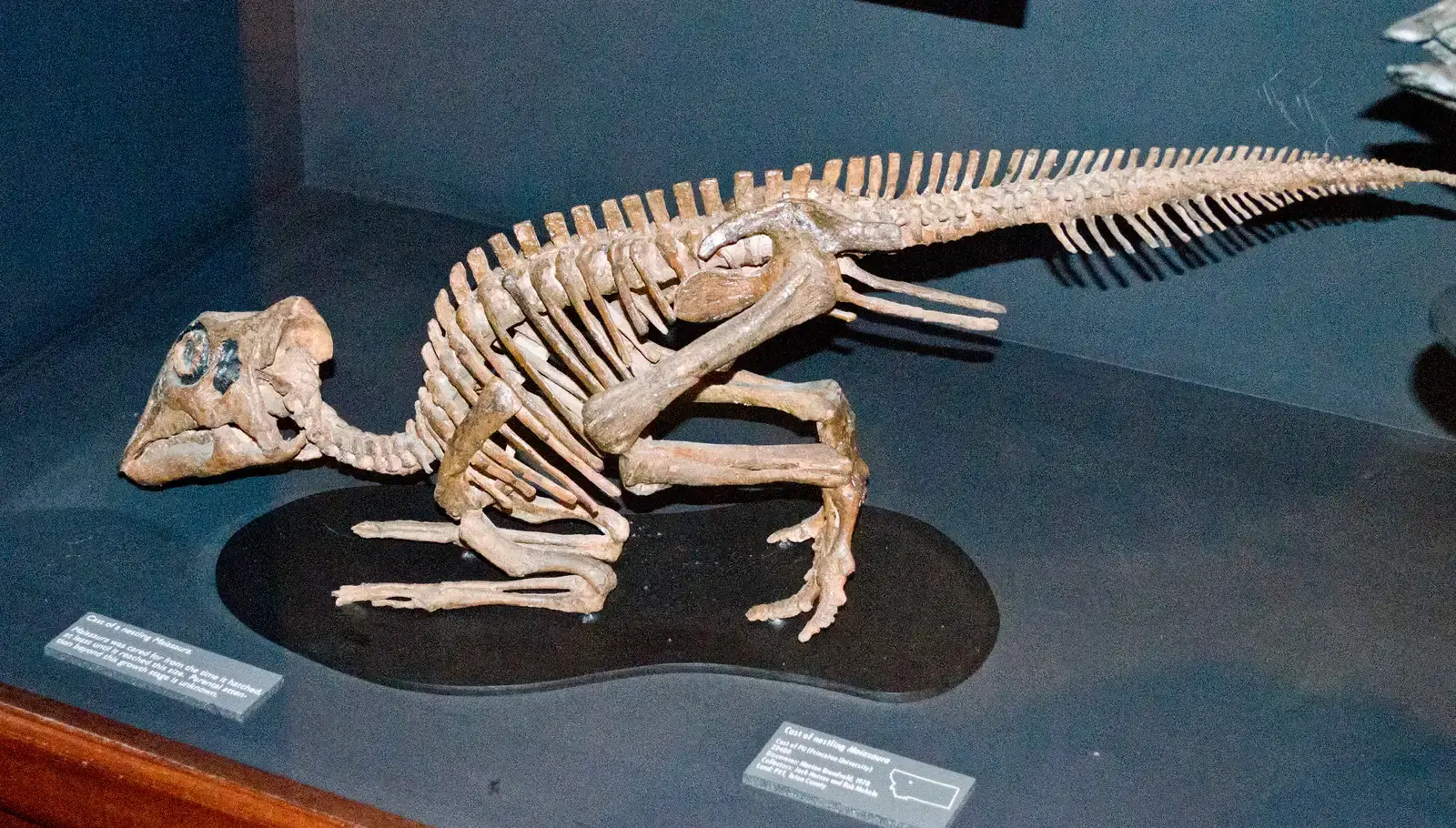
Maiasaura provided early evidence for parental care in dinosaurs, fundamentally changing how scientists viewed these ancient creatures. Instead of imagining solitary reptilian beasts, researchers began understanding dinosaurs as sophisticated animals with complex social behaviors. The discovery site in Montana revealed nesting grounds with eggs, babies, and adults all preserved together.
This Montana find contributed to what scientists call the Dinosaur Renaissance. Mid-to-late twentieth century discoveries in the United States triggered the Dinosaur Renaissance as the discovery of bird-like Deinonychus overturned misguided notions of dinosaurs as plodding lizard-like animals. Suddenly, dinosaurs weren’t slow, stupid lizards anymore. They were dynamic, possibly warm-blooded animals that cared for their young.
Alamosaurus: North America’s Giant Titanosaur
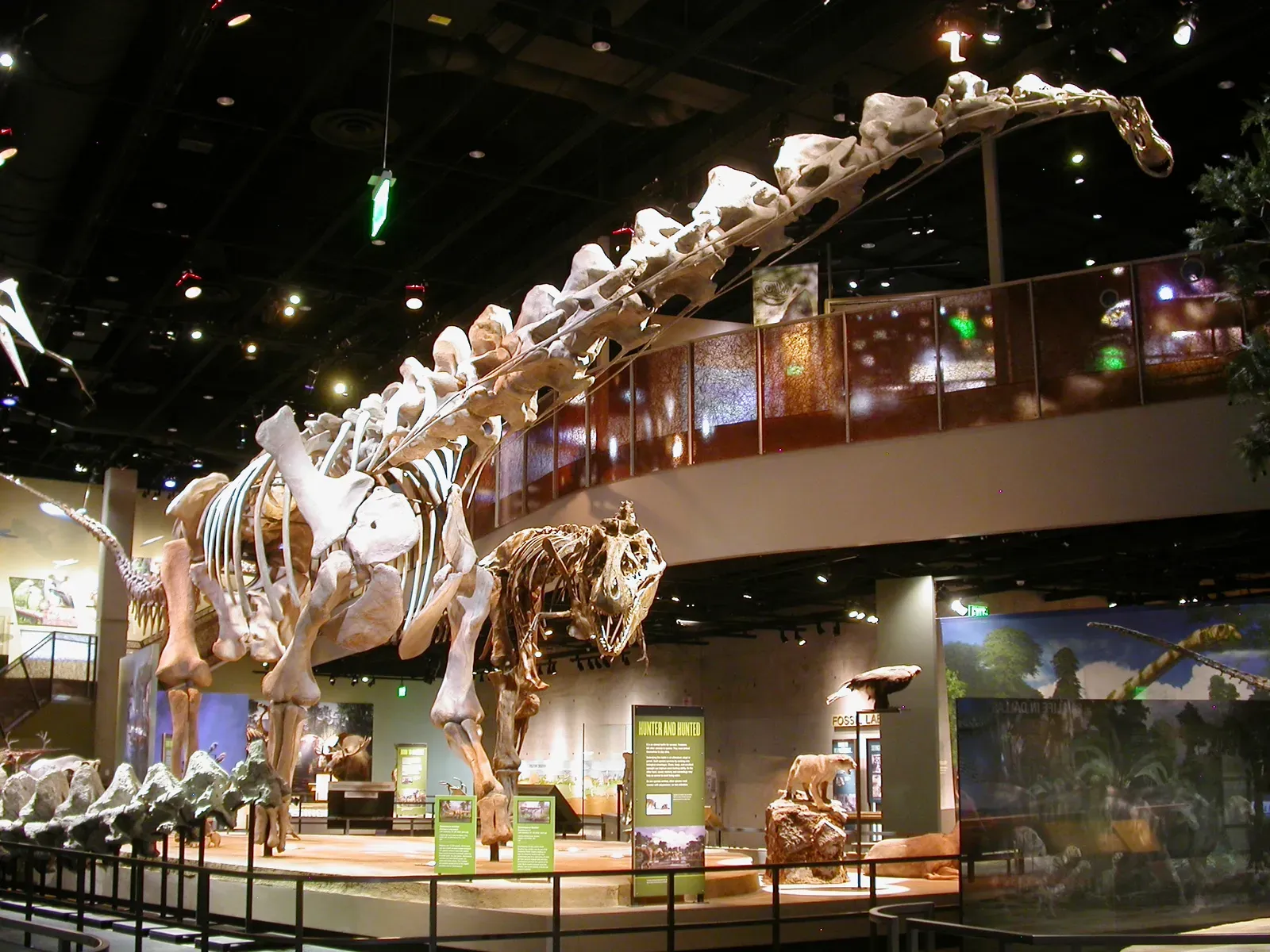
Fossils of Alamosaurus sanjuanensis were discovered in 1997 in the Late Cretaceous rocks of Big Bend National Park in Texas. A specimen found in Mexico in 2006 consisted of an incomplete tibia that, when complete, was taller than a grown man and belonged to a creature exceeding 30 meters in length, making Alamosaurus the biggest dinosaur in North America.
Here’s the thing: for years, South American dinosaurs held the title for largest land animals ever. Titanosaurs from Argentina like Argentinosaurus and Puertasaurus had been contenders for the title of biggest dinosaur, but now an equally huge North American dinosaur has entered the fray. This discovery proved that massive sauropods didn’t just dominate the southern hemisphere. They thundered across what would become the American Southwest as well, reshaping our understanding of Late Cretaceous ecosystems in North America.
Conclusion
From Montana’s badlands to the deserts of Texas, American soil has yielded an extraordinary record of prehistoric life. These nine discoveries represent more than just impressive fossils. They’ve sparked scientific revolutions, international cooperation, and occasionally fierce legal battles. Each skeleton, each bone, each perfectly preserved skin impression adds another piece to the puzzle of Earth’s ancient past.
The fossils continue teaching us new lessons even decades after their discovery. Scientists return to Sue, study Cleveland Lloyd’s mysteries, and marvel at Leonardo’s skin impressions. What’s your favorite dinosaur discovery from American history? The story of these giants is far from over.