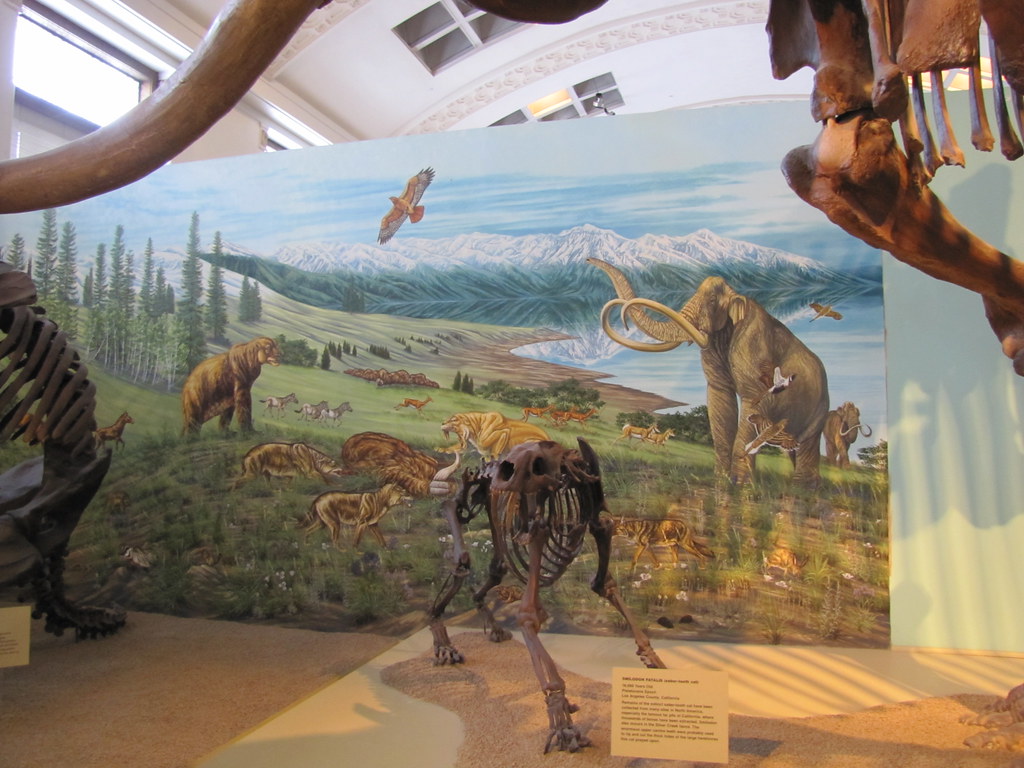
Picture this for a moment. You’re walking through a dense forest somewhere in what is now Kentucky or Ohio. The air is cool, a bit damp. Spruce trees tower overhead. Then you hear it. A low rumble, a cracking branch. Something massive is moving through the undergrowth, something far bigger than any bear you’ve ever imagined.
That was reality for anyone who might have ventured into North America’s ancient forests thousands of years ago. Long before shopping malls and highways carved up the landscape, this continent was home to creatures so enormous, so bizarre, that they seem almost mythical today. We’re talking about animals that would make modern elephants look modest. Giant ground sloths the size of small cars. Mastodons crashing through wetlands. Wolves built like tanks. These weren’t dinosaurs, mind you. These colossal beasts walked the same forests that early humans did, and for reasons scientists still debate, they all vanished roughly ten thousand years ago.
Ground Sloths That Could Look You in the Eye
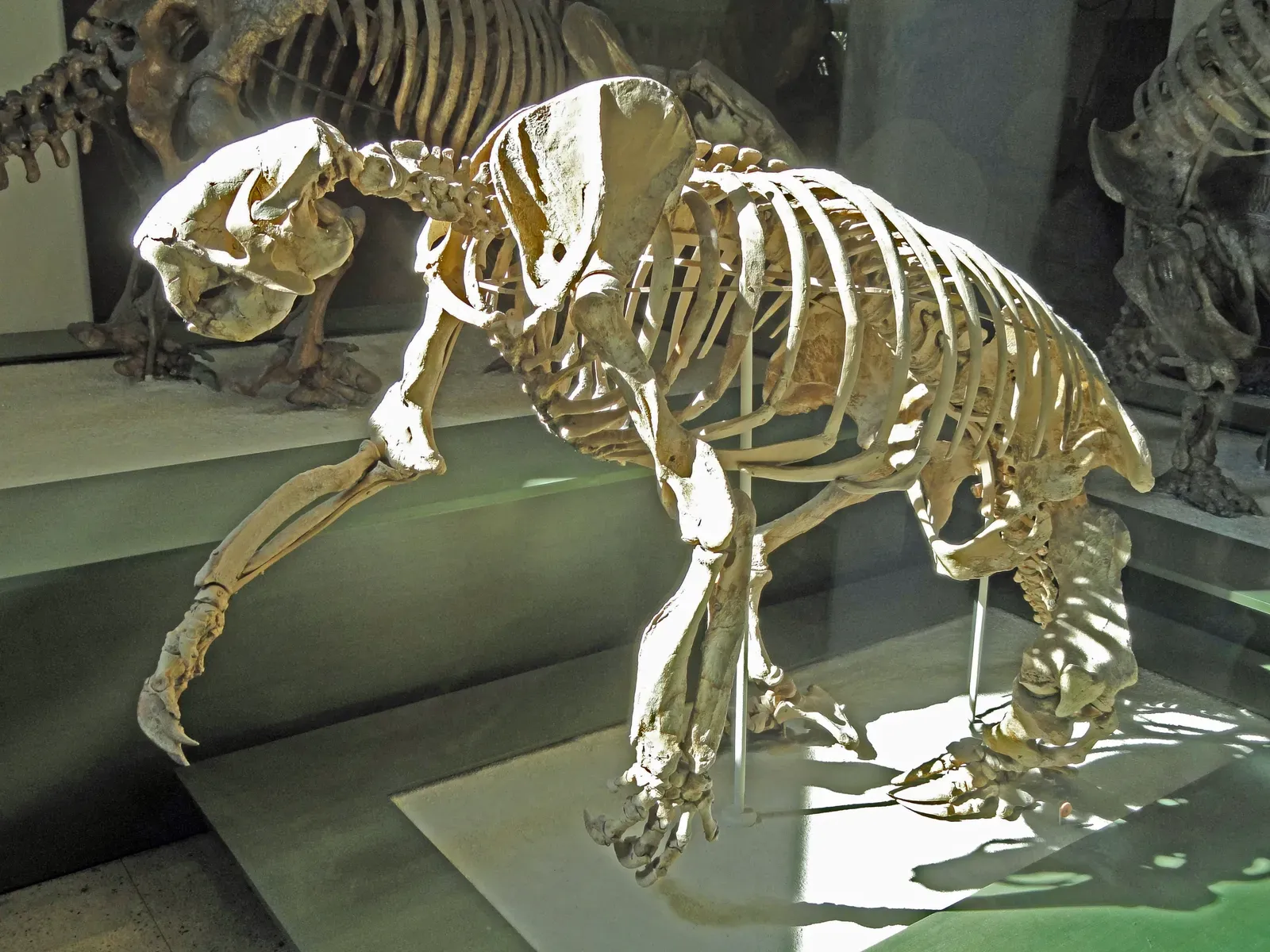
Jefferson’s ground sloth, officially called Megalonyx jeffersonii, stood about ten feet tall and weighed over a ton. Let’s be real, that’s not your average tree-hanging sloth. These giants fed on leaves and twigs of the northern forests, but their sheer size made them look absolutely fearsome.
Researchers found fossils in areas that used to have forests, lakes and rivers, which tells us these creatures weren’t just passing through. Based on its distribution, Megalonyx was able to occupy a variety of habitats but may have preferred woodlands and forests including spruce dominated, and mixed conifer-hardwood habitats. Imagine stumbling upon one of these beasts rearing up on its hind legs to strip branches from a tree. Their claws alone were massive enough that when Thomas Jefferson first examined fossil remains in the late 1700s, he thought they belonged to a giant lion.
Mastodons Ruled the Swampy Woodlands
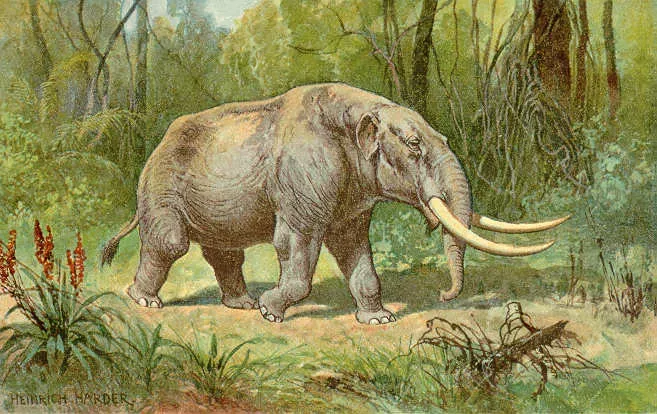
If you think mammoths when you hear “Ice Age elephants,” think again. American mastodons stood about eight to ten feet at the shoulder and weighed between eight thousand to ten thousand pounds, making them formidable residents of North America’s forests. These weren’t tundra animals.
Unlike grass-grazing mammoths, mastodons preferred twigs, shrubs, low-lying tree branches, and pine needles, with stomach contents showing they consumed spruce needles, pine cones, grass, and occasionally gourds plus vine leaves. Mastodons had shorter legs and were more adapted to wooded environments than their mammoth cousins. Picture them wading through swamps and bogs, their broad feet perfectly designed for soft, waterlogged ground. They inhabited forested regions from Alaska all the way down to central Mexico, thriving in the lush, moist environments that covered much of the continent.
Dire Wolves Were Pack Hunters Built for Power
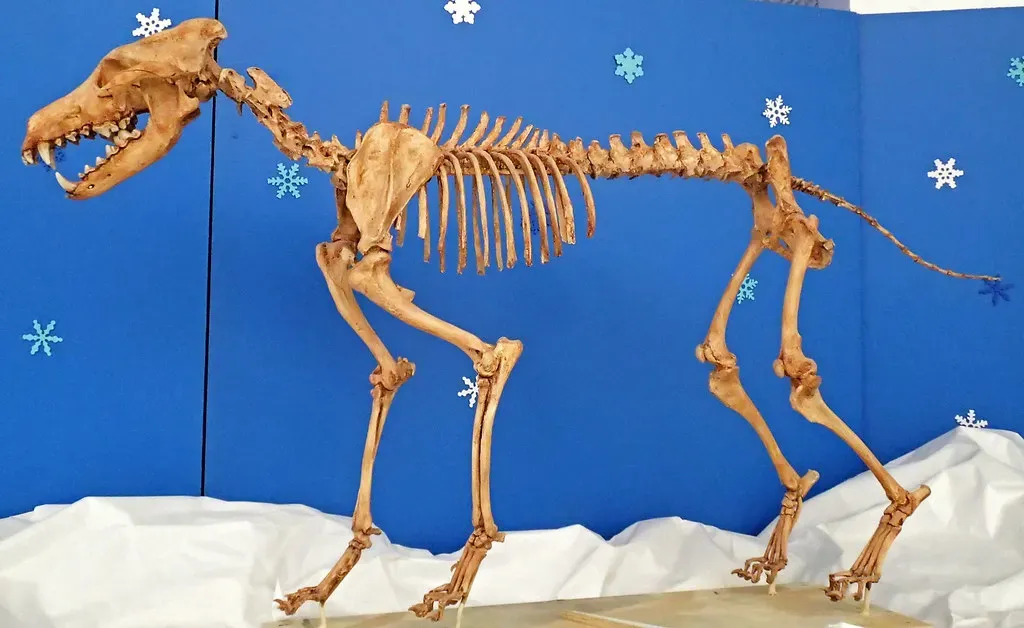
Dire wolves were a canine species that hunted the plains and forests, similar to modern grey wolves but heavier, with bigger heads, jaws and teeth giving them a strong bite, ideal for killing large prey like camels, horses, and bison. Honestly, the name “dire” fits perfectly here.
These predators roamed every inch of North America from the frozen Canadian north down through Mexico and thrived in every imaginable ecosystem from boreal forests to grassland plains to tropical wetlands. Like gray wolves, dire wolves hunted in packs of thirty or more and fed on large prey like mammoths, giant sloths and Ice Age horses. Though they worked together brilliantly, their heavy build meant they were ambush hunters rather than marathon runners. They’d lie in wait, then use teamwork and raw power to bring down their quarry.
Short-Faced Bears That Stood Taller Than Any Modern Grizzly
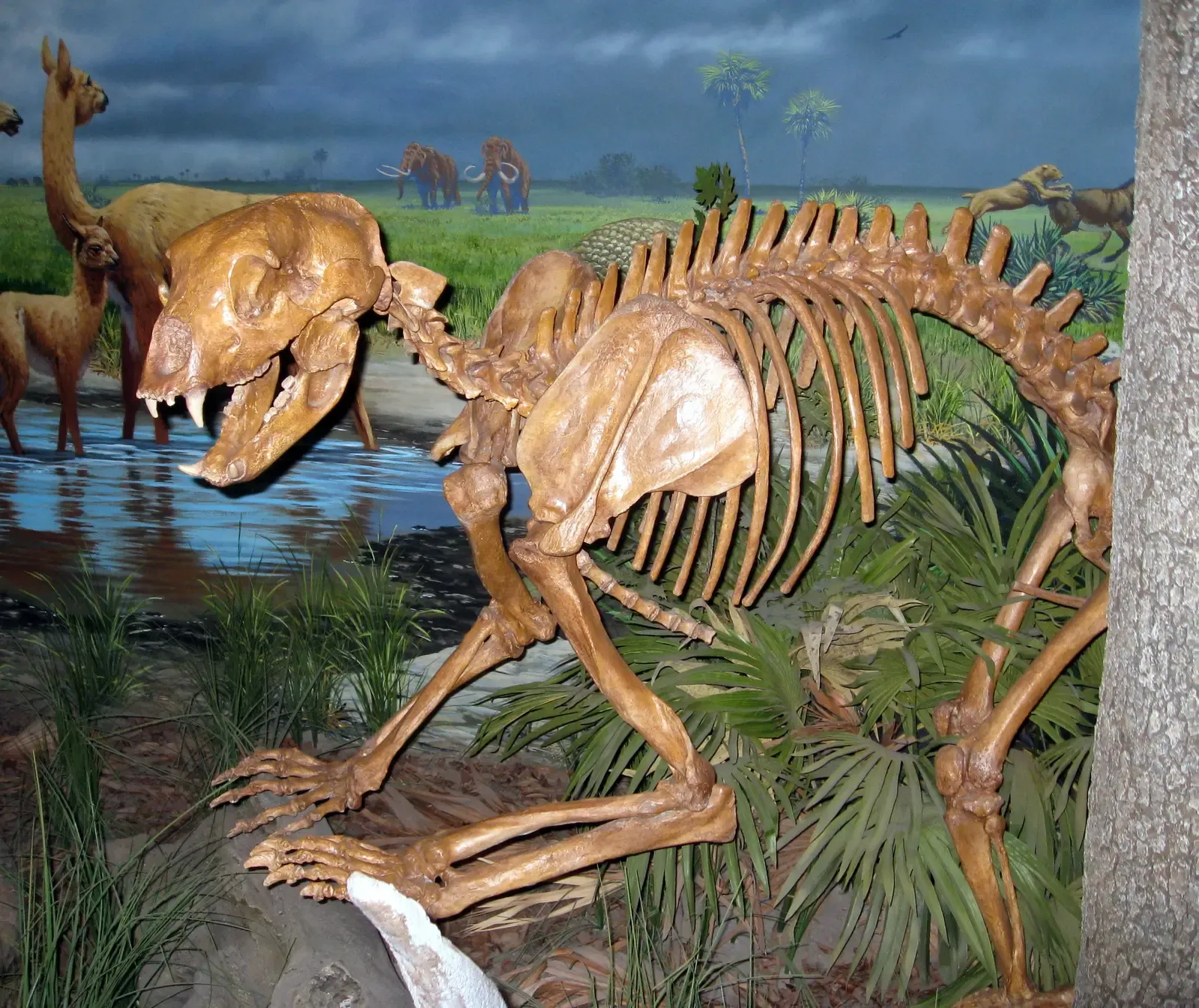
The giant short-faced bear was the largest carnivorous mammal to ever roam North America, with adults standing on their hind legs boasting a vertical reach of more than fourteen feet. Just let that sink in for a second. Fourteen feet tall.
The most striking difference between modern North American bears and the giant short-faced bear were its long, lean and muscular legs, which has given rise to the idea that it was a cursorial predator, meaning that it ran after prey. This wasn’t your chunky, lumbering bear stereotype. This was an athletic nightmare that could chase you down. At the height of its existence, these bears were the most dominant carnivores across the continent, requiring roughly thirty-five pounds of meat daily just to survive.
American Lions Prowled in Massive Prides
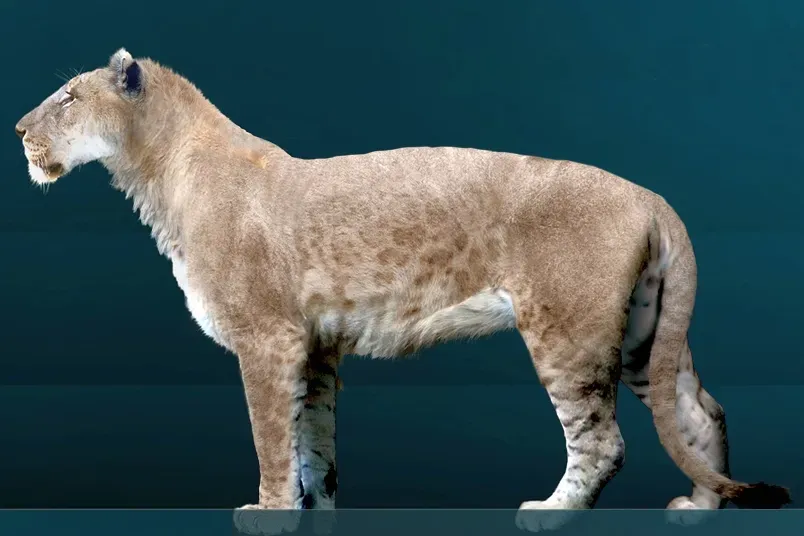
The American cave lion called this continent home and was one of the largest known cats, almost twenty-five percent bigger than the lions we see in Africa and India today, standing one point two metres at the shoulder and weighing up to four hundred and twenty kilograms. These weren’t African imports. They were uniquely American predators.
American lions likely inhabited open grasslands and savannas across North America, from Alaska to Florida, and were thought to live in social prides. Paleolithic art from cave walls in France and Russia shows similar prehistoric lions had faintly striped coats and no manes, unlike modern lions. Picture a pride of these massive, mane-less cats coordinating hunts through ancient forests and across open plains. The prey was plentiful, but so was the competition.
Giant Beavers the Size of Black Bears
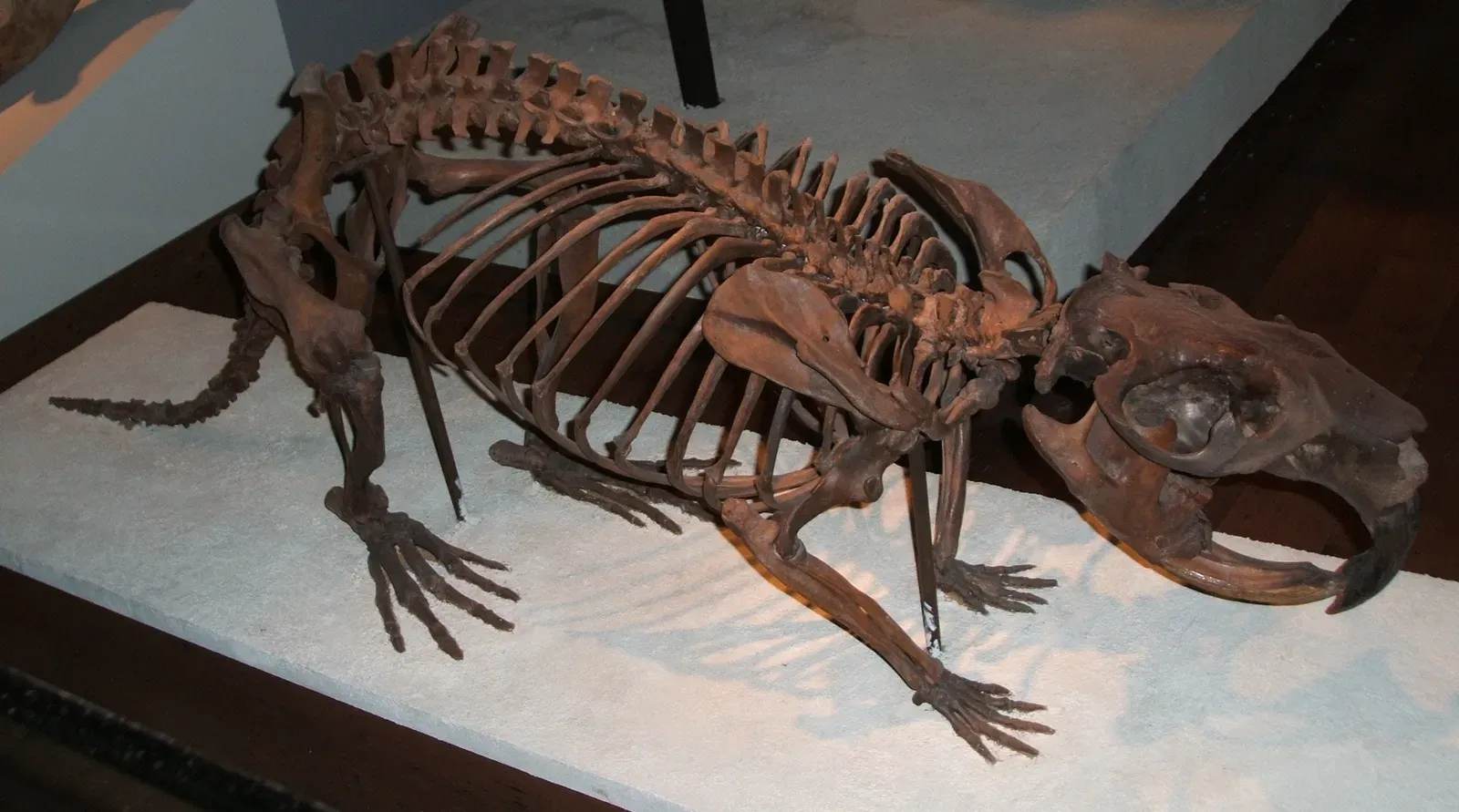
The giant beaver of North America grew over two meters in length and weighed roughly ninety to one hundred twenty-five kilograms, making it one of the largest rodents to ever exist. Let me say that again – a beaver the size of a black bear.
These weren’t building dams in quiet streams. The giant beaver is mostly known from its fossils in the Great Lakes region, where it inhabited wetland environments. Imagine encountering one of these behemoths while canoeing through a marsh. Their massive teeth and powerful build made them uniquely adapted to their aquatic lifestyle, but like so many of their megafaunal neighbors, they couldn’t survive the dramatic changes that came at the end of the Ice Age.
Horses That Evolved Here First
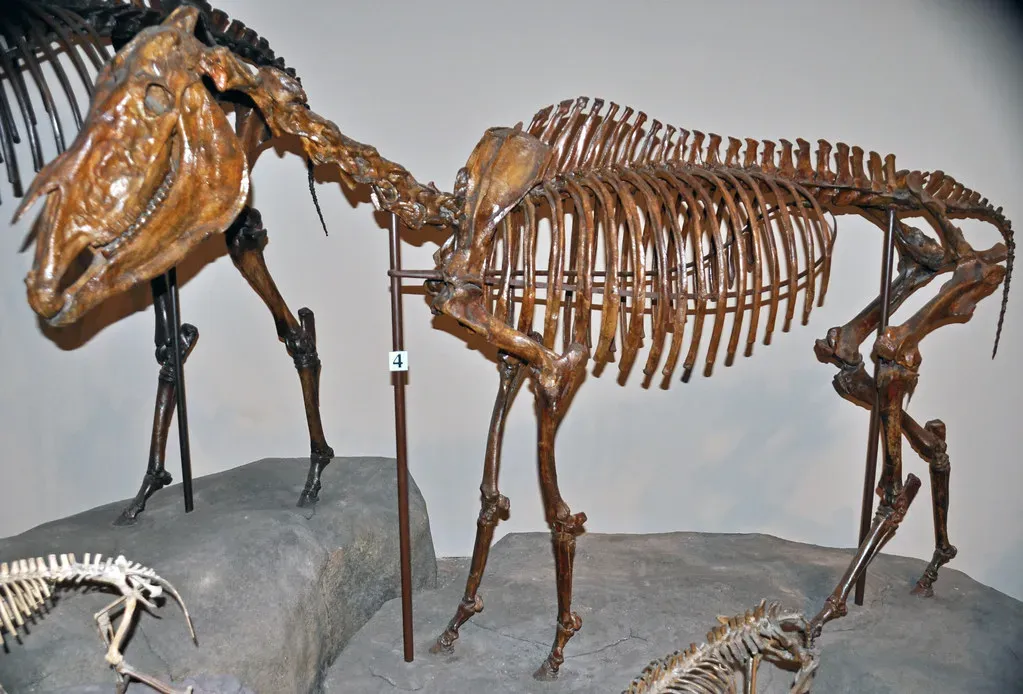
Indigenous horses roamed North America for fifty-five million years before going extinct along with other Ice Age megafauna roughly ten thousand years ago. It’s hard to say for sure, but most people assume horses were foreign imports brought by Spanish conquistadors. That’s only half the story.
Around two to three million years ago, herds of American horses traveled west over the land bridge into Asia, eventually spreading to Africa, and those ancient horses were the distant ancestors of the domesticated horses that the Spanish re-introduced to North America five hundred years ago. The American zebra, also known as the Hagerman horse, was the oldest known member of the genus Equus, and in both appearance and genetics was most closely related to the modern zebra, standing around five feet tall at the shoulders with a stocky build and faint stripes along its neck and flank. They came full circle, in a way.
Glyptodons Were Walking Tanks
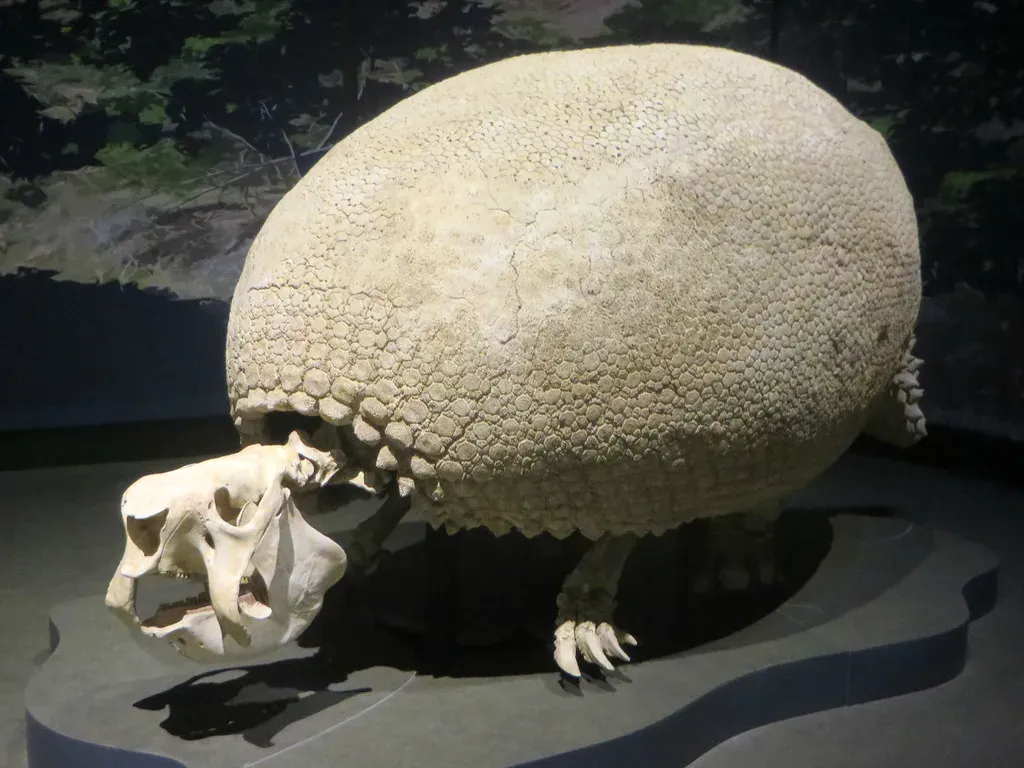
Glyptodon looked like a supersize version of its distant relative, the armadillo, protected by a shell made of bony plates, and the armored, one-ton creature likely traveled to North America from South America via the Isthmus of Panama. These weren’t just big armadillos. They were biological fortresses.
From South America, the armored creature probably traveled across the Isthmus of Panama to North America, flourishing in what is now coastal Texas and Florida about two million years ago. Their shells could reach over five feet in length, and some species even had spiked, club-like tails for defense. Walking through ancient Florida scrublands, you might have seen these living tanks grazing peacefully on vegetation, their armor making them nearly invulnerable to most predators.
Why Did They All Disappear?
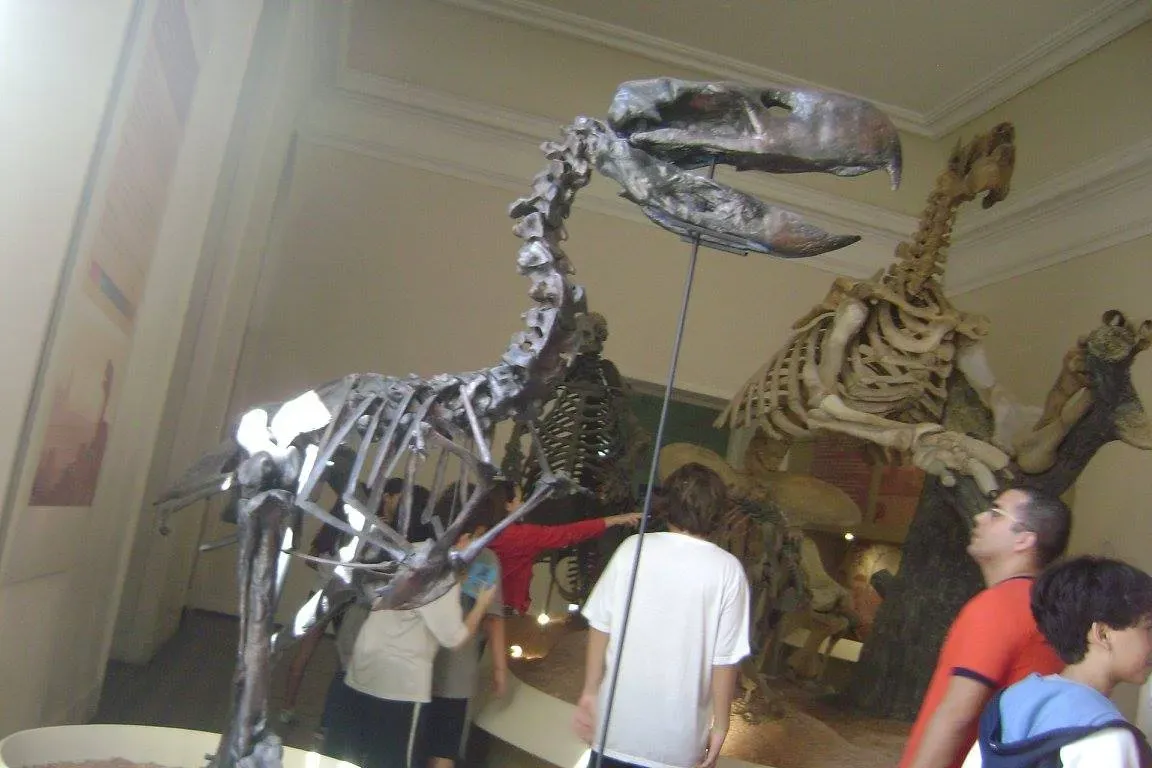
Around twelve thousand seven hundred years ago, North America lost seventy percent of its large mammals. That’s not a gradual fade. That’s a catastrophic collapse. Scientists have been arguing about why for more than half a century.
Rapid warming periods called interstadials and, to a lesser degree, ice-age people who hunted animals are responsible for the disappearance of the continent’s megafauna, according to research findings. According to one prominent extinction theory, a rapidly warming climate some fourteen thousand years ago transformed the open, grassy areas used by mammoths and other large grazers into less productive shrubland, and without enough food, these herbivores disappeared, followed by the predators that hunted them. Some researchers argue it was overhunting by newly arrived humans. Others point to climate shifts. Most likely? It was both, a perfect storm of environmental stress and human pressure that these magnificent creatures simply couldn’t overcome.
What would our forests and other habitats now be if these giants still roamed among us? What aspects of forest ecology do we completely miss because they’re absent? These are questions we’ll never fully answer, but they remind us of just how different our world once was. Did you expect that North America’s ancient forests held such incredible diversity of giants?