Picture yourself standing in a meadow thousands of years ago, looking up at creatures so massive they’d make your heart skip several beats. North America wasn’t always the place we know today. Long before highways and cities carved up the landscape, this continent belonged to giants.
These weren’t the dinosaurs you learned about in school. These were relatively recent neighbors, animals that walked the same ground we stand on now, just not that long ago in geological terms. Think about it for a second. Roughly ten thousand years back, you could’ve encountered predators and herbivores so colossal that modern wildlife looks almost modest by comparison. Let’s be real, imagining a world where bears stood as tall as basketball hoops and sloths weighed as much as cars sounds like something from fantasy. Yet the fossil record tells us otherwise.
The Giant Short-Faced Bear: North America’s Ultimate Apex Predator
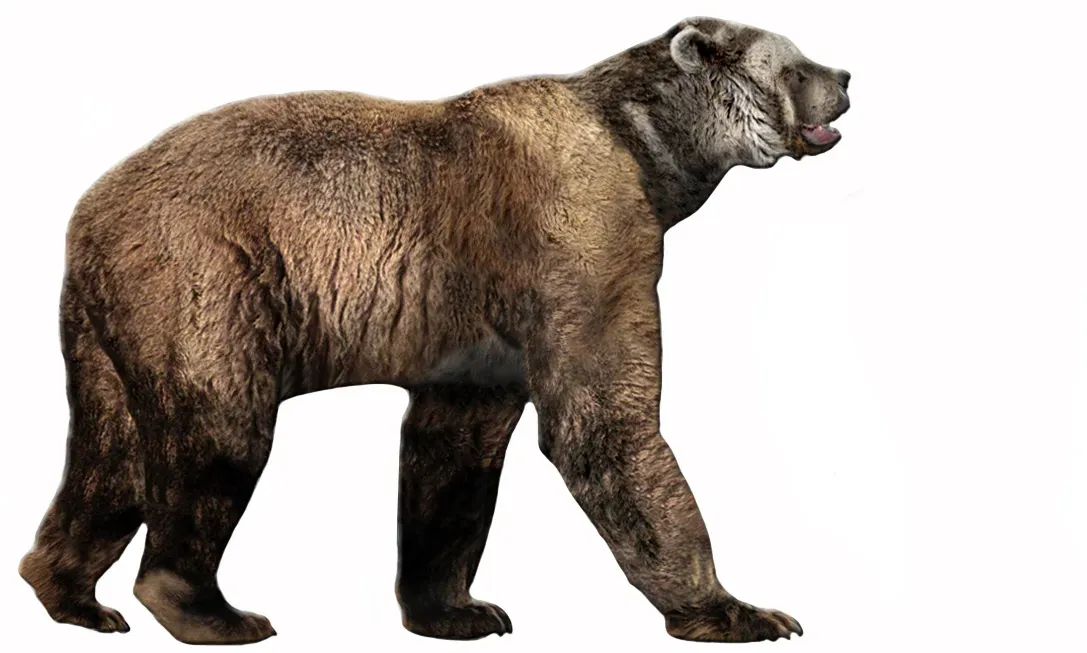
The giant short-faced bear, Arctodus simus, was the largest carnivorous mammal to ever roam North America. When you picture a bear, you probably think of something intimidating but manageable if you keep your distance. Now multiply that by pure nightmare fuel.
Rangier and longer legged than any bear today, it stood about five feet at the shoulders when walking and as tall as 12 feet on its hind legs. By examining skeletal remains, paleontologists calculate that the short-faced bear could reach speeds topping 40 miles per hour. Yes, you read that correctly. This creature could chase you down faster than most people can drive through a school zone. Unlike pigeon-toed modern bears, its toes pointed straight forward, enabling it to walk with a fast, purposeful gait.
The Columbian Mammoth: Moving Mountains of Flesh and Fur
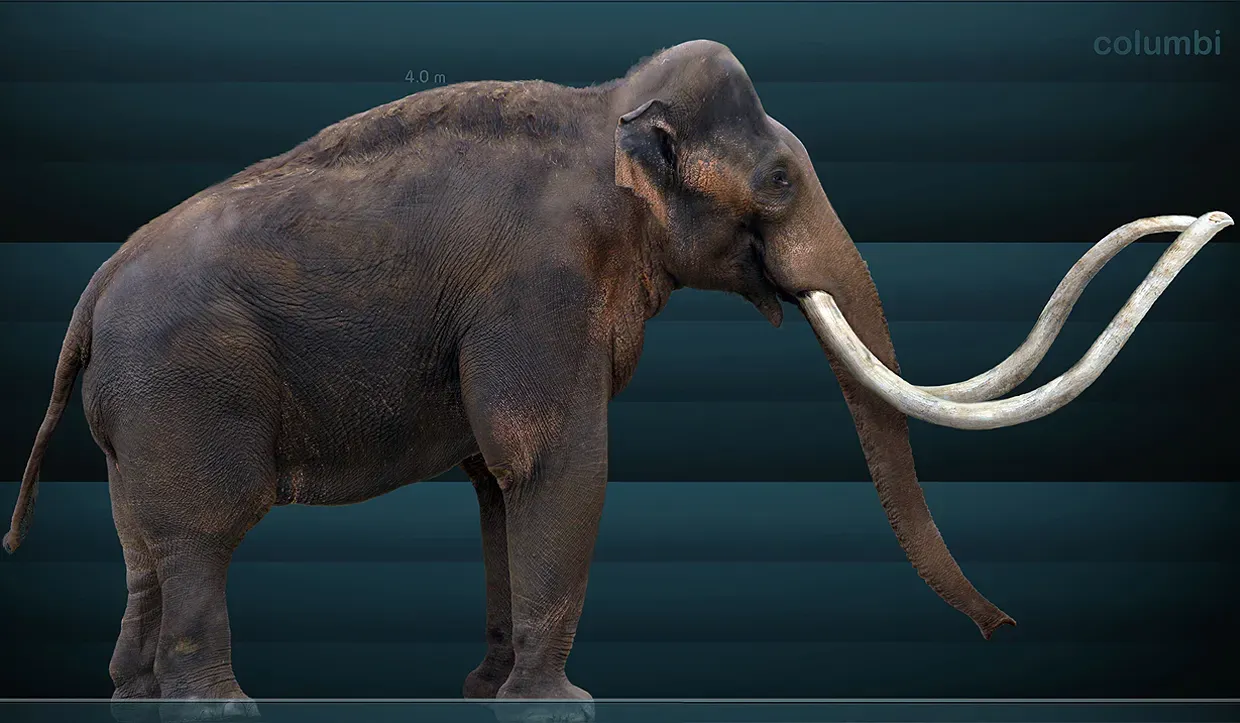
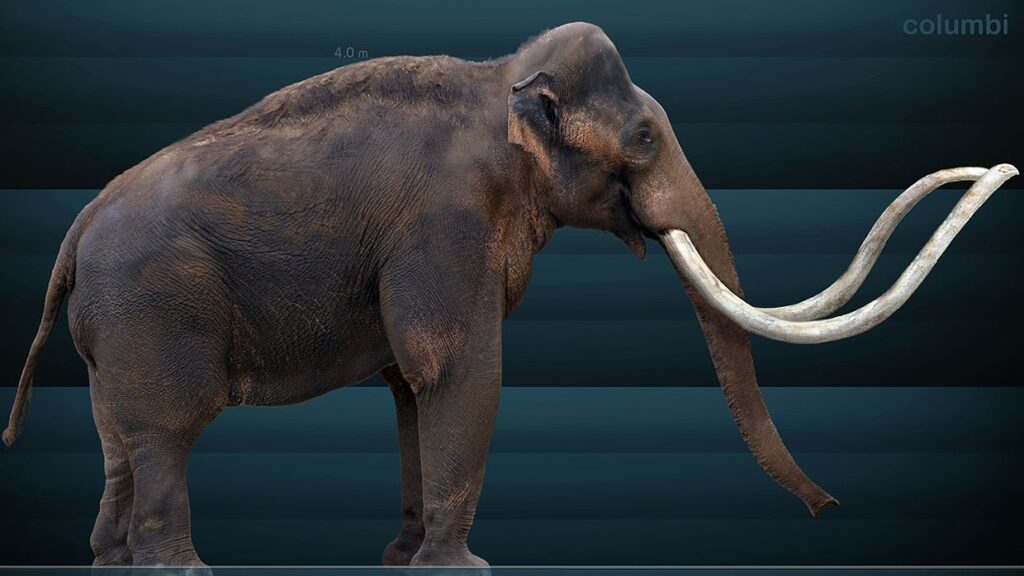
Reaching shoulders at heights between 12 and nearly 14 feet and weighing between 9 and over 12 tons, the Columbian mammoth was one of the largest species of mammoth. Honestly, these animals were larger than African elephants, sporting curved tusks that could stretch up to 16 feet long. Imagine encountering one of these behemoths while hiking through what’s now Texas or California.
The Columbian mammoth ate 300 pounds of vegetation every day, which means they shaped entire ecosystems just by being hungry. Giant North American fruits of plants such as the Osage-orange and honey locust have been proposed to have evolved in tandem with now-extinct American megafauna such as mammoths. Trees literally evolved to feed these giants. Some scientists believe certain plant species still produce large fruits today because they haven’t gotten the memo that their primary dispersers went extinct millennia ago.
The Giant Ground Sloth: A Vegetarian the Size of an Elephant
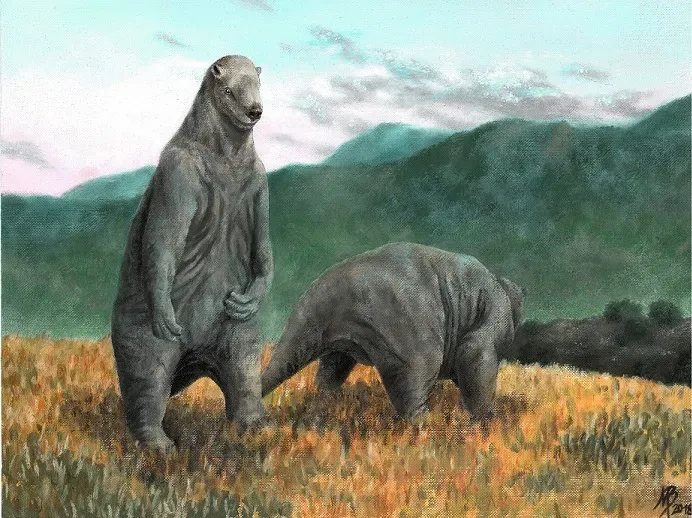
Forget everything you think you know about sloths. The giant ground sloths of the late Pleistocene were bear-sized herbivores that stood 12 feet on their hind legs and weighed up to 3,000 pounds. Standing at a whopping 3.7 meters when up on hind legs and weighing up to four tonnes, they were the largest bipedal mammal of all time.
Here’s the thing that gets me. Despite having massive, fearsome claws that could easily disembowel a predator, these colossal creatures were complete vegetarians. They used those claws to pull down branches and strip leaves, not to hunt prey. They lived in the woodlands and grasslands of South America, and fossils dating from around 400,000 to 10,000 years ago show they were actually vegetarians, feeding on leaves and grasses. The sheer contrast between their intimidating appearance and peaceful lifestyle makes them one of prehistory’s most fascinating contradictions.
Quetzalcoatlus: The Giraffe-Sized Terror of the Skies
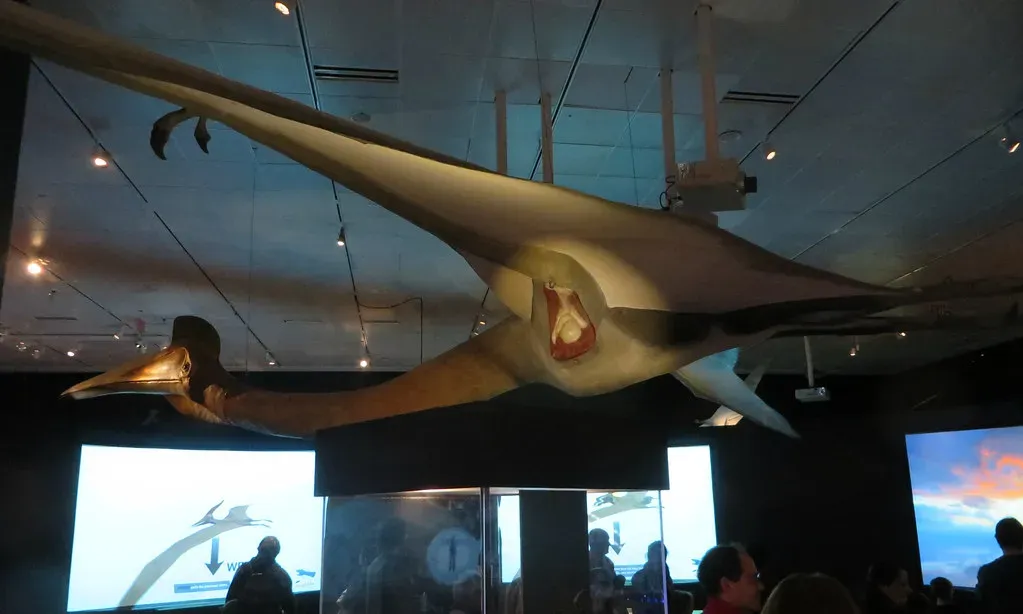
With a wingspan nearing 40 feet and a standing height of 15 to 20 feet, Quetzalcoatlus was not only easily the largest pterosaur, it was the largest flying animal in the history of planet Earth. Let that sink in for a moment. This creature was as tall as a giraffe when standing on the ground, yet it could take to the air.
It was a generalist carnivore, thought to have been equally comfortable striding and galloping on land as it would be in the air, stalking prey and carrion in late Cretaceous North America. Imagine looking up and seeing something with a 40-foot wingspan circling overhead, knowing it could land and chase you on foot if it wanted. Studies have shown that their bones were intricate structures that made them super strong and stable, but also super light so these reptiles could fly. The engineering required for something that large to achieve flight defies easy comprehension.
Deinosuchus: The Dinosaur-Eating Crocodile That Ruled the Swamps
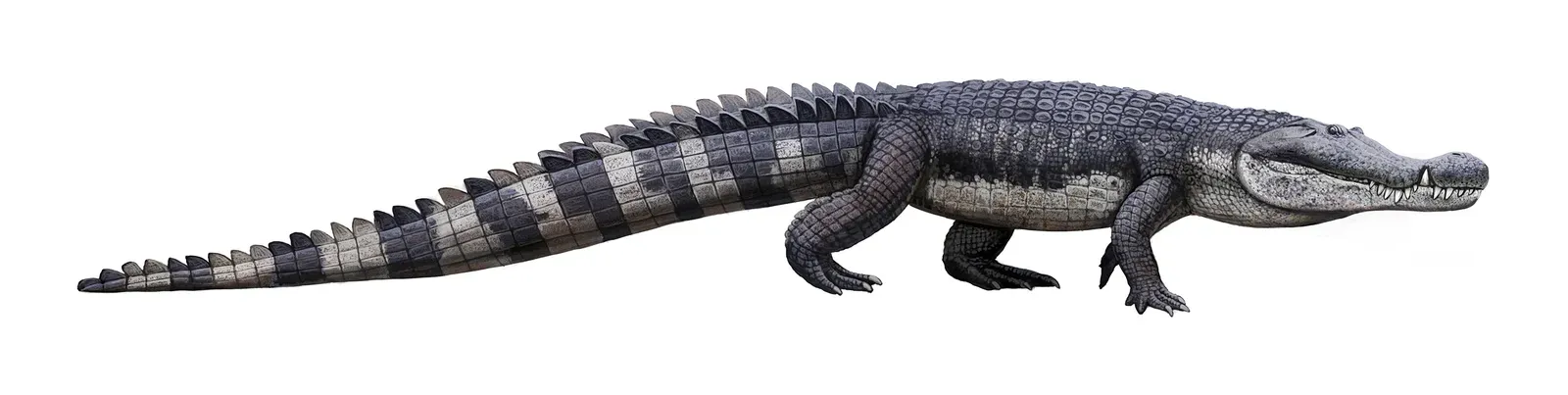
Deinosuchus lived between 83 and 72 million years ago, was 11 metres long and weighed 6 to 7 tonnes, making it the largest predator in North America at the time. This wasn’t your average swamp dweller. This was an apex predator that made modern saltwater crocodiles look like pets.
During the Cretaceous, 40-foot ambush predators such as Deinosuchus munched on dinosaurs. Think about that level of dominance. You’re a massive dinosaur going down to the water’s edge for a drink, and something even bigger lunges from beneath the surface. Sarcosuchus and Deinosuchus were giant crocodilians which each reached about 40 feet in length, with Deinosuchus living in the Cretaceous period in North America. Modern crocodiles are terrifying enough at roughly half that size. Scale that up and you’ve got something truly monstrous.
When the Giants Vanished
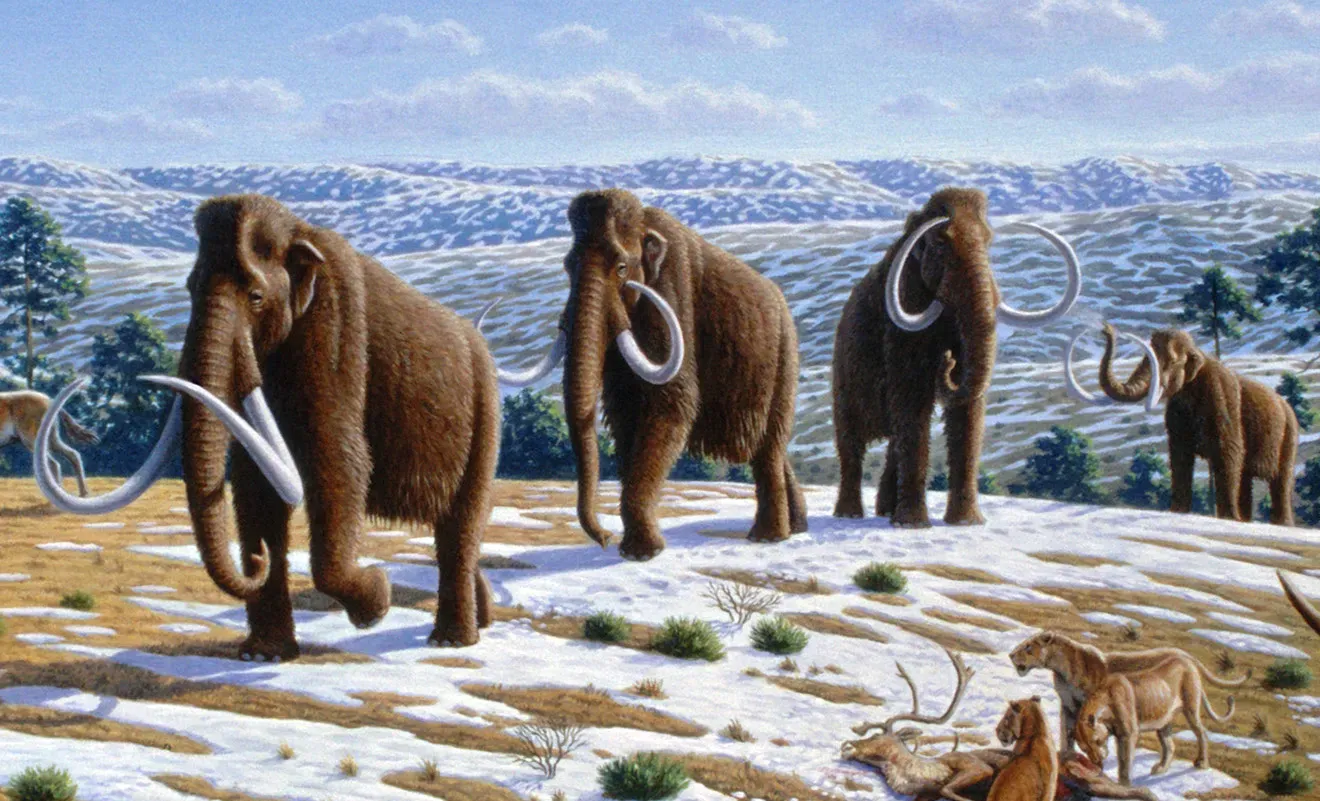
When the glaciers receded in the late Pleistocene, North America was home to dozens of thriving species of extra-large mammals known as megafauna, but around 10,000 years ago, nearly all of those giant creatures were wiped out. The mystery of what exactly killed them continues to spark debate among scientists. Rapid warming periods called interstadials and, to a lesser degree, ice-age people who hunted animals are responsible for the disappearance of the continent’s megafauna.
Walking through a forest today, it’s almost impossible to imagine these giants once dominated the landscape. The silence where mammoth calls once echoed, the absence of ground sloths browsing on branches above your head, the missing thunder of short-faced bears pursuing prey across open plains. North America lost something irreplaceable when these creatures disappeared. We’re left with fossils, educated guesses, and the humbling reminder that even the mightiest giants can vanish when conditions shift. What do you think it would be like to witness these creatures in their prime? Would you want to?