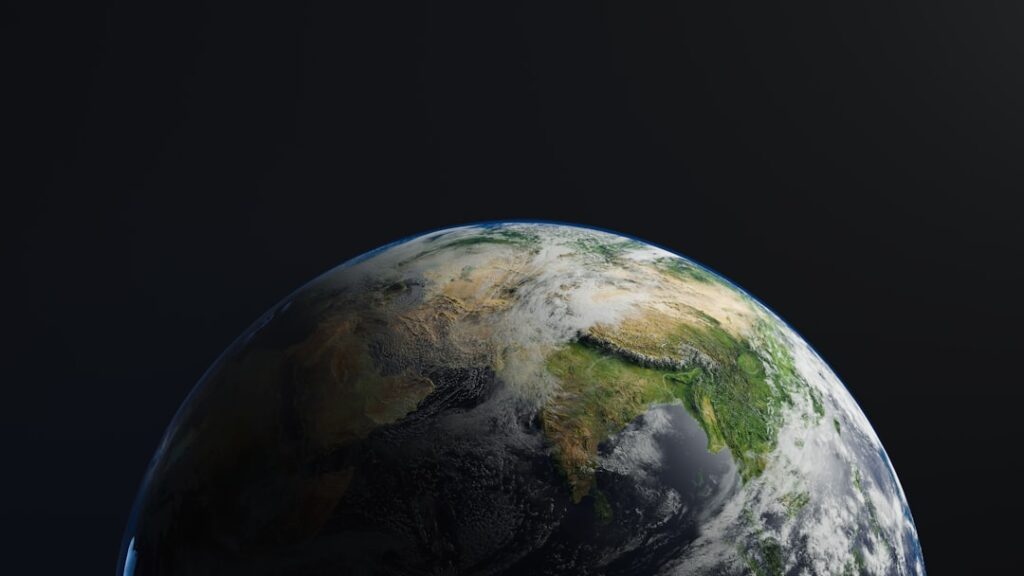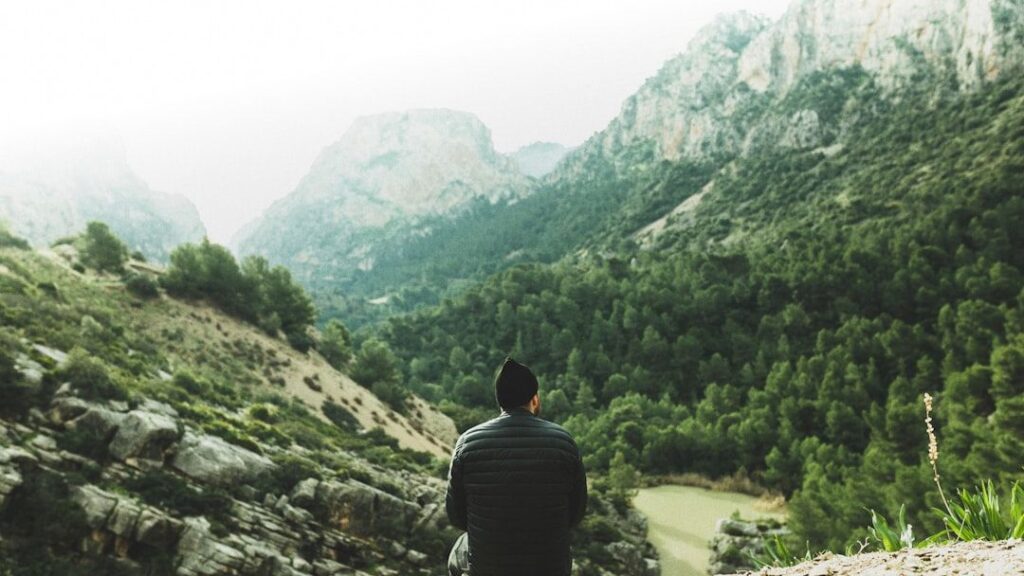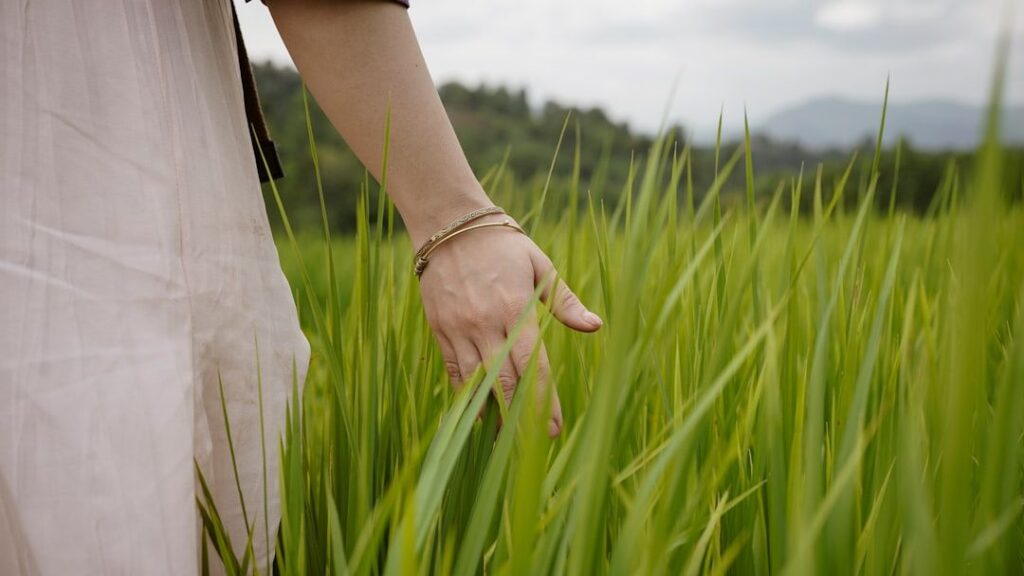
Have you ever felt an inexplicable pull toward the outdoors, a sense of calm washing over you the moment your feet touch grass? Maybe you’ve noticed how your mood lifts after a walk in the park, or how you crave the smell of rain on soil when life gets overwhelming. These aren’t just random occurrences. They’re clues pointing to something deeper, something primal within you.
Research shows that people who are more connected with nature are usually happier in life and more likely to report feeling their lives are worthwhile, as nature can generate many positive emotions, such as calmness, joy, and creativity. In our fast-paced, technology-driven world, this connection often goes unnoticed or undervalued. Yet recognizing the signs that you share a profound bond with the Earth can transform how you understand yourself and the world around you.
So how do you know if you’re one of those people who feels that magnetic pull toward the natural world? Let’s dive into the telltale signs.
You Feel Most Peaceful When Surrounded by Nature
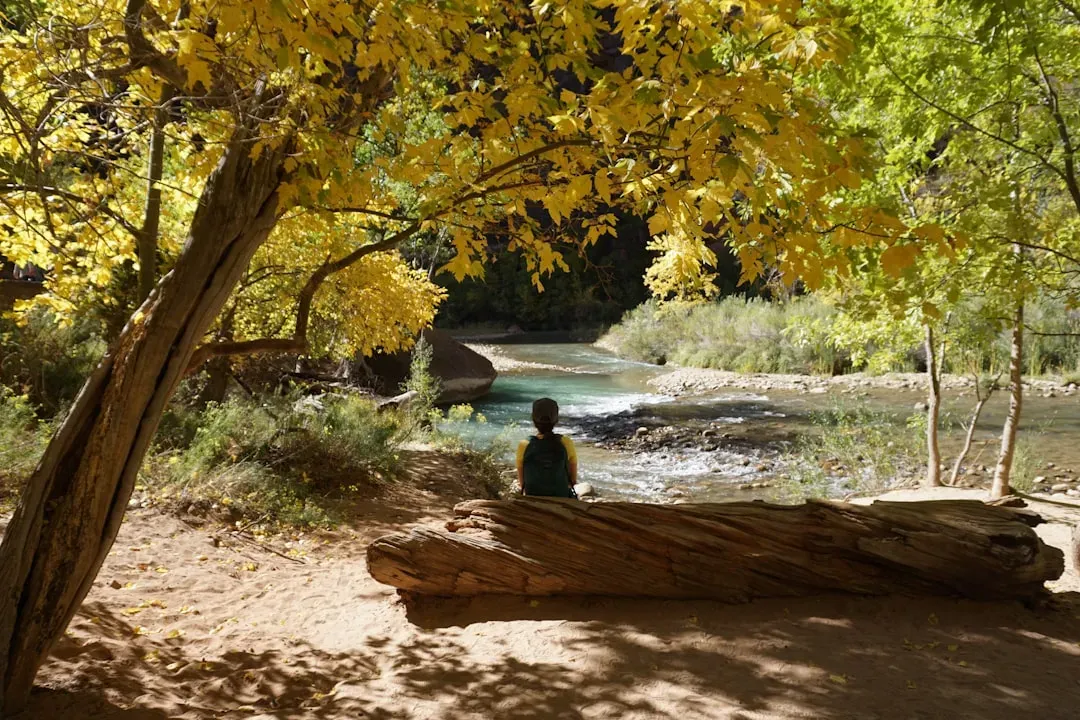
Here’s the thing: if you find genuine peace outdoors that you simply can’t replicate indoors, you’re tapping into something ancient. Nature connectedness is linked to better mental health, particularly lower depression and anxiety. When stress takes its toll, you probably don’t reach for your phone or turn on the TV. Instead, you instinctively think about getting outside.
This isn’t just about enjoying a nice view. Mechanisms in the relationship between nature contact and psychological wellbeing include attention restoration and stress reduction, as the theories behind both postulate that nature has restorative and stress-reducing benefits, and stress reduction theory suggests that innate affinity to nature contributes to positive emotions after experiencing nature. You might notice that even a few minutes sitting under a tree or walking through a park shifts something fundamental inside you. The chaos quiets. The tension melts away.
You Prefer Going Barefoot Outdoors
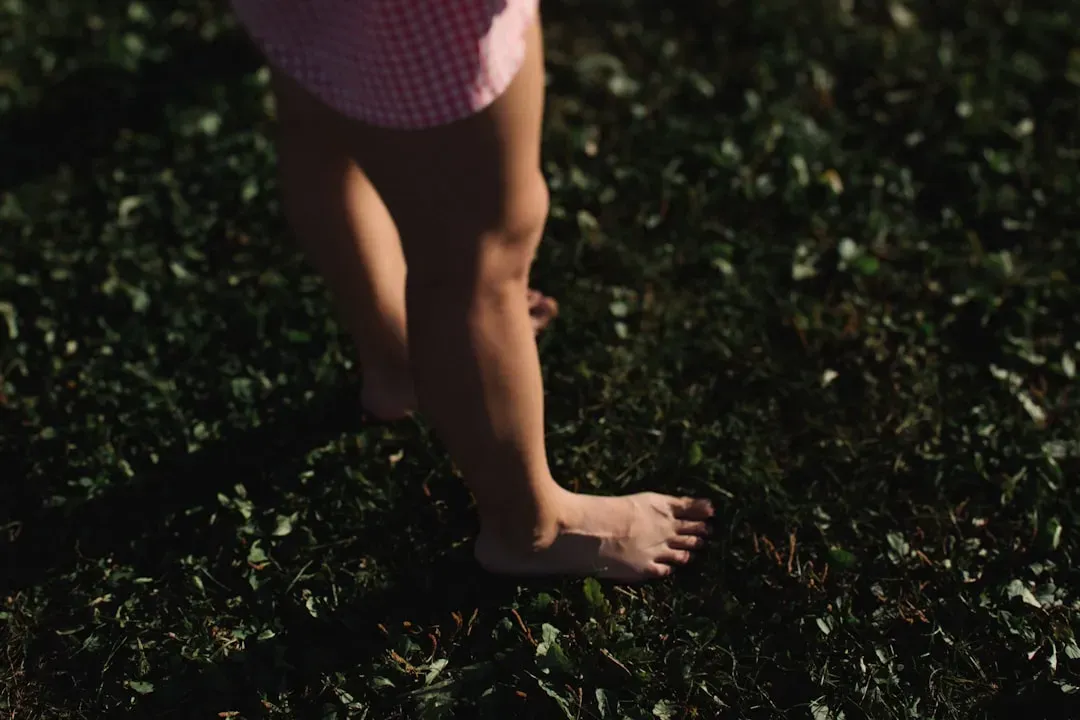
If you’re the type who kicks off your shoes the moment you step outside, you’re onto something. Grounding involves direct physical contact with the earth, typically by walking barefoot on natural surfaces like grass, sand, or soil. There’s an actual scientific term for this: earthing. It sounds almost too simple to be meaningful, doesn’t it?
Walking barefoot isn’t just comfortable for you; it feels necessary. You might not be able to articulate why, but through direct skin contact, the Earth absorbs your body’s positive charge, and you receive its energy in the form of electrons. It’s freeing to walk around without feeling constrained by shoes, and it feels pleasant and comforting to have our feet touch cool, soft grass or warm sand. That tingling sensation, that immediate sense of grounding – that’s your body recognizing home.
Natural Sounds Soothe You Like Nothing Else
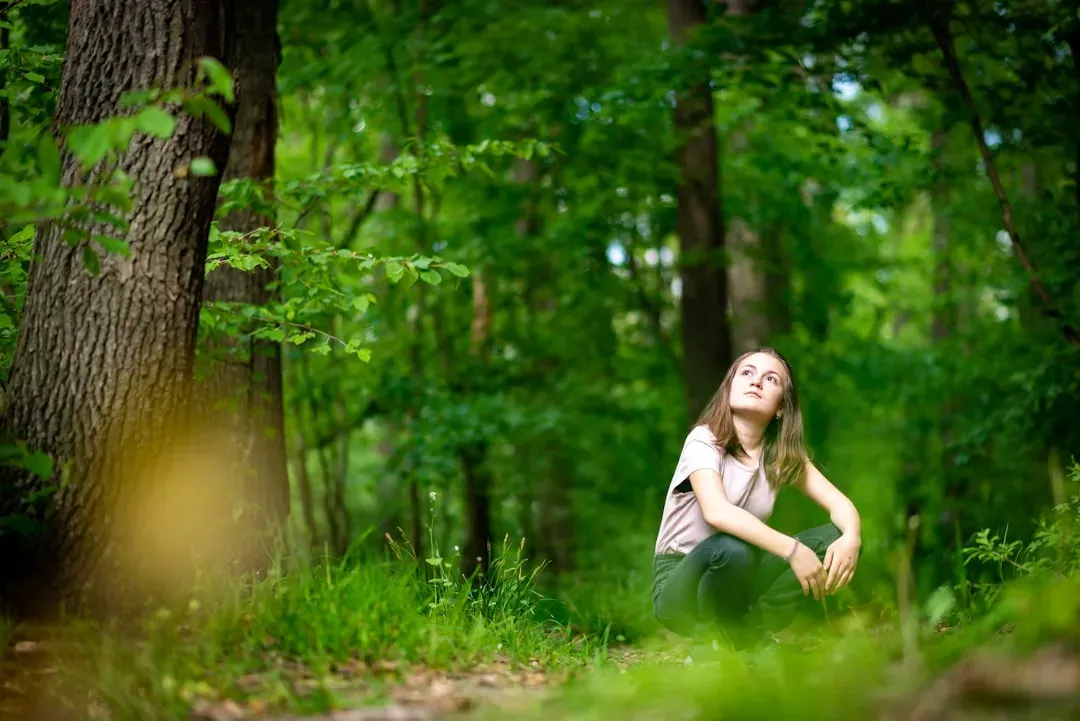
Let’s be real: some people find birdsong annoying or rainfall distracting. Not you. If the sound of wind rustling through leaves or waves crashing on the shore brings you instant calm, you’re demonstrating a deep earth connection. These aren’t just pleasant background noises; they’re like medicine for your nervous system.
You might notice the beauty of nature by listening intently to birdsong or touching the bark of trees, and smelling flowers or feeling the soil between your fingers whilst planting bulbs in the garden are highly sensual ways to connect with nature. When you’re overwhelmed, you might even seek out recordings of natural sounds to bring yourself back to center. I think there’s wisdom in that instinct – your body knows what it needs to heal.
You Notice Seasonal Changes Deeply
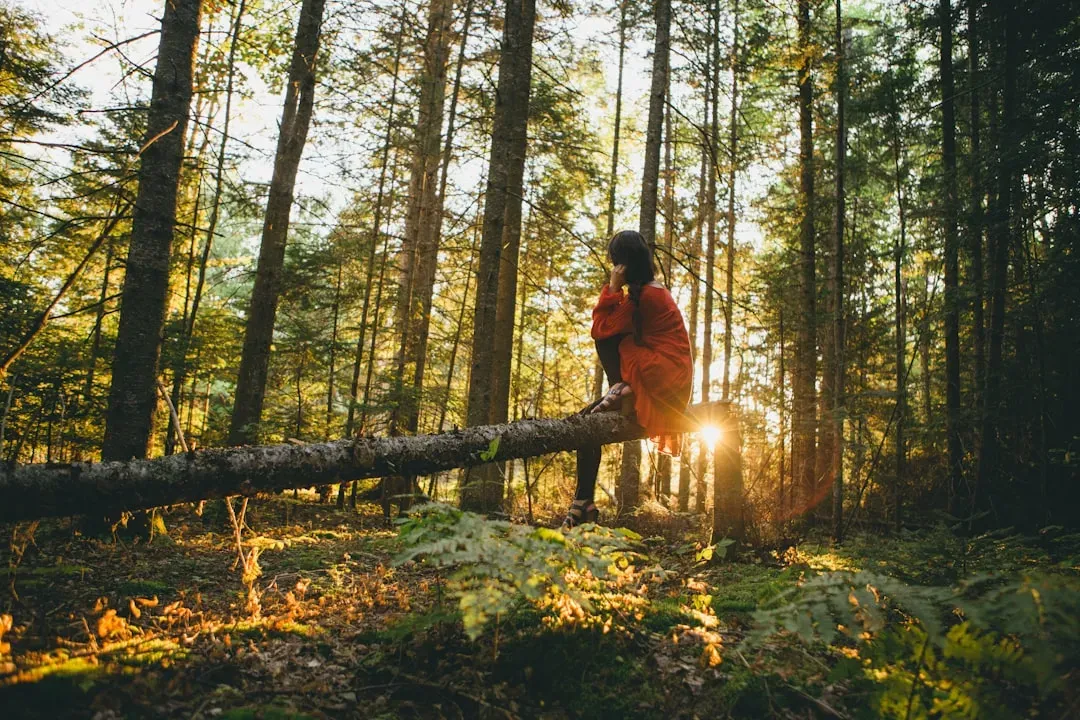
While others barely register the shift from summer to fall, you feel it in your bones. You notice when the first buds appear on trees in spring or when leaves start their transformation in autumn. This awareness goes beyond casual observation – it’s more like you’re synchronized with Earth’s rhythms in a way that feels almost cellular.
Tracking the moon cycle connects you to nature’s rhythms, and you can bring in a spiritual element by aligning with the energies of each full and new moon. You might even find yourself adjusting your activities or mood based on these natural cycles. When the weather changes, you don’t just check the forecast; you sense it coming. This attunement isn’t common, and it speaks to a relationship with the planet that most people have lost.
You Experience Physical Relief When Touching Natural Elements
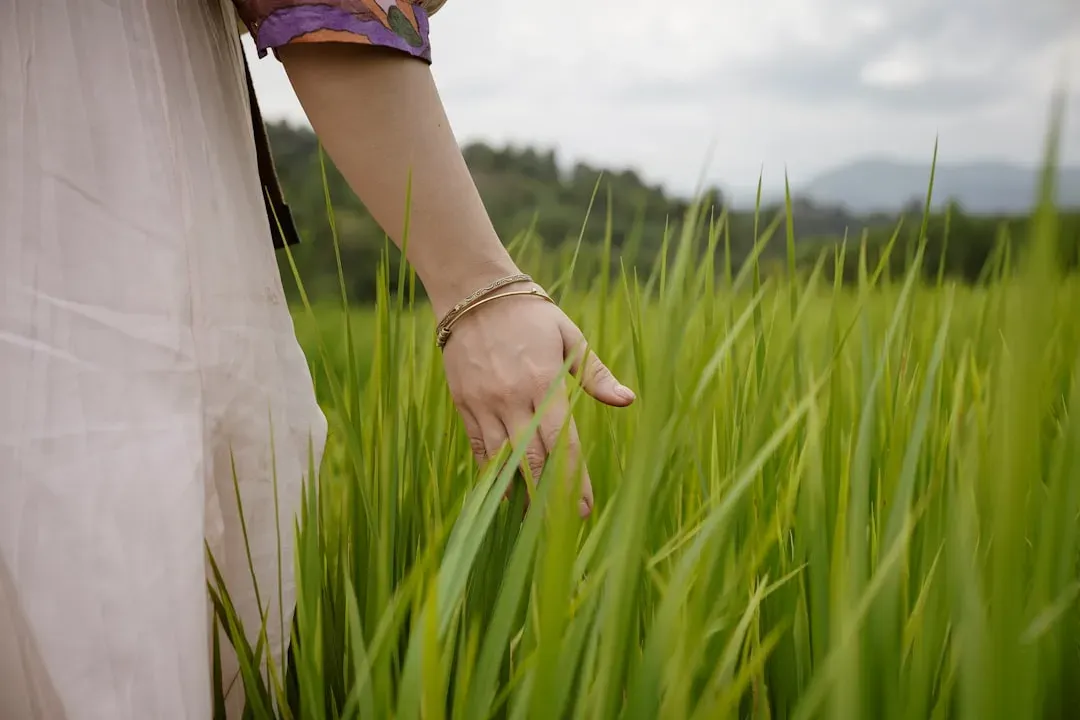
This might sound strange to some, but you know exactly what I’m talking about. When you touch soil, lean against a tree, or immerse yourself in natural water, something shifts physically. Electrically conductive contact of the human body with the surface of the Earth produces intriguing effects on physiology and health, and such effects relate to inflammation, immune responses, wound healing, and prevention and treatment of chronic inflammatory and autoimmune diseases.
You might notice that aches and pains diminish, tension releases from your muscles, or you simply feel more “present” in your body. The first step to connecting with the element of Earth is to get outside and literally, physically connect with it, whether it’s getting your hands dirty in the soil of your garden, walking barefoot in the grass or a stream, grounding on a patch of soil, or rubbing your hands on the rough bark of a tree. It’s like your body recognizes its origins and responds accordingly.
You Feel a Sense of Belonging in Wild Spaces

Here’s something interesting: while some people feel exposed or vulnerable in wild, untamed places, you feel at home. Forests, mountains, deserts, or coastlines don’t intimidate you – they welcome you. There’s a sense of belonging that defies logic, especially if you didn’t grow up spending lots of time outdoors.
Humans benefit from interaction with nature, enhancing their connectedness to nature, integrity, vitality, wellbeing amongst others, and contact with nature is considered as a key predictor to an individual level of Nature Connectedness. You might find yourself drawn to less manicured, wilder environments over perfectly maintained parks. The rawness speaks to something in you that craves authenticity and connection to forces larger than yourself.
You’re Drawn to Natural Materials and Textures

If you consistently choose wood over plastic, stone over synthetic materials, and natural fibers over polyester, this preference reveals your earth connection. It’s not just an aesthetic choice or environmental concern – though those might be part of it. You genuinely feel better surrounded by things that came from the earth.
You might collect stones, keep plants throughout your living space, or prefer furniture made from reclaimed wood. Although participants reported feelings of comfort and relaxation after seeing either real plants or images of the same plants, a physiological response was observed only after seeing real plants, and seeing real plants was associated with increased oxy-hemoglobin concentrations in the prefrontal cortex. Your body literally responds differently to authentic natural materials versus their synthetic counterparts. Trust that instinct – it’s revealing something important about who you are.
You Feel Protective of Natural Spaces
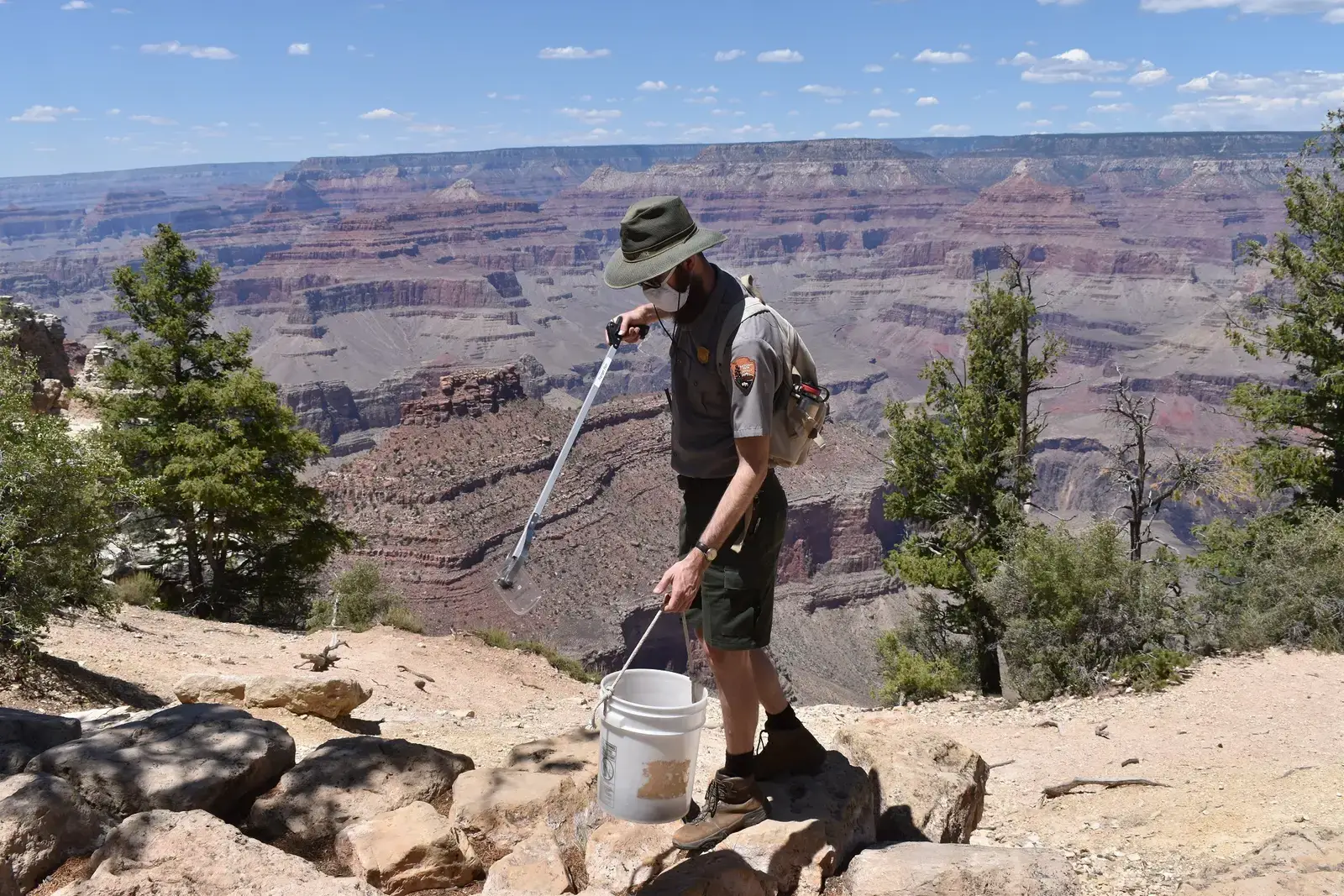
When you see litter in a park or hear about deforestation, it doesn’t just bother you intellectually – it hurts. There’s an emotional response that feels almost personal, as if someone were harming a member of your family. This protective instinct isn’t about being preachy or superior; it comes from genuine connection.
Research on nature connection has consistently shown that its promotion leads to an increase in pro-environmental behaviours, including environmentally protective and self-sacrificing behaviour, in addition to its benefits on wellbeing, and individuals with a stronger nature connection are more likely to engage with conservation of energy and water, reduced consumption. You probably find yourself picking up trash even when it’s not yours, advocating for environmental causes, or making lifestyle changes to reduce your impact. This isn’t performative – it flows naturally from your deep bond with the Earth.
Time in Nature Restores You Like Sleep Restores Others

While most people need a vacation, a spa day, or a good night’s rest to recharge, you need nature. People who spent two hours a week in green spaces were substantially more likely to report good health and psychological well-being than those who don’t, and two hours was a hard boundary as the study showed there were no benefits for people who didn’t meet that threshold. It’s not optional for your wellbeing – it’s essential.
When you’re depleted, overwhelmed, or burned out, no amount of rest indoors fully restores you the way time outside does. Engaging with natural environments can reduce stress, enhance mood, and improve cognitive function, as activities like walking in parks or forests can lead to lower cortisol levels and increased feelings of wellbeing. You emerge from time in natural settings feeling like yourself again, with clarity and energy that seemed impossible before you stepped outside. Honestly, that’s one of the most reliable signs that your connection to Earth runs deep.
Conclusion
Recognizing these signs in yourself isn’t just an interesting observation – it’s an invitation. Your is both a gift and a responsibility. In a world that increasingly pulls us away from natural rhythms and experiences, maintaining and nurturing this bond becomes an act of resistance and healing.
The beautiful thing is that this connection benefits not just you, but the planet as well. The more deeply you’re bonded with nature, the more naturally you’ll protect and honor it. So the next time you feel that pull toward the outdoors, or find yourself breathing easier under an open sky, recognize it for what it is: your true self remembering where it comes from.
What signs do you recognize in yourself? Have you noticed other ways your earth connection shows up in your daily life? Think about it, and maybe share your experiences with others who might be discovering their own deep bond with the natural world.