
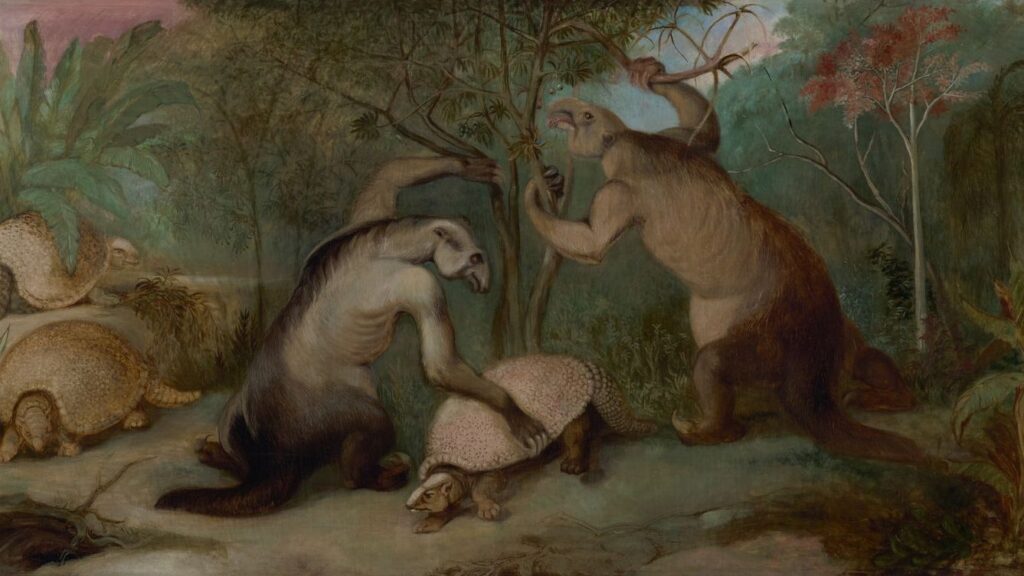
There’s something deeply captivating about creatures that once roamed the earth but now exist only in our museums and collective memory. Maybe it’s the sheer impossibility of their size, or perhaps it’s the thrill of knowing that reality once outpaced even our wildest fantasies. We’ve all seen the documentaries, the skeleton replicas towering over museum floors, but honestly, nothing quite prepares you for the moment when you realize these monsters actually walked, swam, and flew on the same planet we call home.
From flying reptiles with wingspans longer than a school bus to ground-shaking herbivores that could peek into fifth-story windows, prehistory gave us creatures that make modern animals look almost timid by comparison. So what makes these specific giants stand out from the countless other extinct species? Let’s dive into five prehistoric behemoths that continue to spark wonder and just a little bit of fear in anyone who learns their story.
Argentinosaurus: The Land Giant That Defied Physics
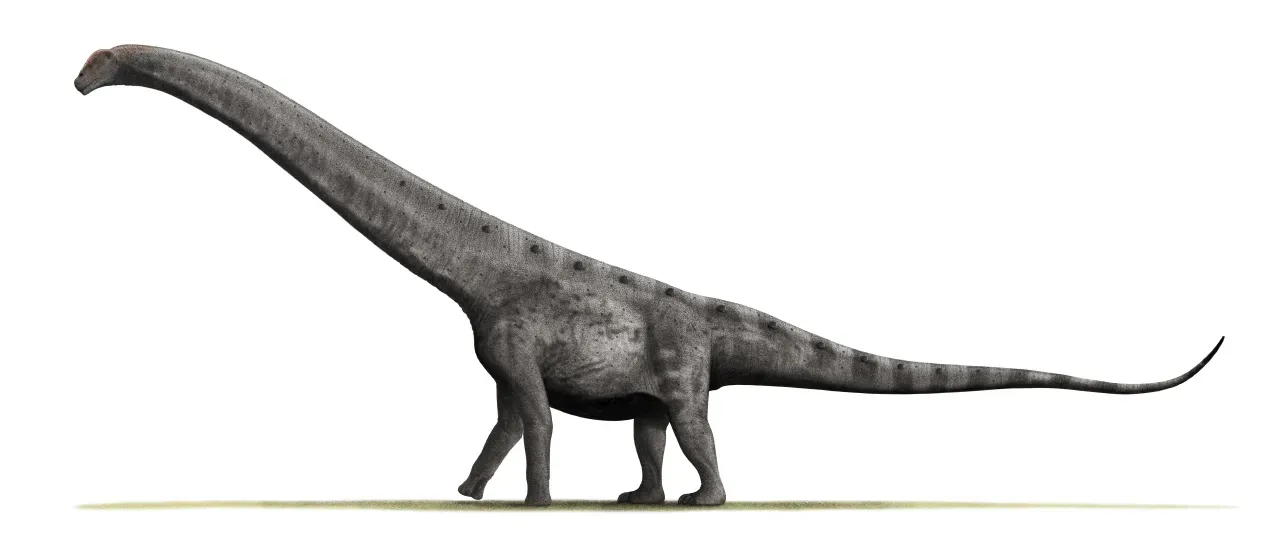
Imagine something so massive it makes elephants look like house pets. Argentinosaurus is widely regarded as the largest titanosaur and measured around 40 meters from head to tail, stood taller than a five-story building at roughly 20 meters, and weighed in at a whopping 80 tons. To put that in perspective, that’s heavier than roughly a dozen African elephants combined.
A farmer discovered the first fossil of this prehistoric dinosaur in Argentina in 1987, when he stumbled upon what appeared to be a piece of petrified wood as big as a man. What fascinates me most isn’t just the size but how such a creature could even support itself. The thought behind efficient food uptake is that because sauropods had such long necks, they must have been more efficient eaters than other large herbivores, meaning they could cover much larger feeding grounds and reach food that was inaccessible to other dinosaurs, so the massive sauropods must have been able to grow larger. These gentle giants spent their days stripping leaves from the tallest trees, their long necks acting like organic cranes that gave them access to an all-you-can-eat buffet unavailable to competitors.
Quetzalcoatlus: The Flying Nightmare That Actually Existed
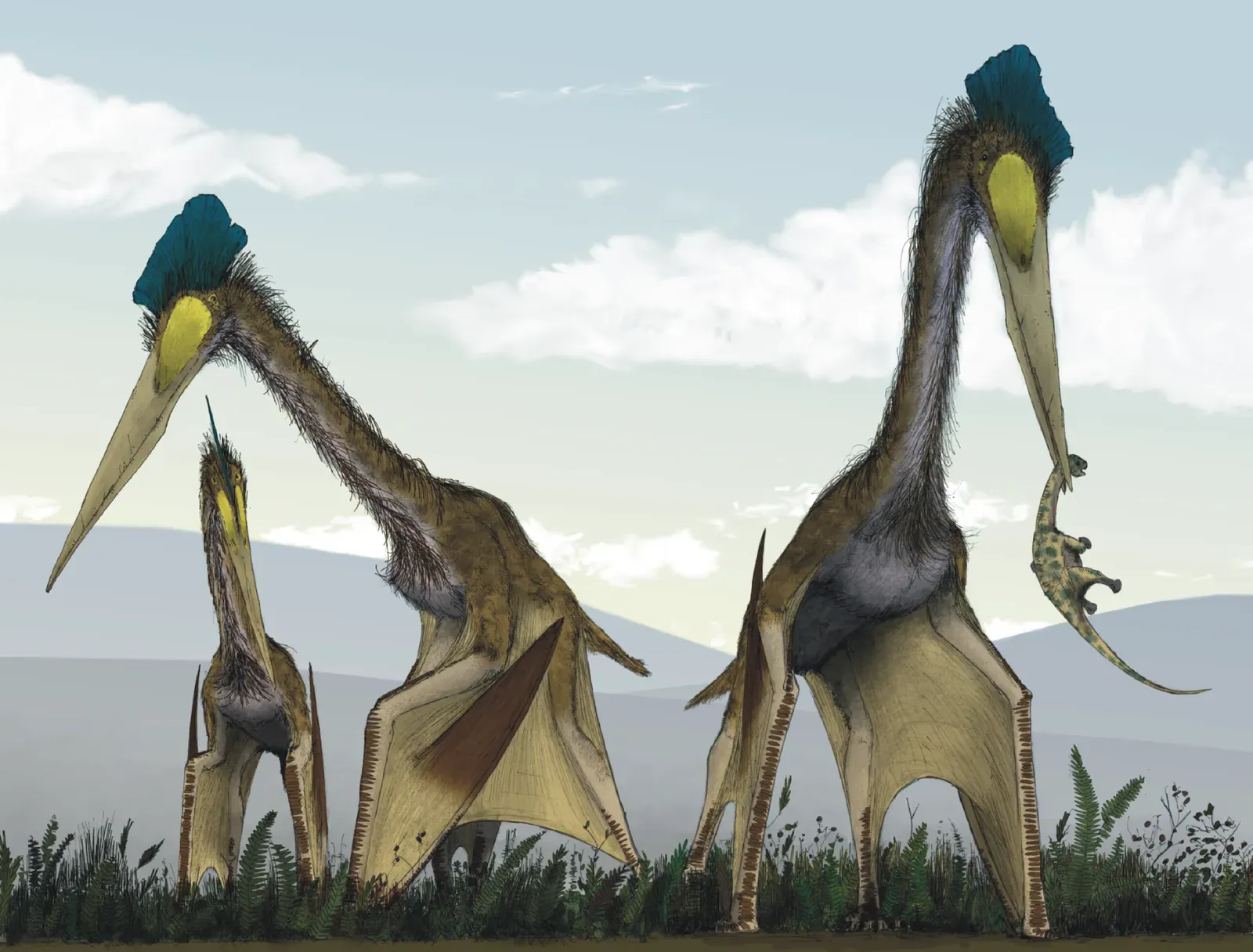
With a wingspan nearing 40 feet and a standing height of 15 to 20 feet, Quetzalcoatlus was not only easily the largest pterosaur, it was the largest flying animal in the history of planet Earth. Let that sink in for a moment. This creature, when standing on the ground, could look a giraffe in the eye. When it spread its wings, it cast a shadow the size of a small airplane.
It was a generalist carnivore, thought to have been equally comfortable striding and galloping on land as it would be in the air, stalking prey and carrion in late Cretaceous North America. Picture this massive reptile walking along ancient riverbanks on all fours, then launching itself skyward with powerful leg muscles. This could have been due in part to a highly effective flow-through respiratory system which allowed them the ability to sustain flight, and studies have shown that their bones were intricate structures that made them super strong and stable but also super light so these reptiles could fly. Nature basically engineered a flying giraffe, and somehow made it work.
Titanoboa: The Snake That Could Swallow Crocodiles
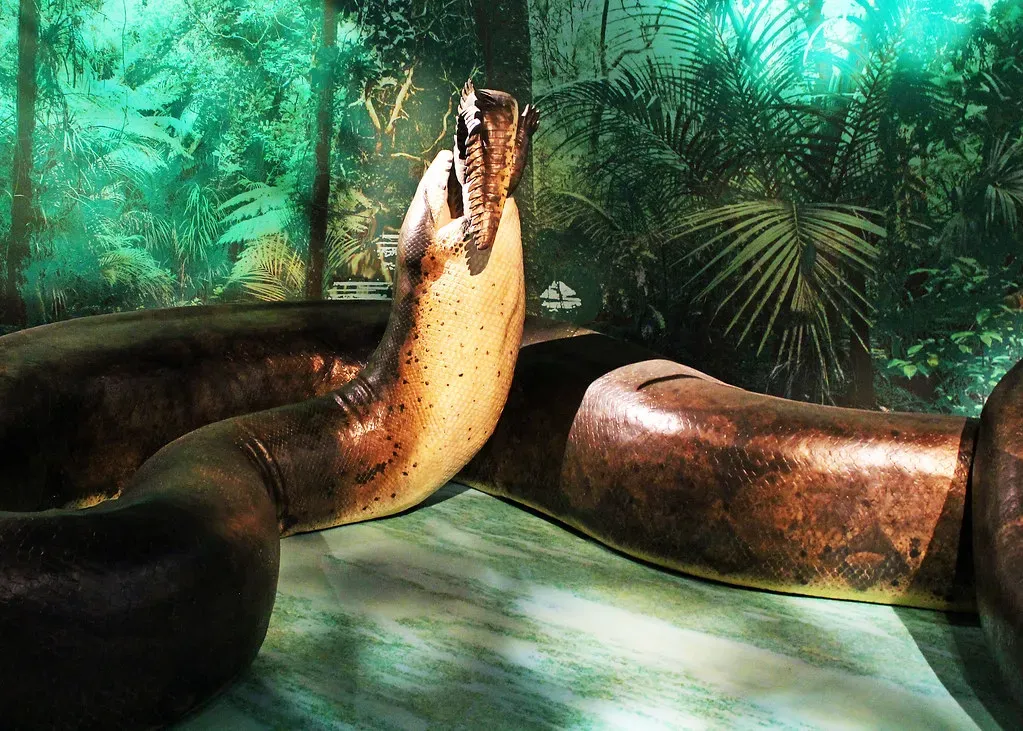
If you think modern anacondas are terrifying, wait until you meet their prehistoric ancestor. The largest known prehistoric snake is Titanoboa, estimated at 13 to 15 meters in length and weighing between 1135 and 1819 kilograms. That’s roughly the length of a school bus and heavier than a small car. This serpent lived around 60 million years ago in what is now Colombia, thriving in tropical rainforests where it was the undisputed apex predator.
During the Paleocene, apex predator niches were often occupied by reptiles such as large snakes like Titanoboa. The climate back then was significantly warmer and more humid than today, which allowed cold-blooded reptiles to reach sizes that would be impossible in our current environment. Think about that next time you’re wading through a warm swamp. Somewhere in prehistory, a snake thick as a telephone pole might have been gliding through similar waters, hunting for prehistoric crocodiles and giant turtles to constrict and consume whole.
Megalodon: The Ocean’s Ultimate Predator
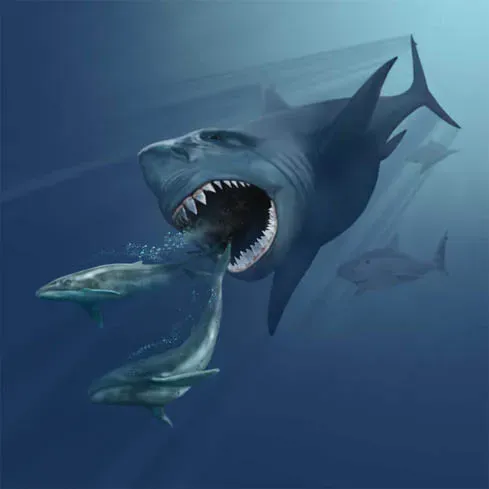
The largest shark to ever live was the famous Megalodon, known to scientists as Otodus megalodon, reaching about 55 feet by most estimates. This prehistoric shark makes even the fearsome great white look like a minnow. One of the most famous prehistoric animals is this giant shark species, and this now-extinct creature is thought to have resembled a great white shark except its size was likely three times that of the average great white.
Megalodon ruled the oceans between roughly 23 million and 3.6 million years ago, feasting on whales and other large marine mammals. Its teeth alone could measure over seven inches in length, and its bite force has been estimated at several times more powerful than a T. rex. Here’s the thing though: this monster went extinct, possibly because its prey evolved to be faster or because climate changes affected its hunting grounds. Despite being known as ocean giants today, whales only started to evolve truly impressive sizes around 3.6 million years ago, just before the huge shark Otodus megalodon went extinct. Sometimes even the mightiest predator can’t adapt fast enough when the world changes around it.
Gigantopithecus: The Real King Kong
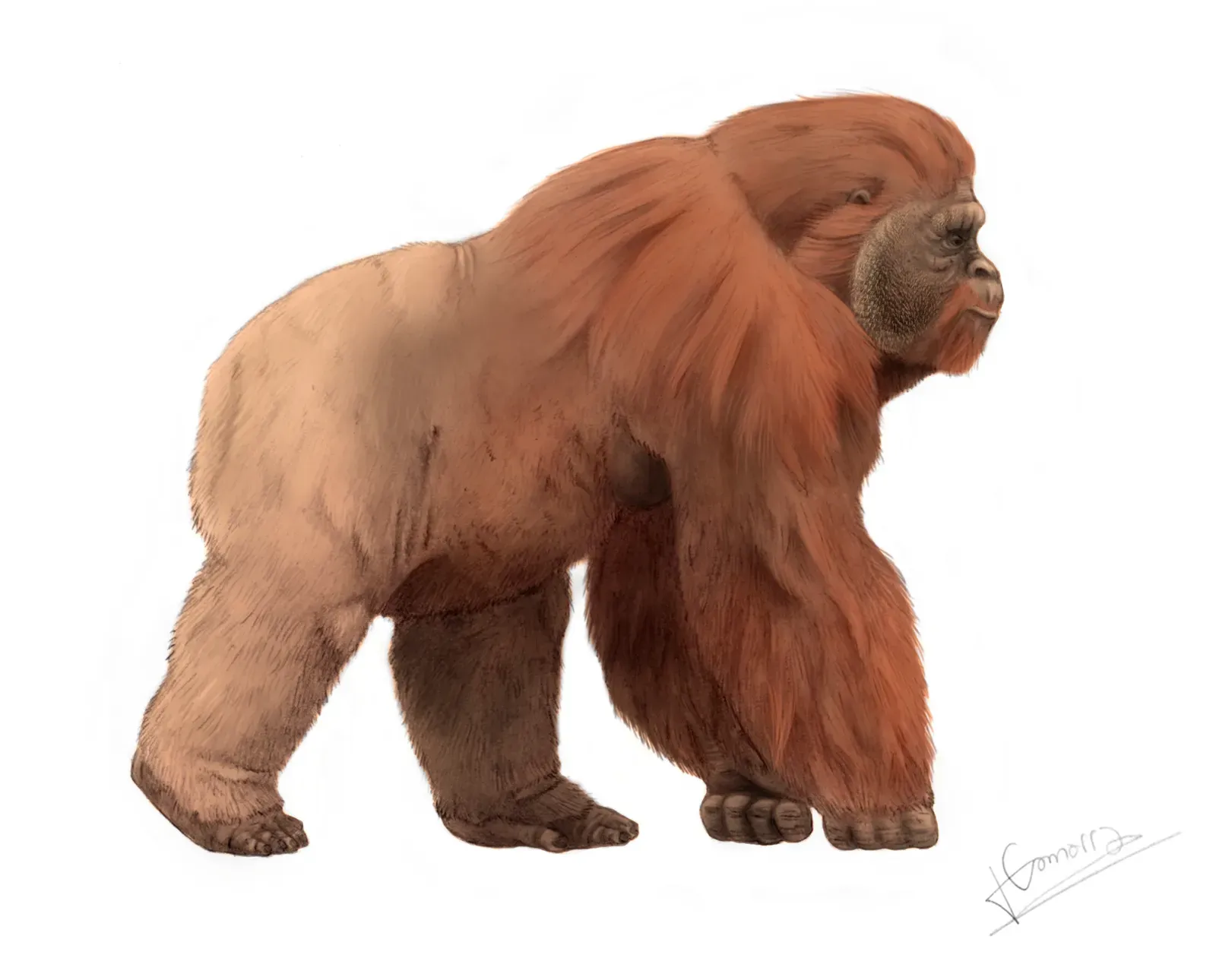
The largest known non-hominid primate is Gigantopithecus blacki, with studies estimating heights around 2.74 to 3.66 meters tall and weighing 225 to 300 kilograms. This was essentially a real-life King Kong, though admittedly smaller than the movie version. Still, imagine encountering an ape standing nearly 12 feet tall in the forests of ancient Asia. These massive primates lived from roughly nine million years ago until possibly as recently as 100,000 years ago, overlapping with early humans.
The mystery surrounding Gigantopithecus adds to its allure. We know relatively little about how it lived because most of what we’ve found are teeth and jaw fragments. Scientists believe it was primarily a herbivore, likely feeding on bamboo and other vegetation in dense forests. What gets me thinking is this: early humans might have actually encountered these giants. Can you imagine the stories told around prehistoric campfires about the massive apes lurking in the dark forests? Those weren’t myths or exaggerations. They were real.
Conclusion
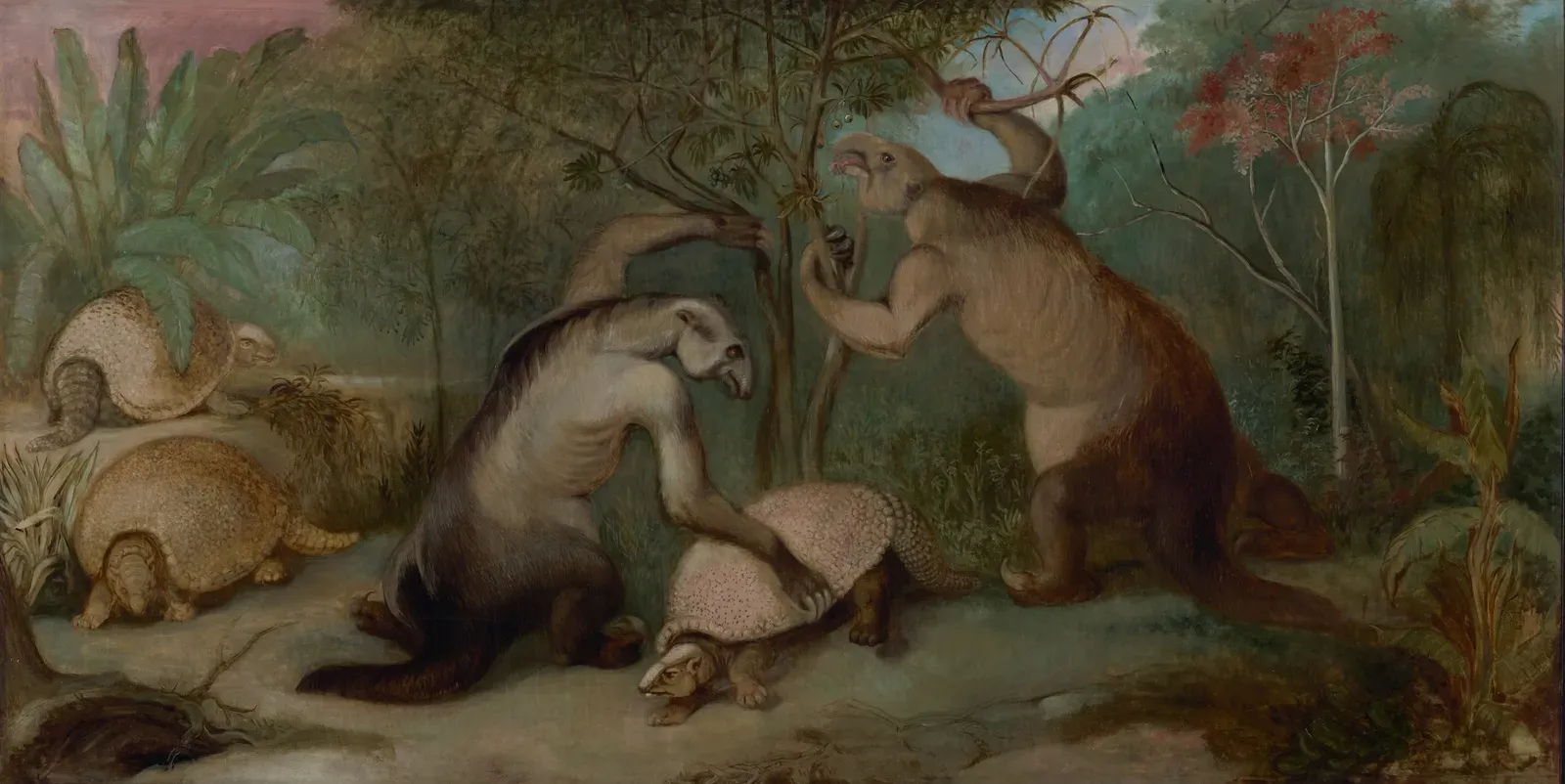
These five giants represent just a fraction of the remarkable megafauna that once dominated our planet. There are fewer large animals alive today than there were just 12,000 years ago, a span of time that geologically speaking is shorter than the blink of an eye, marking the end of the last ice age and the subsequent extinction of many large mammals including woolly mammoths, sabretooth tigers, and giant sloths. What we’re left with are fragments, fossils, and an enduring fascination that refuses to fade.
The more we learn about these prehistoric giants, the more we realize how extraordinary and fragile life on earth truly is. There’s growing evidence to suggest that we’re currently undergoing a sixth mass extinction that may be even more destructive than the asteroid-induced event that wiped out the dinosaurs, and extinction events don’t typically favor large animals, so instead of wondering what giants may evolve in the future, it’s perhaps a better idea to channel our energy into protecting the giants alive today. So tell me, which of these prehistoric behemoths surprised you the most? Did you have a favorite growing up, or does one of these creatures now capture your imagination in a completely new way?