
Think about this for a moment: every breath you take today connects you directly to giant plants that dominated our planet hundreds of millions of years ago. These towering organisms literally transformed the Earth beneath your feet and the air filling your lungs. While dinosaurs often steal the spotlight in conversations about prehistoric life, the real game-changers were plants so massive they would dwarf modern redwoods.
Most of us imagine Earth’s ancient past as a lifeless, barren landscape. That couldn’t be further from the truth. Long before flowering plants painted meadows with color, immense forests of bizarre scale trees and fern-like giants reshaped the entire planet’s chemistry, climate, and future evolutionary possibilities. They created the coal you might unknowingly rely on for electricity and set the stage for animal life as we know it.
When Giants First Rose From Swamps
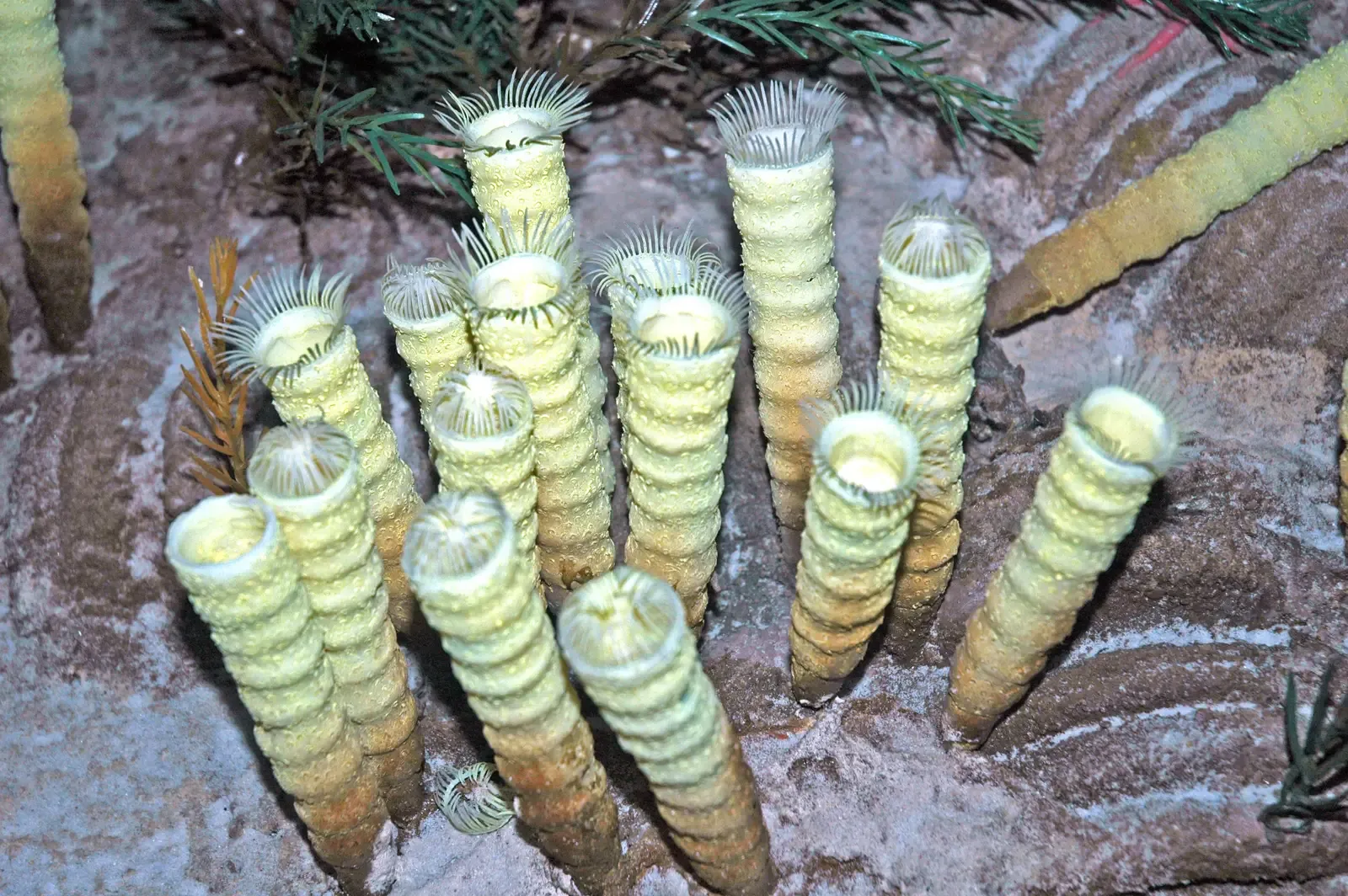
The Devonian period marks a time when plant life began to shift from small, scattered vegetation to large-scale forests. This wasn’t a gradual whisper of change. It was explosive. Picture wetlands stretching across continents where strange pole-like organisms shot skyward, their trunks bare except for crowns of needle-like foliage waving from impossible heights.
Scale trees known as Lepidodendron reached heights of up to 40 meters and trunk diameters of 1–2 meters, yet they weren’t true trees at all. Lepidodendron is more closely related to modern club mosses and quillworts than to anything resembling today’s forests. Imagine massive versions of tiny ground-covering plants you’d barely notice on a forest floor, suddenly transformed into towering titans.
The Oxygen Revolution Nobody Saw Coming
Here’s where things get wild. With all of these trees producing oxygen through photosynthesis and very little of this new oxygen being used to decompose the rapidly growing and falling forests, oxygen levels began to rise. We’re not talking about a slight uptick either.
The growth of these forests removed huge amounts of carbon dioxide from the atmosphere, leading to a surplus of oxygen with atmospheric oxygen levels peaking around 35 percent, compared with 21 percent today. Think about what that means. The air itself became fundamentally different. The Carboniferous oxygen peak would have had consequences in addition to gigantism as oxygen is combustible, and the more there is the bigger the fire. Even waterlogged wood would ignite and burn.
The Missing Ingredient That Changed Everything
You might wonder why all that plant matter didn’t simply rot away like today’s fallen trees. The answer reveals one of Earth’s most peculiar accidents. Back in the Carboniferous many of the bacteria that decompose wood were not yet present, so trees would fall and not decompose, and eventually sediment would cover the unrotted trees.
While lignin is now digestible by white rot fungi, back in the Carboniferous lignin was almost as indigestible as plastics are now, taking 30 million years for fungi to develop an enzyme that could successfully break down lignin. Can you imagine? Thirty million years of forests that essentially never decayed, just piled higher and deeper into swampy depths. That’s the origin story of coal you’re looking at.
A World Built on Diamond Patterns
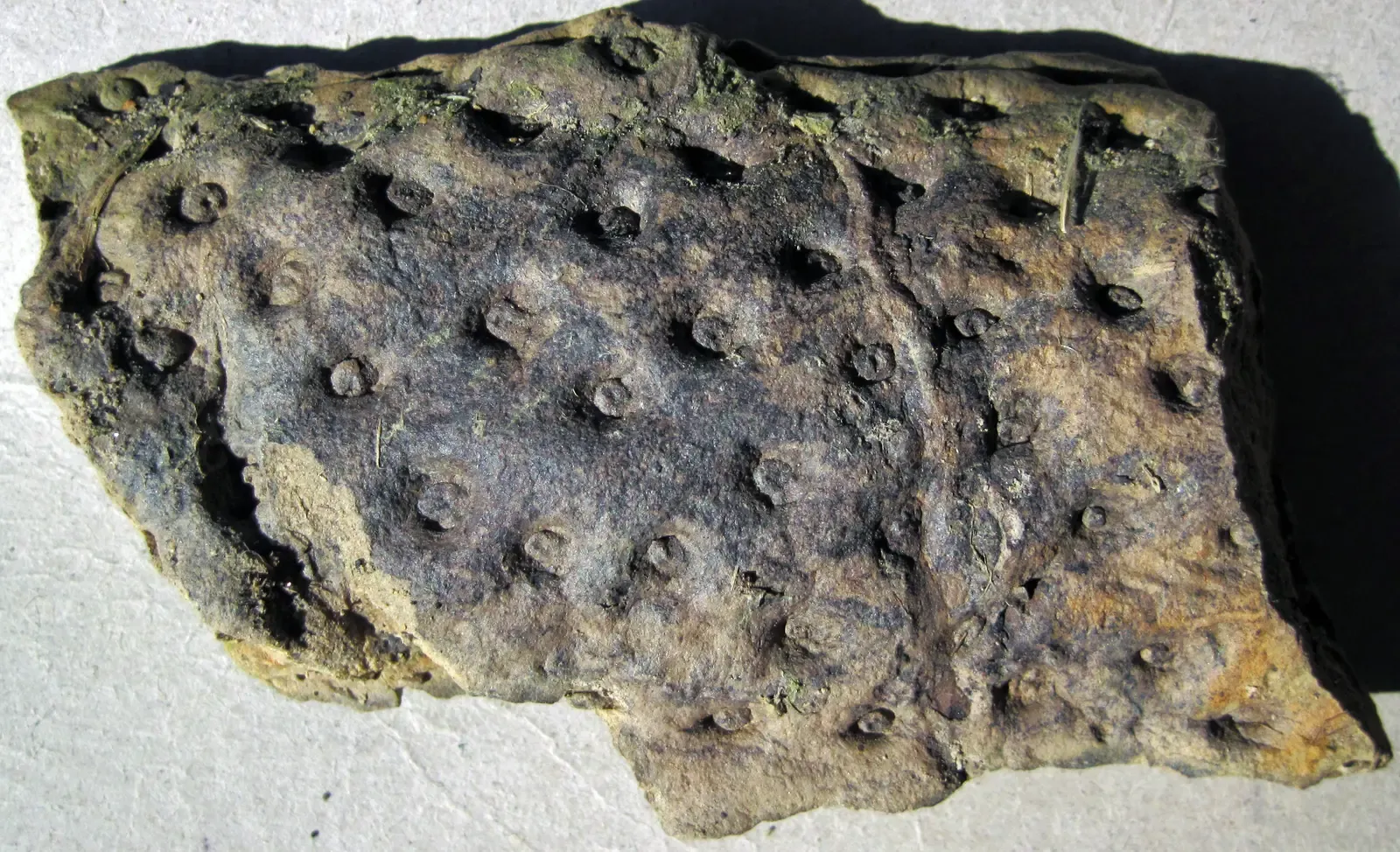
The name “scale tree” stems from the fossilized remains of their bark, which resembles reptile skin with diamond shaped impressions arranged in rows of ascending spirals that are not scales but rather leaf scars. When you examine coal deposits closely, you’re essentially looking at the preserved skin of these ancient behemoths.
It has been deduced that many species of Lepidodendron reproduced only once, at the end of their lives, and may have grown to its full height in just 10–15 years. Fast-living, single-reproduction giants. Fossilized remains suggest that mass reproductive events may have been the standard, with scale trees establishing at around the same time, growing up together, and then reproducing and dying en masse. Entire forests would have collapsed simultaneously, clearing space for the next generation in a synchronized death spectacle unlike anything in modern ecosystems.
The Climate Catastrophe Plants Created
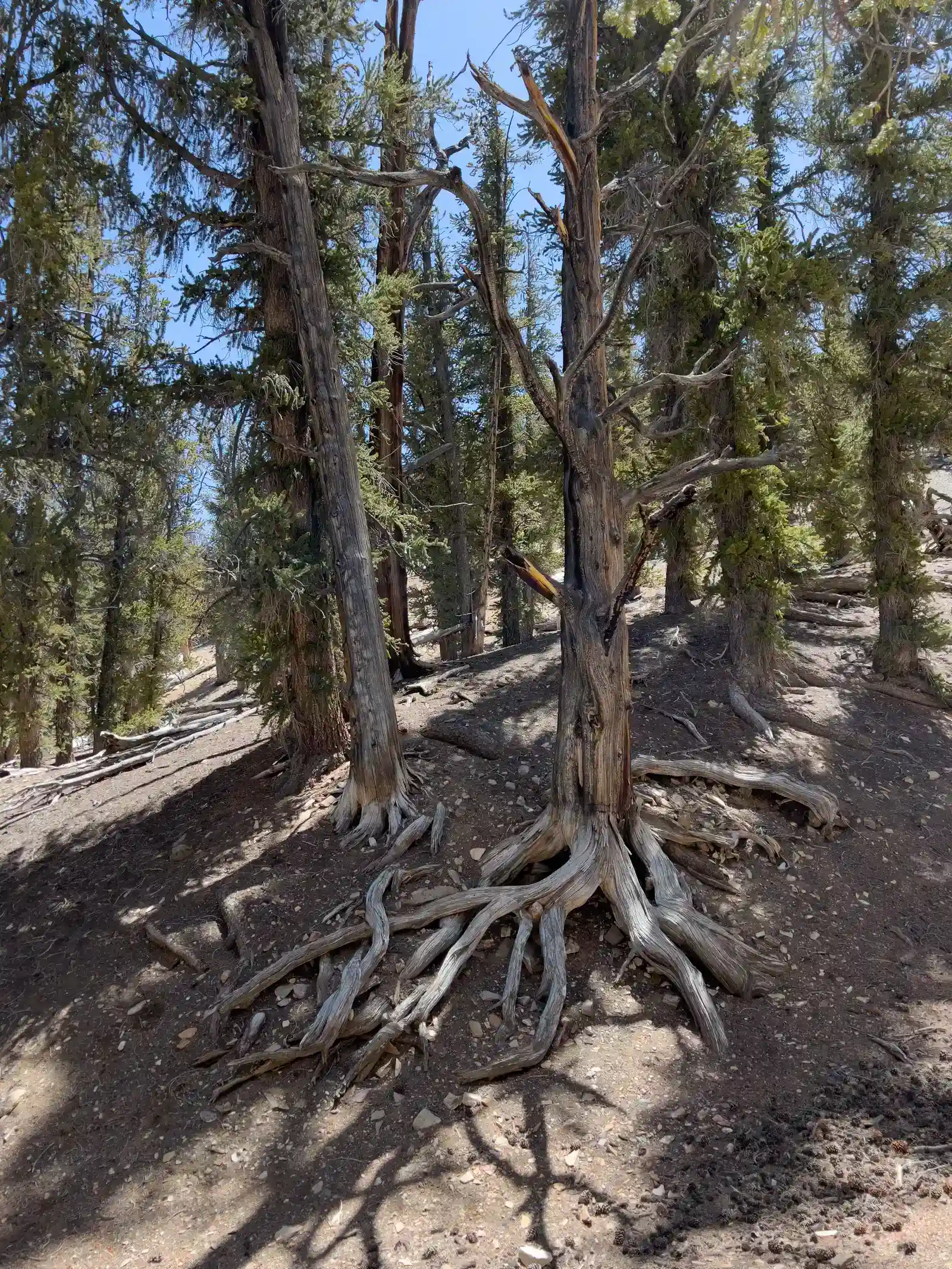
Let’s be real: these ancient forests essentially triggered an ice age. While plants were busy building ever taller anatomies using cellulose and lignin, fungal communities had not yet figured out how to digest them, so as trees grew into 100 ft monsters and died, more carbon was being tied up in plant tissues that weren’t decomposing, which meant tons of CO2 were being pulled out of the atmosphere.
At the time of the Carboniferous rainforest collapse, the climate became cooler and drier as the Earth entered a short, intense ice age with sea levels dropping by about 100 metres. The very success of megaflora became their downfall. They transformed the planet so thoroughly that they couldn’t survive in the world they’d created.
The Legacy Buried Beneath Your Feet
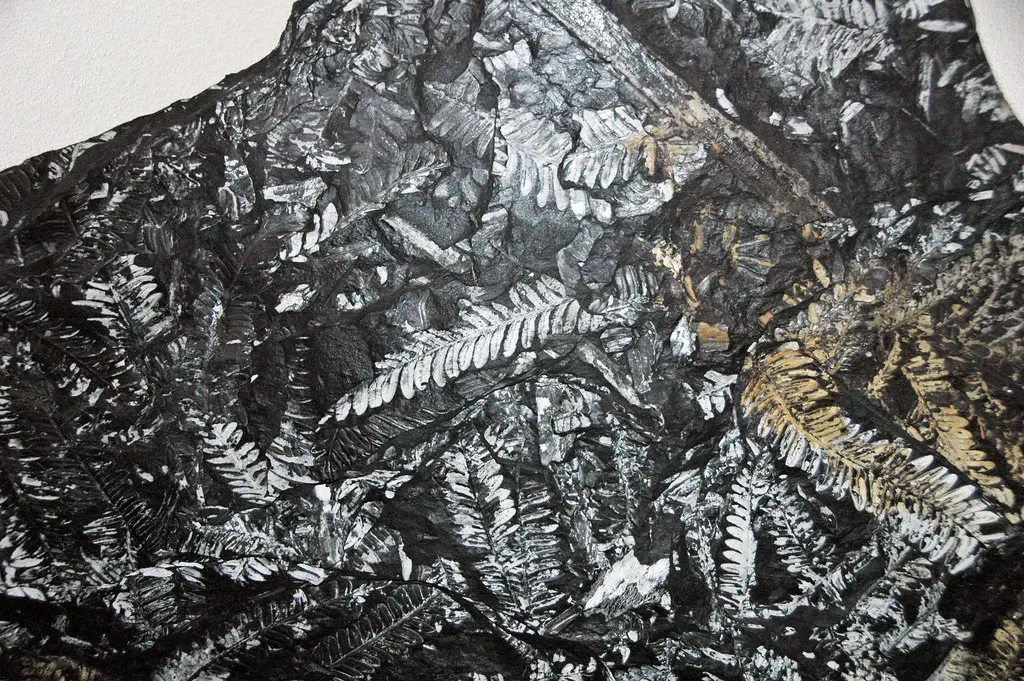
Those ancient swamp forests didn’t just disappear. After millions of years of heat and pressure, the buried remains of these giant plants were transformed into the large reserves of coal that we rely on today. Every time you flip a light switch powered by coal, you’re releasing carbon that was captured by plants growing when the continents looked nothing like today’s map.
Lepidodendron’s thick, water-rich tissues contributed significantly to Carboniferous peat accumulation, forming many of the coal seams that fuel today’s energy production. Ironically, we’re now reversing what they did. They pulled carbon from the air and buried it for hundreds of millions of years. We’re digging it up and putting it right back.
From Monsters to Memories
Smaller, non-arborescent lycophytes survived into the Permian and continue today as quillworts and clubmosses, but the giant tree forms vanished permanently. Walk through any forest today and you might spot their tiny descendants hugging the ground, humble remants of a lineage that once dominated continents.
The age of megaflora fundamentally rewired Earth’s systems. The establishment of plant life on land is one of the most significant evolutionary episodes in Earth history as terrestrial colonization impacted increasingly upon global biogeochemical cycles through the Paleozoic. They created soil where only barren rock existed. They stabilized riverbanks and changed erosion patterns. They made the planet habitable for the animals that would eventually evolve into everything we see today, including us.
What strikes me most is how these silent giants accomplished what no animal ever could: they literally manufactured a breathable atmosphere. Next time you’re outdoors, remember that the oxygen filling your lungs is the product of plants that have been photosynthesizing for hundreds of millions of years. The ancient megaflora started that legacy, and modern plants continue it. What do you think would happen if we could bring those scale tree forests back? Would they recognize the world they helped create?