When you look at planet Earth through your window today, it seems pretty ordinary. Trees sway, birds chirp, cities hum. Life is everywhere, and you probably take it all for granted. However, if you could turn back time by a few billion years, you’d witness something completely different. The landscapes that existed when life first took hold weren’t just alien, they were downright astonishing. These ancient environments hosted some of the most remarkable biological innovations you’ve never heard about.
Let’s be real, most people picture the earliest Earth as a barren wasteland. While that’s partially true, what actually happened in the shadows beneath the waves tells a wildly different story. The planet’s most ancient ecosystems weren’t empty deserts waiting for life to spontaneously appear. They were bustling hubs of microscopic activity, chemical wizardry, and evolutionary experimentation that would eventually pave the way for everything alive today, including you.
When Life Began in the Most Unlikely Places
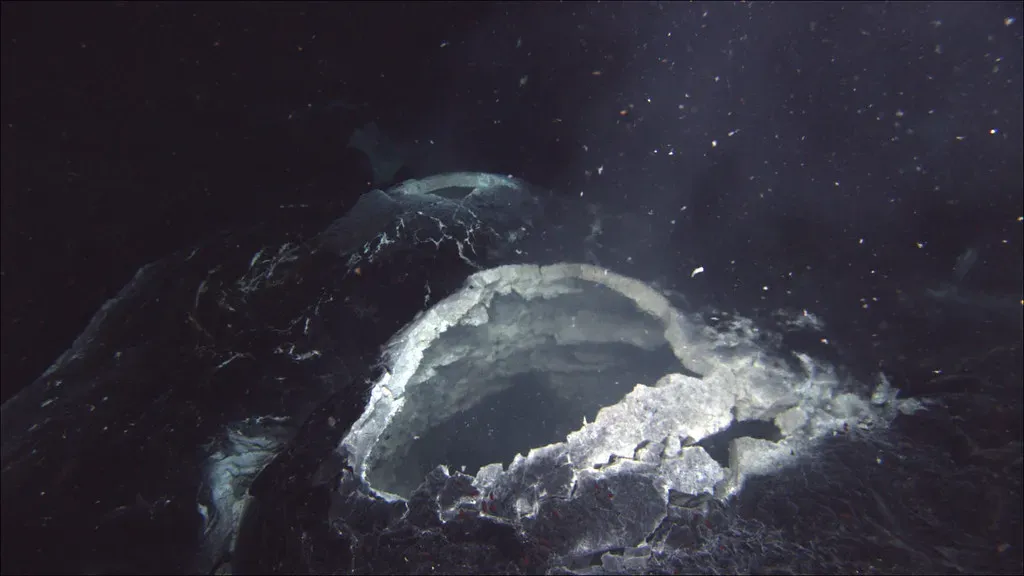
Picture this: you’re standing on the seafloor over four billion years ago, surrounded by scalding hot water erupting from cracks in the Earth’s crust. It sounds like the last place you’d expect to find life, right? Yet fossilized microorganisms discovered in hydrothermal vent precipitates from Quebec, Canada may be as old as 4.28 billion years, suggesting life emerged almost immediately after oceans formed. These ancient vents weren’t just geological curiosities. They were likely the cradles of life itself.
Hydrothermal vents have been hypothesized as the grounds from which life originated, as their geochemistry, pressure, and temperatures can create organic molecules from inorganic molecules. Think about that for a second. In conditions where modern organisms would instantly perish, the earliest microbes not only survived but thrived. These vent communities depend on chemosynthetic bacteria that use sulfur compounds, particularly hydrogen sulfide, to produce organic material.
Stromatolites: Earth’s First Reef Builders
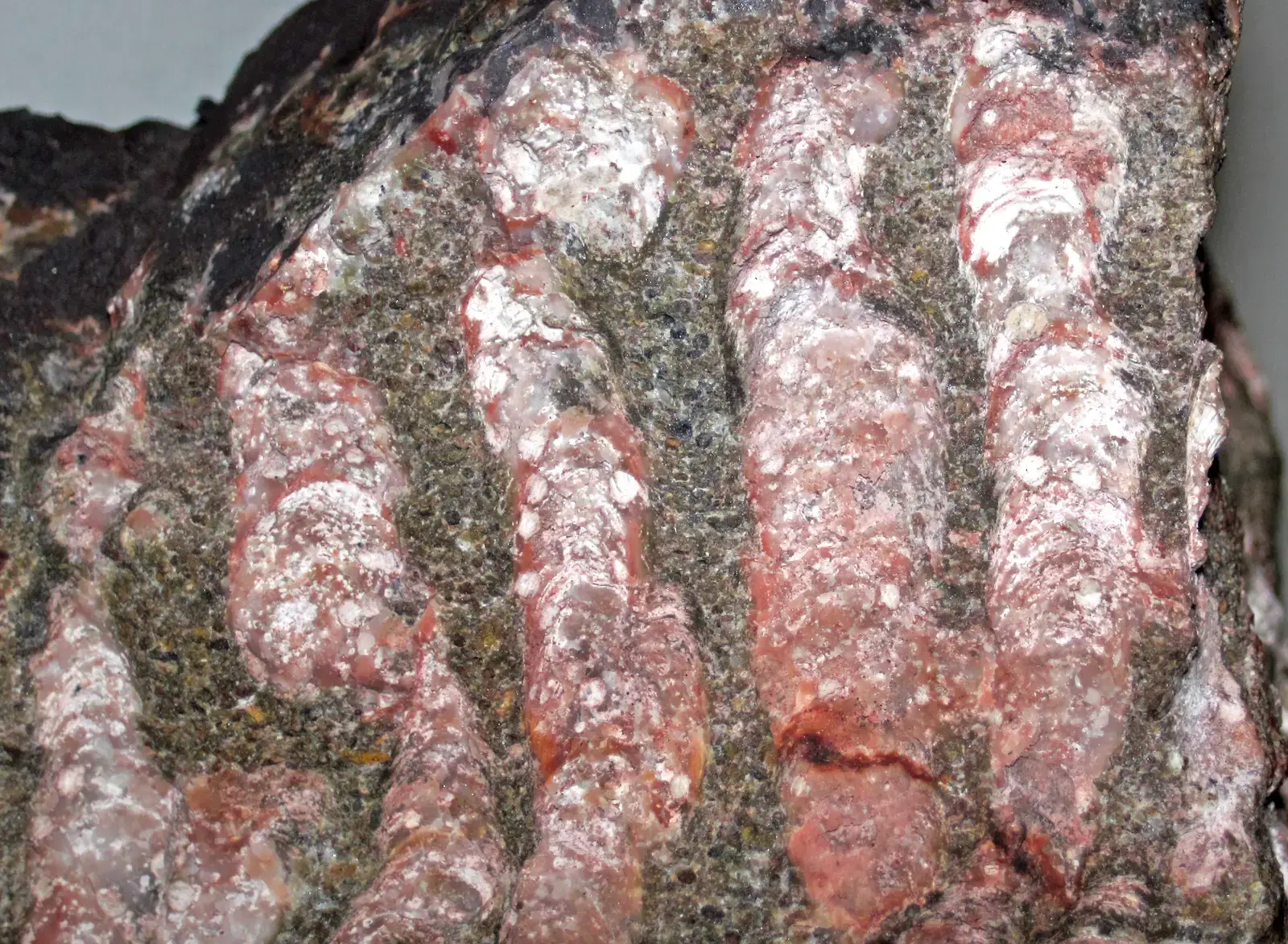
If you’ve ever visited a coral reef, you’ve witnessed one of nature’s architectural marvels. Turns out, the reef concept is much older than you’d think. The earliest known stromatolite fossils have been found in 3.48-billion-year-old geyserite from the Dresser Formation of Western Australia. These weren’t corals or anything remotely familiar, though. Stromatolites were built by layered communities of microbes, specifically cyanobacteria, that trapped sediment and formed rock-like structures over time.
Stromatolites are created as sticky mats of microbes trap and bind sediments into layers, with minerals precipitating inside to create durable structures. The structures themselves look a bit like ancient cabbage heads, with layer upon layer stacked over millions of years. Stromatolites and microbial mats in places like Hamelin Pool show what marine ecosystems would have looked like three billion years ago. I honestly find it remarkable that something so humble could dominate Earth’s oceans for billions of years.
Microbial Mats: The Planet’s Original Ecosystem Engineers
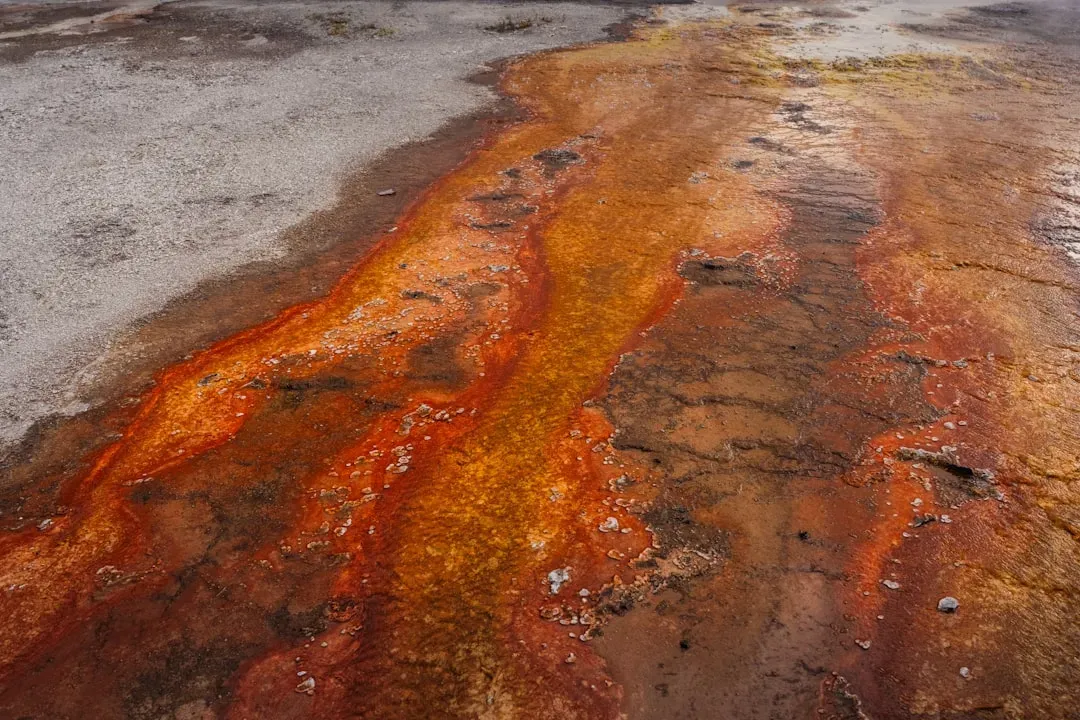
Long before forests covered the land or fish swam the seas, microbial mats ruled the planet. These aren’t your typical bacteria hanging out in random spots. Microbial mats are the earliest form of life on Earth for which there is good fossil evidence from 3,500 million years ago, and they originally depended on hydrothermal vents for energy and chemical resources. Essentially, these communities formed layered carpets on the seafloor where trillions of microscopic cells worked together in surprisingly sophisticated ways.
A microbial mat consists of several layers dominated by specific types of microorganisms, with the byproducts of each group serving as food for other groups, forming its own food chain. What I find fascinating is how self-sufficient these communities were. They didn’t need anything from the outside world except minerals and energy. These increases made microbial mats the planet’s dominant ecosystems, with life producing significantly more resources than geochemical processes.
The Great Oxygenation Event Changed Everything
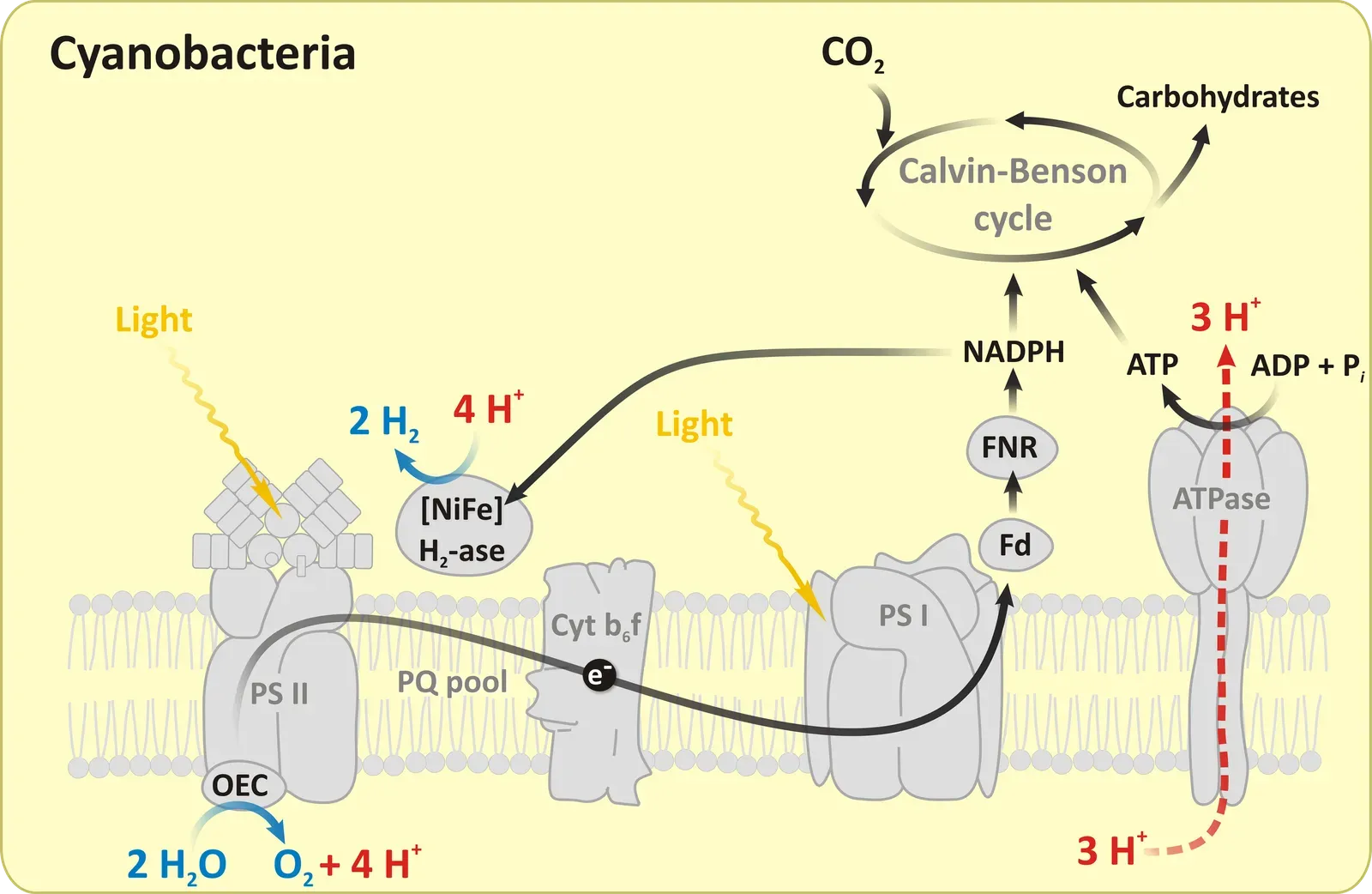
Here’s where things get really interesting. When cyanobacteria evolved at least 2.4 billion years ago, they became Earth’s first photosynthesizers, making food using water and the Sun’s energy and releasing oxygen as a result. You might think that sounds like good news, and eventually it was. However, for the microbes that had dominated Earth for over a billion years, this was catastrophic. Oxygen was toxic to them.
This catalyzed a sudden, dramatic rise in oxygen, making the environment less hospitable for other microbes that could not tolerate oxygen. The atmosphere and oceans transformed completely. Cyanobacteria are thought to be largely responsible for increasing the amount of oxygen in the primeval Earth’s atmosphere through their continuing photosynthesis. It’s hard to say for sure, but some scientists believe this shift may have triggered the next great chapter in evolutionary history: complex life.
The Strange World of the Ediacaran Biota
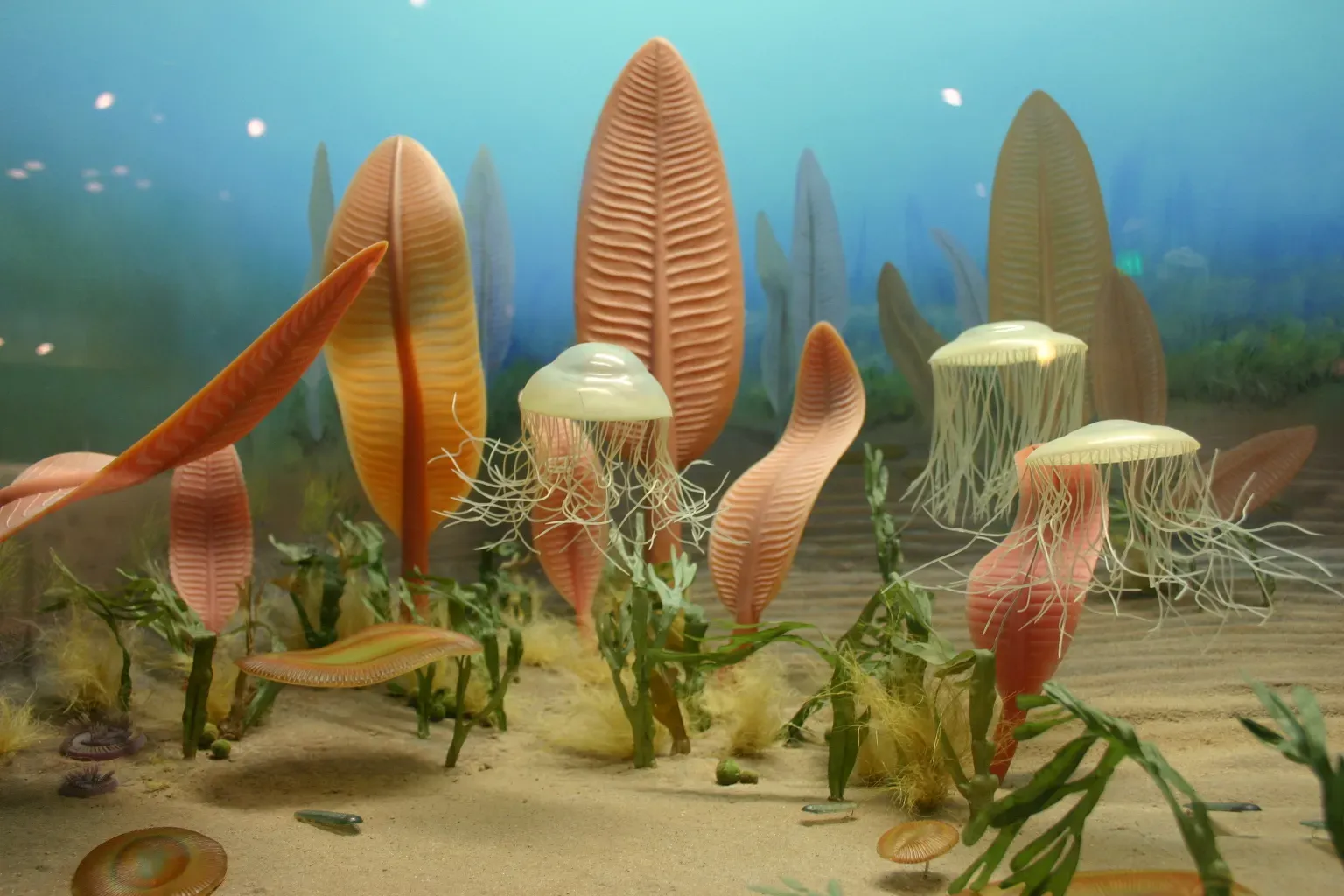
Jump forward to roughly 580 million years ago, and you’d encounter some of the weirdest creatures ever to exist. By the Ediacaran Period there was a proliferation of organisms with bodies shaped like fronds, ribbons, and even quilts that lived alongside sponges for 80 million years. These weren’t plants, they weren’t animals in the traditional sense, and honestly, scientists still debate what they actually were.
The Ediacaran biota exhibited a vast range of morphological characteristics, with size ranging from millimeters to meters, complexity from blob-like to intricate, and almost all forms of symmetry present. Some looked like alien quilts lying flat on the ocean floor, while others resembled feathery fronds swaying gently in the current. The Ediacara impressions were derived from soft-bodied organisms similar to jellyfish, lichen, soft corals, sea anemones, sea pens, annelid worms, and seaweed, as well as some organisms unlike any known today. I know it sounds crazy, but these bizarre life forms represent a completely unique experiment in evolution.
Complex Communities Emerged Earlier Than Anyone Expected
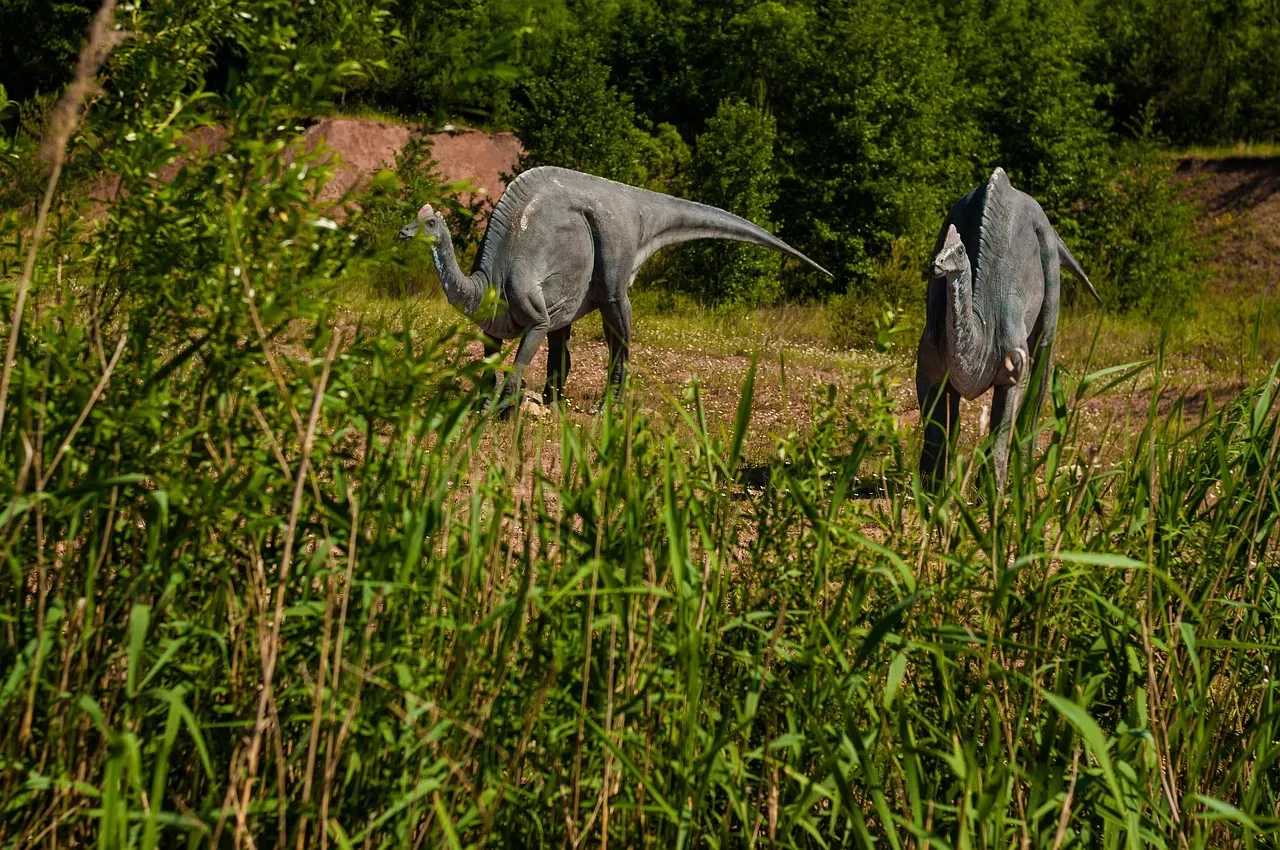
Scientists used to think that complex ecosystems took millions of years to recover after mass extinctions. About 250 million years ago, the Permian-Triassic mass extinction killed over 80 percent of the planet’s species. Conventional wisdom suggested the planet would remain relatively simple for up to ten million years afterward. Turns out, that assumption was dead wrong.
The discovery of fossils dating back 250.8 million years near the Guizhou region of China suggests that complex ecosystems were present just one million years after the Permian-Triassic mass extinction. In South African rock samples, researchers found evidence from around 3.42 billion years ago of an unprecedentedly diverse carbon cycle involving various microorganisms, showing that complex microbial communities already existed in Palaeoarchaean ecosystems. Life, it seems, bounces back far faster than you’d ever imagine.
The Cambrian Explosion Wasn’t as Sudden as You Think
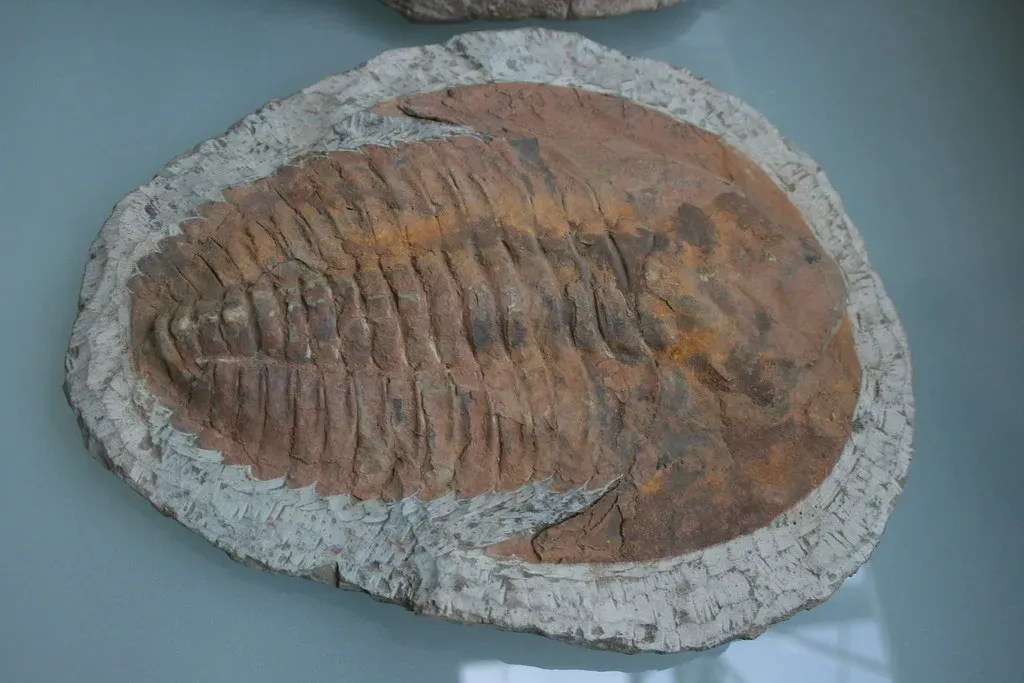
If you’ve ever taken a biology class, you’ve probably heard about the Cambrian explosion. The Cambrian explosion beginning approximately 538.8 million years ago saw a sudden radiation of complex life, lasting about 13 to 25 million years and resulting in the divergence of most modern metazoan phyla. Scientists used to picture this as life suddenly appearing out of nowhere, like someone flipped a cosmic light switch. Recent evidence suggests a different, more nuanced story.
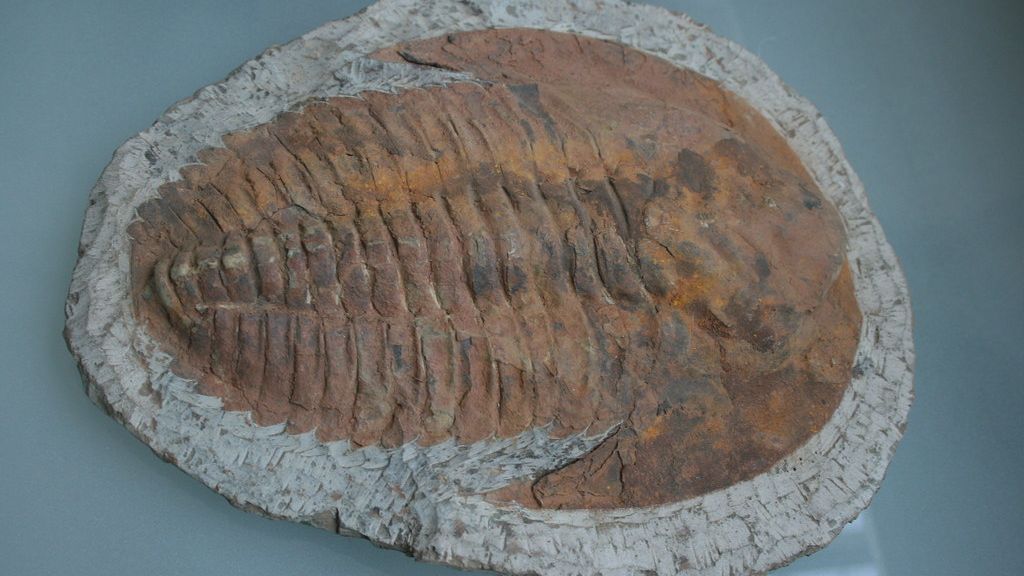
The Cambrian Explosion saw an incredible diversity of life emerge, including many major animal groups alive today. Within several million years, the simple ecosystem gave way to a world ruled by highly mobile animals with modern anatomical features, producing arthropods with legs and compound eyes, worms with feathery gills and swift predators that could crush prey in tooth-rimmed jaws. What’s remarkable is that the stage was being set long before, with trace fossils indicating that sophisticated bilateral organisms were already moving through ancient sediments earlier than previously thought. The Cambrian wasn’t an explosion so much as the final flourish of a much longer evolutionary prelude.
The ancient ecosystems of Earth weren’t static museum pieces frozen in time. They were dynamic, innovative, and absolutely packed with biological experimentation. From scalding underwater vents to bizarre quilted creatures to microbial mats that transformed the atmosphere, these early environments shaped everything that came after. Next time you step outside and breathe in that oxygen-rich air, remember: you owe it all to billions of years of microscopic pioneers who figured out how to survive in the most extreme conditions imaginable. What other secrets do you think are still hidden in Earth’s ancient rocks? Share your thoughts.