Researchers documented more than 12,500 extreme climate events across the Amazon biome from 2013 to 2023, though significant underreporting in several countries obscured the true extent of the crises.
A Surge of Floods, Landslides, and Storms
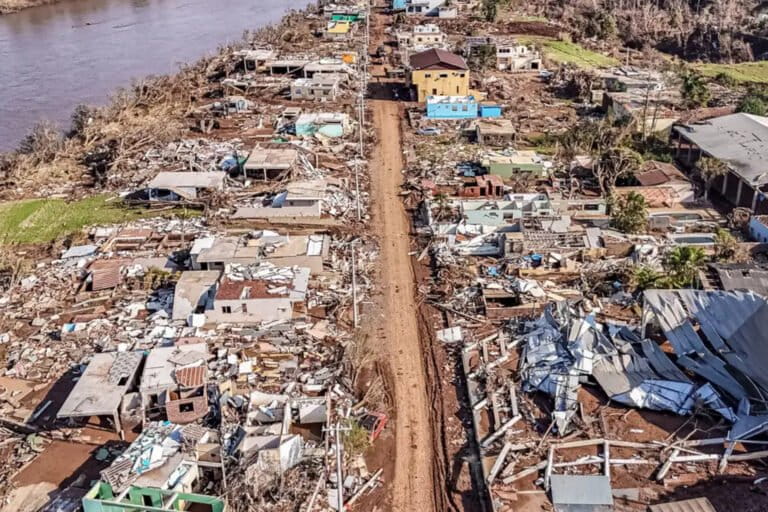
A Surge of Floods, Landslides, and Storms (Image Credits: Imgs.mongabay.com)
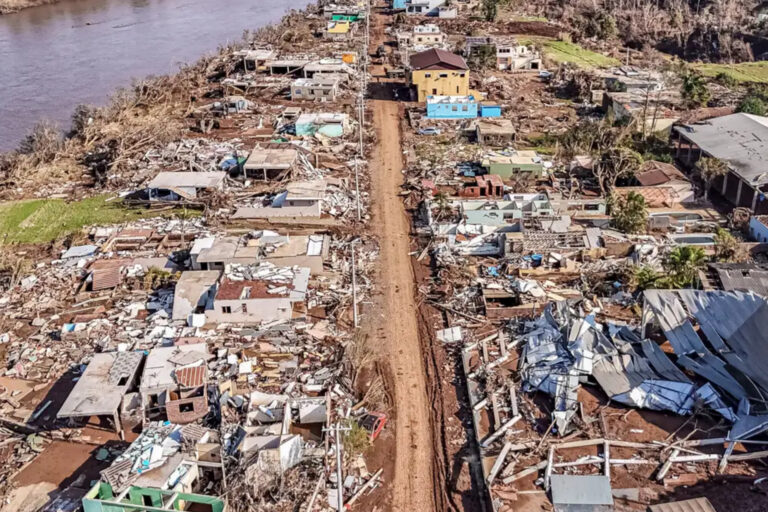
The study tallied thousands of devastating incidents that battered communities and infrastructure. Floods topped the list at 4,233 occurrences, followed by 3,089 landslides and 2,607 storms. Fires also rose sharply, with 2,016 cases linked to agricultural expansion and land grabs in nations like Bolivia, Brazil, and Colombia.
These events affected over 3 million people in a single year alone. Public infrastructure suffered widespread damage, straining local resources. Brazil reported the bulk of floods, while Peru saw more storms and Ecuador grappled with landslides in its Andean piedmont regions.
Silent Nations Skew the Regional View
National governments in Venezuela, Suriname, Guyana, and French Guiana supplied no data whatsoever. This absence skewed statistics heavily toward Brazil and Bolivia, painting an incomplete portrait of the biome’s vulnerabilities.
Even where data existed, inconsistencies abounded. Researchers discarded droughts and heat waves due to sparse reporting. Only 105 heat waves appeared in records, with 97% from Brazil and the rest from Bolivia. Droughts followed suit, 95% concentrated in those two countries.
Hotspots Emerge Amid Data Shortfalls
Analysis pinpointed 41 municipalities enduring over 50 disasters each in the decade. Ten locations exceeded 100 events, eight in Ecuador including Zamora with 313 landslides and Limón Indanza at 251.
Bolivia’s Trinidad logged 160 floods, and Peru’s Chachapoyas faced 136 storms. Remote areas, home to vulnerable communities, showed particular gaps between satellite evidence of aridification and official tallies.
- Zamora, Ecuador: 313 landslides
- Limón Indanza, Ecuador: 251 landslides
- Trinidad, Bolivia: 160 floods
- Chachapoyas, Peru: 136 storms
- Puerto Rico, Colombia: 83 fires
Experts Urge Transnational Action
Liliana Dávalos, co-author and conservation biology professor at Stony Brook University, questioned the credibility of missing records. “How can we believe in the satellite data showing us that there is aridification, but that there are no heat waves in Venezuela or Colombia?” she asked. “It isn’t credible. Either records are not being kept, or they are not being classified as disaster events within monitoring systems.”
Ane Alencar, scientific director at the Amazon Environmental Research Institute (IPAM), emphasized proactive measures. “It is essential to register data because then we can have a clear view of the problem. We will be able to compare what countries are doing to face climate events.” Climate impacts ignore borders, demanding coordinated monitoring for better adaptation.
| Event Type | Number Recorded | Main Countries |
|---|---|---|
| Floods | 4,233 | Brazil |
| Landslides | 3,089 | Ecuador |
| Storms | 2,607 | Peru |
| Fires | 2,016 | Bolivia, Brazil, Colombia |
Key Takeaways:
- Over 12,500 events documented, millions affected, but northern Amazon nations reported nothing.
- Droughts and heat waves discarded from analysis due to poor data.
- 41 high-risk municipalities identified, mostly in Ecuador.
Improved data collection promises clearer strategies against escalating threats. As the Amazon faces intensifying climate pressures, unified regional efforts could safeguard its people and ecosystems. What steps should Amazonian countries take next? Tell us in the comments.