
North Carolina – Taxpayers preparing 2025 state returns discovered an effortless option to channel refunds toward safeguarding the state’s vulnerable nongame and endangered species.
Matching Dollars Amplify Every Contribution
Matching Dollars Amplify Every Contribution (Image Credits: Pixabay)
A single check mark on the tax form unleashed significant leverage for conservation. Donations to the N.C. Nongame and Endangered Wildlife Fund drew matching grants from federal sources, turning modest gifts into substantial support. Officials highlighted that each $100 donated secured an additional $186 in grants, creating a total of $286 for vital projects.
Dr. Sara Schweitzer, assistant chief of the N.C. Wildlife Resources Commission’s Wildlife Management Division, explained the mechanism. “Funds donated using the tax-checkoff program amplify those provided by a federal grant for species of greatest conservation need, including listed species in North Carolina,” she stated. This approach proved especially critical following Hurricane Helene’s devastation in western regions.
Simple Steps to Make a Difference
Participation required minimal effort during tax filing. Individuals simply entered the desired amount on Line 30 of their North Carolina state income tax form. Those using online tax preparation software encountered a prompt for the “N.C. Nongame and Endangered Wildlife Fund” and specified their contribution there.
The process accommodated various situations. Taxpayers expecting refunds directed portions directly to the fund. Individuals owing taxes or lacking refunds contributed similarly through the form. Direct online donations remained available via the NC Wildlife site for those outside tax season.
- Locate Line 30 on Form D-400.
- Enter any whole dollar amount from your refund.
- Confirm via tax software prompts if e-filing.
- Explore direct gifts at ncwildlife.gov/donate for added flexibility.
- Review quarterly reports for funded project updates.
Frontline Species Benefiting from Support
Hurricane Helene intensified urgency for several species in the Appalachians. Conservation efforts targeted amphibians, bats, and mammals reeling from habitat loss and flooding. The fund directed resources toward monitoring and recovery for these animals.
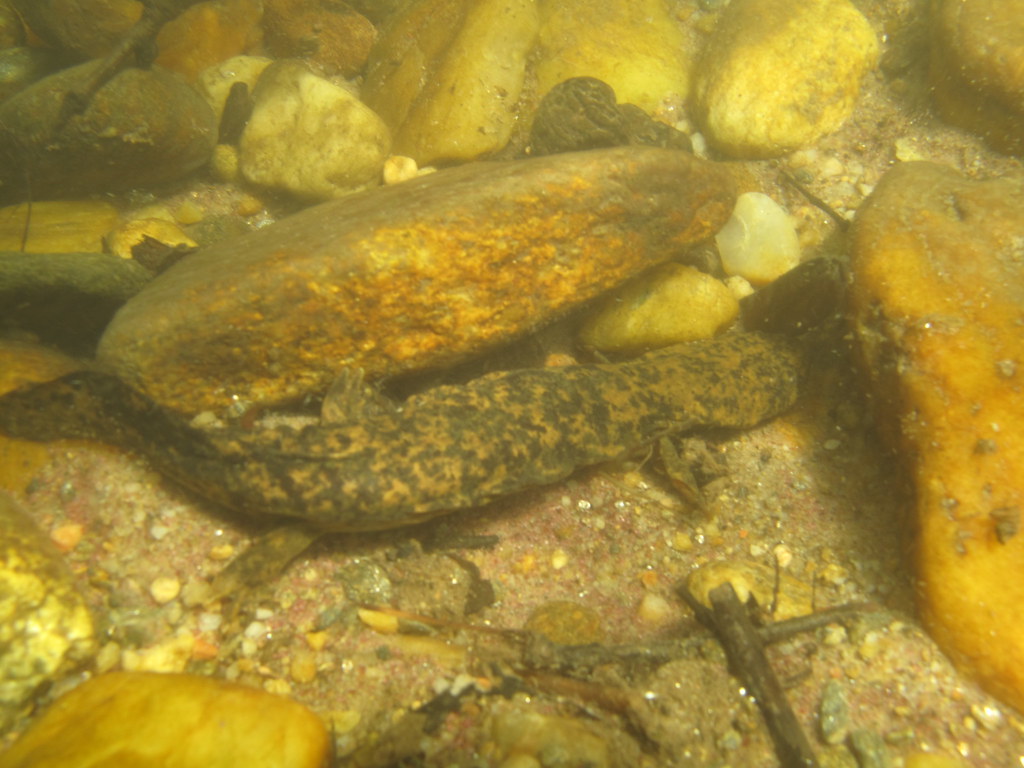
Key recipients included the Eastern hellbender, a giant salamander native to mountain streams, and the bog turtle, whose wetlands suffered severe damage. Gray bats and the Carolina northern flying squirrel also received aid, alongside high-elevation migratory birds. Other priorities encompassed the red wolf, Hickory Nut Gorge green salamander, river frog, diamondback terrapin, and Northern gray treefrog.
Sustained Momentum in Conservation Funding
The tax checkoff emerged as a cornerstone of non-federal financing. It fueled research, habitat restoration, and head-start programs for turtles. Biologists collaborated with partners to protect lands and enhance populations statewide.
Schweitzer emphasized the broader vision. “A $100 donation is matched by $186 of grant funding – truly boosting wildlife conservation in North Carolina,” she noted. “Our dedicated and passionate biologists, agency partners and volunteers work tirelessly to ensure wildlife and their habitats will persist into the future for North Carolinians to enjoy.”
Key Takeaways:
- Every $100 donation generates $286 total impact through matches.
- Line 30 or tax software prompts enable quick contributions.
- Funds prioritize Helene-affected species like hellbenders and flying squirrels.
North Carolina residents wielded real power this tax season to sustain biodiversity. Simple actions promised lasting legacies for imperiled wildlife. What steps will you take to support these efforts? Share in the comments.