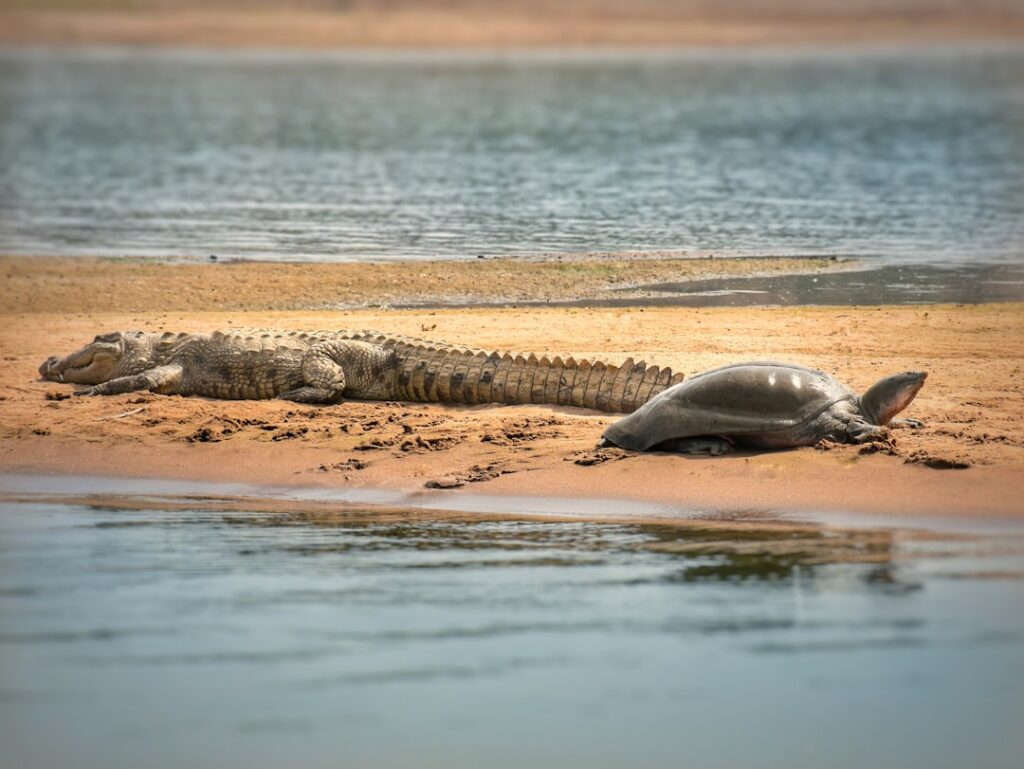
Researchers uncovered mounting pressures on turtles, tortoises, and crocodilians as human activities erode their last refuges worldwide.
Unique Reptiles Bear the Brunt of Threats

Unique Reptiles Bear the Brunt of Threats (Image Credits: Unsplash)
Species with distinctive life strategies among turtles, tortoises, and crocodiles emerged as particularly vulnerable in recent analyses. These reptiles often fulfill irreplaceable roles in their ecosystems, from seed dispersal to creating burrows that shelter other wildlife. Studies showed that if all critically endangered individuals in these groups vanished, up to 13 percent of unique ecological functions would disappear. Habitat loss stood out as the primary danger, doubling the potential erosion of functional diversity compared to other factors.
Climate change amplified these risks by altering environments in unpredictable ways. Unsustainable trade targeted long-lived species with large clutch sizes, such as certain sea turtles. Local consumption, pollution, and diseases further pressured unique populations, leaving little margin for recovery.
Human Footprint Expands, Habitats Contract
A new study in the Journal of Biogeography mapped how anthropogenic factors correlated with declining reptile richness. Climate change, livestock density, aridity, and development all heightened extinction probabilities for crocodilians and chelonians. Areas with intense human presence hosted fewer of these species, signaling a clear pattern of displacement.
Large freshwater wetlands, once reliable strongholds, continued to shrink. Protected areas and Indigenous lands, which sustained higher populations, faced similar declines. Authors warned that this combination created a perfect storm for conservation efforts. For instance, yacare caimans in regions like Brazil’s Pantanal illustrated the stakes, as habitat fragmentation isolated remaining groups.
Primary Threats in Focus
Habitat destruction topped the list of dangers, driven by urbanization, agriculture, and wetland drainage. Global trade in skins, shells, and live animals exacerbated the crisis, bypassing life history differences to affect all targeted species. Professor Rob Salguero-Gómez noted that threats struck specific strategies unevenly, with long-lived breeders suffering most from overexploitation.
- Habitat loss and fragmentation, especially in northern wetlands.
- Climate change impacts, independent of species traits.
- Unsustainable harvesting for meat, pets, and products.
- Pollution and invasive species affecting reproductive output.
- Diseases and local consumption in high-clutch species.
These factors compounded, pushing roughly half of turtle and crocodile species toward threat status according to IUCN assessments.
Conservation Challenges and Opportunities
Efforts to safeguard these reptiles demanded integrated approaches beyond traditional species lists. Incorporating functional uniqueness into IUCN Red List evaluations could guide priorities more effectively. Dr. Molly Grace highlighted how unsustainable trade threatened populations indiscriminately, urging stricter controls.
Protecting expansive wetlands and bolstering Indigenous and protected lands offered hope. Public actions, such as avoiding wildlife products and supporting habitat projects, held potential impact. Responsible ecotourism and citizen science further empowered global responses.
Key Takeaways
- Habitat loss poses the greatest risk, eroding functional diversity twice as fast as other threats.
- Unique life strategies face disproportionate extinction pressure, with 13% at stake from critically endangered losses.
- Declining protected areas and wetlands signal urgent need for expanded safeguards.
As these ancient lineages teeter, their potential loss underscores the fragility of ecosystems worldwide. Protecting them requires swift action to curb human pressures – what steps will you take to help? Tell us in the comments.