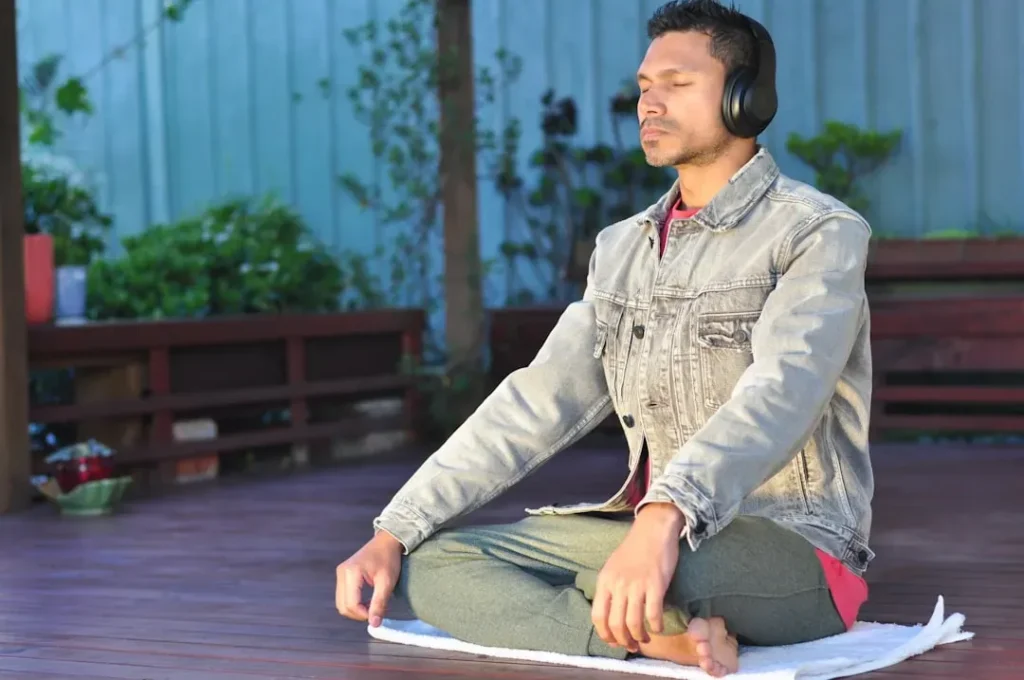
You know that little whisper you sometimes hear inside your head when making decisions? That quiet sensation tugging at you, seemingly out of nowhere? It might not be as mystical as you think. Recent scientific discoveries are revealing that intuition is actually rooted in measurable brain activity, emotional processing, and unconscious pattern recognition. Your gut feelings are, in fact, surprisingly smart.
Whether you’re deciding on a career move or simply trying to figure out if someone feels trustworthy, your intuitive voice has something valuable to say. The fascinating part is that you can actually train it to become sharper, clearer, and more accurate. Let’s explore seven evidence-based methods that science says can genuinely enhance your natural intuitive abilities.
Practice Daily Meditation to Quiet Mental Noise

Meditation helps quiet the superficial conscious mind and allows intuition to flow more freely by making the subconscious mind more accessible. Think about your brain like a radio picking up signals. When you’re constantly distracted and overwhelmed with thoughts, it’s like having static interference drowning out the station you’re trying to hear.
Meditation clears mental fog, allowing for better access to intuitive thoughts and improving clarity around decisions significantly. You don’t need to sit on a cushion for an hour, either. Even a few minutes daily of focused breathing or mindfulness can make a noticeable difference in how well you pick up on those subtle internal cues. Research in Psychological Science found that regular mindfulness meditation enhances cognitive flexibility, and participants exhibited improved problem-solving skills, indicating meditation sharpens intuitive decision-making capabilities.
The beauty of this practice is that it builds over time. Science has shown that even a little meditation a day can create positive changes in your brain that stay with you, improving intuition even if you only meditate for a few minutes every day.
Prioritize Quality Sleep and Dream Time

REM sleep plays a big role in problem solving and decision making, helping sort through the junk yard of stimuli for hidden gems. While you’re sleeping, your brain isn’t just resting. It’s actively working through complex information, connecting dots your conscious mind missed during the day.
When you sleep, your brain is deeply engaged in sorting through emotional experiences and processing the day’s events, and gut feelings aren’t just random but the product of your brain working hard while you’re asleep. Dreams during REM sleep are especially powerful. During REM, your brain replays experiences from your day and organizes them, creating subconscious patterns, which means the brain links memories and emotions, often leading to insights that later emerge as intuition.
Here’s a practical tip from researchers: If you’re stuck on a problem, try sleeping on it, and write down the problem before bed to increase chances of your intuition addressing it in your dreams. Nearly half of people who slept on a problem figured out its hidden solution, compared to those who stayed awake.
Tune Into Your Body’s Physical Signals

Our bodies can react to a situation without us being conscious of it, and even when you are not consciously aware of something, your body can give you signals. This phenomenon, called interoception, is basically your body’s internal communication system sending you messages before your thinking brain catches up.
Researchers measured participants’ skin conductance as they made decisions, and even when people weren’t aware of images, their bodies showed a physiological reaction to emotional content of stimuli, with skin conductance predicting behavioral intuition. Your heart rate, breathing patterns, and even that tight feeling in your chest are all trying to tell you something important.
Practices like yoga or tai chi aren’t just good for flexibility. These activities emphasize slow, deliberate movements and postures that require attention to form, balance, and flow of energy through the body, significantly enhancing the connection between mind and body. Learning to notice these subtle physical cues transforms them into reliable intuitive guidance.
Build Expertise Through Repetition and Experience

Gut feelings will accurately tell someone what is good for them in daily life because intuitions develop over time based on vast numbers of experiences, and the more experience you have in a particular area and the better the learning conditions, the wiser it is to trust your gut. Your intuition gets smarter the more data it collects.
Expert decision makers such as physicians, traders, or pilots often rely on intuition in high-stakes scenarios, and their hunches are often accurate because their brains have learned to abstract key features from years of accumulated data. It’s not magic. It’s pattern recognition happening at lightning speed beneath your awareness.
Think of intuition as your brain’s personal database. The more information you feed it in a specific domain, the better it becomes at making accurate snap judgments. This is why experienced firefighters can sense when a building is about to collapse, or why seasoned investors sometimes just “know” when something feels off about a deal. Their brains have cataloged thousands of tiny details over years of practice.
Manage Your Emotional State Carefully

The accuracy of intuition can be shaped by internal state, and feelings of intense emotion such as anxiety or overwhelming happiness can often drown out the more subtle unconscious cues that would otherwise guide intuition. Let’s be real, when you’re freaking out or riding an emotional high, your internal compass goes haywire.
Self-awareness of your emotional and physical state is critical, and you should avoid using intuition when that internal state is compromised by strong emotions such as anxiety or euphoria. It’s hard to hear your gut when your emotions are shouting at full volume.
This doesn’t mean you should ignore emotions entirely. Contrary to the rationalist tradition that divorces emotion from reason, neuroscience reveals that intuitive thinking is deeply intertwined with affective processes, and the amygdala and limbic system help tag experiences with emotional valence which the brain later uses as heuristic cues in decision-making. The trick is finding that sweet spot where you’re emotionally balanced enough to hear those quieter signals.
Strengthen Pattern Recognition Skills

Relying on intuition can help make sense of confusing situations, often by picking up on patterns that may not always be obvious at face value. Your subconscious brain is a pattern-detecting machine, constantly working behind the scenes to spot connections you haven’t consciously noticed yet.
Your subconscious processes thousands of cues such as tone of voice, posture, and micro expressions before your logical mind can catch up. Ever felt uncomfortable around someone without knowing why? Chances are your brain spotted inconsistencies in their body language or speech patterns that didn’t register consciously.
When participants were shown positive subliminal images, they did better on tasks, were more accurate in determining which way dots were moving, responded more quickly, and reported feeling more confident in their choice. This suggests that unconscious emotional information genuinely improves decision accuracy. The more you practice noticing patterns in one area of life, the better your brain becomes at this skill overall.
Create Space for Reflection and Stillness

Reflecting on decisions where you ignored gut feelings and their consequences, and journaling on these questions helps strengthen intuitive awareness. Honestly, we live in a world that prizes constant action and instant answers. Rarely do we just sit with a question and let our minds wander.
Intuition requires time, and while it may seem counterintuitive to spend time in meditation quieting your mind then summoning up intuitive or gut feelings, it saves time in the long run. Sometimes the best thing you can do is nothing at all. Step away from the problem. Go for a walk. Let your unconscious mind do its thing without forcing it.
When you need to make a decision between options, sit with your eyes closed for a moment and notice how you feel about each option, as you might notice one makes you tense up while the other makes you feel relaxed. Pay attention to these sensations. They’re not random, they’re your intuition speaking in the only language it knows: feeling.
Conclusion
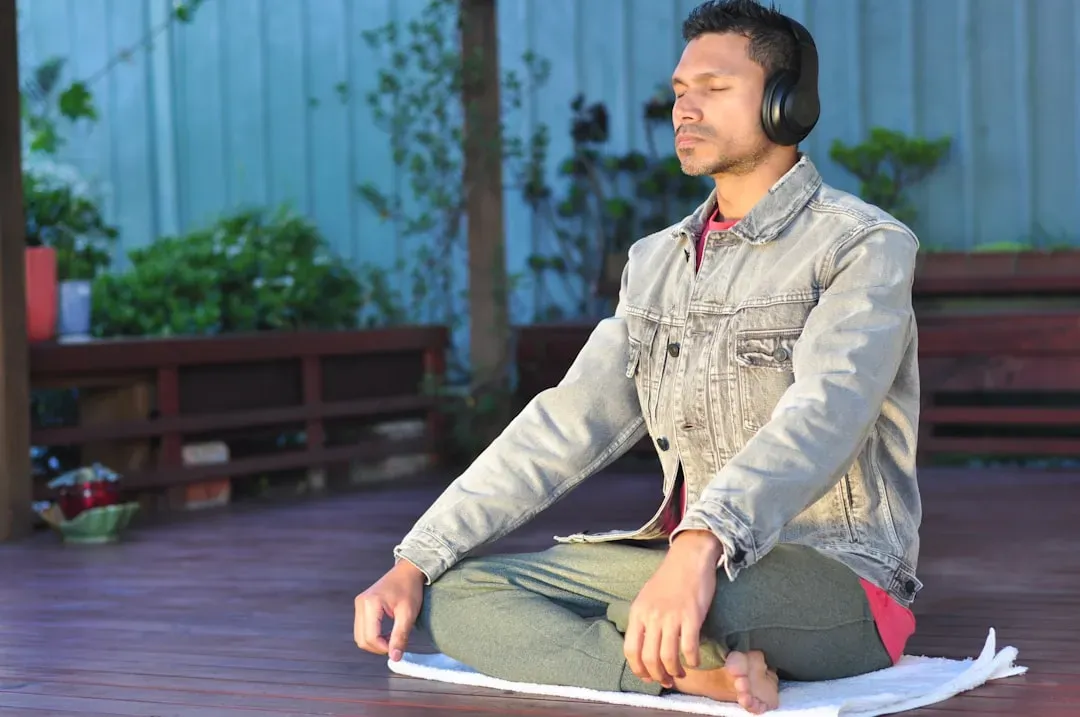
Your intuition isn’t some supernatural gift reserved for a lucky few. It’s a sophisticated cognitive process built into your brain’s architecture, and science has shown you can actually train it to work better. From meditation and quality sleep to body awareness and emotional regulation, each of these seven methods offers a practical pathway to sharper gut feelings and more confident decision-making.
The most exciting part is that these techniques build on each other. As you quiet your mental noise through meditation, you’ll naturally become more attuned to physical signals. Better sleep enhances pattern recognition, while emotional balance allows those subtle cues to come through clearly. Your intuition is already there, waiting beneath the surface. It just needs the right conditions to emerge.
So what do you think? Will you give your gut feelings the training they deserve?