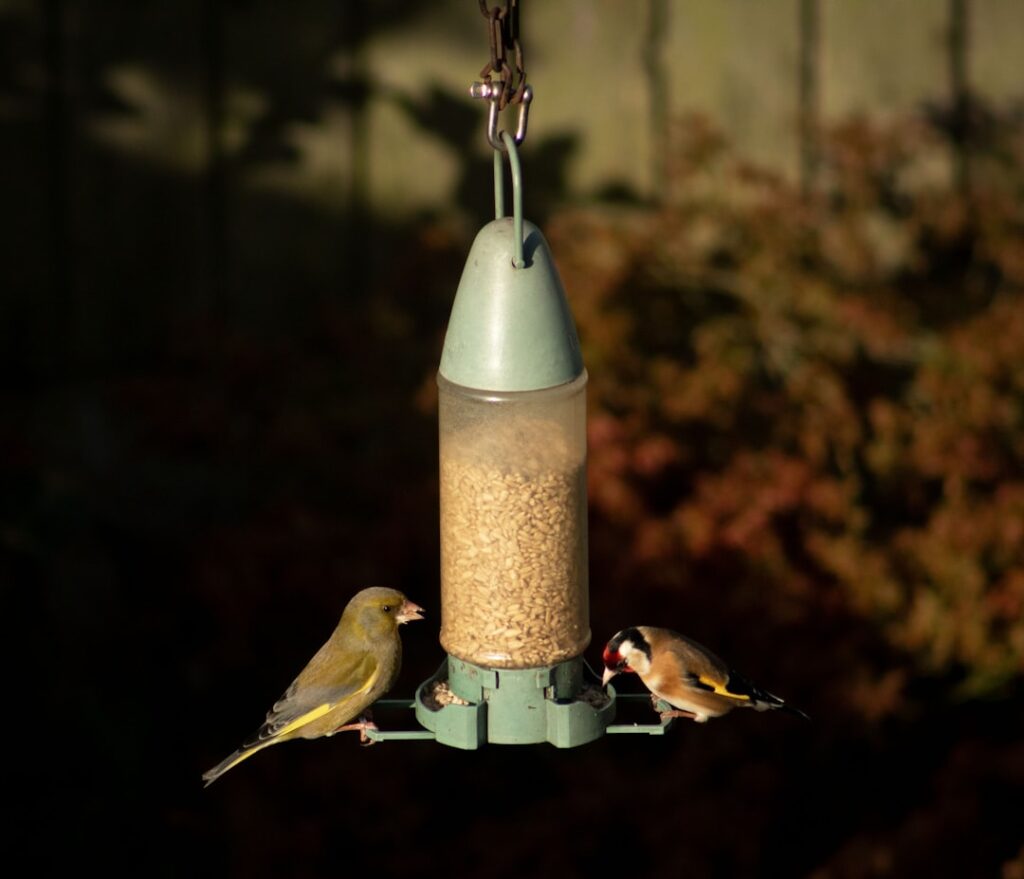
Backyard birdwatching has evolved dramatically with the advent of smart feeders equipped with cameras and artificial intelligence.
Advanced Tech Captures Every Moment
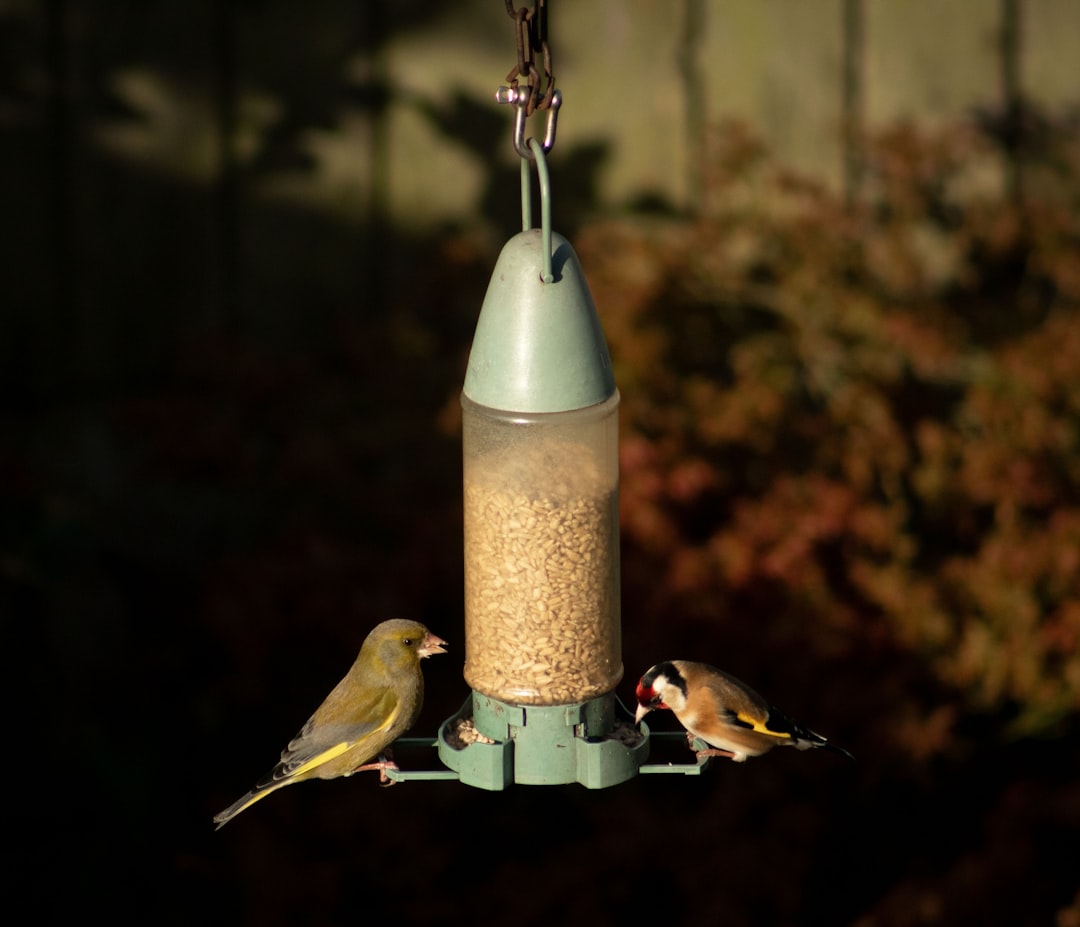
Advanced Tech Captures Every Moment (Image Credits: Unsplash)
High-definition cameras in these feeders deliver crystal-clear footage of birds in action, often in 1080p or 4K resolution. Motion detectors trigger recordings automatically, ensuring users miss nothing from dawn chirps to dusk visits. Night vision extends observation into evenings, while microphones pick up subtle sounds for a fuller experience.
Wireless connectivity streams live video directly to smartphones or computers. Cloud storage safeguards footage, and AI algorithms identify species instantly, building personalized libraries of visitors. These features turn casual feeding stations into sophisticated monitoring hubs without disturbing natural behaviors.
Key Advantages for Enthusiasts
Bird lovers gain insights into feeding hierarchies, mating displays, and migration shifts through detailed recordings. Slow-motion captures reveal intricate details like wing flaps and seed selection. Devices also double as security tools, alerting owners to unusual backyard activity.
Educational value stands out, fostering greater appreciation for local biodiversity. Families document species diversity over seasons, creating valuable records. Property owners benefit from reliable surveillance integrated seamlessly into gardens.
- Real-time alerts notify users of new arrivals.
- Behavioral analysis tracks patterns in visits.
- Weatherproof designs withstand rain, snow, and temperature swings.
- App-based controls simplify management from anywhere.
- Extended battery life supports continuous operation.
Strategic Placement and Setup
Optimal positioning elevates feeders 6 to 8 feet high near natural shelters and water sources, away from busy paths. Eastern exposures catch morning light for better visibility, while considering wind patterns prevents seed scatter. “The perfect feeder placement balances avian comfort with human observation needs, creating harmonious coexistence that benefits both species and observers,” one expert noted.
Installation requires strong Wi-Fi within 50 to 100 feet; signal boosters help remote spots. Users adjust motion sensitivity to conserve power and set up notifications for instant updates. Testing ensures smooth footage backups and reliable performance.
| Species | Preferred Food | Ideal Height |
|---|---|---|
| Cardinals | Sunflower seeds | 3-6 feet |
| Finches | Nyjer or millet | 4-8 feet |
| Woodpeckers | Suet blocks | 6-10 feet |
Ongoing Care Ensures Peak Performance
Weekly cleanings remove mold and debris, safeguarding bird health. Monthly lens checks maintain image quality amid dust or sap buildup. Solar options extend runtime, though colder months demand extra charging.
IP65-rated enclosures handle harsh weather, with features like lens heaters combating fog. Multiple feeders integrate via apps for broader coverage. Cloud plans store extensive footage, while local options depend on settings.
Key Takeaways
- Smart feeders combine AI identification, live streaming, and alerts for immersive experiences.
- Proper setup near shelters maximizes visits and footage quality.
- Regular maintenance and diverse seeds attract varied species year-round.
Smart bird feeders mark a pivotal step in blending technology with nature, promising predictive features and smart home ties ahead. Enthusiasts worldwide now enjoy richer connections to wildlife right at home. What birds visit your backyard, and would you try a smart feeder? Share in the comments.