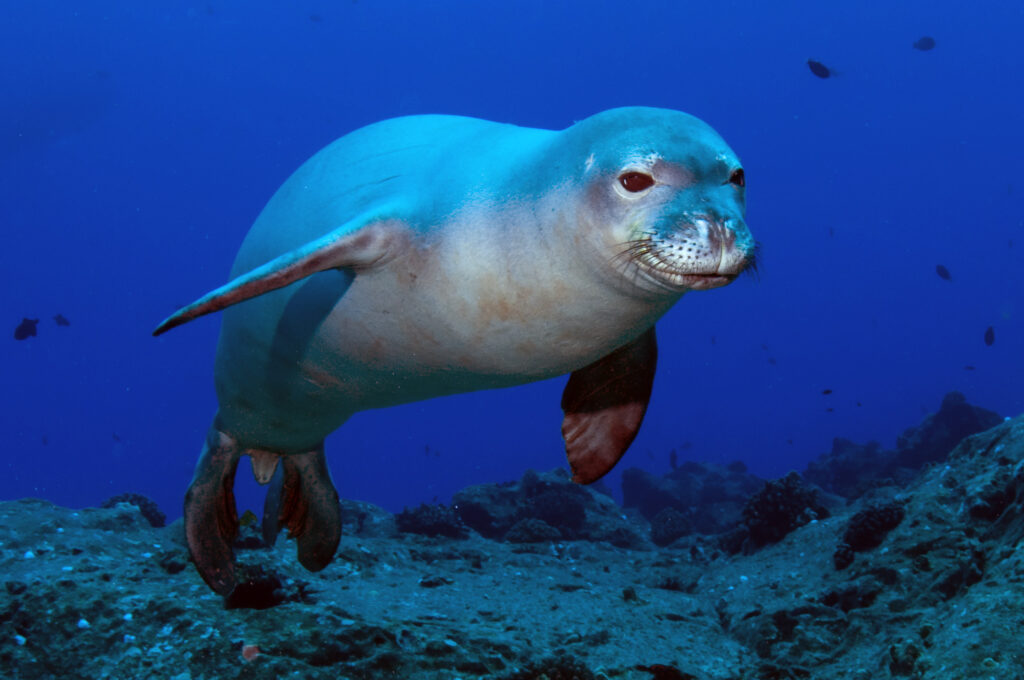
Hawaii – Marine researchers revealed a sophisticated array of underwater sounds produced by the endangered Hawaiian monk seals, marking a significant step in understanding these elusive creatures.
Thousands of Recordings Unlock New Insights
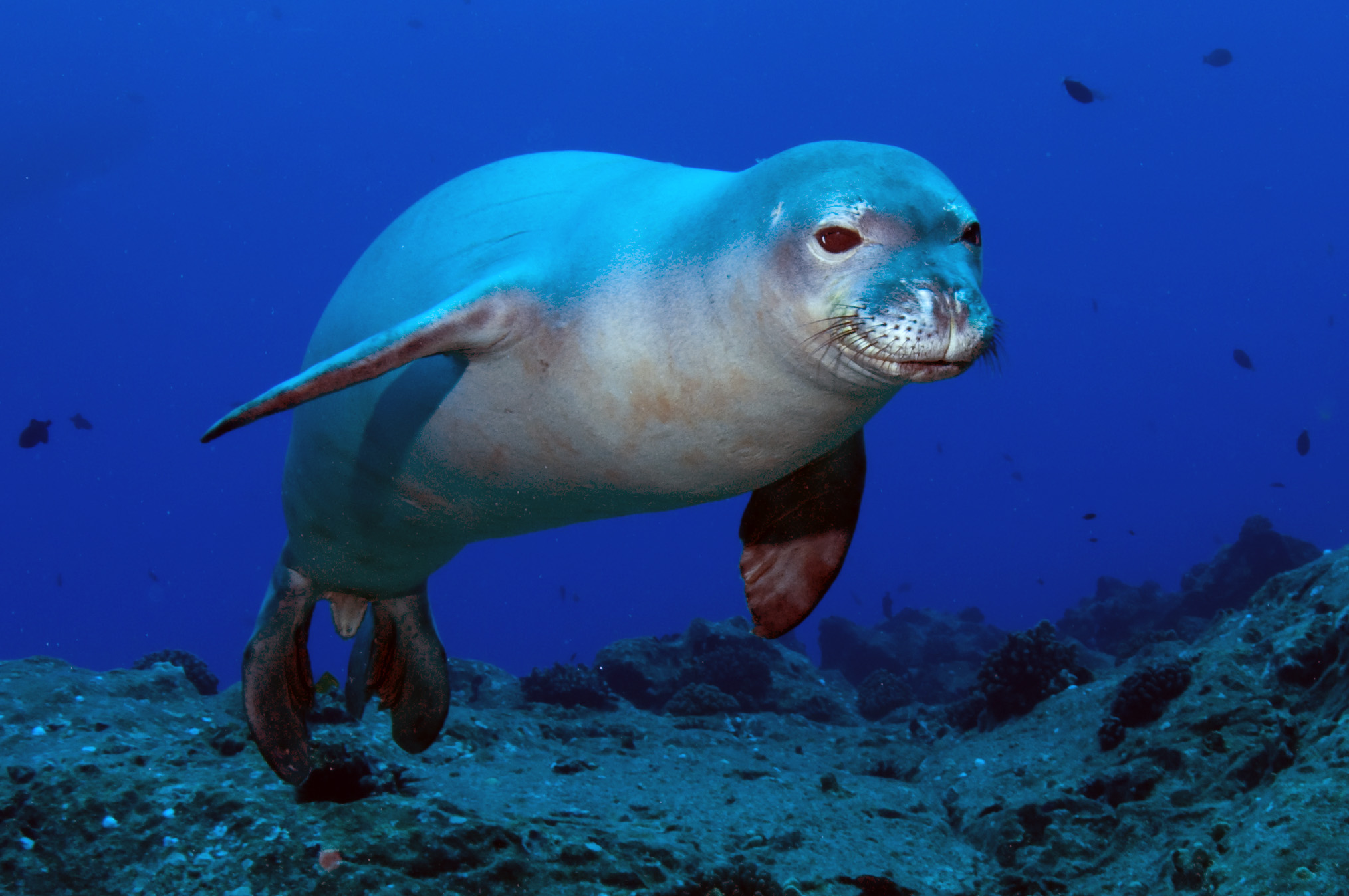
Thousands of Recordings Unlock New Insights (Image Credits: Upload.wikimedia.org)
Scientists from the Marine Mammal Research Program at the University of Hawaiʻi deployed passive underwater recorders to capture the seals’ voices in their natural habitat.
The effort yielded more than 23,000 vocalizations from free-ranging monk seals during activities like swimming, diving, and feeding. Experts analyzed this vast dataset to identify patterns and variations. Many of these sounds had never been documented before in the species. The discovery highlighted the seals’ active communication underwater, even as they navigated vast ocean expanses.
Decoding the 25 Call Types
Researchers classified at least 25 distinct call types, with low frequencies between 100 and 1,000 Hz dominating the repertoire. One notable example, a “whine,” appeared specifically during foraging, suggesting a link to hunting behavior.
This represents only the second known instance of seals vocalizing while searching for prey. The calls often formed sequences that combined different elements, a pattern termed “combinatorial calling.” No other pinniped species – such as sea lions or other seals – has demonstrated such intricate vocal arrangements. These sequences could serve functions like locating prey, coordinating with mates, or resolving territorial disputes.
A First Among Pinnipeds
The complexity of Hawaiian monk seals’ vocalizations sets them apart in the animal kingdom. Recent analysis uncovered 20 previously unrecorded sounds, expanding the known acoustic profile dramatically.
Unlike simpler grunts or barks heard above water, these underwater emissions form structured patterns. Scientists noted the potential for dialects or regional variations, though further study is needed. This uniqueness underscores the seals’ evolutionary adaptations to their isolated Pacific environment.
Transforming Conservation Strategies
Hawaiian monk seals rank among the world’s rarest marine mammals, facing threats from habitat loss and human impacts. Traditional tracking methods struggle in remote ocean areas, but acoustic monitoring offers a noninvasive alternative.
By building a reference library of these calls, experts aim to develop automated detection systems. Such tools could track populations in real time, even in hard-to-reach regions. However, rising noise from shipping and tourism risks overwhelming these delicate signals. The findings, reported in late 2025, urge quicker adoption of sound-based protections.
Conservationists now see vocal analysis as key to safeguarding this species. Here are the primary benefits:
- Noninvasive population monitoring across vast areas.
- Real-time behavioral insights, like foraging patterns.
- Early detection of threats through acoustic changes.
- Enhanced reference libraries for automated AI tools.
Key Takeaways
- Over 23,000 vocalizations analyzed, revealing 25 call types.
- Combinatorial calling unique to Hawaiian monk seals among pinnipeds.
- Acoustic tech poised to revolutionize endangered species tracking.
This breakthrough not only illuminates the hidden language of Hawaiian monk seals but also equips conservation efforts with powerful new tools amid growing ocean pressures. What role do you think acoustic monitoring should play in protecting marine life? Share your thoughts in the comments.