Florida researchers revealed how avian visitors transform scorched earth into fertile ground through unexpected seed delivery.
Wildfires Beckon Feathered Pioneers
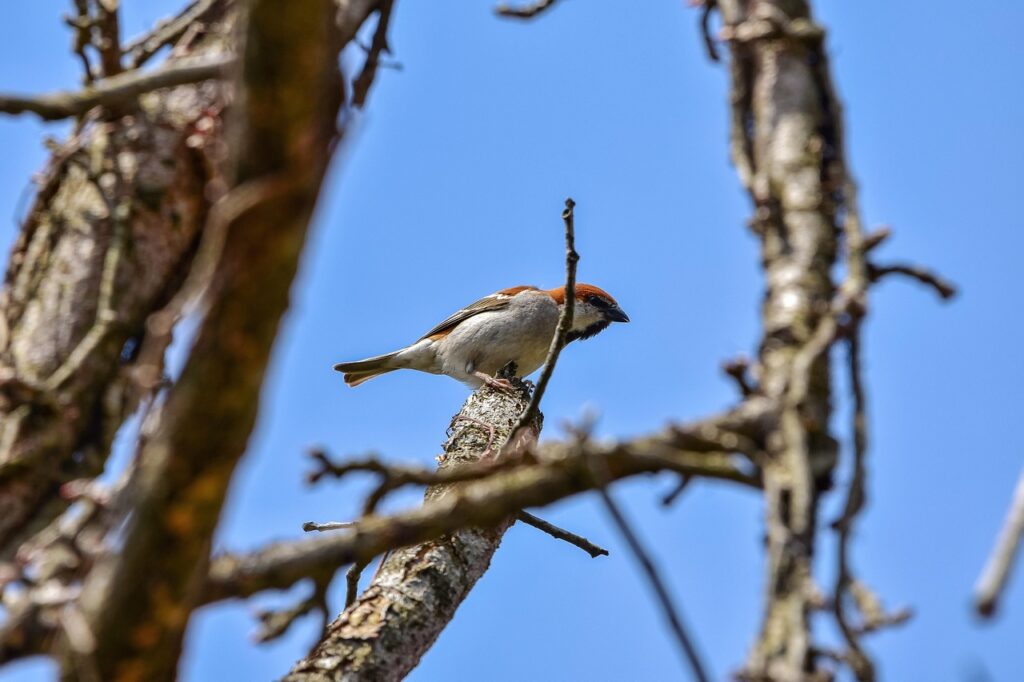
Birds Scatter Seeds of Hope on Wildfire’s Ashes (Image Credits: Pixabay)
Recent burns draw birds like a magnet, setting the stage for rapid regrowth. Scientists at the Tall Timbers Research Station observed this phenomenon firsthand. Food sources and altered vegetation lured flocks to the blackened patches. These visitors then deposited seeds via droppings from nearby uneffected zones. Such activity proved more intense in areas scorched within days compared to those burned over a year prior.
The discovery highlighted a “magnet effect” previously noted in herbivores but now extended to birds. This pull influences which plants take root first. Recurring fires even boosted fruit output from certain bird-favored species, amplifying the cycle. David Mason, lead researcher from The Jones Center at Ichauway, emphasized the foundational role of fire: “Fire is the thing that keeps this ecosystem the way it is. Without fire, it would be something else.”
Clever Field Tests Capture the Action
Mason’s team devised an ingenious setup to quantify the process. They erected 36 artificial perches across paired burned and unburned sites. Each perch, crafted from wooden sticks on PVC pipes, mimicked natural roosts. Seed-trapping screens below collected fecal samples for analysis. Trail cameras documented visitors over two years.
Results confirmed heightened bird traffic and seed counts in fresh burns. Researchers identified seeds from key plants suited to the habitat. The approach yielded precise data on dispersal rates and species involved. This methodical work bridged observation with hard evidence.
Sparrows and Thrushes Lead the Charge
Specific groups emerged as primary dispersers. Sparrows flocked to the sites in numbers. New World thrushes followed suit, dropping viable seeds. Warblers contributed as well, aiding the mosaic of regrowth. These species thrived amid the post-fire bounty of insects and open perches.
Standing charred trees served as vital lookout points. Birds perched there, scanned for threats, and released payloads below. The synergy between fire remnants and avian behavior accelerated colonization. Unburned surroundings supplied the seed stock, ensuring diversity in the restart.
- Sparrows: High-volume visitors boosting seed input.
- New World thrushes: Efficient carriers of fruit-derived seeds.
- Warblers: Agile dispersers in open terrain.
- Overall impact: More seeds in recent burns than older ones.
Shaping Management in Fire-Prone Regions
Findings urged a broader view for land stewards. Burn timing and patch size now factor in wildlife dynamics. Surrounding vegetation influences seed sources. Conservation plans must integrate these avian-plant-fire links. The Current Biology study underscored holistic strategies.
Managers at sites like Tall Timbers already apply mosaic burning. This maintains the checkerboard essential for bird movement. Future efforts could enhance perch availability or protect seed-rich edges. Such steps promise resilient ecosystems amid intensifying fires.
Key Takeaways
- Fire creates ideal conditions that attract seed-dispersing birds.
- Artificial perches proved recently burned areas receive far more seeds.
- Interactions among birds, plants, and burns guide long-term recovery.
Birds emerge as vital catalysts in fire-adapted worlds, turning destruction into renewal. Their role reminds us of nature’s intricate balances. What strategies would you prioritize to support these feathered restorers? Share your thoughts in the comments.