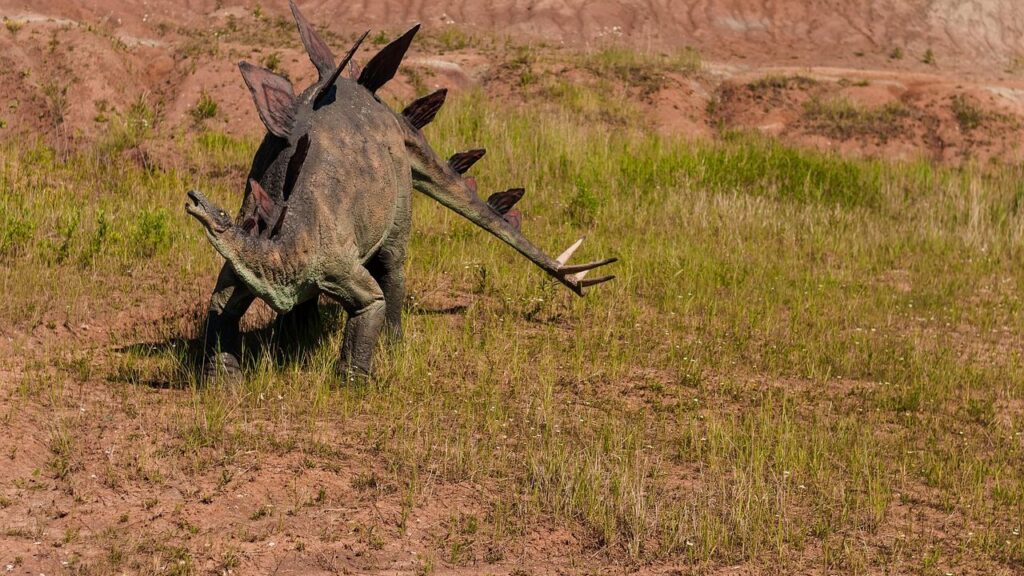
Picture a creature as long as a school bus lumbering through ancient forests, its massive body topped with a row of spectacular bony plates. Now imagine that this enormous beast operated with a brain roughly the size of a walnut. Seems impossible, right?
Yet Stegosaurus was a successful species that survived the Late Jurassic, coexisted with massive predators, and clearly reproduced enough to leave a strong fossil record. The story of this remarkable dinosaur challenges everything we think we know about the relationship between intelligence and survival. Let’s explore how a creature with such a tiny brain managed to thrive for millions of years.
The Walnut Brain Myth and Reality
The meme didn’t really catch on until 1945, when paleontologist Edwin Colbert said that the armor-plated Stegosaurus had a brain the size of the edible seed. This catchy comparison has stuck around for decades, showing up in everything from museum exhibits to children’s books. Honestly, it’s hard to blame people for repeating it because the image is just so memorable.
The brain was roughly the size and shape of a bent hot dog, about 3 cm long, weighing around 70 to 80 grams. An animal weighing over 4.5 metric tonnes could have a brain of no more than 80 grams. The walnut comparison isn’t entirely accurate in terms of actual shape, but it captures the shocking disproportion between body and brain that made scientists scratch their heads for generations.
Brain Size Versus Body Mass
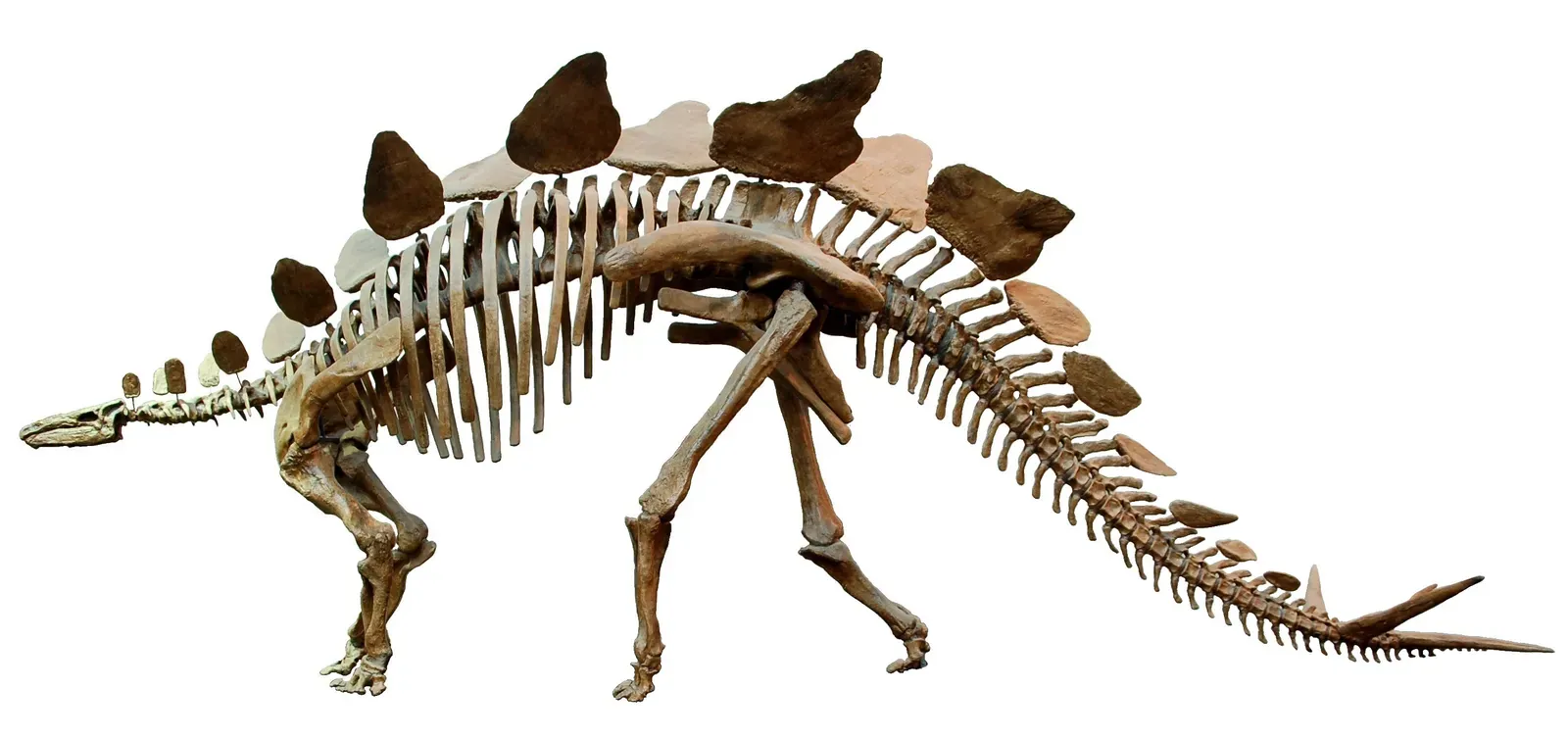
Stegosaurus had a brain cavity that was long, narrow, and tiny, with the actual brain making up about 0.001 percent of the creature’s total body weight. Think about that for a second. That’s like if your brain weighed less than what’s in your little finger.
The endocast showed that the brain was indeed small relative to body size, maybe the smallest among the dinosaurs, which led to the idea that dinosaurs were unintelligent, an idea now largely rejected. Here’s the thing scientists eventually figured out: intelligence isn’t just about raw brain size. Elephants have proportionally small brains compared to their bodies, yet nobody would call them dumb animals. Crocodiles are ancient, brain-efficient survivors that aren’t geniuses, but they’re incredibly well-adapted to their environments, and Stegosaurus likely had a similar energy with its body doing the work, not its brain, working well enough to keep the species going for millions of years.
The Second Brain Controversy
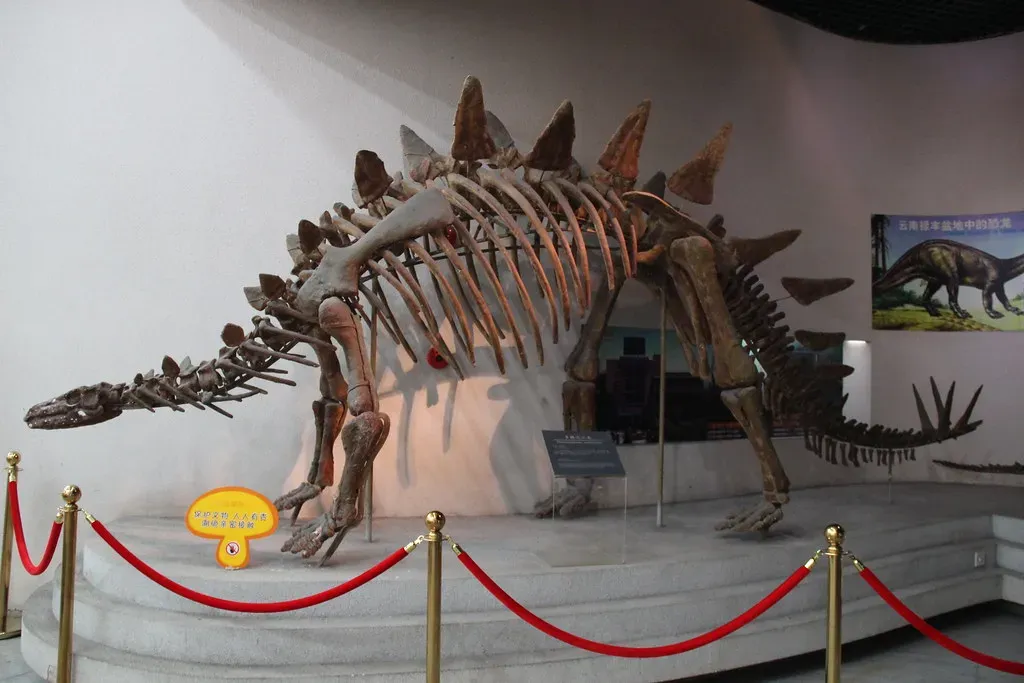
Stegosaurus had an enlarged section of its spinal cord near the hips so large that early scientists once thought it was a second brain, later proven false, but that area probably helped coordinate leg and tail movement, acting like a kind of processing hub. The idea of a dinosaur with a brain in its butt was just too weird not to capture the public imagination.
This myth started back in the 1870s when Othniel Charles Marsh speculated that an extra-large space for the spinal cord in Stegosaurus’ hips may have functioned as a second brain, and the space was so large that a second brain would have dwarfed the main brain in the animal’s skull, though Marsh and other scientists quickly abandoned the idea because its supporting evidence was so poor. Still, popular media had already latched onto this bizarre image. Scientists today think this enlargement might have contained a glycogen body, similar to what modern birds have, but its exact function remains one of those delightful prehistoric mysteries.
Survival Without Smarts
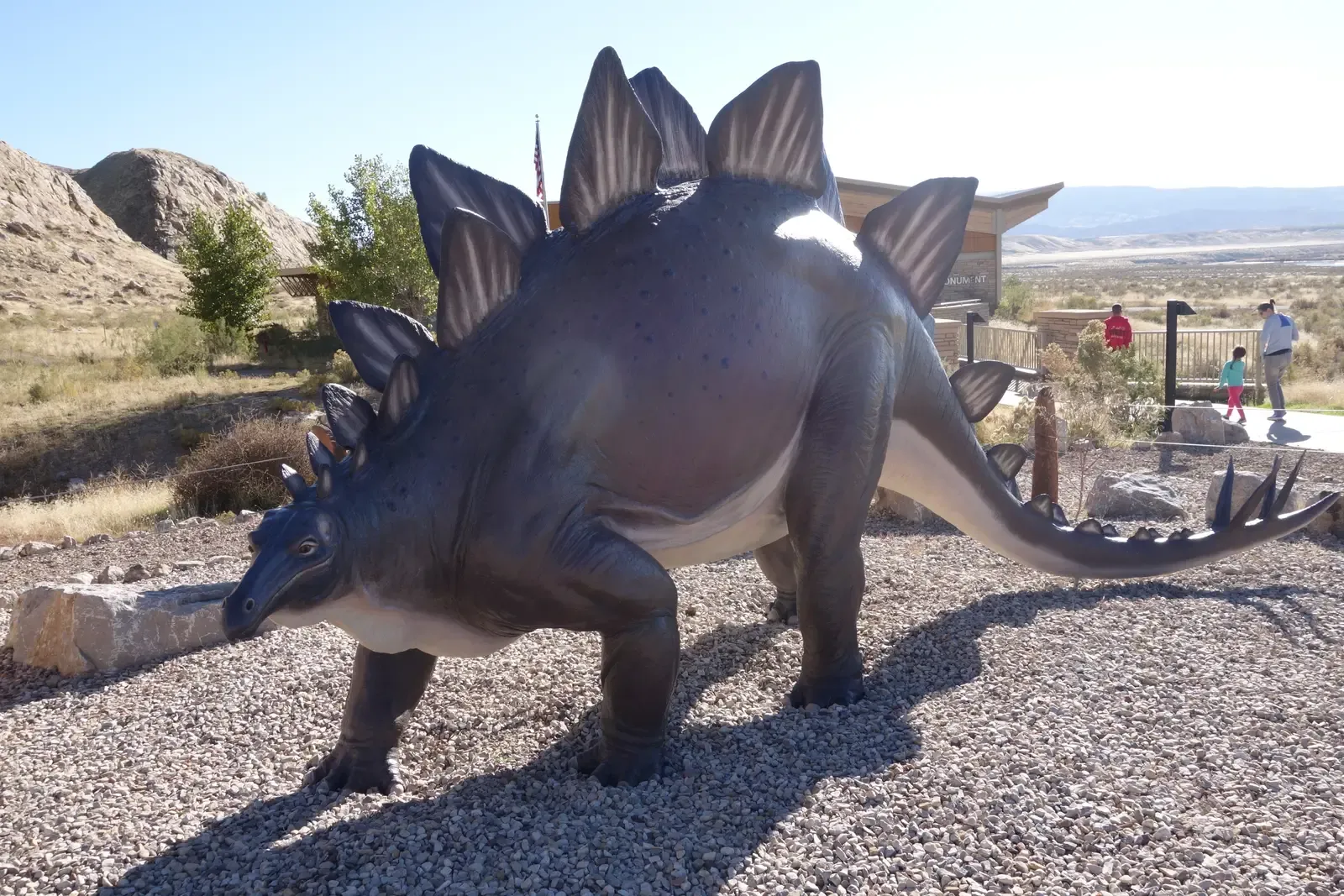
Much like cows or turtles today, Stegosaurus likely relied on ingrained behaviour rather than learning or intelligence, lived slowly, didn’t migrate far, and didn’t need to outthink much of anything. Let’s be real: you don’t need to be a genius when your survival strategy is “eat plants and don’t get eaten.”
Most large dinosaurs had EQ values below 1.0, with the large sauropods and thyreophorans like Stegosaurus having EQ values around 0.2, making them among the least intelligent dinosaurs. Evolution doesn’t reward cleverness for its own sake. It rewards whatever works. Evolution doesn’t reward cleverness; it rewards survival. Stegosaurus had everything it needed: a massive body, defensive weaponry, and behavioral patterns that kept it alive and reproducing.
Defensive Adaptations That Made Up for Intelligence
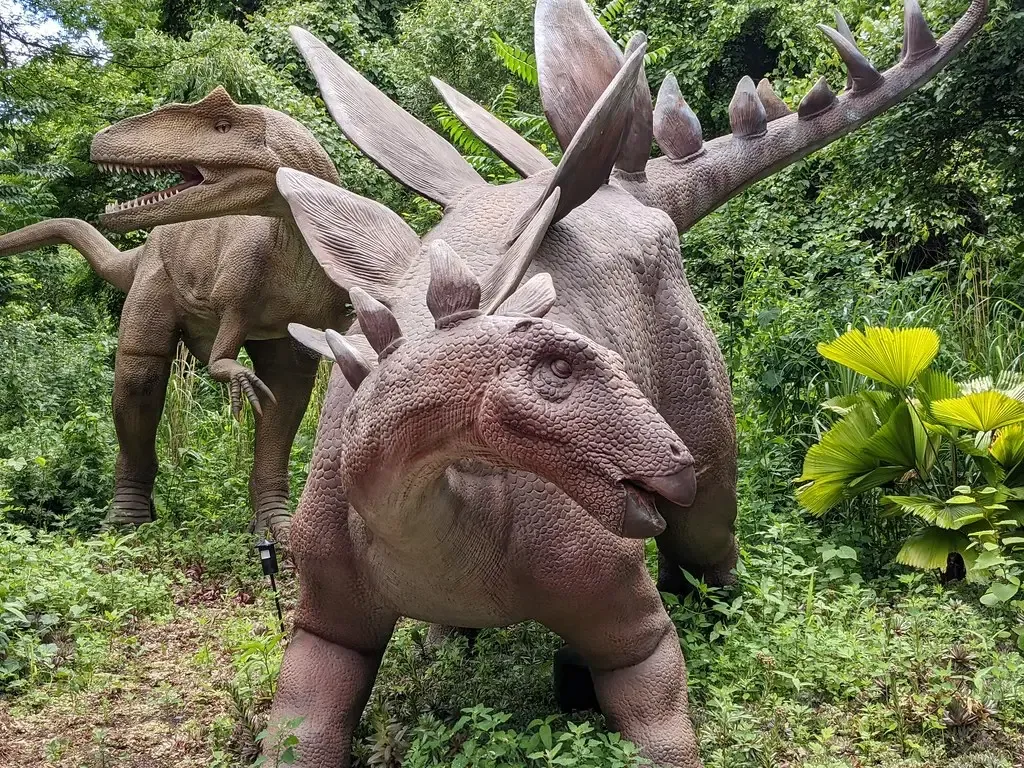
The spikes on Stegosaurus tails are believed to have been a defensive measure against predators, with evidence in the form of an Allosaurus tail vertebra with a partially healed puncture wound that fits a Stegosaurus tail spike. Now that’s what I call leaving your mark on history.
Out of 51 examined spikes, about ten percent had broken tips with remodeled bone, showing that Stegosaurus were clearly losing the sharp ends of their spikes and surviving for long enough afterward for the bone to start to heal. These tail spikes, known as thagomizers (a term hilariously borrowed from a Gary Larson cartoon), were wickedly effective weapons. Stegosaurs’ movement capability was restricted by their quadrupedal stance coupled with massive weight, with estimated speeds only around 3.5 to 4.3 miles per hour, making them rely more on static defenses when facing predators. When you can’t outrun danger, you’d better be able to hurt it.
The Mysterious Back Plates
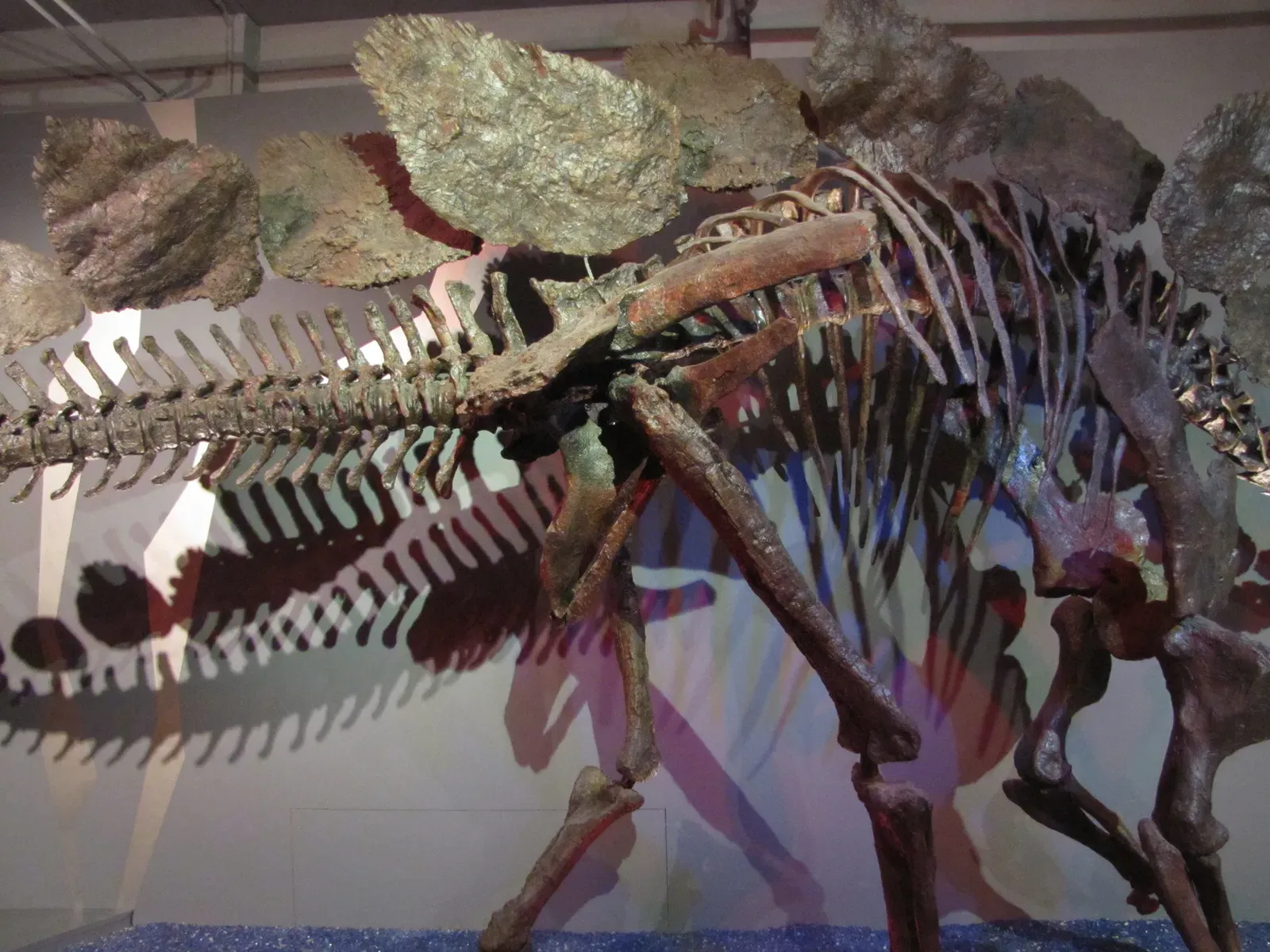
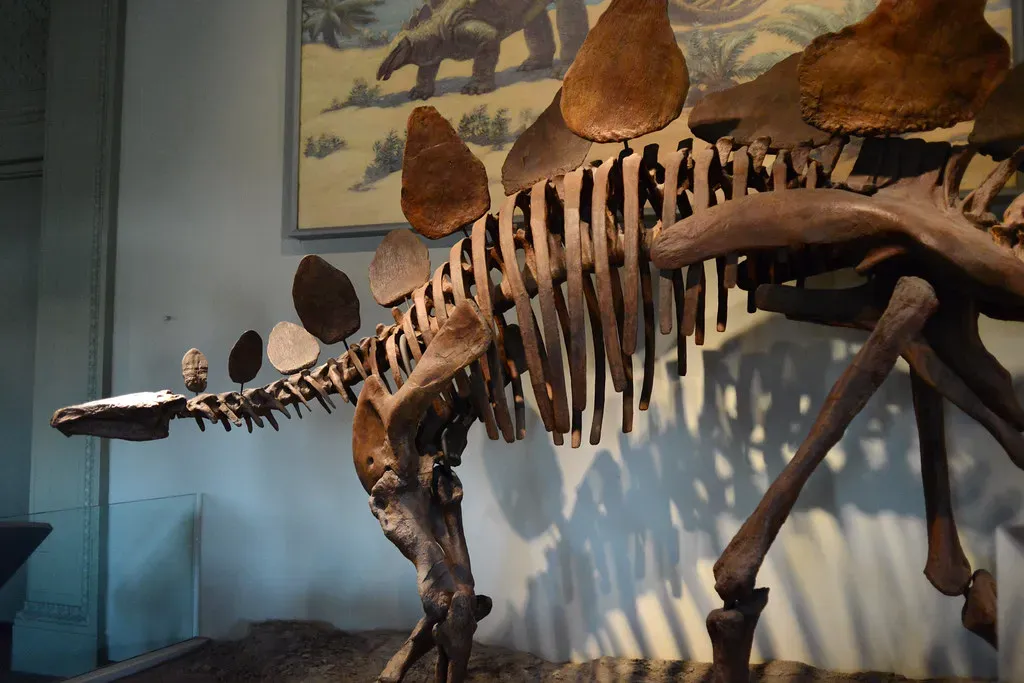
Today it is generally agreed that their spiked tails were most likely used for defense against predators, while their plates may have been used primarily for display, and secondarily for thermoregulatory functions. Scientists have debated the function of these plates for generations, and honestly, they might have served multiple purposes simultaneously.
Stegosaurus likely used its plates for display purposes like showing off, species recognition, and attracting mates. The largest plates, located over the back and hips, are the size of coffee tables. Picture that: dinner-table-sized structures jutting out of your spine. Whether they were solar panels for temperature regulation or billboards advertising fitness to potential mates, those plates made Stegosaurus instantly recognizable. Maybe that was the whole point.
Diet and Feeding Strategies
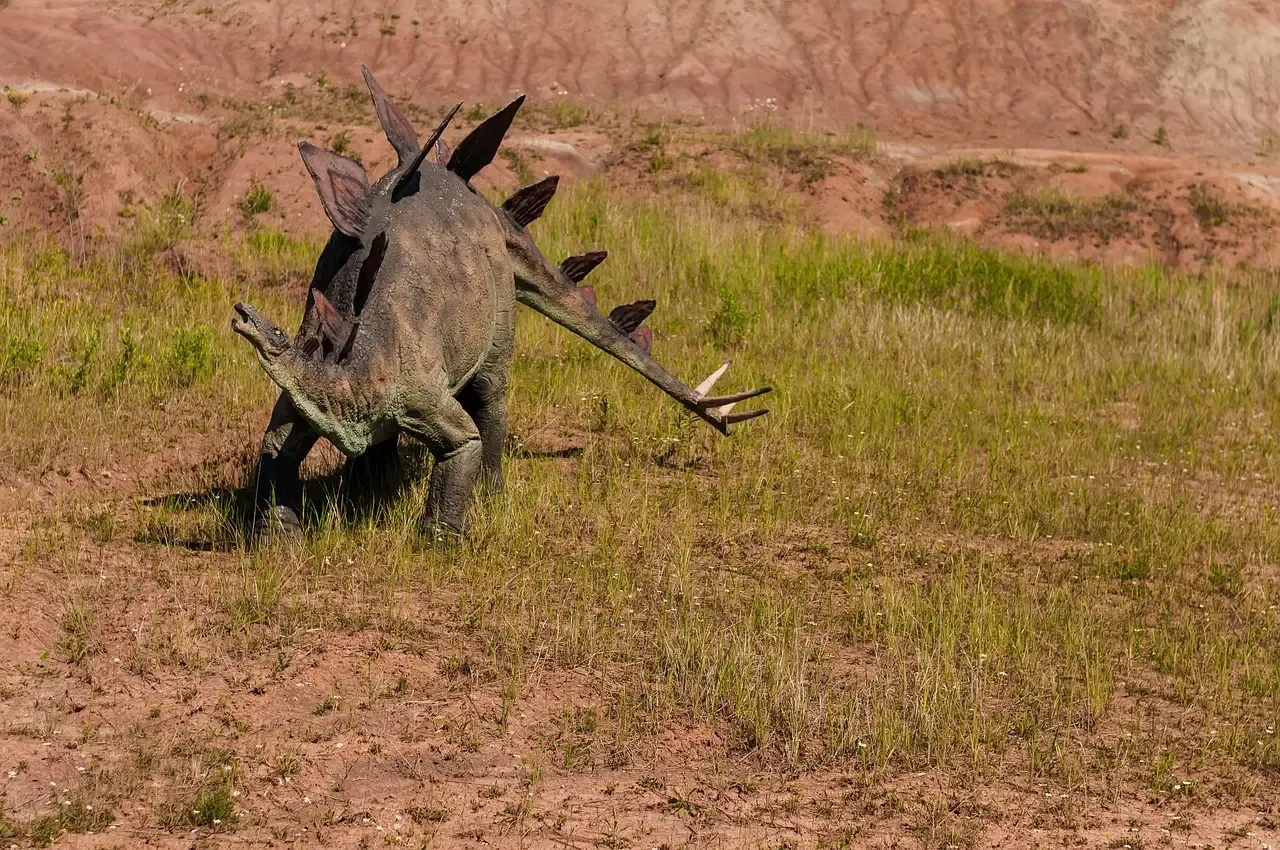
Palaeontologists believe Stegosaurus would have eaten plants such as mosses, ferns, horsetails, cycads, and conifers, with one hypothesized feeding behavior strategy considering them to be low-level browsers eating low-growing foliage at most 1 m above the ground. Its small head and weak jaw weren’t designed for munching tough vegetation.
Researchers found that Stegosaurus had a particularly powerful bite for a herbivorous dinosaur, much stronger than previously suspected, with a bite force within the range of living herbivorous mammals such as sheep and cows. Turns out, being a picky eater with specific dietary needs doesn’t require a large brain. You just need the right equipment and the instinct to use it. Stegosaurus had both.
Thriving in a Dangerous World
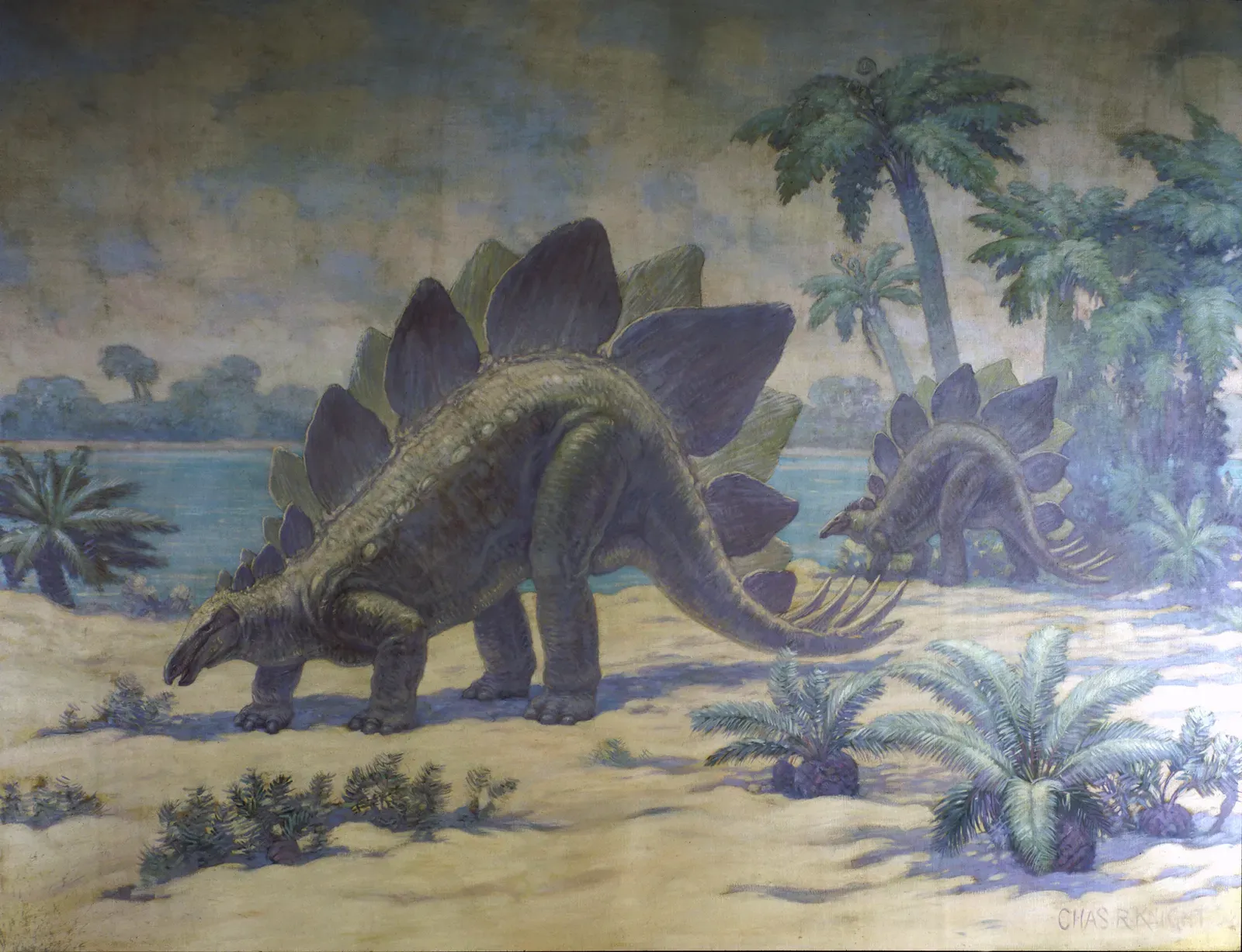
Stegosaurus would have lived alongside dinosaurs such as Apatosaurus, Diplodocus, Camarasaurus and Allosaurus, the latter of which may have preyed on it. Living in the Late Jurassic wasn’t a picnic. Massive predators roamed the landscape, and competition for food was fierce.
The remains of over 80 individual animals of this genus have been found. That’s a pretty solid fossil record for any dinosaur, suggesting healthy populations spread across what’s now western North America and Portugal. Fossils have been found in the western United States and in Portugal, dating to between 155 and 145 million years ago. For millions of years, this walnut-brained giant held its own against some of the most fearsome predators that ever lived. That’s not luck. That’s successful evolutionary design.
Conclusion: Rethinking Intelligence and Success
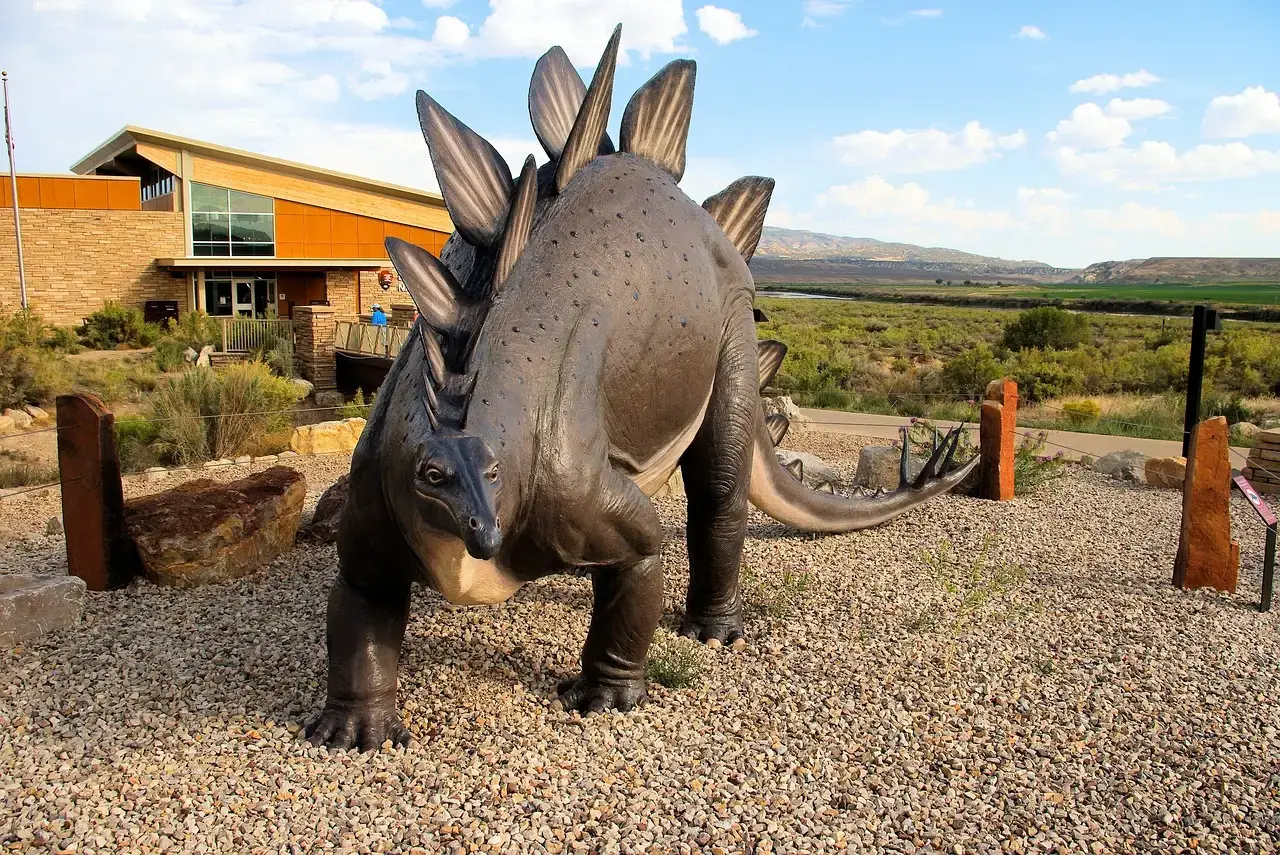
The story of Stegosaurus forces us to reconsider what really matters for survival in the natural world. Intelligence, as we typically measure it, clearly isn’t everything. This dinosaur succeeded with instinct, physical adaptations, and behavioral patterns that required minimal cognitive processing.
Stegosaurus wasn’t solving problems or planning ahead, but it was perfectly adapted to its world, and that’s all that really mattered. In our modern world, we often conflate brain size with worth or capability, but nature tells a different story. Sometimes the simplest solutions are the most effective ones.
The next time you hear someone use “dinosaur brain” as an insult, remember Stegosaurus. It thrived for millions of years longer than humans have even existed, all while operating with a brain that could fit in your palm. Makes you wonder who really has the superior survival strategy, doesn’t it?