Think about the dinosaurs you know best. There’s a good chance most of them stomped across North America. From the terrifying jaws of T. rex to the imposing horns of Triceratops, the dinosaurs of ancient America have captivated us for generations. Yet here’s the thing people rarely ask: why were American dinosaurs so different from their counterparts elsewhere?
Laramidia was an island continent that existed during the Late Cretaceous period, formed when the Western Interior Seaway split the continent of North America in two. This geological event created evolutionary laboratories unlike anywhere else on Earth. The creatures that evolved there developed adaptations so specialized, so perfectly tuned to their environments, that they became some of the most successful dinosaurs ever to walk the planet. What made them so remarkable wasn’t just their size or ferocity. It was how they survived, thrived, and dominated in ways that set them apart from dinosaurs on other continents.
The Great Divide: When North America Split in Two
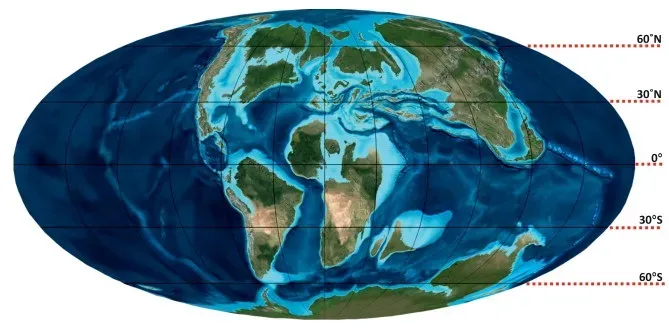
Picture North America roughly 100 million years ago, and you’d be staring at something unrecognizable. Sea levels were higher, and large parts of the North American interior were shallow seas, effectively cutting the continent in half. Laramidia was an island continent separated from Appalachia to the east by the Western Interior Seaway.
This wasn’t a minor geographical quirk. From the Turonian age of the Late Cretaceous to the beginning of the Paleocene, Laramidia was separated from Appalachia, causing fauna to evolve differently on each land mass. Think of it as continental-scale isolation, creating two entirely separate worlds where dinosaurs adapted in dramatically different ways. The western landmass, Laramidia, contained a relatively thin stretch of land running north to south, bordered by the inland sea to the east and the rising Rocky Mountains to the west.
An Evolutionary Hothouse: Climate and Geography Shaped Everything
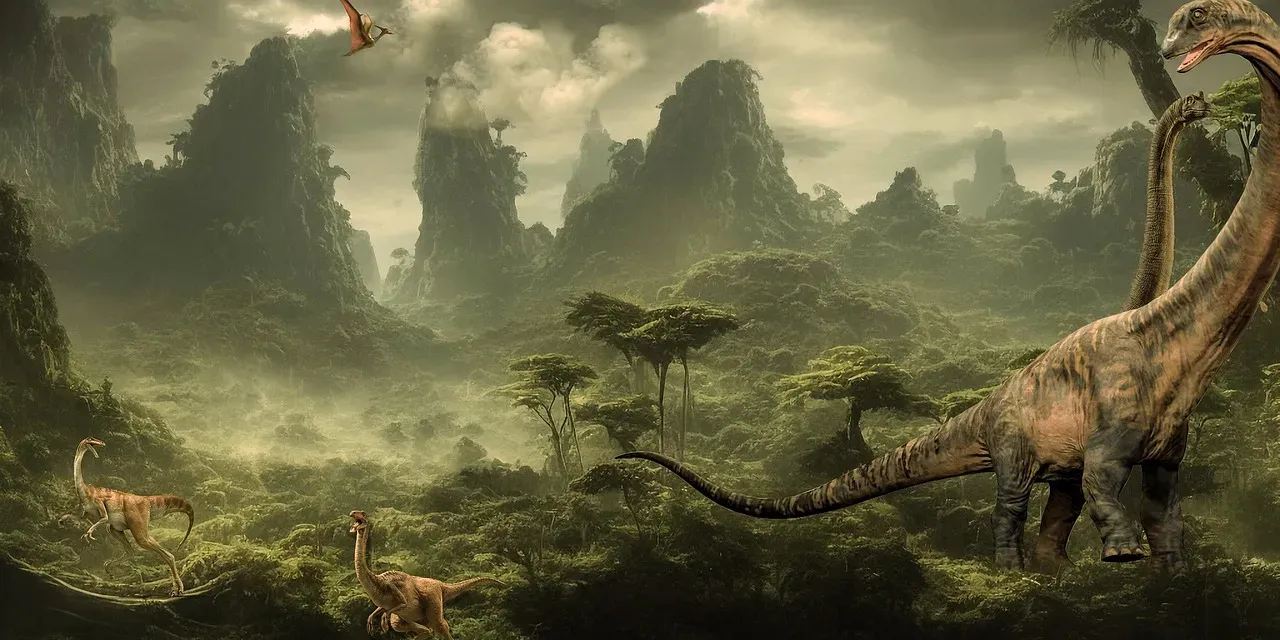
A strong latitudinal climatic gradient existed on the landmass in the final 15 million years of the Cretaceous. This created something fascinating: distinct ecological zones stacked from north to south, each fostering unique dinosaur communities.
Fossil hunters began noticing in the 1960s that Late Cretaceous dinosaurs found in Montana and Alberta belonged to distinct species from those recovered from similarly aged rocks in New Mexico and Texas. Let’s be real, this was controversial at first. How could such a narrow landmass support multiple distinct dinosaur communities? Lacking physical barriers to dispersal, researchers hypothesized that a latitudinal climate gradient produced distinct communities of plants and animals. The evidence became impossible to ignore as more discoveries piled up.
The Tyrannosaurs: Apex Predators Born from Isolation
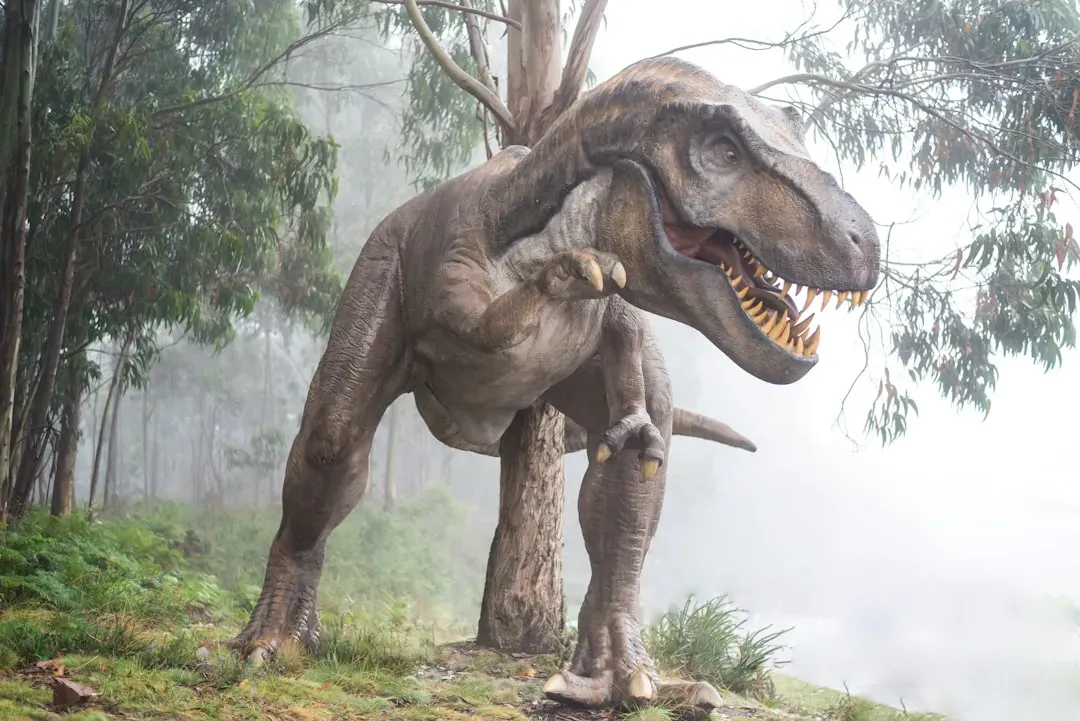
Every kid knows T. rex, the undisputed king of the dinosaurs. What many don’t realize is how uniquely American this evolutionary lineage became. Tyrannosaurids diversified between 95 to 80 million years ago during a time when North America’s interior sea was at its widest, separating small areas of land and allowing different species to evolve in isolation.
The largest T. rex skulls measured up to 1.52 meters in length, with large openings reducing weight while the skull was extremely wide at the rear with a narrow snout allowing unusually good binocular vision. This fierce carnivore was optimally built for crunching through meals with a stiff skull channeling muscle force into one bite delivering up to six tons of pressure. That’s more than enough to crush a car.
Here’s what makes it remarkable: though T. rex fossils have only been found in North America, it’s more similar to Asian dinosaurs like Tarbosaurus than its North American relatives. This hints at complex migration patterns and evolutionary exchanges between continents that scientists are still piecing together.
Horned Giants: The Ceratopsian Radiation
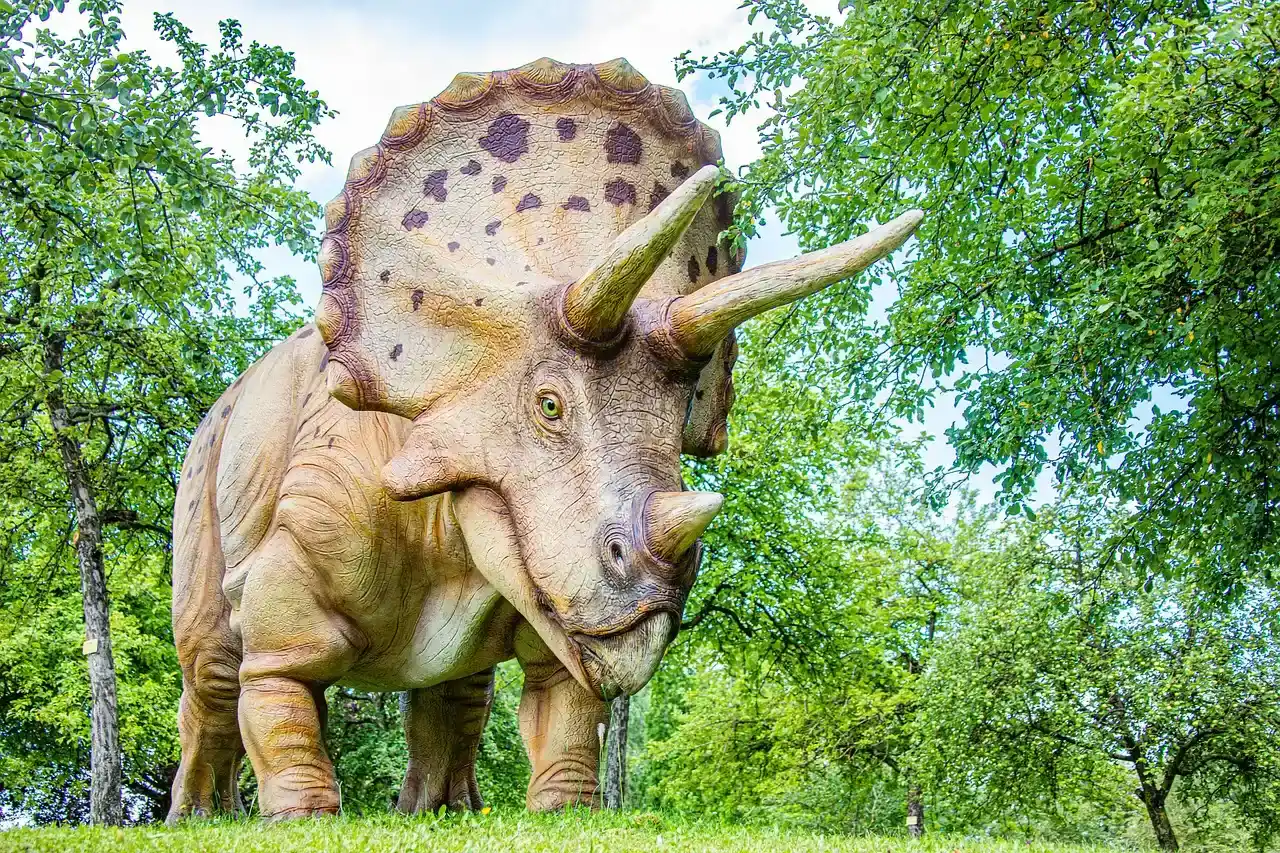
Nobody forgets their first encounter with Triceratops. Those three horns, that massive frill, the sheer bulk of the animal. Triceratops lived during the late Maastrichtian age about 68 to 66 million years ago on Laramidia. It measured around 8 to 9 meters long and weighed up to 6 to 10 tons.
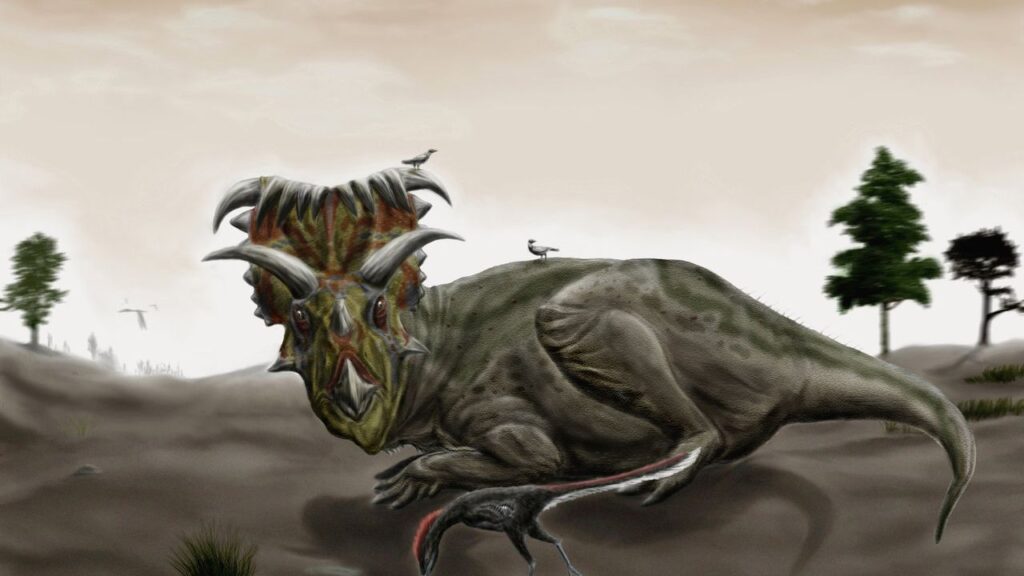
At least 20 new ceratopsid species have been named over the past 15 years from a relatively narrow span of Cretaceous time, with multiple horned dinosaur species evolving between 70 and 80 million years ago in western North America and overlapping in time. This explosive diversity demands explanation. The way horns and frills grow, changing from juvenile to adult forms, is most consistent with sexual selection being important, though the structures remained useful for defense and shielding the neck.
Evidence shows Triceratops used its horns in combat, with the frill adapted as a protective structure. Honestly, can you imagine two seven-ton animals locked in battle, horns clashing against bony shields?
Duck-Billed Dynamos: Hadrosaurs and Their Remarkable Teeth
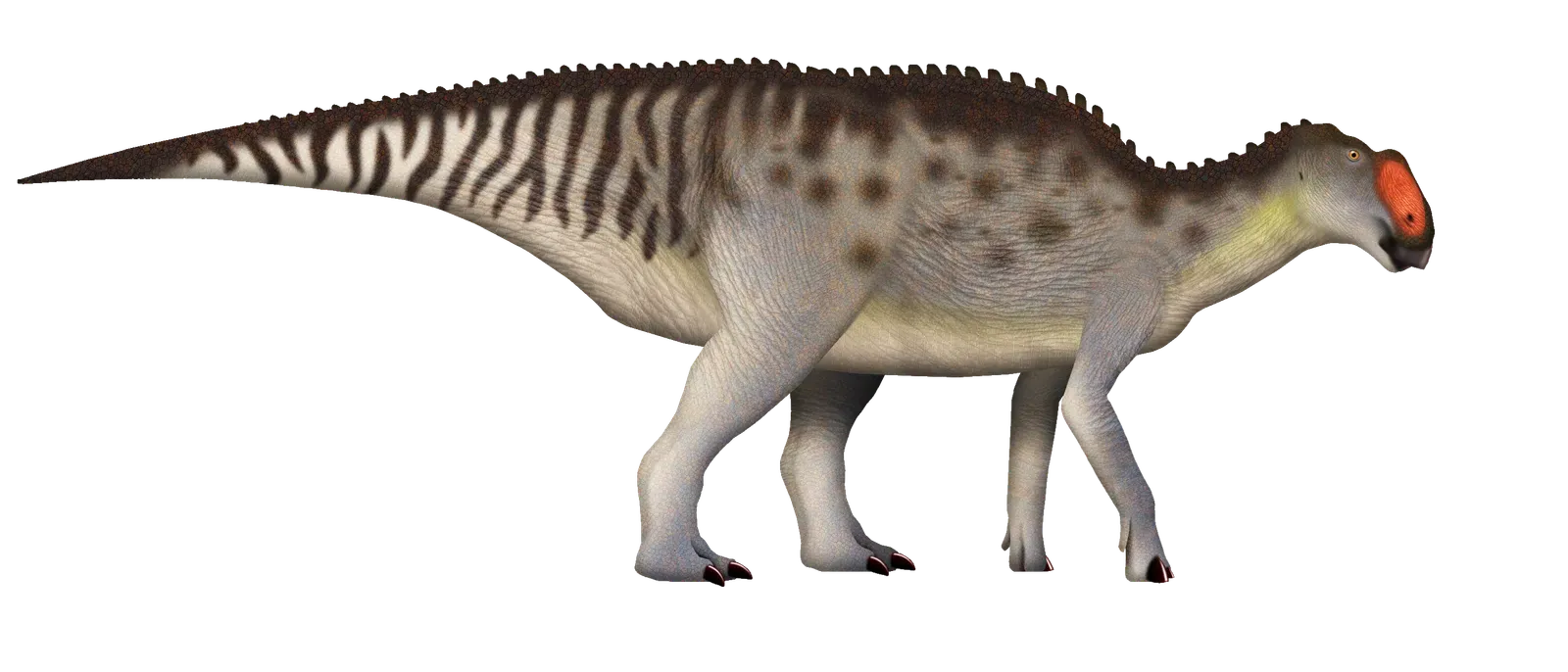
If ceratopsians were the tanks of the Cretaceous, hadrosaurs were the Swiss Army knives. The fossil record shows a staggering variety of hadrosaur forms in Laramidia. The most recognizable aspect of hadrosaur anatomy is the flattened and laterally stretched rostral bones giving a distinct duck-bill look, with some members having massive crests on their heads probably for display or making noises.
The back of the mouth contained thousands of teeth suitable for grinding food before swallowing, which has been hypothesized as a crucial factor in this group’s Cretaceous success compared to sauropods. These weren’t just any teeth. Hadrosaurs featured large dental batteries in both upper and lower jaws, with many tightly compressed teeth forming a long crushing or grinding surface. It’s hard to say for sure, but this dental innovation might explain why hadrosaurs became some of the most abundant dinosaurs in Late Cretaceous North America.
Geographic Provincialism: Different Neighborhoods, Different Dinosaurs
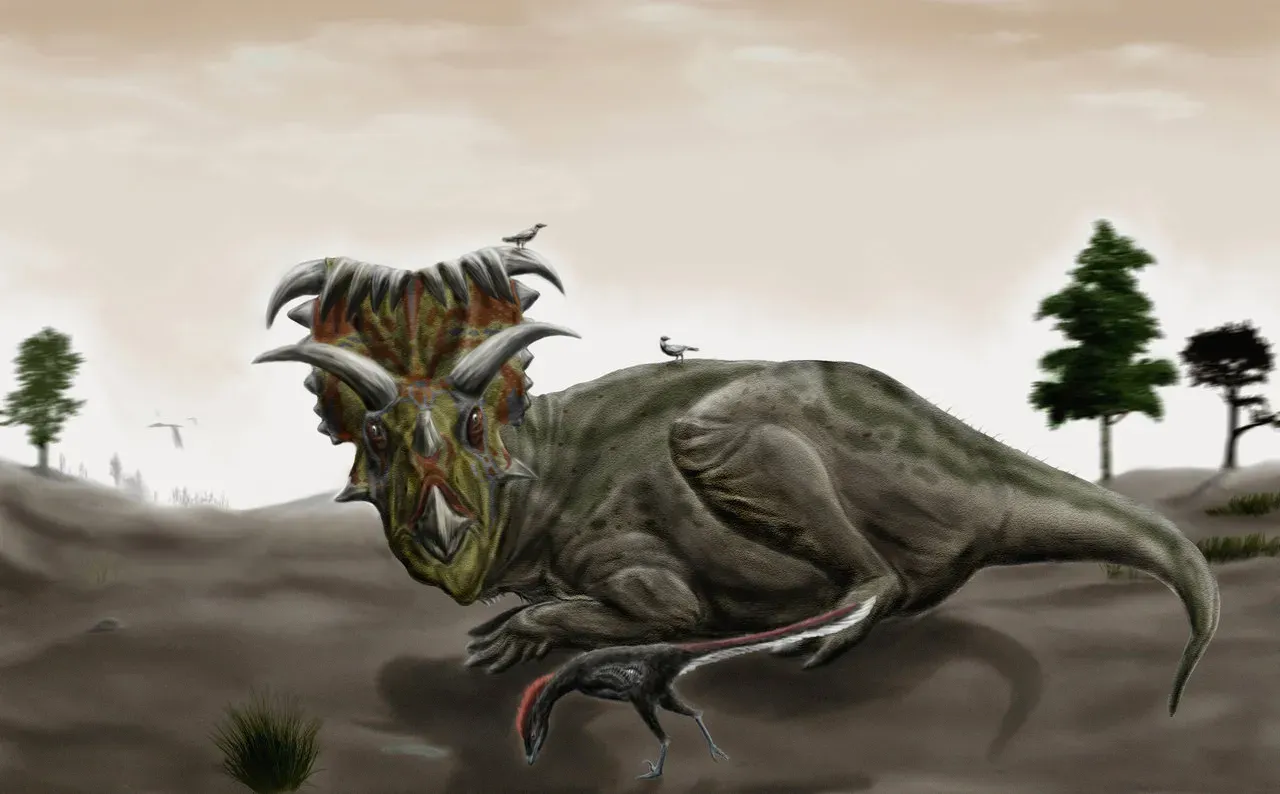
Utahceratops and Kosmoceratops lived in Utah at the same time that other closely related horned dinosaurs lived in Alberta, providing the strongest evidence of dinosaur provincialism on Laramidia. This wasn’t random distribution. Laramidia hosted at least two coeval dinosaur communities for over a million years of late Campanian time.
Tyrannosaurus mcraeensis belonged to an endemic southern dinosaur community including the giant chasmosaur Sierraceratops and giant hadrosaurid, showing no overlap with penecontemporaneous faunas in latest Campanian/early Maastrichtian Canada. The northern fauna looked completely different. Travel a few hundred miles and you’d encounter entirely different species adapted to subtly different conditions.
Unique Preservation: Why We Know So Much About American Dinosaurs
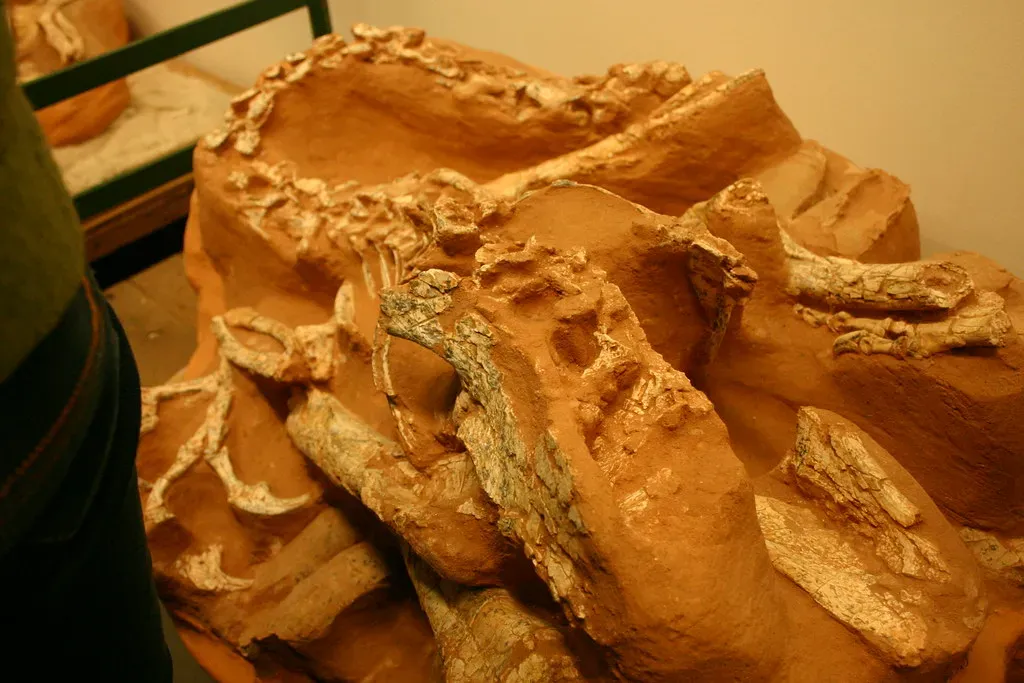
Geological conditions were generally favorable for fossil preservation in Laramidia, making the western United States one of the most productive fossil regions in the world. In Laramidia the Rocky Mountains were uplifting, creating sediment that washed into huge alluvial plains, an area with high rates of sediment deposition ideal for fossil formation.
North America is in the Goldilocks window for finding fossils because rocks have been recently uplifted due to Colorado Plateau uplift, coupled with an arid/semi-arid climate meaning exposed rock is poorly vegetated, allowing for enhanced erosion and fossil discovery. We got lucky, really. The right geological forces at the right time preserved these ancient ecosystems in stunning detail.
The Eastern Mystery: Appalachian Dinosaurs Took a Different Path
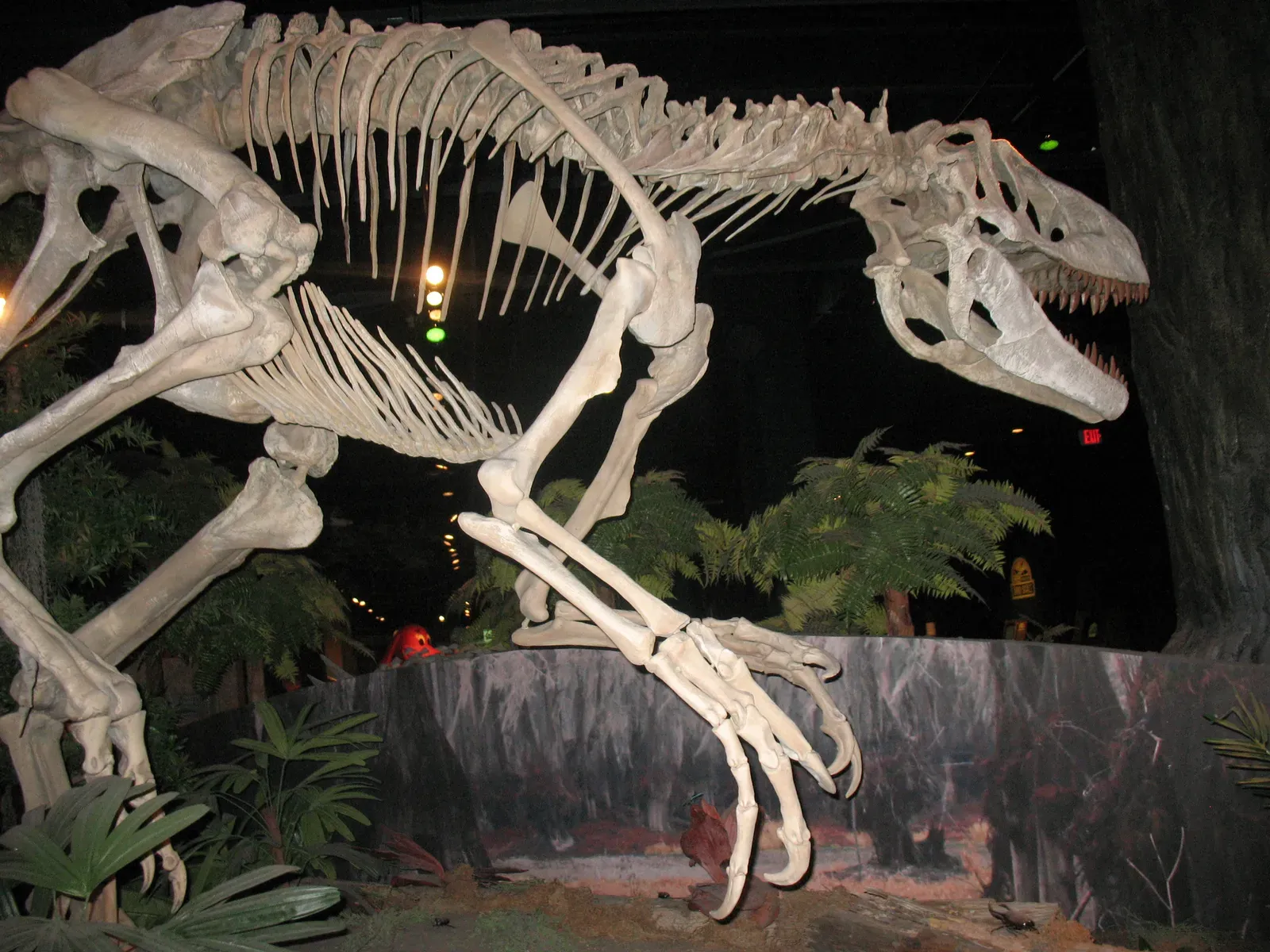
While Laramidia gets all the glory, Appalachia tells a quieter story. Dinosaurs in Appalachia have been found to be uniquely adapted to the Appalachian environment, though we know far less about them. Less is known about Appalachian biodiversity as few fossiliferous deposits exist in the region today and half the fossil beds were destroyed during the Pleistocene ice age.
Two dinosaurs described from eastern North America help fill a major gap in the fossil record and provide evidence that dinosaurs in the eastern portion of the continent evolved distinctly from counterparts in western North America and Asia, with geographic isolation by large water bodies affecting dinosaur evolution. Nodosaurs appear to have been more plentiful in Appalachia, while being scarce in Laramidia by the late Cretaceous. Different continents, different rules.
Conclusion: An Unrepeatable Experiment in Evolution
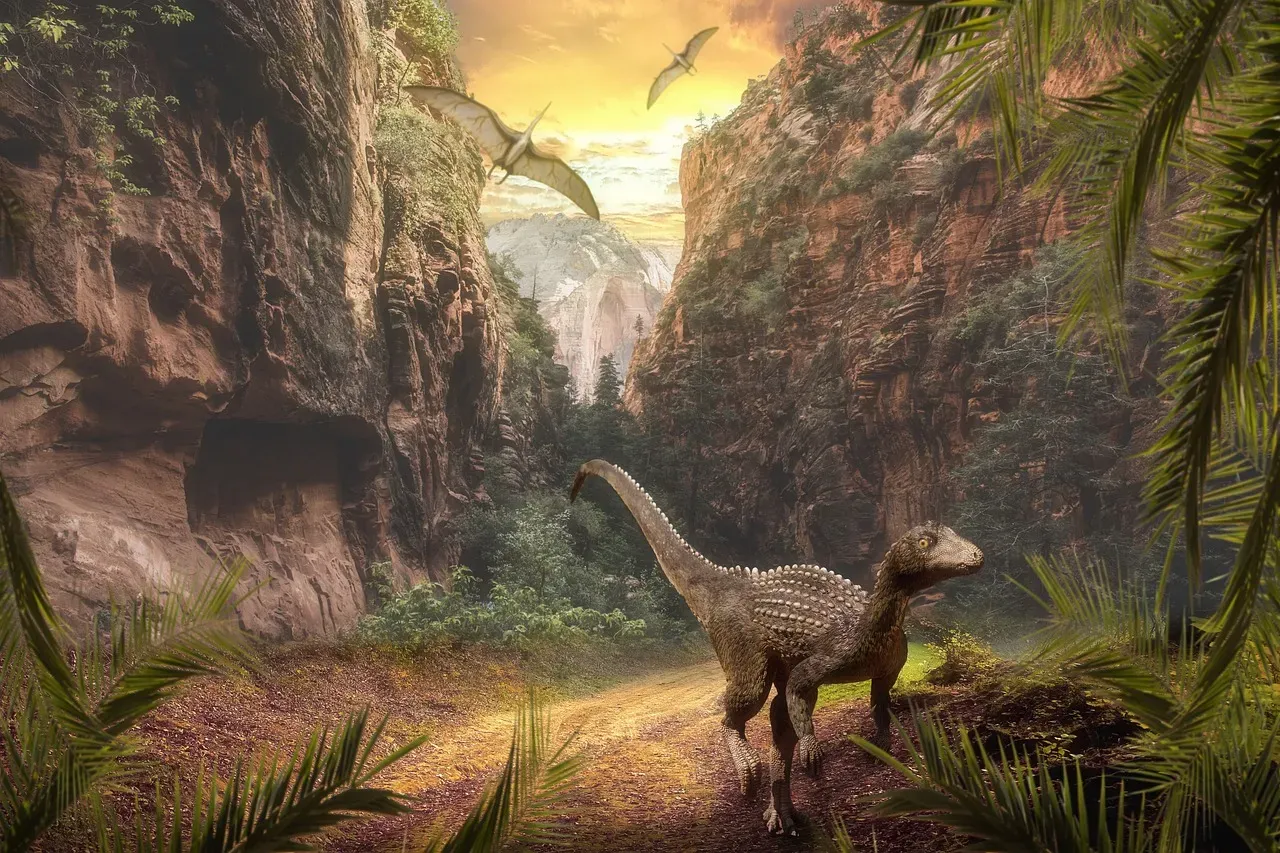
The dinosaurs of ancient North America weren’t just big, impressive creatures. They were the products of a unique evolutionary experiment that can never be repeated. Geographic isolation, climatic gradients, and favorable preservation conditions combined to create and preserve a window into a world where adaptation drove diversity to remarkable heights.
The dinosaurs of the last 10 million years of the Cretaceous in North America are some of the best known in the world, including tyrannosaurs, diverse small theropods, ankylosaurs, pachycephalosaurs, ceratopsians such as Triceratops, and duckbilled hadrosaurs. These forgotten giants weren’t forgotten because they were unremarkable. They were forgotten because we take their uniqueness for granted.
The split continent, the isolated populations, the climatic diversity across latitudes – all these factors converged to make American dinosaurs something special. They adapted, specialized, and dominated their environments in ways that still inspire wonder today. Next time you see a T. rex skeleton or a Triceratops reconstruction, remember: you’re looking at the product of evolutionary forces that shaped life in ways unique to this time and place. What do you think made the biggest difference in shaping these incredible adaptations?