
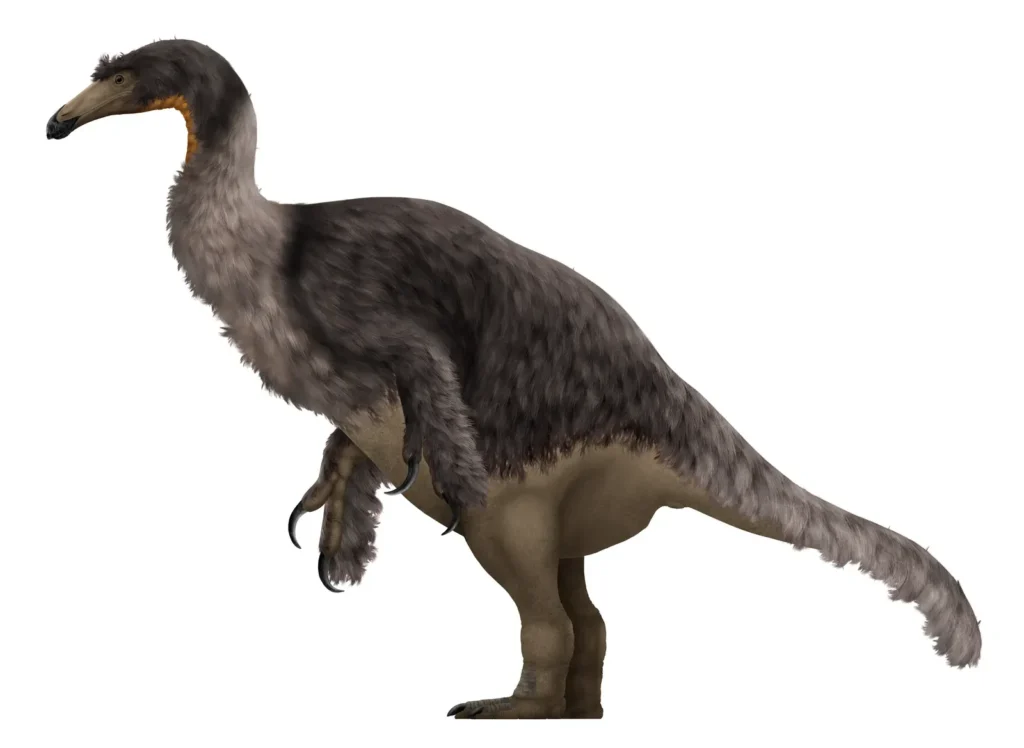
Think you know everything about American dinosaurs? The ground beneath your feet may be hiding secrets that completely change what scientists thought they knew. From Montana’s ancient riverbeds to Wyoming’s rugged rock formations, recent fossil discoveries are forcing researchers to rethink long-held beliefs about when dinosaurs first appeared on this continent, how they evolved, and which species roamed the prehistoric American landscape.
These aren’t just new species being added to an already lengthy catalog. We’re talking about findings that challenge the very foundation of dinosaur science, upending theories that stood unchallenged for decades. The last couple of years have delivered fossil evidence so remarkable that even seasoned paleontologists have gasped audibly when seeing them for the first time at conferences.
The Nanotyrannus Revelation That Stunned the Scientific World
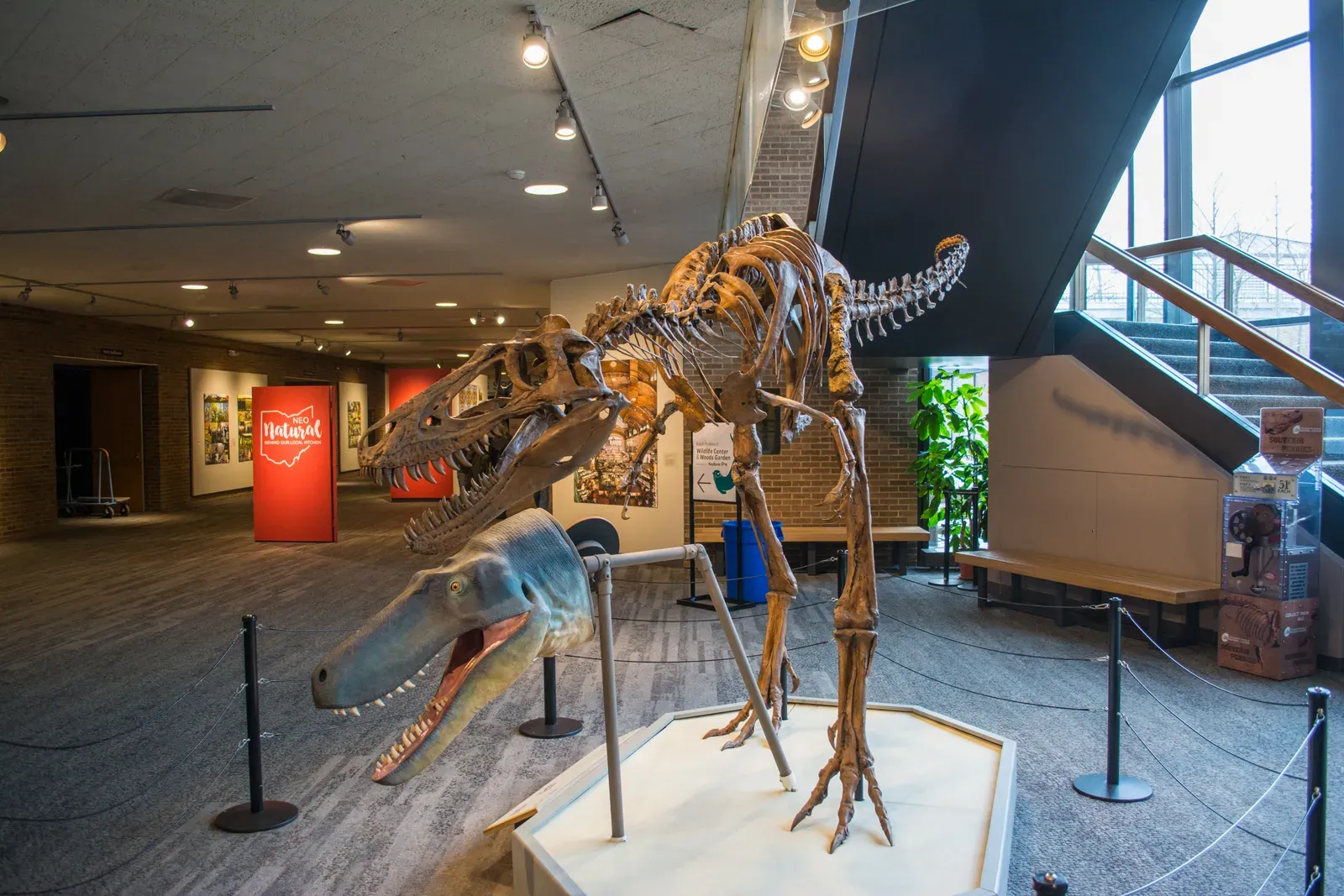
Here’s the thing about scientific debates: sometimes they simmer for decades before one spectacular discovery settles everything. The famous “Dueling Dinosaurs” fossil found in Montana confirmed that Nanotyrannus lancensis was a fully grown species, not a teenage T. rex as many scientists once believed, according to researchers who stated “This fossil doesn’t just settle the debate.” For over thirty years, paleontologists argued back and forth, with many convinced that smaller tyrannosaur fossils were simply juveniles of the mighty Tyrannosaurus rex.
The specimen was around 20 years old and physically mature when it died, with skeletal features including larger forelimbs, more teeth, fewer tail vertebrae, and distinct skull nerve patterns incompatible with T. rex. This isn’t just about adding another name to the list. The discovery completely reframes the idea that T. rex was the lone predator of its time, revealing that multiple tyrannosaur species coexisted in the last million years before the asteroid impact. The implications are massive when you consider that decades of research on T. rex growth patterns and behavior were based on fossils from an entirely different animal.
North America’s Oldest Dinosaur Rewrites Origin Stories
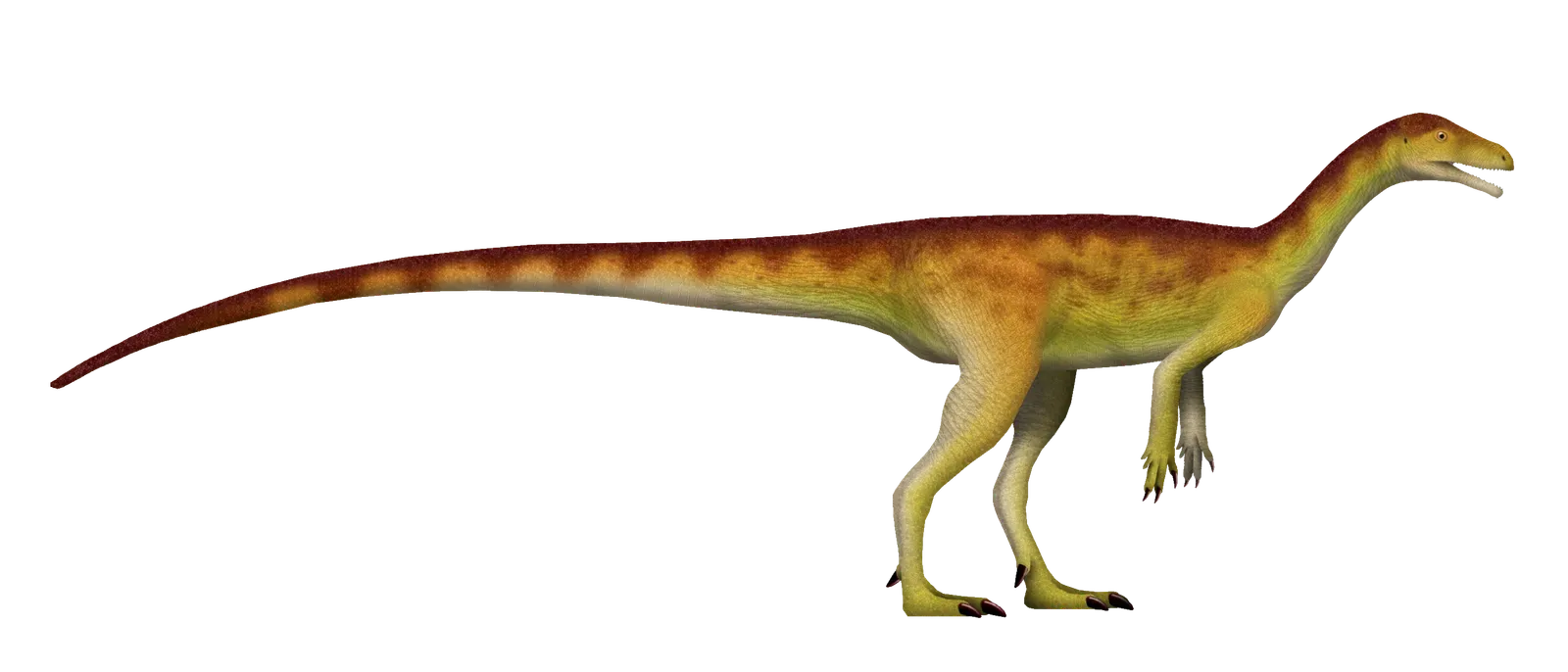
Sometimes a fossil changes everything you thought you knew about where a story begins. Paleontologists uncovered fossilized remains of Ahvaytum bahndooiveche, a sauropodomorph dinosaur that lived in the northern hemisphere around 230 million years ago and is the oldest known Laurasian dinosaur. This small creature, roughly the size of a chicken with an exceptionally long tail, lived in what is now Wyoming.
The origin of dinosaurs was thought to be deeply rooted in the high-latitude southern hemisphere, with Gondwanan dinosaur faunas separated from the northern hemisphere by 6 to 10 million years, but the newly-described Laurasian species lived at the same time as the oldest known southern dinosaurs. Let’s be real: that’s a gap of millions of years suddenly disappearing from the fossil record. This challenges long-held beliefs about dinosaur origins and encourages scientists to rethink established theories. The discovery suggests that dinosaurs spread across the ancient supercontinent Pangea far more rapidly than anyone imagined.
The Spikey Nightmare Called Spicomellus
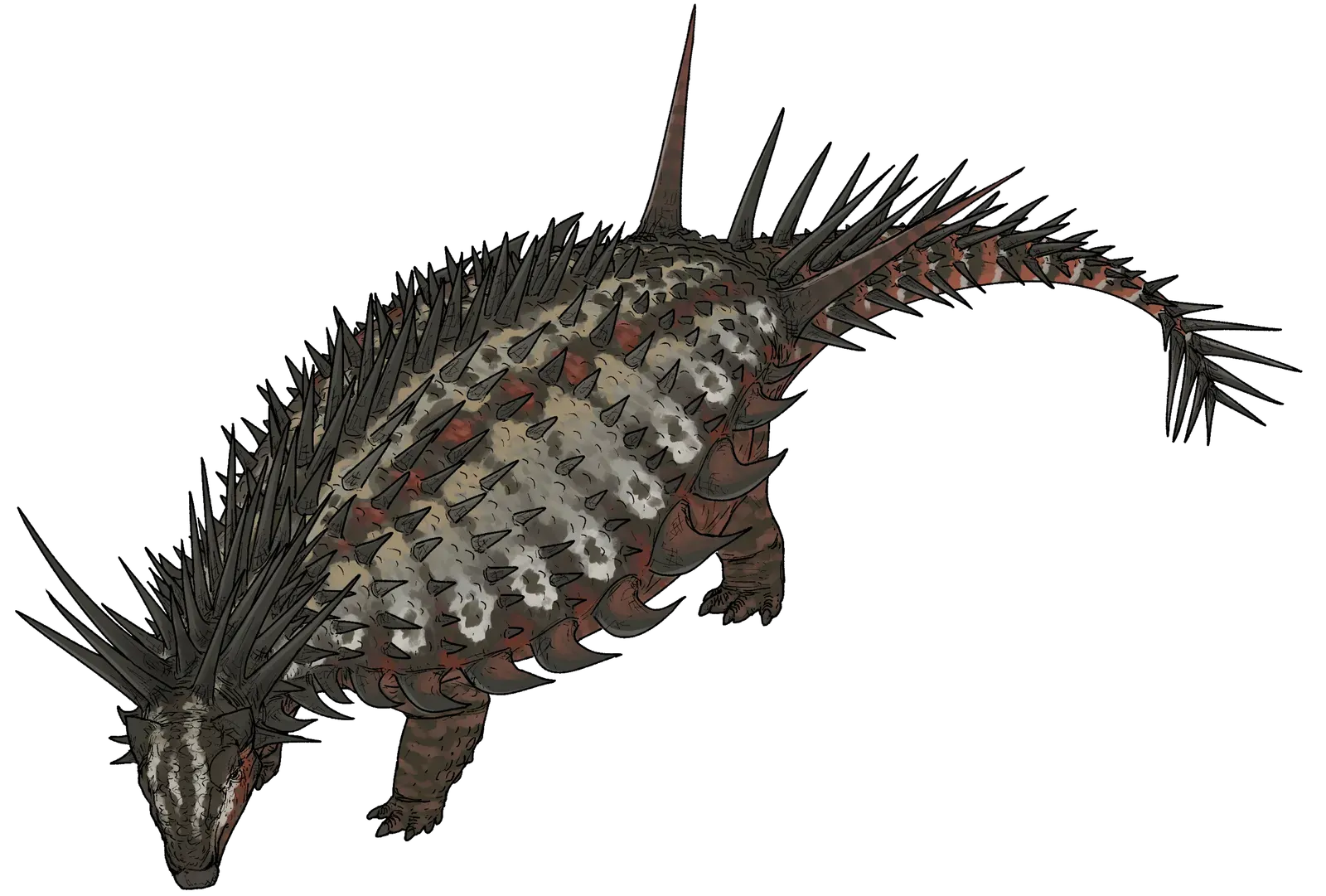
If you thought you’d seen everything dinosaurs could throw at you, think again. An expedition in Morocco found more skeleton remains of Spicomellus, revealing that this entire dinosaur was covered in spikes, with big ones over the hips and nearly 3-foot-long spikes around its neck. This isn’t subtle armor we’re talking about. Picture a creature that looks like it wandered off a monster movie set, with bony protrusions extending from its skeleton in ways never seen before in any animal, living or extinct.
Spicomellus is the oldest ankylosaur known to date, with the fossil showing an unusual attachment of spike to bone not previously seen in a dinosaur. The longest spikes measured an incredible 34 inches, creating a collar of bone around the creature’s neck. You have to wonder what kind of predators roamed the landscape that would necessitate such extreme defenses. This Middle Jurassic creature lived around 165 million years ago, pushing back the known timeline for armored dinosaurs significantly.
Thriving Ecosystems Right Before the Asteroid
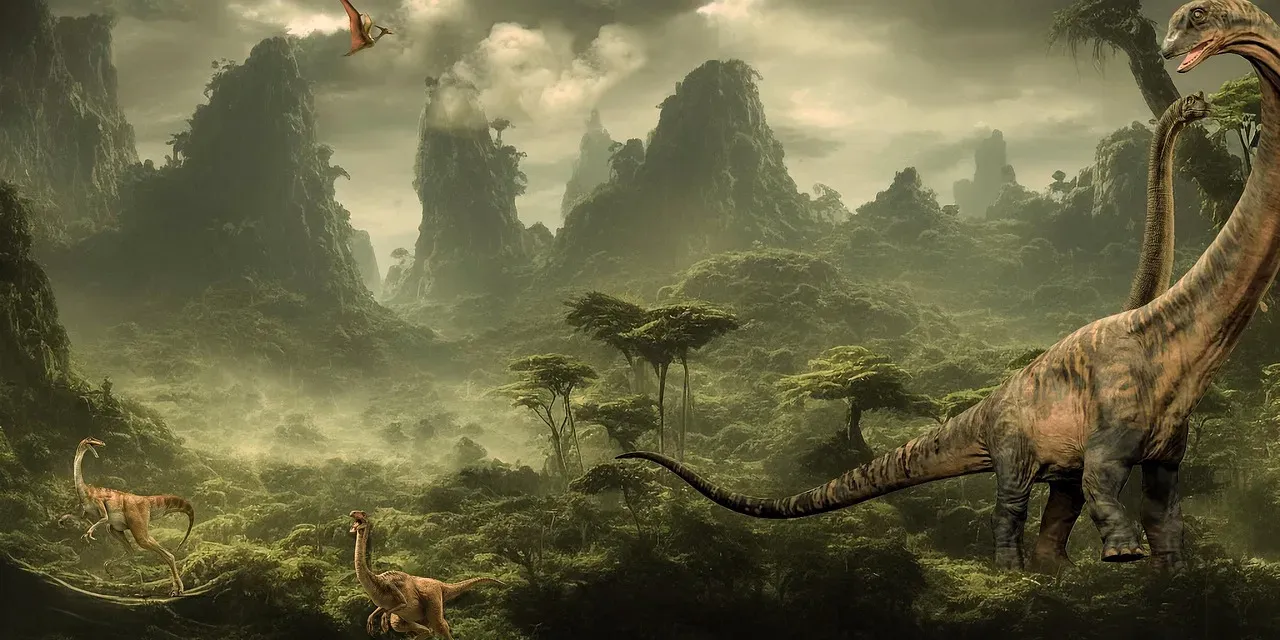
One of the biggest questions in paleontology has been whether dinosaurs were already declining before that fateful asteroid impact. Research determined the strata of the Naashoibito Member of the Kirtland/Ojo Alamo Formation in New Mexico preserving non-avian dinosaur fossils to be latest Maastrichtian in age, indicating high diversity of North American dinosaurs living before the extinction event. These weren’t stragglers limping toward inevitable doom.
An array of dinosaurs found in New Mexico lived within 400,000 years of the impact and were made up of different species and even different dinosaur groups than equivalent communities found to the north in Montana, Colorado and other locales. The research paints a picture of vibrant, diverse ecosystems spread across different regions of prehistoric North America. New finds reveal a species rich and diverse dinosaur ecosystem thriving literally just before the impact, suggesting that the dinosaurs might have kept going if space hadn’t intervened.
The Dome-Headed Wonder From Mongolia
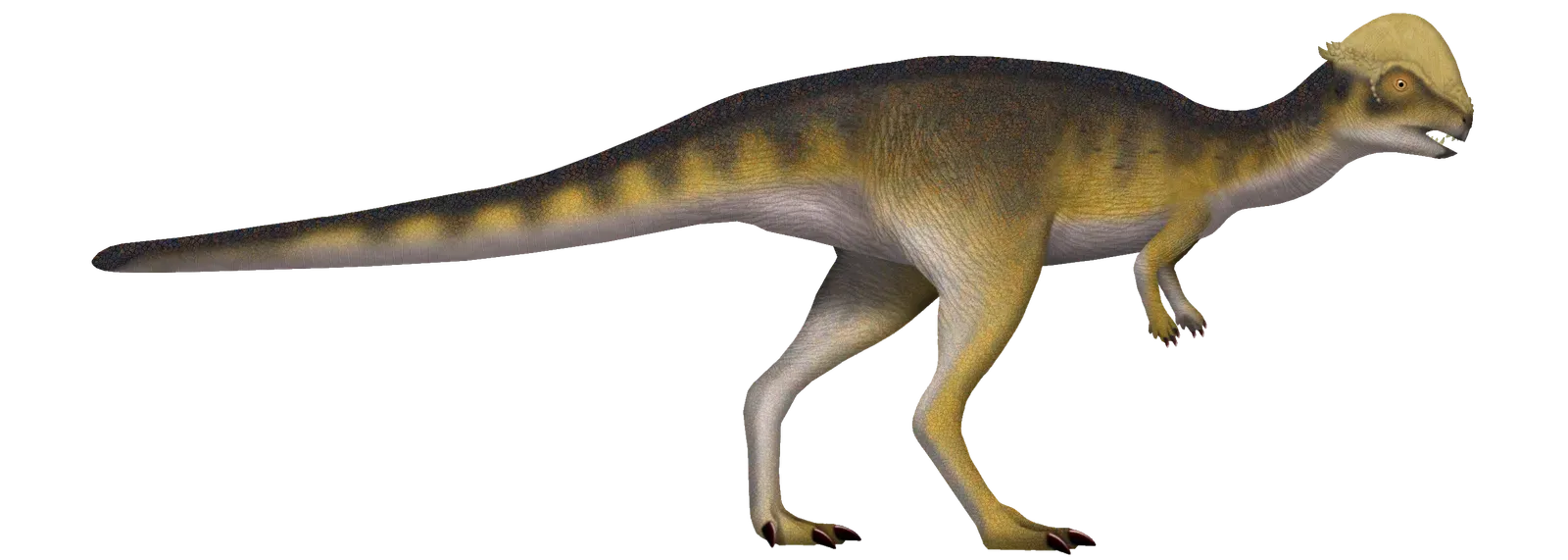
Zavacephale is a new dome-headed dinosaur from a group that is poorly understood, but this specimen preserves a largely complete skeleton and is the most complete skeleton known from this strange group. When this fossil was first shown at an academic conference, it drew audible gasps from experienced paleontologists who thought they’d seen it all. The one-meter-long plant-eating dinosaur was discovered in rocks dated to around 110 million years old in Mongolia’s Gobi Desert.
These pachycephalosaurs have fascinated researchers for years, mostly because they’re typically known only from incomplete skulls. Having a nearly complete skeleton gives scientists an unprecedented window into how these creatures actually lived and moved. The preservation quality allows researchers to study everything from bone structure to possible soft tissue attachments, filling in enormous gaps about this enigmatic group.
Tyrannosaur Migration Patterns Across Continents
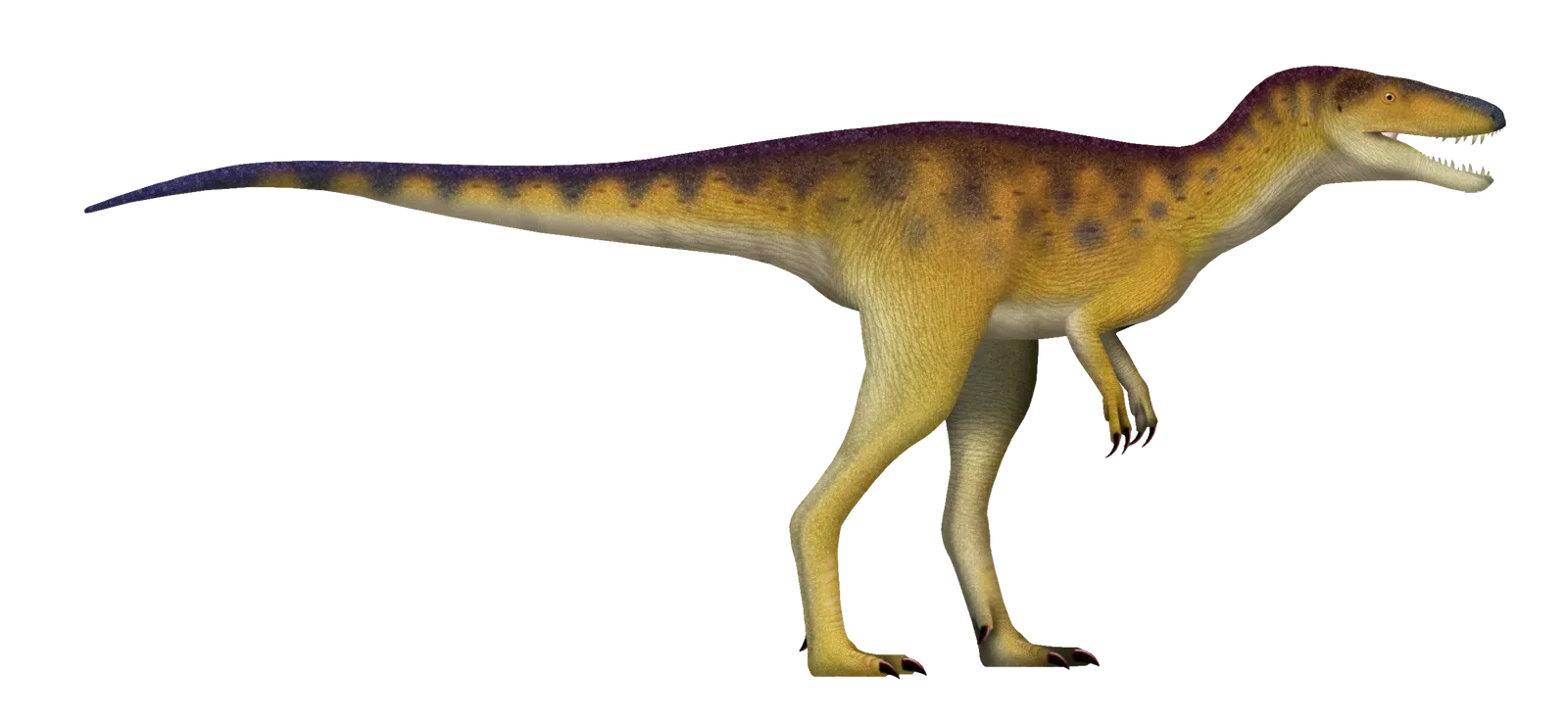
Khankhuuluu was part of a burst of tyrannosaur evolution that led to slender, agile creatures crossing into prehistoric North America around 85 million years ago, with some tyrannosaurs then crossing back into Asia and eventually leading one big lineage to enter North America once more and give rise to T. rex. This isn’t a simple story of dinosaurs staying put in one location. We’re looking at multiple waves of migration spanning millions of years.
The 86-million-year-old bones from this “Dragon Prince of Mongolia” appear connected to a dinosaur closely linked to the direct ancestor of all tyrannosaurs. Think of it as finding a missing piece in a puzzle that spans continents and epochs. These findings reveal that tyrannosaurs were far more mobile and adaptable than previously understood, crossing ancient landmasses and evolving into new forms as they encountered different environments and prey.
Dinosaurs Shaped Their Own Environments
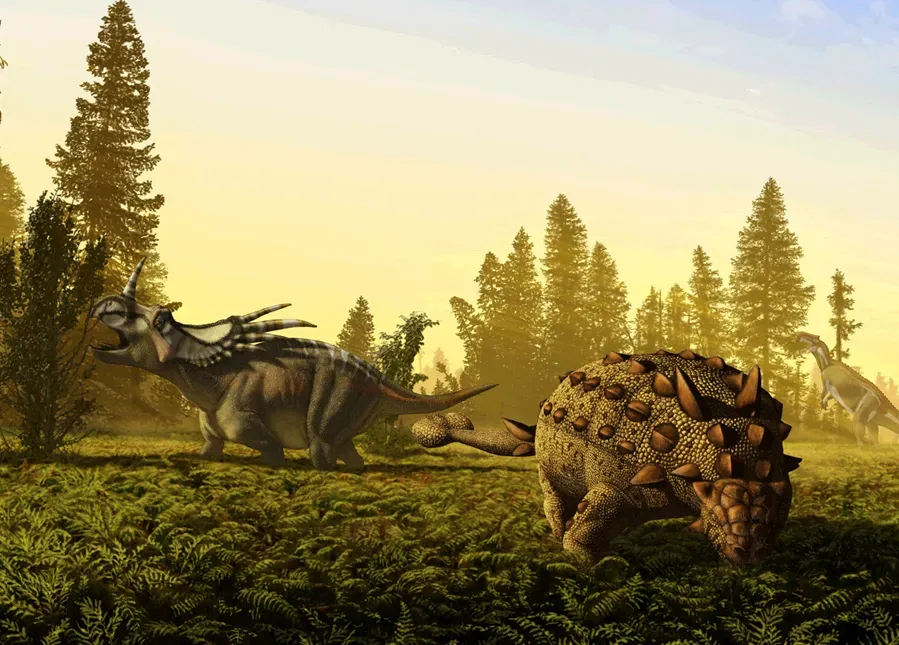
Research linked widespread facies shifts in western North America during the extinction transition to the extinction event, arguing that non-avian dinosaurs likely promoted open habitats and that their extinction might have resulted in widespread emergence of dense forest cover. This is fascinating when you think about it. We usually consider animals as passive inhabitants of their environments, but these findings suggest something far more dynamic.
Picture vast herds of massive herbivores keeping vegetation trimmed back, creating open plains and savannas across the prehistoric American West. When the asteroid struck and these giant landscapers disappeared, forests could suddenly expand unchecked. The ecological role these creatures played was so significant that their absence fundamentally transformed entire ecosystems. It’s a reminder that every species, no matter how ancient or extinct, played a crucial part in shaping the world around them.
An Explosive Year for New Species Discoveries
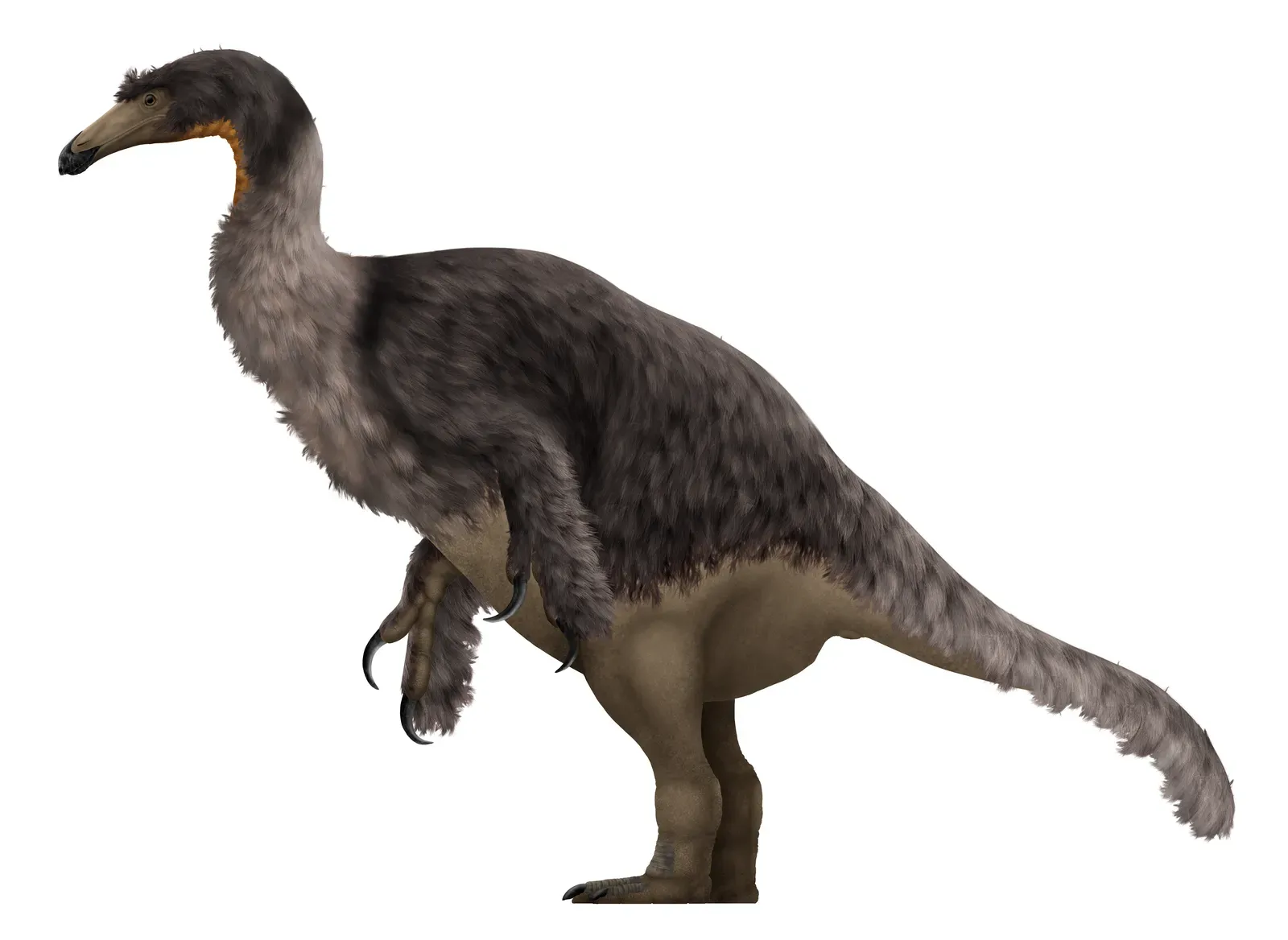
The year 2025 has seen the discovery of 44 new dinosaur species, nearly one a week. Let that sink in for a moment. That’s a discovery roughly every seven days, from locations spanning the globe. Some came from well-known fossil hotspots like Argentina, China, and Montana, while others emerged from unexpected places like Serbian villages and the rainswept coast of Scotland.
Researchers at the American Museum of Natural History documented more than 70 new species in 2025, with discoveries highlighting “the remarkable richness of Earth’s biodiversity.” Not all of these discoveries came from recent fieldwork either. Some specimens had been sitting in museum collections for decades, waiting for new technologies and fresh perspectives to reveal their secrets. Modern imaging techniques, genetic analysis tools, and computational methods are allowing scientists to extract information from fossils that previous generations simply couldn’t access.
Conclusion: The Ground Keeps Giving Up Its Secrets
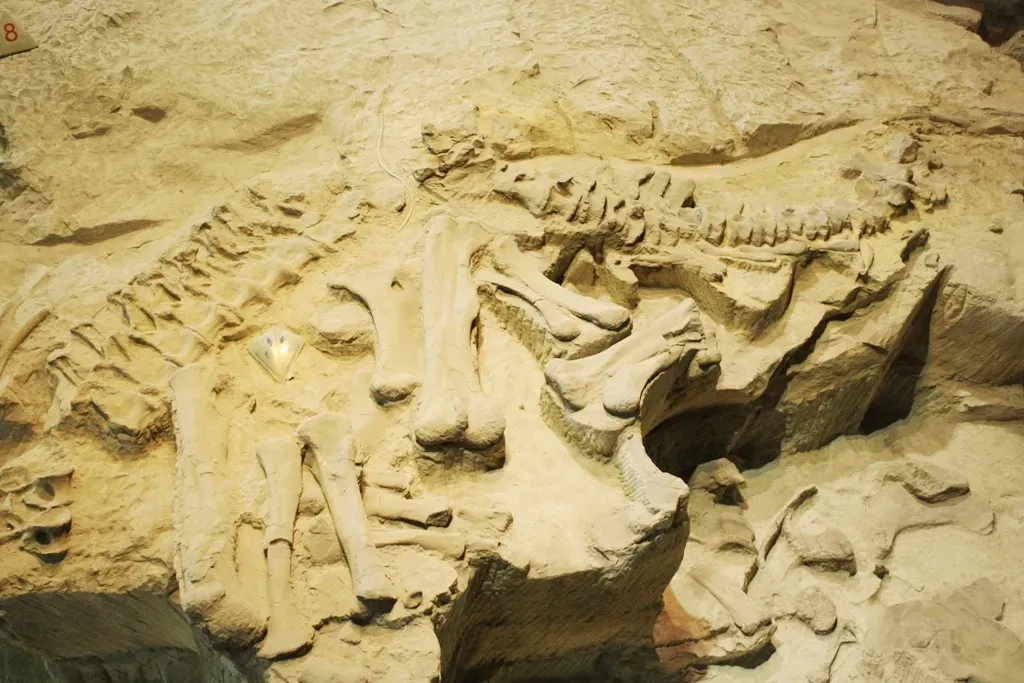
The dinosaur story keeps getting rewritten with each passing year, and honestly, that’s what makes paleontology so thrilling. New fossils, reanalyses of famous specimens and the use of increasingly sophisticated tools have continued to upend what we thought we knew about how these animals lived, moved, fed and evolved. From tyrannosaurs that weren’t teenage T. rexes after all to discoveries pushing back the arrival of dinosaurs in North America by millions of years, 2025 proved to be an extraordinary chapter in understanding Earth’s prehistoric past.
These findings remind us that science isn’t static. Theories that seemed rock-solid for decades can crumble when confronted with new evidence. The American landscape still holds countless fossils waiting to be discovered, each one potentially capable of rewriting what we think we know. What will researchers uncover next year, or the year after that? What assumptions will the next spectacular fossil force scientists to abandon?
One thing seems certain: the more we dig, the more surprises we find buried in ancient stone. What’s your take on these game-changing discoveries? Did any of them surprise you as much as they shocked the scientific community?